- TEL : 01277 890 783
- EMAIL : sales@southgatetimber.co.uk
- Collections Monday to Friday 9:00 - 16:00






 Profiles
 Fast and friendly delivery service
 Samples available
 Click & Collect



-
-
-
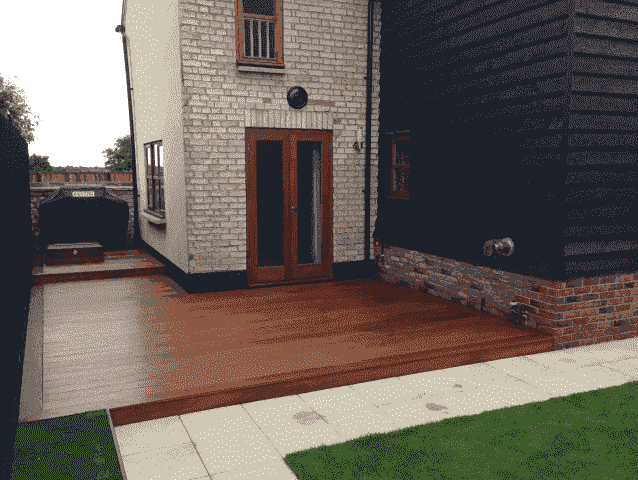
IPE Hardwood Decking ***FSC®***
-
-
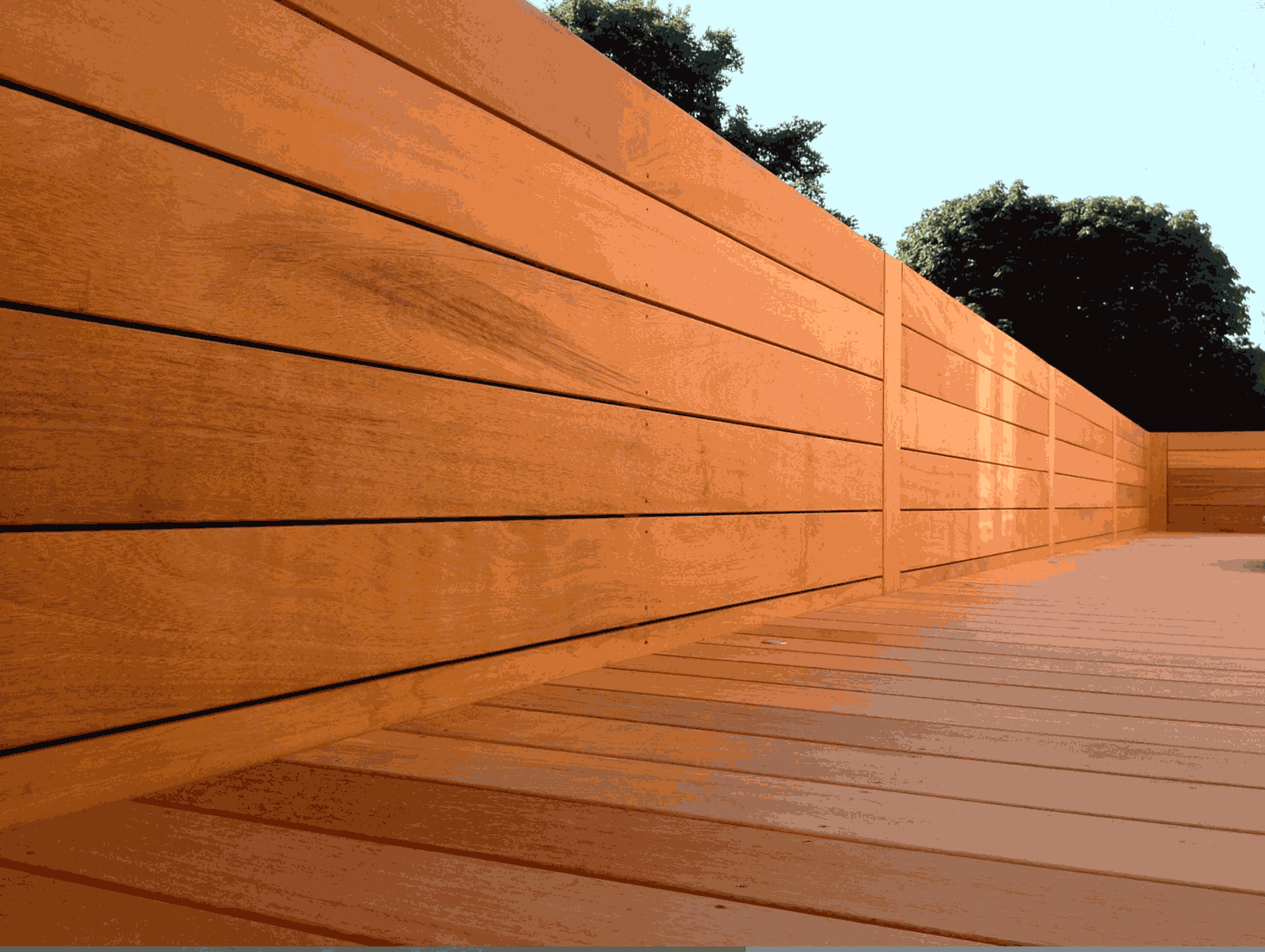
Iroko Hardwood Decking
-
-
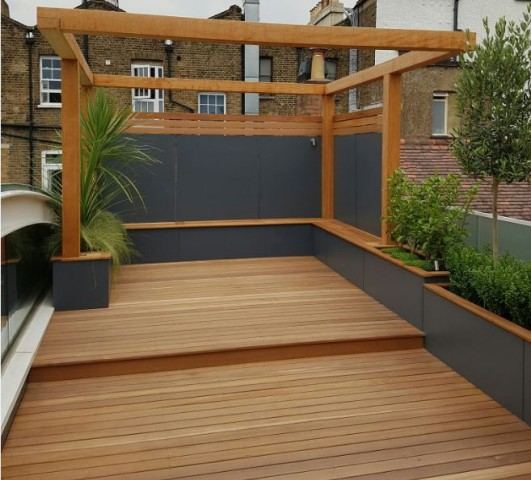
Yellow Balau Hardwood Decking ***FSC®*** & SVLK
-
-
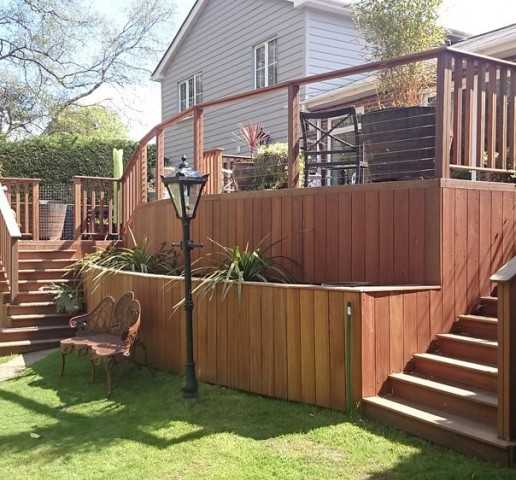
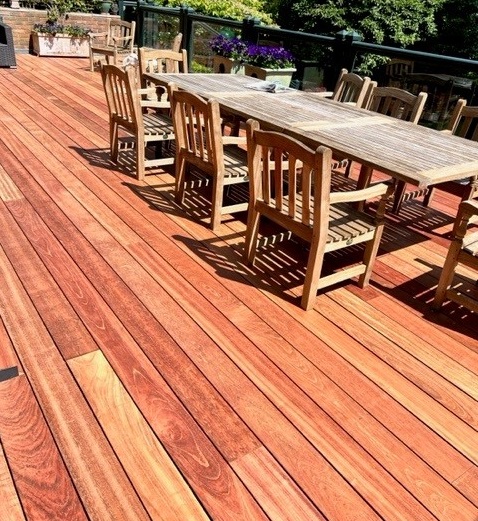
Yellow Balau Hardwood Components SVLK
-
-
Jatoba Hardwood Decking ***FSC®***
-

-
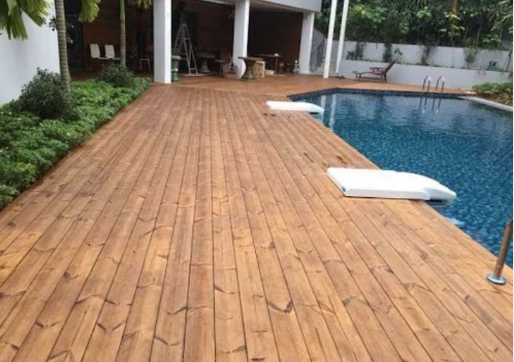
Thermory Benchmark Thermo-Ash Decking
-
-
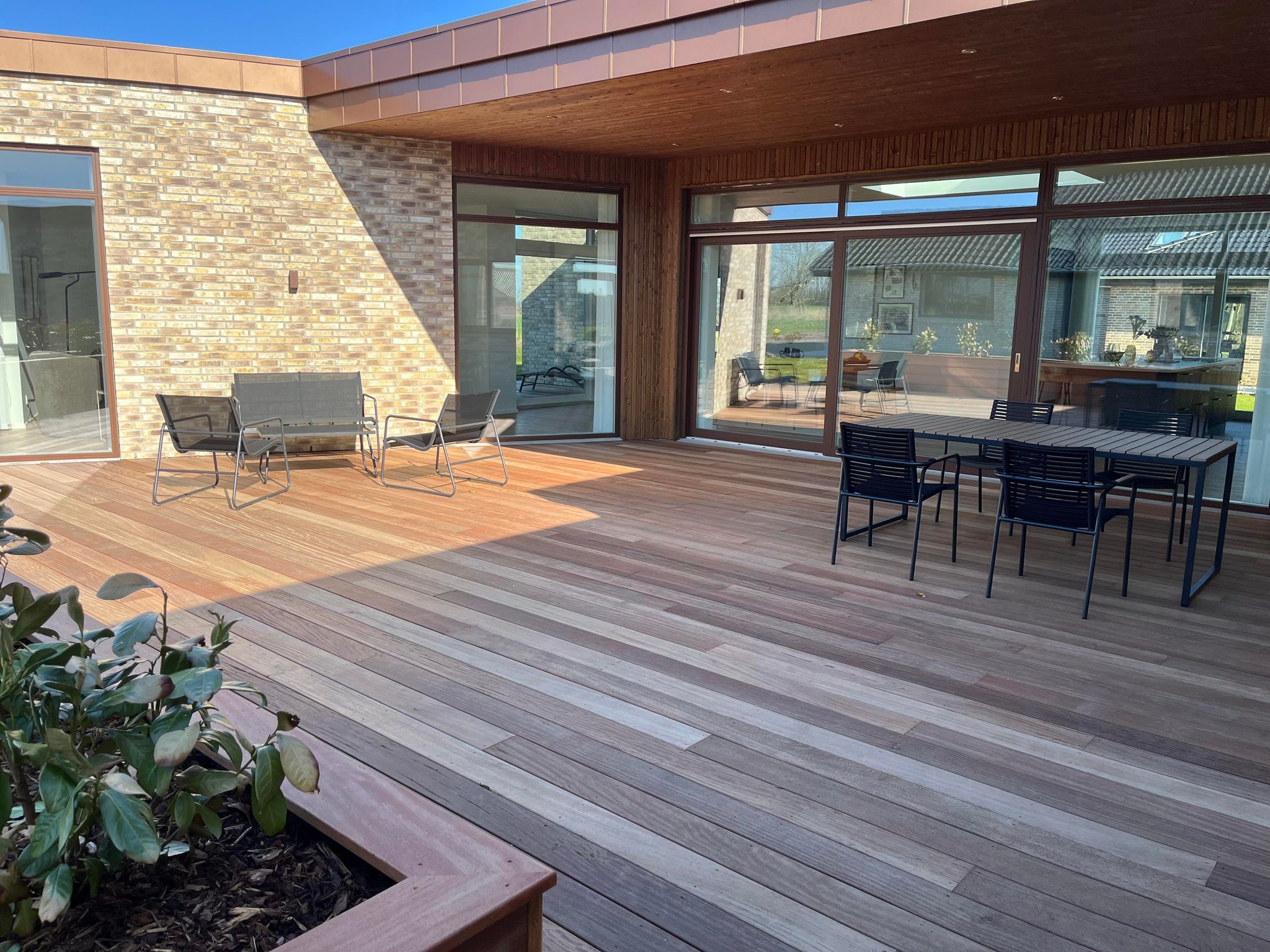
Thermowood Pine Decking PEFC
-
-
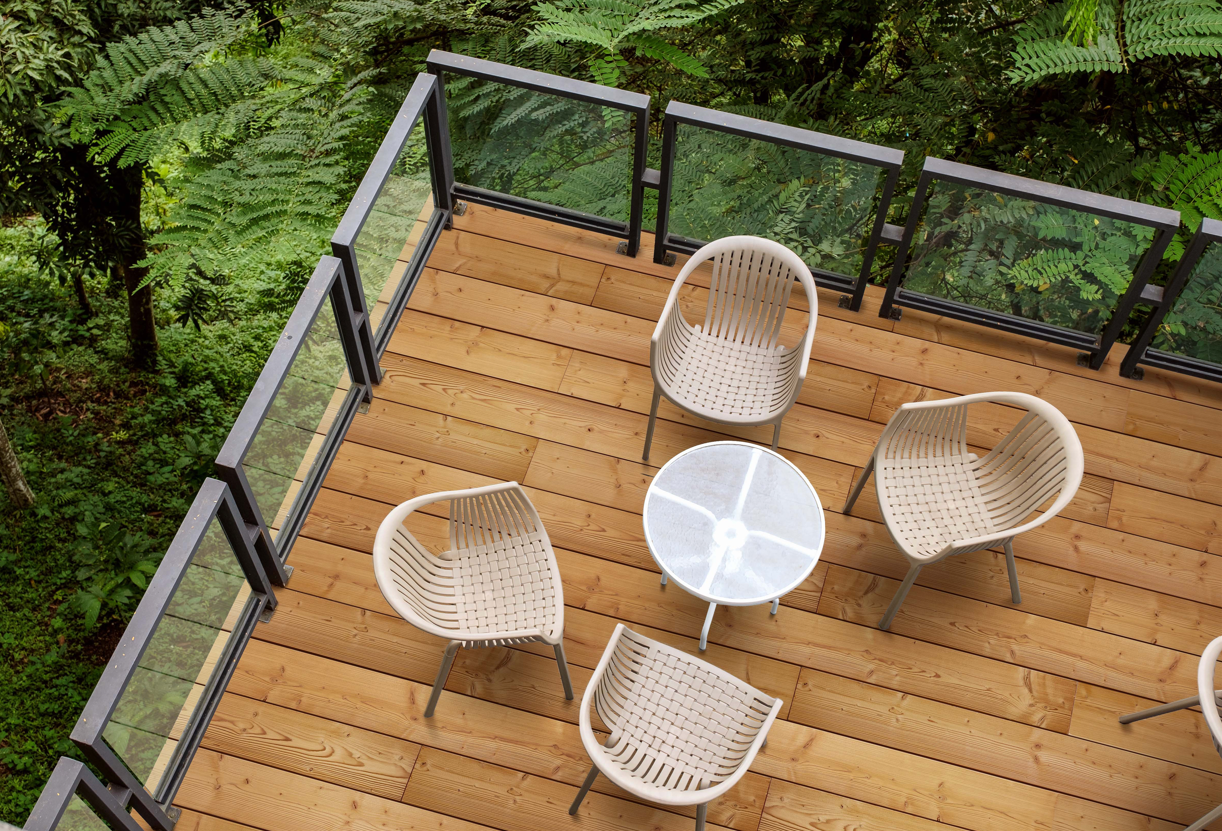
Tali Hardwood Decking ***FSC®***
-
-
Thermory Spruce Decking PEFC
-
-
-
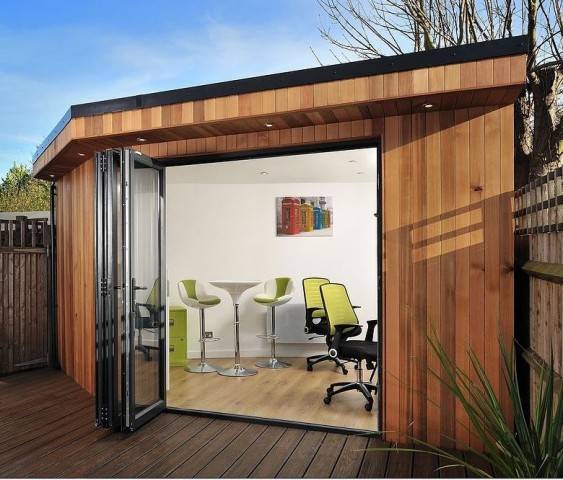
-
Western Red Cedar Cladding PEFC
-
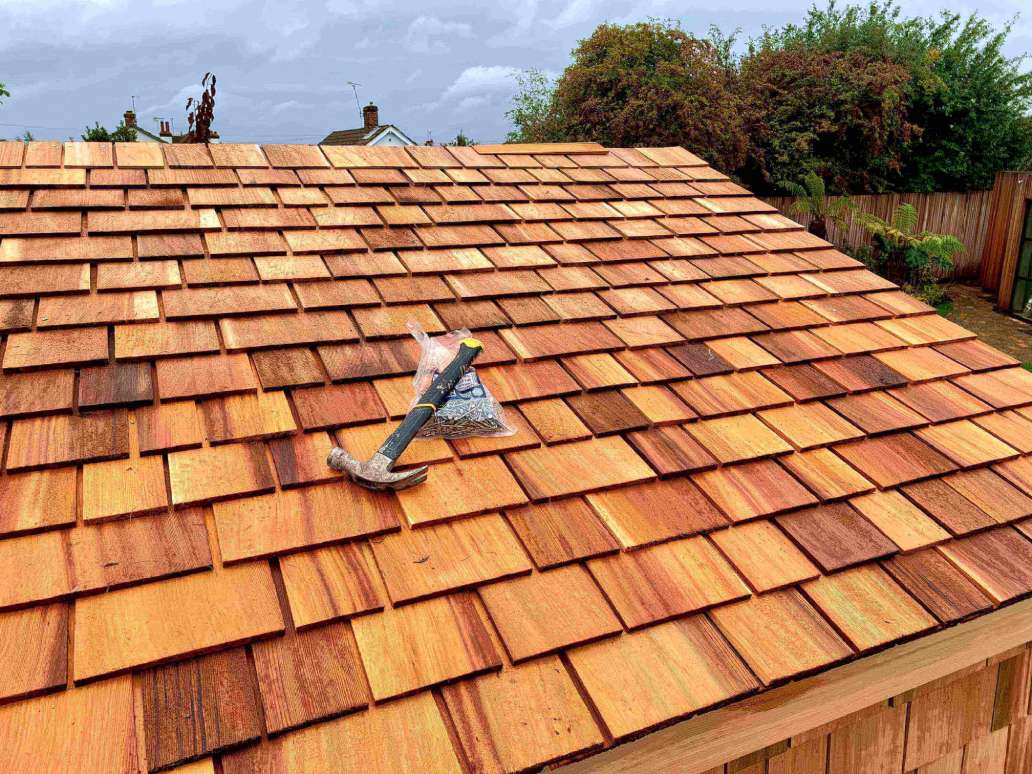
-
Cedar Shingles & Ridge Tiles PEFC
-
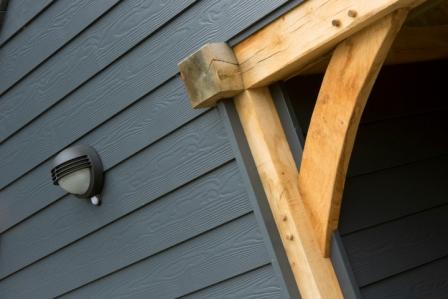
-
Cedral Cement Board Cladding
-
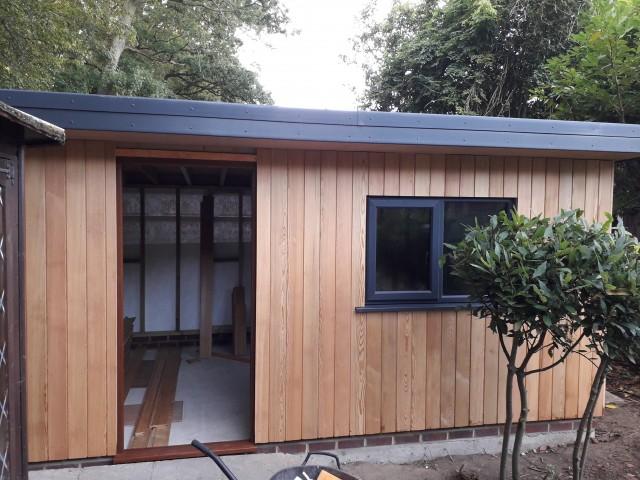
-
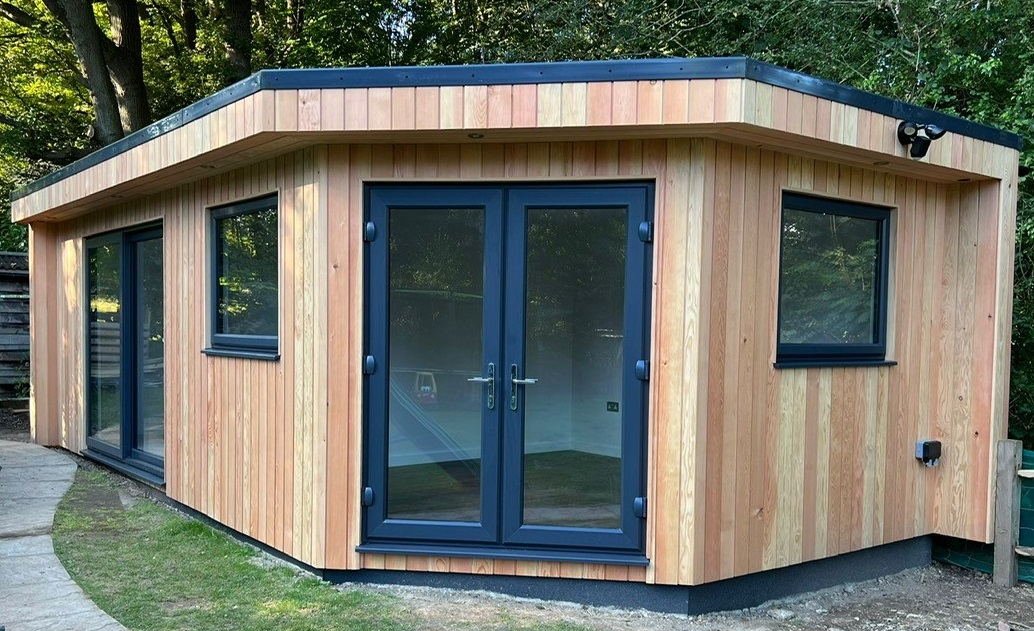
Larch Cladding ***FSC®*** & PEFC
-
-
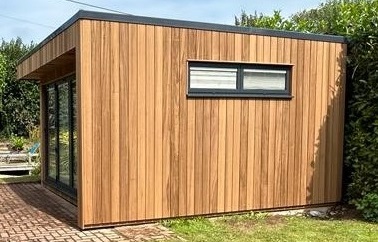
Douglas Fir Cladding PEFC
-
-
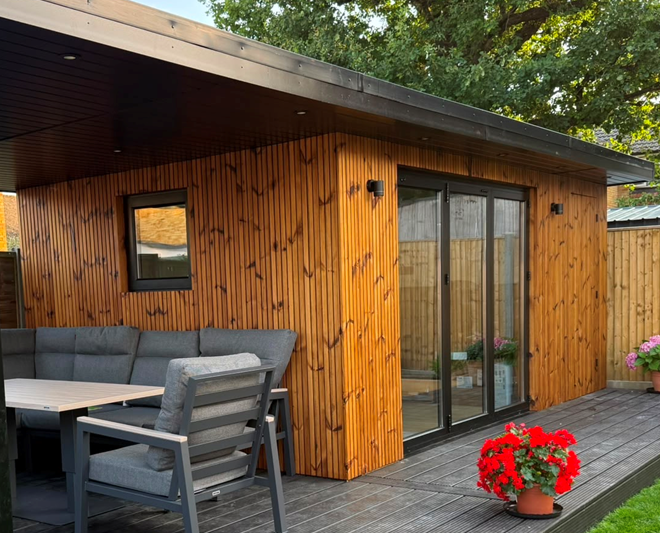
Thermo Ayous Cladding
-
-
Thermowood Pine Cladding PEFC
-
.jpg)
-
Black Cladding PEFC
-

-
Far Eastern Hardwood Cladding PEFC & SVLK
-

-
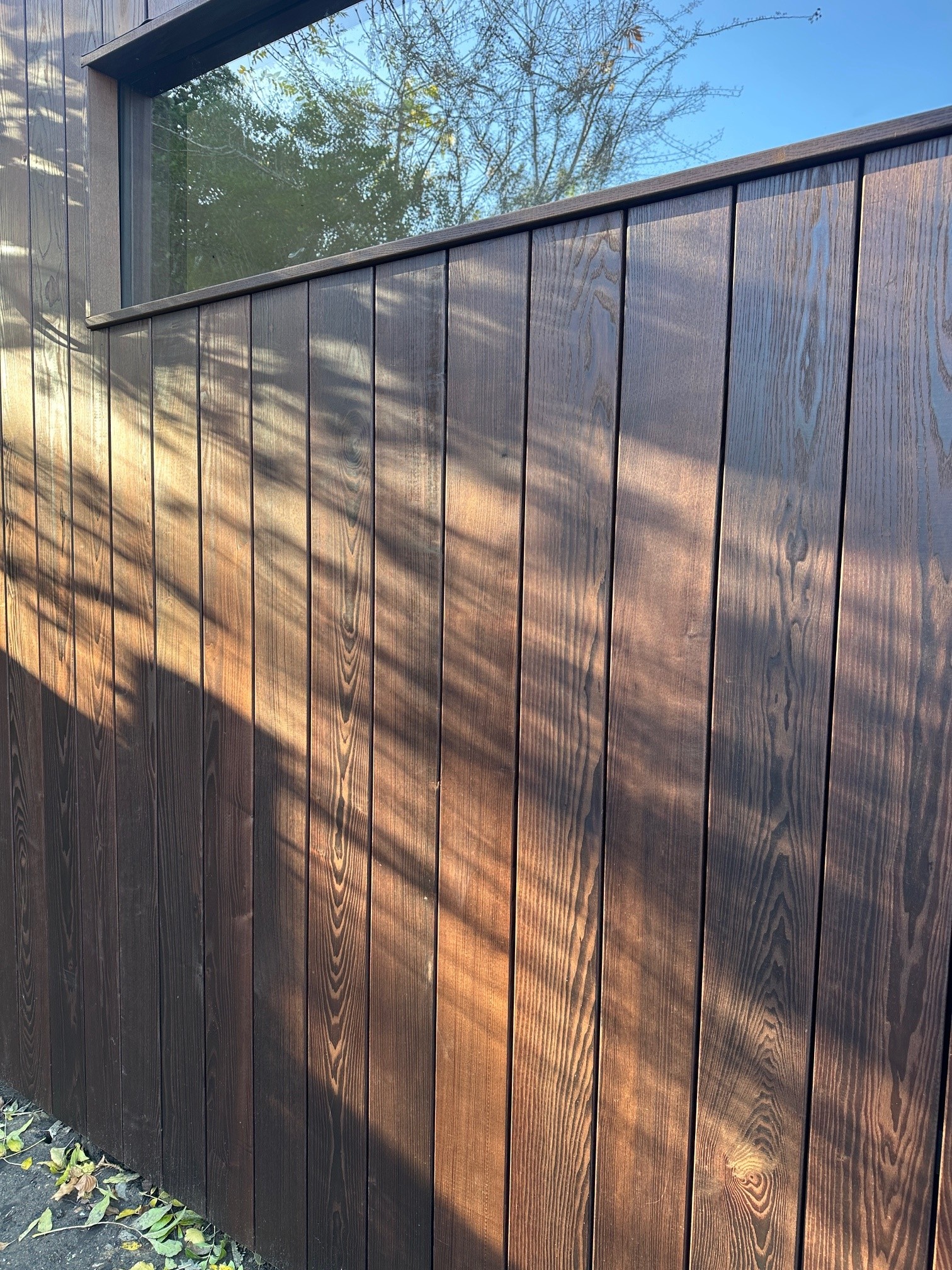
Thermory Radiata Pine Cladding ***FSC®***
-
-
Thermory Thermo-Ash Cladding
-

-
Thermory Thermo-Ash Decor Rhomb Tiles Internal
-
- SAUNA
- SLEEPERS
-
-
-
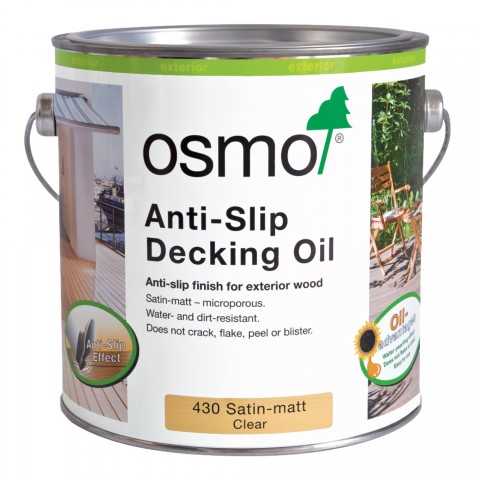
Osmo Treatment & Accessories
-
-
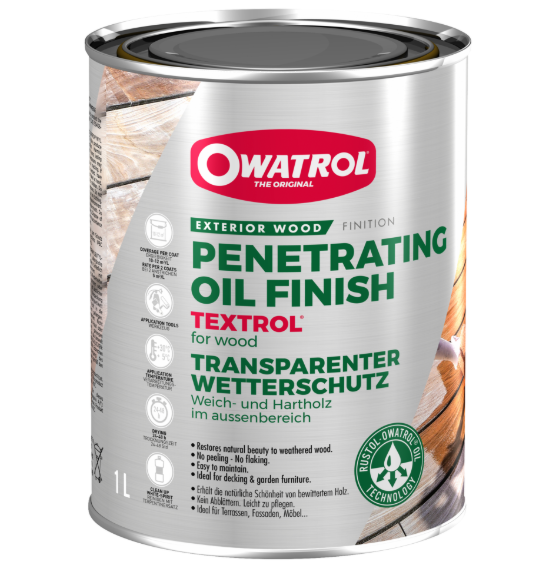
Owatrol Treatment & Accessories
-

-
Thermory Treatment & Fixings
-
-
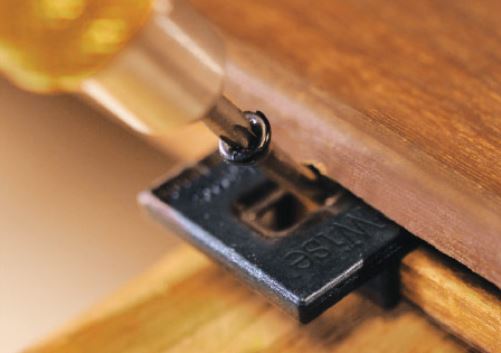
Deckwise Hidden Fixings & Accessories
-
-
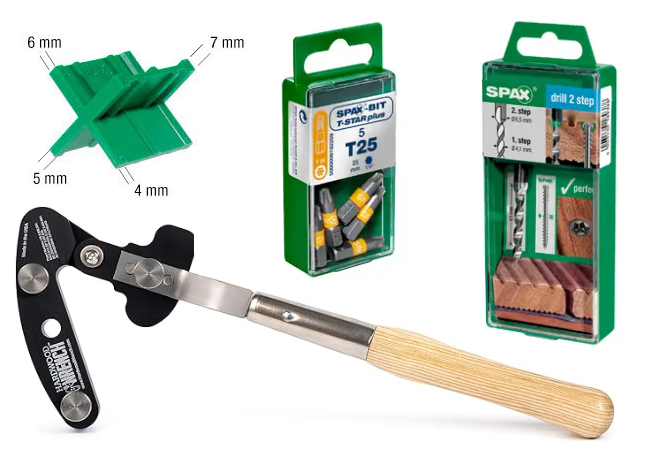
Decking Accessories
-
-
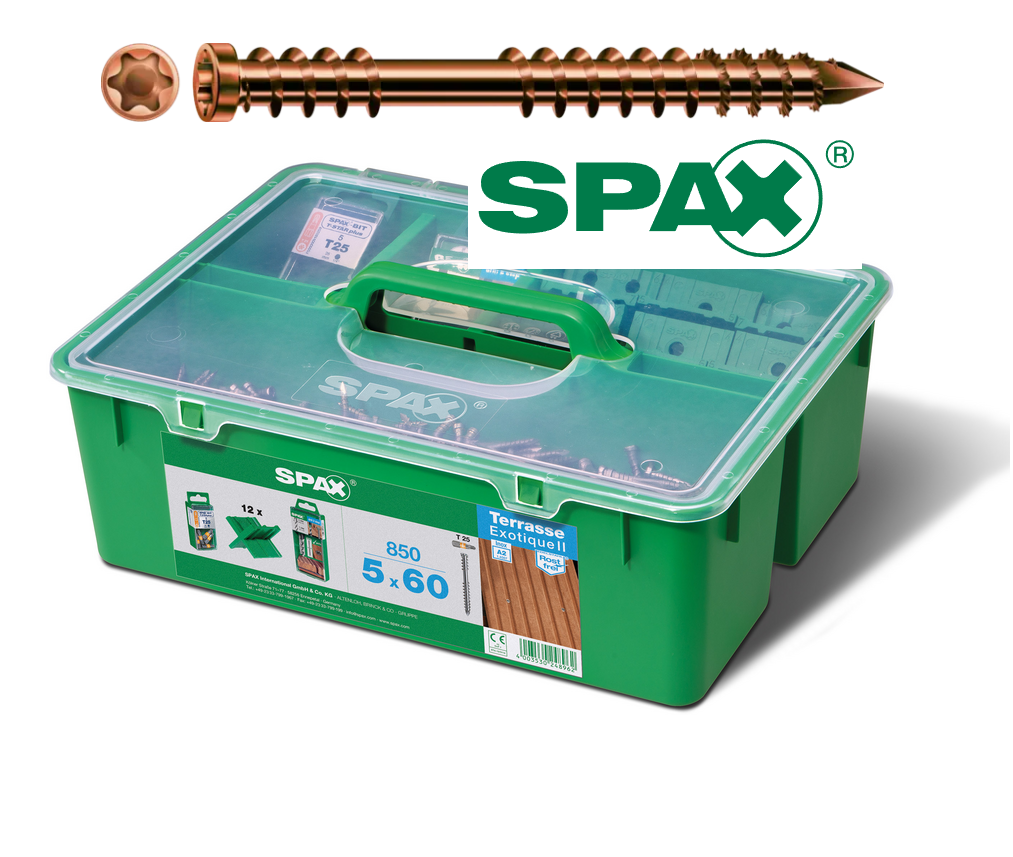
Spax Specialist Decking Screws
-
-
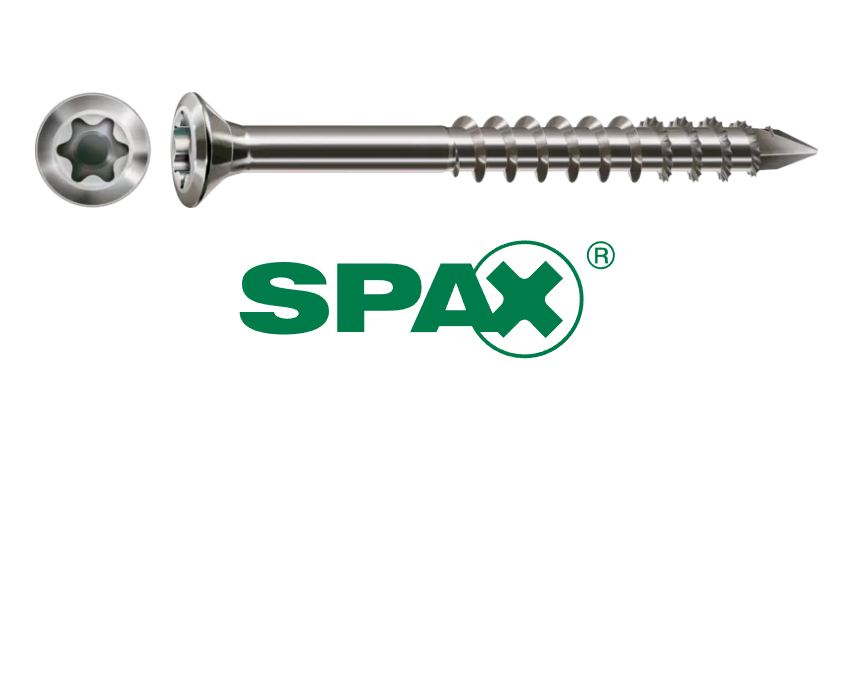
Spax Stainless Steel Facade Screws
-
-
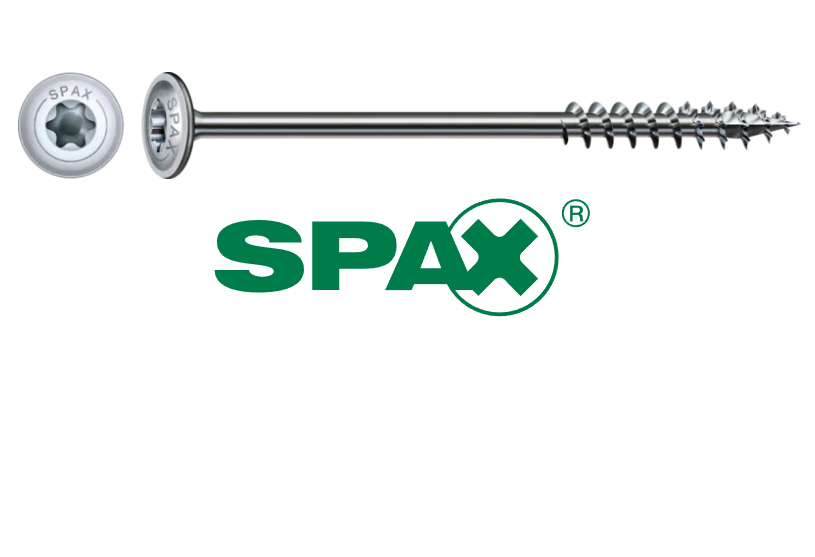
Spax Construction Screws
-

-
Stainless Steel Nails
-
-
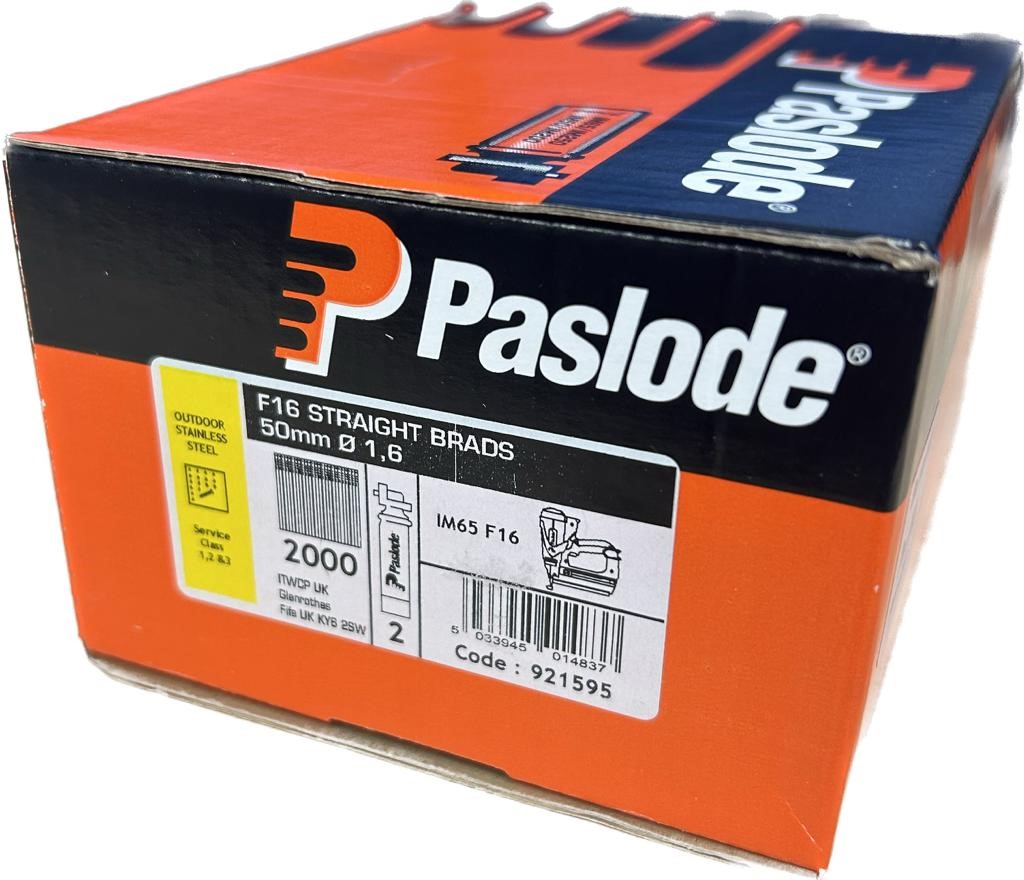
Paslode Stainless Steel Brads
-
-
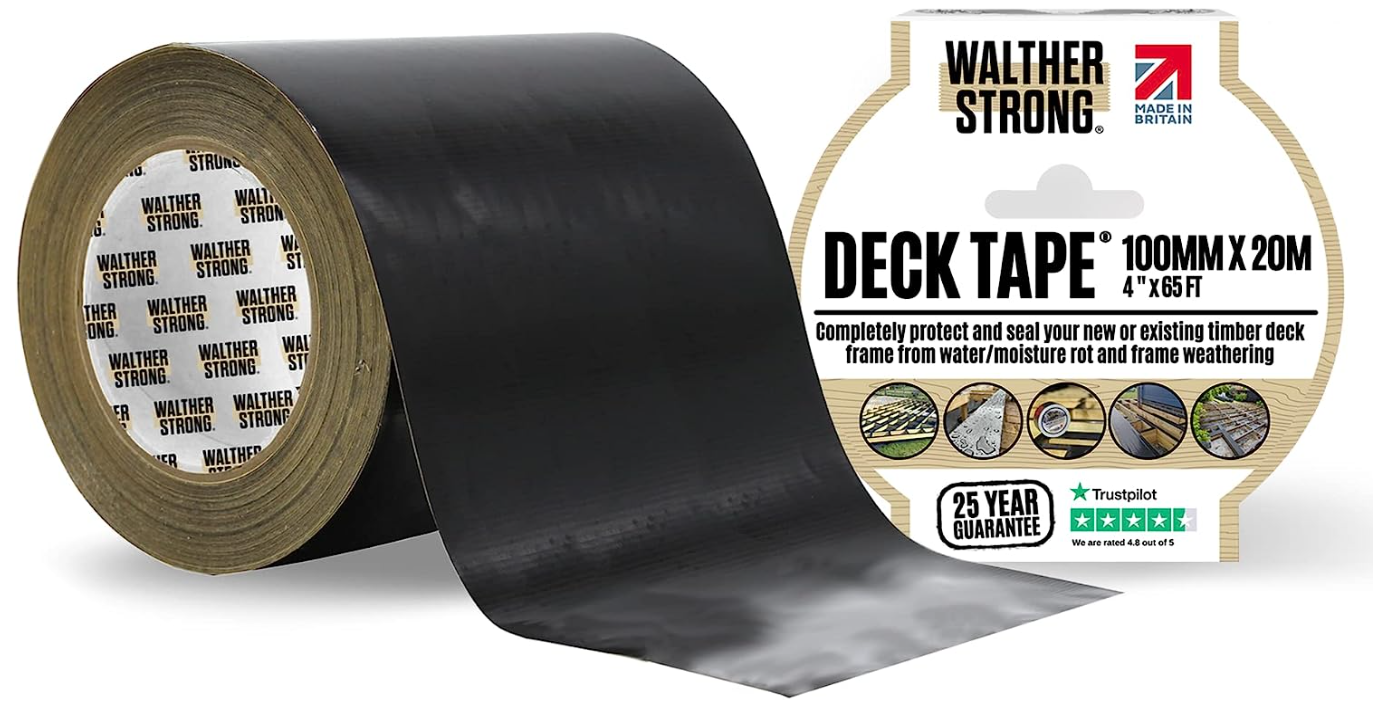
Walther Strong Deck Tape
-
-
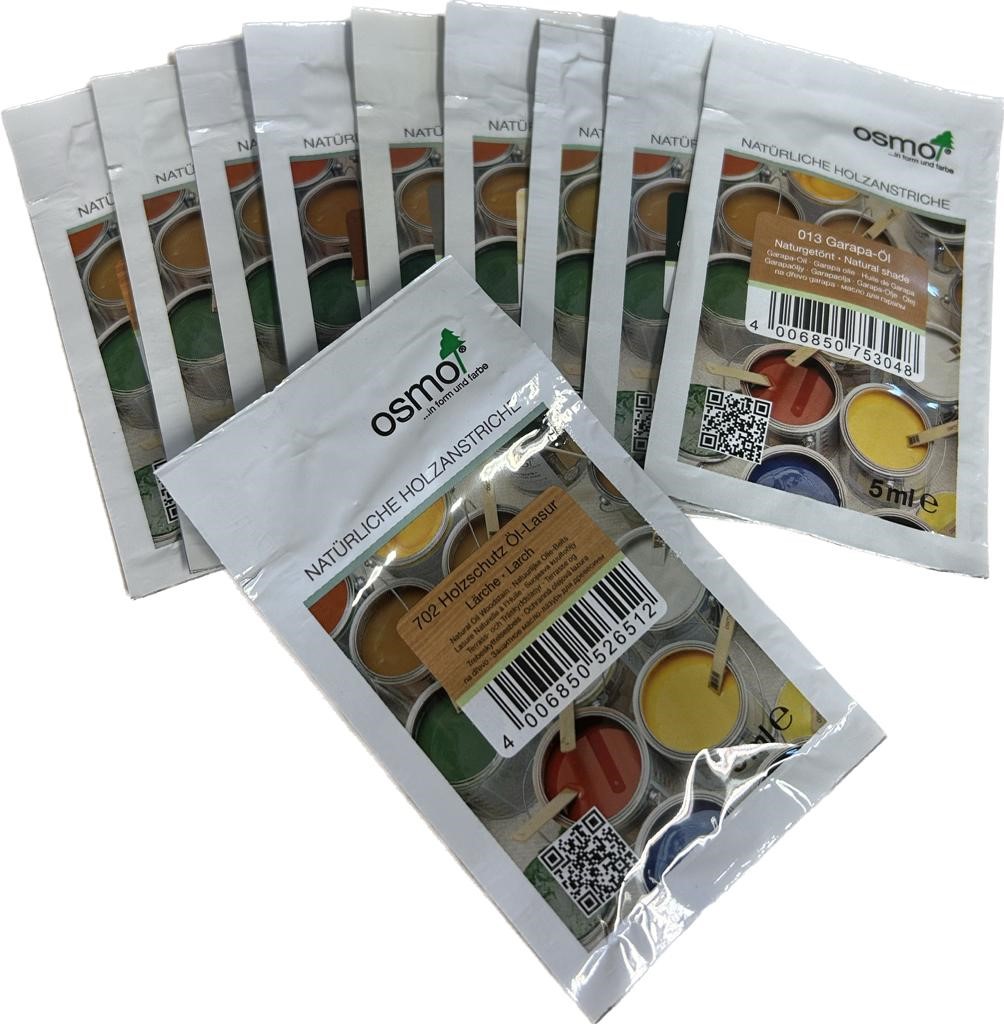
Treatment Samples
-
-
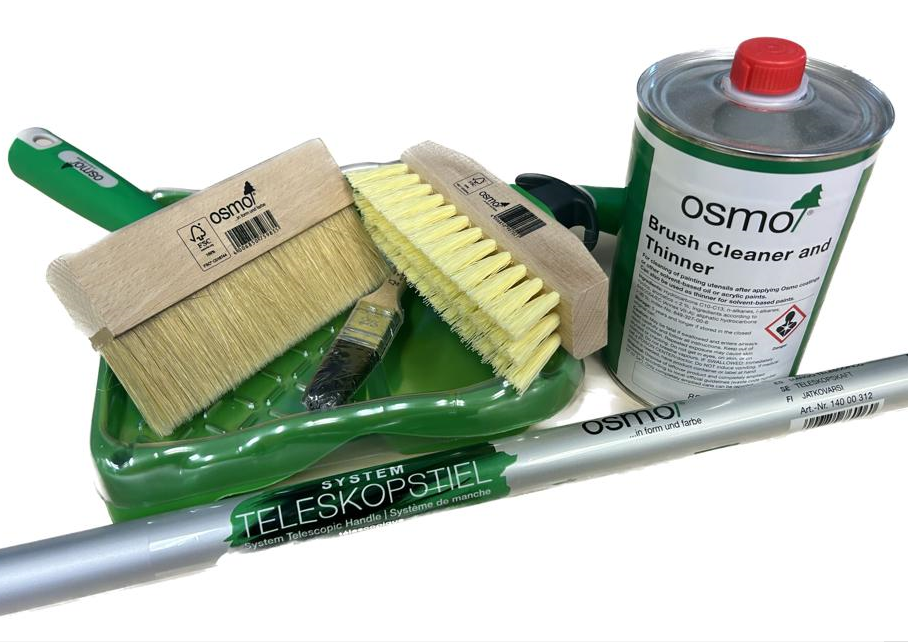
Brushes & Application Tools
-

-
Drive Bits Router Bits & Plug Cutters
-
-
Cedral Accessories
-
- SAMPLES

How to Choose Between Softwood, Hardwood and Thermally Modified Timber

by
Southgate Timber
July 03, 2026
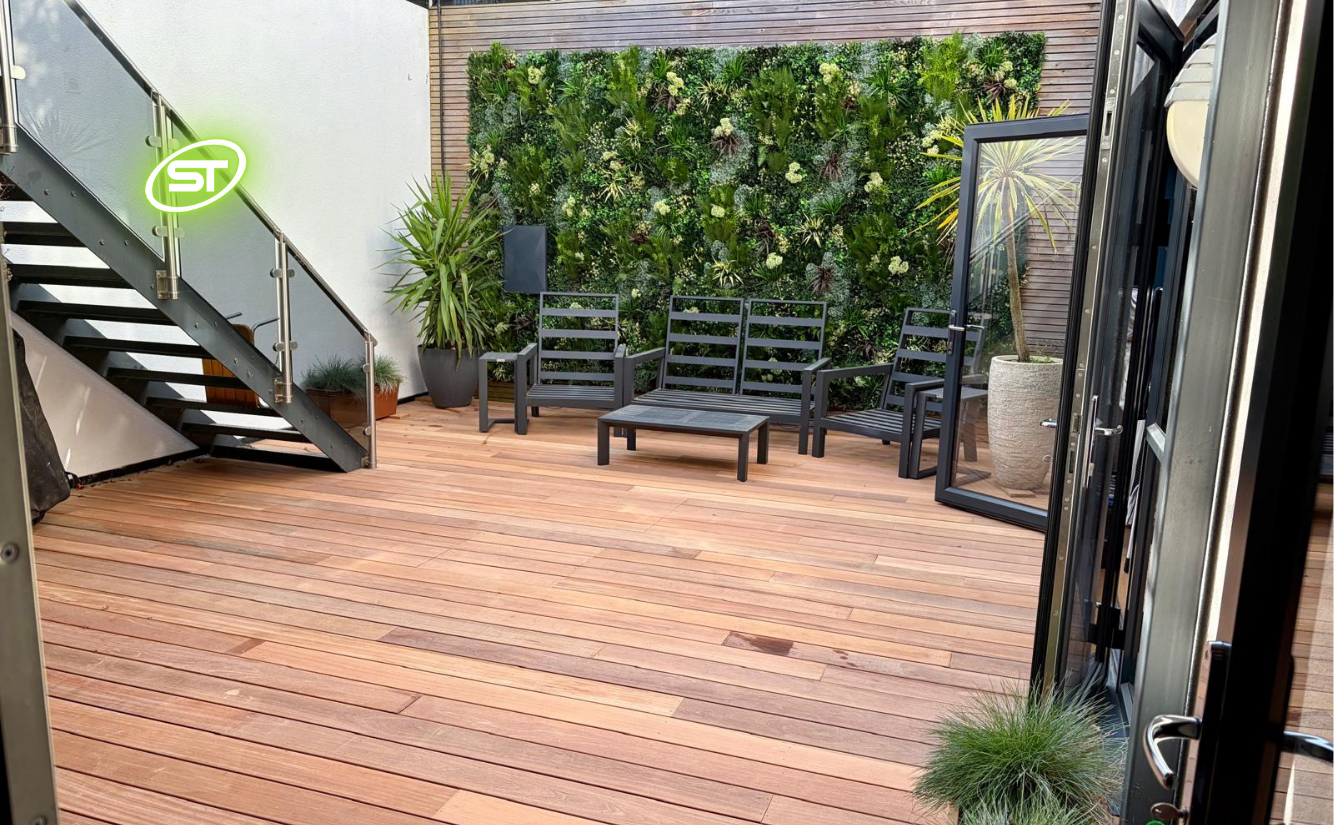


When planning a new garden project, whether it be fencing, cladding or decking you’re looking for, one of the first decisions you’ll need to make is which timber to use. With so many options available, understanding the differences between softwood, hardwood and thermally modified timber can help you choose a material that suits your budget, design preferences and long-term expectations. Each timber category offers its own advantages. Some are prized for their natural beauty, others for their durability and stability, while some provide a balance of both. Understanding how each performs in real-world applications can help you select the right timber for your project.
Let’s take a closer look at the key differences between softwood, hardwood and thermally modified timber, along with where each is most commonly used and which Southgate Timber products fall into each category.
What Is Softwood Timber?
Softwoods come from coniferous trees such as cedar, pine, fir and larch. Despite the name, softwood is not always physically soft. In fact, many softwood species offer excellent strength and durability when used correctly. Softwoods are widely used throughout the construction industry and remain one of the most popular choices for external timber projects. They are often chosen for their natural appearance, ease of installation and cost-effectiveness. At Southgate Timber, examples of softwood products include:
- Western Red Cedar Cladding & Fencing
- Douglas Fir Cladding & Fencing
- European Larch Cladding & Fencing
Western Red Cedar is particularly well known for its natural durability, dimensional stability and attractive grain patterns. Douglas Fir offers a warm appearance and excellent strength, while European Larch provides a more affordable option with a traditional character that weathers attractively over time. Softwoods are commonly used for:
- Timber cladding
- Garden rooms
- Screening and fencing
- Exterior joinery
- Architectural features
While traditional softwoods have historically been used for decking, modern outdoor projects increasingly demand higher levels of durability and stability. For this reason, Southgate Timber’s decking range focuses on hardwood and thermally modified timber options rather than untreated softwood decking.
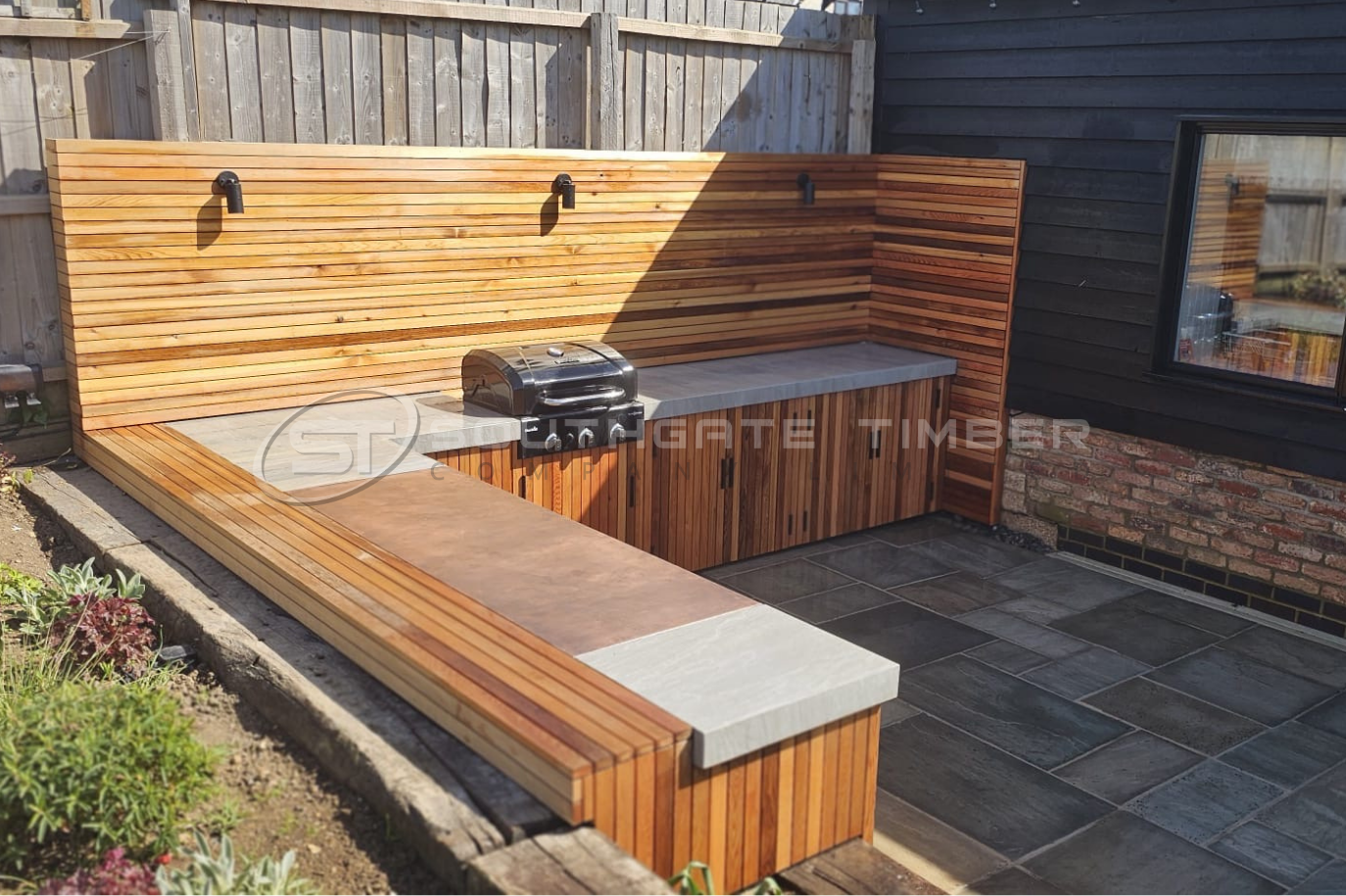
What Is Hardwood Timber?
Hardwoods come from broadleaf trees and are generally denser than softwoods. Their increased density often results in excellent durability, strength and longevity, making them particularly well suited to demanding external applications. Hardwood decking has become the benchmark for homeowners and commercial projects seeking a premium finish with exceptional lifespan. Examples of hardwood products available from Southgate Timber include:
- Ipe Decking
- Yellow Balau Decking
- Jatoba Decking
- Iroko Decking
- Tali Decking
Ipe is widely regarded as one of the most durable decking timbers available, offering outstanding resistance to wear, weather and insect attack. Yellow Balau provides a more affordable hardwood decking option while still delivering excellent performance and longevity. Jatoba and Iroko each offer their own unique appearance and durability characteristics, making them popular choices for bespoke projects. Hardwoods are often selected for:
- Premium decking
- Screening and fencing
- High-traffic commercial spaces
- Luxury garden projects
- Architectural landscaping
- Long-term outdoor installations
While hardwoods typically involve a higher initial investment, many homeowners find that its lifespan and durability offer excellent long-term value.
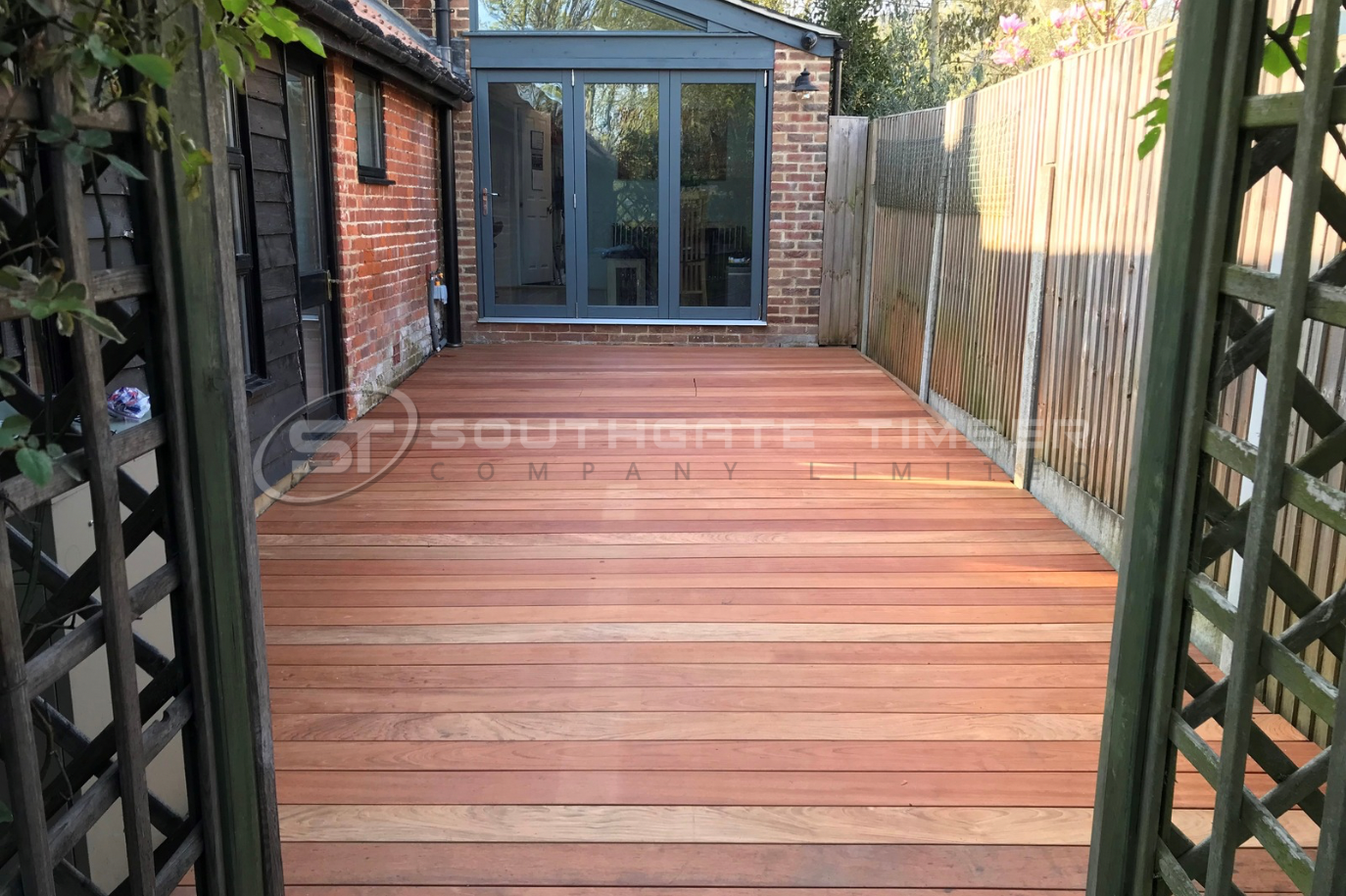
What Is Thermally Modified Timber?
Thermally modified timber is not a timber species in its own right. Instead, it is timber that has undergone a specialist heat treatment process designed to improve its performance. During thermal modification, timber is heated to extremely high temperatures in a carefully controlled environment without the use of chemicals. This process alters the timber’s cellular structure, reducing its moisture content and improving dimensional stability. The result is a timber product that offers enhanced durability, reduced movement and excellent resistance to changing weather conditions. Southgate Timber stocks both thermally modified softwoods and thermally modified hardwoods.
Examples of thermally modified softwoods include:
- Thermowood Pine Decking
- Thermowood Pine Cladding & Fencing
- Thermory Spruce Decking
- Thermory Radiata Pine Cladding & Fencing
Examples of thermally modified hardwoods include:
Thermally modified timber has become increasingly popular because it combines the natural beauty of timber with enhanced performance characteristics.
Key benefits include:
- Improved dimensional stability
- Reduced expansion and contraction
- Increased durability
- Lower moisture absorption
- Chemical-free modification process
- Enhanced resistance to decay
These characteristics make thermally modified timber particularly attractive for modern cladding, decking and sauna applications.
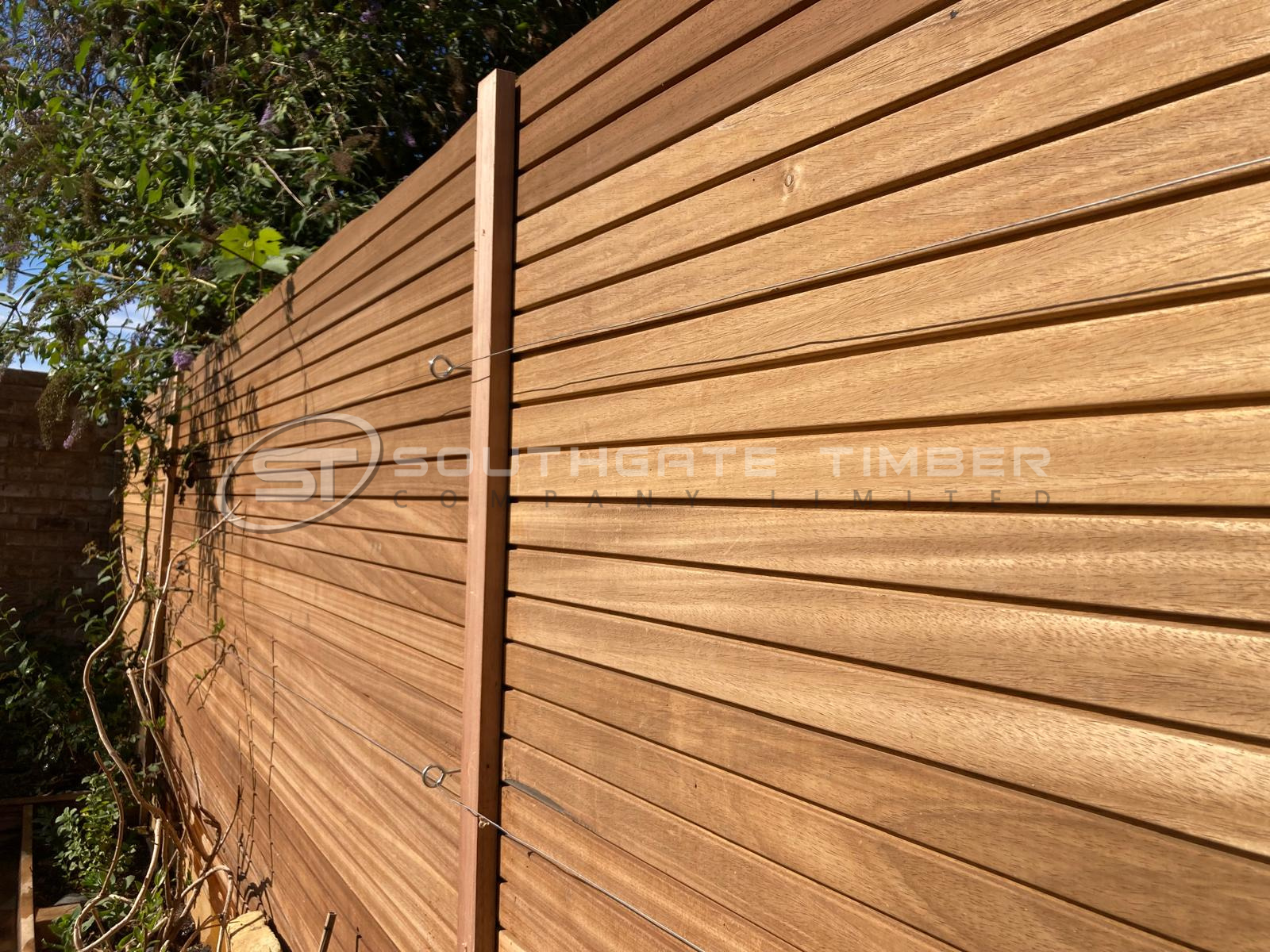
Which Timber Is Best for Decking?
The best decking timber depends on your priorities. If maximum durability and longevity are your main concerns, hardwood decking remains one of the strongest choices available. Ipe decking is often considered the premium benchmark thanks to its exceptional lifespan, strength and rich appearance. Yellow Balau offers many of the benefits associated with hardwood decking while remaining a more budget-friendly option.
For homeowners seeking a contemporary alternative, thermally modified decking products have become increasingly popular. Thermo-Ash decking combines the beauty of hardwood with enhanced stability, while Thermory Spruce and Thermowood Pine offer attractive, modern decking solutions with excellent performance characteristics.
Unlike cladding applications, traditional untreated softwood decking is less common in premium projects due to its lower durability and greater susceptibility to movement. This is why modern decking specifications increasingly favour hardwood or thermally modified timber products.
Which Timber Is Best for Cladding?
Cladding offers a wider choice across all three timber categories. Natural softwood cladding products such as Western Red Cedar, Douglas Fir and European Larch continue to be popular thanks to their character, texture and timeless appearance.
For homeowners seeking improved stability and a more contemporary finish, thermally modified cladding products have become increasingly desirable. Thermo Ayous, Thermowood Pine, Thermory Radiata Pine and Thermo-Ash Cladding all provide excellent durability while maintaining the natural beauty of real timber. Far Eastern Hardwood Cladding also remains a popular choice, offering attractive grain patterns and good long-term performance when properly finished and maintained.
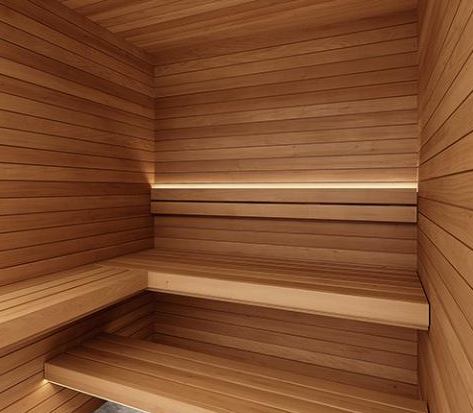
For specialist projects such as saunas, Thermo Aspen has become a preferred choice. Its low thermal conductivity means it remains comfortable to touch even at high temperatures, making it ideal for sauna wall cladding, ceilings and benches. The thermal modification process also reduces the natural sap, oils and resins found in untreated timber, helping to create a cleaner and more comfortable sauna environment.
The best cladding choice often comes down to the desired aesthetic, maintenance expectations and overall project budget.
Which Timber Is Best for Fencing and Screening?
Fencing and screening projects often require a balance between appearance, durability and budget. The best timber choice will depend on whether you’re creating a decorative garden feature, a privacy screen or a long-lasting boundary fence.
Western Red Cedar remains one of the most popular options for contemporary fencing and screening thanks to its natural durability, stability and distinctive appearance. Its lightweight nature and attractive grain make it particularly well suited to slatted fencing and architectural garden designs. For customers seeking a more budget-conscious alternative, both Larch and Douglas Fir continue to be top choices, along with Yellow Balau which can offer excellent value while still providing the durability associated with hardwood timber. Its strength and natural resistance to the elements make it a practical choice for a wide range of exterior projects.
Far Eastern Hardwood is another popular option for fencing and screening. Offering an attractive balance between appearance, durability and affordability, it is commonly selected for contemporary garden designs and exterior applications where a hardwood finish is desired without the cost associated with premium species.
For modern screening projects, many homeowners are also choosing thermally modified timber products, particularly Thermo Ayous and Thermo-Ash, which combine excellent stability with a clean, contemporary aesthetic.
Which Timber Is Best for Garden Rooms?
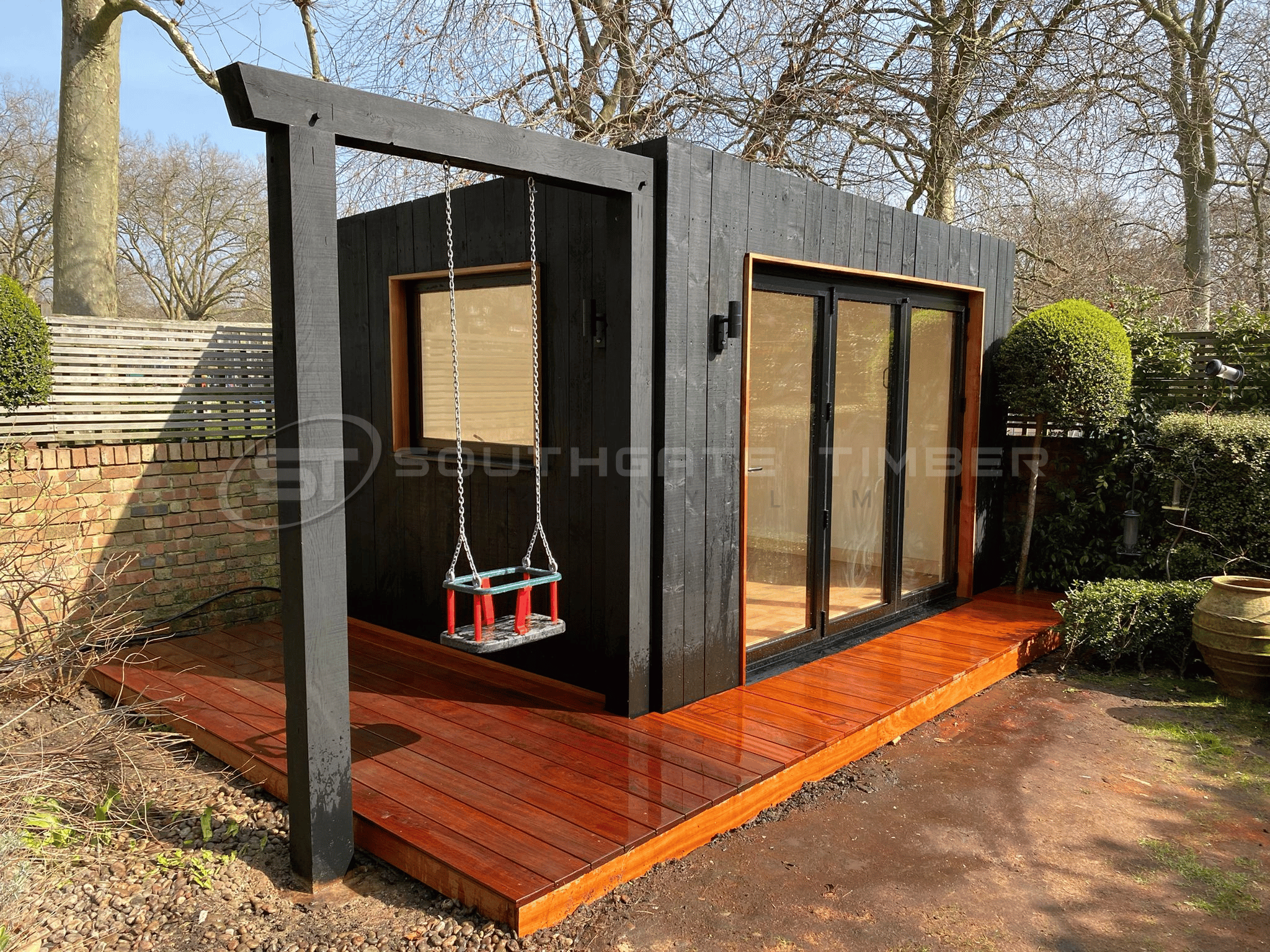
Garden rooms often combine several timber products within a single build, making timber selection particularly important. Western Red Cedar remains one of the most popular choices for premium garden room cladding thanks to its distinctive appearance and natural durability. Thermo Ayous and Thermo-Ash have also become increasingly popular for contemporary designs due to their clean lines, stability and modern aesthetic.
For decking areas surrounding a garden room, hardwood and thermally modified decking products can help create a cohesive, long-lasting outdoor space. When choosing timber for a garden room project, it is worth considering not only appearance but also long-term maintenance requirements and how the materials will weather over time.
Sustainability Considerations
Sustainability is becoming an increasingly important factor when choosing timber products. Responsibly sourced timber is a renewable building material that stores carbon throughout its life. Many modern timber products are available from certified, sustainably managed forests.
Thermally modified timber offers an additional sustainability benefit by enhancing the durability of timber through a chemical-free process. This can extend the lifespan of the product while maintaining its natural characteristics.
When sourced responsibly and installed correctly, softwood, hardwood and thermally modified timber can all provide environmentally conscious solutions for outdoor projects.
Which Timber Is Right for Your Project?
There is no single timber that is best for every application. Softwoods such as Western Red Cedar, Douglas Fir and European Larch remain excellent choices for cladding, screening and architectural features. Hardwoods such as Ipe, Yellow Balau, Jatoba and Iroko provide exceptional durability and are often selected for premium decking projects. Thermally modified timber bridges the gap between traditional softwood and hardwood, offering enhanced stability, durability and performance for decking, cladding and specialist applications such as saunas.
By understanding the strengths of each timber category, you can make a more informed decision and choose a product that delivers the appearance, performance and longevity your project requires.
FAQs
Is thermally modified timber better than hardwood?
Not necessarily. Thermally modified timber offers excellent stability and durability, while hardwood often provides superior density and lifespan. The best choice depends on the specific application and desired appearance.
Why doesn’t Southgate Timber stock untreated softwood decking?
Modern decking projects typically require higher levels of durability and stability. As a result, hardwood and thermally modified timber products have become the preferred choice for long-lasting decking installations.
What is the most durable timber for decking?
Ipe is widely regarded as one of the most durable decking timbers available and is often chosen for premium residential and commercial projects.
Is thermally modified timber environmentally friendly?
Thermal modification uses heat and steam rather than chemicals, making it a more environmentally conscious method of improving timber performance.
Which timber is best for a modern garden room?
Thermo Ayous, Thermo-Ash and Western Red Cedar are all popular choices, depending on the desired appearance, budget and maintenance expectations.

General