- TEL : 01277 890 783
- EMAIL : sales@southgatetimber.co.uk
- Collections Monday to Friday 9:00 - 16:00






 Profiles
 Fast and friendly delivery service
 Samples available
 Click & Collect



-
-
-
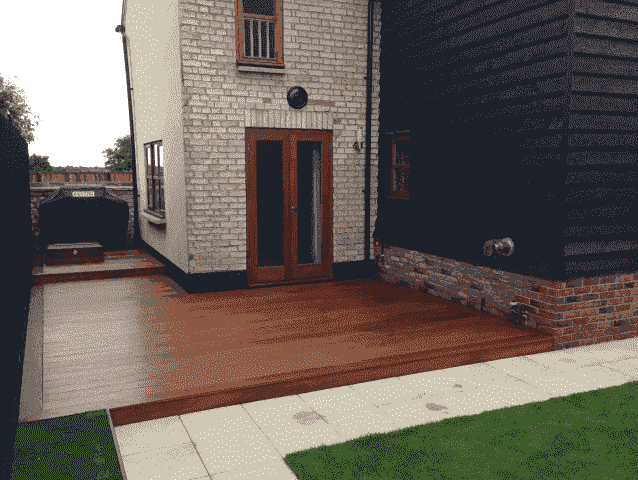
IPE Hardwood Decking ***FSC®***
-
-
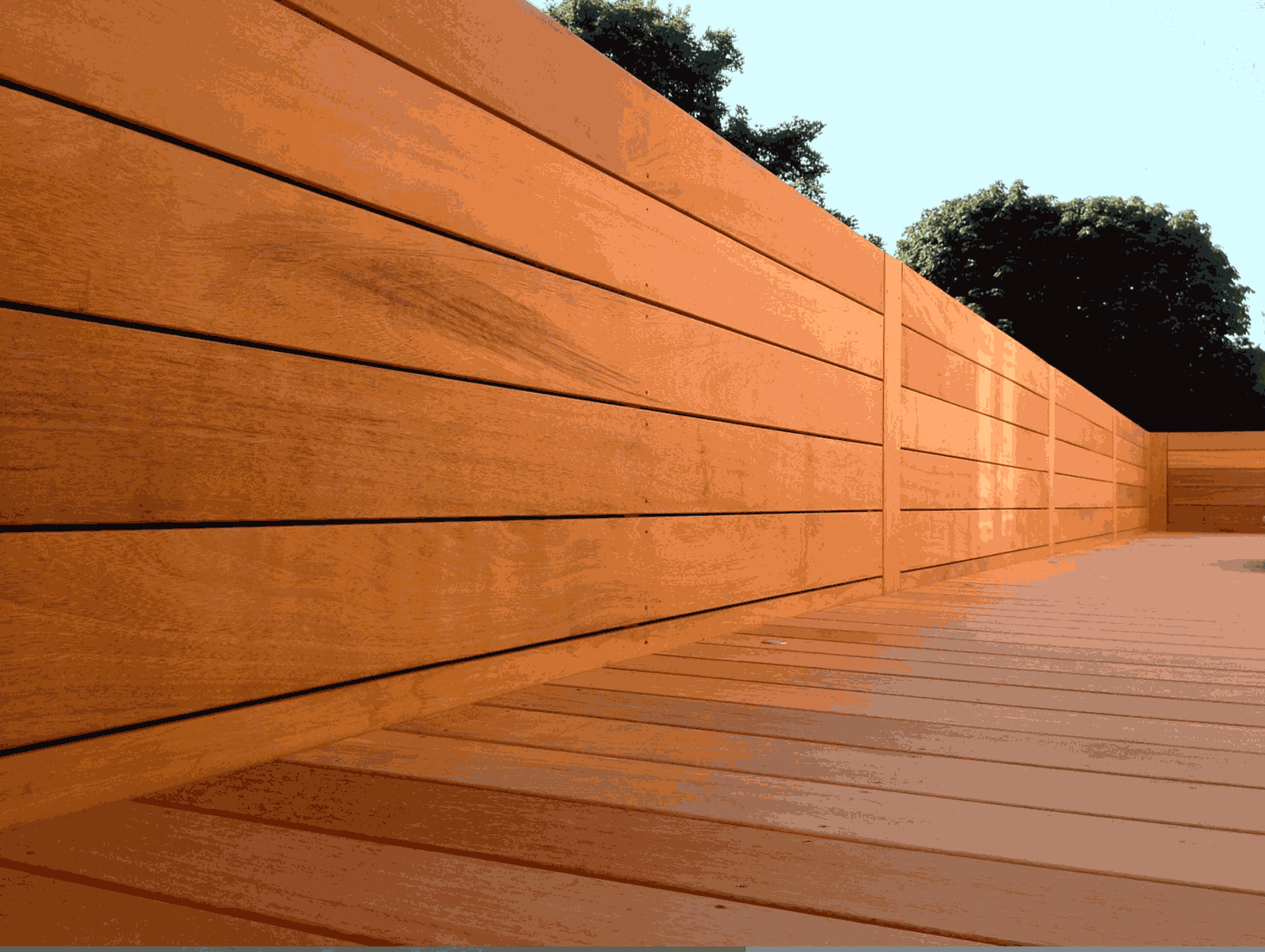
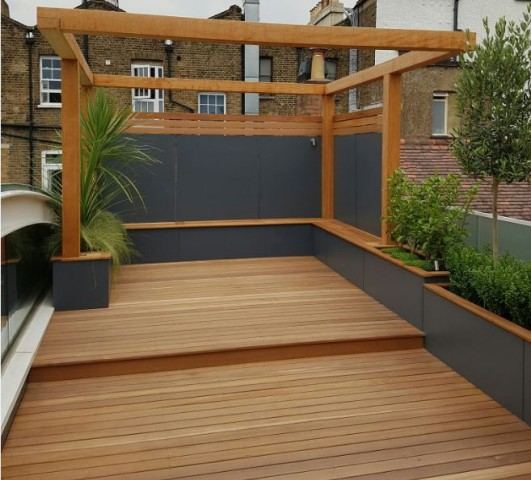
Iroko Hardwood Decking
-
-
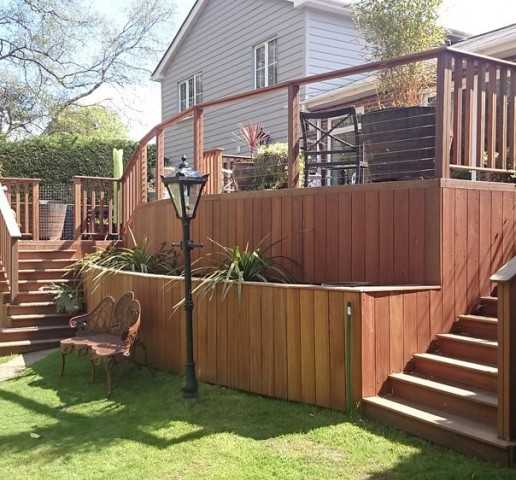
Yellow Balau Hardwood Decking ***FSC®*** & SVLK
-
-
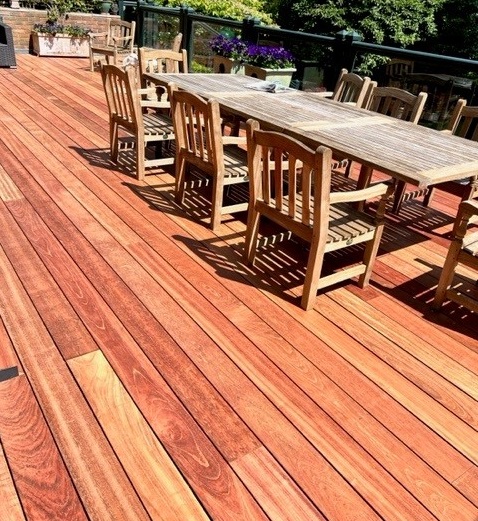
Yellow Balau Hardwood Components SVLK
-
-
Jatoba Hardwood Decking ***FSC®***
-

-
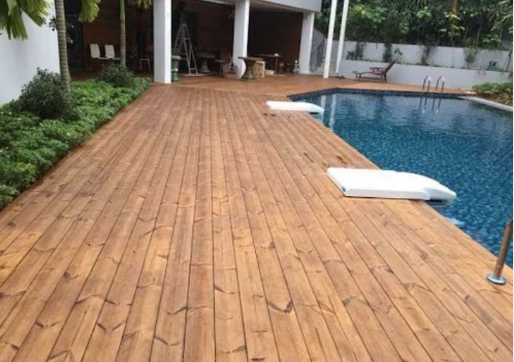
Thermory Benchmark Thermo-Ash Decking
-
-
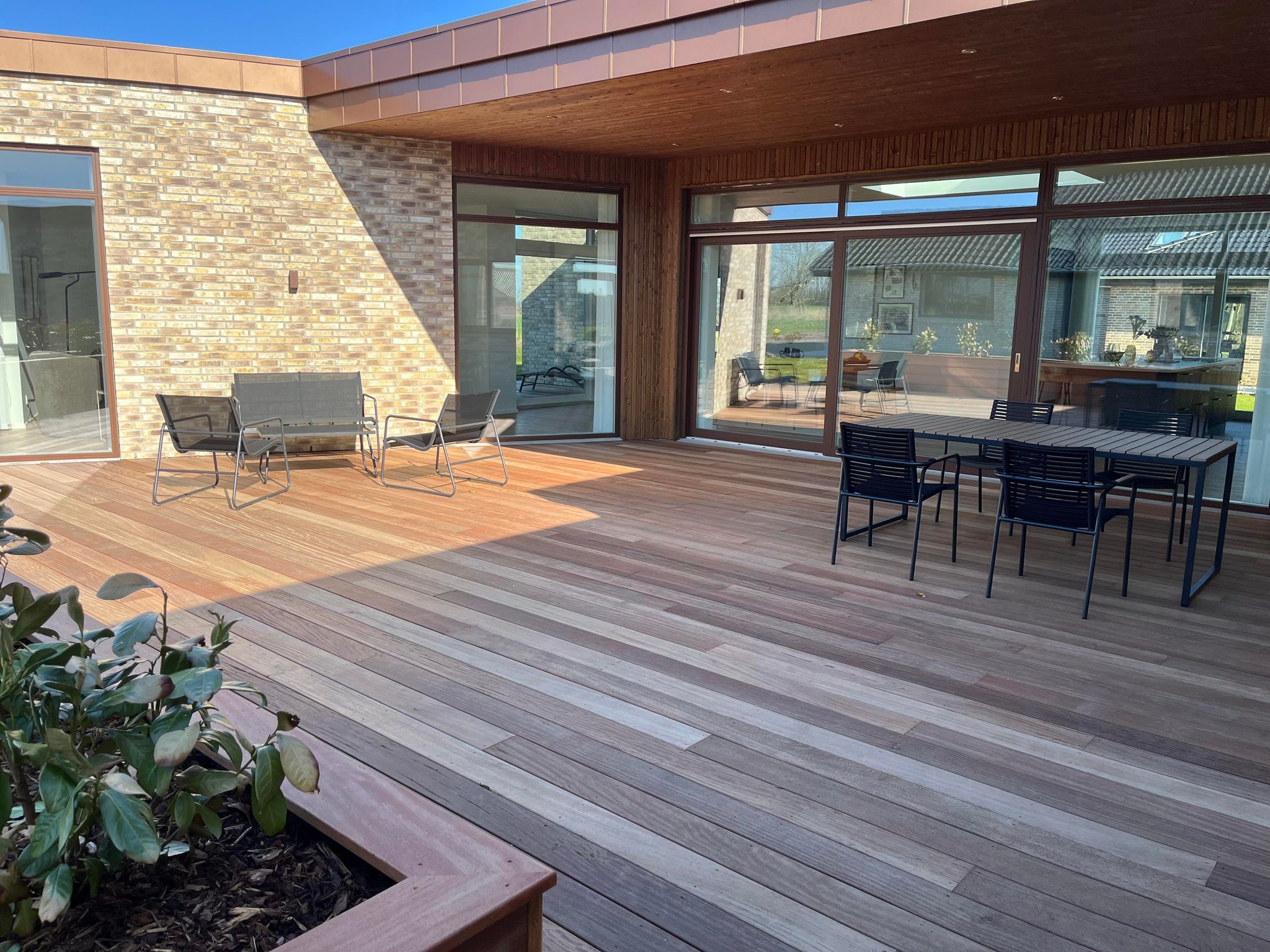
Thermowood Pine Decking PEFC
-
-
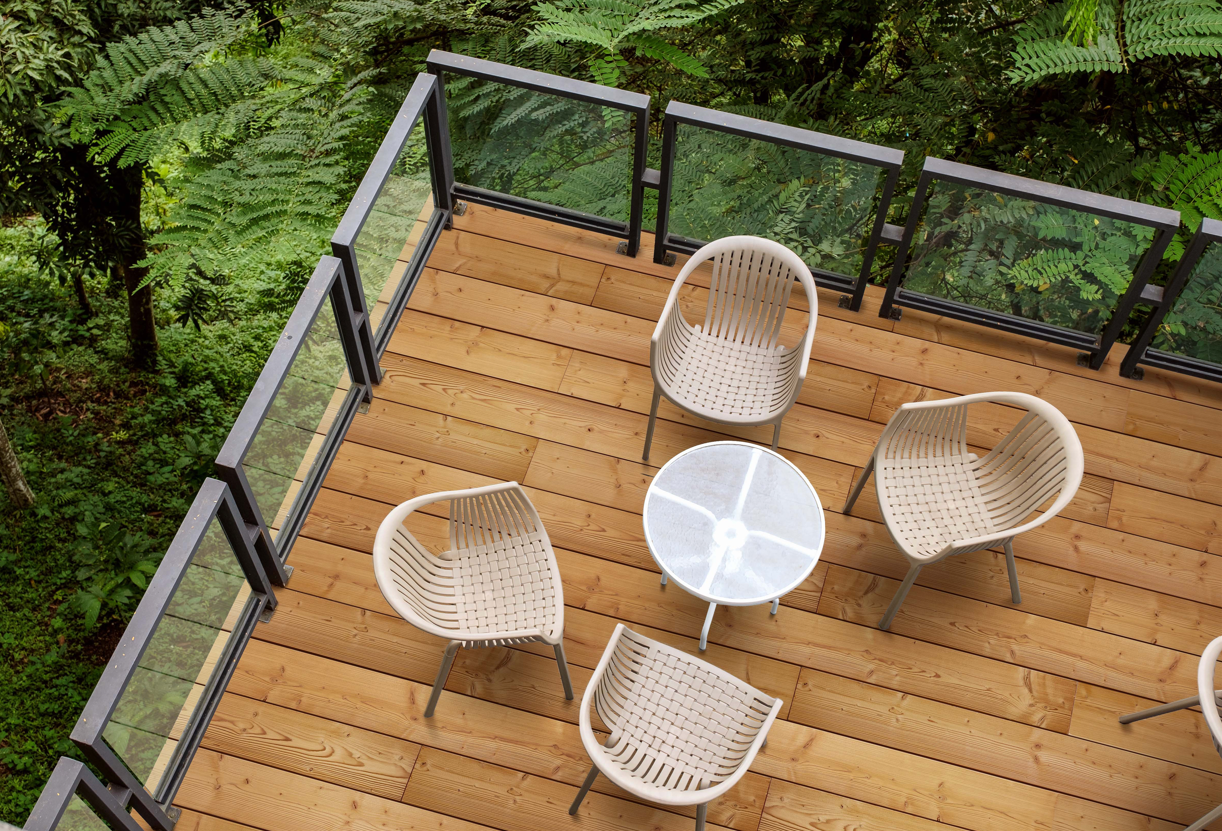
Tali Hardwood Decking ***FSC®***
-
-
Thermory Spruce Decking PEFC
-
-
-
-
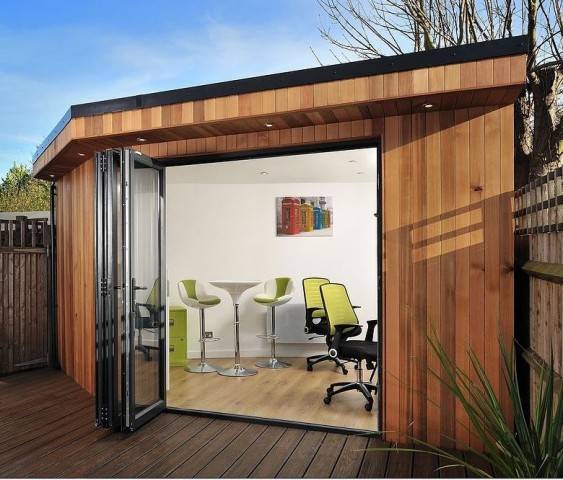
Western Red Cedar Cladding PEFC
-
-
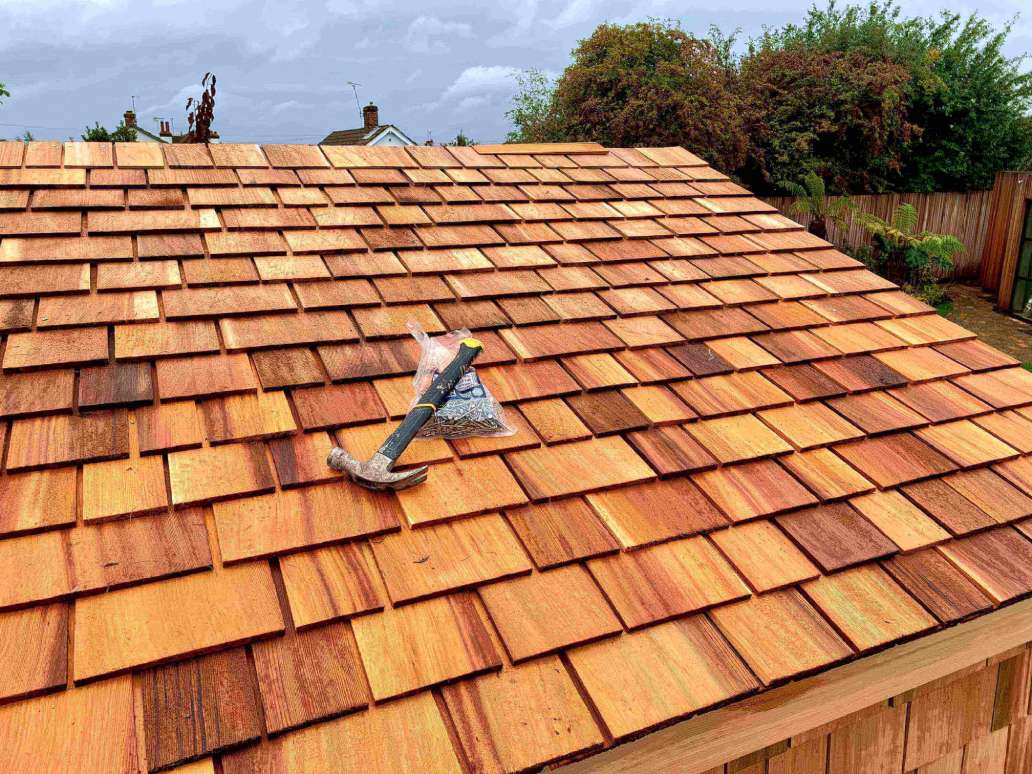
Cedar Shingles & Ridge Tiles PEFC
-
-
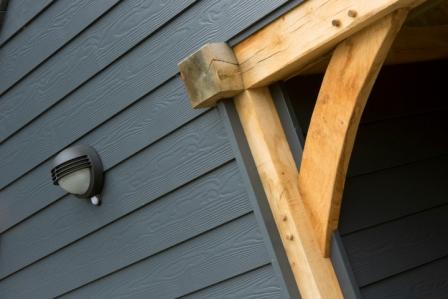
Cedral Cement Board Cladding
-
-
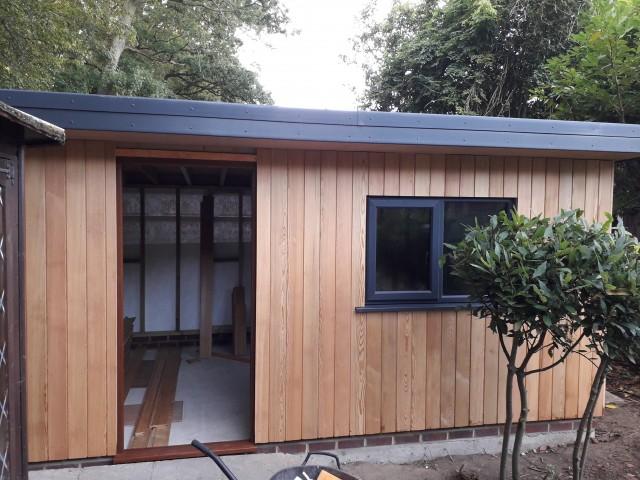
Larch Cladding ***FSC®*** & PEFC
-
-
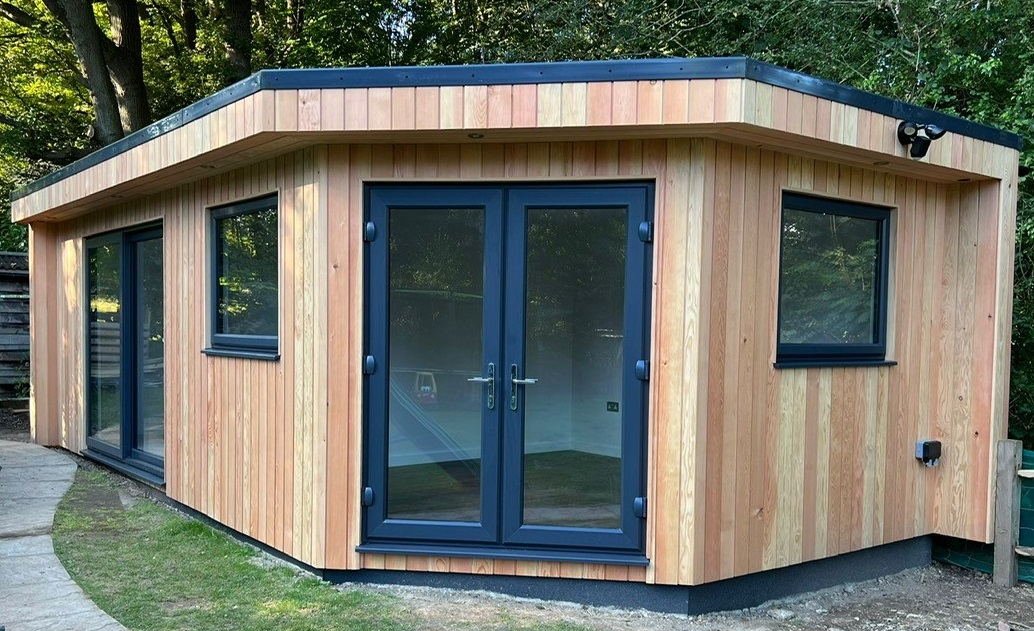
Douglas Fir Cladding PEFC
-
-
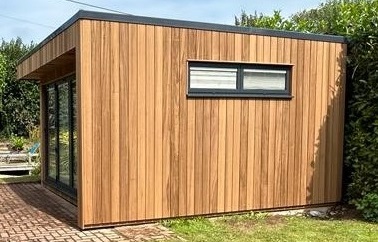
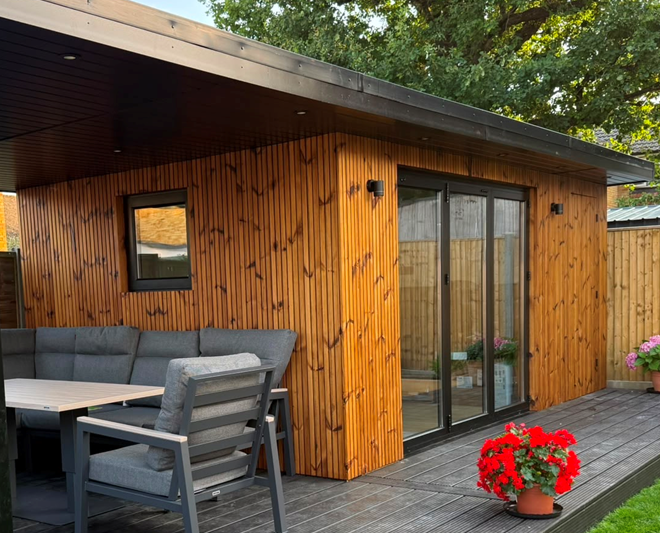
Thermo Ayous Cladding
-
-
Thermowood Pine Cladding PEFC
-
.jpg)
-
Black Cladding PEFC
-

-
Far Eastern Hardwood Cladding PEFC & SVLK
-

-
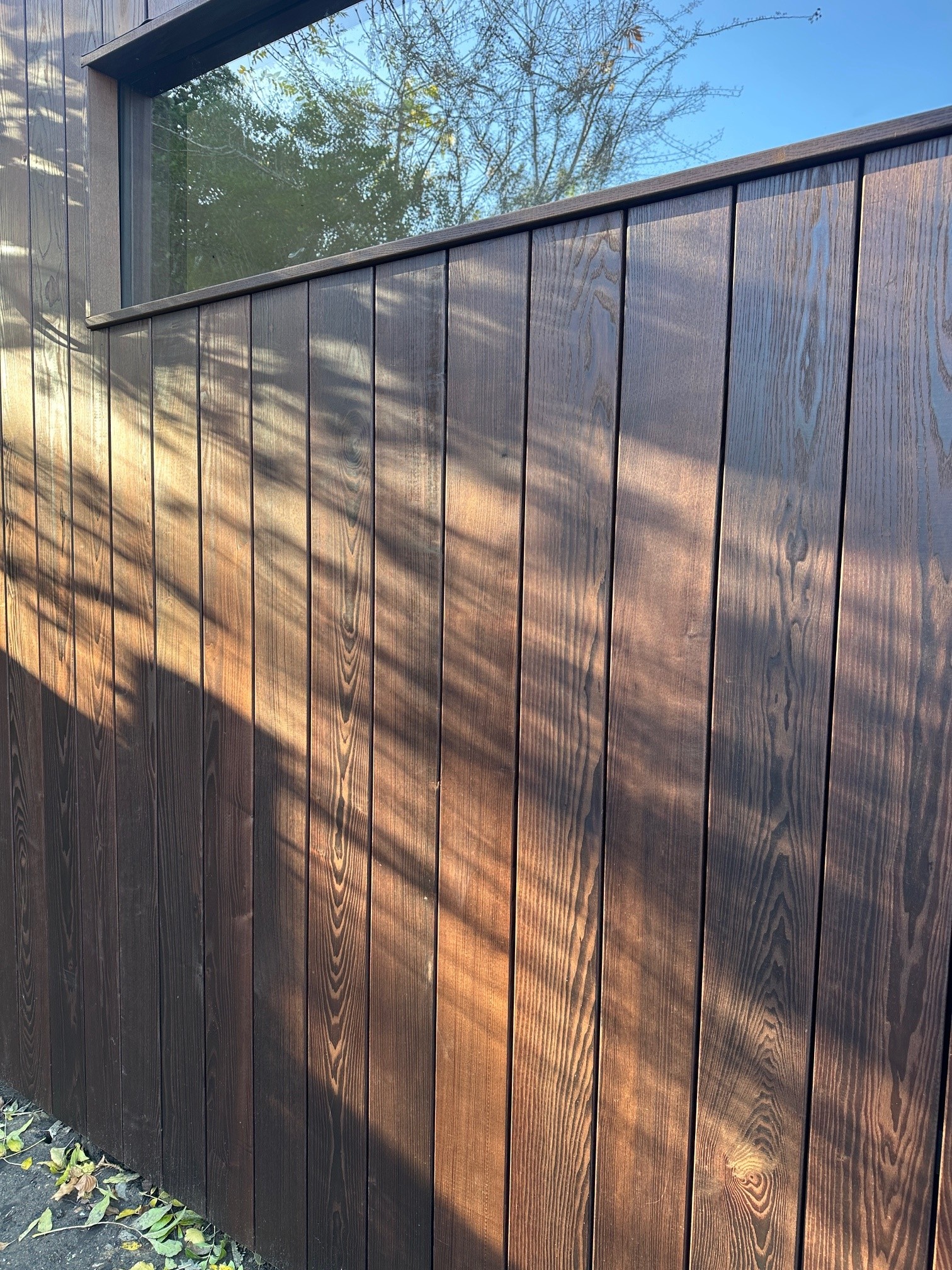
Thermory Radiata Pine Cladding ***FSC®***
-
-
Thermory Thermo-Ash Cladding
-

-
Thermory Thermo-Ash Decor Rhomb Tiles Internal
-
- SAUNA
- SLEEPERS
-
-
-
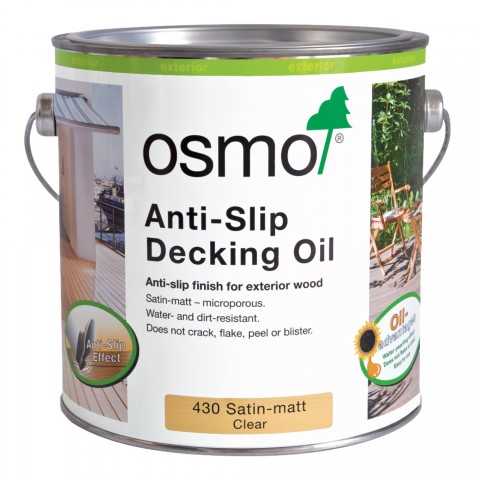
Osmo Treatment & Accessories
-
-
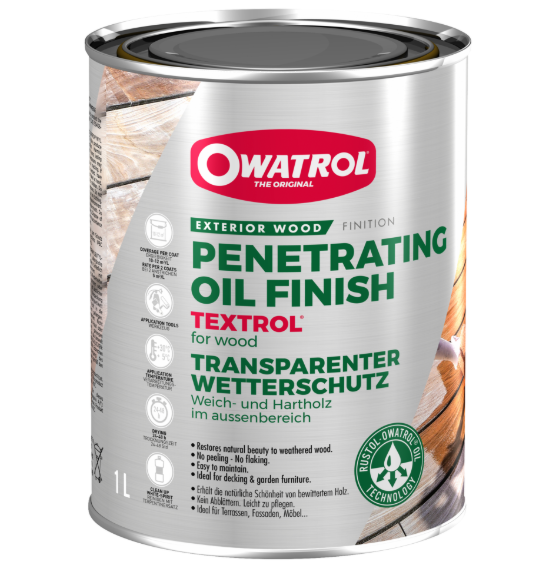
Owatrol Treatment & Accessories
-

-
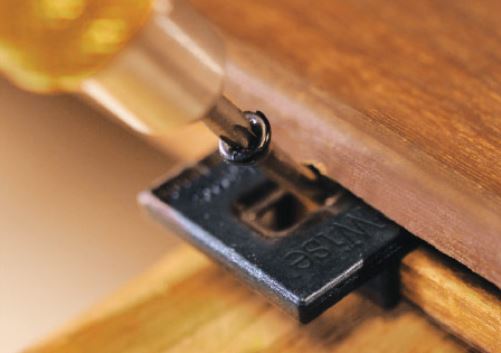
Thermory Treatment & Fixings
-
-
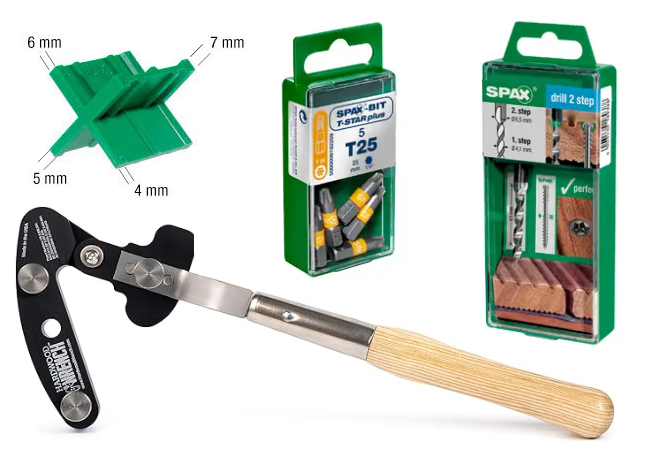
Deckwise Hidden Fixings & Accessories
-
-
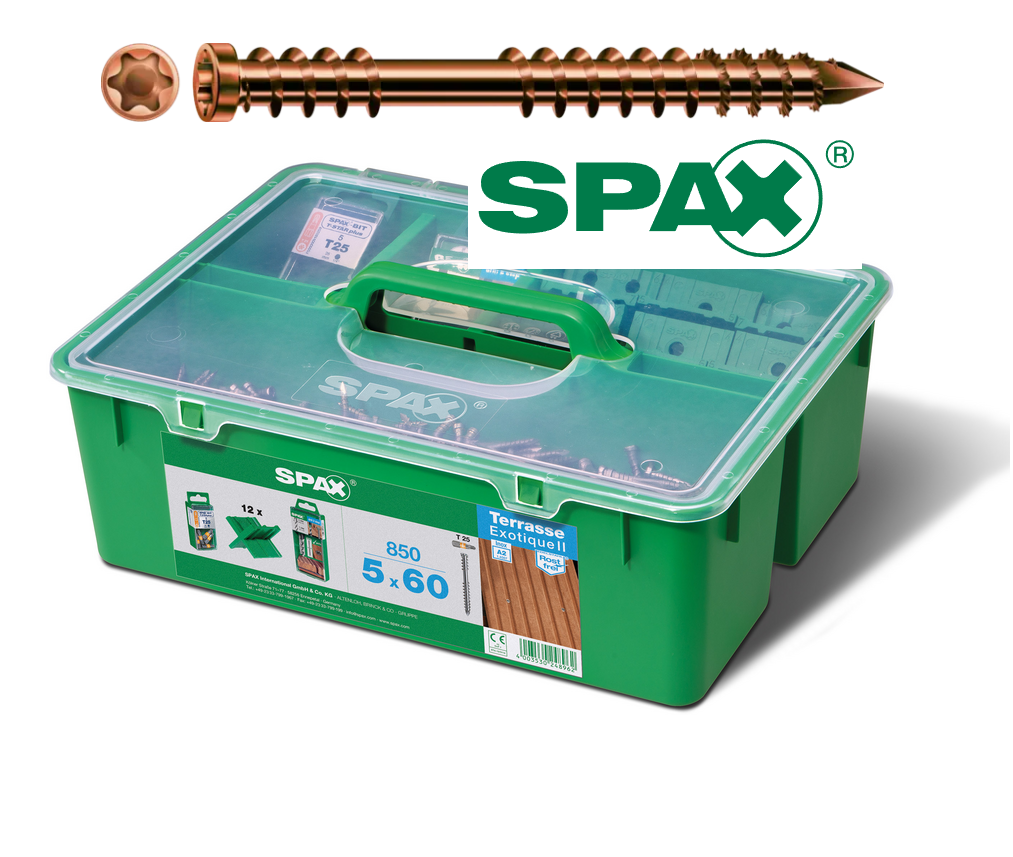
Decking Accessories
-
-
Spax Specialist Decking Screws
-
-
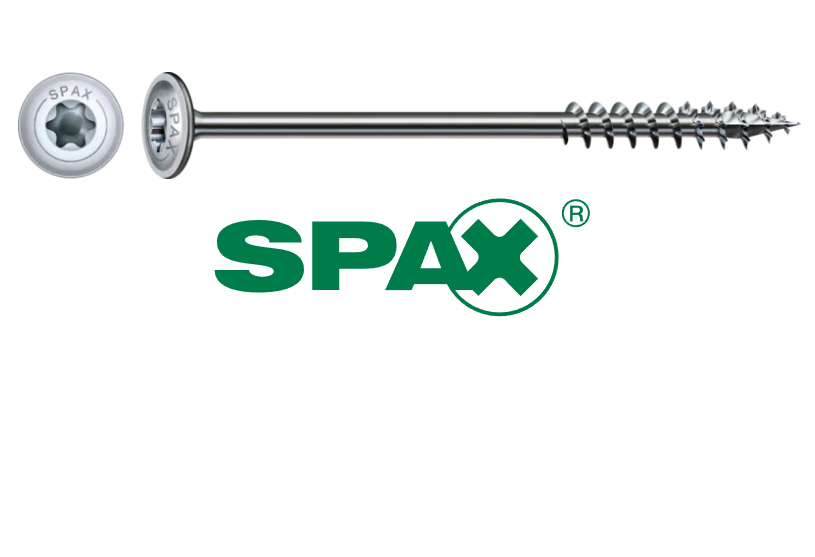
Spax Stainless Steel Facade Screws
-
-
Spax Construction Screws
-

-
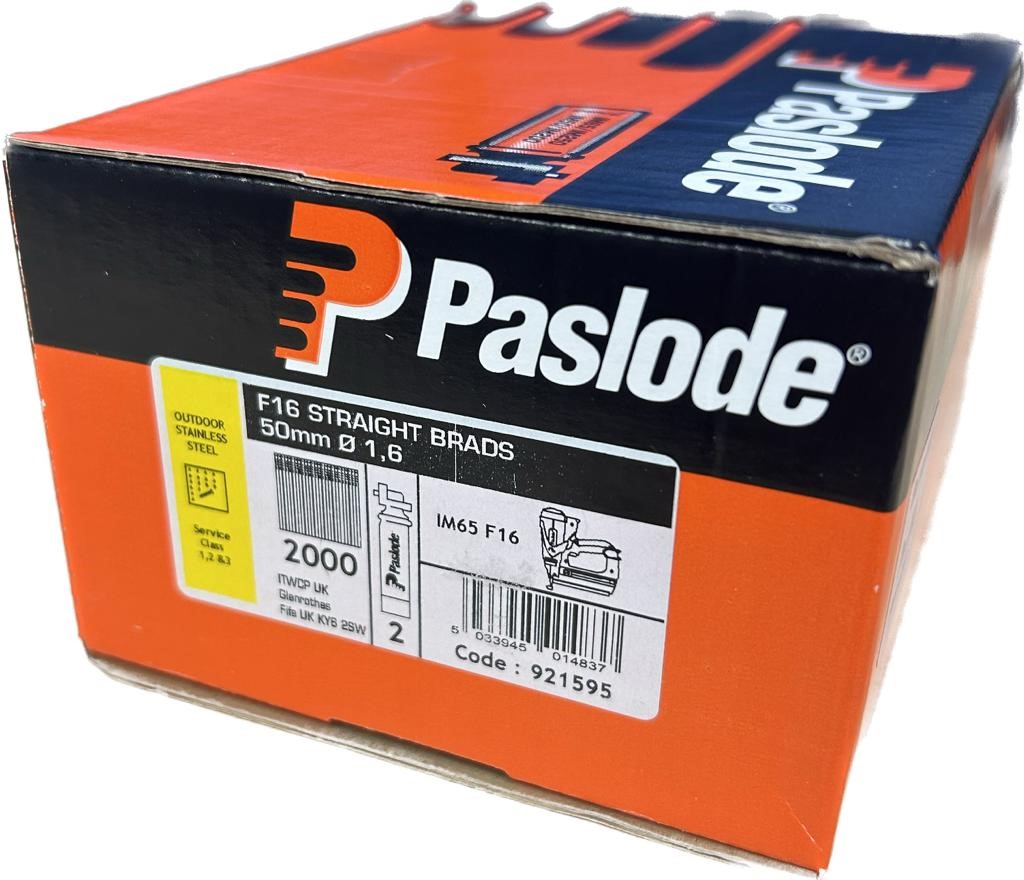
Stainless Steel Nails
-
-
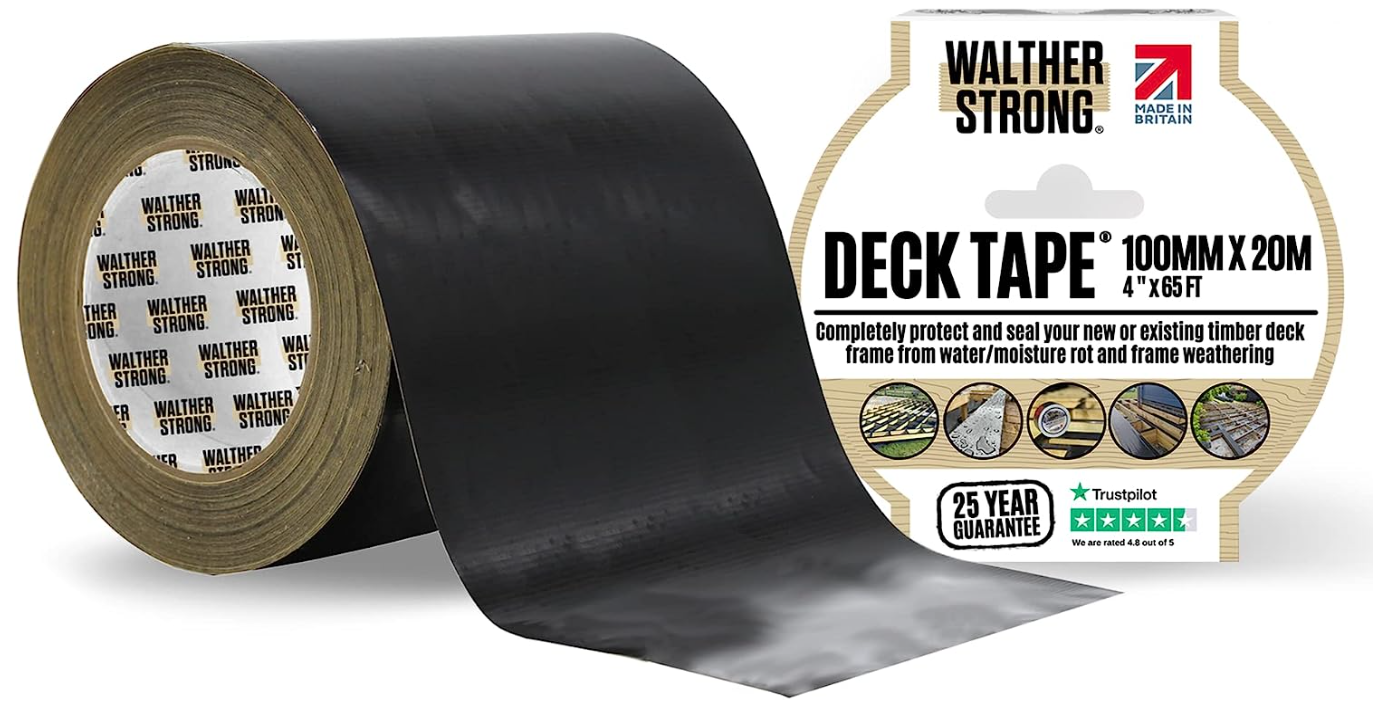
Paslode Stainless Steel Brads
-
-
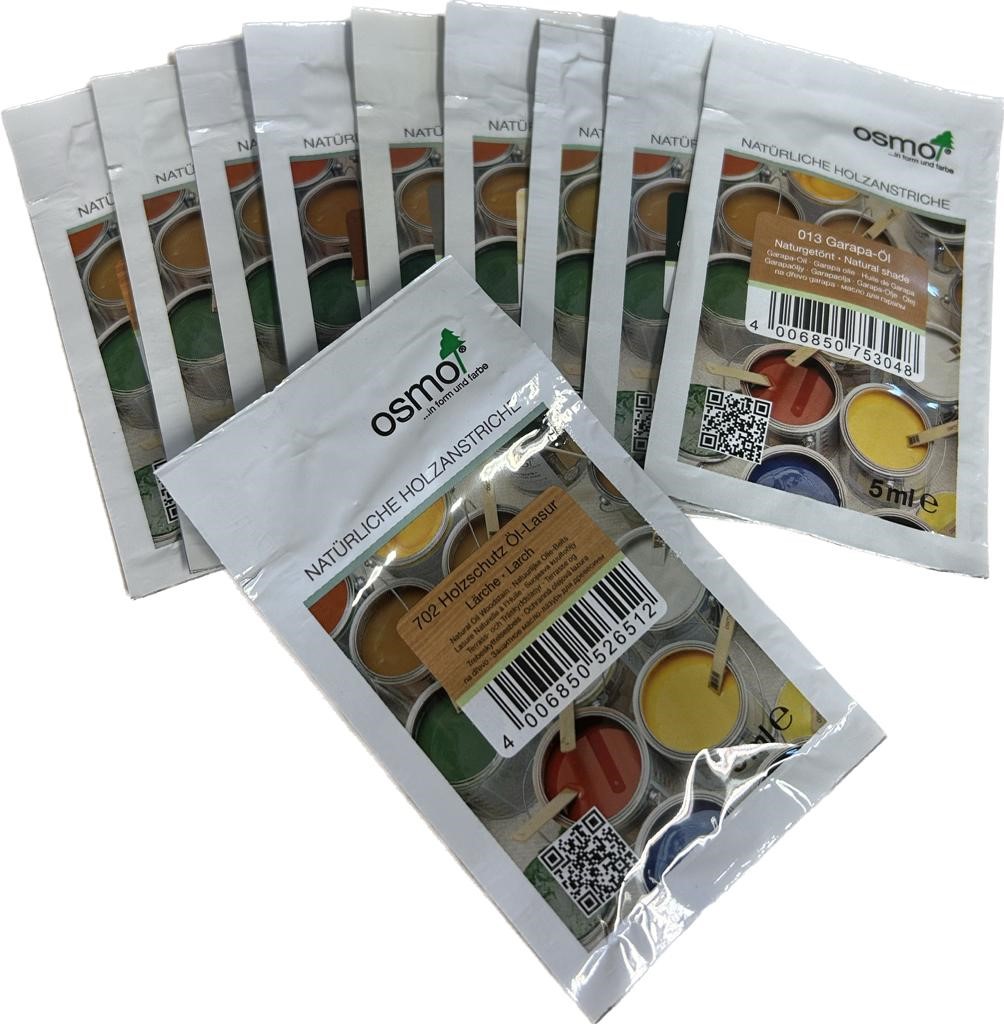
Walther Strong Deck Tape
-
-
Treatment Samples
-
-
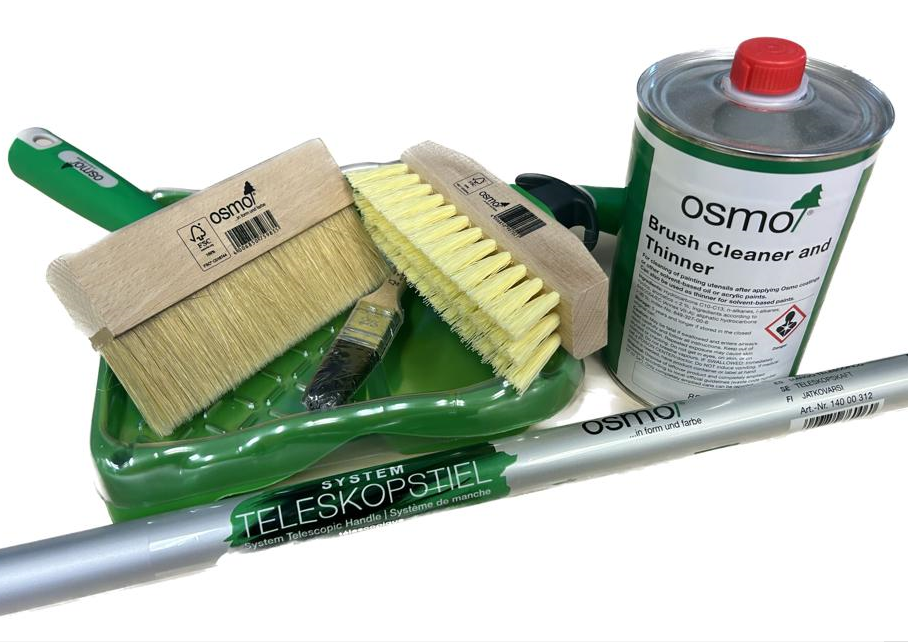
Brushes & Application Tools
-
-
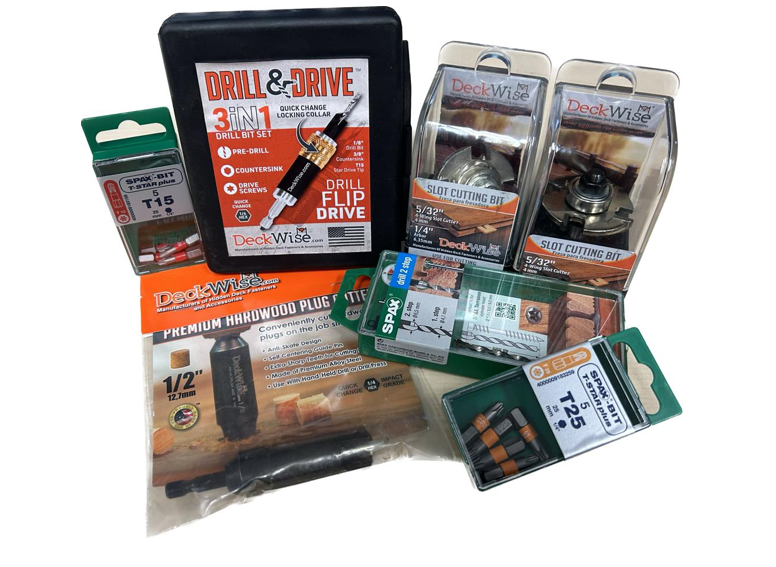
Drive Bits Router Bits & Plug Cutters
-
-
Cedral Accessories
-
- SAMPLES

Cladding
Timber cladding transforms the outside of a house, extension or garden room - and we supply the full range direct, from naturally durable Western Red Cedar to value larch and chemical-free thermally modified boards. Whether you're cladding a whole house, a single wall or a new build, you'll find the right timber, profile and finish here, with fast UK delivery.
New to thermally modified timber? Read our Guide
Not sure which to choose? See our choosing guide
Our exterior timber cladding range

FILTER BY
SPECIES
- Cedar Cladding
- Thermo Ayous Cladding
- Thermory Benchmark
- Douglas Fir
- Larch
- Thermowood
- Far Eastern
- Radiata Pine
- Black Barn
- Cedar Shingles
- Thermory Thermo-Ash
- Cedral Cement
Clear Filters 
SIZE
- Hidden fixings
- 0.9 litres
- 0.75 litres
- 2.5 Litres
- 4.0 x 45mm
- 4.5 x 45mm
- 4.5 x 50mm
- 8.5 x 132 x 129mm
- 9.5mm
- 15 x 95mm
- 16 x 136mm
- 17 x 86mm
- 17 X 94mm
- 17 x 136mm
- 18 x 94mm
- 18 x 140mm
- 18 x 144mm
- 19 x 141mm
- T20
- 20 X 45mm
- 20 x 52mm
- 20 X 70mm
- 20 X 95mm
- 20 x 115mm
- 20 x 132mm
- 20 x 140mm
- 20 x 140mm
- 20 x 144mm
- 21 x 185mm
- 24 x 136mm
- 30 x 40mm
- 30 x 50mm
- 30 x 70mm
- 32 x 140mm
- 35 x 35mm
- 38 x 1.6mm
- 40 x 2.65mm
- 42 x 42mm
- 45 X 45mm
- 50 x 1.6mm
- 50 x 2.65mm
- 64mm
- 76mm
Apply Filters 
Profile
- -Stripe
- Ash Plugs
- Bevel Lap
- Black Head
- Cedral Accessories
- Cedral Boards
- Cedral Click
- Cedral Lap
- Cedral Perforated
- Channel Groove
- Channel Groove
- Channel Lap
- Corner Profile
- Decor Internal
- Fascia Board
- Featheredge
- Featheredge Lap
- Hidden Fixings
- L section
- Osmo Oil
- P.A.R. (planned
- P.A.R. with
- Parallelogram /
- Ridge Tile
- Shingle
- Shiplap
- Stainless Steel
- Stainless Steel
- Stainless Steel
- Stainless Steel
- T and
- T and
- T Star
- T.G.V.
- T.G.V. double
- T.G.V. hidden
- Thermo Ash
- Touch Up
- Trim section
ORDER BY
- SPECIES
- PROFILE
- PRICE (LOW > HIGH)
- PRICE (HIGH > LOW)
You have seen 9 out of 80 products
Show the next 9 results
How to choose exterior claddingThe right exterior cladding comes down to three things: the look you want, how durable it needs to be, and your budget. Here's how our timbers compare across all three. By lookWestern Red Cedar gives a warm, honey-brown tone that silvers gracefully to a soft grey if left untreated. Larch is paler and more uniform, weathering to a silvery finish prized on contemporary builds. Black Barn offers a dramatic charred-black look, factory-finished and ready to fix. Douglas fir brings character and larger board sizes, while thermally modified timbers sit in a rich, even brown. If you want to hold the original colour rather than let it silver, plan to oil it (see Fixing & finishing). By durability & maintenanceAll of our exterior cladding timbers are chosen to perform outdoors. Western Red Cedar is naturally durable and rot-resistant, lasting decades untreated. Far Eastern hardwood is the most durable option, dense and hard-wearing. Thermally modified boards are heat-treated (no chemicals) for improved stability and durability, a strong choice if movement and cupping are a concern. Larch is dense and durable and a popular all-rounder, while Douglas fir is moderately durable and benefits from a protective finish. Left untreated, durable timbers silver naturally and need very little maintenance; treated, they keep their colour with an occasional re-coat. By budgetPrice depends as much on profile, width and grade as on species, larch and thermally modified boards are generally the most affordable, with Western Red Cedar and Far Eastern hardwood at the premium end. See each range above for live pricing Cladding profiles explained
Profiles can be fixed horizontally or vertically — vertical needs battening behind to drain, and changes the look considerably. Fixing & finishingFixings: always use stainless steel with timber cladding, and it's essential with Western Red Cedar, whose natural tannins corrode ordinary steel and cause black staining. We supply matched stainless steel cladding nails and stainless facade screws for every board we sell. Finishing: durable timbers don't need treating to survive, left alone they weather to silver-grey. Treat only if you want to keep the original colour: a UV-protection oil such as Osmo UV-Protection Oil holds the tone, with Owatrol products for restoration and pre-treatment. One coat on installation and an occasional refresh is all most claddings need. Frequently asked questions
What is the best timber for exterior cladding?
How long does timber cladding last outdoors?
Does exterior wood cladding need treating?
How much does exterior cladding cost per m²?
Shiplap vs tongue-and-groove — what's the difference?
|





|
