- TEL : 01277 890 783
- EMAIL : sales@southgatetimber.co.uk
- Collections Monday to Friday 9:00 - 16:00






 Profiles
 Fast and friendly delivery service
 Samples available
 Click & Collect



-
-
-
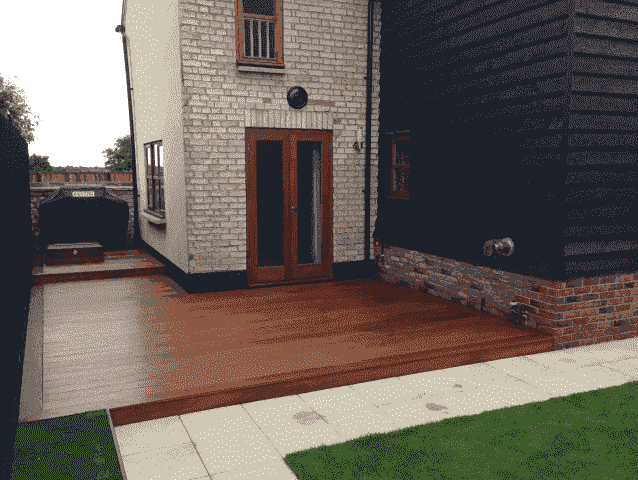
IPE Hardwood Decking ***FSC®***
-
-
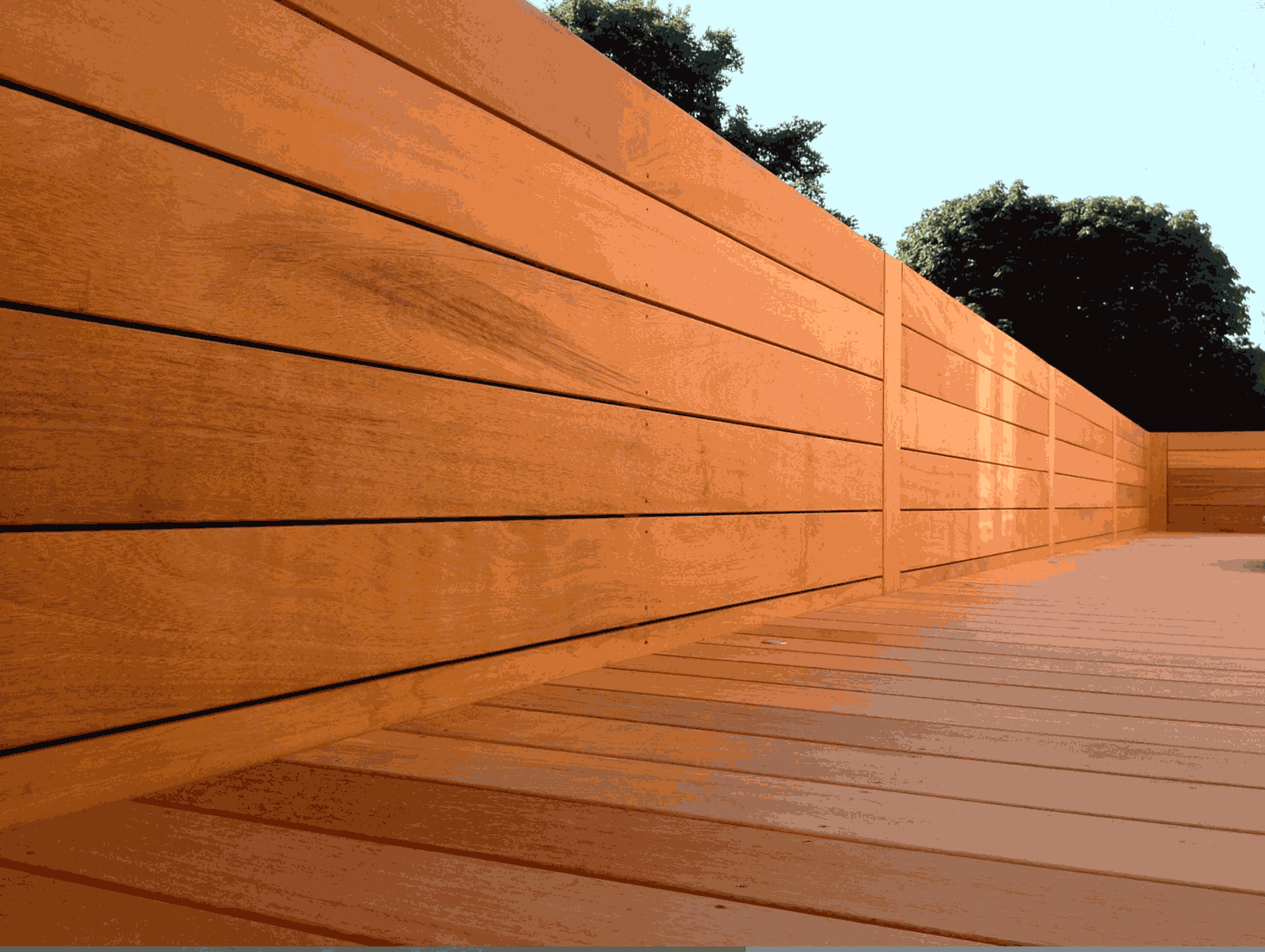
Iroko Hardwood Decking
-
-
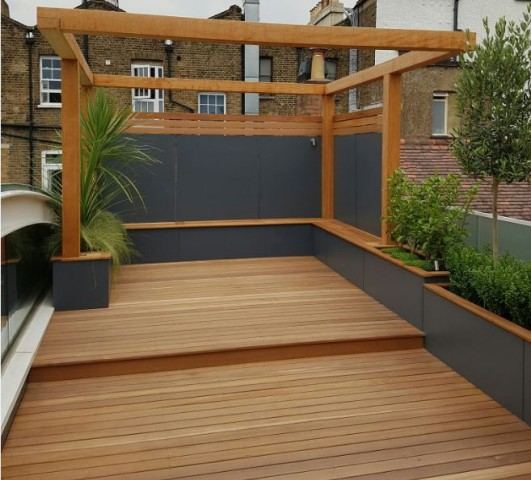
Yellow Balau Hardwood Decking ***FSC®*** & SVLK
-
-
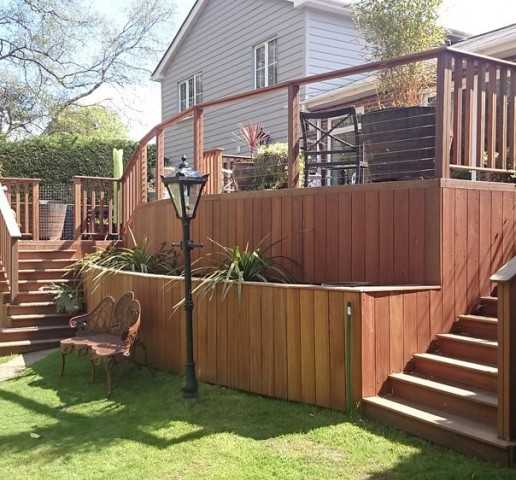
Yellow Balau Hardwood Components SVLK
-
-
Jatoba Hardwood Decking ***FSC®***
-

-
Thermory Benchmark Thermo-Ash Decking
-
-
Thermowood Pine Decking PEFC
-
-
Tali Hardwood Decking ***FSC®***
-
-
Thermory Spruce Decking PEFC
-
-
-
-
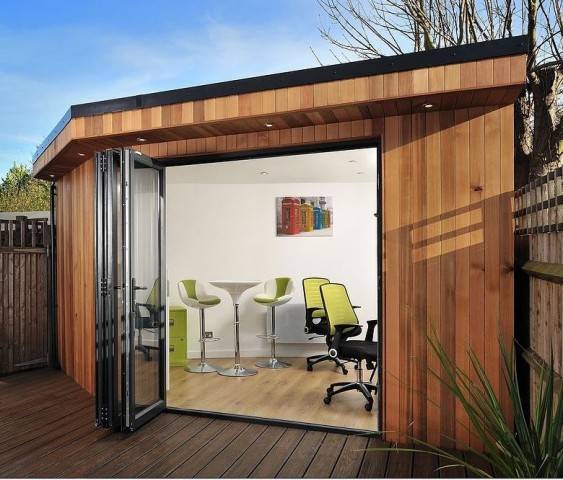
Western Red Cedar Cladding PEFC
-
-
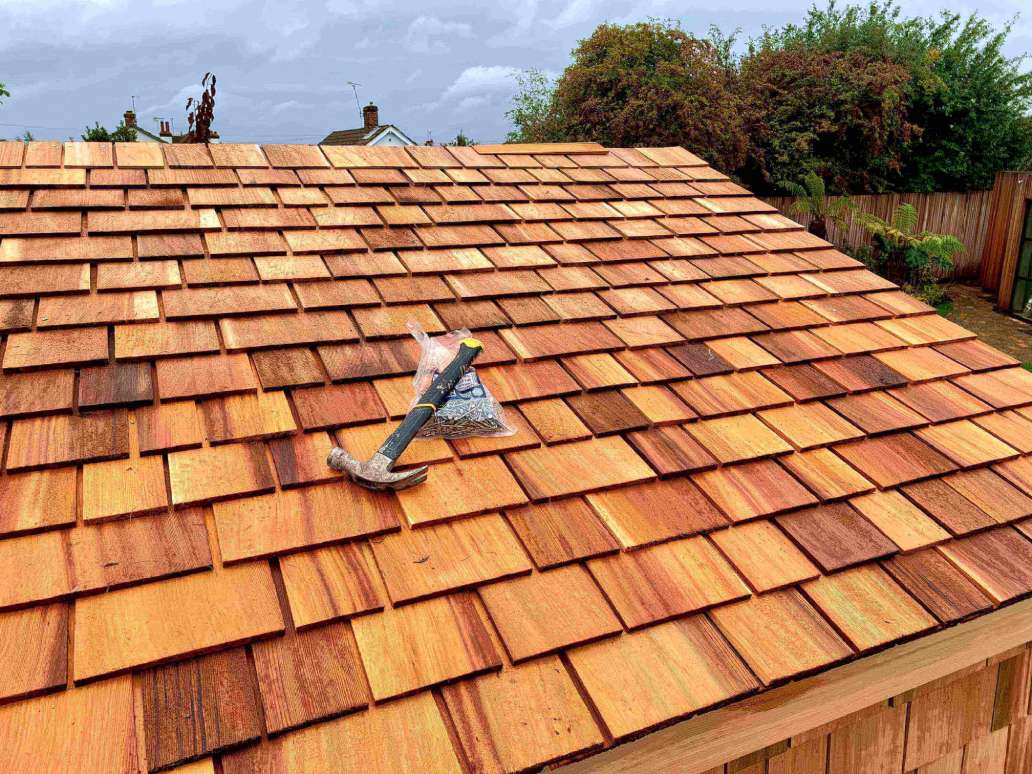
Cedar Shingles & Ridge Tiles PEFC
-
-
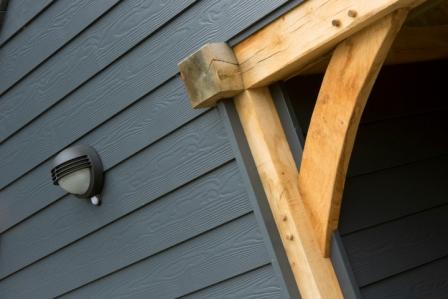
Cedral Cement Board Cladding
-
-
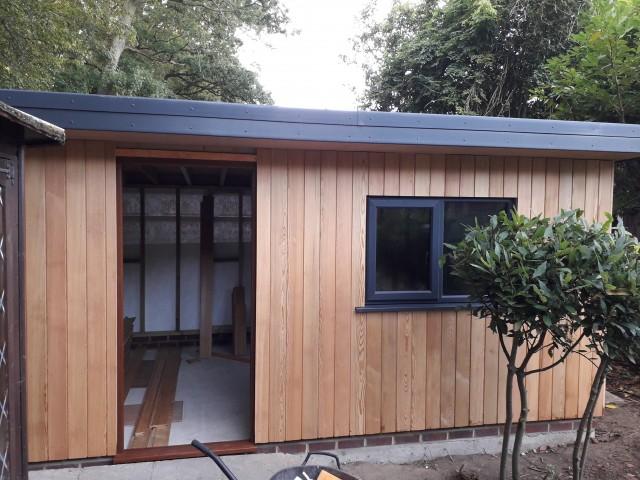
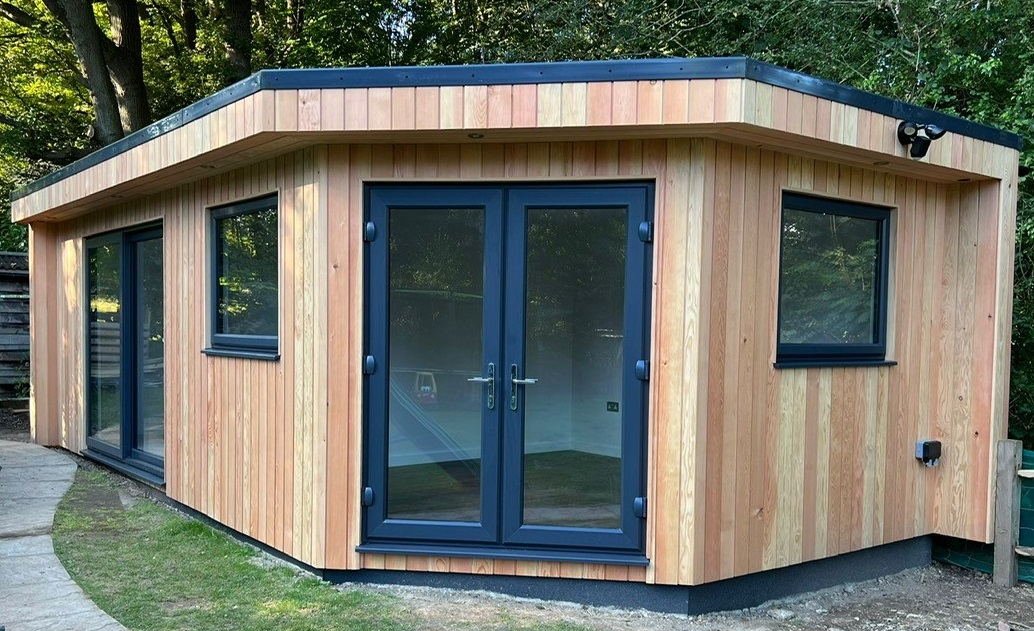
Larch Cladding ***FSC®*** & PEFC
-
-
Douglas Fir Cladding PEFC
-
-
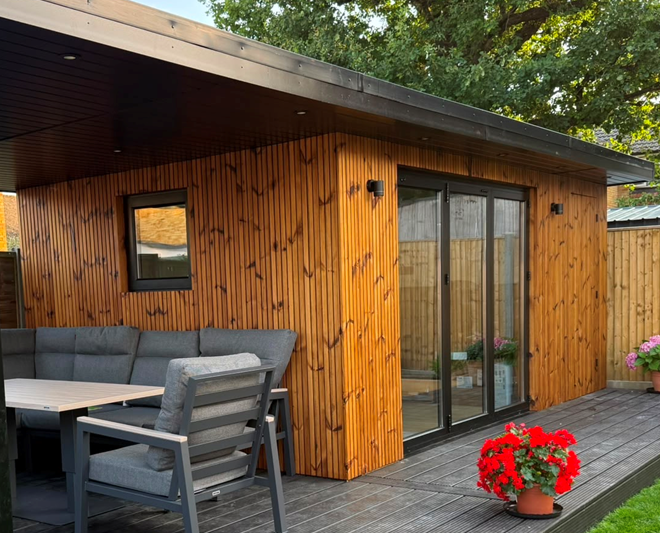
Thermo Ayous Cladding
-
-
Thermowood Pine Cladding PEFC
-
.jpg)
-
Black Cladding PEFC
-

-
Far Eastern Hardwood Cladding PEFC & SVLK
-

-
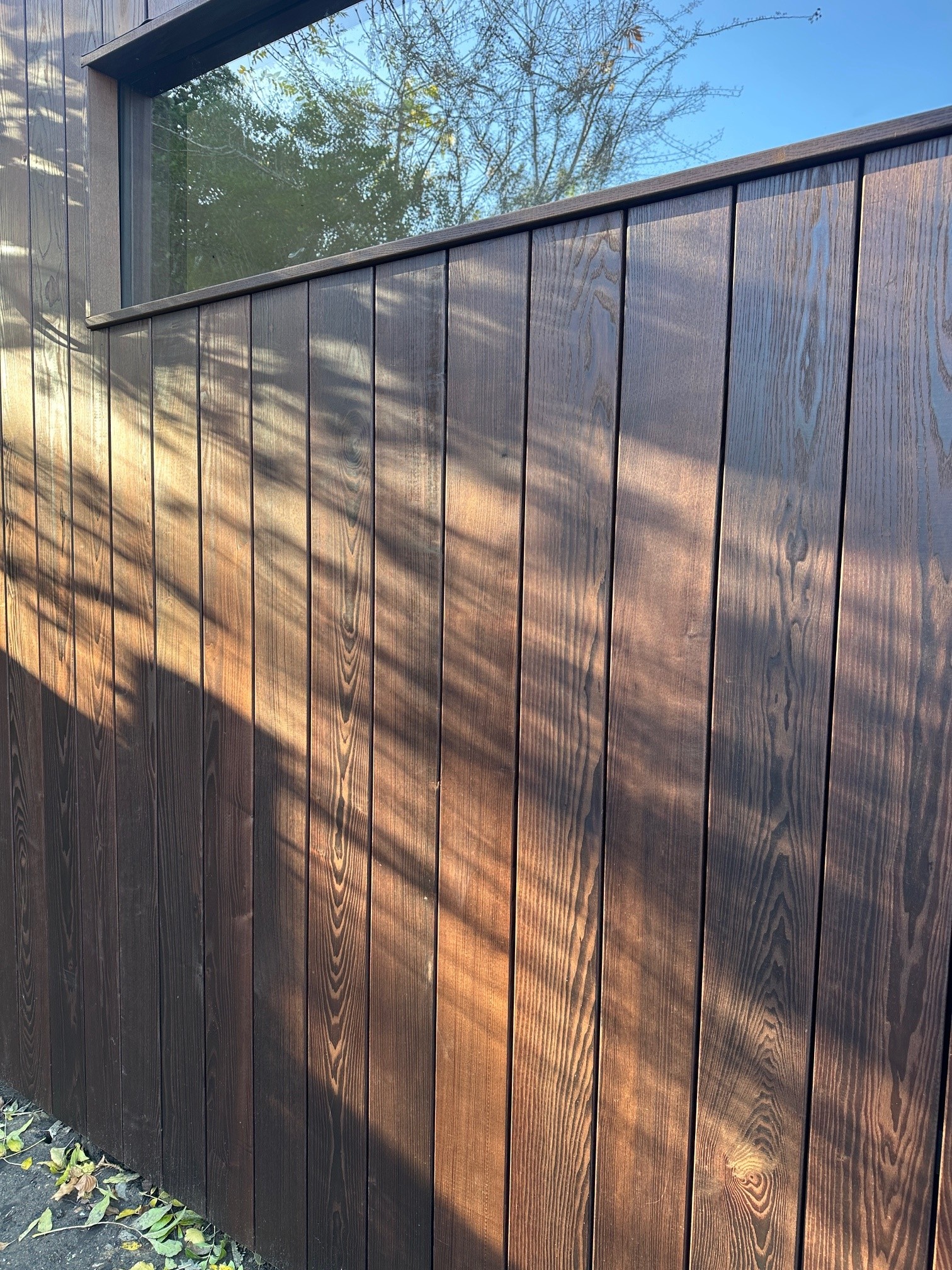
Thermory Radiata Pine Cladding ***FSC®***
-
-
Thermory Thermo-Ash Cladding
-

-
Thermory Thermo-Ash Decor Rhomb Tiles Internal
-
- SAUNA
- SLEEPERS
-
-
-
Osmo Treatment & Accessories
-
-
Owatrol Treatment & Accessories
-

-
Thermory Treatment & Fixings
-
-
Deckwise Hidden Fixings & Accessories
-
-
Decking Accessories
-
-
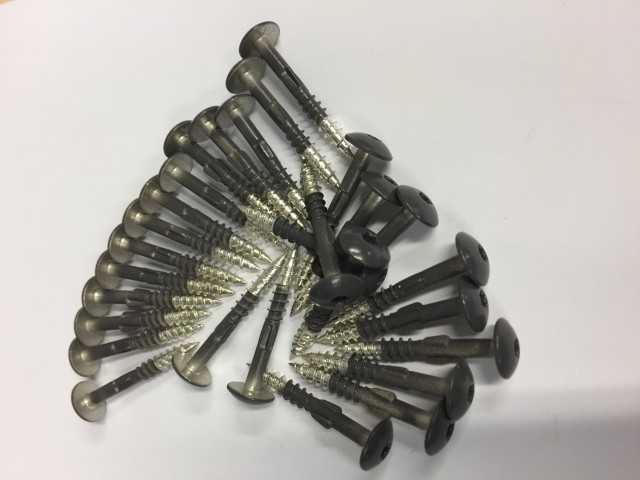
Spax Specialist Decking Screws
-

-
Spax Stainless Steel Facade Screws
-
-
Spax Construction Screws
-

-
Stainless Steel Nails
-
-
Paslode Stainless Steel Brads
-
-
Walther Strong Deck Tape
-
-
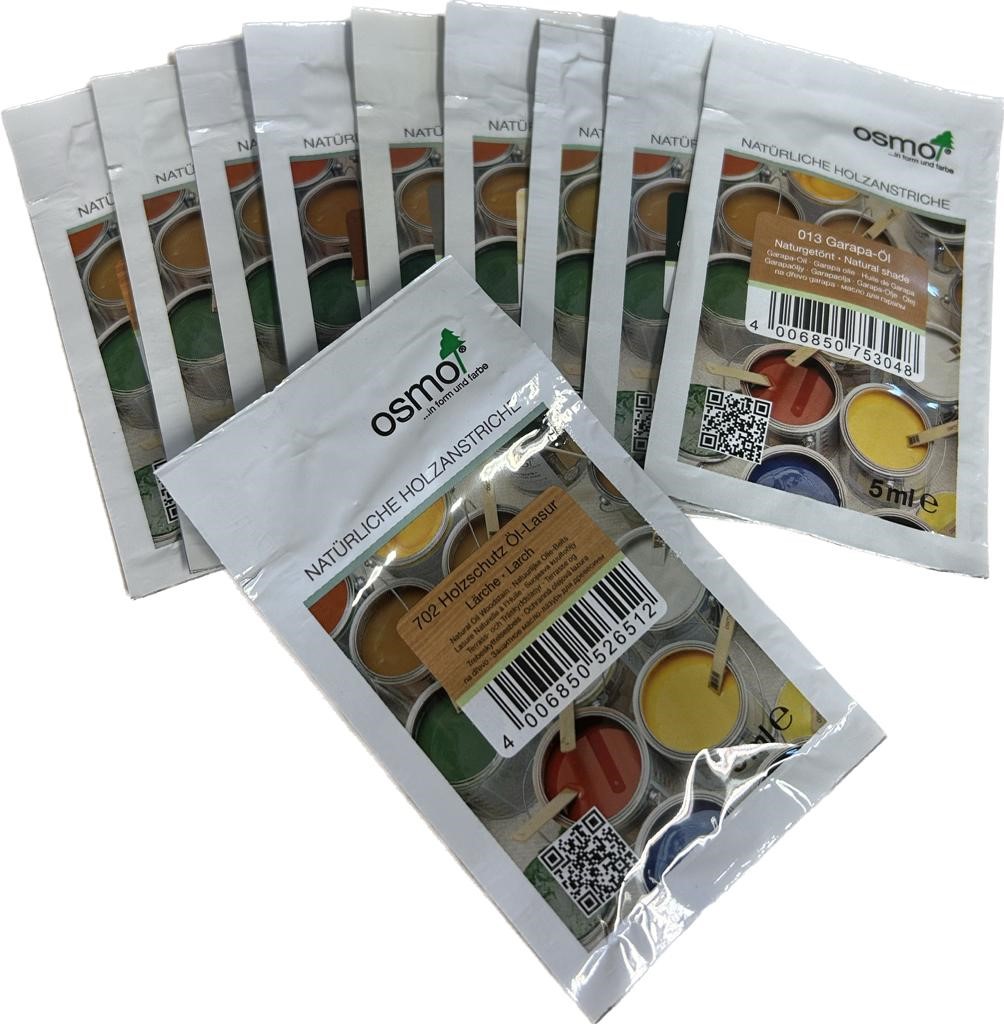
Treatment Samples
-
-
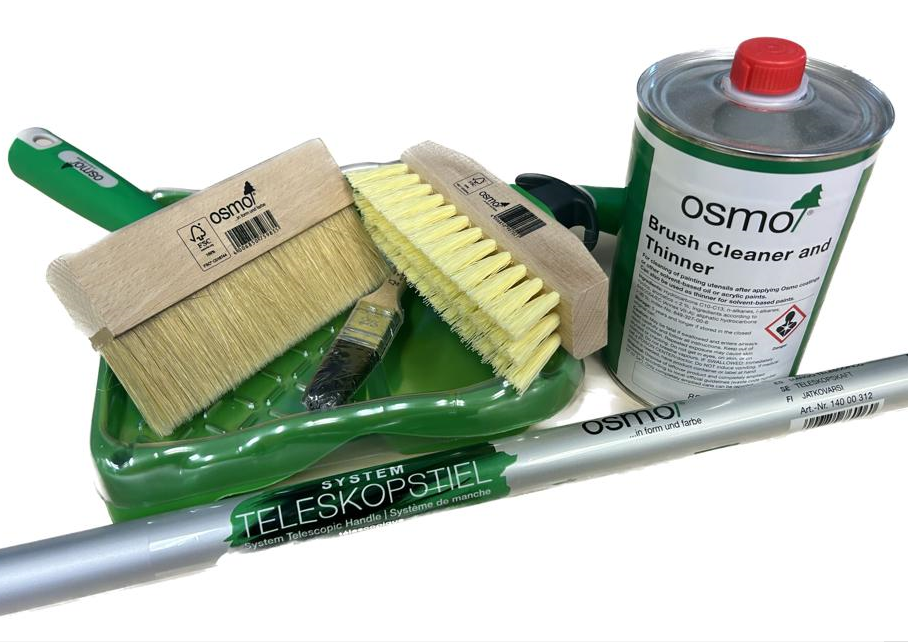
Brushes & Application Tools
-

-
Drive Bits Router Bits & Plug Cutters
-
-
Cedral Accessories
-
- SAMPLES

Tali Decking: 5 Facts to Know Before You Buy

by
Southgate Timber
September 24, 2026
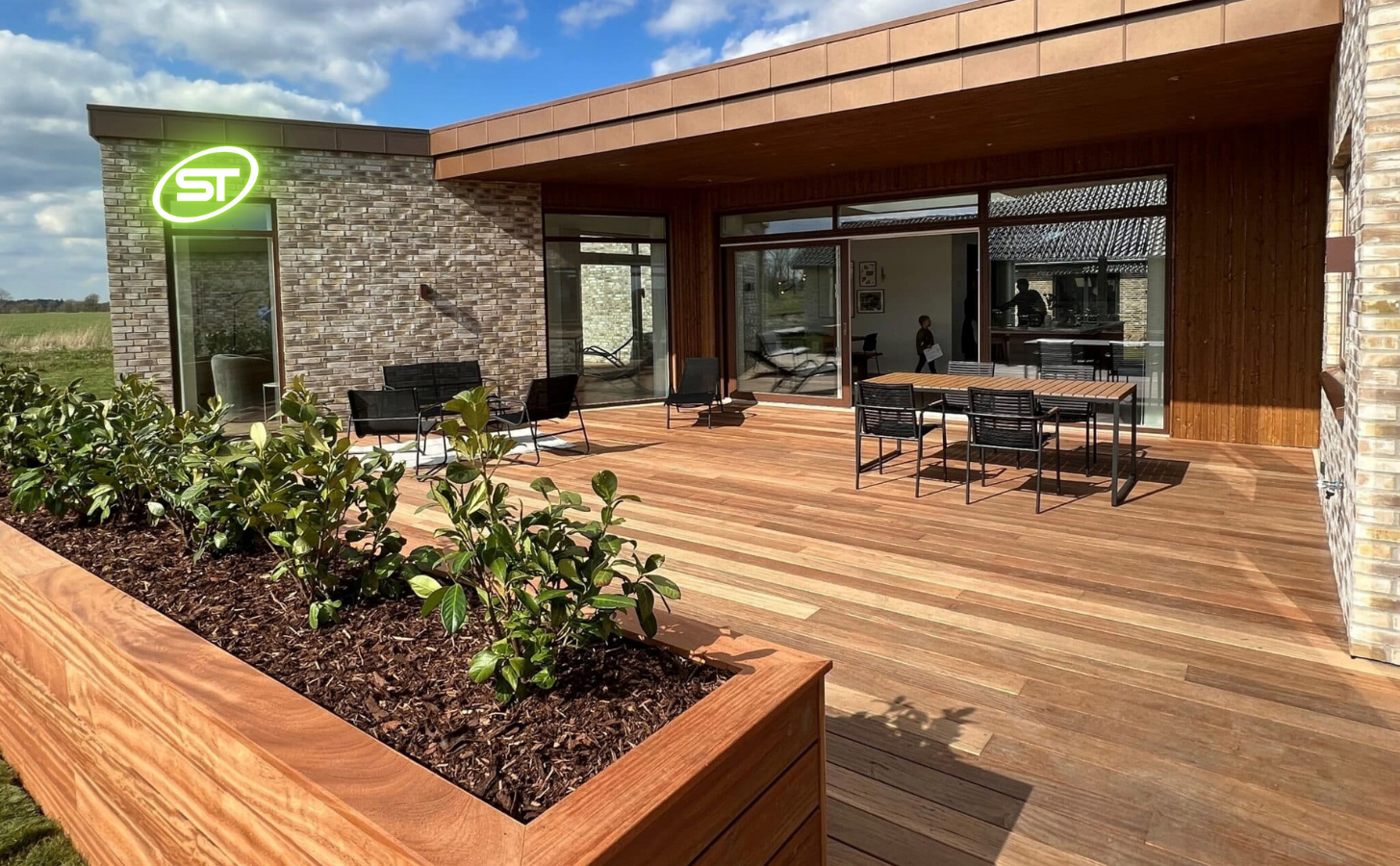


If you’re looking for a hardwood decking that combines strength, durability and plenty of natural character, Tali is well worth considering. It’s a dense, hard-wearing timber with a distinctive striped grain, while sitting at a more accessible price point than some premium hardwoods. We recently covered five facts about Tali decking in under 30 seconds in one of our videos. Here’s a closer look at each one.
1. Tali is seriously strong
One of the biggest advantages of Tali decking is its strength. Tali is a dense African hardwood, typically around 900 – 1,000 kg/m³, making it a particularly tough timber for outdoor decking. We’ve even put it to the test ourselves. Three members of the Southgate Timber team, weighing around 275kg combined, stood on a single Tali board, and it held. That strength makes Tali a good option for areas that are going to see plenty of use, from family gardens and raised decks to steps, hot tub surrounds and commercial outdoor spaces. Watch the full strength test here.
2. Tali is an affordable hardwood option
If you want the performance of a premium hardwood without going straight to the top end of the price range, Tali offers a good middle ground. Within our hardwood decking range, Yellow Balau is generally the more affordable option, Tali sits in the middle, while Ipe is our premium hardwood decking option. Tali therefore gives you a useful balance of strength, appearance and cost, particularly if you like the qualities of Ipe but are working to a tighter budget.
Prices on our website are shown per metre and per square metre, both including and excluding VAT prices available, making it easy to compare the different options. You can also use our decking and screw calculator to work out how much timber and how many fixings you’ll need.
3. Tali has a long lifespan
Tali is classed as a very durable hardwood and is naturally resistant to rot, fungal decay and insect attack. When correctly installed, with good ventilation underneath the boards and a suitable subframe, Tali decking can last 25 years or more.
As with any decking, correct installation makes a big difference to its long-term performance, so it’s important to allow for drainage, ventilation and natural movement when fitting the boards.
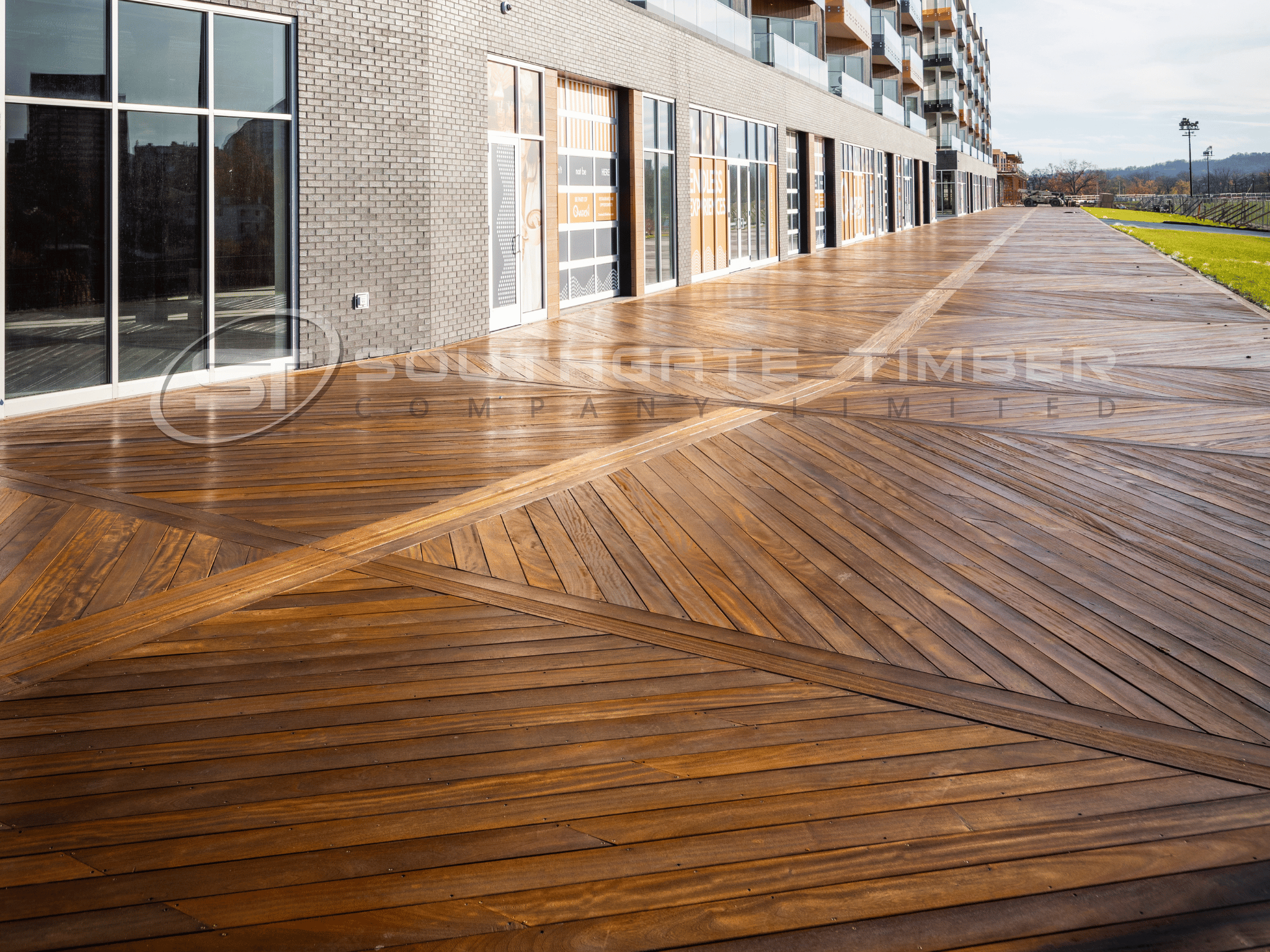
4. Tali is low in knots and defects
Another advantage of Tali is its naturally clean appearance. The boards tend to have a straight, consistent grain with very few knots. This doesn’t just affect how the finished deck looks, it can also make a difference when you’re working with the timber. Fewer knots and defects can mean:
- a cleaner, more consistent finish across the deck
- less waste when cutting your boards
- fewer potential weak points in the timber
For larger decking areas in particular, that consistency can help create a really smart finished result.
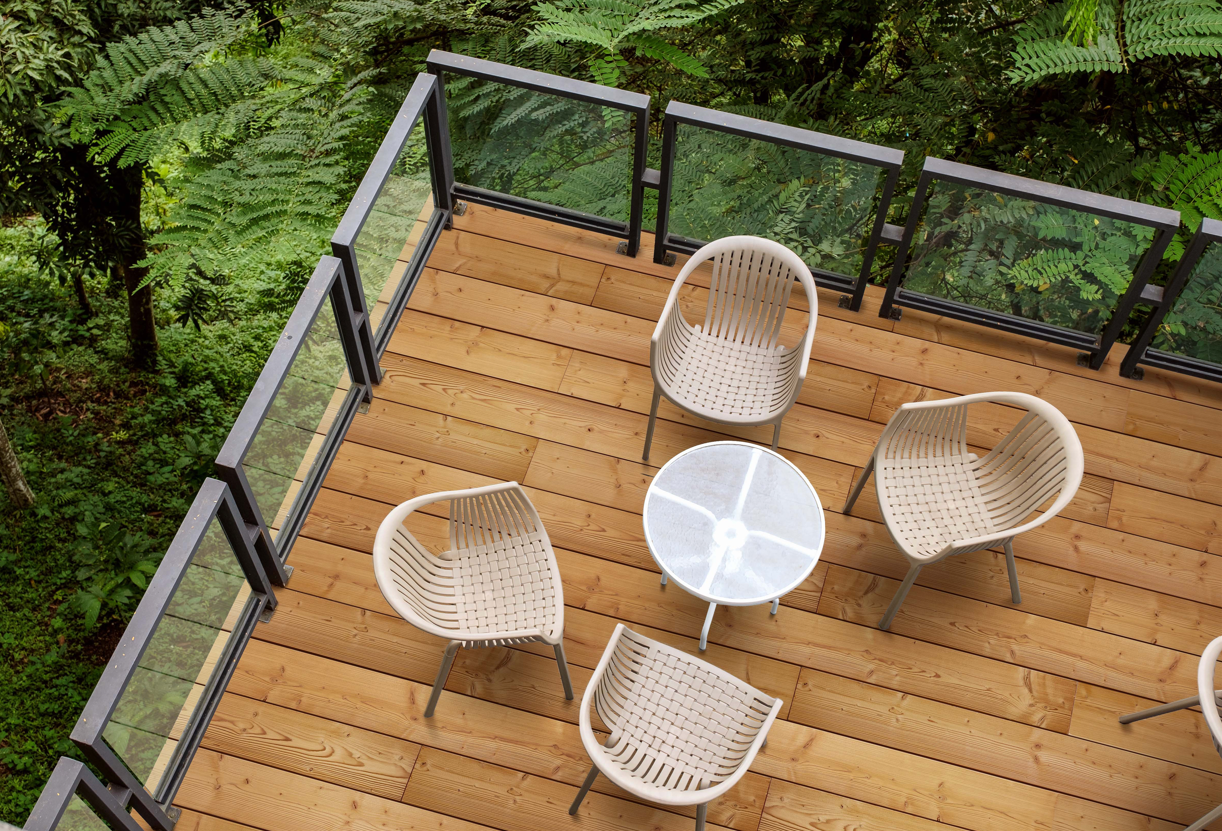
5. Tali has distinctive tiger-like stripes
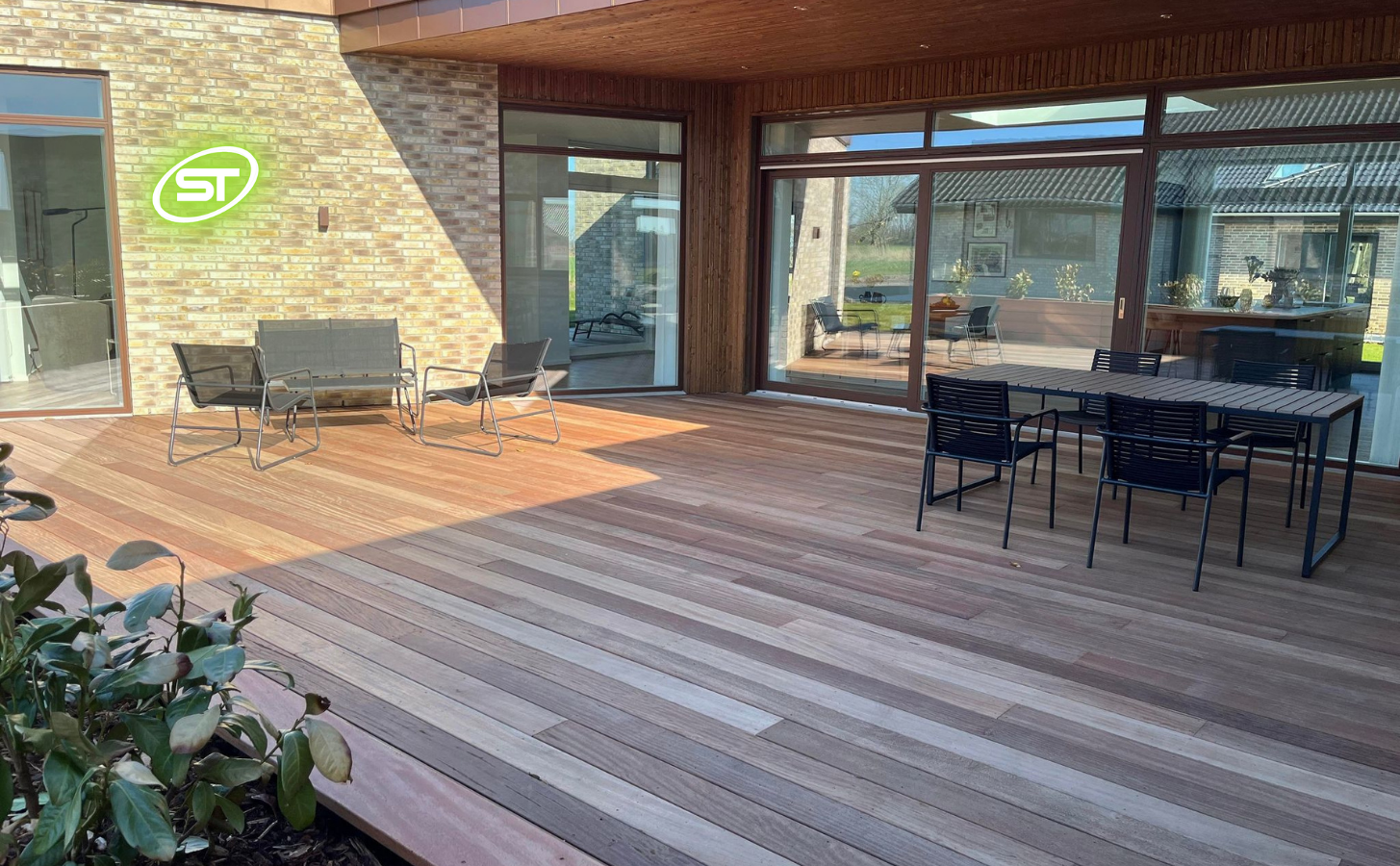
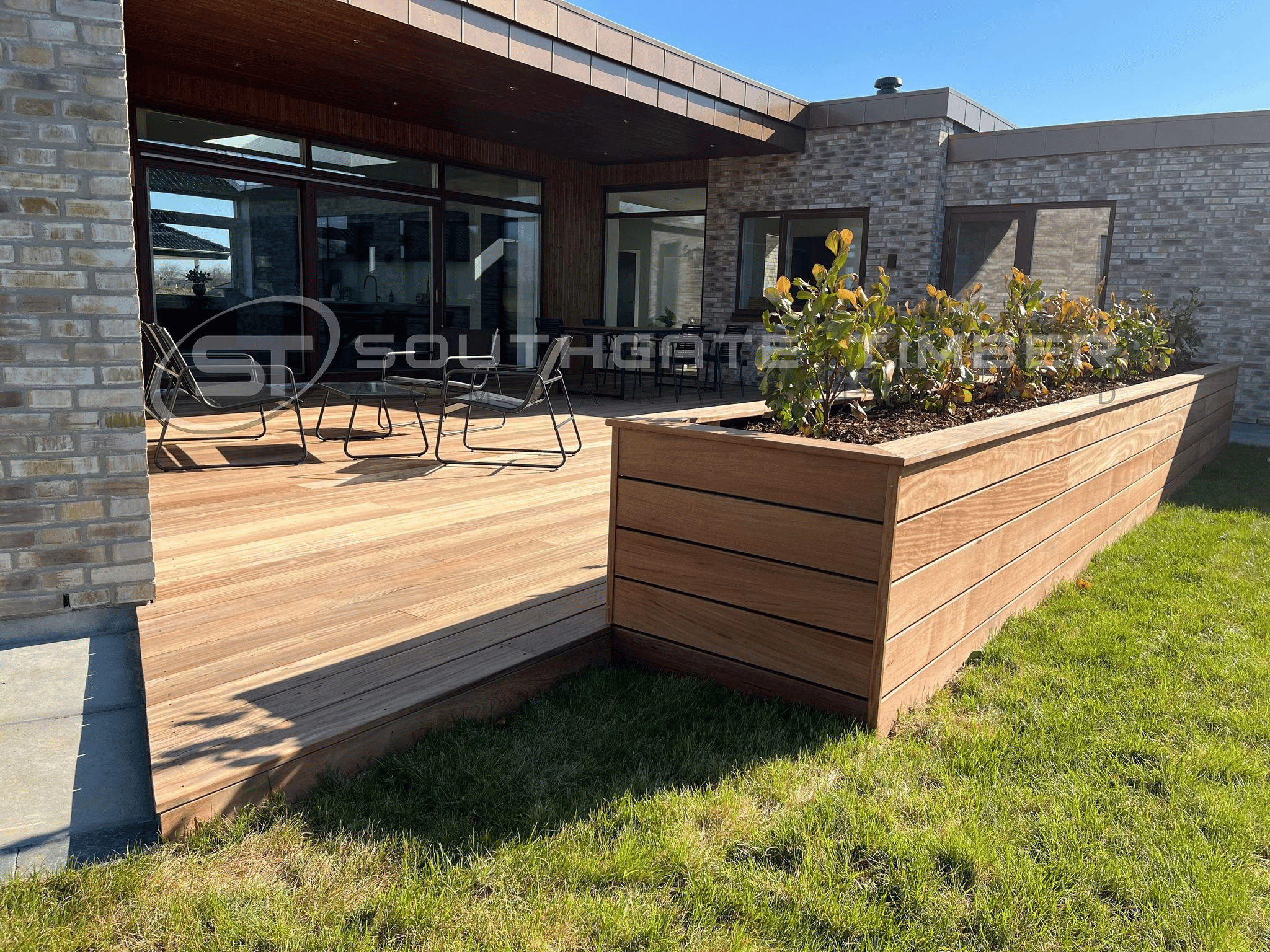
This is probably the feature you’ll notice first when you see Tali in person. Its interlocked grain creates distinctive tiger-like stripes, with natural colours ranging from golden brown through to deeper reddish-brown, often with darker streaks running through the timber. Because it’s a natural product, every board is slightly different. Once laid together, those variations give a Tali deck plenty of depth and character.
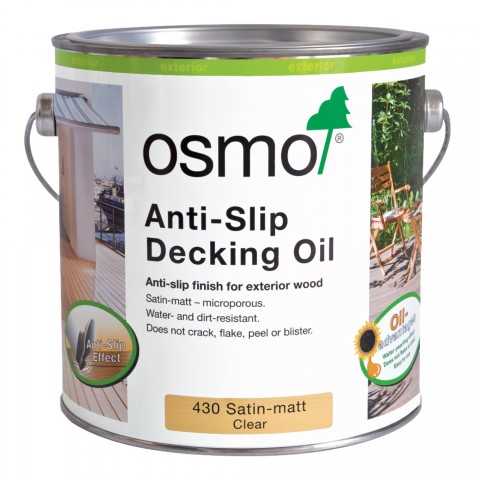
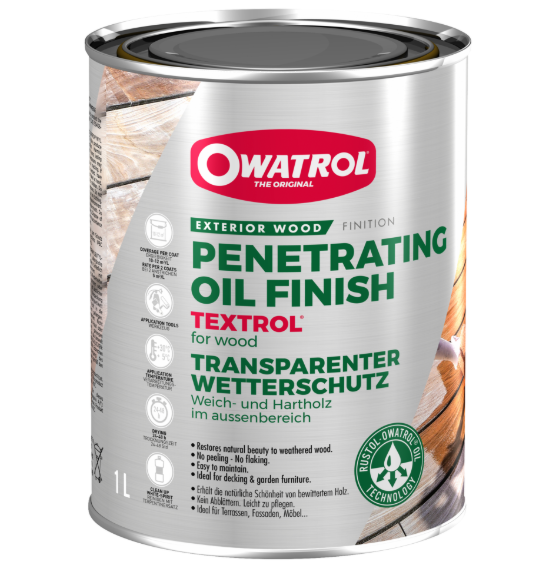
Like other hardwood decking, Tali will gradually weather to a silvery-grey colour when it’s exposed to the elements. This doesn’t affect the timber’s durability. If you’d prefer to retain more of its original warm colour and striped appearance, you can use a suitable decking oil such as Osmo or Owatrol.
Tips for fitting Tali decking
Tali’s density is one of its biggest strengths, but it also means you need to take a little more care when installing it.
We recommend:
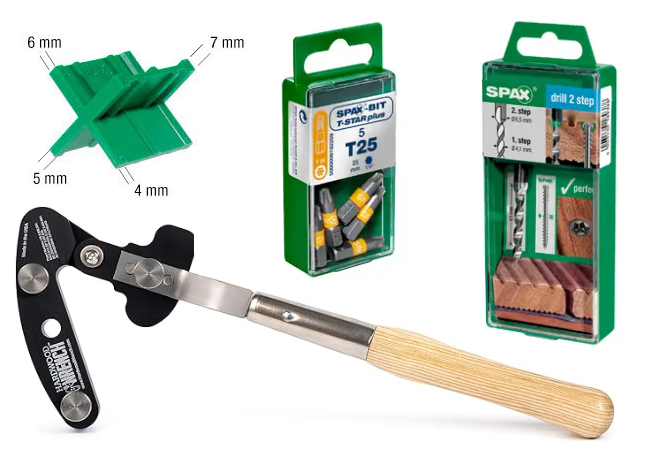
- Pre-drilling your screw holes before fixing the boards.
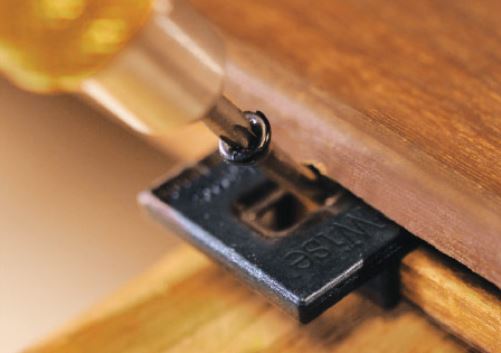
- Using stainless steel fixings suitable for hardwood decking, such as Spax specialist decking screws. DeckWise hidden fixings are another option if you prefer a cleaner surface.
- Sealing freshly cut ends to help reduce the risk of end splitting.
- Leaving an appropriate gap between boards to allow for drainage and natural movement.
- Wearing a suitable dust mask when cutting, as Tali dust can cause irritation.
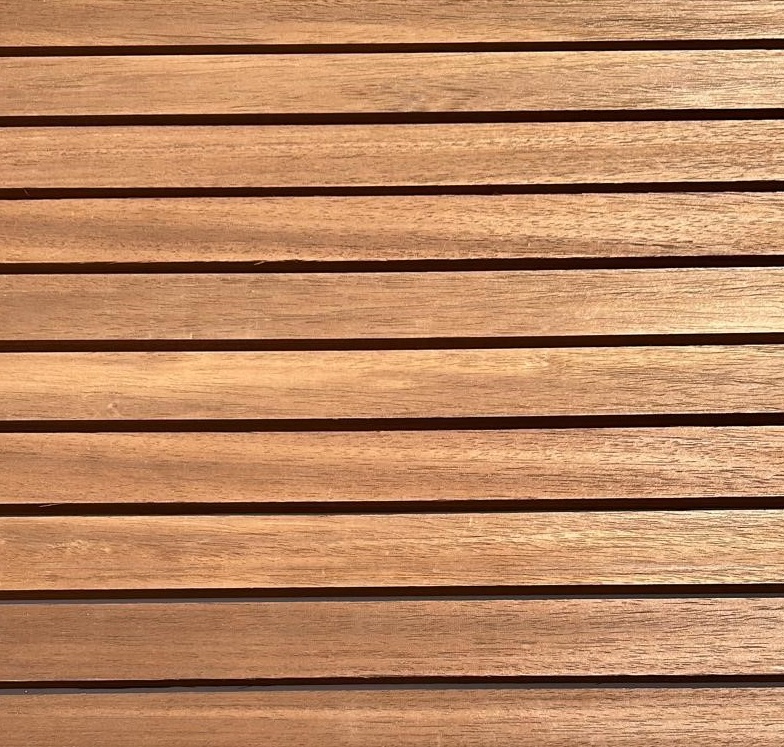
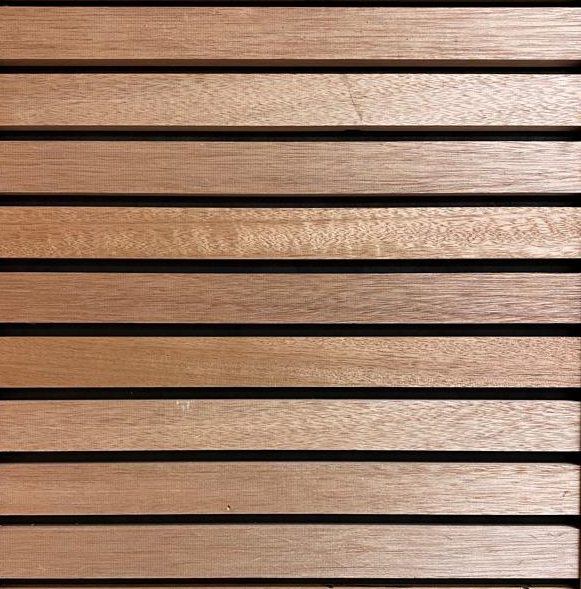
Tali decking is available in two smooth profiles, both machined smooth on both sides with slightly rounded corners. This gives you a choice of board width depending on the look and scale of your decking project:
- 21 x 145mm – Smooth 2 sides
- 21 x 90mm – Smooth 2 sides
Both profiles are FSC® certified Tali hardwood decking and available to order online for click & collect or delivery. Both can also be made suitable for hidden fixing using the DeckWise Slot Cutting Router Bit, which creates the side groove needed for DeckWise Extreme hidden fixings.
For more detailed information on sizes, installation and maintenance, take a look at our Ultimate Guide to Tali Hardwood Decking. And to find out more about these five facts, you can watch the full video here.
Want to see Tali for yourself?
If you’re deciding between Tali and another hardwood decking, seeing the timber in person can make the choice much easier, particularly because of Tali’s distinctive striped grain. You can order a sample or browse our FSC® certified Tali decking online, with delivery available across the UK mainland or click and collect from our Essex yard.
FAQs
Is Tali good for decking?
Yes. Tali is a dense and very durable hardwood that is naturally resistant to rot and insect attack, making it well suited to outdoor decking.
Is Tali cheaper than Ipe?
Tali generally sits at a lower price point than Ipe, making it an option worth considering if you want a strong, durable hardwood without moving up to the premium Ipe price point.
How long does Tali decking last?
When properly installed with a suitable subframe and good ventilation, Tali decking can last 25 years or more.
Does Tali decking need treating?
Tali doesn’t need treatment for its natural durability. If left untreated, it will gradually weather to a silvery-grey colour. A suitable decking oil can be applied if you want to retain more of its original colour.
Is Southgate Timber’s Tali decking FSC® certified?
Yes. Our Tali hardwood decking is FSC® certified, meaning the timber comes from responsibly managed forests.

General