- TEL : 01277 890 783
- EMAIL : sales@southgatetimber.co.uk
- Collections Monday to Friday 9:00 - 16:00






 Profiles
 Fast and friendly delivery service
 Samples available
 Click & Collect



-
-
-
IPE Hardwood Decking ***FSC®***
-
-
Iroko Hardwood Decking
-
-
Yellow Balau Hardwood Decking ***FSC®*** & SVLK
-
-
Yellow Balau Hardwood Components SVLK
-
-
Jatoba Hardwood Decking ***FSC®***
-

-
Thermory Benchmark Thermo-Ash Decking
-
-
Thermowood Pine Decking PEFC
-
-
Tali Hardwood Decking ***FSC®***
-
-
Thermory Spruce Decking PEFC
-
-
-
-
Western Red Cedar Cladding PEFC
-
-
Cedar Shingles & Ridge Tiles PEFC
-
-
Cedral Cement Board Cladding
-
-
Larch Cladding ***FSC®*** & PEFC
-
-
Douglas Fir Cladding PEFC
-
-
Thermo Ayous Cladding
-
-
Thermowood Pine Cladding PEFC
-

-
Black Cladding PEFC
-

-
Far Eastern Hardwood Cladding PEFC & SVLK
-

-
Thermory Radiata Pine Cladding ***FSC®***
-
-
Thermory Thermo-Ash Cladding
-

-
Thermory Thermo-Ash Decor Rhomb Tiles Internal
-
- SAUNA
- SLEEPERS
-
-
-
Osmo Treatment & Accessories
-
-
Owatrol Treatment & Accessories
-

-
Thermory Treatment & Fixings
-
-
Deckwise Hidden Fixings & Accessories
-
-
Decking Accessories
-
-
Spax Specialist Decking Screws
-
-
Spax Stainless Steel Facade Screws
-
-
Spax Construction Screws
-

-
Stainless Steel Nails
-
-
Paslode Stainless Steel Brads
-
-
Walther Strong Deck Tape
-
-
Treatment Samples
-
-
Brushes & Application Tools
-

-
Drive Bits Router Bits & Plug Cutters
-
-
Cedral Accessories
-
- SAMPLES

Larch vs Cedar Cladding: Which Is Better for Your Project?

by
Southgate Timber
October 16, 2026
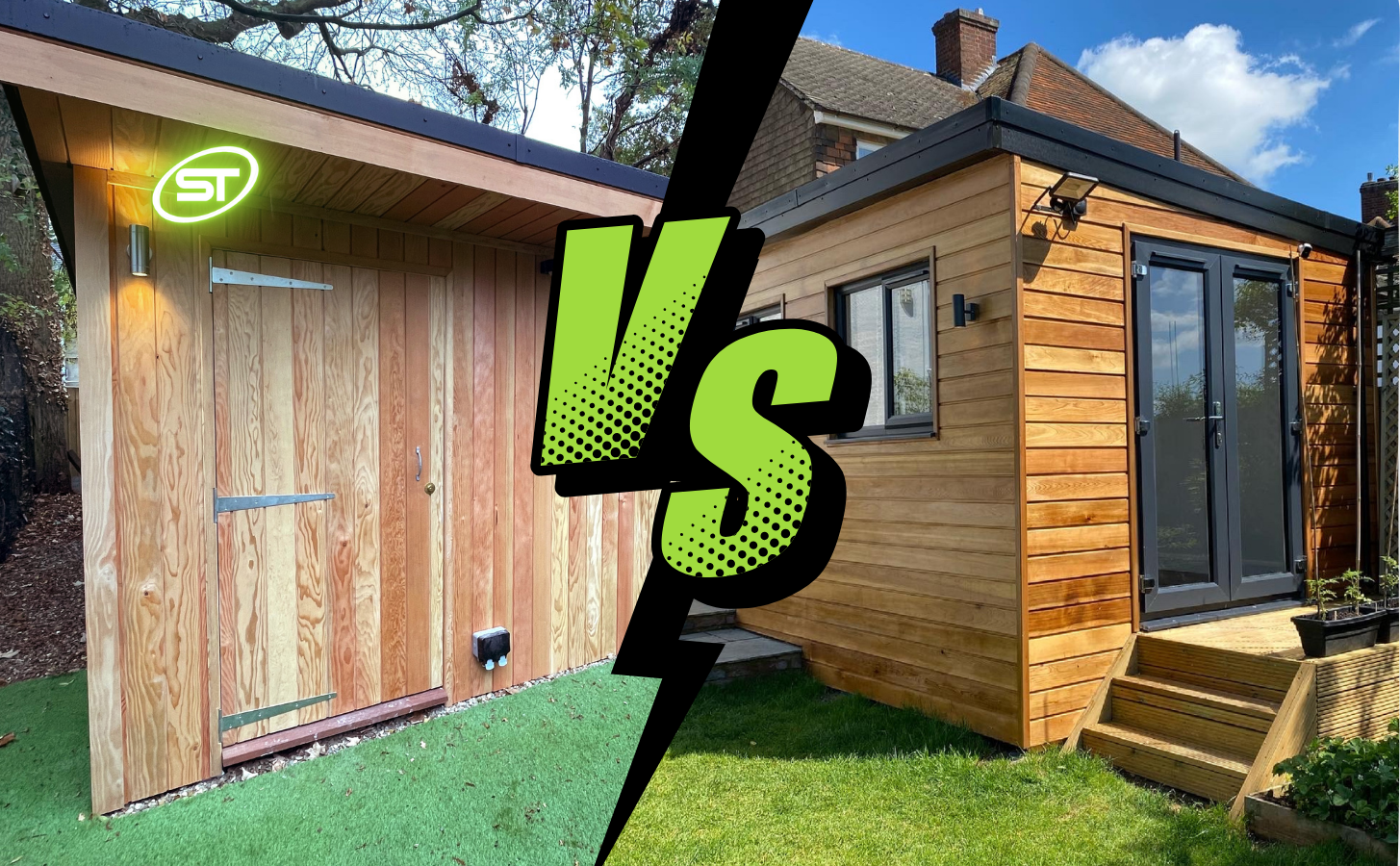


Western Red Cedar is the better choice if you want the lightest, most stable board and your budget allows for it, while European larch is the better choice if you want a tougher, harder-wearing board that costs less. Both are naturally durable softwoods, both can be left untreated, and both will gradually weather to an attractive silver-grey. However, there are some important differences between them, from weight and toughness to appearance and price. In our latest video, we put larch and cedar side by side and treated both with Osmo 420 UV Protection Oil to see how each timber takes the oil. If you're deciding between the two, here's what you need to know.
If you're looking for the quick answer
If you want the lightest, most stable board and you love the warm, varied tones of cedar, Western Red Cedar is still one of the finest cladding timbers available, as long as your budget allows for it. If you'd prefer a tougher, harder-wearing board that copes well with knocks and keeps project costs down, European larch is well worth considering. The right choice comes down to where the cladding is going, the look you're after and your budget.
Cost
Western Red Cedar is generally considered a premium cladding timber, reflecting its natural durability, its appearance and the fact that it's imported. European larch is typically the more cost-effective option, which makes it an attractive choice for larger elevations, garden rooms and outbuildings where costs can quickly add up.
Although prices vary depending on the profile and size you choose, larch is usually available at a lower price point than Western Red Cedar. If you'd like to compare the latest prices, you can browse our Western Red Cedar Cladding and Larch Cladding ranges, where you'll always find our current pricing.
Durability and lifespan
One of the biggest reasons people choose Western Red Cedar is its natural durability. The timber contains natural oils that help it resist decay without needing a preservative treatment. European larch is also naturally durable thanks to the resin in the timber, although cedar is rated slightly higher of the two.
In practice, both timbers will give many years of service as cladding when they're installed properly. That means fixing the boards to battens with a ventilation gap behind, keeping them clear of the ground and using stainless steel fixings. If you'd like to compare lifespans across all of our cladding, read our guide on how long timber cladding lasts.
Weight and toughness
This is where the two timbers really differ. Western Red Cedar is exceptionally lightweight, which makes it easy to handle and kind to lightweight timber frames. It's also very stable, so it's much less likely to move, twist or cup as the seasons change. The trade-off is that cedar is a soft timber, so it can dent or mark more easily.
European larch is a much denser and harder timber. It stands up far better to bikes, bins, garden tools and general knocks, which makes it a sensible choice for ground-floor walls, side passages and anywhere people are likely to brush past. Because it's heavier and moves a little more than cedar, it's important to fix it securely, with two fixings per board on wider profiles.
Appearance and weathering
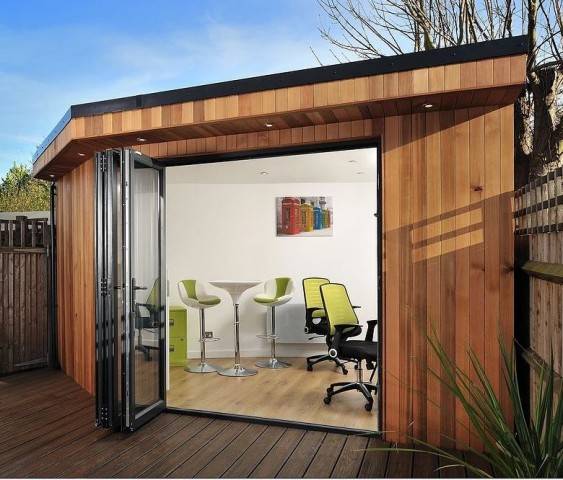
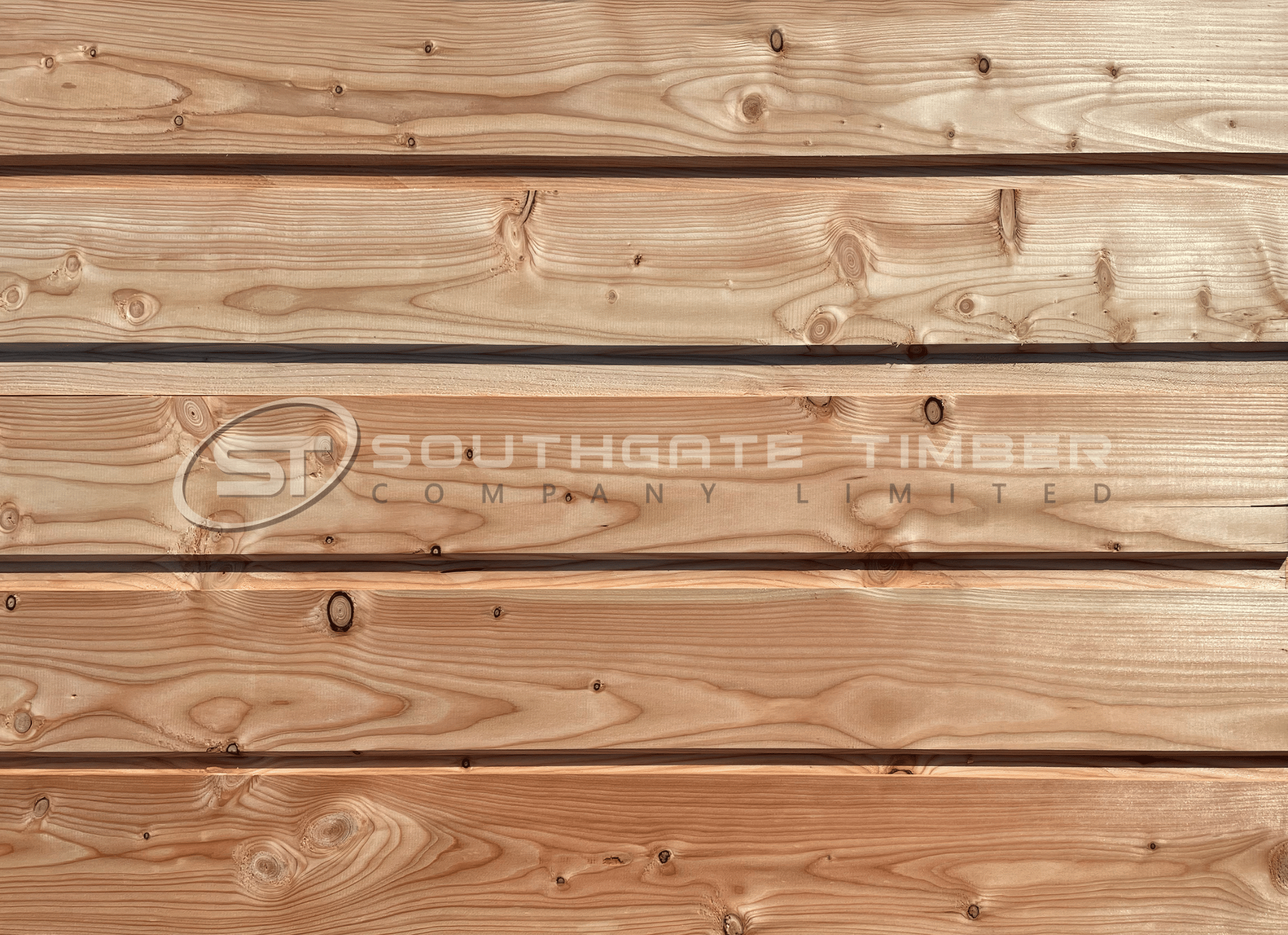
Western Red Cedar is loved for its warm honey-brown tones and the natural variation from board to board, ranging from soft pinks through to deeper chocolate browns. Many homeowners choose cedar for exactly that mix of colours.
European larch has a golden to pale reddish-brown colour, with a tighter grain and more visible knots. It gives a more rustic, characterful look that suits both traditional and contemporary buildings.
Left untreated, both timbers will gradually weather to a silver-grey, usually within the first year or two. This is purely cosmetic and doesn't affect the durability of the cladding.
How do larch and cedar take a treatment?
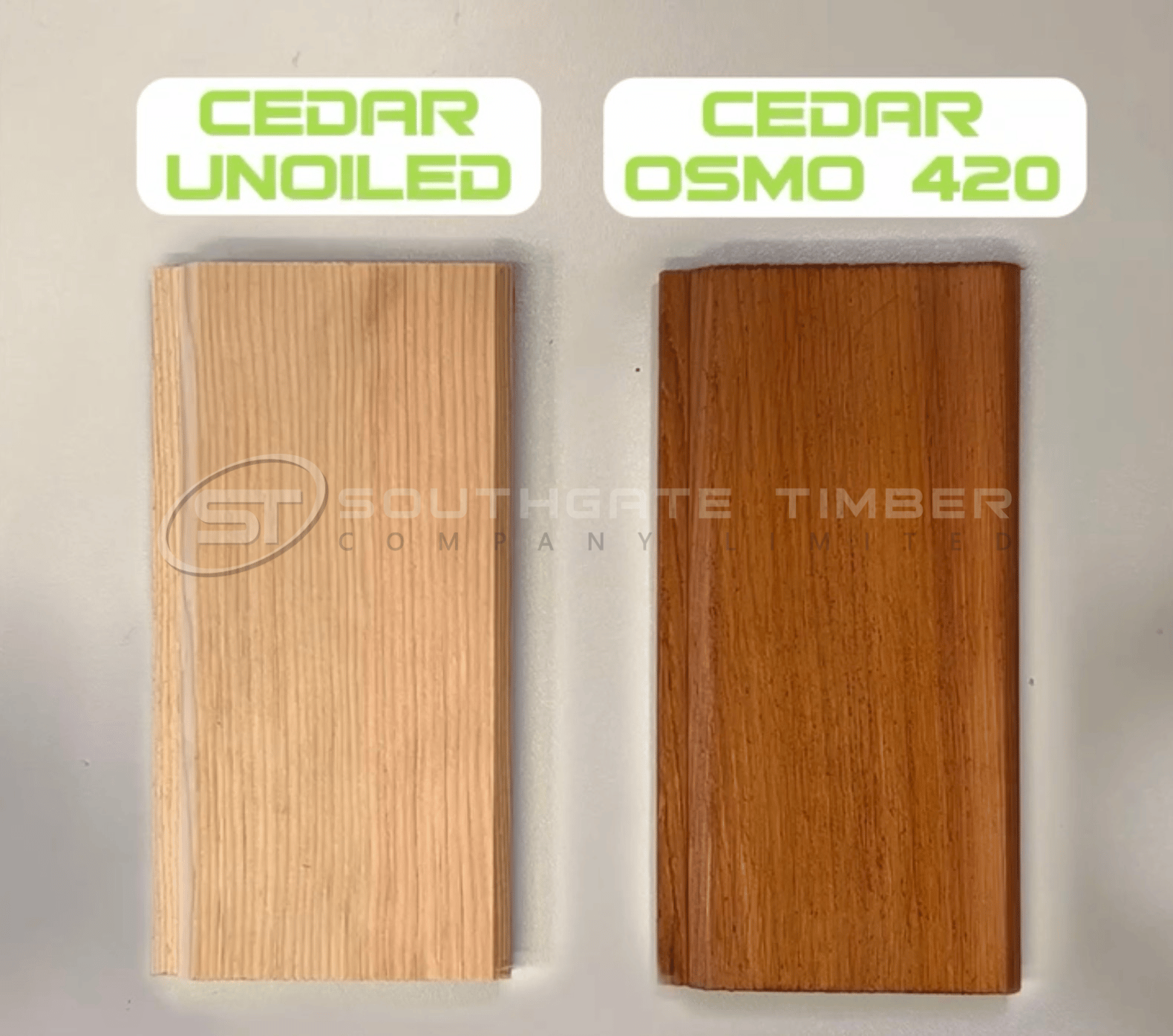
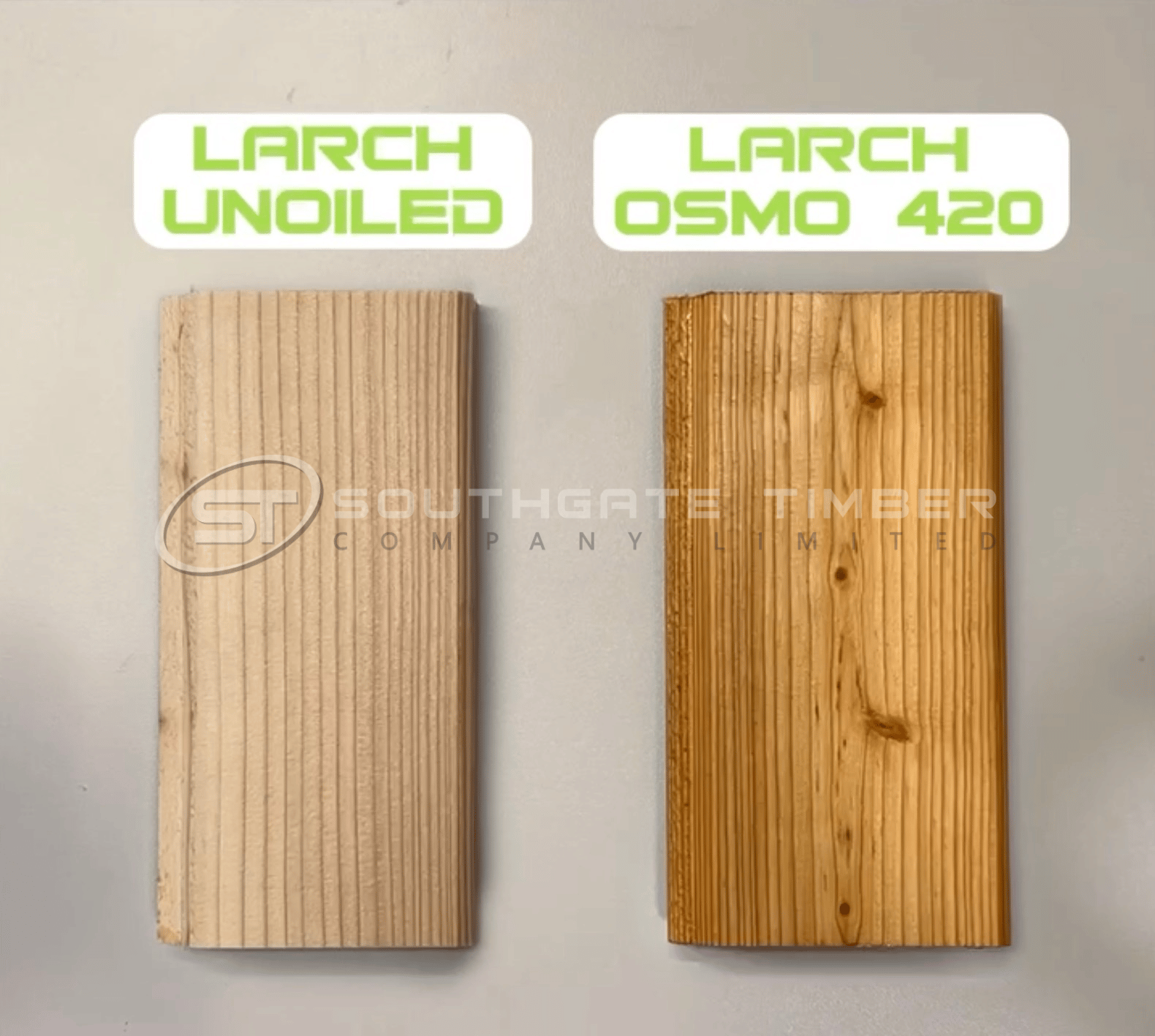
In our latest video, we treated a Western Red Cedar board and a European larch board side by side with the Osmo 420 UV Protection Oil. Because the two timbers are so different, the same oil produced two noticeably different results.
Western Red Cedar + Osmo 420: Cedar is soft and open-grained, so it takes the oil in quickly. Before treatment, it has a pale, warm straw colour with a fine, straight grain. Once we applied Osmo 420, the colour transformed into a deep, rich copper-brown with warm red tones. The finish is smooth and even across the board, and the fine grain still shows through. It's the bolder and more dramatic change of the two.
European Larch + Osmo 420: Larch is denser and naturally resinous, so the oil sits on the surface for a little longer. Before treatment, it has a light, creamy colour with clear, straight grain lines. Once we applied Osmo 420, it turned a warm golden-honey colour, and the grain and knots became much more pronounced. Rather than hiding the character of the larch, the oil really brings it out. On larch, it's best to apply thin coats and wipe away any excess so the surface doesn't stay tacky.
Whichever timber you choose, preparation is important. Freshly machined timber can have a polished surface known as mill glaze, which can stop the oil from soaking in properly. Before applying the oil, lightly sand the boards with 80-grit abrasive and clean them down, or allow them to weather naturally for around six weeks.
Do you have to treat larch or cedar cladding?
No. Neither timber needs a treatment to be used as exterior cladding. If they're left untreated, both will naturally weather to a silver-grey colour. The reason for applying a UV-protection oil such as Osmo 420 UV-Protection Oil is to help retain more of the timber's original warm colour, so it's as much an aesthetic decision as anything else. If you'd like to know more, read our guide on whether you need to treat your timber cladding.
Which fixings should you use?
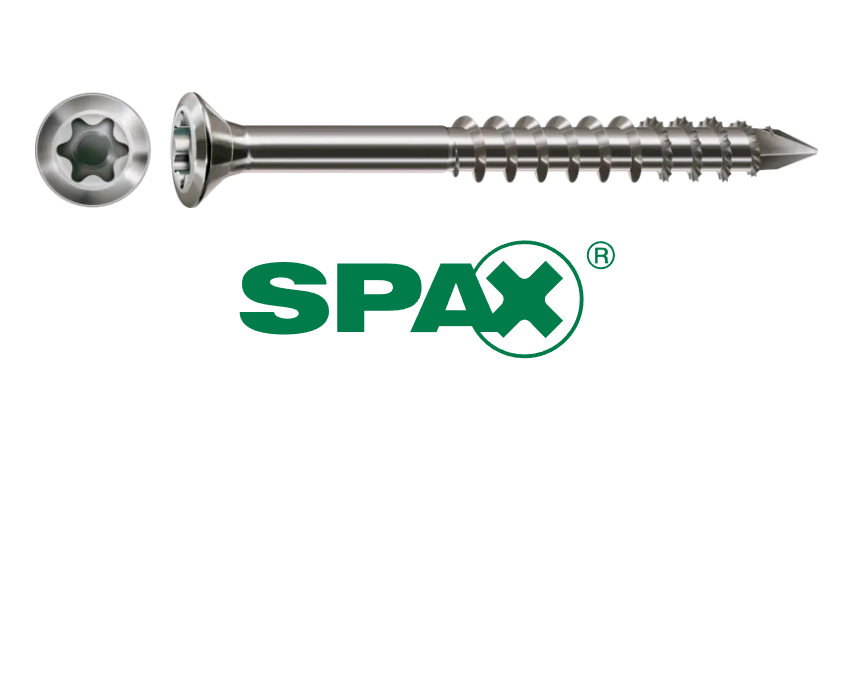
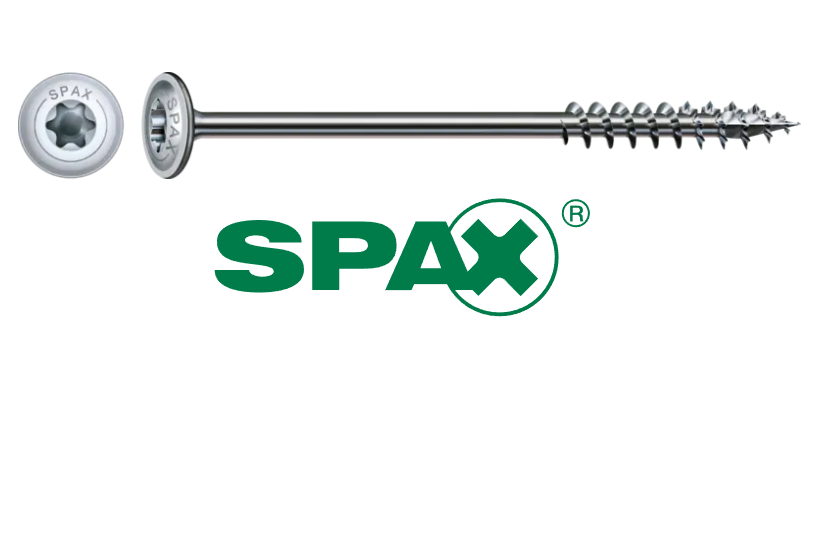
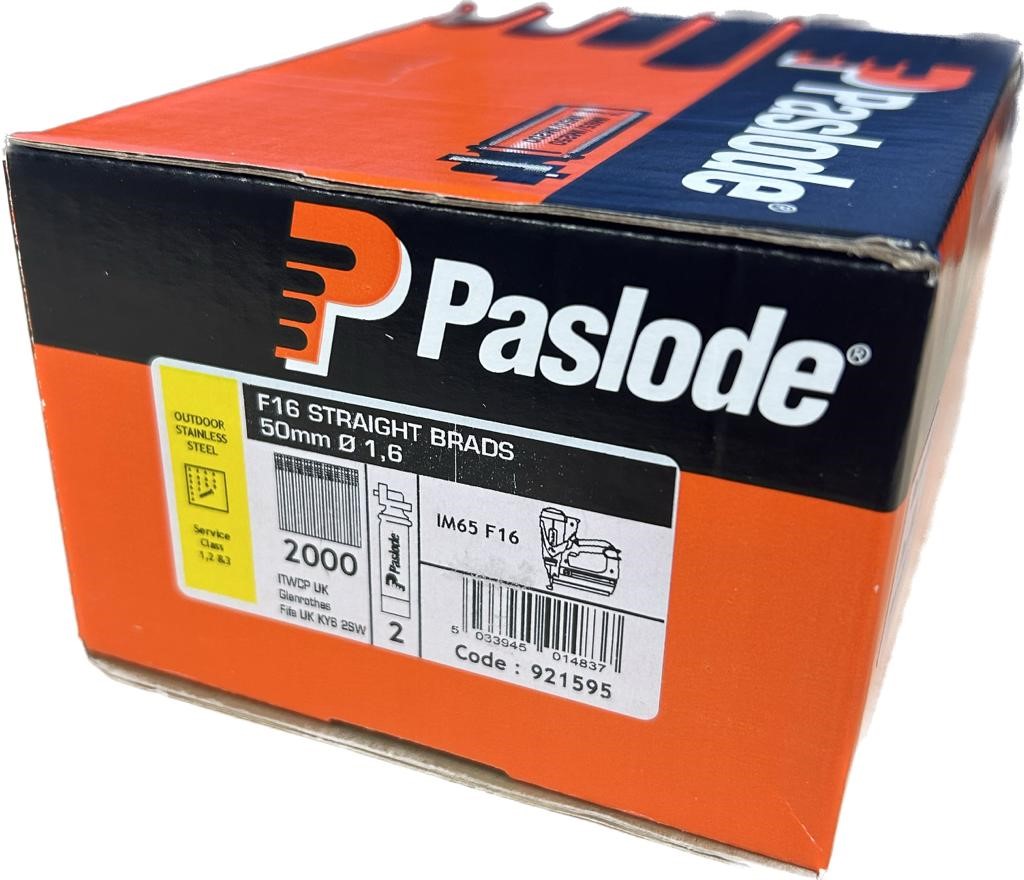
For both larch and cedar, always use stainless steel fixings. Cedar is rich in natural tannins, which react with ordinary and galvanised steel and cause black streaks to run down the boards. Larch can also stain when the wrong fixings are used. Our Spax Stainless Steel Facade Screws and Stainless Steel Nails are ideal for both timbers.
See our larch and cedar in stock
At Southgate Timber, we keep both European larch and Western Red Cedar cladding in stock at our warehouses in Moreton, Essex. Take a look around in our cedar warehouse and watch our tour video here.
At a glance
Western Red Cedar: Lightweight and very stable, with the highest natural durability of the two and warm, varied honey and red tones. The premium choice.
European Larch: Denser, harder and better at handling knocks, with a golden colour and more visible knots. The more cost-effective choice.
Which should you choose?
There's no right or wrong answer, because both timbers are excellent choices for cladding. If you're looking for the lightest, most stable board and the classic look of cedar, it's easy to see why Western Red Cedar remains so popular. If you'd prefer a tougher board that offers great value for money, European larch is becoming an increasingly popular alternative.
This is where seeing the two timbers side by side really helps. Watch our latest video here to see larch and cedar being treated side by side and compare the results for yourself. You can also order samples of both on our website to see them on your own building. If you're still deciding, our team is always happy to help you choose the most suitable option for your project. Browse our full range of cladding here.
FAQs
Is larch as good as cedar for cladding?
For most projects, yes. Western Red Cedar is lighter, more stable and slightly more naturally durable, while European larch is harder and more cost-effective. Both will give many years of service when installed properly.
Is larch cladding cheaper than cedar?
Yes. Larch is usually available at a lower price point than Western Red Cedar. You'll find our current prices on our larch and cedar cladding pages.
Do larch and cedar both go grey?
Yes. Left untreated, both will gradually weather to a silver-grey colour. A UV-protection oil can help retain more of the original warm colour.
Which is better for a garden room, larch or cedar?
Cedar is the most popular choice because it's lightweight and very stable. Larch is a great lower-cost option, particularly on walls that are likely to get knocked.
Do larch and cedar need stainless steel fixings?
Yes. Ordinary or galvanised fixings can cause black staining on both timbers, so always use stainless steel screws or nails.

General


