- TEL : 01277 890 783
- EMAIL : sales@southgatetimber.co.uk
- Collections Monday to Friday 9:00 - 16:00






 Profiles
 Fast and friendly delivery service
 Samples available
 Click & Collect



-
-
-
IPE Hardwood Decking ***FSC®***
-
-
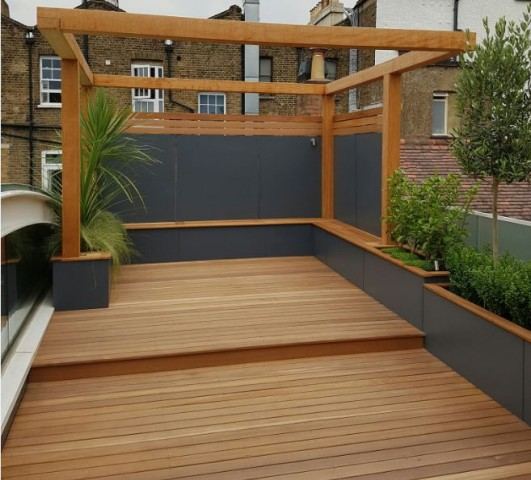
Iroko Hardwood Decking
-
-
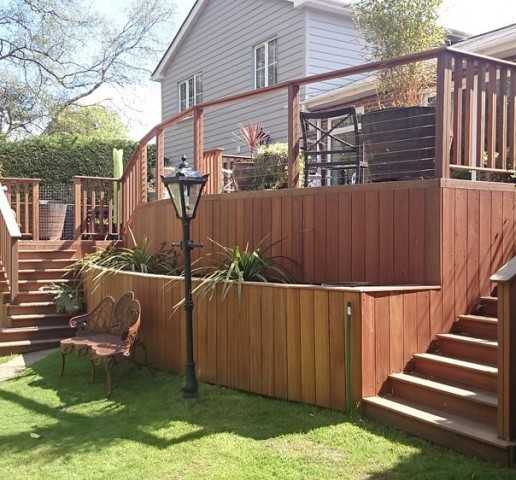
Yellow Balau Hardwood Decking ***FSC®*** & SVLK
-
-
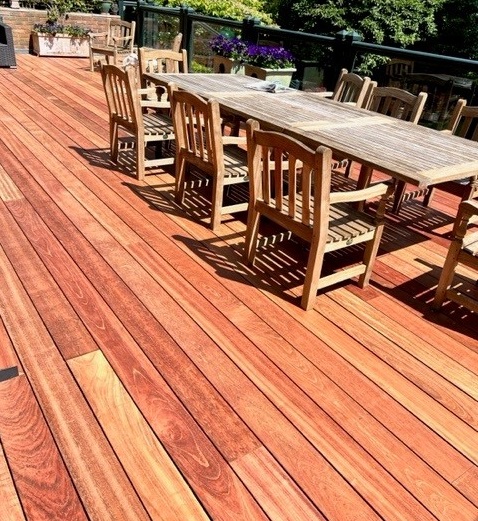
Yellow Balau Hardwood Components SVLK
-
-
Jatoba Hardwood Decking ***FSC®***
-

-
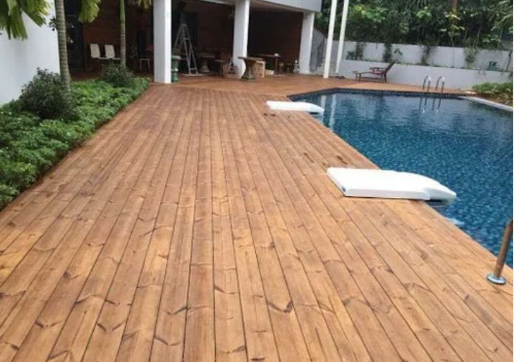
Thermory Benchmark Thermo-Ash Decking
-
-
Thermowood Pine Decking PEFC
-
-
Tali Hardwood Decking ***FSC®***
-
-
Thermory Spruce Decking PEFC
-
-
-
-
Western Red Cedar Cladding PEFC
-
-
Cedar Shingles & Ridge Tiles PEFC
-
-
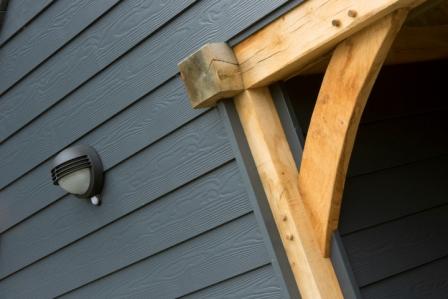
Cedral Cement Board Cladding
-
-
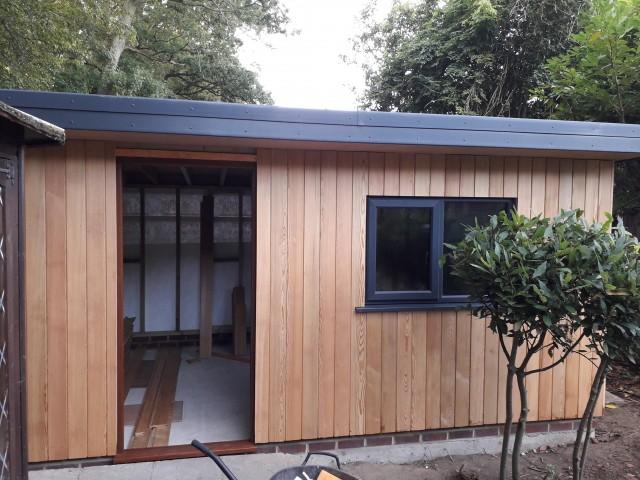
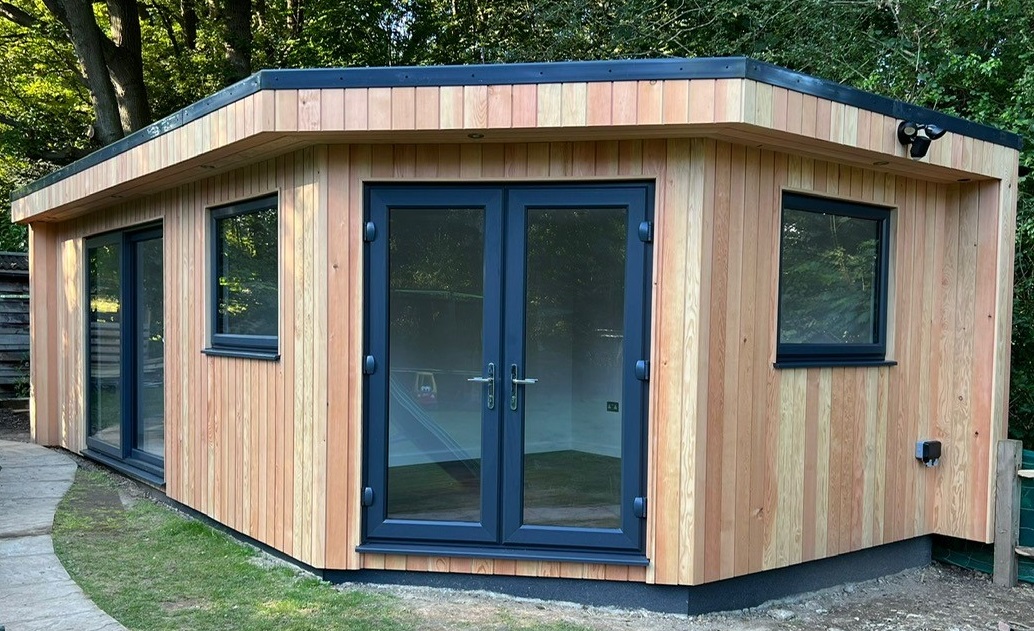
Larch Cladding ***FSC®*** & PEFC
-
-
Douglas Fir Cladding PEFC
-
-
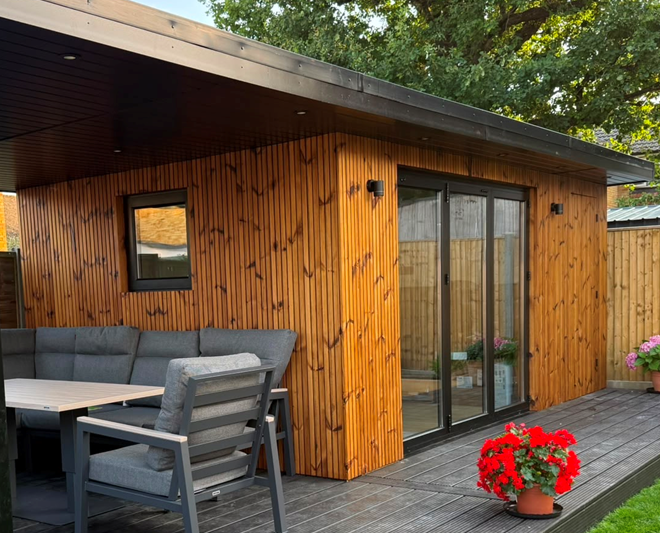
Thermo Ayous Cladding
-
-
Thermowood Pine Cladding PEFC
-

-
Black Cladding PEFC
-

-
Far Eastern Hardwood Cladding PEFC & SVLK
-

-
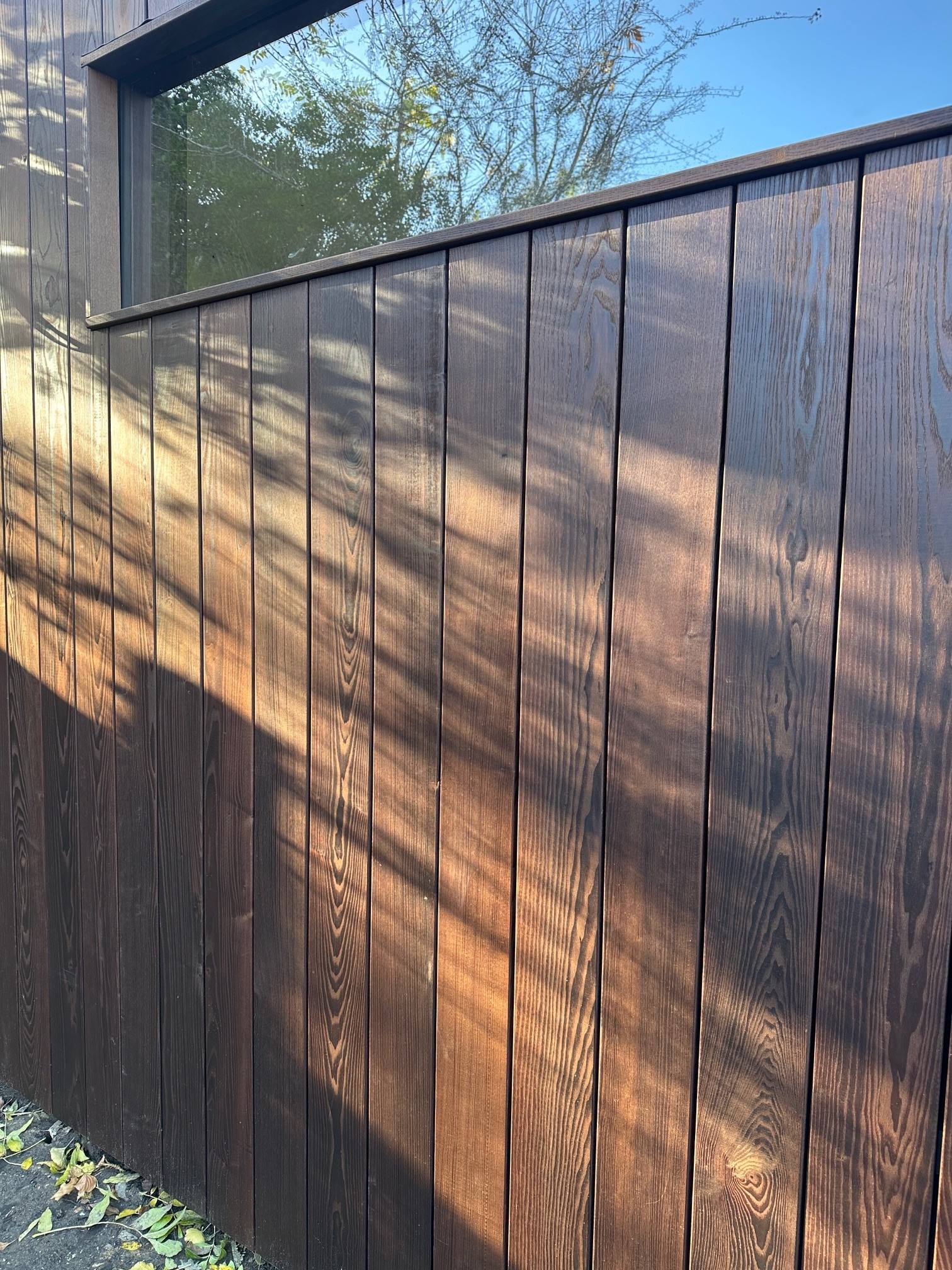
Thermory Radiata Pine Cladding ***FSC®***
-
-
Thermory Thermo-Ash Cladding
-

-
Thermory Thermo-Ash Decor Rhomb Tiles Internal
-
- SAUNA
- SLEEPERS
-
-
-
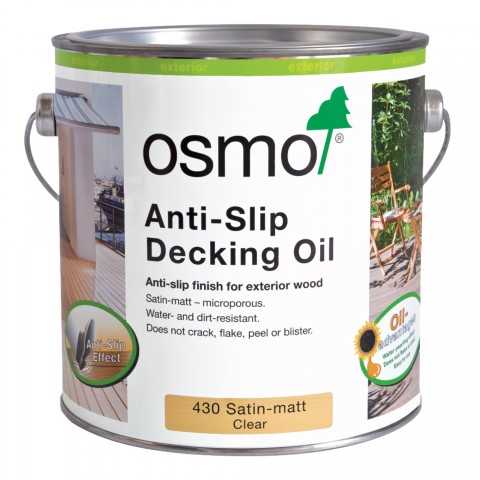
Osmo Treatment & Accessories
-
-
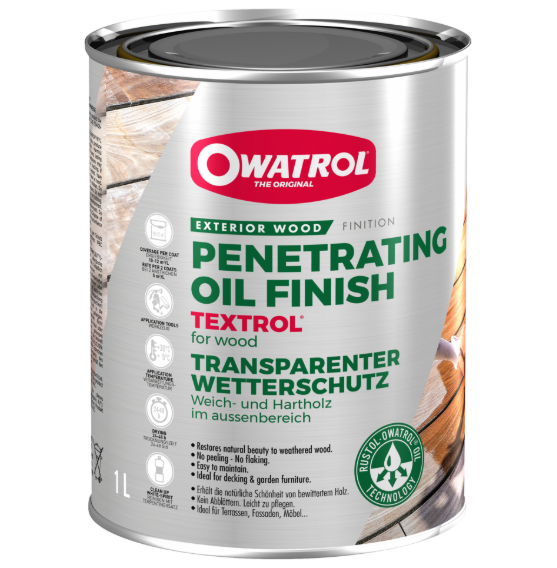
Owatrol Treatment & Accessories
-

-
Thermory Treatment & Fixings
-
-
Deckwise Hidden Fixings & Accessories
-
-
Decking Accessories
-
-
Spax Specialist Decking Screws
-
-
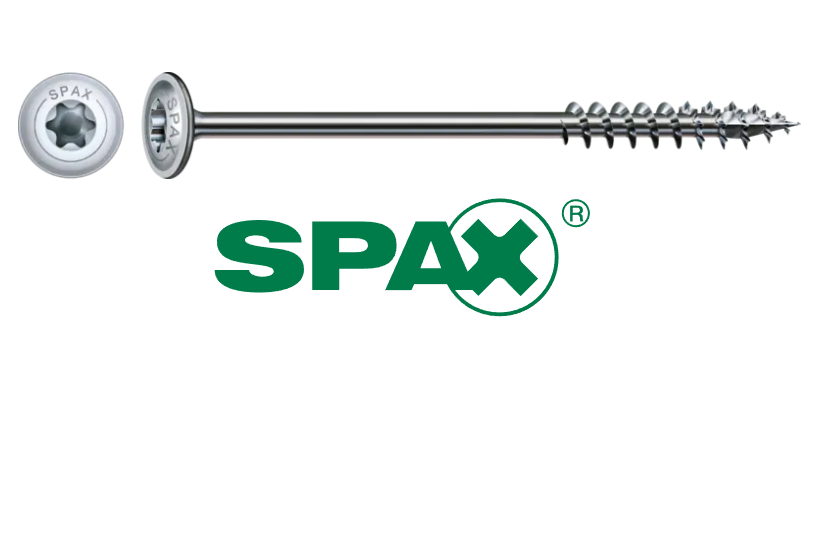
Spax Stainless Steel Facade Screws
-
-
Spax Construction Screws
-

-
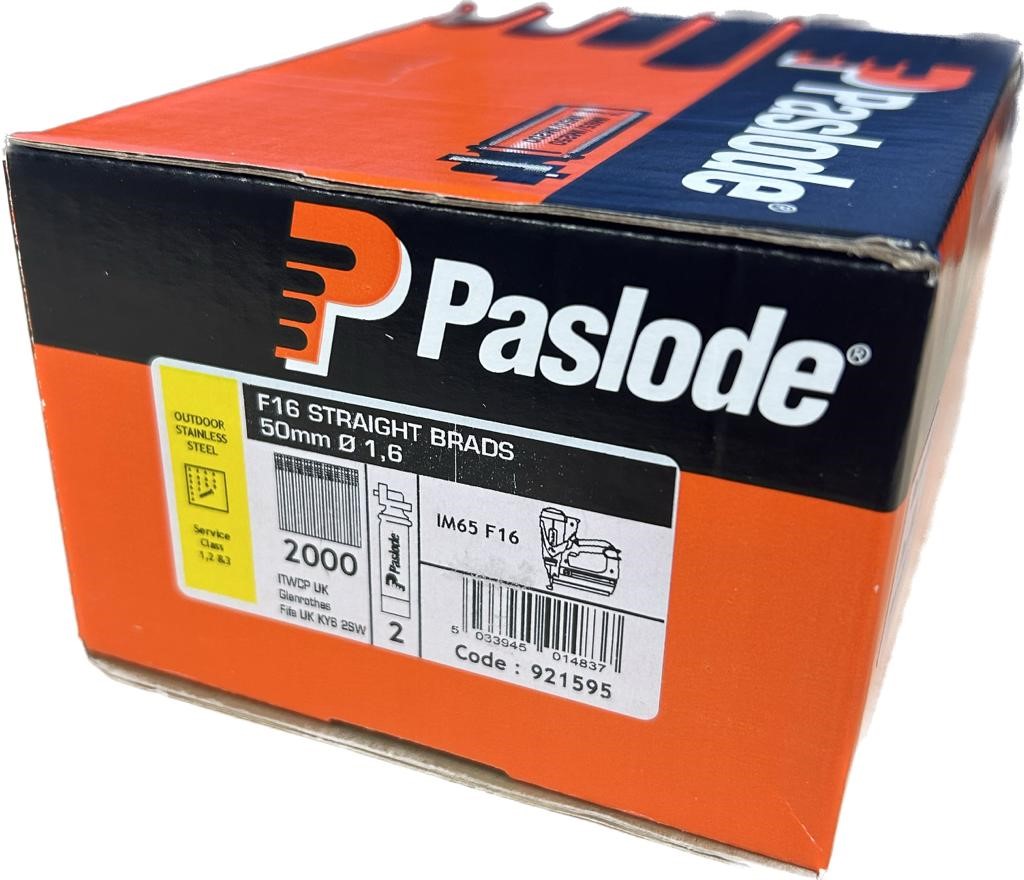
Stainless Steel Nails
-
-
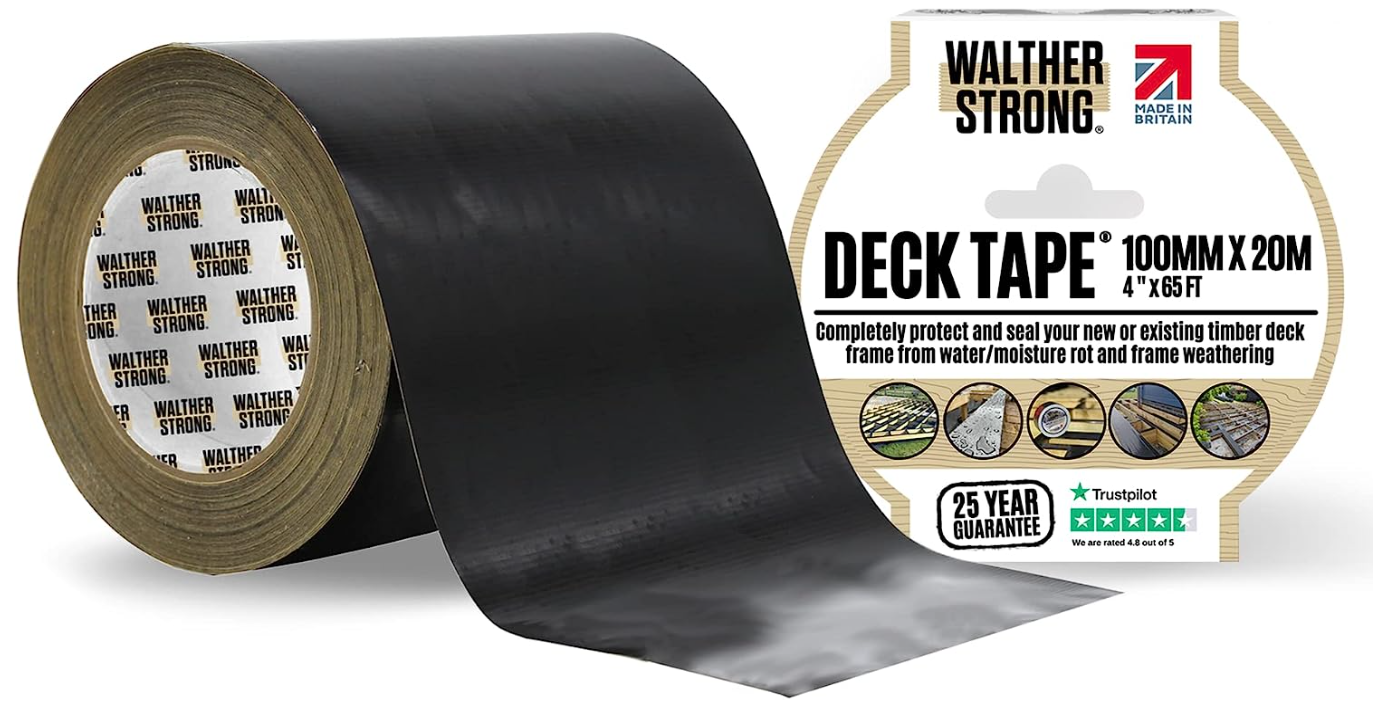
Paslode Stainless Steel Brads
-
-
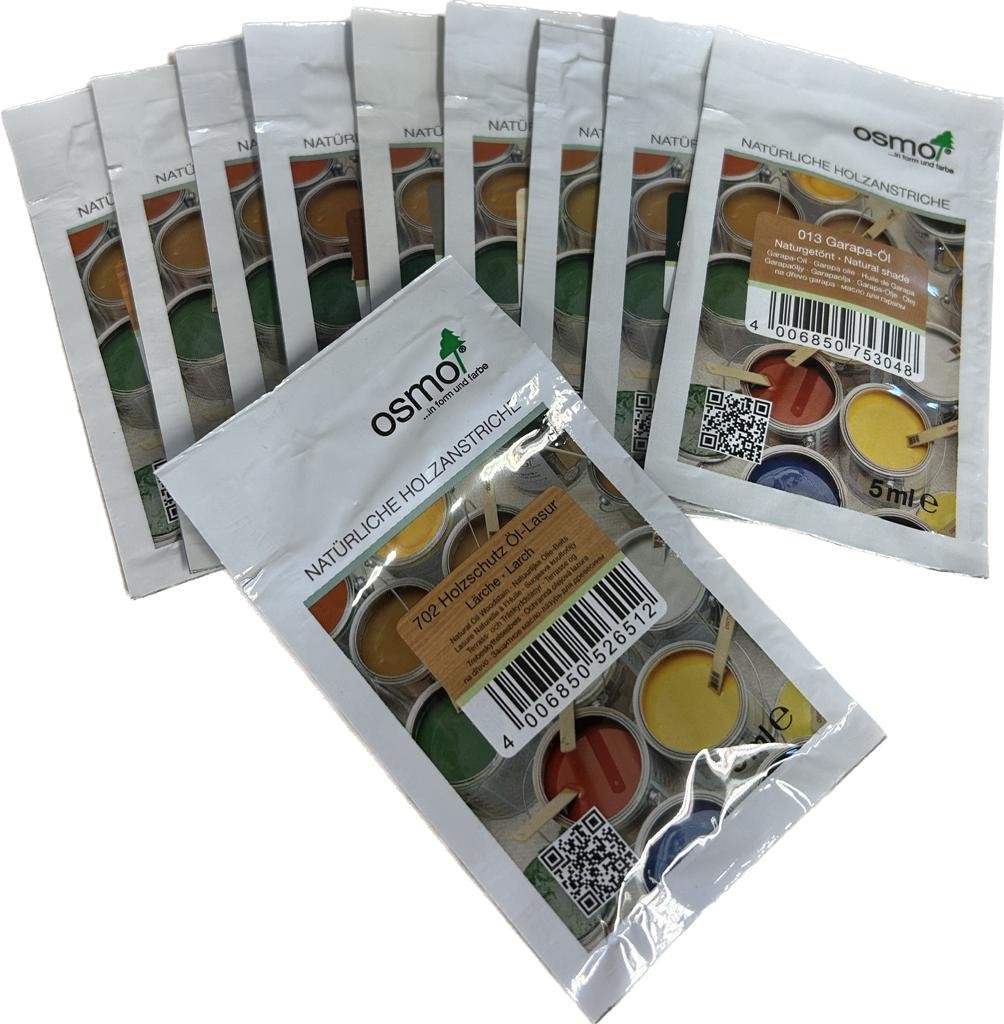
Walther Strong Deck Tape
-
-
Treatment Samples
-
-
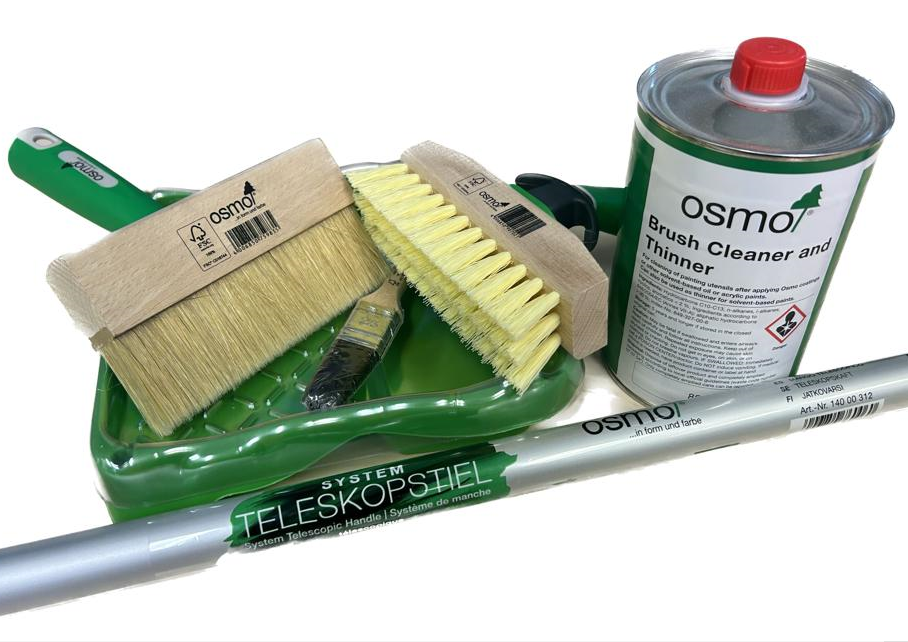
Brushes & Application Tools
-
-
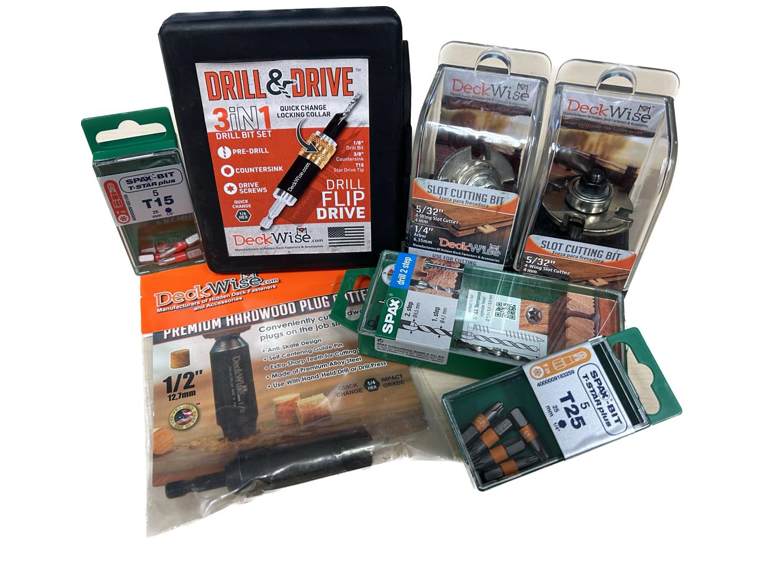
Drive Bits Router Bits & Plug Cutters
-
-
Cedral Accessories
-
- SAMPLES

How Long Does Timber Cladding Last? Lifespan Expectations for Different Timber Species

by
Southgate Timber
June 11, 2026


One of the most common questions homeowners, architects and contractors ask when choosing timber cladding is how long it will last. The good news is that modern timber cladding can provide decades of performance when the correct species is selected and installed properly. However, not all timber cladding products offer the same lifespan. Factors such as timber species, exposure to the elements, ventilation, installation methods and ongoing maintenance can all influence how long a cladding system will perform.
What Affects the Lifespan of Timber Cladding?
Before comparing different species, it is important to understand that lifespan is not just determined by the timber alone. Several factors contribute to the long-term performance of timber cladding such as:
- Species durability
- Moisture resistance
- Installation quality
- Ventilated cavity design
- UV exposure
- Building orientation
- Maintenance schedules
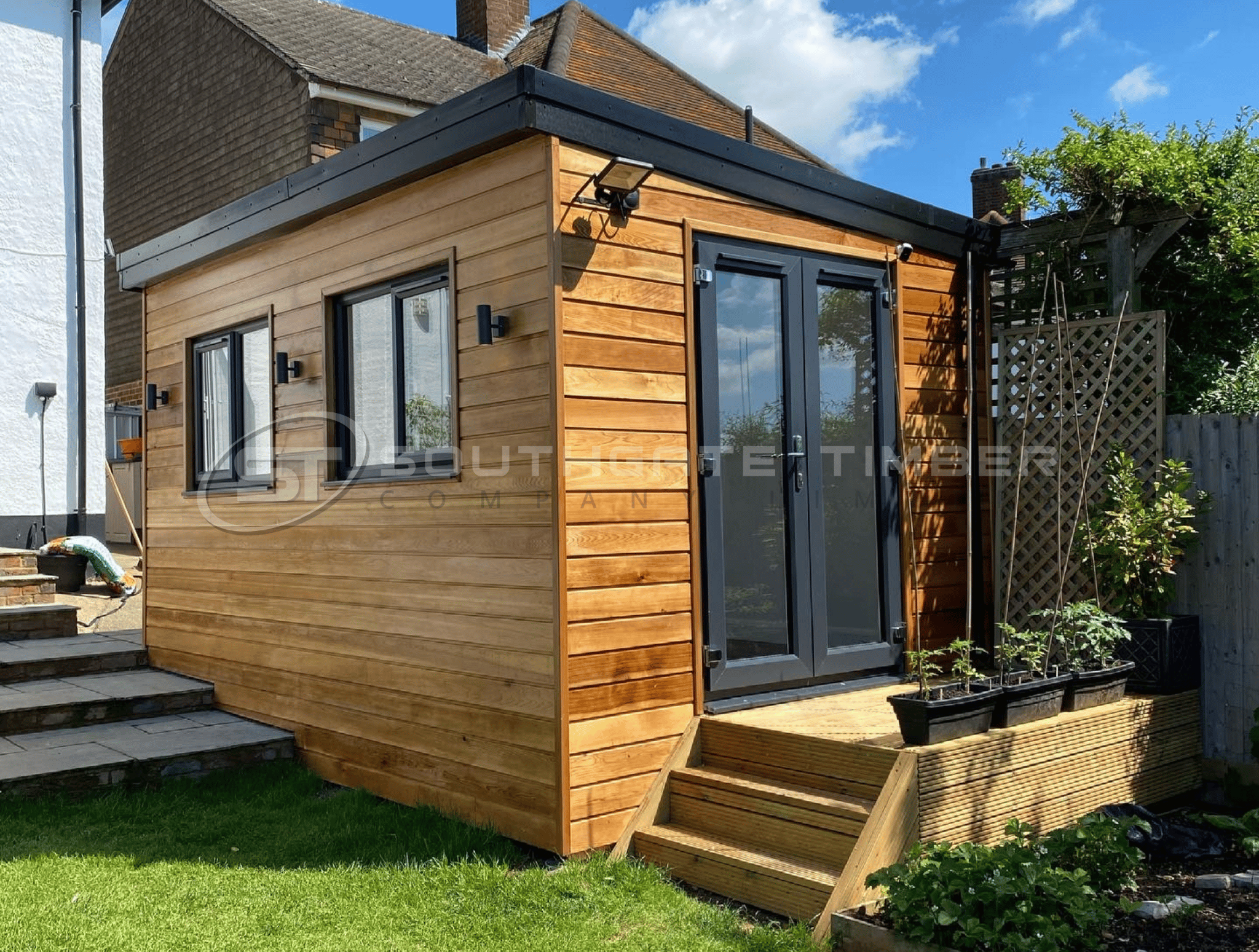
Western Red Cedar Cladding Lifespan
Western Red Cedar remains one of the most established cladding materials in the UK, naturally durable and highly resistant to decay. Western Red Cedar contains natural oils and extractives that help protect the timber from moisture and fungal attack. When correctly installed and ventilated, Western Red Cedar cladding systems can often last around 40 – 60 years. Its lightweight nature, excellent stability and natural weather resistance have made it a trusted choice for residential and commercial projects alike. It can either be treated or left to develop the silver-grey appearance many architects and homeowners actively seek.
Thermo Ayous Cladding Lifespan
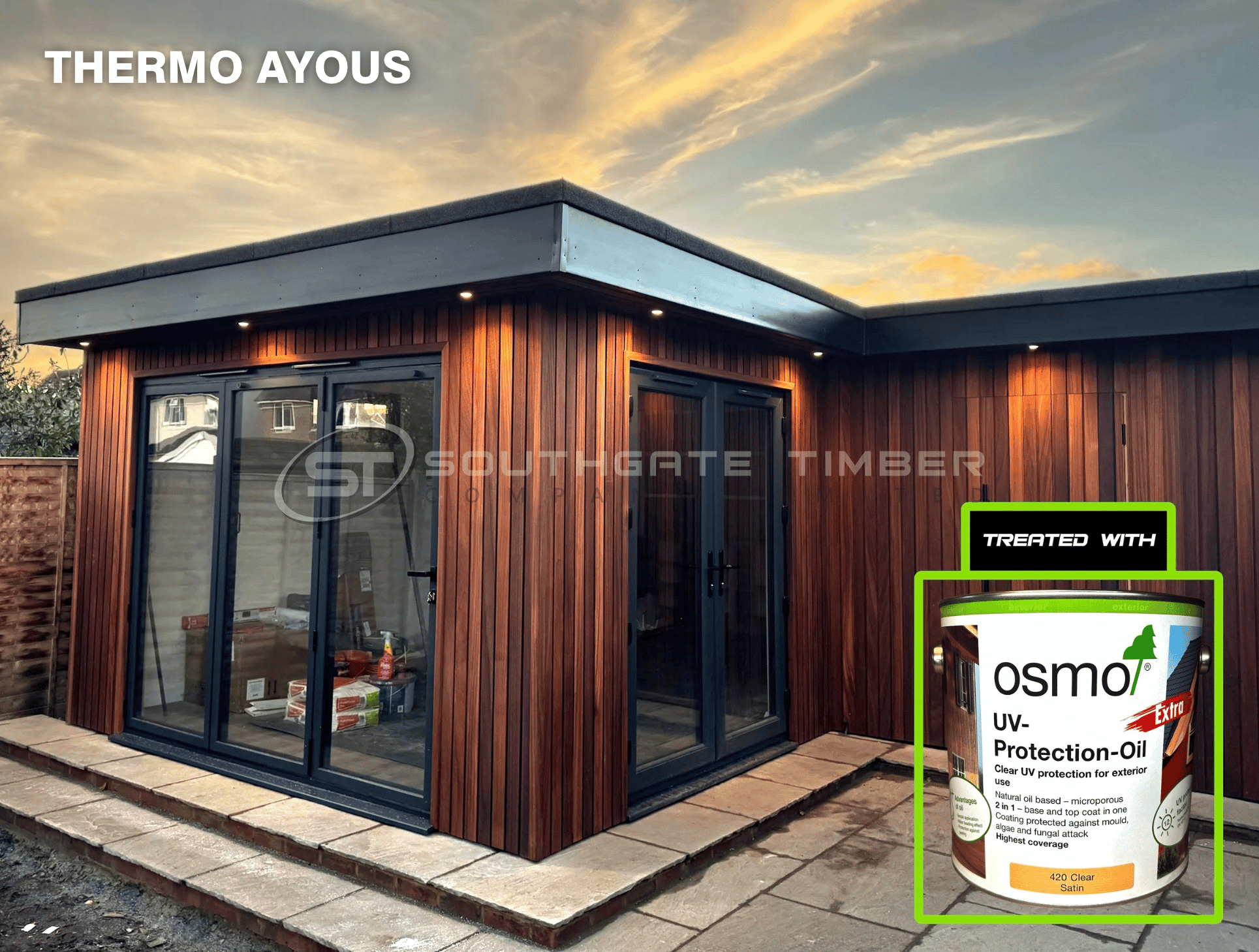
Thermo Ayous has become a leading choice for contemporary cladding projects thanks to its exceptional stability and clean, uniform appearance. The thermal modification process significantly reduces the timber’s moisture absorption, helping to minimise movement over time. When properly installed, Thermo Ayous cladding can often achieve a lifespan of around 30 – 50 years or so. Its dimensional stability, modern aesthetic and sustainable sourcing make it particularly attractive for architects and designers looking for a durable, low-maintenance solution.
Thermo-Ash Cladding Lifespan
Thermo-Ash combines the strength of hardwood with the benefits of thermal modification, creating a highly durable and stable cladding material. Expected lifespans of 30 – 50 years are achievable when installed correctly, making it one of the longest-lasting modified timber cladding options available. Available in hidden fix systems and supplied pre-oiled in selected profiles, Thermo-Ash offers a premium appearance from day one. It can either be maintained using Thermory maintenance oils to preserve its rich colour or allowed to weather naturally to a silver-grey finish.
European Larch Cladding Lifespan
European Larch remains a popular choice for homeowners seeking a natural timber appearance combined with excellent value for money. As a naturally durable softwood, it performs particularly well when installed with suitable ventilation and detailing. A well-installed European Larch cladding system has a life expectancy of around 20 – 30 years, while its distinctive grain patterns and characterful appearance continue to make it a favourite for both traditional and contemporary buildings. Like Cedar, it can also be left untreated to weather naturally over time.
Douglas Fir Cladding Lifespan
Douglas Fir is increasingly specified for cladding projects thanks to its attractive grain, warm colouring and impressive structural properties. With appropriate installation and maintenance, Douglas Fir cladding can achieve a lifespan of around 30 years or more. Its combination of strength, stability and visual appeal makes it suitable for a wide variety of residential, garden room and commercial applications.
Thermowood Pine Cladding Lifespan
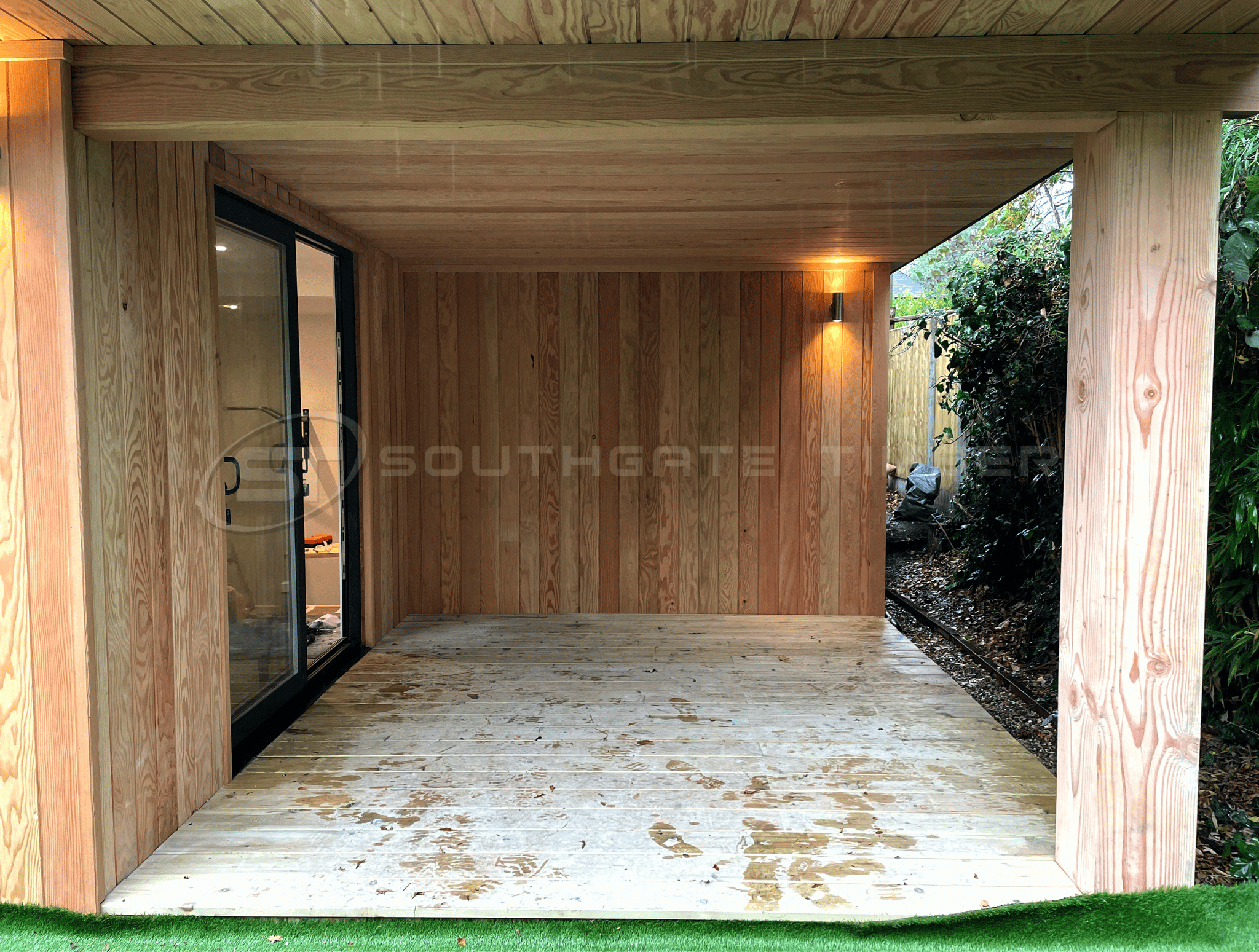
Thermowood Pine benefits from thermal modification, which improves both dimensional stability and resistance to moisture compared to untreated softwood alternatives. A correctly installed Thermowood Pine cladding system can often provide a service life of 30+ years. Its consistent appearance, lightweight nature and excellent value have made it a practical choice for modern cladding projects where durability and budget are both important considerations.
Black Barn Cladding Lifespan
Black Barn Cladding is manufactured from premium British Columbia Canadian Lodgepole Pine and finished with a high-performance urethane-based coating system that provides excellent weather resistance and long-term durability. This factory-applied finish helps protect the timber from the elements while maintaining the bold contemporary appearance associated with modern black-clad buildings. When correctly installed and maintained, Black Barn Cladding can typically achieve a lifespan of 25 – 40 years or more, making it a durable and low-maintenance option for both residential and commercial projects.
Far Eastern Hardwood Cladding Lifespan
Far Eastern Hardwood cladding typically consists of durable South East Asian hardwood species, often including Meranti. Known for its rich colouring, attractive grain patterns and good dimensional stability, it offers an excellent balance between appearance and performance. Unlike naturally durable species such as Western Red Cedar, Thermo Ayous or Thermory Thermo-Ash, Far Eastern Hardwood generally benefits from the application and maintenance of a suitable protective finish to achieve its maximum service life. When correctly installed, ventilated and maintained, Far Eastern Hardwood cladding can often last up to 25+ years. Its strength, natural character and versatility continue to make it a practical choice for a wide range of residential and commercial cladding projects.
Thermory Radiata Pine Cladding Lifespan
Thermory Radiata Pine benefits from an advanced thermal modification process that improves durability, dimensional stability and resistance to moisture. With proper installation and ventilation, Thermory Radiata Pine cladding can typically achieve a lifespan of around 30 years or so. Its consistent appearance, smooth finish and excellent stability have made it a strong choice for modern residential and commercial cladding projects.
Does Timber Cladding Need Regular Maintenance?
Not necessarily. Most timber cladding species can be left untreated and will gradually weather to a silver-grey colour over time. Maintenance is usually carried out to preserve the original colour rather than to protect the timber itself. Common product choices include the Osmo UV Protection Oil 420 or for Thermo-Ash cladding, the Thermory Dark oil to top up its pre-oiled finish. The right maintenance schedule will depend on the species, location and desired appearance.
Which Timber Cladding Lasts the Longest?
While all of the species above can provide decades of service, Western Red Cedar, Thermo Ayous and Thermo-Ash are often regarded as some of the longest-lasting and most stable options available for modern cladding projects. However, the best choice for you and your project ultimately depends on your budget allowance, the desired appearance and aesthetic you’re looking for, maintenance preferences and installation requirements. A correctly detailed and ventilated cladding system will always maximise the lifespan of the timber.
FAQs
How long does timber cladding last in the UK?
Most quality timber cladding systems can last between 20 and 60+ years depending on the species, installation and maintenance.
What is the longest lasting timber cladding?
Western Red Cedar, Thermo Ayous and Thermo-Ash are among the longest-lasting cladding options commonly used in the UK.
Does timber cladding rot?
Any timber can deteriorate if installed incorrectly. Proper ventilation and moisture management are essential for long-term performance.
Can timber cladding be left untreated?
Yes. Most timber cladding species can be left untreated and will naturally weather to a silver-grey appearance over time.
Does treating timber cladding make it last longer?
Treatment is primarily used to maintain colour. Correct installation and ventilation typically have a greater impact on lifespan than surface coatings alone.

General


