- TEL : 01277 890 783
- EMAIL : sales@southgatetimber.co.uk
- Collections Monday to Friday 9:00 - 16:00






 Profiles
 Fast and friendly delivery service
 Samples available
 Click & Collect



-
-
-
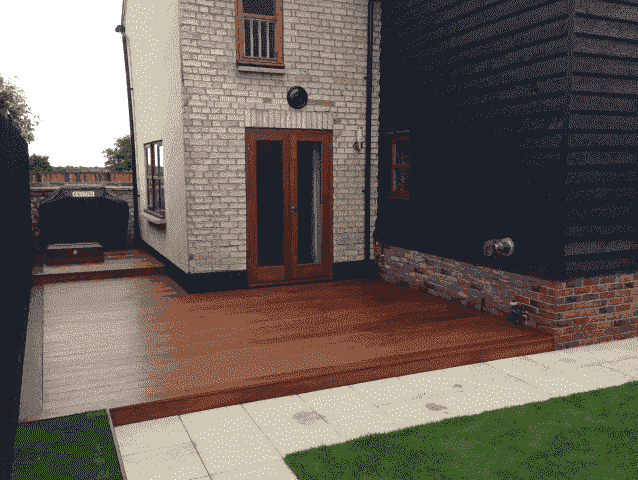
IPE Hardwood Decking ***FSC®***
-
-
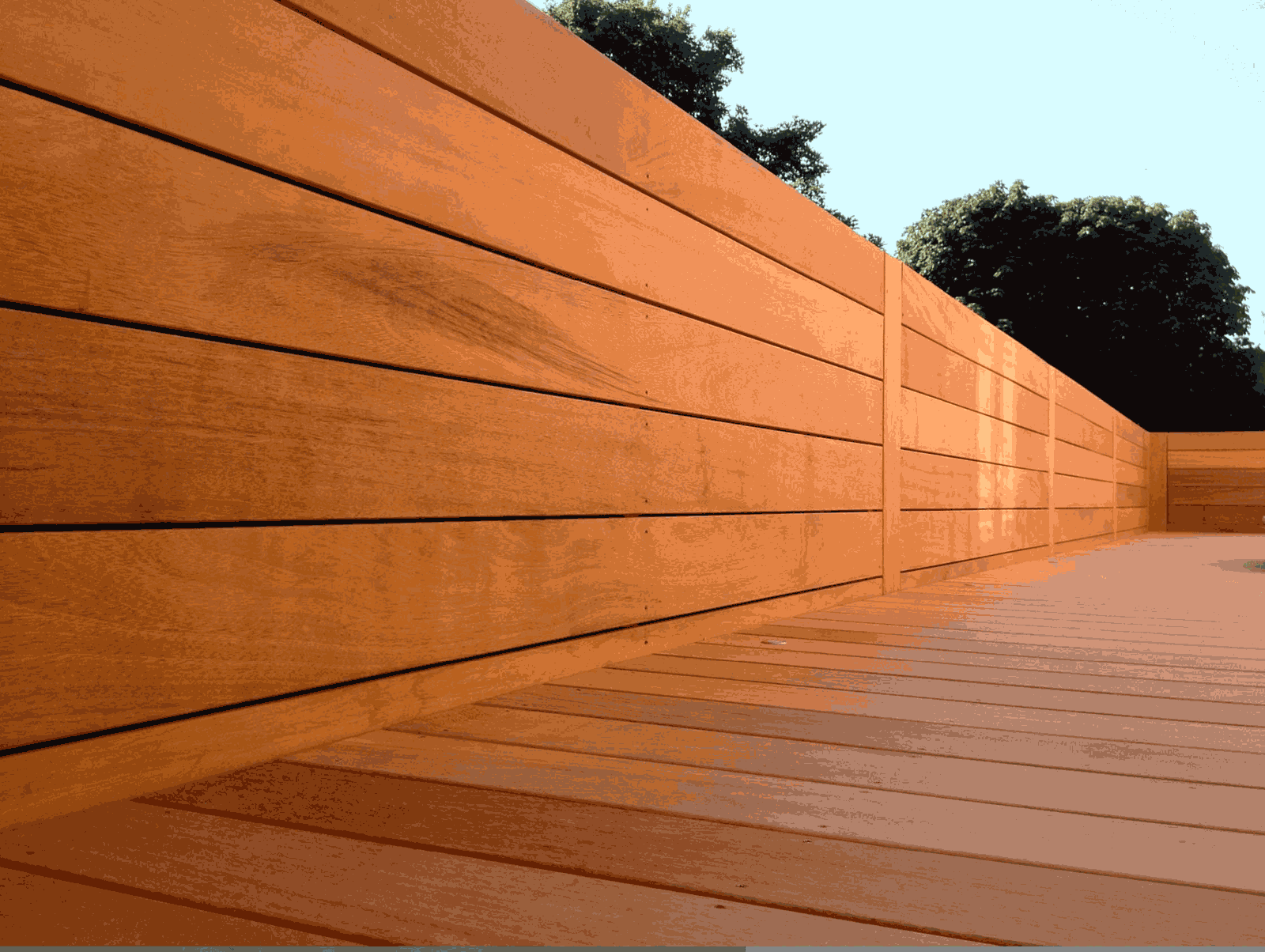
Iroko Hardwood Decking
-
-
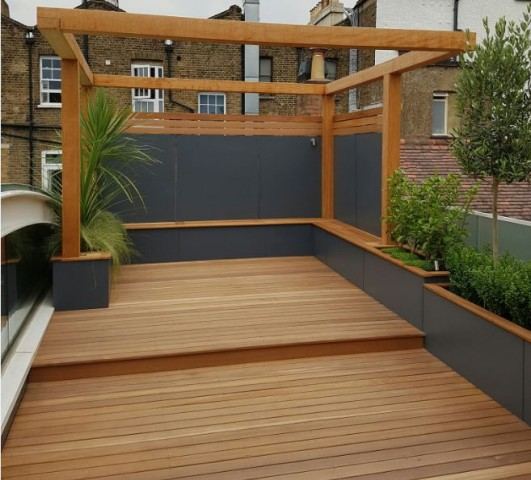
Yellow Balau Hardwood Decking ***FSC®*** & SVLK
-
-
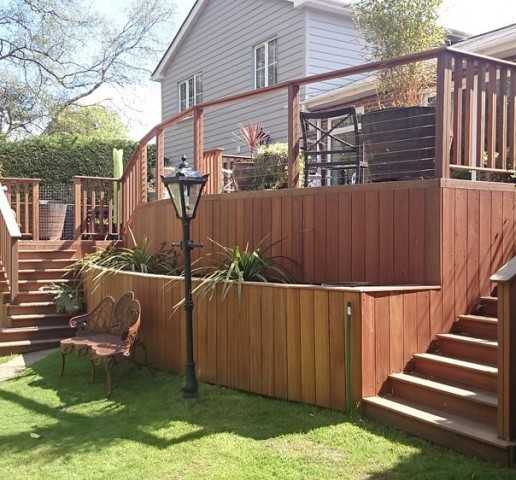
Yellow Balau Hardwood Components SVLK
-
-
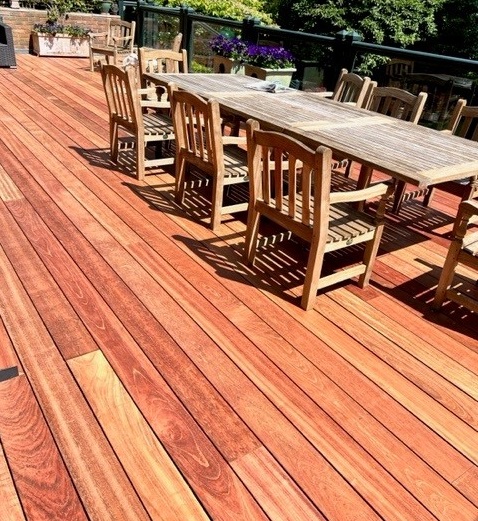
Jatoba Hardwood Decking ***FSC®***
-

-
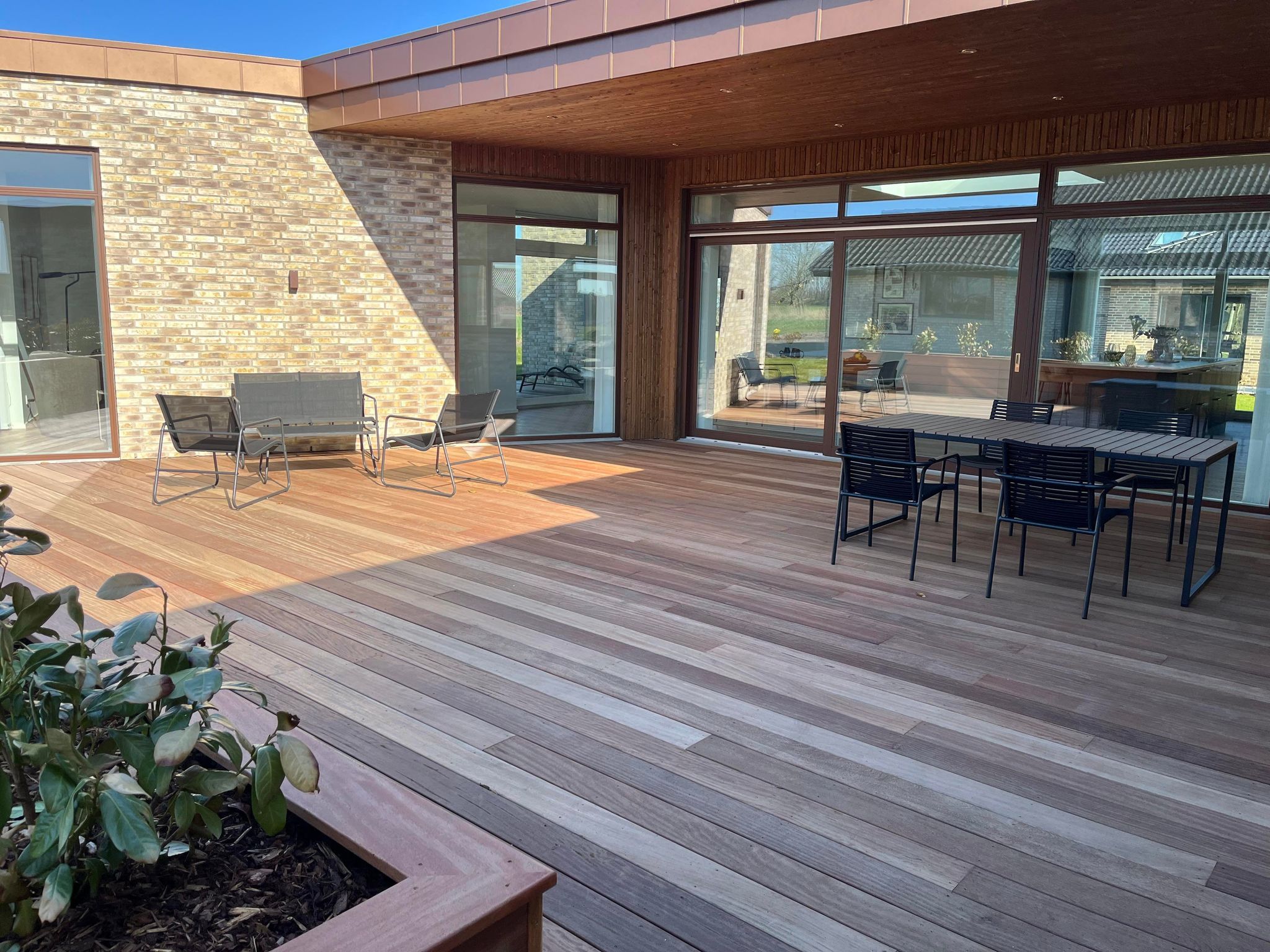
Thermory Benchmark Thermo-Ash Decking
-
-
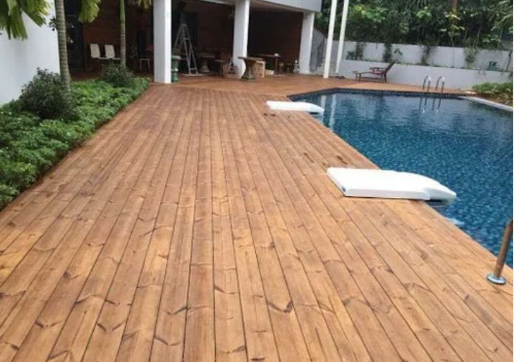
Thermowood Pine Decking PEFC
-
-
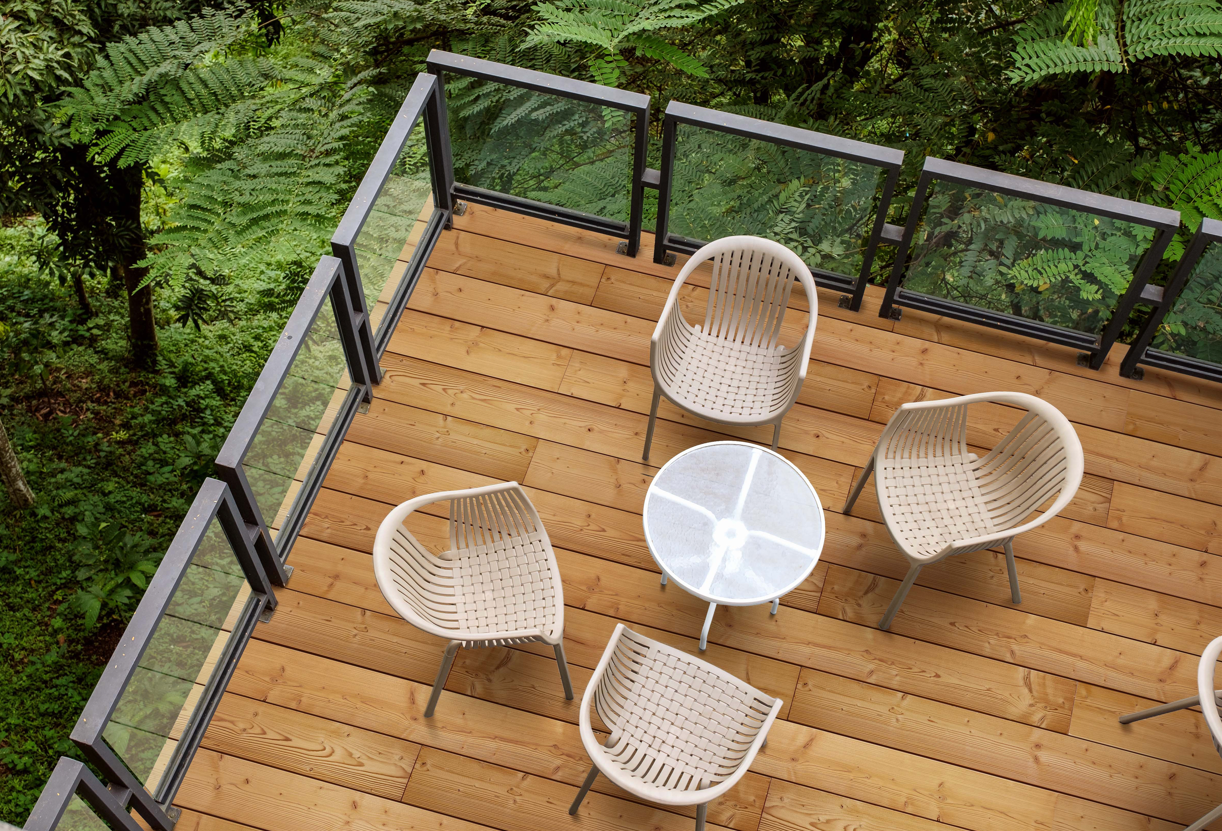
Tali Hardwood Decking ***FSC®***
-
-
Thermory Spruce Decking PEFC
-
-
-
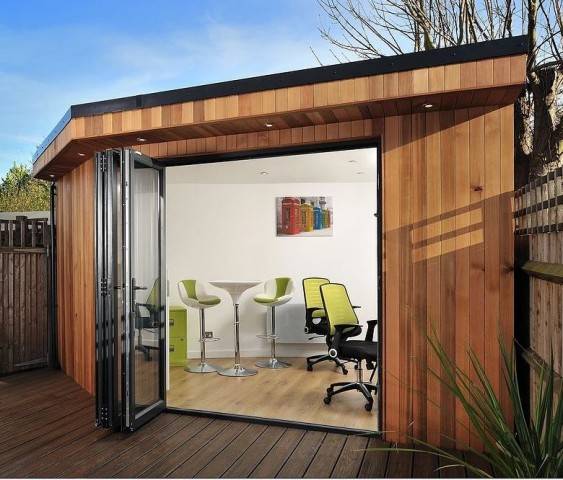
-
Western Red Cedar Cladding PEFC
-
-
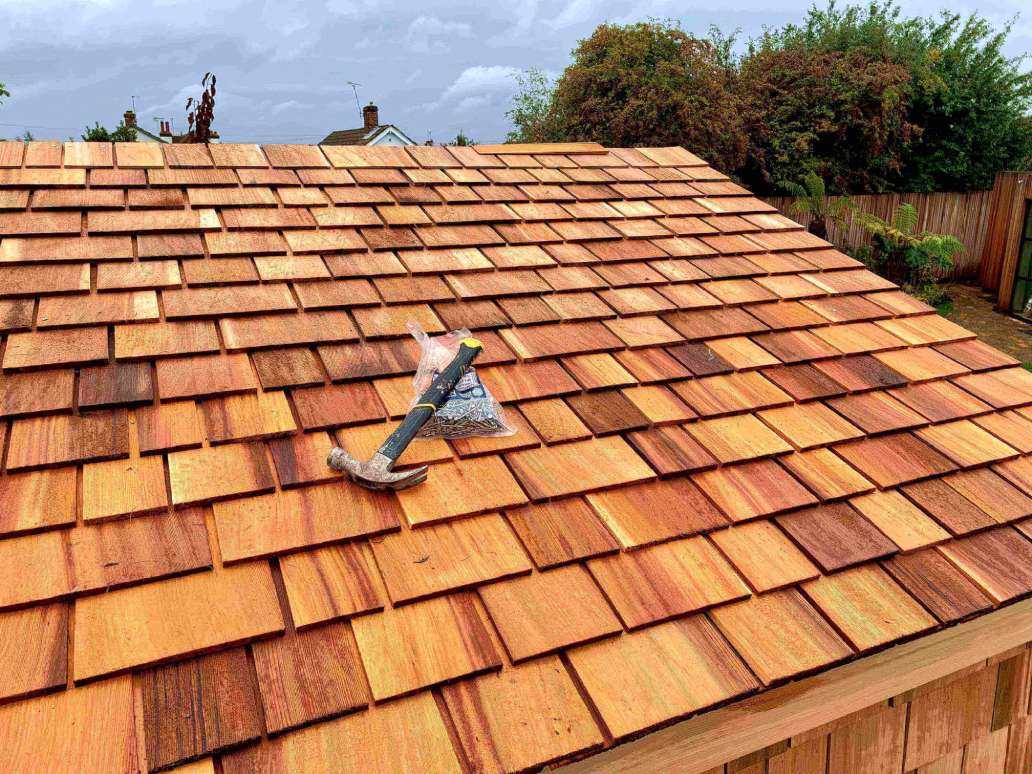
Cedar Shingles & Ridge Tiles PEFC
-
-
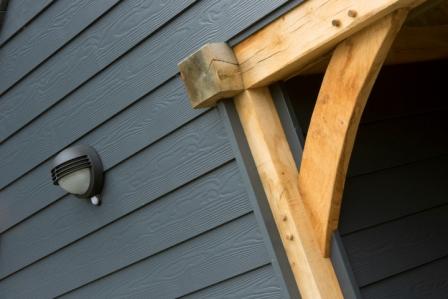
Cedral Cement Board Cladding
-
-
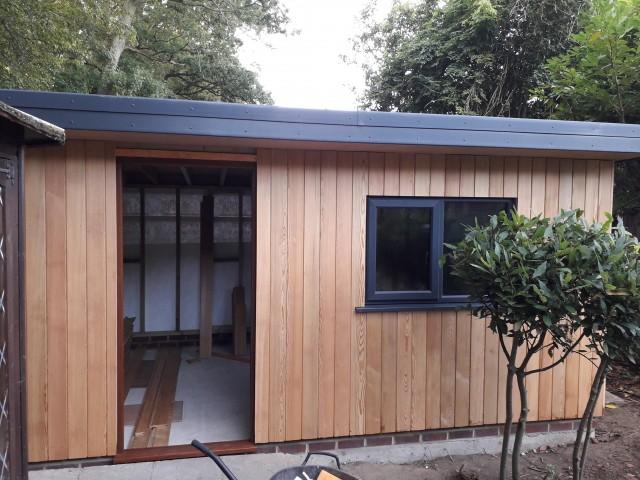
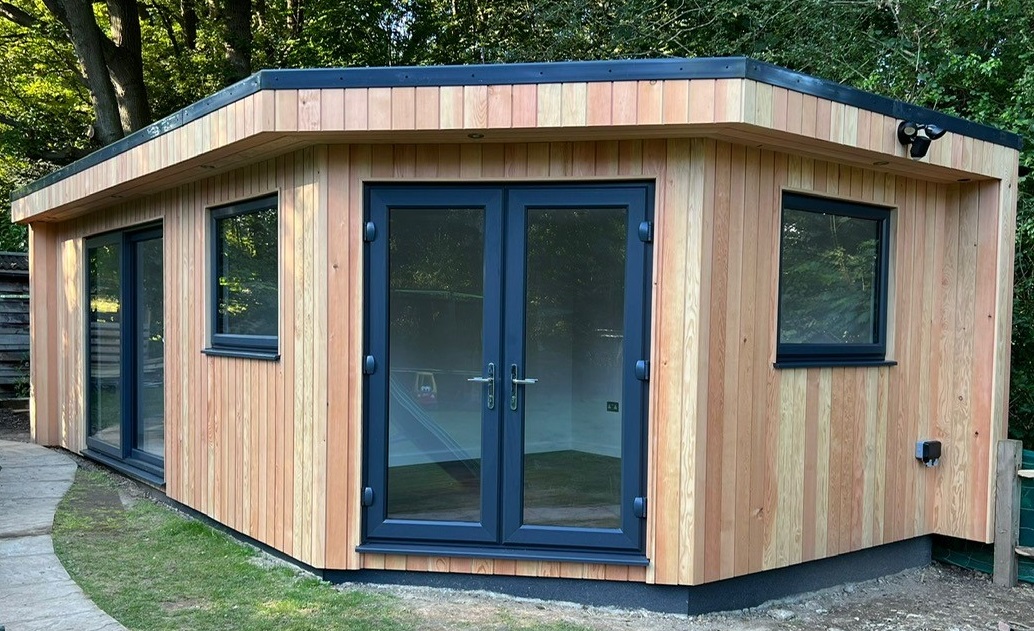
Larch Cladding ***FSC®*** & PEFC
-
-
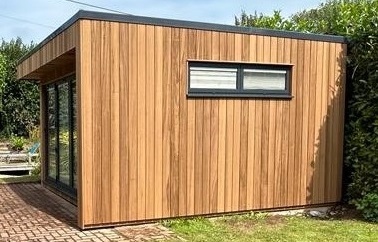
Douglas Fir Cladding PEFC
-
-
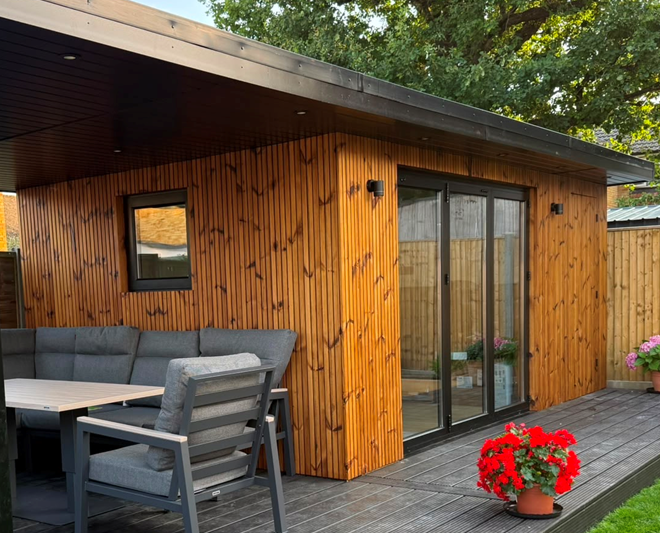
Thermo Ayous Cladding
-
-
Thermowood Pine Cladding PEFC
-

-
Black Cladding PEFC
-

-
Far Eastern Hardwood Cladding PEFC & SVLK
-

-
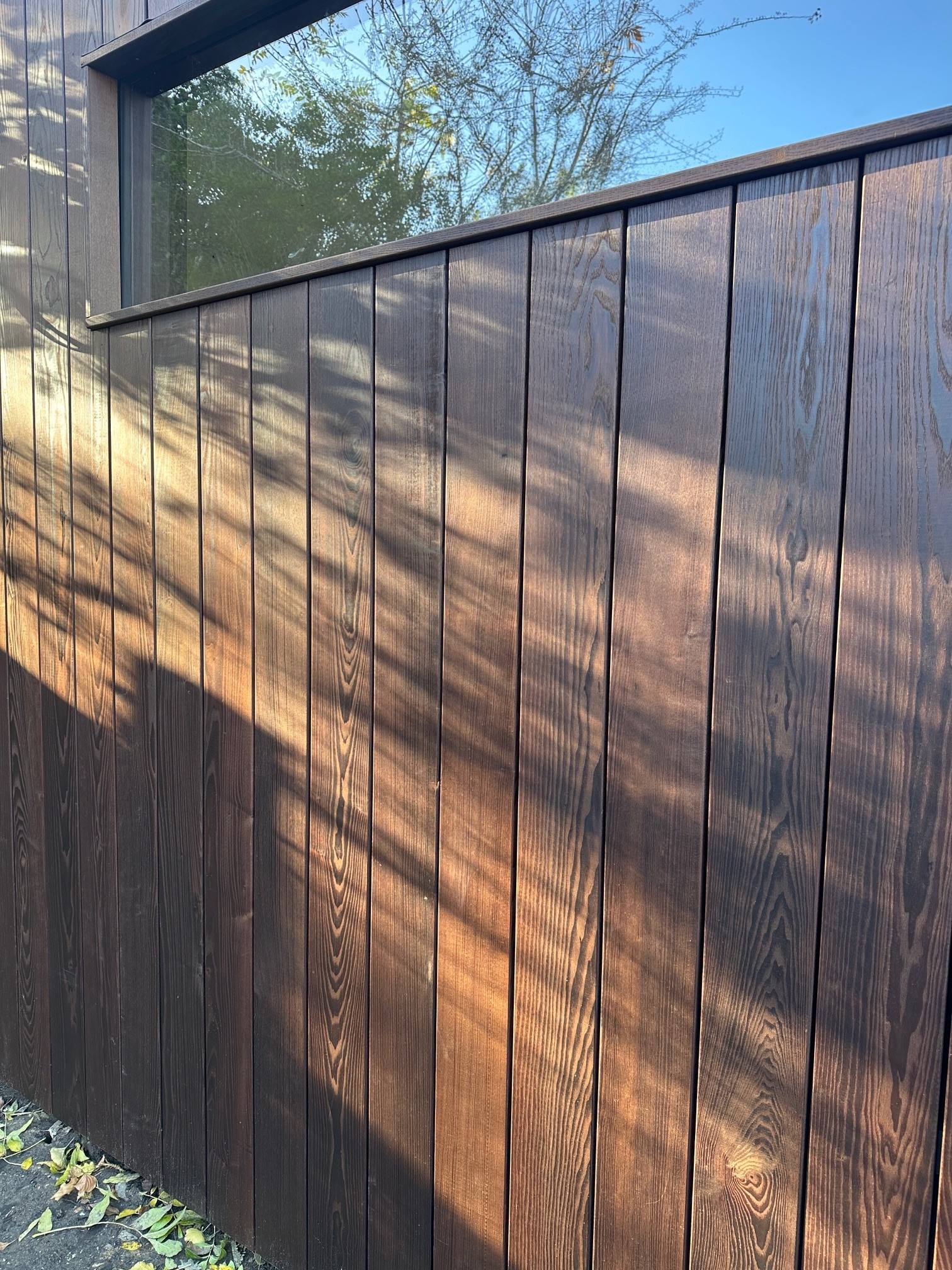
Thermory Radiata Pine Cladding ***FSC®***
-
-
Thermory Thermo-Ash Cladding
-

-
Thermory Thermo-Ash Decor Rhomb Tiles Internal
-
- SAUNA
- SLEEPERS
-
-
-
Osmo Treatment & Accessories
-
-
Owatrol Treatment & Accessories
-

-
Thermory Treatment & Fixings
-
-
Deckwise Hidden Fixings & Accessories
-
-
Decking Accessories
-
-
Spax Specialist Decking Screws
-
-
Spax Stainless Steel Facade Screws
-
-
Spax Construction Screws
-

-
Stainless Steel Nails
-
-
Paslode Stainless Steel Brads
-
-
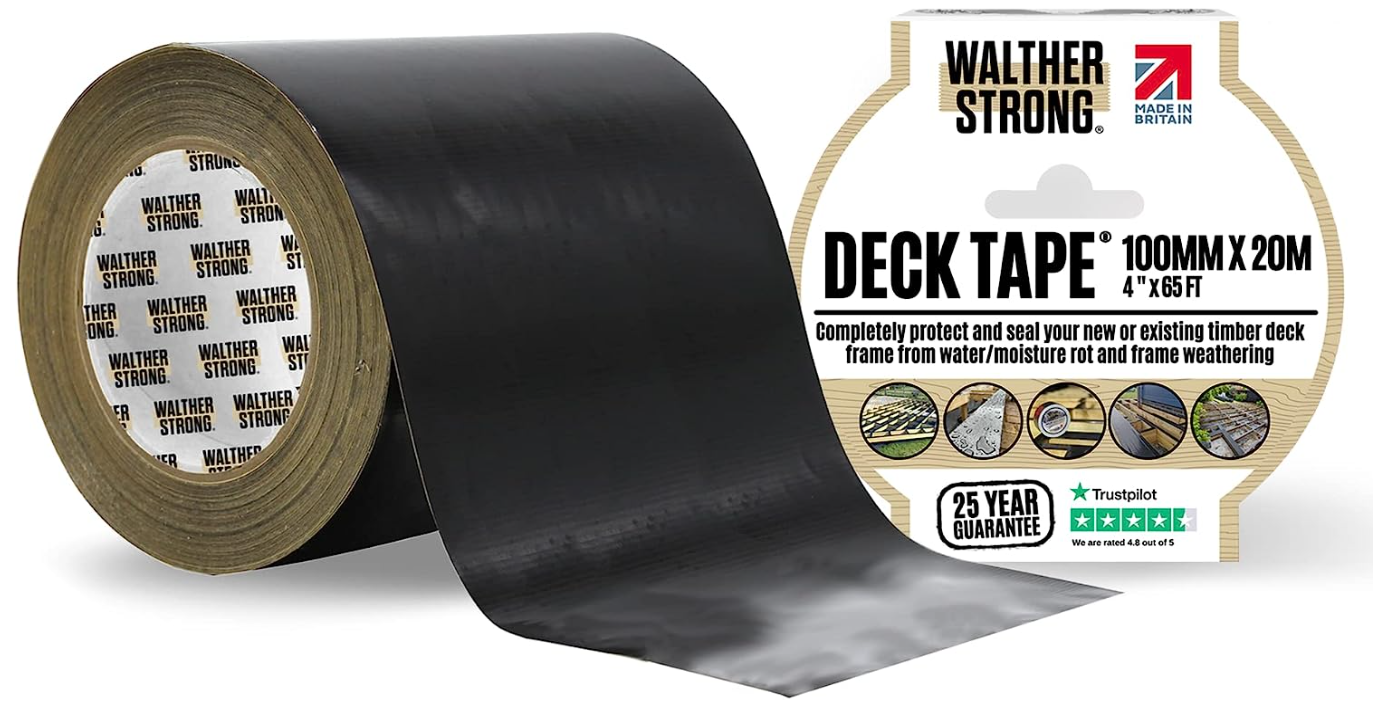
Walther Strong Deck Tape
-
-
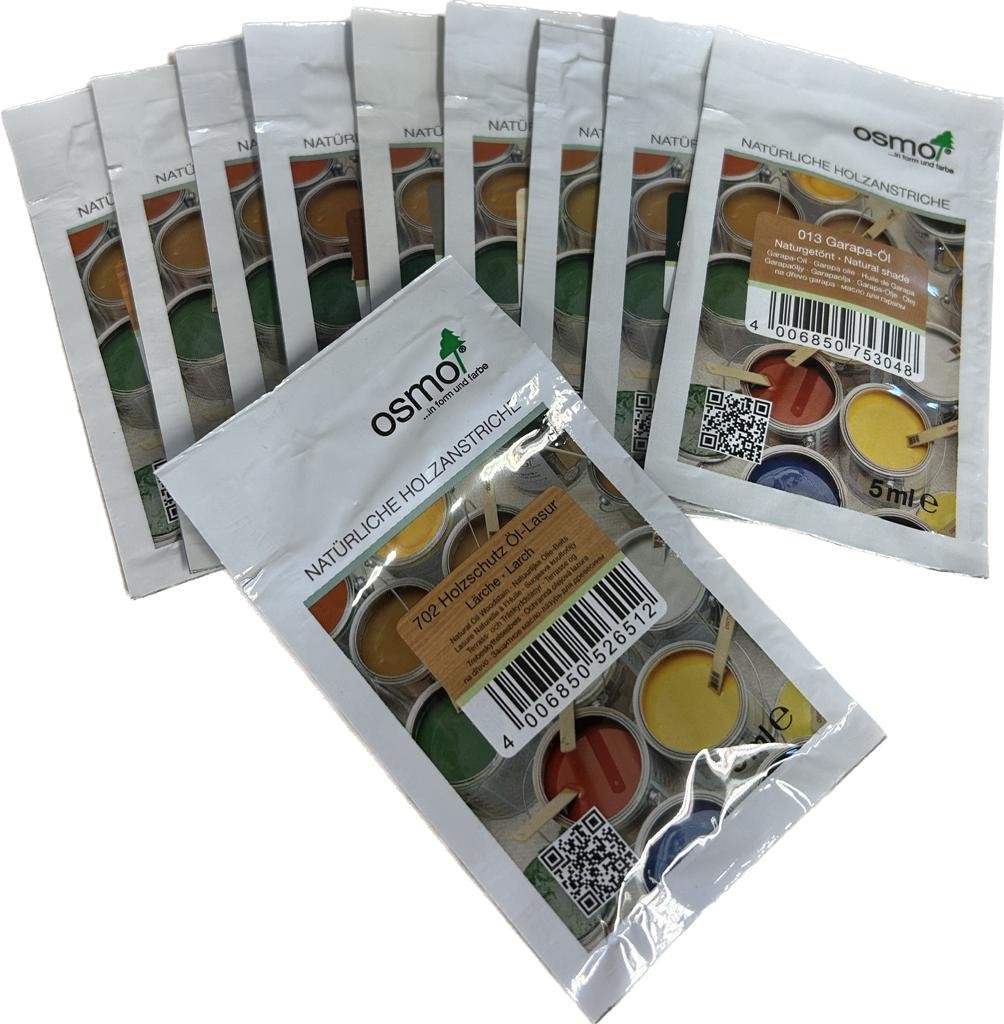
Treatment Samples
-
-
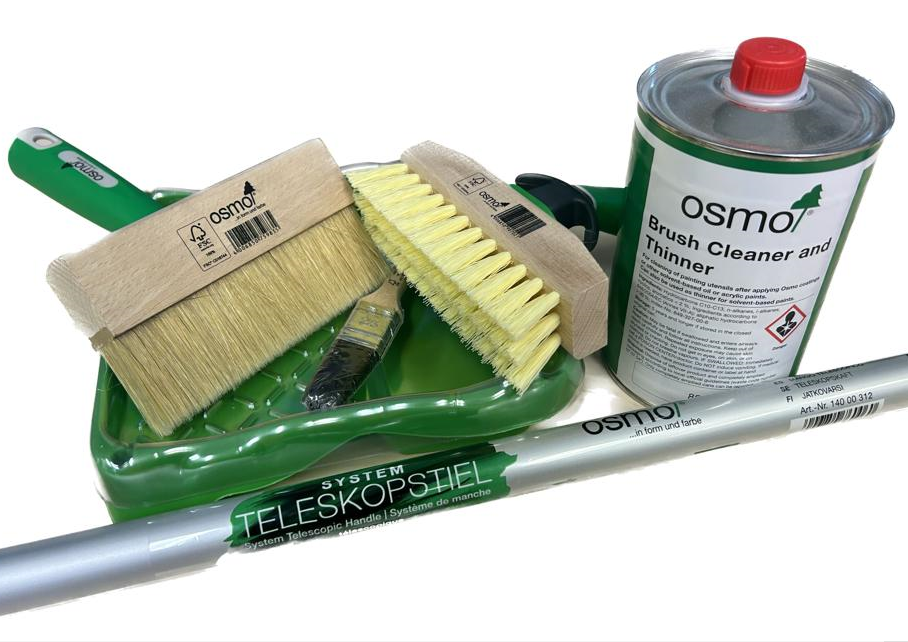
Brushes & Application Tools
-
-
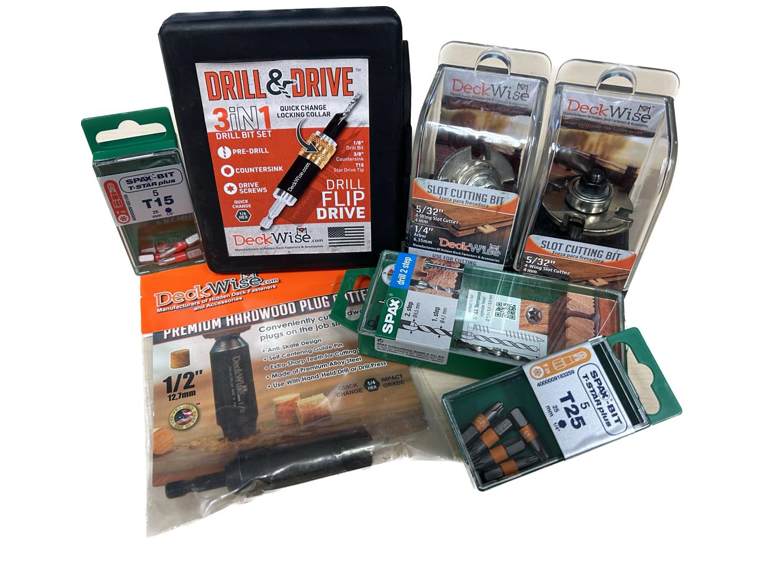
Drive Bits Router Bits & Plug Cutters
-
-
Cedral Accessories
-
- SAMPLES

A 2026 Guide to Choosing the Right Timber for Garden Projects

by
Southgate Timber
March 16, 2026


Timber continues to be one of the most popular materials for outdoor landscaping projects, offering a natural appearance that works beautifully in both traditional and modern garden designs. Whether its decking, fencing or cladding, choosing the right timber is essential for durability, appearance, and long-term performance. In this guide, we’ll explore the best timber options for different garden applications and explain how to select the right material for your project.
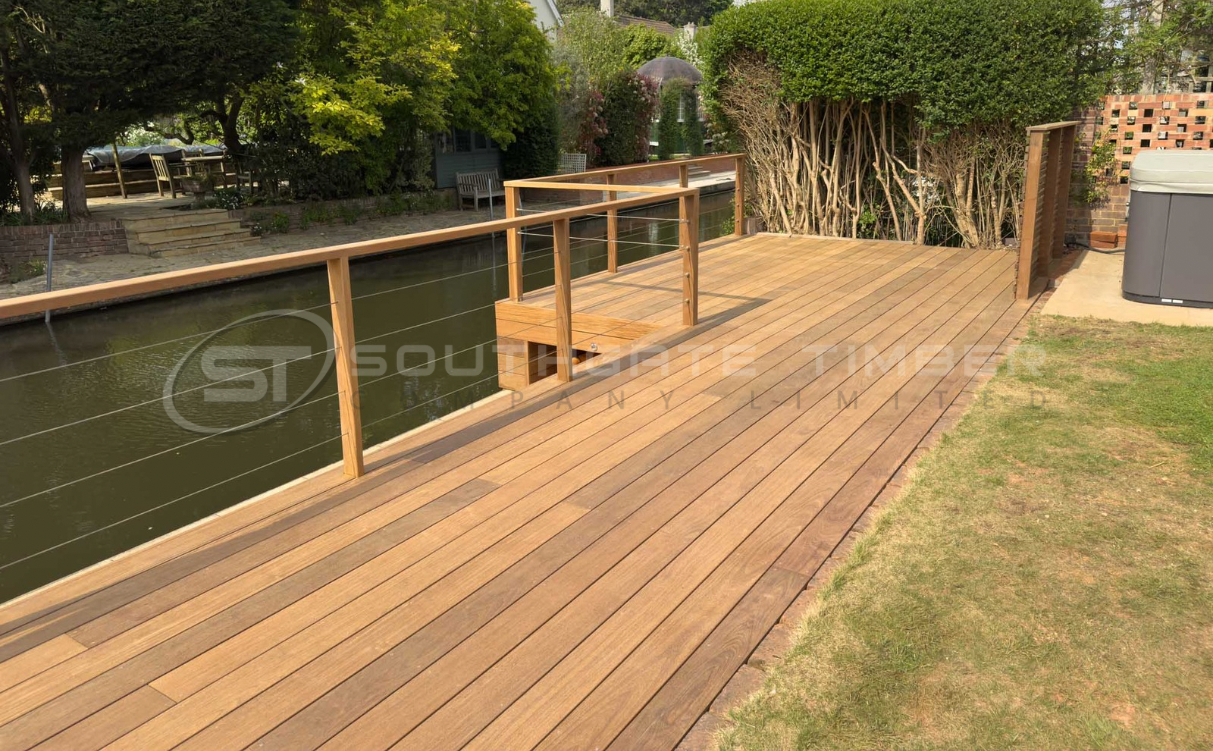
Best Timber for Decking
Decking is one of the most common garden improvements, creating a practical outdoor living space while adding warmth and character to a garden. When choosing decking timber, durability and resistance to the elements are key considerations.
Hardwood decking is known for its strength, longevity and rich colour tones. Popular hardwood decking options include:
These hardwood species are naturally dense and durable, making them ideal for outdoor environments where decking is exposed to moisture, foot traffic and changing weather conditions.
Some thermally modified softwoods also provide a stable and cost-effective alternative to hardwood decking. Options such as Thermowood Pine and Spruce are heat treated to improve durability, reduce movement and increase resistance to moisture. Thermal modification enhances the natural performance of softwood, making it suitable for outdoor decking applications.
Best Timber for Slatted Fencing and Garden Screening
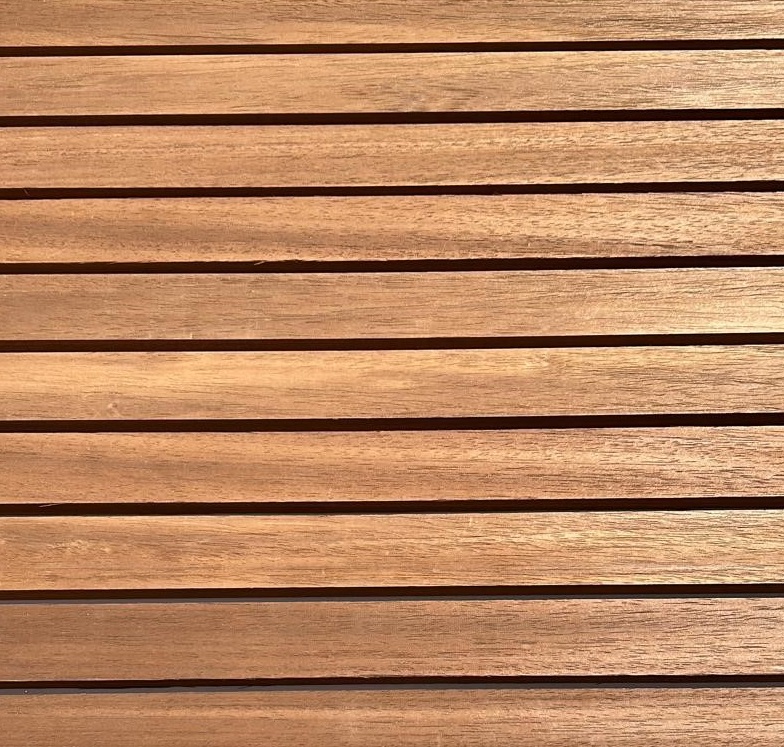
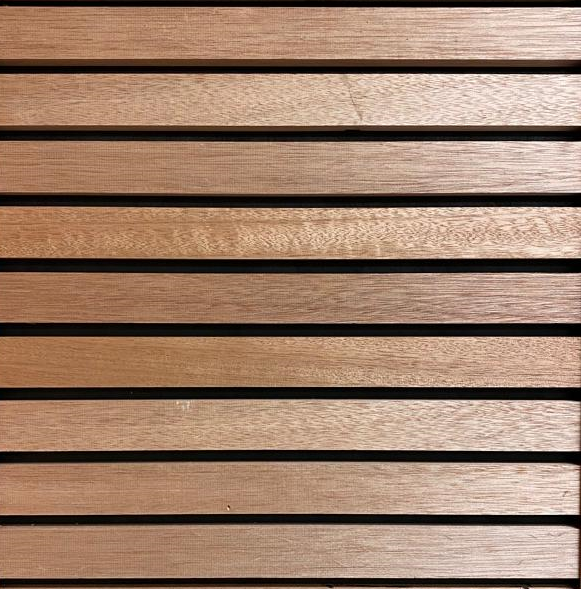
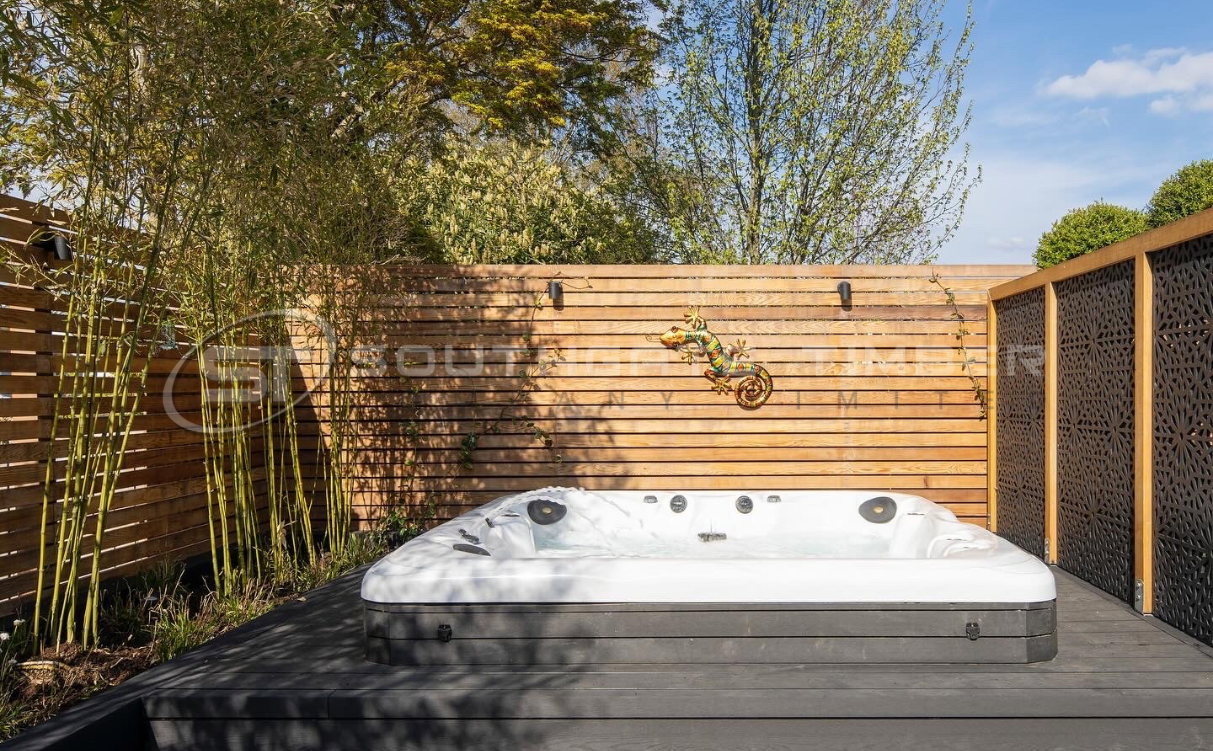
Modern slatted fencing has become an increasingly popular garden design trends, creating clean lines and contemporary outdoor spaces. Several timber species are well suited for fencing battens and screening panels.
Western Red Cedar
Western Red Cedar is widely used for modern fencing due to its stability and natural resistance to decay. Cedar’s warm tones and lightweight nature make it ideal for contemporary slatted fence designs. Commonly used sizes include:
Thermo Ayous
Thermo Ayous is another popular option for modern fencing. Because it is thermally modified, the timber becomes more stable and resistant to movement, making it particularly suitable for slatted fencing.
Douglas Fir
Douglas Fir is often chosen as a more budget-friendly option, while still offering a strong and attractive natural timber finish. Known for its warm colour tones and pronounced grain pattern, Douglas Fir can create a distinctive exterior appearance that suits both contemporary and traditional designs. When properly installed and maintained, Douglas Fir provides a durable and cost-effective solution for exterior timber fencing projects.
Best Timber for Exterior Cladding
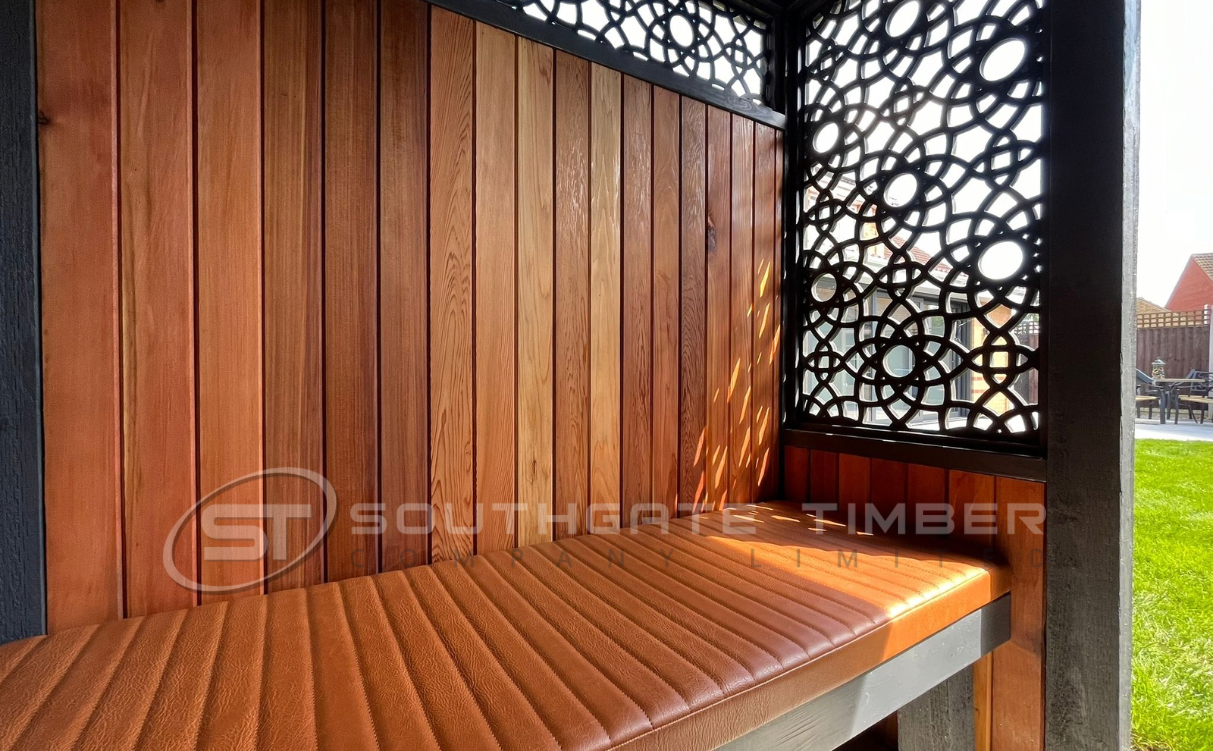
Timber cladding has gained significant use in modern architecture, adding texture and warmth to buildings. The right timber choice can ensure both aesthetic appeal and long-term durability.
Western Red Cedar
Western Red Cedar is one of the most widely used cladding timbers thanks to its natural resistance to moisture and insects. It’s available in several popular profiles like:
- 17 x 94mm T.G.V. ST0
- 18 x 144mm T.G.V. ST1
- 18 x 144mm Channel Groove ST6
- 18 x 144mm Channel Groove ST10
Thermo Ayous
Thermo Ayous cladding has seen growing demand in contemporary architecture. The thermal modification process enhances the timber’s stability and reduces the likelihood of warping or movement. This makes it a reliable option for both residential and commercial cladding projects.
Thermo-Ash
Thermo-Ash is a thermally modified timber that offers excellent stability and durability for exterior cladding applications, along with a distinctive natural grain and warm colour tone. Southgate Timber now also offers Thermo-Ash cladding as part of its cladding range. Like the decking boards, the cladding is supplied pre-oiled, helping to enhance the timber’s natural appearance while providing an additional layer of protection. This makes it a strong option for contemporary cladding projects where both durability and a clean, modern finish are important.
Larch
Larch offers a more cost-effective option while still providing good durability and an attractive natural grain. It is often used for projects where a very natural timber finish is desired.
Choosing Timber Based on Budget
The right timber choice will often depend on the balance between budget and performance.
Premium options:
- Ipe
- Thermo-Ash
- Western Red Cedar
Mid-range options:
- Thermo Ayous
- Yellow Balau
- Jatoba
- Douglas Fir
More cost-effective options:
- Larch
- Thermowood Pine
- Far Eastern Hardwood
Each option offers its own advantages depending on the type of project and desired finish.
Maintenance Considerations
All exterior timber will naturally weather over time when exposed to sunlight and moisture. Some key considerations include applying appropriate treatments and fixings to maintain colour and ensure a secure fit, or instead of treating, allowing your timber to weather to a natural silver tone.
Some timbers may also be supplied with protective finishes. For example, Thermo-Ash decking is supplied pre-oiled, helping to protect the timber and enhance its natural appearance while reducing the amount of maintenance required during the early life of the deck. Choosing a durable timber species and applying appropriate finishes where required can significantly reduce long-term maintenance requirements.
Explore Timber for Your Garden Project
At Southgate Timber, we stock a wide range of timber suitable for outdoor applications including decking, fencing and cladding. Whether you’re planning a garden renovation or a new landscaping project, selecting the right timber will ensure your project performs well and looks great for years to come.
FAQ’s
What is the best timber for outdoor use?
Premium species like Western Red Cedar and Ipe are known for their durability, while thermally modified timbers like Thermo-Ayous and Thermo- Ash offer excellent stability.
Does outdoor timber need treatment?
Many exterior timbers can be left untreated to weather naturally, although oils can be used to maintain colour and provide additional protection.
What timber lasts longest outdoors?
Hardwoods, denser timbers, and thermally modified timbers typically offer the longest lifespan in outdoor environments.

General