- TEL : 01277 890 783
- EMAIL : sales@southgatetimber.co.uk
- Collections Monday to Friday 9:00 - 16:00






 Profiles
 Fast and friendly delivery service
 Samples available
 Click & Collect


-
-
-
IPE Hardwood Decking ***FSC®***
-
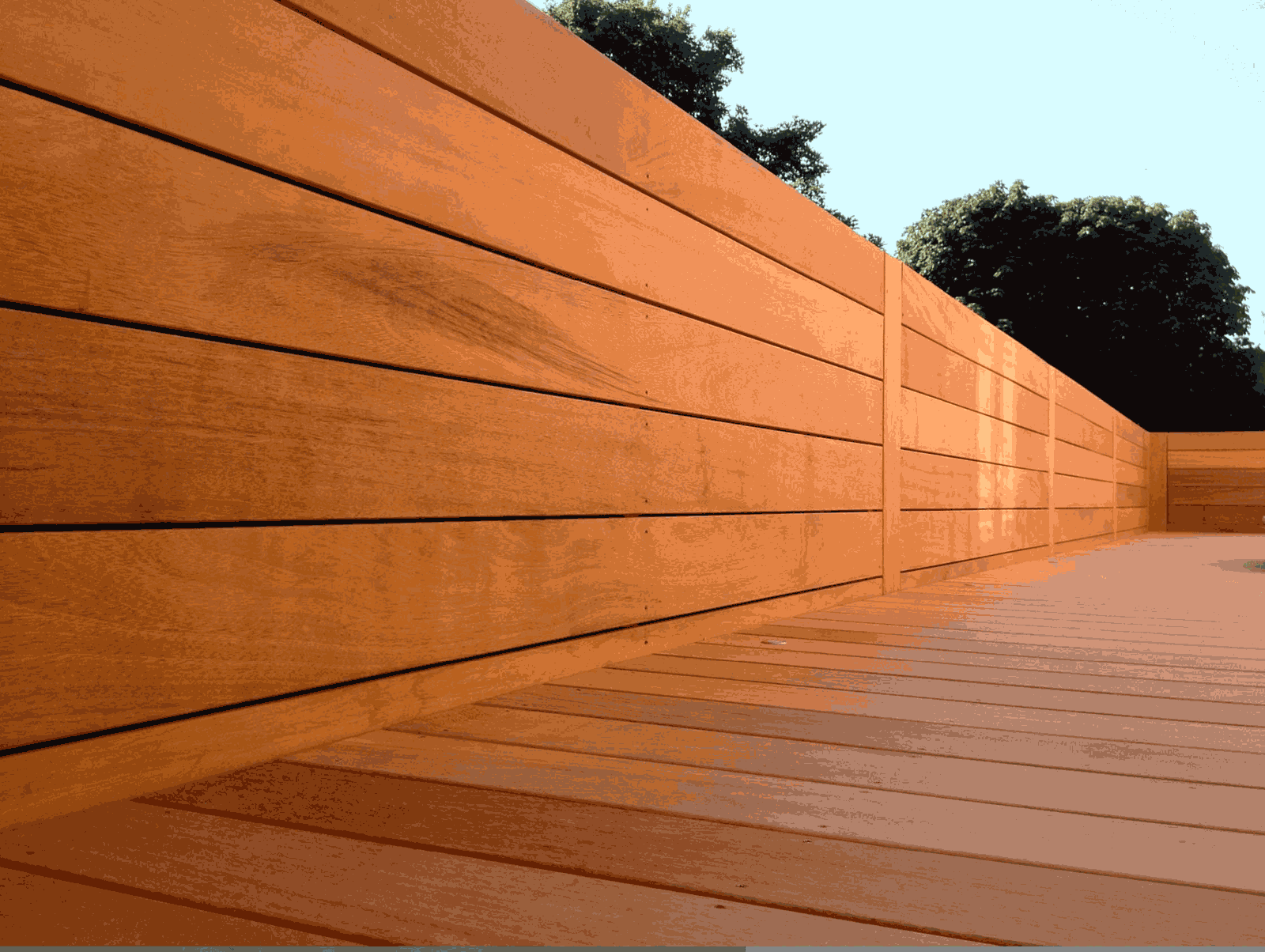
-
Iroko Hardwood Decking
-
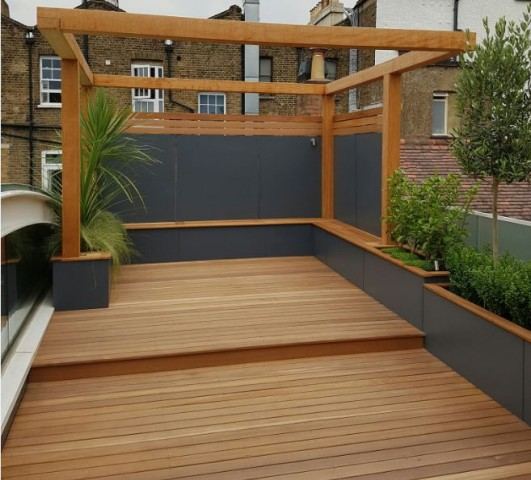
-
Yellow Balau Hardwood Decking ***FSC®*** & SVLK
-
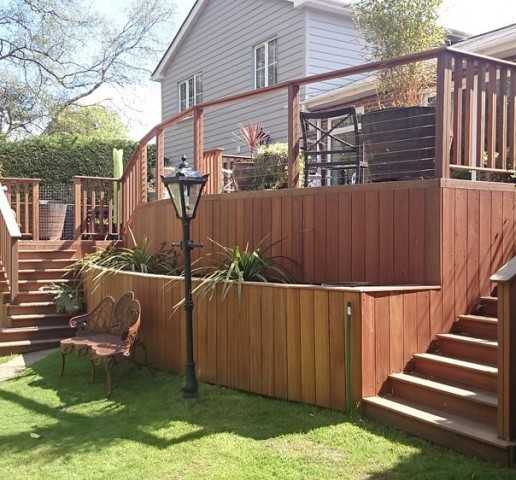
-
Yellow Balau Hardwood Components SVLK
-
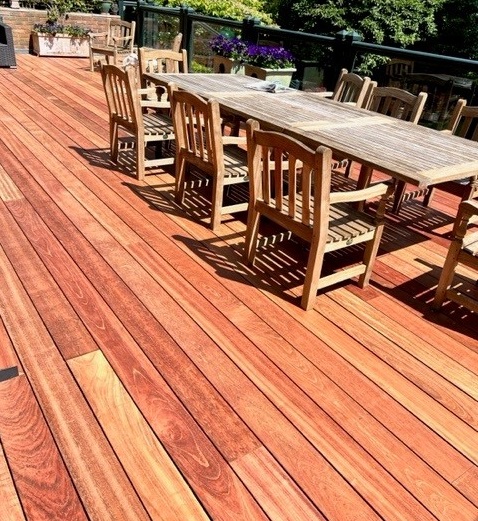
-
Jatoba Hardwood Decking ***FSC®***
-

-
Thermory Benchmark Thermo-Ash Decking
-
-
Thermowood Pine Decking PEFC
-
-
Tali Hardwood Decking ***FSC®***
-
-
Thermory Spruce Decking PEFC
-
-
-
-
Western Red Cedar Cladding PEFC
-
-
Cedar Shingles & Ridge Tiles PEFC
-
-
Cedral Cement Board Cladding
-
-
Larch Cladding ***FSC®*** & PEFC
-
-
Douglas Fir Cladding PEFC
-
-
Thermo Ayous Cladding
-
-
Thermowood Pine Cladding PEFC
-

-
Black Cladding PEFC
-

-
Far Eastern Hardwood Cladding PEFC & SVLK
-

-
Thermory Radiata Pine Cladding ***FSC®***
-
-
Thermory Thermo-Ash Cladding
-

-
Thermory Thermo-Ash Decor Rhomb Tiles Internal
-
- SAUNA
- SLEEPERS
-
-
-
Osmo Treatment & Accessories
-
-
Owatrol Treatment & Accessories
-

-
Thermory Treatment & Fixings
-
-
Deckwise Hidden Fixings & Accessories
-
-
Decking Accessories
-
-
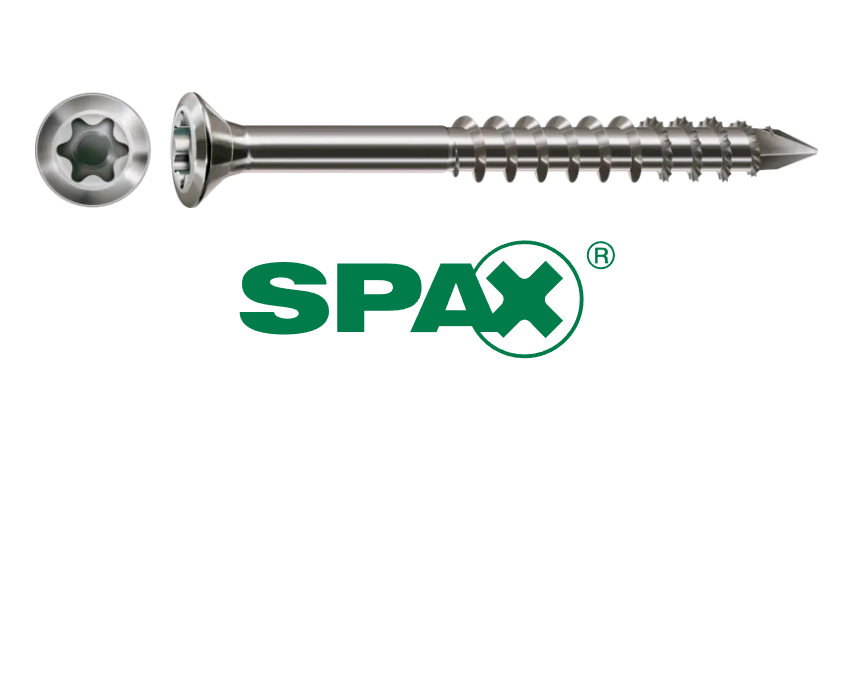
Spax Specialist Decking Screws
-
-
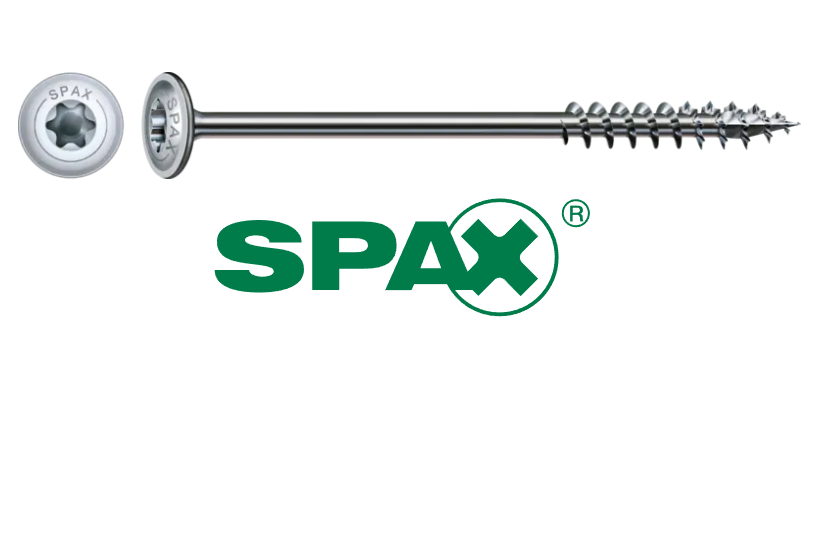
Spax Stainless Steel Facade Screws
-
-
Spax Construction Screws
-

-
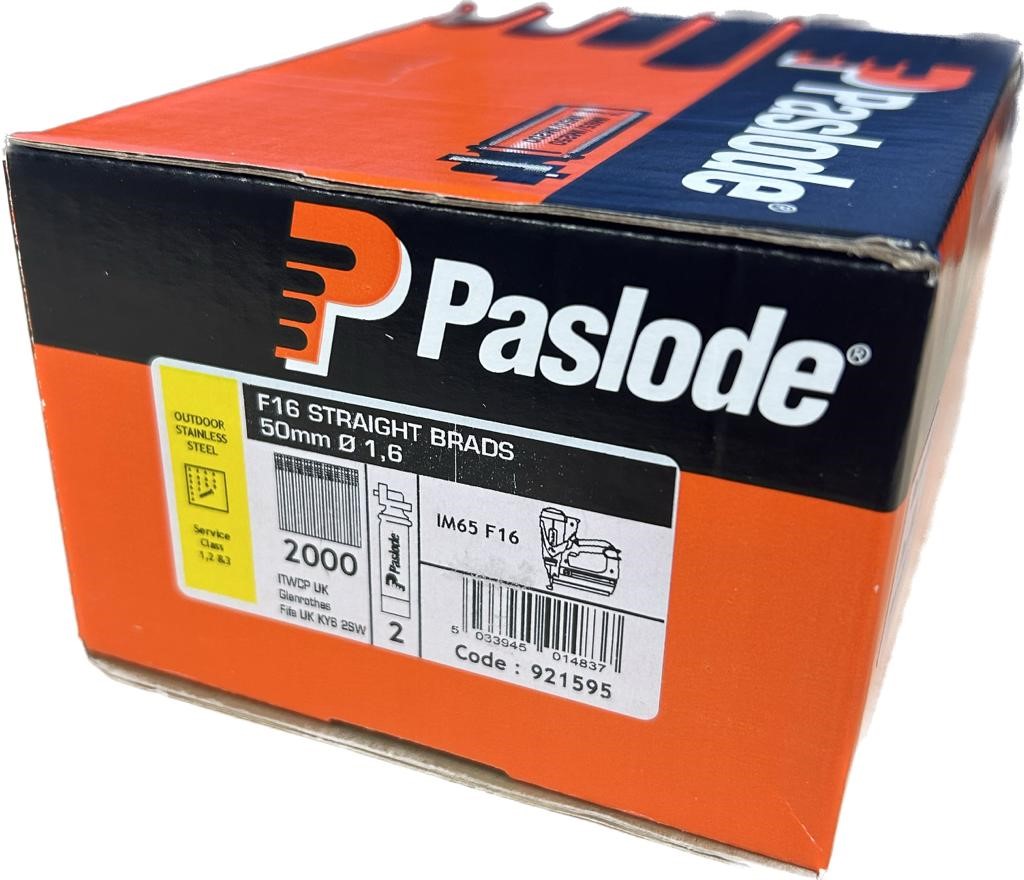
Stainless Steel Nails
-
-
Paslode Stainless Steel Brads
-
-
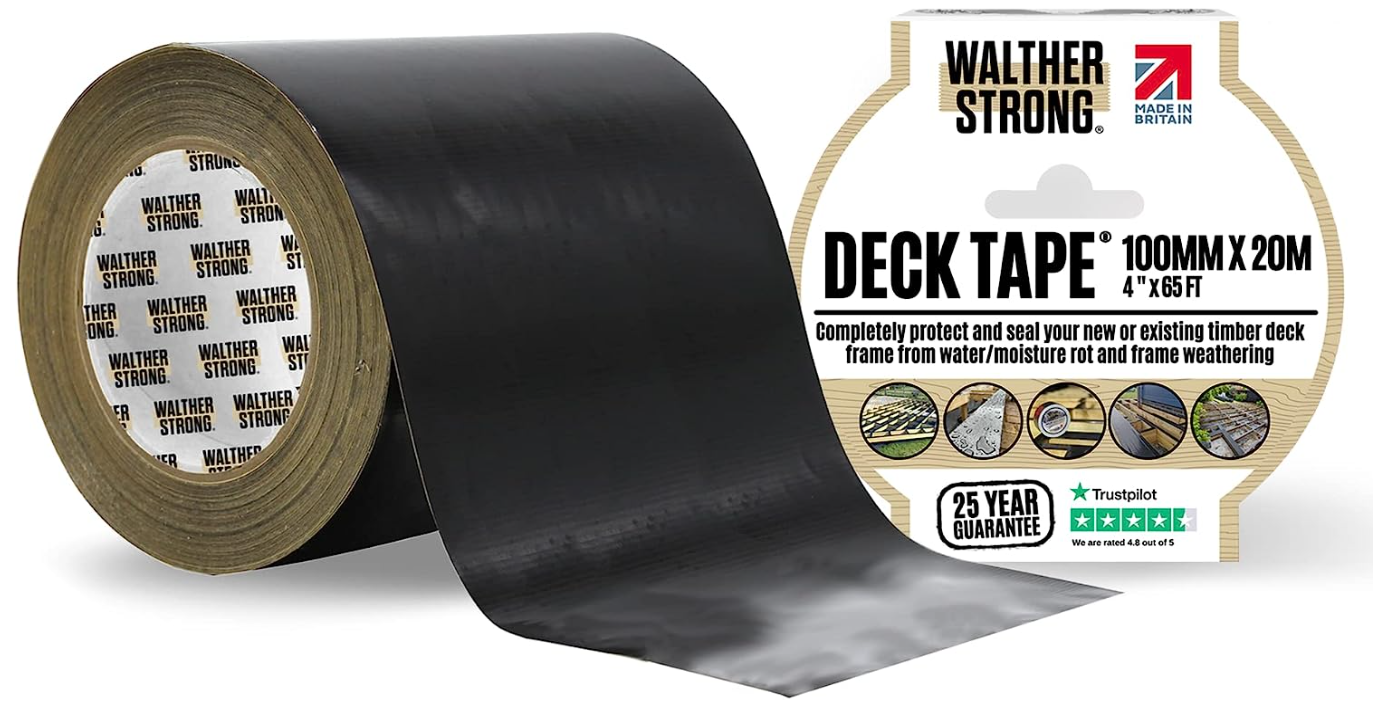
Walther Strong Deck Tape
-
-
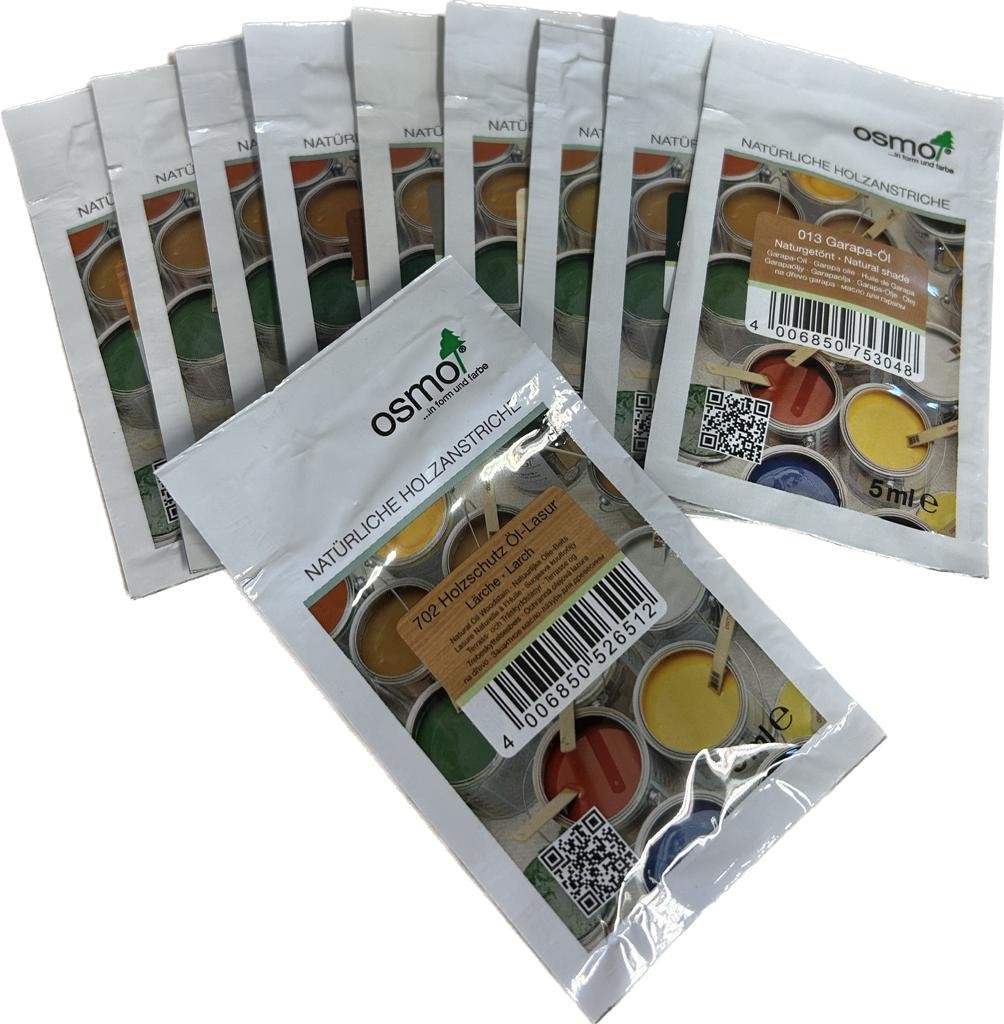
Treatment Samples
-
-
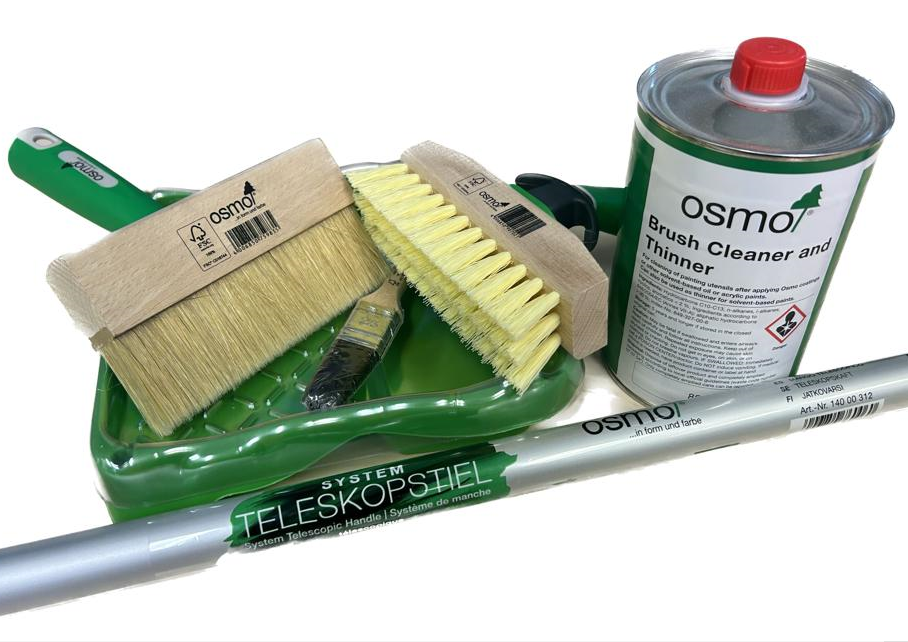
Brushes & Application Tools
-
-
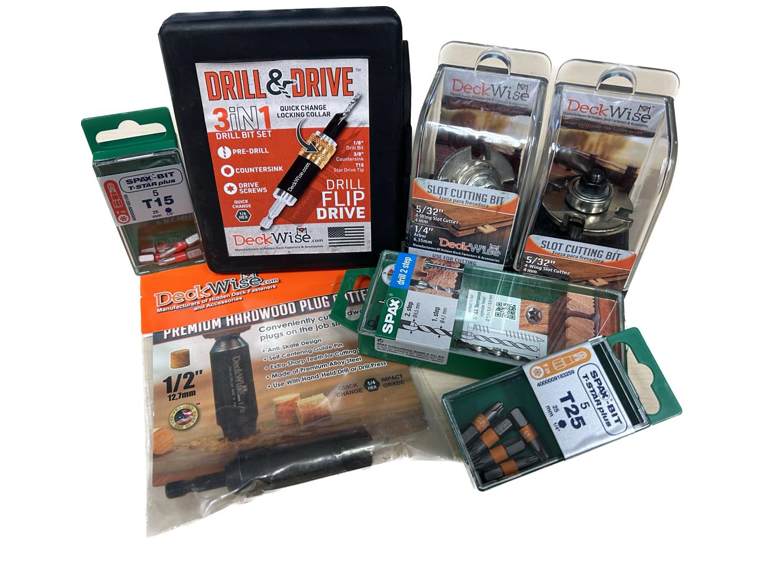
Drive Bits Router Bits & Plug Cutters
-
-
Cedral Accessories
-
- SAMPLES

Which Decking Timber Is Strongest? We Rank Our Decking Range

by
Southgate Timber
August 13, 2026
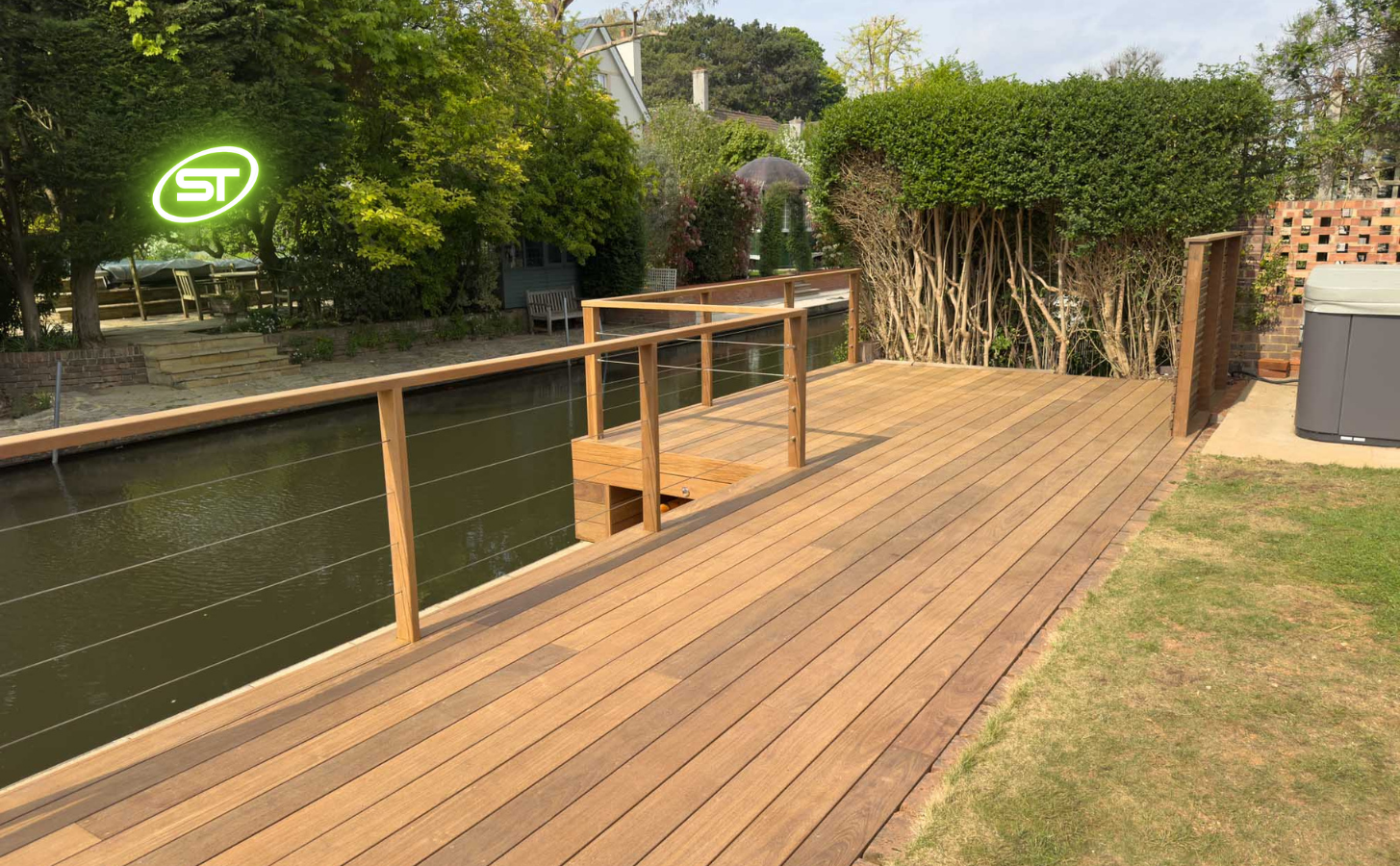


When you’re choosing decking, there are plenty of things to think about. Appearance, durability, maintenance and budget will all play a part. But if strength is high on your list, how do the different decking timbers actually compare? One useful way to compare them is through Janka hardness. This measures how resistant a timber is to denting and wear, in simple terms, how much force it takes to leave a mark in the surface of the wood. For decking, that gives us a useful indication of how different timbers are likely to cope with everyday use, from regular foot traffic and garden furniture to the occasional dropped tool. So, using typical published Janka hardness figures, we’ve ranked the decking timbers in our range from softest to hardest. And there’s quite a difference between number eight and number one.
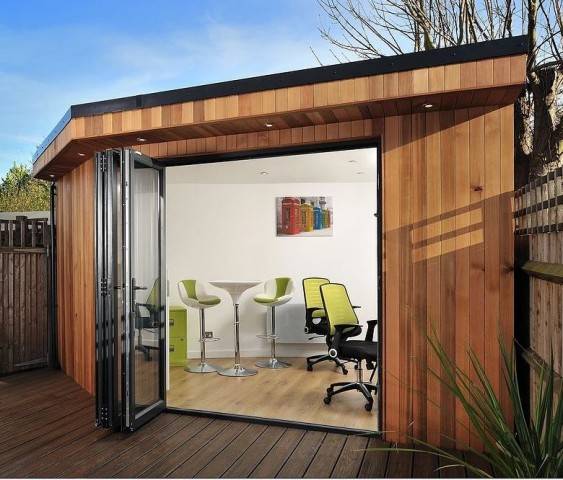
8. Spruce
Janka hardness: approximately 350 – 520 lbf
Starting our countdown is Spruce. As a softwood, Spruce naturally sits towards the lower end of the Janka hardness scale. That means it is more likely to pick up dents and signs of wear than the hardwoods further up our list. That doesn’t mean it doesn’t have its place as a decking timber. For lower-traffic areas and projects where budget is an important consideration, Spruce can provide an attractive and economical option. View our Spruce Decking here.
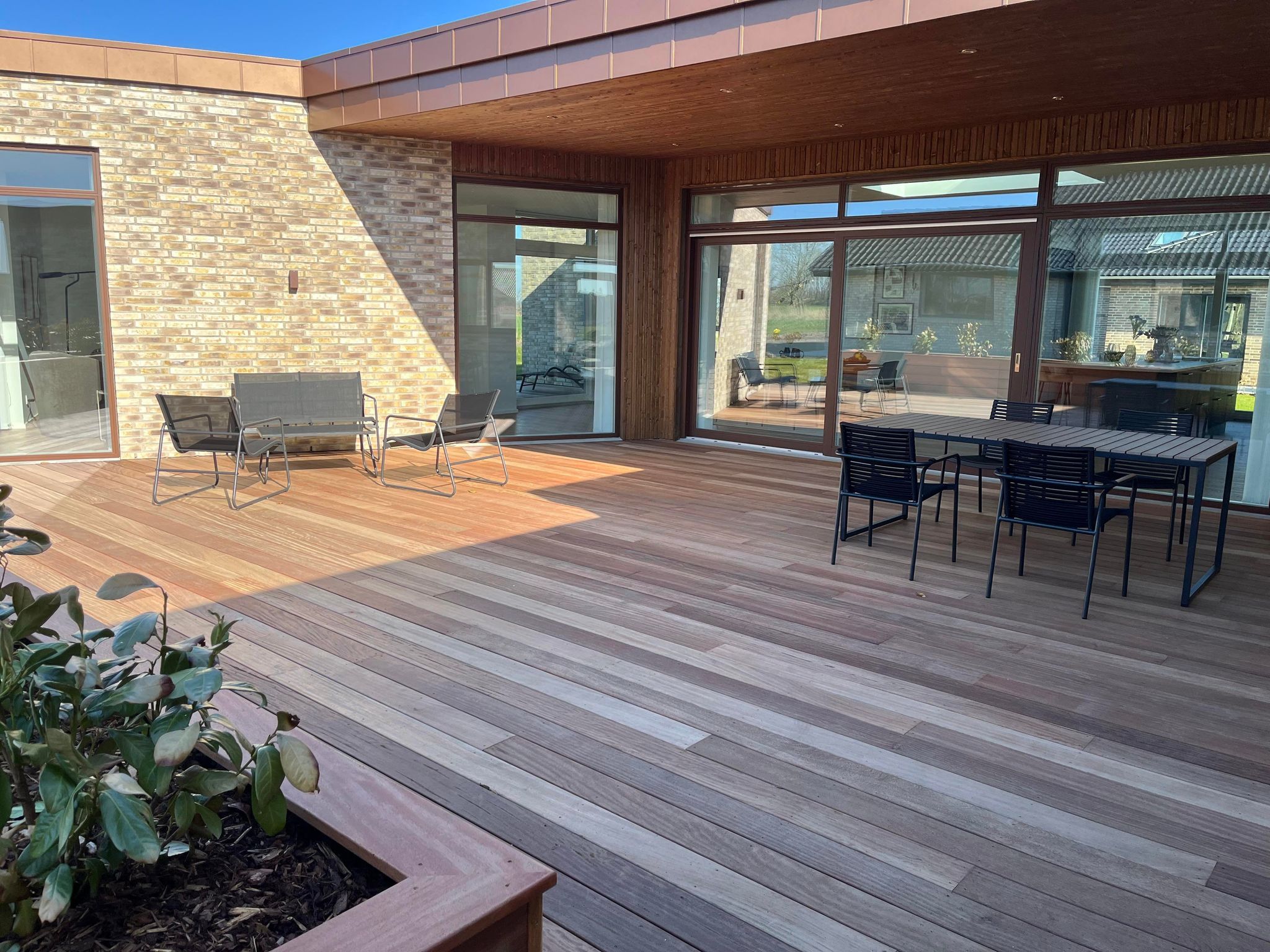
7. Thermowood Pine
Janka hardness: typically approximately 400 – 720 lbf
Next is Thermowood Pine. The important thing to understand here is that thermal modification isn’t designed to turn Pine into a hardwood. Instead, the heat-treatment process changes the timber’s properties, improving its dimensional stability and resistance to decay. So while Thermowood Pine remains relatively soft compared with the hardwoods in this list, it offers other performance benefits that make it well suited to external applications. It’s a good example of why hardness should never be the only factor you consider when choosing decking. You can view our Thermowood Pine Decking here.
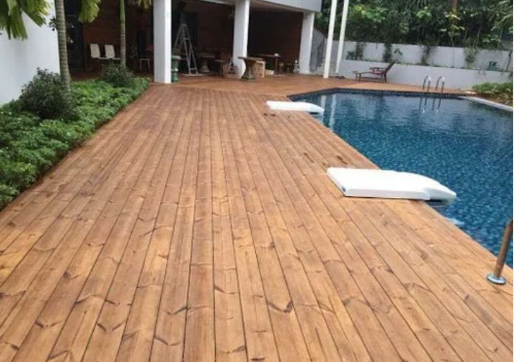
6. Thermally Modified Ash
Janka hardness: approximately 1,200 – 1,500 lbf
Now we make quite a jump. Thermally Modified Ash, or Thermo-Ash, combines the attractive grain of Ash with the benefits of thermal modification. The treatment improves the timber’s stability and resistance to decay, creating a durable decking material without relying on chemical preservatives. Its Janka rating also puts it considerably above our thermally modified Pine and Spruce options when it comes to resistance to dents and everyday wear. Take a look at our Thermo Ash Decking here.
5. Iroko
Janka hardness: approximately 1,260 lbf
At number five is Iroko, a hardwood that has long been used for demanding exterior applications. Alongside its hardness, Iroko is naturally durable and has good dimensional stability. Its natural oils also help it perform well when exposed to the elements. For decking, that gives you a useful combination of durability, stability and resistance to everyday wear. For more information, view our Iroko Hardwood Decking here.
4. Yellow Balau
Janka hardness: approximately 1,600 – 1,900 lbf
Yellow Balau takes fourth place. It’s an extremely popular hardwood decking choice, and its position here helps explain why. Its dense structure gives it very good resistance to dents, scratches and general wear, making it particularly well suited to busy garden decks and outdoor spaces. It also offers the warm, natural appearance people tend to look for when choosing a tropical hardwood deck. For many projects, Yellow Balau provides a very good balance between hardness, durability, appearance and cost. You can browse the full range of Yellow Balau Decking here.
3. Jatoba
Janka hardness: approximately 2,690 – 2,820 lbf
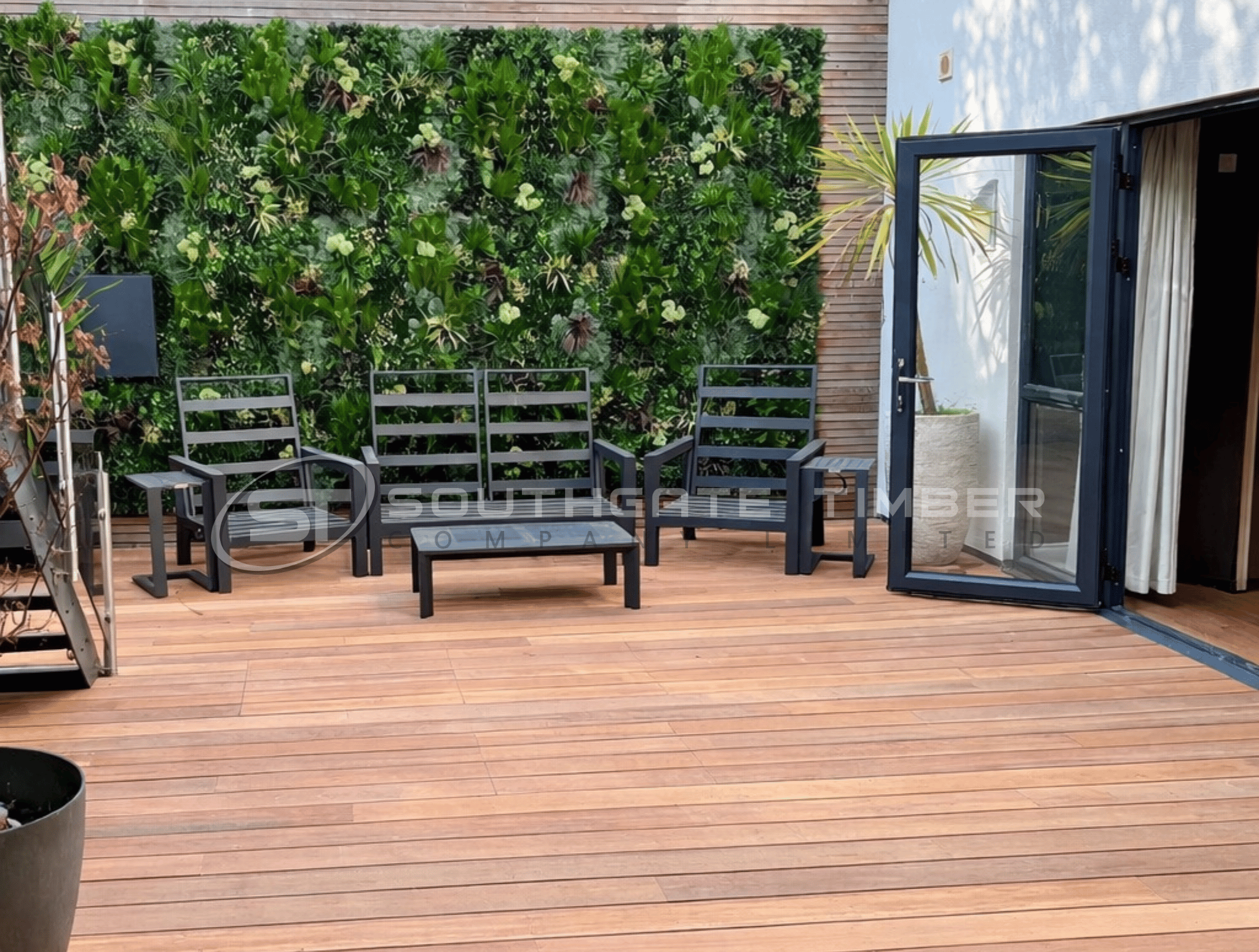
We’re into the top three, and there’s another significant jump in hardness. Jatoba, sometimes known as Brazilian Cherry, is an exceptionally dense hardwood with a typical Janka rating approaching 2,800 lbf. Alongside its strength, it has a distinctive reddish-brown appearance, often with darker grain running through the boards. If your deck is likely to see plenty of use and resistance to dents and wear is a priority, Jatoba is one of the hardest options in our range. Browse through Jatoba Decking here.
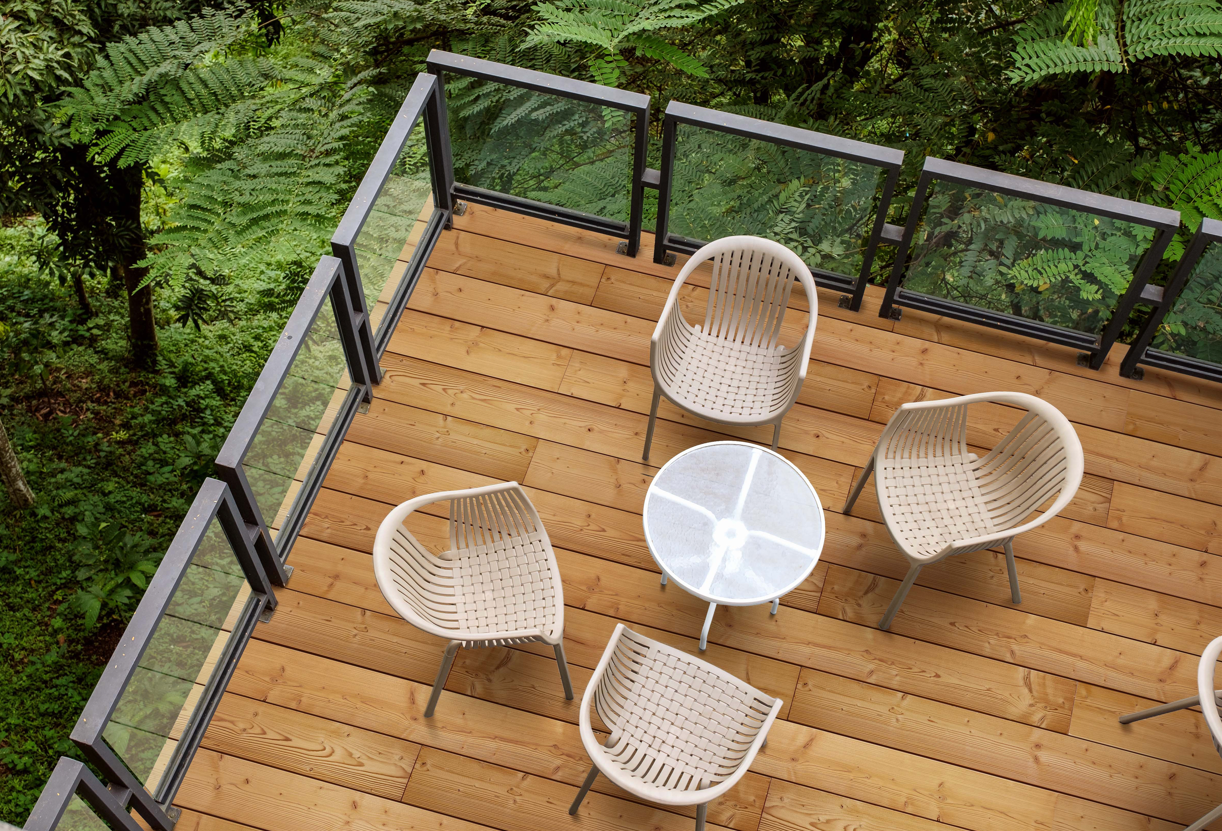
2. Tali
Janka hardness: approximately 2,920 lbf
Just missing out on the top spot is Tali. Tali is an extremely dense West African hardwood, with a Janka hardness of around 2,920 lbf. That makes it particularly resistant to the dents, knocks and general wear that decking can experience over its lifetime. It’s also naturally resistant to rot and insects, making it a very capable timber for demanding outdoor applications. We recently put a single Tali decking board through our own rather less scientific strength test, gradually increasing the load to see just how much it could take. It handled rather more than we expected. View our Tali Hardwood Decking here.
1. Ipe
Janka hardness: approximately 3,680 lbf
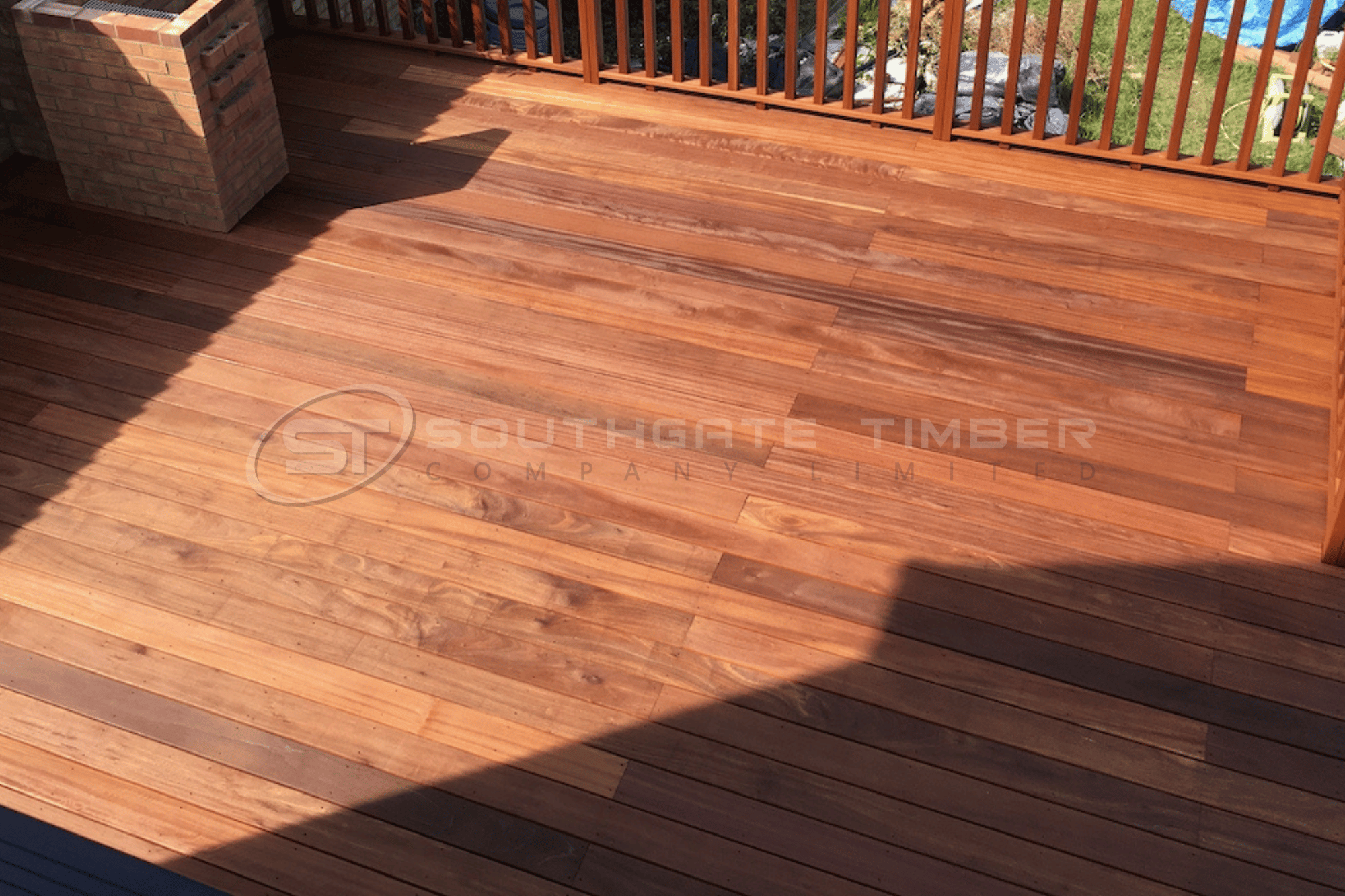
And at number one: Ipe. With a typical Janka hardness of around 3,680 lbf, Ipe comes out comfortably ahead of every other decking timber in this comparison. It is exceptionally dense, hard-wearing and naturally durable, which is why it has such a strong reputation as a premium decking timber. That density means it can cope exceptionally well with heavy foot traffic and everyday wear, making it particularly suitable for demanding residential and commercial decking projects. There is a trade-off to all that hardness, though. Extremely dense timbers such as Ipe can be more demanding to cut and fix, and pre-drilling is generally required. But if the question is simply which is the hardest decking timber in our range? Ipe takes the top spot. Check out our Ipe Hardwood Decking range here.
So, does the hardest decking always mean the best decking?
No, and this important to understand. Janka hardness tells us something very specific: how resistant the surface of the timber is to denting and wear. It doesn’t tell you which decking is automatically right for your project.
Durability, stability, appearance, maintenance, budget and where the decking is being installed all need to be considered too. A domestic garden deck doesn’t necessarily need the hardest timber available, just as choosing a softer timber doesn’t automatically make it a poor decking choice.
The useful part of this ranking is understanding just how different the timbers can be – and using that information alongside the other characteristics that matter to your project.
Our decking hardness ranking at a glance
From softest to hardest:
8. Spruce: approximately 350 – 520 lbf
7. Thermowood Pine: approximately 400 – 720 lbf
6. Thermally Modified Ash: approximately 1,200 – 1,500 lbf
5. Iroko: approximately 1,260 lbf
4. Yellow Balau: approximately 1,600 – 1,900 lbf
3. Jatoba: approximately 2,690 – 2,820 lbf
2. Tali: approximately 2,920 lbf
1. Ipe: approximately 3,680 lbf
If you’re choosing between different decking timbers and aren’t sure which is best suited to your project, get in touch with our team today. We can talk you through the different options and help you choose the right decking for the job. And you can take a look through our entire decking range here.
FAQ’s
What is Janka hardness?
Janka hardness is a standard measurement used to compare how resistant different timbers are to denting and wear. It measures the force required to press a steel ball into the surface of the wood.
For decking, it’s a useful way of comparing how different timbers may cope with foot traffic, furniture and everyday knocks.
What is the hardest decking timber in the Southgate Timber range?
Based on typical published Janka hardness figures, Ipe is the hardest decking timber in our comparison at approximately 3,680 lbf. Tali follows at approximately 2,920 lbf, with Jatoba at approximately 2,690 – 2,820 lbf.
Is harder decking always better?
Not necessarily. Hardness is only one consideration when choosing decking. Natural durability, dimensional stability, appearance, maintenance requirements, budget and the intended use of the deck should all be considered.
Does the hardness of decking affect installation?
It can. Very dense hardwoods such as Ipe and Tali can be more demanding on tools and will typically require pre-drilling before fixing. Other decking timbers can be easier to work with on site.
Which decking is best for high-traffic areas?
For areas that will experience particularly heavy foot traffic or regular wear, harder timbers such as Ipe, Tali and Jatoba are worth considering because of their high resistance to denting and surface wear.

General


