- TEL : 01277 890 783
- EMAIL : sales@southgatetimber.co.uk
- Collections Monday to Friday 9:00 - 16:00






 Profiles
 Fast and friendly delivery service
 Samples available
 Click & Collect



-
-
-
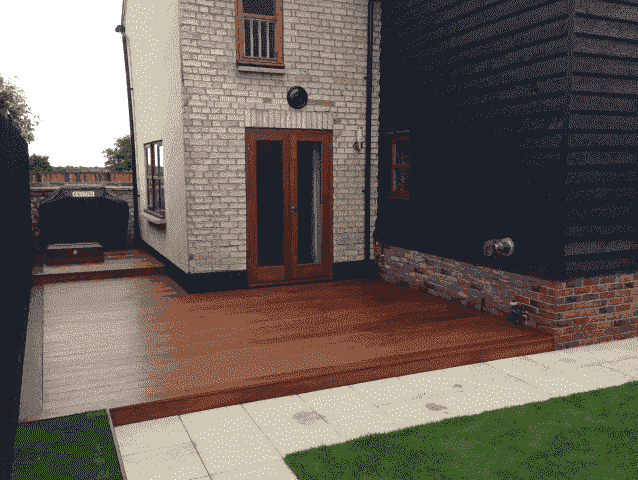
IPE Hardwood Decking ***FSC®***
-
-
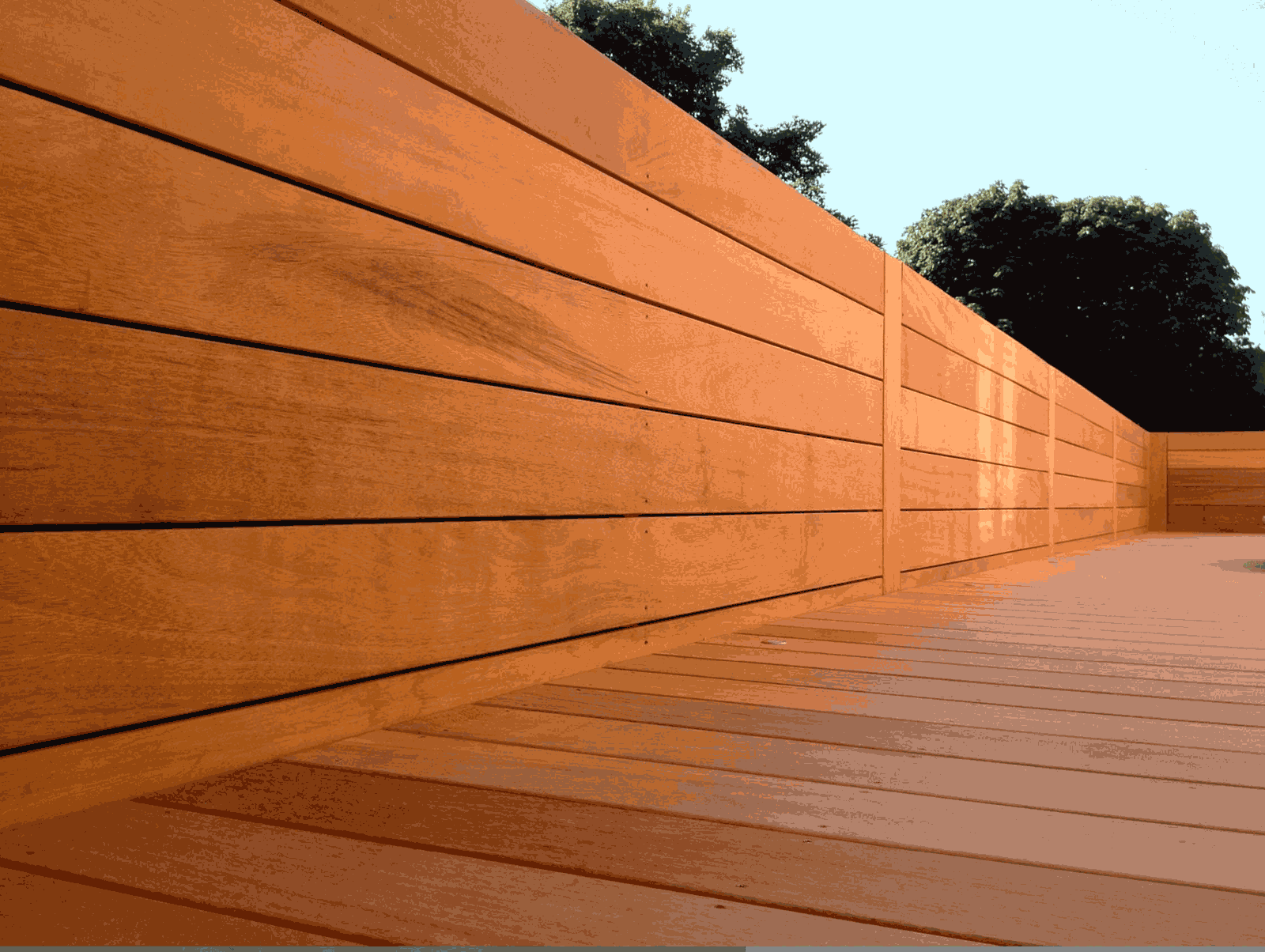
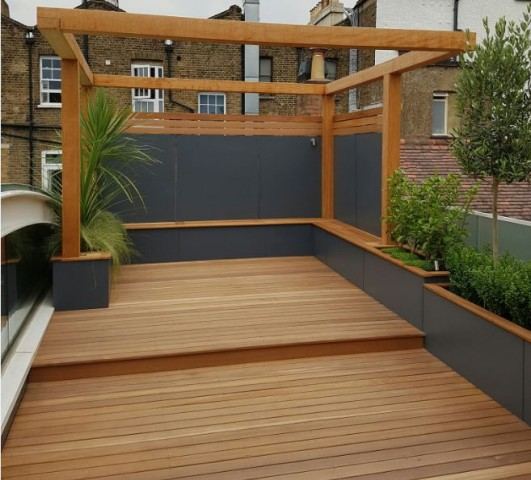
Iroko Hardwood Decking
-
-
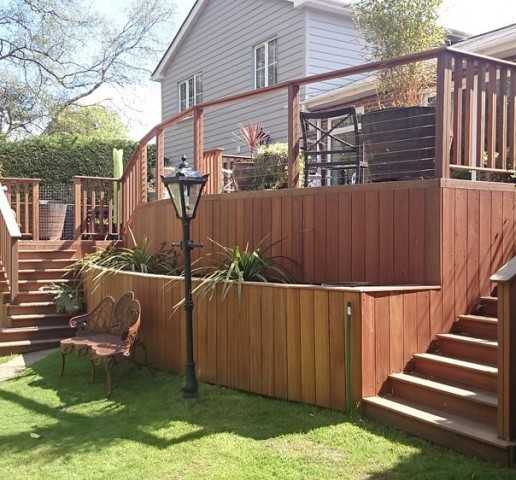
Yellow Balau Hardwood Decking ***FSC®*** & SVLK
-
-
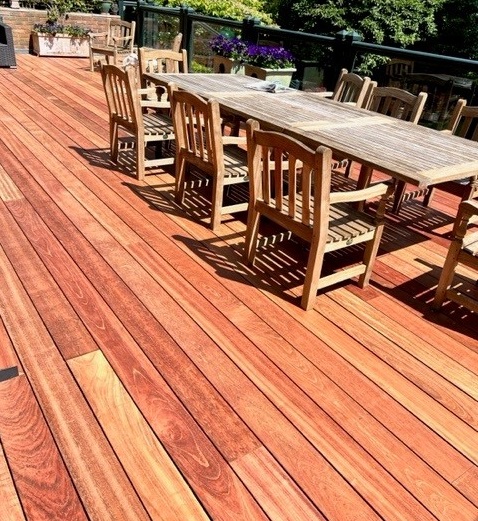
Yellow Balau Hardwood Components SVLK
-
-
Jatoba Hardwood Decking ***FSC®***
-

-
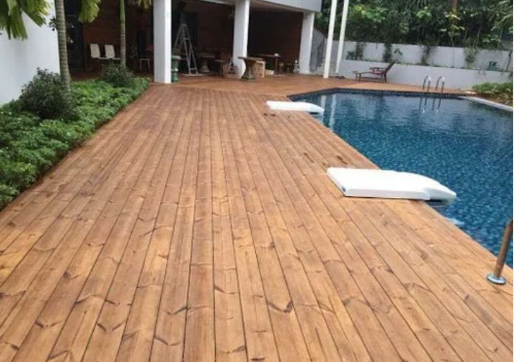
Thermory Benchmark Thermo-Ash Decking
-
-
Thermowood Pine Decking PEFC
-
-
Tali Hardwood Decking ***FSC®***
-
-
Thermory Spruce Decking PEFC
-
-
-
-
Western Red Cedar Cladding PEFC
-
-
Cedar Shingles & Ridge Tiles PEFC
-
-
Cedral Cement Board Cladding
-
-
Larch Cladding ***FSC®*** & PEFC
-
-
Douglas Fir Cladding PEFC
-
-
Thermo Ayous Cladding
-
-
Thermowood Pine Cladding PEFC
-

-
Black Cladding PEFC
-

-
Far Eastern Hardwood Cladding PEFC & SVLK
-

-
Thermory Radiata Pine Cladding ***FSC®***
-
-
Thermory Thermo-Ash Cladding
-

-
Thermory Thermo-Ash Decor Rhomb Tiles Internal
-
- SAUNA
- SLEEPERS
-
-
-
Osmo Treatment & Accessories
-
-
Owatrol Treatment & Accessories
-

-
Thermory Treatment & Fixings
-
-
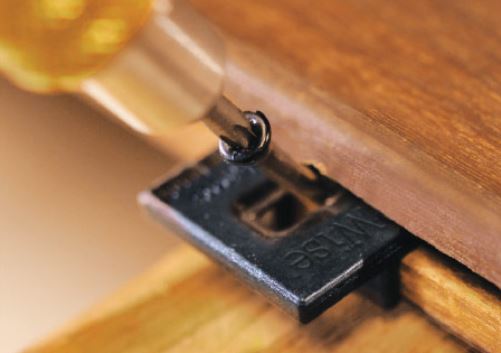
Deckwise Hidden Fixings & Accessories
-
-
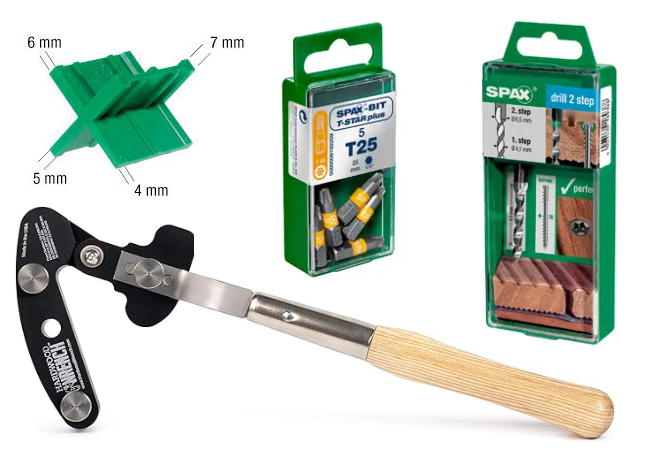
Decking Accessories
-

-
Spax Specialist Decking Screws
-

-
Spax Stainless Steel Facade Screws
-
-
Spax Construction Screws
-

-
Stainless Steel Nails
-
-
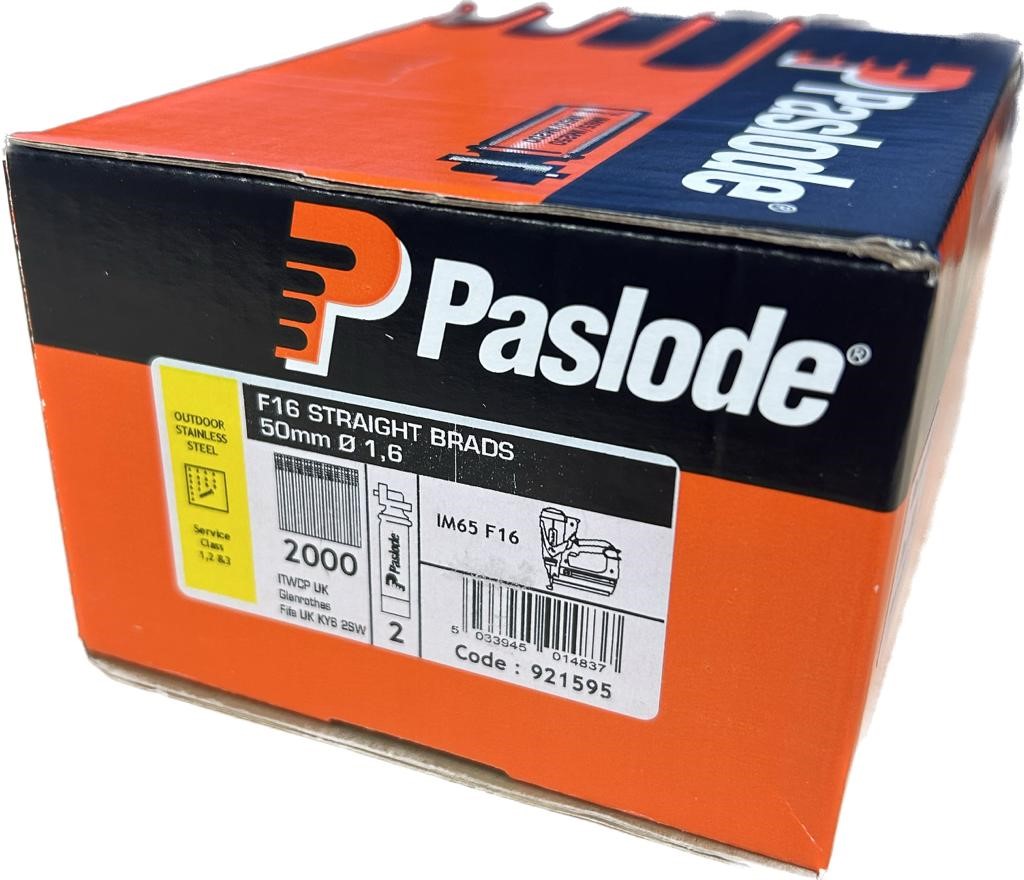
Paslode Stainless Steel Brads
-
-
Walther Strong Deck Tape
-
-
Treatment Samples
-
-
Brushes & Application Tools
-

-
Drive Bits Router Bits & Plug Cutters
-

-
Cedral Accessories
-
- SAMPLES

What Is the Best Decking for Bare Feet in Hot Weather?

by
Southgate Timber
July 09, 2026


When the weather heats up, your garden becomes an extension of your home. Whether you’re relaxing with family, hosting a barbecue or simply enjoying the sunshine, your decking should be a comfortable place to spend time. One question many homeowners ask during the summer months is whether decking gets hot in the sun. If you’ve ever stepped barefoot onto a patio, composite deck or paving slab during a heatwave, you’ll know just how uncomfortable some outdoor surfaces can become. While no decking material remains completely cool in direct sunlight, some materials absorb and retain heat differently than others. Understanding these differences can help you choose a decking material that is more comfortable to use during warmer weather. So, let’s look at how different decking materials respond to heat and explore some of the best decking options for gardens that receive plenty of sunshine.
Why Does Decking Get Hot?
Any outdoor surface exposed to direct sunlight will absorb heat throughout the day. How hot that surface becomes depends on several factors, including its colour, density, material composition and exposure to sunlight. Darker materials tend to absorb more solar heat than lighter-coloured alternatives. Dense materials may also retain heat for longer after the sun has moved away.
The location of your deck can also play a role. South-facing gardens, open terraces and areas with little shade are more likely to experience higher surface temperatures during periods of warm weather. While it isn’t possible to prevent decking from warming up altogether, choosing the right material can help improve comfort underfoot.
Does Composite Decking Get Hot?
Composite decking is a popular low-maintenance alternative to timber decking. Manufactured using a combination of recycled plastics and wood fibres, it offers a consistent appearance and requires very little ongoing maintenance.
However, one of the most common concerns raised by homeowners is heat retention. Because composite boards contain plastic, they often absorb and retain more heat than natural timber, particularly during prolonged periods of direct sunlight. This can be especially noticeable with darker coloured boards and in south-facing gardens. Many homeowners report that composite decking can become uncomfortable to walk on barefoot during hot weather, making it an important consideration when choosing materials for family gardens, pool surrounds and outdoor entertaining spaces.
Does Hardwood Decking Get Hot?
Hardwood decking remains one of the most popular choices for premium outdoor projects due to its durability, longevity and natural beauty. Species such as Ipe, Yellow Balau and Jatoba are known for their strength and long service life, making them excellent choices for residential and commercial decking installations.
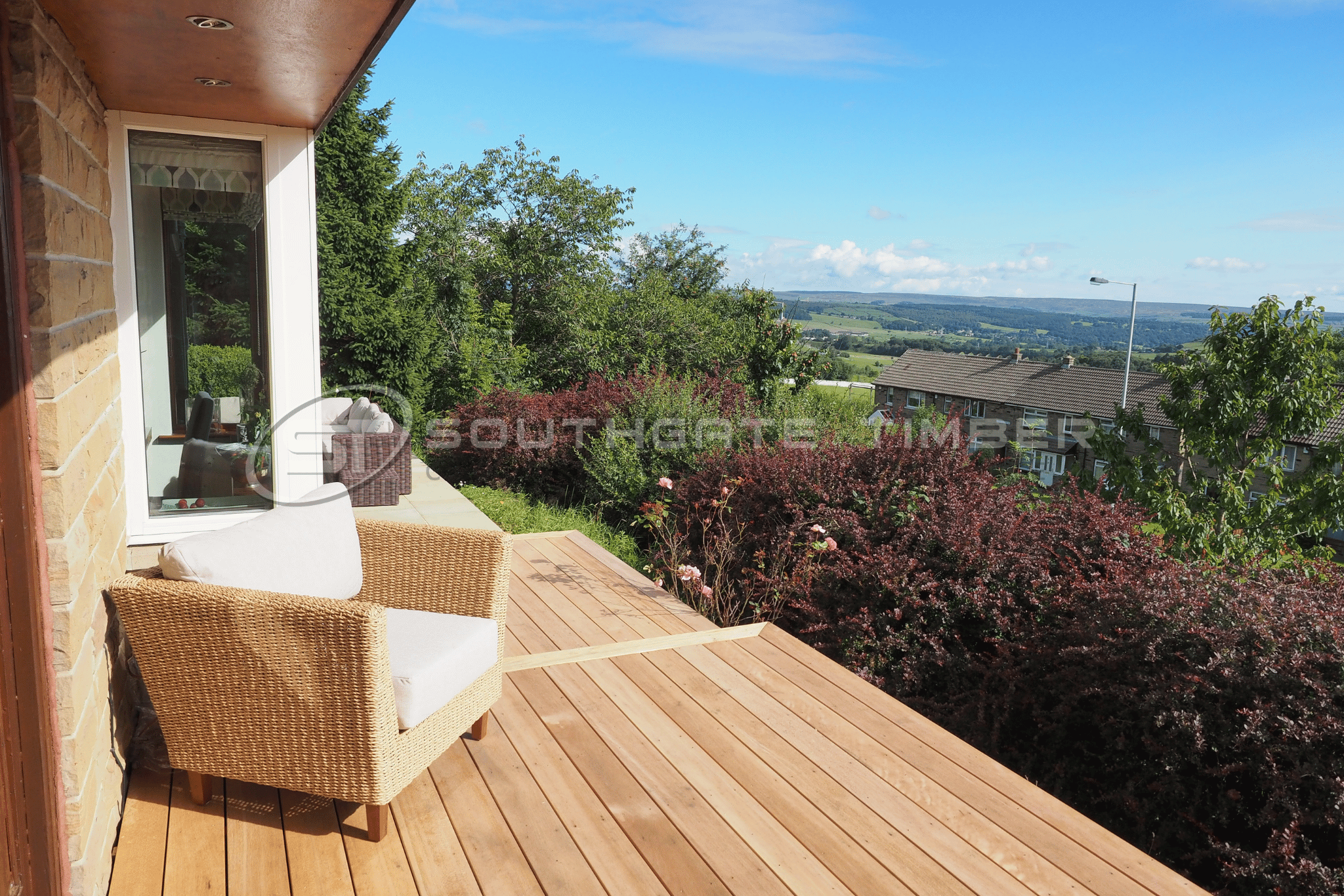
Like all decking materials, hardwood decking will warm up in direct sunlight. However, many homeowners find natural timber a lot more comfortable underfoot than composite alternatives due to the way timber naturally responds to temperature changes. At Southgate Timber, hardwood decking options include:
Each species offers its own unique appearance and performance characteristics, allowing homeowners to select a timber that suits both their aesthetic preferences and practical requirements.
Does Thermally Modified Decking Get Hot?
Thermally modified timber has become increasingly popular in recent years thanks to its stability, durability and contemporary appearance. The thermal modification process uses heat and steam to alter the timber’s cellular structure without the use of chemicals. This improves dimensional stability and reduces moisture absorption, making it well suited to external applications. Southgate Timber stocks a range of thermally modified decking products, including:
As with all decking materials, thermally modified timber will still warm up slightly in direct sunlight. However, many homeowners appreciate the natural feel of real timber underfoot while benefiting from the improved stability that thermal modification provides. Thermally modified decking has become particularly popular for contemporary garden designs where clean lines, durability and long-term performance are priorities.
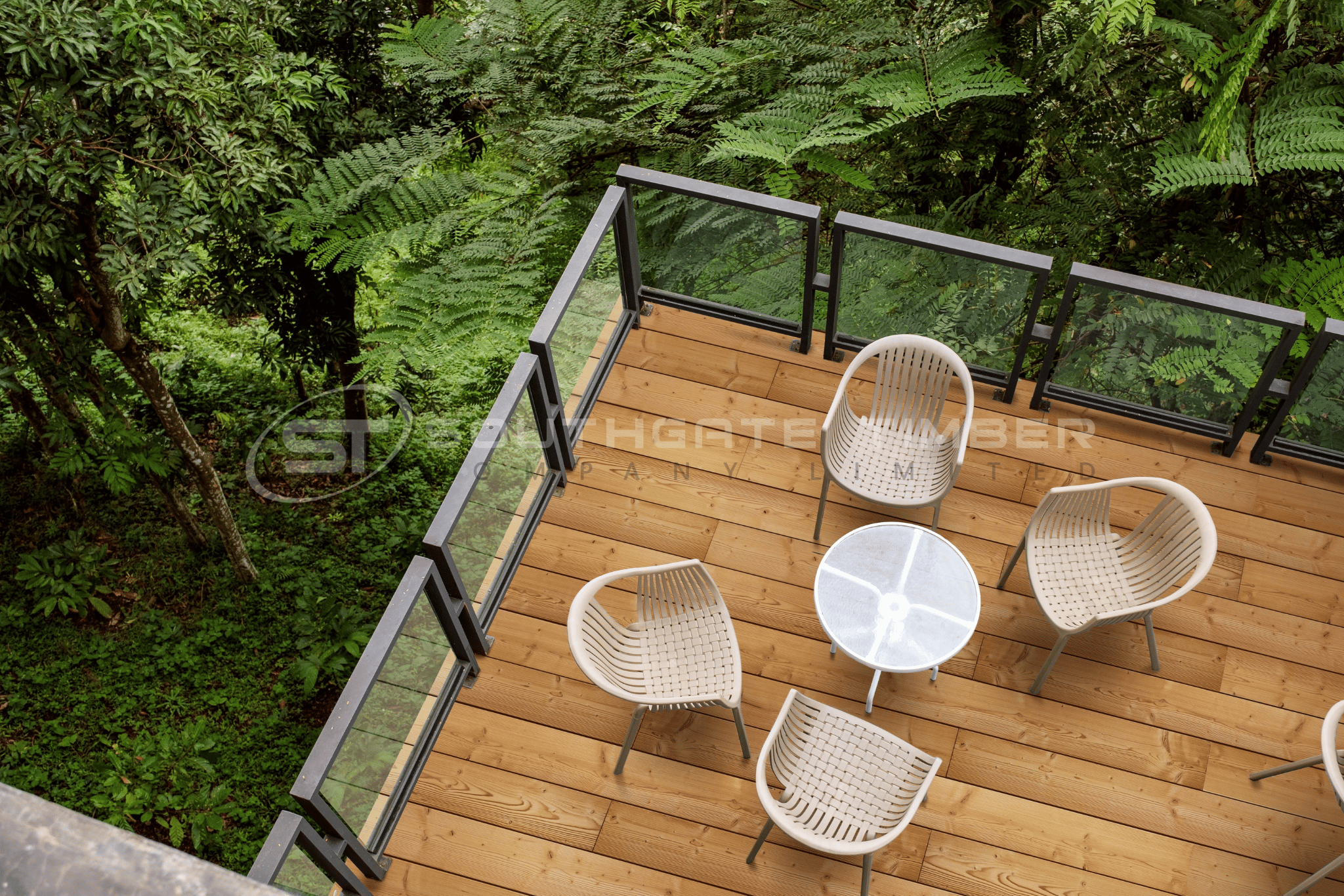
Choosing Decking for a South-Facing Garden
If your garden receives sunlight throughout most of the day, it’s worth considering more than just appearance when selecting decking. Natural timber decking remains a popular choice for south-facing gardens because of its attractive appearance and comfortable feel underfoot. Many homeowners also prefer the way timber weathers naturally over time compared to manufactured alternatives. When planning a decking project, consider:
- How much direct sunlight the area receives
- Whether children will regularly use the space barefoot
- The colour of the decking boards
- Nearby shade from trees, pergolas or structures
- Long-term maintenance requirements
Taking these factors into account can help create a more comfortable outdoor space throughout the summer months.
Which Decking Is Best for Bare Feet?
There is no decking material that remains completely cool during a heatwave. Any surface exposed to prolonged direct sunlight will absorb heat. However, many homeowners find natural timber decking more comfortable underfoot than composite alternatives due to the way timber naturally responds to changing temperatures.
For those seeking a premium decking solution, hardwood species such as Ipe, Yellow Balau and Jatoba continue to offer outstanding durability and timeless appeal. Homeowners looking for a lighter-coloured decking option may also wish to consider Tali or Iroko, as lighter timber tones can absorb less heat than darker decking surfaces when exposed to direct sunlight. For contemporary projects, thermally modified decking products such as Thermo-Ash, Thermory Spruce and Thermowood Pine provide excellent stability while retaining the natural beauty of real timber.
Choosing the right decking ultimately comes down to balancing appearance, durability, maintenance and comfort. By understanding how different materials perform during warmer weather, you can create an outdoor space that remains enjoyable throughout the summer.
FAQ’s
Does composite decking get hotter than timber decking?
Many homeowners report that composite decking retains more heat than natural timber, particularly during periods of direct sunlight and on darker coloured boards.
Can you walk barefoot on timber decking?
Yes. While timber decking will warm up in the sun, many homeowners find it more comfortable underfoot than some alternative decking materials.
Which decking is best for a south-facing garden?
Hardwood and thermally modified timber decking are both popular choices for south-facing gardens thanks to their durability, appearance and natural timber feel.
Does Thermo-Ash decking get hot in the sun?
Like any decking material, Thermo-Ash will warm up a little in direct sunlight. However, it remains a popular choice due to its stability, durability and attractive appearance.
What is the most durable timber decking?
Ipe is widely regarded as one of the most durable timber decking species available and is often chosen for premium residential and commercial projects.

General


