- TEL : 01277 890 783
- EMAIL : sales@southgatetimber.co.uk
- Collections Monday to Friday 9:00 - 16:00






 Profiles
 Fast and friendly delivery service
 Samples available
 Click & Collect



-
-
-
IPE Hardwood Decking ***FSC®***
-
-
Iroko Hardwood Decking
-
-
Yellow Balau Hardwood Decking ***FSC®*** & SVLK
-
-
Yellow Balau Hardwood Components SVLK
-
-
Jatoba Hardwood Decking ***FSC®***
-

-
Thermory Benchmark Thermo-Ash Decking
-
-
Thermowood Pine Decking PEFC
-
-
Tali Hardwood Decking ***FSC®***
-
-
Thermory Spruce Decking PEFC
-
-
-
-
Western Red Cedar Cladding PEFC
-
-
Cedar Shingles & Ridge Tiles PEFC
-
-
Cedral Cement Board Cladding
-
-
Larch Cladding ***FSC®*** & PEFC
-
-
Douglas Fir Cladding PEFC
-
-
Thermo Ayous Cladding
-
-
Thermowood Pine Cladding PEFC
-

-
Black Cladding PEFC
-

-
Far Eastern Hardwood Cladding PEFC & SVLK
-

-
Thermory Radiata Pine Cladding ***FSC®***
-
-
Thermory Thermo-Ash Cladding
-

-
Thermory Thermo-Ash Decor Rhomb Tiles Internal
-
- SAUNA
- SLEEPERS
-
-
-
Osmo Treatment & Accessories
-
-
Owatrol Treatment & Accessories
-

-
Thermory Treatment & Fixings
-
-
Deckwise Hidden Fixings & Accessories
-
-
Decking Accessories
-
-
Spax Specialist Decking Screws
-
-
Spax Stainless Steel Facade Screws
-
-
Spax Construction Screws
-

-
Stainless Steel Nails
-
-
Paslode Stainless Steel Brads
-
-
Walther Strong Deck Tape
-
-
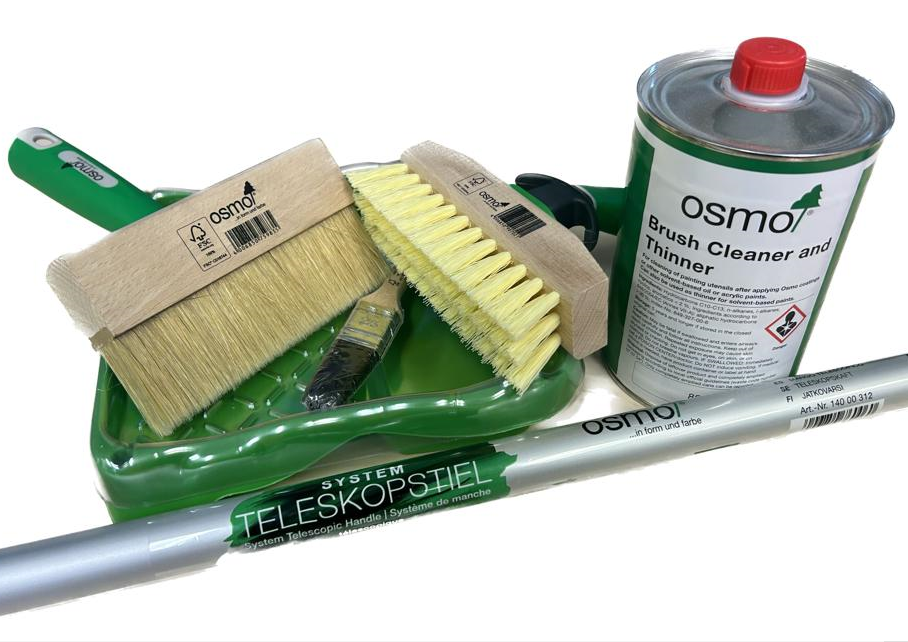
Treatment Samples
-
-
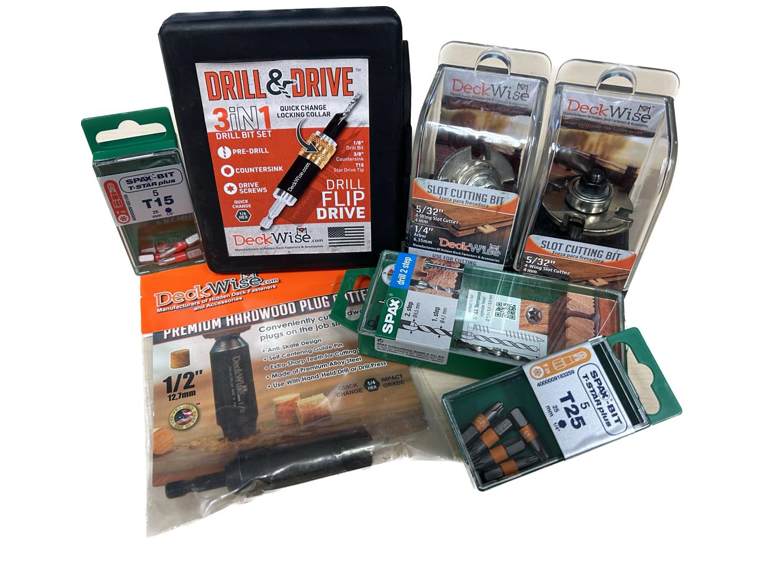
Brushes & Application Tools
-
-
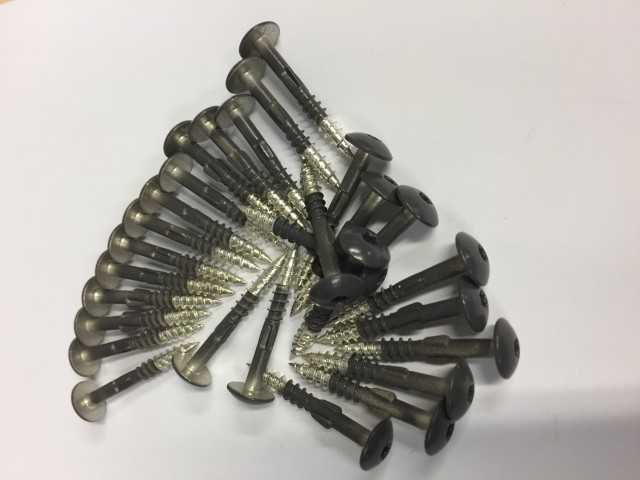
Drive Bits Router Bits & Plug Cutters
-
-
Cedral Accessories
-
- SAMPLES

Thermo-Ash vs Western Red Cedar Cladding: Which Is Better for Modern Homes?

by
Southgate Timber
May 20, 2026


When choosing premium timber cladding for a modern exterior project, two of the most popular options are Thermo-Ash and Western Red Cedar. Both are widely used across contemporary architectural builds thanks to their natural appearance, durability and suitability for exterior applications. However, while they may serve a similar purpose, they offer very different characteristics in terms of appearance, stability, maintenance and overall feel. Western Red Cedar has long been one of the most established timber cladding choices for residential projects thanks to its lightweight nature, warm tones and natural resistance to decay. Thermo-Ash has become increasingly popular in recent months for its clean contemporary appearance, exceptional stability and pre-oiled finish. So, which option is best for your project?
What Is Thermo-Ash Cladding?
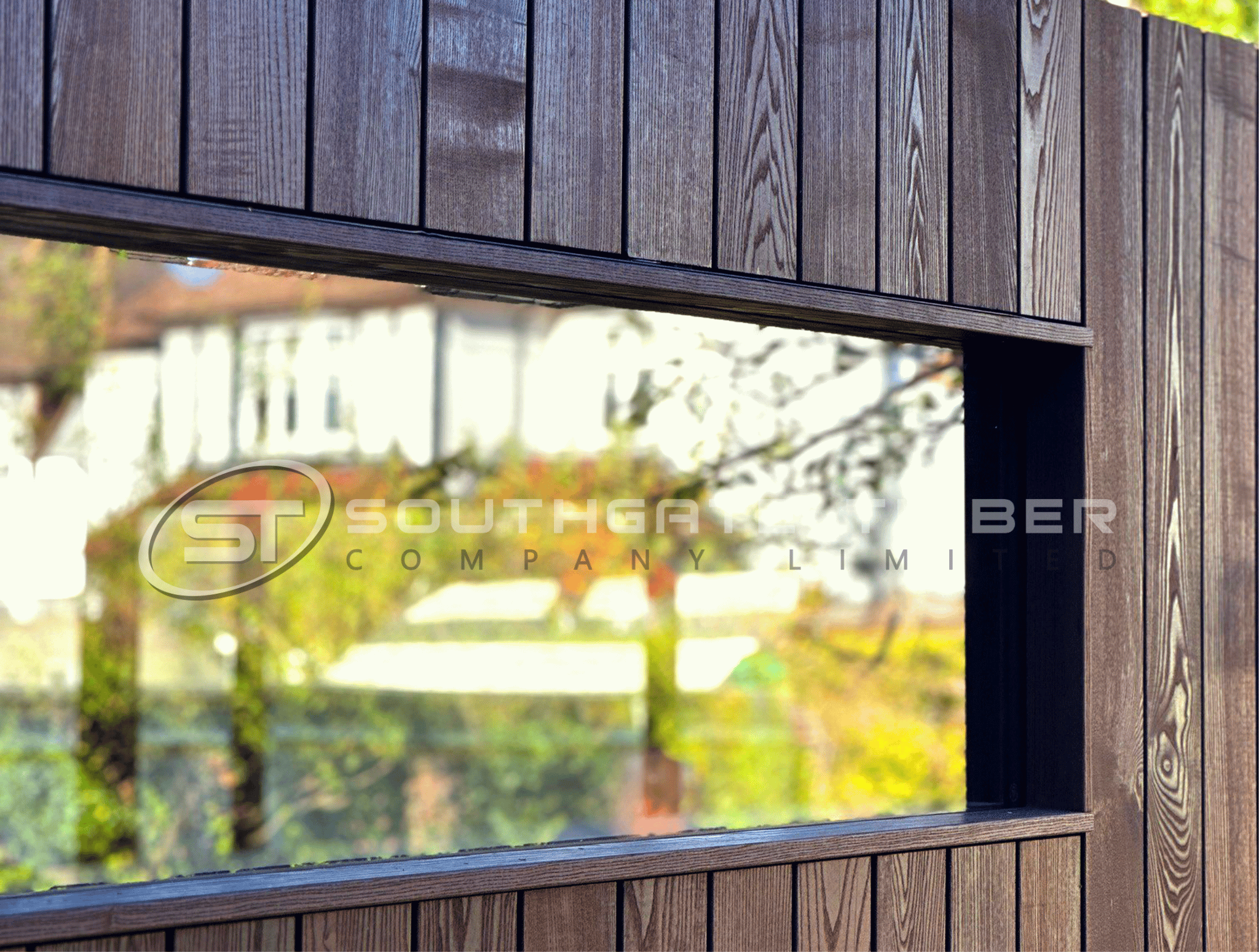
Thermo-Ash cladding is created using thermally modified ash timber. The thermal modification process uses heat and steam rather than chemicals to improve stability, reduce moisture absorption and increase durability for exterior use. One of the biggest advantages of Thermory Benchmark Thermo-Ash cladding is that it arrives pre-oiled, helping provide a rich consistent finish straight away while reducing the need for immediate on-site treatment. The thermally modified structure also helps minimise twisting, swelling and movement over time compared to many traditional timber cladding materials.
Southgate Timber stocks a range of Thermory Benchmark Thermo Ash cladding profiles including:
- 20 x 132mm C34 Hidden Fix Vertical cladding
- 20 x 132mm C6 Hidden Fix Horizontal cladding
- Rhombus Internal profiles
The hidden fix installation system helps create a cleaner screw-free finish which is especially popular on modern architectural projects.
What Is Western Red Cedar Cladding?
Western Red Cedar is a naturally durable softwood known for its warm reddish tones, lightweight structure and traditional natural timber character. It has remained one of the most popular premium timber cladding materials in the UK for many years. Unlike Thermo-Ash, Western Red Cedar is not thermally modified. Instead, its natural oils and extractives help provide resistance against moisture and decay in exterior environments.
Southgate Timber stocks a wide range of Western Red Cedar cladding profiles suitable for both traditional and modern exterior designs, including:
- 17 x 94mm T.G.V. ST0
- 18 x 144mm Channel Groove ST6 Vertical
- 18 x 144mm Channel Groove ST10 Horizontal
- 18 x 144mm T.G.V. ST1
- Slatted P.A.R battens
Western Red Cedar is particularly popular for projects looking to achieve a softer natural appearance with visible grain variation and warm colour tones.
Appearance and Style
One of the biggest differences between Thermo-Ash and Western Red Cedar is appearance.
Thermo-Ash typically offers a cleaner, more refined contemporary appearance. The timber is knot-free with a more uniform grain pattern, making it especially popular on minimalist architectural homes, garden rooms and modern extensions. The pre-oiled finish also gives Thermo-Ash a rich premium appearance immediately after installation.
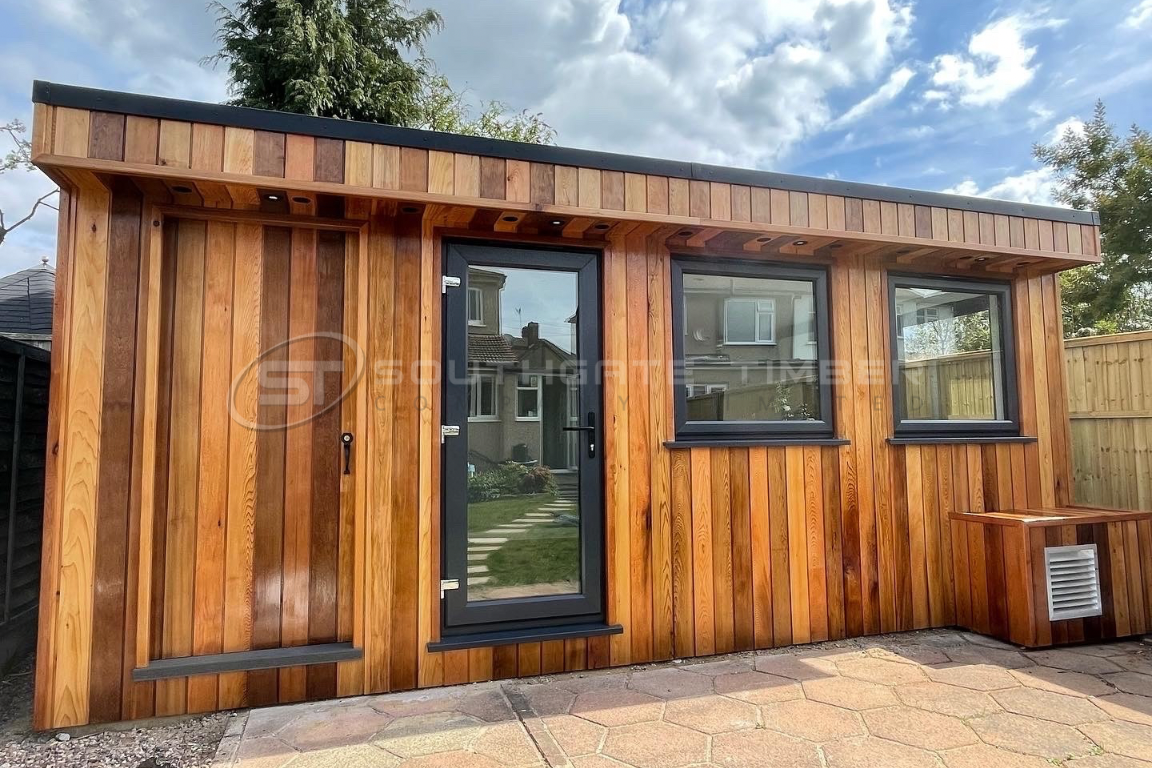
Western Red Cedar creates a softer and more natural visual style. Its visible grain variation, knots and warmer colour variation often suit projects aiming for a more organic or traditional timber appearance. Cedar can work beautifully on both contemporary and classic exterior designs.
Stability and Movement
Thermo-Ash generally performs better in terms of dimensional stability. Because the timber has been thermally modified, it absorbs less moisture and is less prone to expansion, contraction and movement over time. This makes it particularly beneficial for projects requiring very clean consistent shadow lines and modern detailing.
Western Red Cedar still performs very well externally, but as a natural softwood it can experience slightly more movement depending on weather exposure and installation conditions.
Maintenance Requirements
Both cladding materials can naturally weather to a silver-grey finish over time if left untreated. However, maintenance expectations are slightly different.
Thermory Benchmark Thermo-Ash arrives pre-oiled which helps maintain its rich brown appearance from installation. To help preserve colour over time, many homeowners choose to periodically apply maintenance treatments depending on exposure levels and desired appearance. We recommend topping up with the Thermory Oil Dark.
Western Red Cedar can also be treated to help preserve its original tones. Without treatment, cedar typically fades into a softer natural silver-grey patina. Southgate Timber stocks a range of treatment products suitable for cedar cladding maintenance, the most popular choice being the Osmo 420 Clear UV Protection oil. This enhances the timbers natural hues while also providing a layer of UV protection. Another common choice to treat cedar cladding with is the Owatrol Aquadeck – Honey, to bring out a more amber finish to the timber.
Using suitable stainless steel fixings is also extremely important for long-term low maintenance performance, helping reduce staining and corrosion issues over time.
Hidden Fix Systems and Installation
Both materials can create extremely clean modern installations, but Thermo-Ash often has an advantage when it comes to hidden fixing systems.
Thermory Thermo-Ash profiles are specifically designed for hidden fix installation using dedicated cladding clips. This creates a screw-free appearance which is increasingly popular on premium architectural projects.
Western Red Cedar can also be installed with the fixings hidden depending on profile selection, although face fixing remains common on many cedar installations.
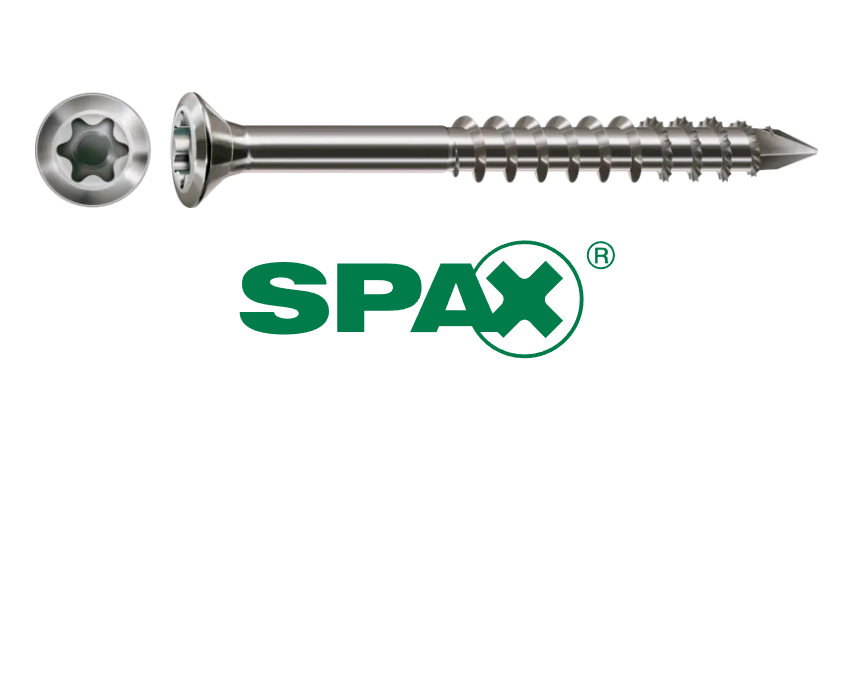
Correct batten spacing, ventilation gaps and proper stainless steel fixings like the Spax Stainless Steel Façade Screws remain essential regardless of the timber chosen.
Sustainability
Both Thermo-Ash and Western Red Cedar can be responsibly sourced timber options when purchased through reputable suppliers.
Thermo-Ash benefits from a chemical-free thermal modification process while helping extend the lifespan and performance of the timber.
Western Red Cedar is valued for its natural durability and long service life, while Southgate Timber’s Western Red Cedar stock is PEFC certified, supporting responsibly sourced timber from sustainably managed forests.
Cost Comparison
Western Red Cedar is often seen as the more traditional premium cladding option, while Thermo-Ash generally sits at the higher end of the market due to the thermal modification process, enhanced stability and pre-oiled finish.
Which Cladding Is Best for Your Project?
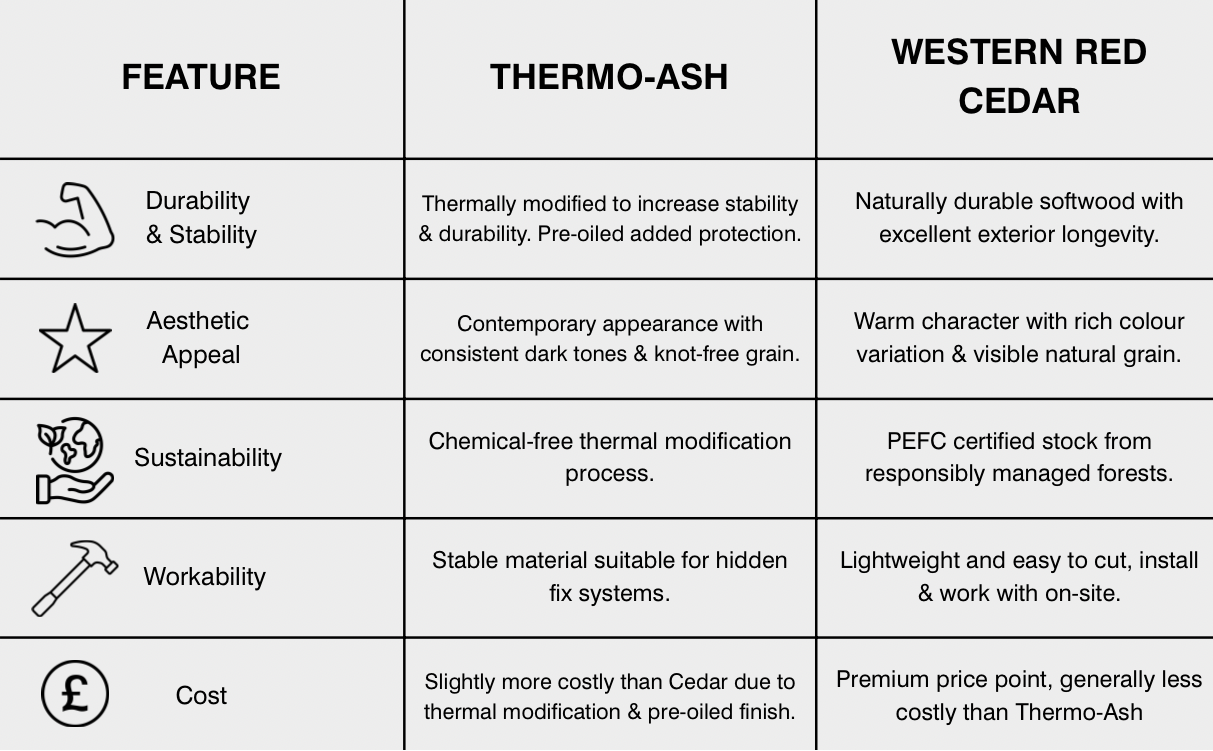
Both timber cladding materials are capable of creating beautiful long-lasting exterior designs.
FAQs
Does Thermo-Ash cladding require less maintenance than Western Red Cedar?
Thermo-Ash generally offers improved stability due to the thermal modification process, while the pre-oiled finish also helps provide protection from installation. However, both materials benefit from periodic maintenance if you wish to preserve their original colour.
Can both cladding types be left untreated?
Yes. Both Thermo-Ash and Western Red Cedar can naturally weather to a silver-grey finish over time if left untreated.
Which cladding is better for modern architecture?
Thermo-Ash is often preferred for ultra-modern projects thanks to its knot-free appearance, stability and hidden fix systems. Western Red Cedar is often chosen for projects wanting a warmer and more natural timber appearance.
What fixings should be used for timber cladding?
Stainless steel fixings are strongly recommended for exterior timber cladding to help reduce staining, corrosion and long-term maintenance issues.

General


