- TEL : 01277 890 783
- EMAIL : sales@southgatetimber.co.uk
- Collections Monday to Friday 9:00 - 16:00


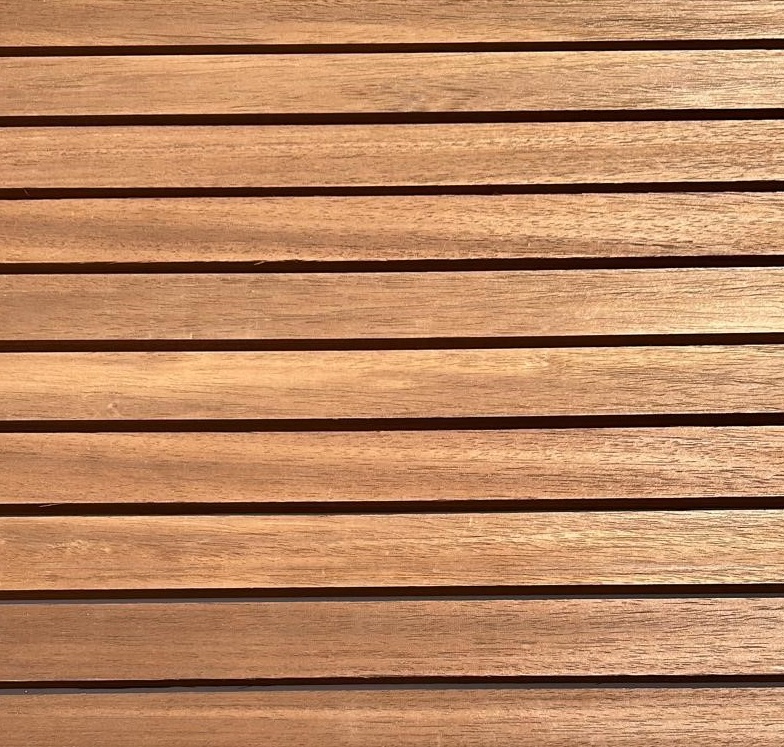


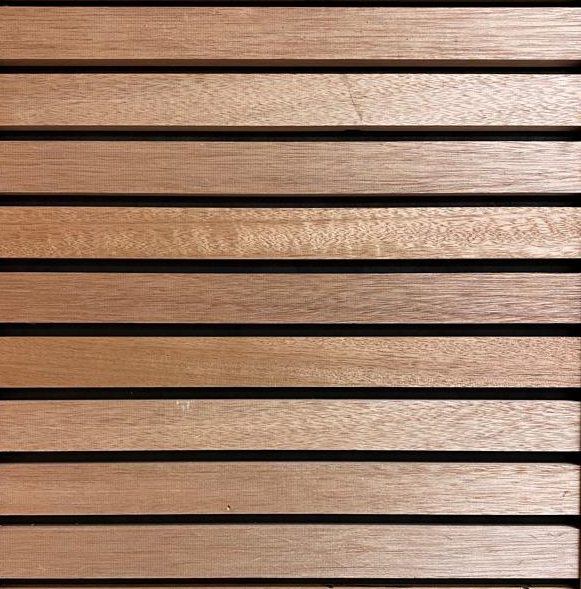


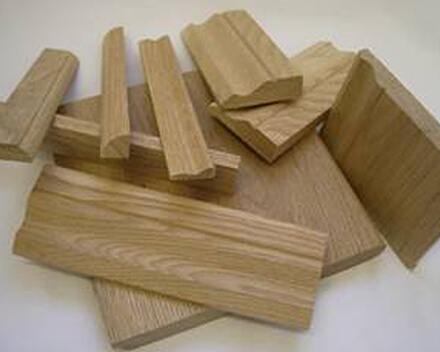
 Profiles
 Fast and friendly delivery service
 Samples available
 Click & Collect



-
-
-
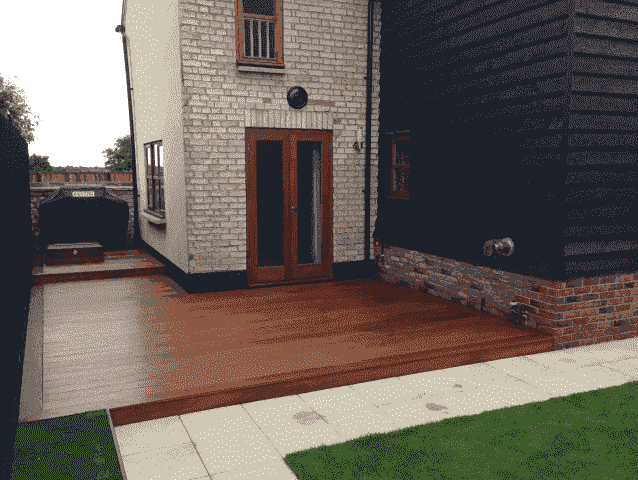
IPE Hardwood Decking ***FSC®***
-
-
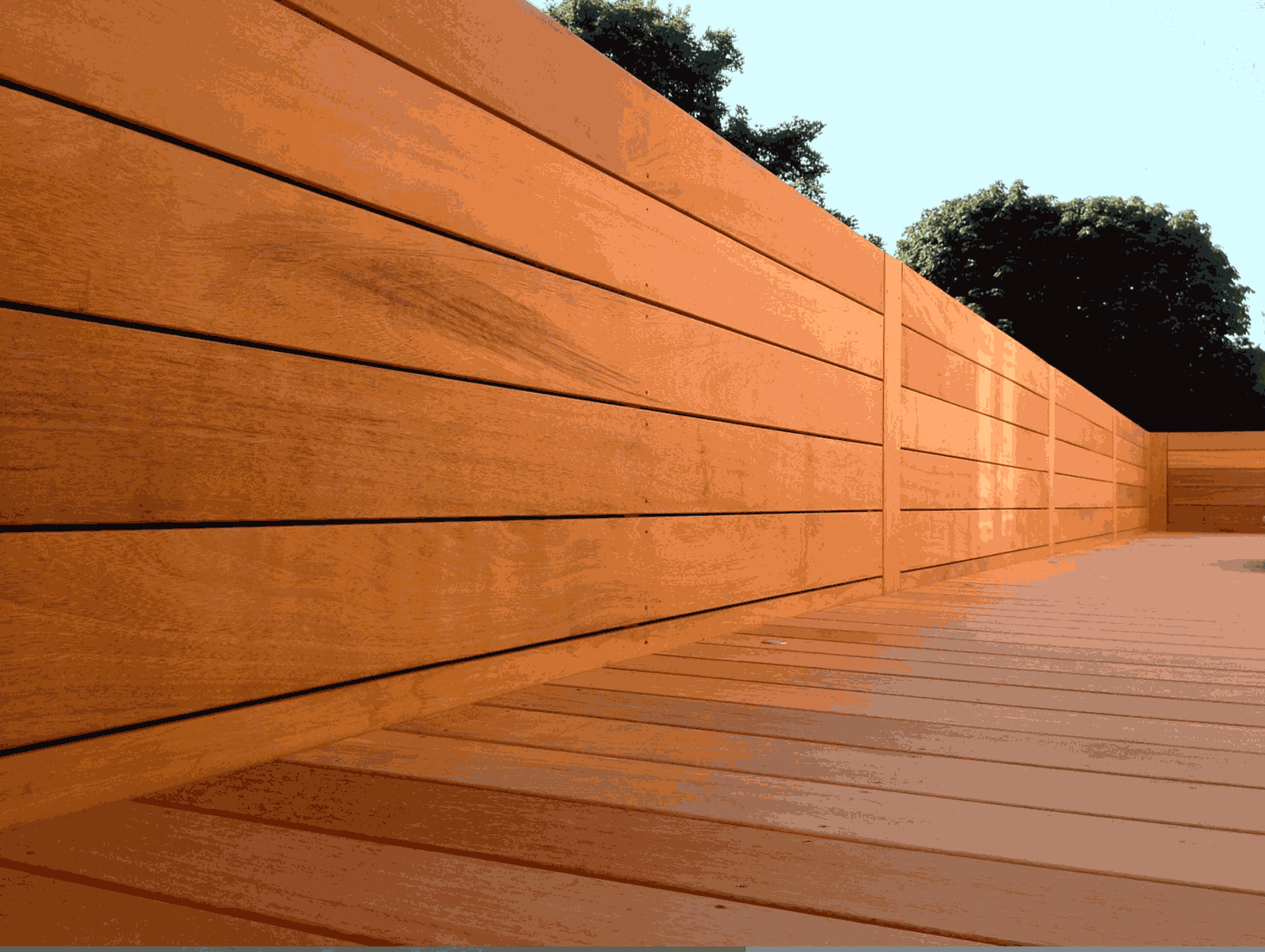
Iroko Hardwood Decking
-
-
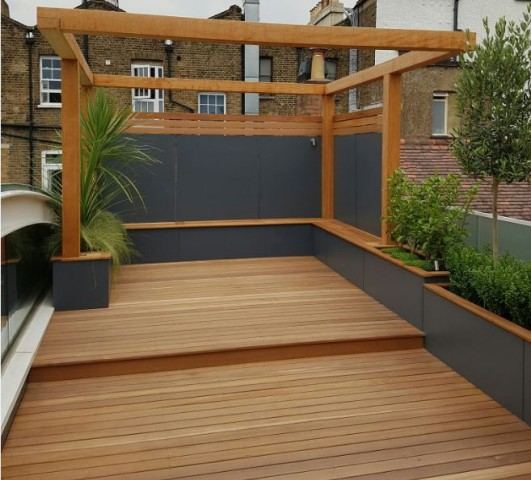
Yellow Balau Hardwood Decking ***FSC®*** & SVLK
-
-
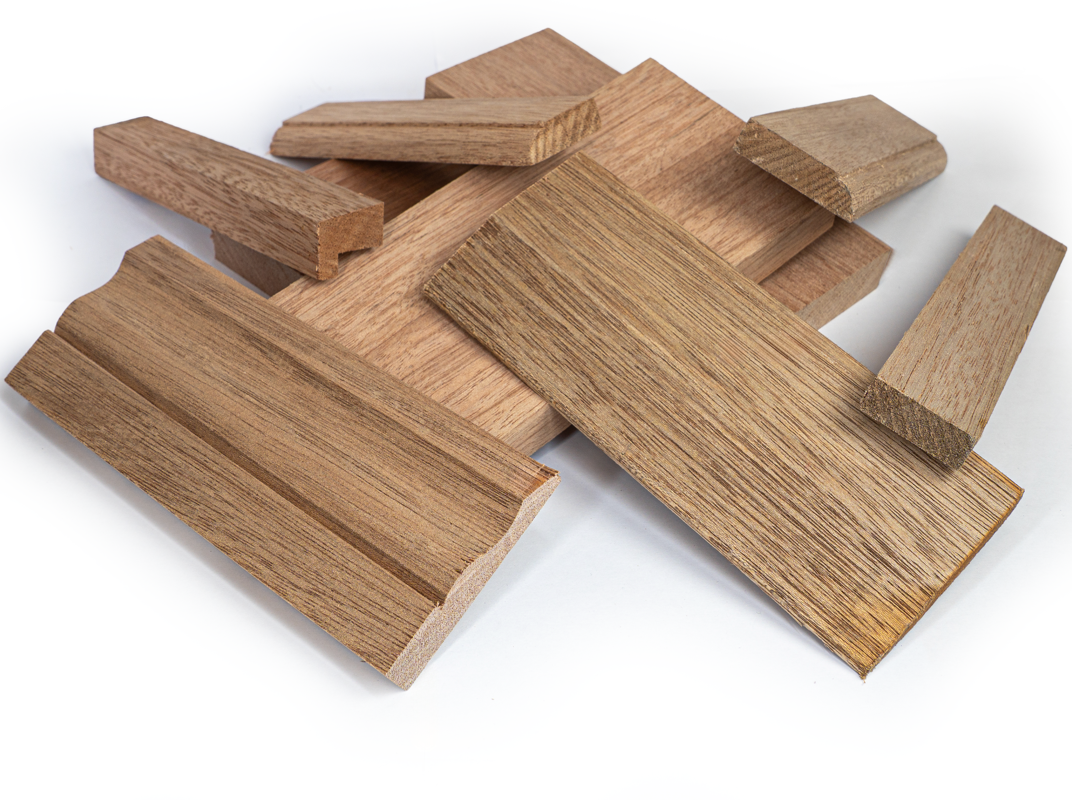
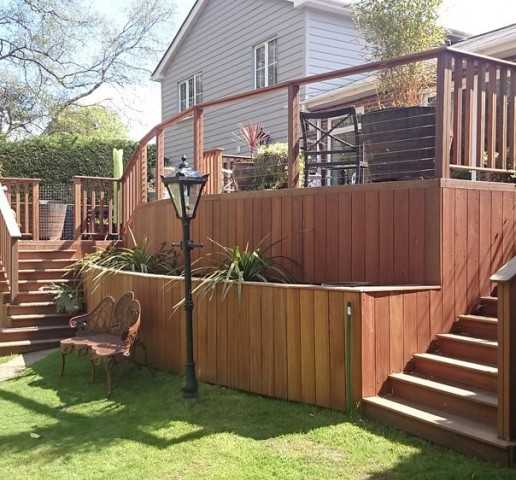
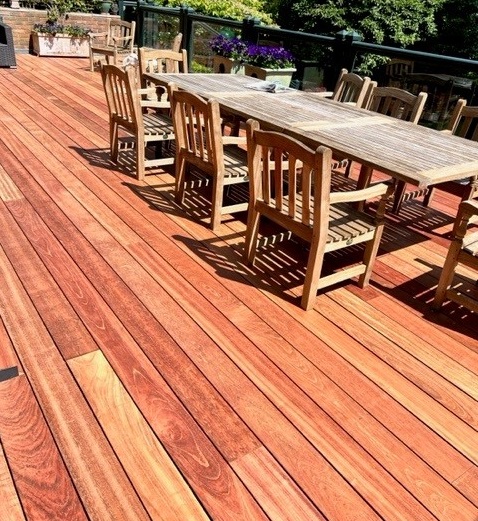
Yellow Balau Hardwood Components SVLK
-
-
Jatoba Hardwood Decking ***FSC®***
-

-
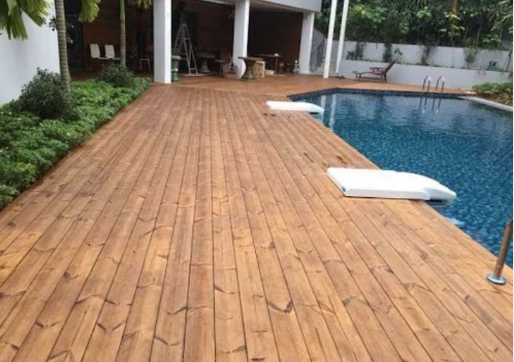
Thermory Benchmark Thermo-Ash Decking
-
-
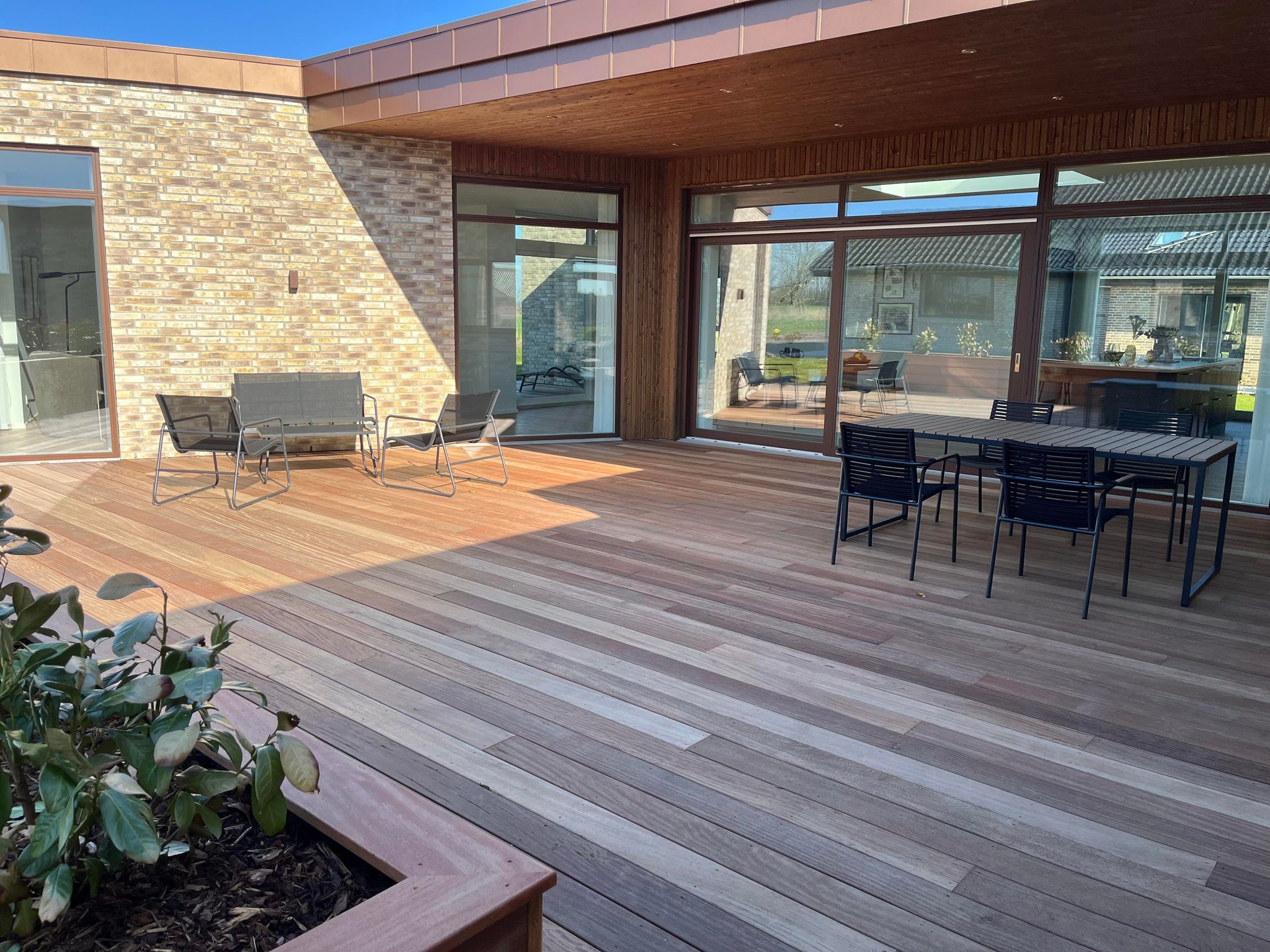
Thermowood Pine Decking PEFC
-
-
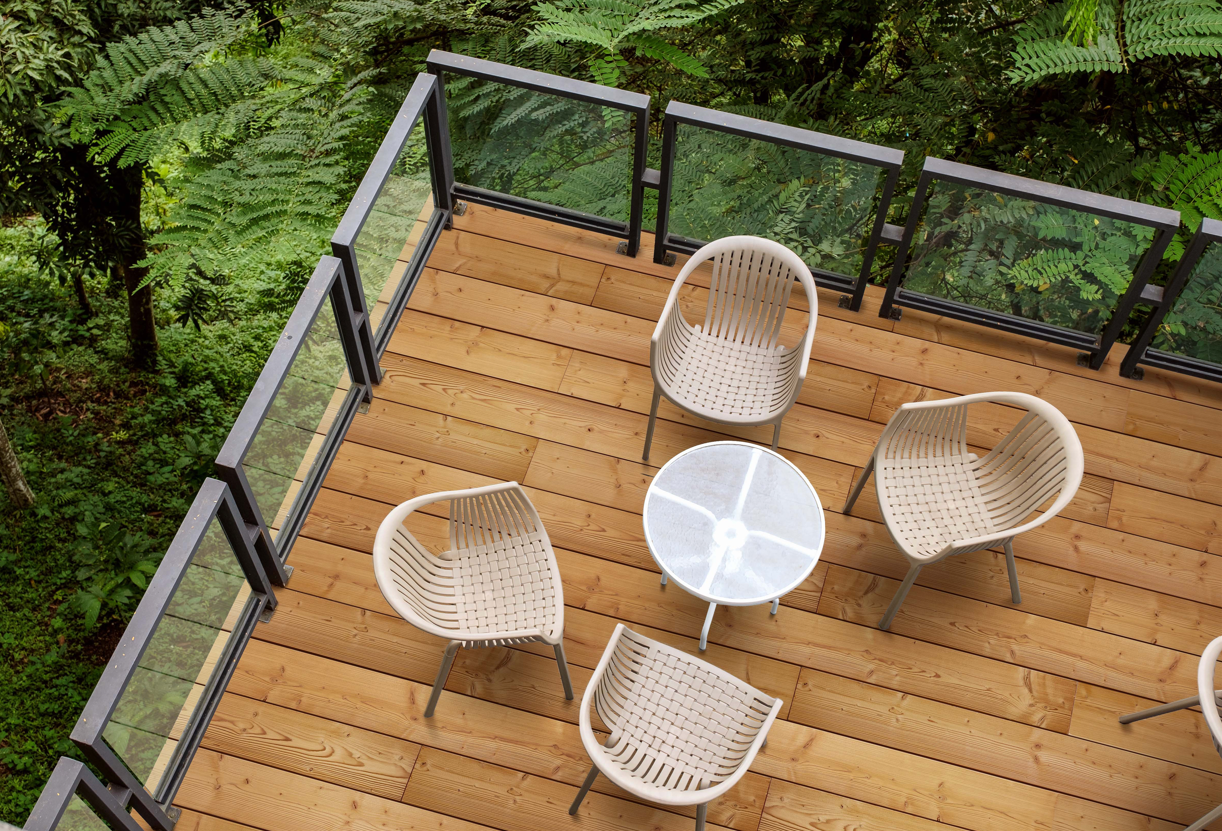
Tali Hardwood Decking ***FSC®***
-
-
Thermory Spruce Decking PEFC
-
-
-
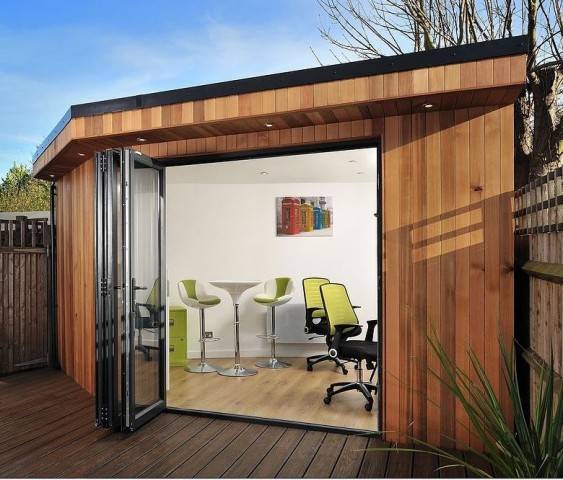
-
Western Red Cedar Cladding PEFC
-
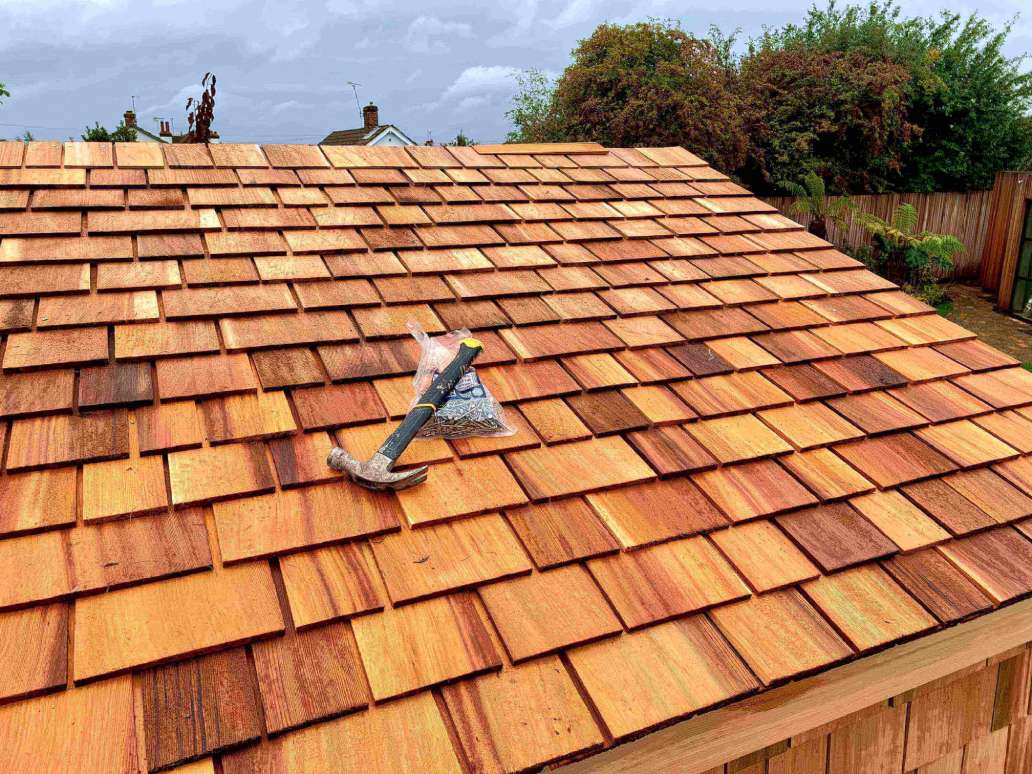
-
Cedar Shingles & Ridge Tiles PEFC
-
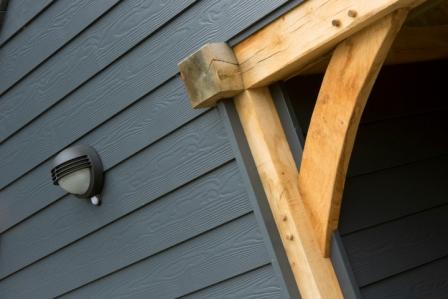
-
Cedral Cement Board Cladding
-
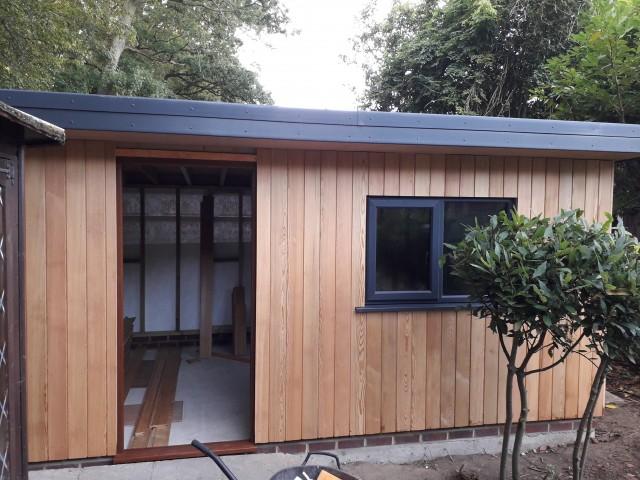
-
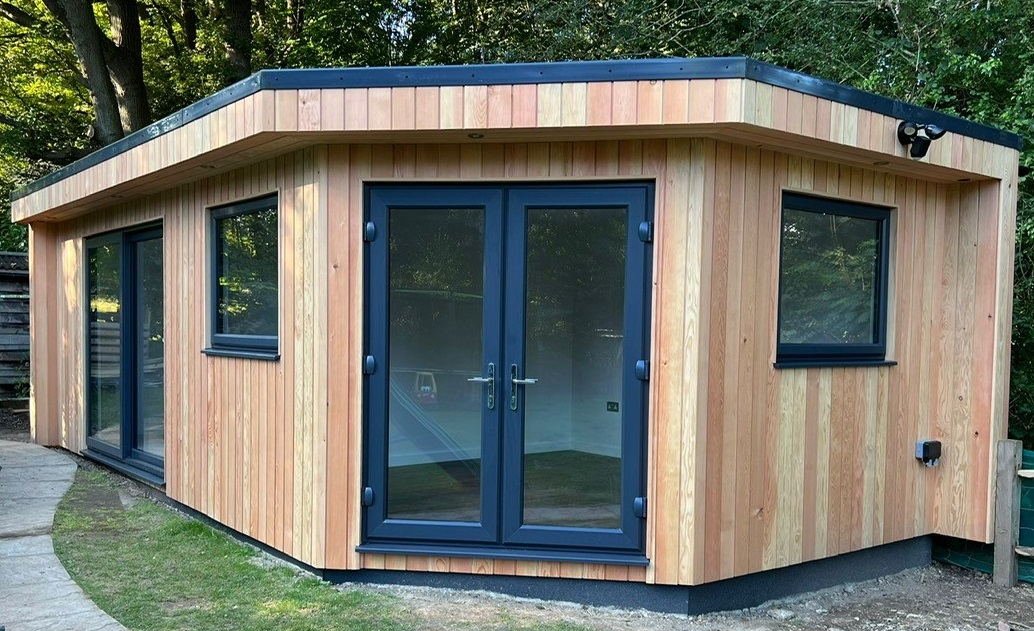
Larch Cladding ***FSC®*** & PEFC
-
-
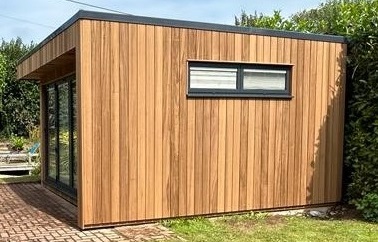
Douglas Fir Cladding PEFC
-
-
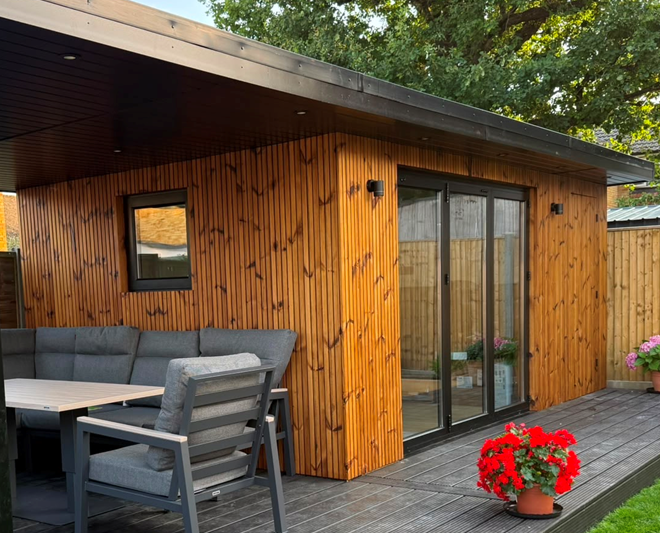
Thermo Ayous Cladding
-
-
Thermowood Pine Cladding PEFC
-
.jpg)
-
Black Cladding PEFC
-

-
Far Eastern Hardwood Cladding PEFC & SVLK
-

-
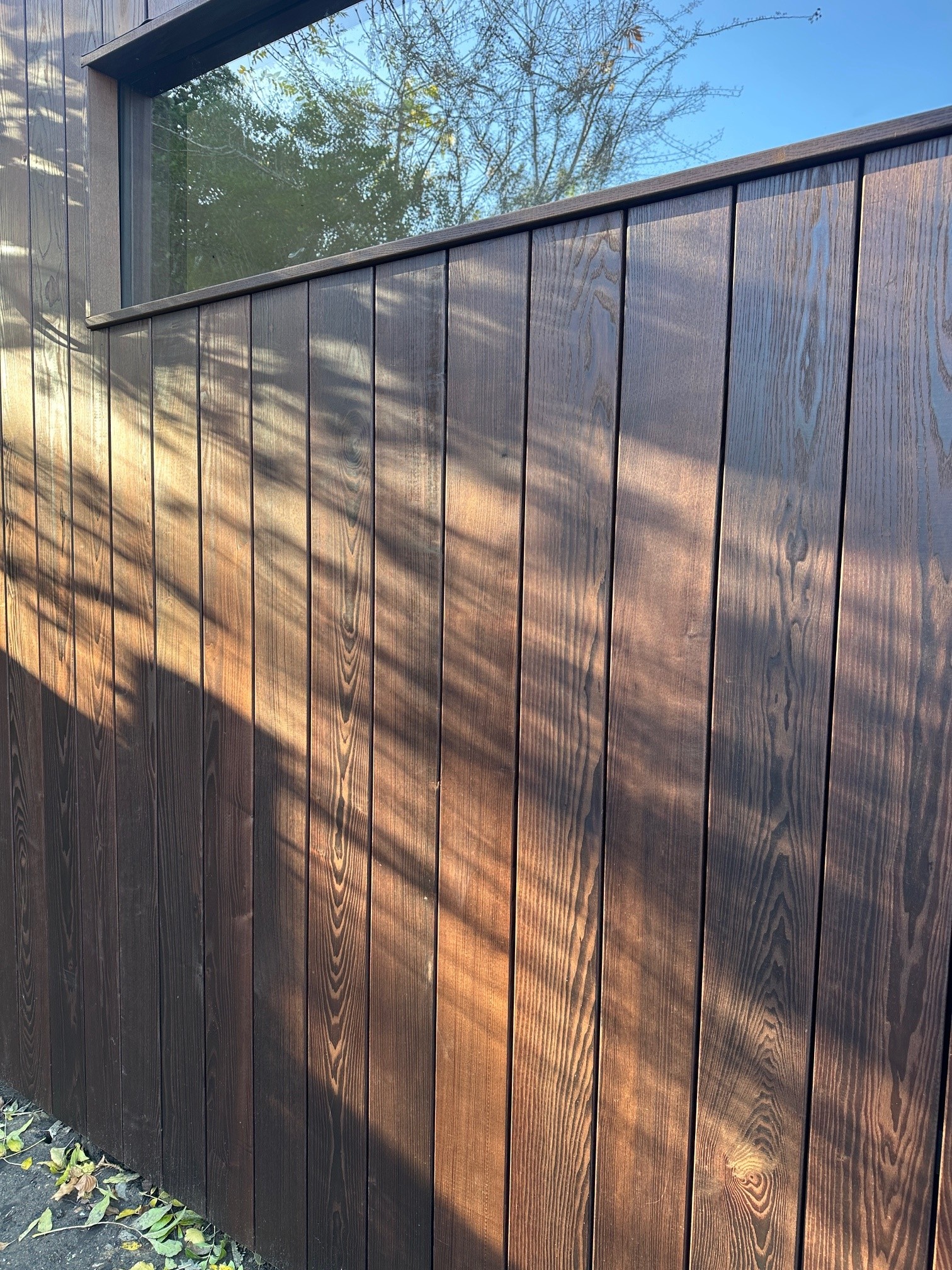
Thermory Radiata Pine Cladding ***FSC®***
-
-
Thermory Thermo-Ash Cladding
-

-
Thermory Thermo-Ash Decor Rhomb Tiles Internal
-
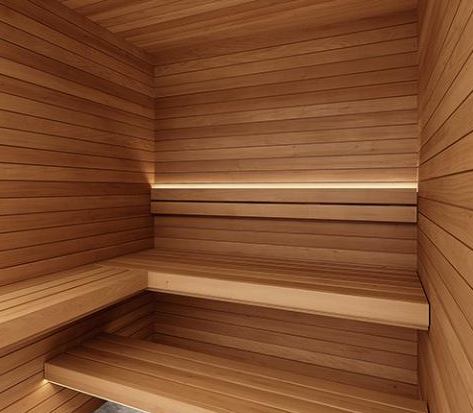
- SAUNA
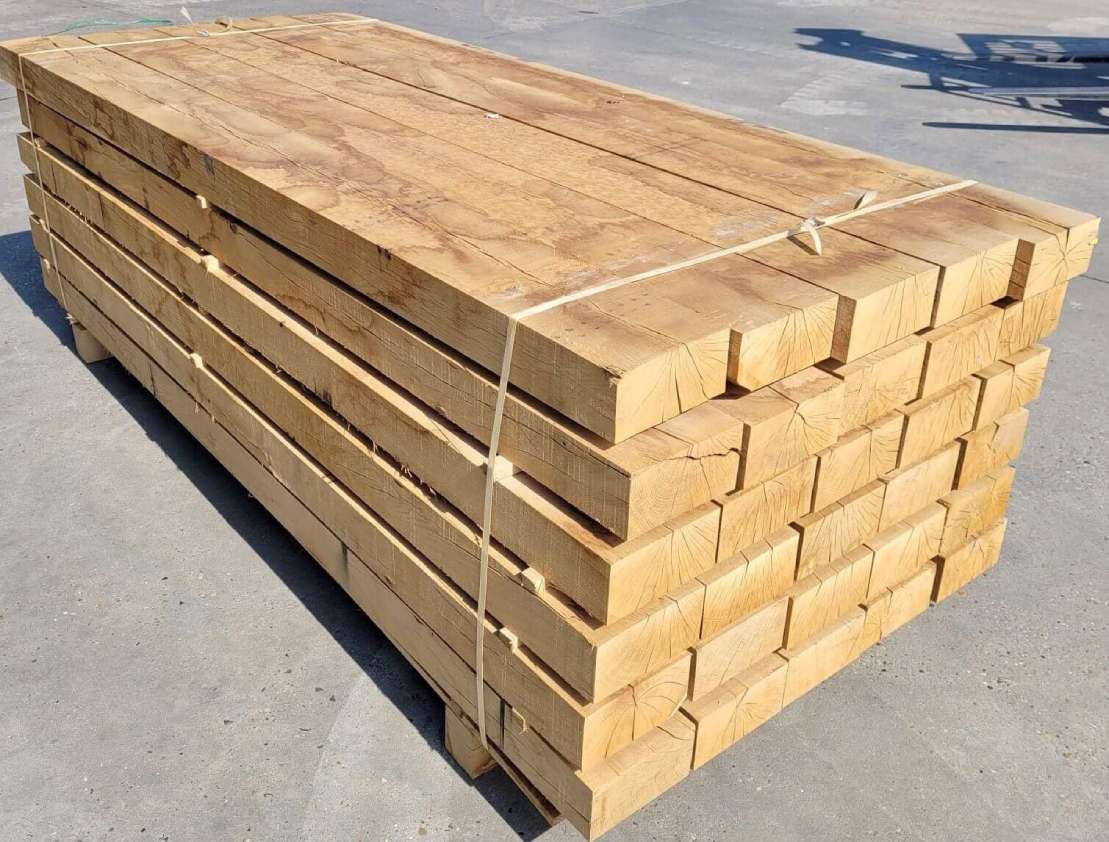
- SLEEPERS
-
-
-
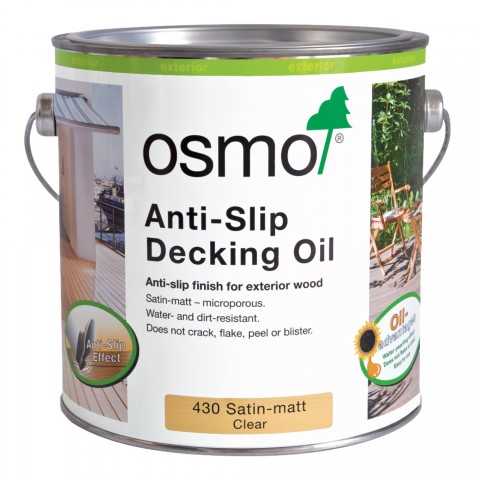
Osmo Treatment & Accessories
-
-
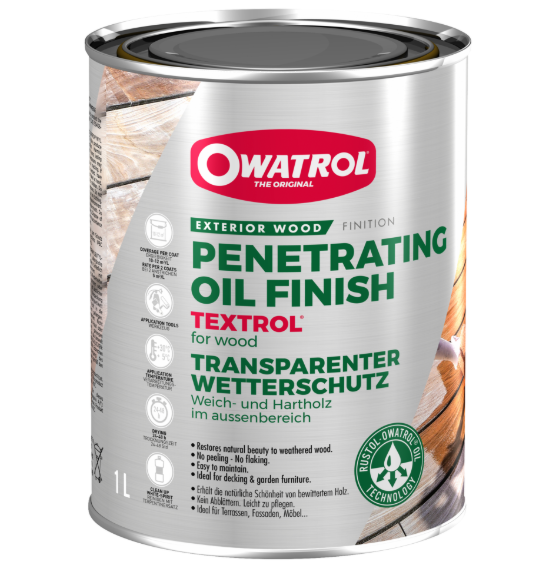
Owatrol Treatment & Accessories
-

-
Thermory Treatment & Fixings
-
-
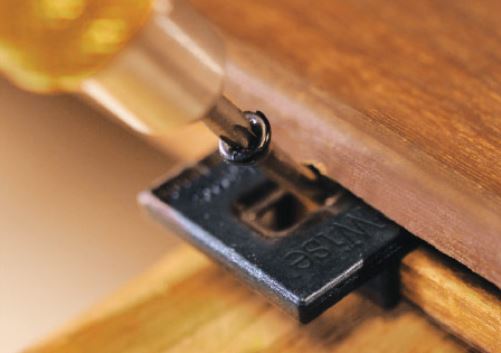
Deckwise Hidden Fixings & Accessories
-
-
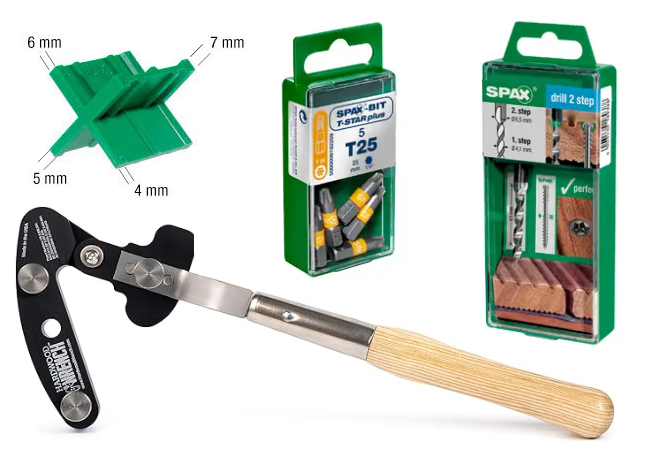
Decking Accessories
-

-
Spax Specialist Decking Screws
-

-
Spax Stainless Steel Facade Screws
-

-
Spax Construction Screws
-

-
Stainless Steel Nails
-
-
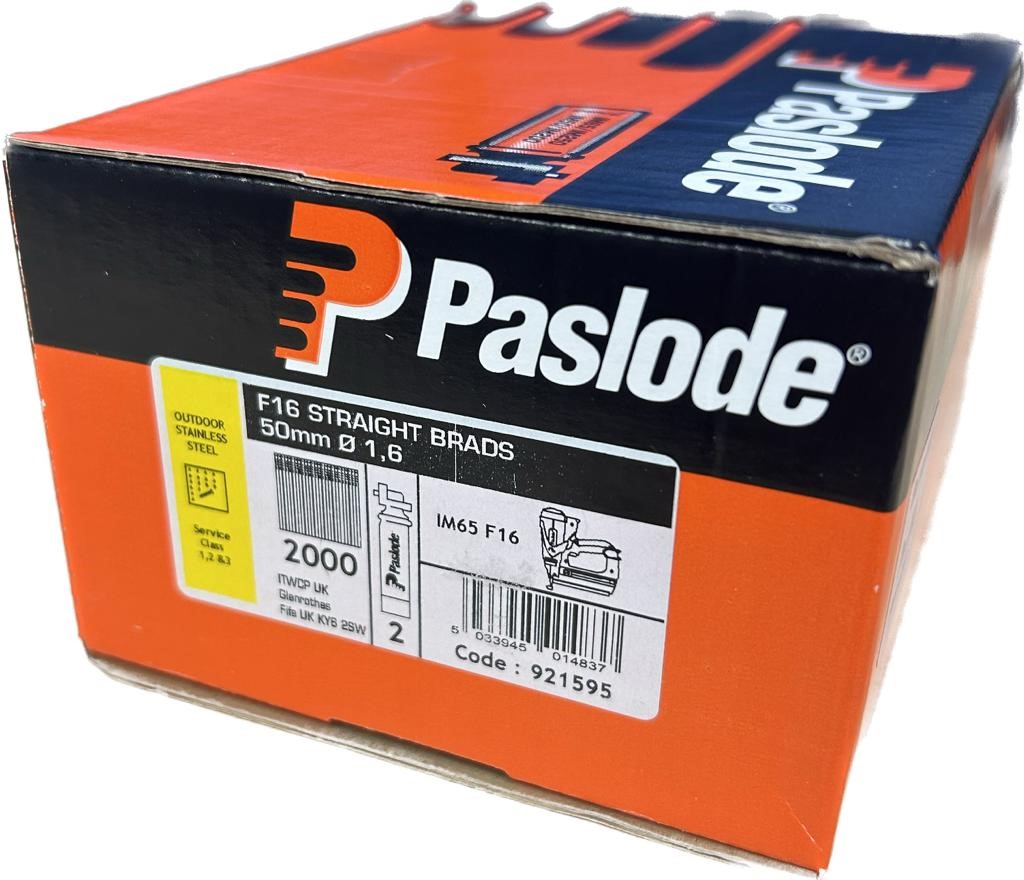
Paslode Stainless Steel Brads
-
-
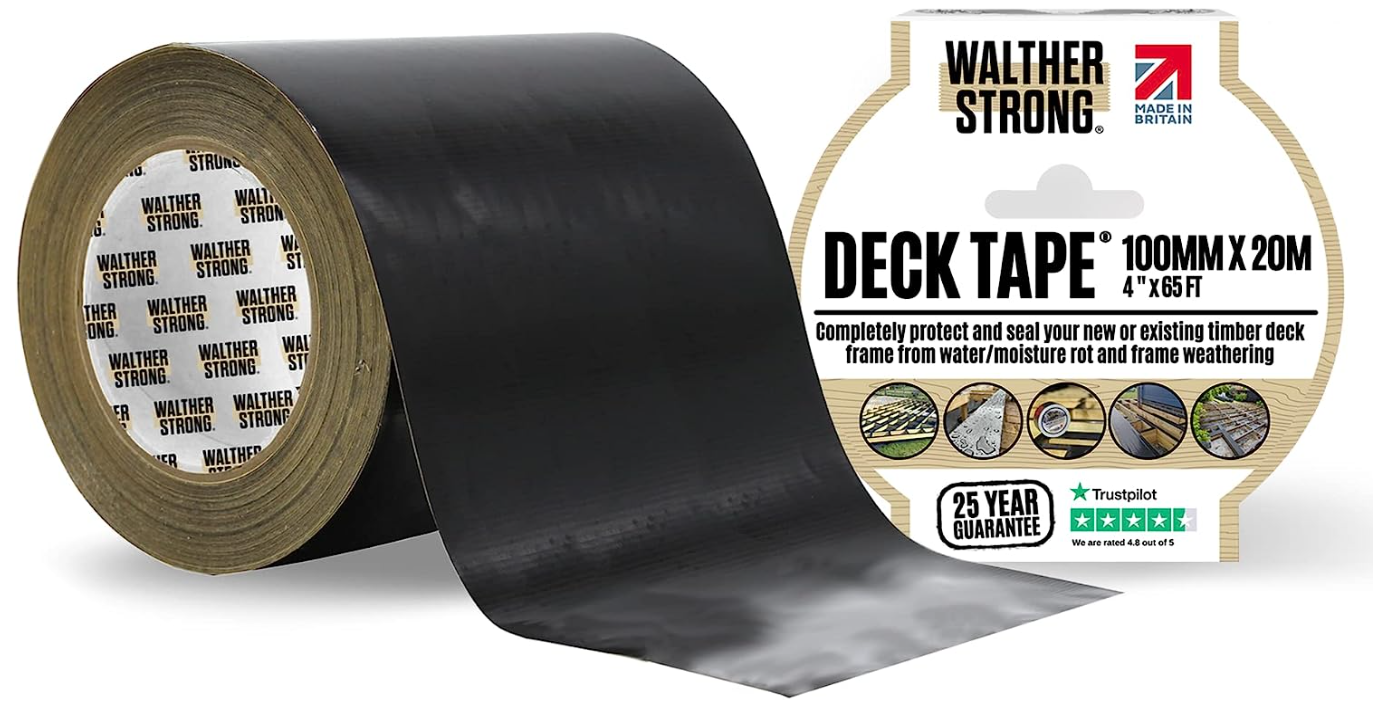
Walther Strong Deck Tape
-
-
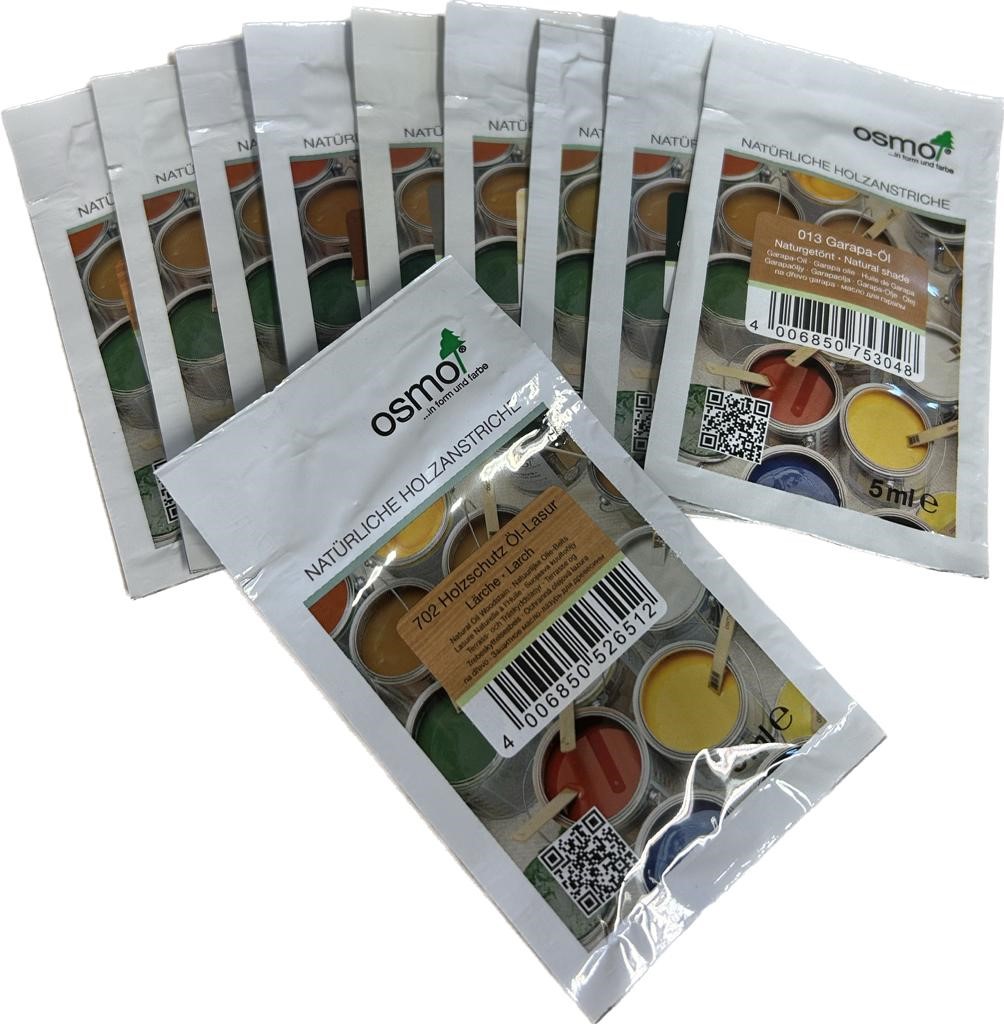
Treatment Samples
-
-
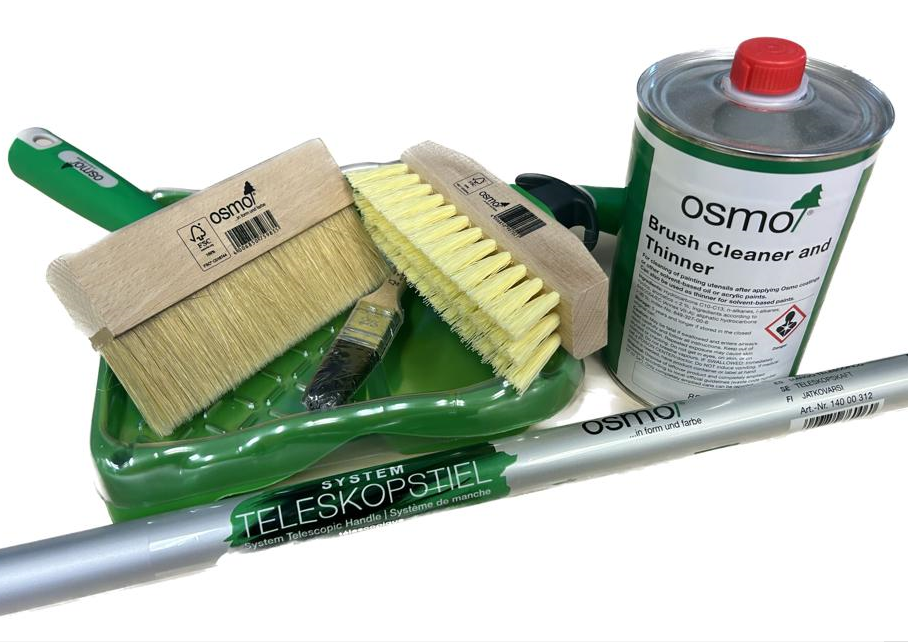
Brushes & Application Tools
-

-
Drive Bits Router Bits & Plug Cutters
-
-
Cedral Accessories
-
- SAMPLES

How to Maintain Timber Cladding, Decking & Fencing in the UK Climate

by
Southgate Timber
March 24, 2026
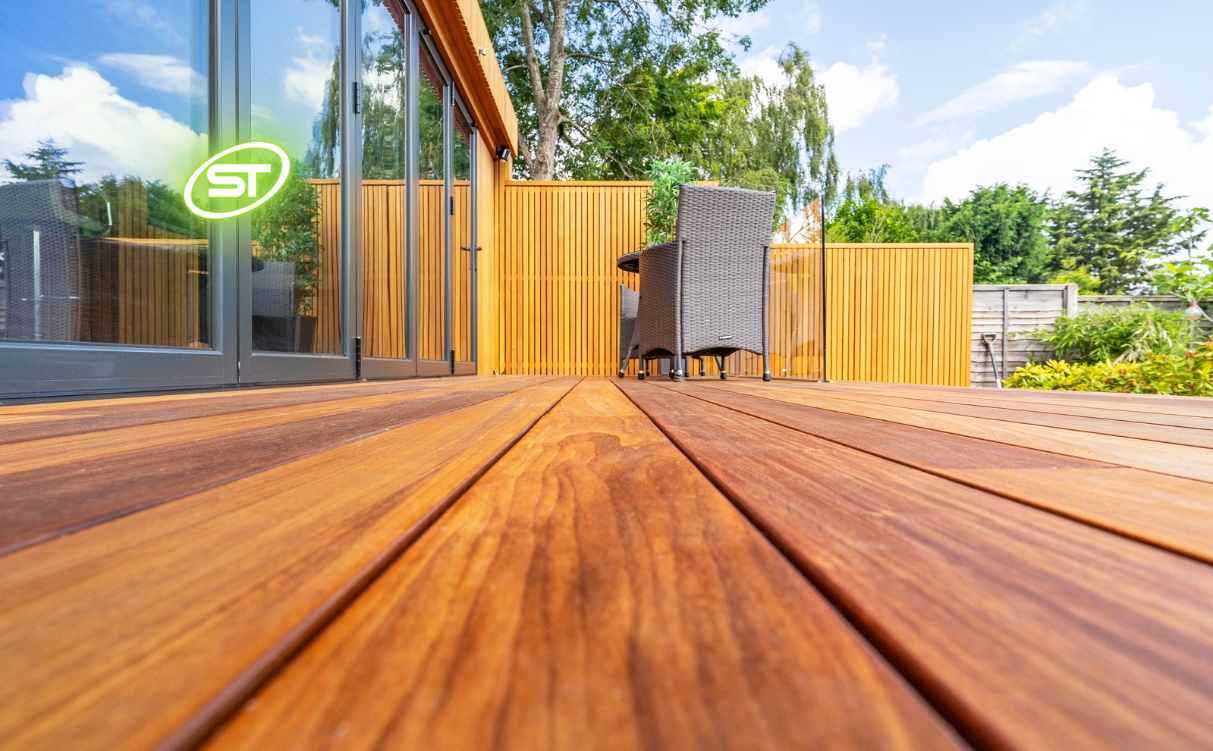


As we move into the warmer months in the UK, now is the perfect time to give your outdoor timber some attention. After months of rain, frost and damp conditions, outdoor timber can begin to show signs of weathering, but with the right maintenance, it can look as good as new for years to come. Understanding how to properly maintain timber is key to getting the most out of your investment.
Do All Timber Products Need Maintenance
Not all timber requires the same level of maintenance. It largely depends on the species and how it has been treated. Some premium timbers like Western Red Cedar, or hardwoods like Ipe, are naturally durable and may require less frequent maintenance compared to other alternatives. Some modern products, such as Thermo-Ash, are supplied pre-oiled and so designed to reduce maintenance from the outset and help you achieve a consistent, longlasting finish with minimal effort.
Can You Leave Timber Untreated
Yes, many timbers can be left untreated if you prefer a natural look. Over time, timber will weather to a silver-grey finish due to UV exposure. This does not affect structural performance but will change the appearance. For some, this is a desired aesthetic. For others, maintaining the original colour is important, in which case oiling is recommended. Southgate Timber stocks a range of high-quality treatment products, including Owatrol and Osmo, designed to help protect timber and enhance its natural finish.
How to Maintain Timber Cladding & Fencing
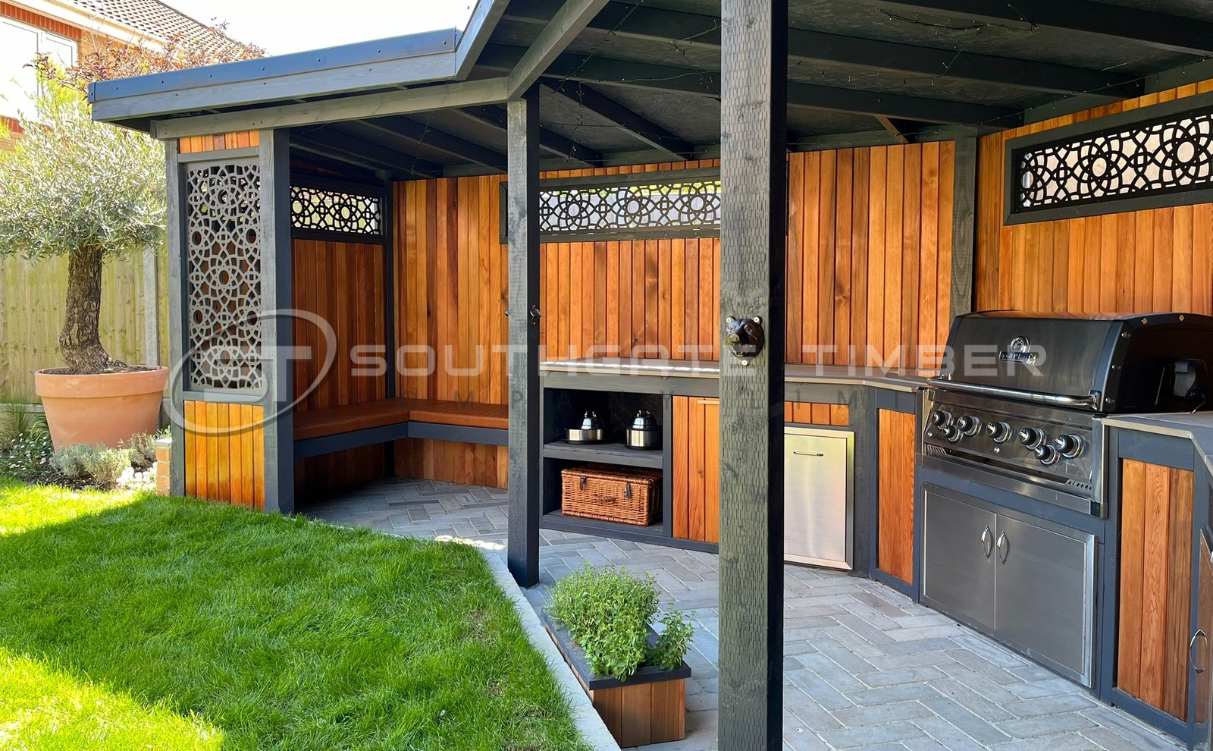
Timber cladding is relatively low maintenance but still benefits from occasional care to keep it performing and looking its best. While timber cladding and fencing are both vertical applications and can be treated using similar products, fencing is typically more exposed to the elements and may require more regular maintenance depending on its location.
Cleaning
Over time, dirt, algae and organic build up can accumulate on the surface. A gentle clean using warm soapy water and a soft brush is usually sufficient. You can also use Osmo Wood Reviver Gel to remove surface greying, dirt and stains.
UV Exposure
Sunlight will naturally affect timber colour. Without treatment, most timbers will gradually turn a silver-grey tone, which many homeowners prefer. When allowing Cedar cladding and fencing, or Larch cladding and fencing to weather, we recommend using the Osmo 4001WR Base Coat Clear as a base protection against rot and mildew.
Preserving Colour
If you prefer to maintain the original colour, applying a protective oil like the Osmo 420 Clear UV Protection Oil will help slow down UV fading and keep the timber looking fresh. When it comes to Thermo-Ash cladding, this product is supplied pre-oiled to start and we recommend a top up with the Thermory Oil Dark to maintain its rich, dark colour.
How to Maintain Timber Decking
Decking is exposed to more wear, so it typically requires a bit more regular attention.
Regular Cleaning
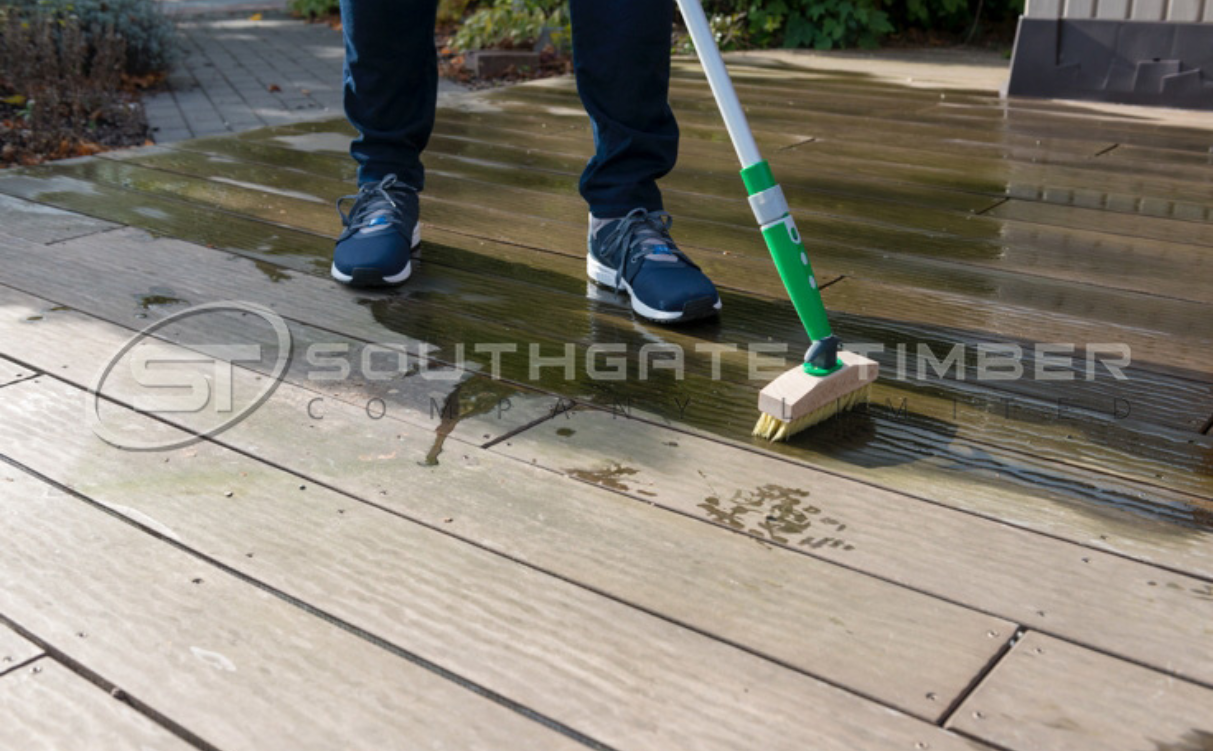
A pressure washer can be used to clean timber decking, but on a low pressure setting and with an orbital surface cleaner. For a deeper clean to restore greyed decking, a lot of people use the Owatrol Prepdeck to strip the timber back, followed by the Owatrol Net-Trol as a neutraliser. We recommend using the Osmo Decking Cleaning Brush to apply your deep cleaning products.
Oiling
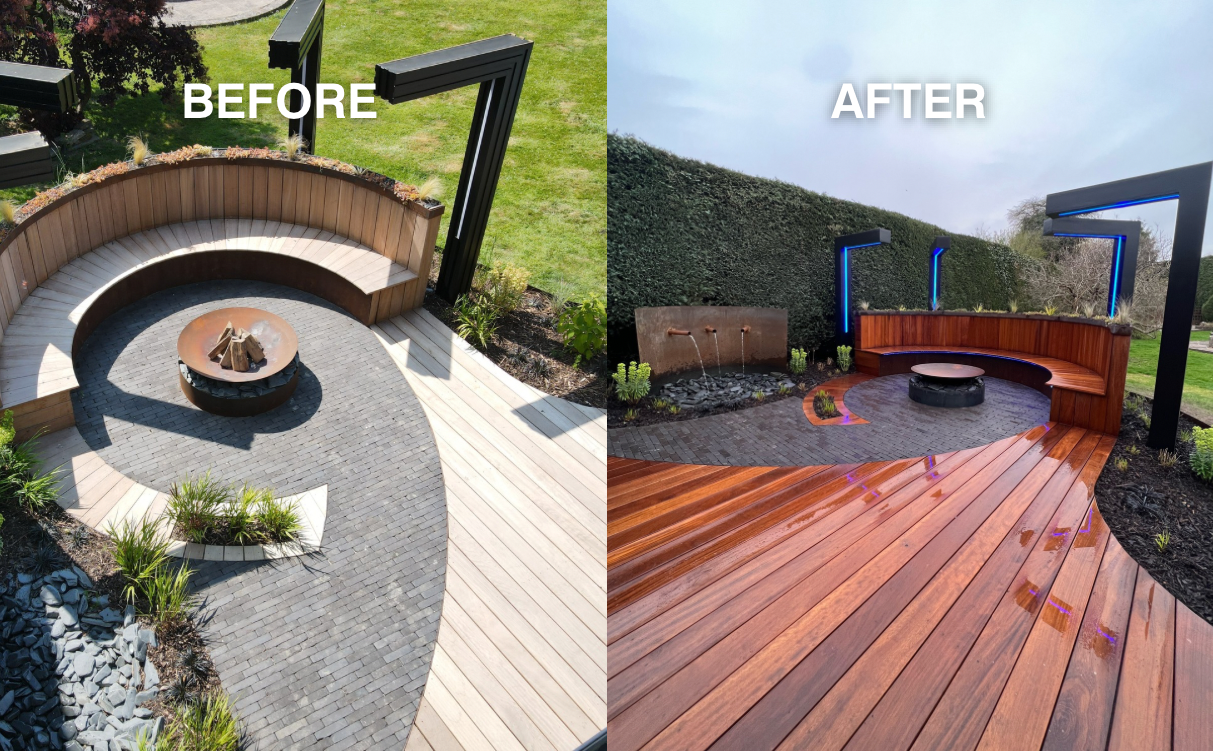
Like cladding and fencing, you can leave your decking to grey naturally, or you can apply an oil to either preserve its original colour or stain the decking to your preference. Popular choices include:
- Owatrol Textrol Clear – a traditional, multi-coat penetrating oil
- Owatrol Textrol HES Clear – a one-coat, high-solids saturating oil that provides enhanced UV protection.
- Owatrol Aquadecks Honey – protects against UV exposure and moisture while providing a warm natural tone.
For Thermo-Ash decking, the timber is supplied pre-oiled and Thermory Oil Dark can be used to top up its original colour.
How Often Should Timber Be Cleaned and Treated
The frequency of cleaning and treating timber will depend on the type of timber, how exposed it is, and how you want it to look over time.
As a general guide:
- We recommend decking should be cleaned regularly and treated around once a year, especially in high traffic areas
- Cladding typically requires less maintenance and can be treated every two to three years, or as needed
- Fencing can also be treated every two to three years, depending on how exposed it is to the elements
While these timeframes are a useful starting point, the best way to determine when your timber needs attention is by checking its condition.
Signs Your Timber Needs Cleaning or Treatment
Colour Fading
If the timber has lost its original colour or appears dull, this is often a sign that UV exposure has started to affect the surface. Treatment can help restore and protect the finish.
Surface Dryness
If the timber feels dry or rough to the touch, it may be losing its natural oils. Applying a treatment or performing a general clean can help improve both appearance and protection.
Water Absorption Test
A simple way to check is by sprinkling water onto the surface.
- If the water beads on top, the timber is still protected
- If the water soaks in quickly, it is likely time to clean and re-treat
Visible Weathering or Greying
If the timber has turned silver-grey, this is a natural result of UV exposure. While it does not affect performance, treatment will be needed if you want to restore the original colour.
Dirt, Algae or Staining
If the surface is holding dirt, algae or stains more easily, it may be time for a clean. In some cases, using a wood cleaner or reviver can help restore the surface before applying oil.
Top Tips to Extend the Lifespan of Timber
- Ensure good airflow behind cladding to prevent moisture build up
- Keep surfaces clean to avoid algae and organic growth
- Use the correct fixings to prevent staining and ensure longevity
- Apply treatment when regularly rather than waiting for visible deterioration
Proper installation and basic maintenance can significantly extend the life of your timber.
Why Spring Is the Best Time for Timber Maintenance
After winter, timber has typically been exposed to its harshest conditions, including moisture, frost and temperature changes. Spring offers drier weather for treatment application, warmer temperatures for better oil absorption, and an opportunity to prepare your outdoor space for summer.
FAQ’s
How often should decking be oiled?
Typically once a year, depending on usage and exposure to the elements.
Does Western Red Cedar need treatment?
Not necessarily. It can be left untreated to weather naturally, but treatment will help maintain its original colour.
Does timber fencing need treatment?
Timber fencing can be left untreated to weather naturally, but applying a protective oil can help maintain its colour and improve longevity, particularly in exposed areas.
Why does timber turn grey?
UV exposure breaks down the surface fibres, causing timber to develop a silver grey finish over time.

General