- TEL : 01277 890 783
- EMAIL : sales@southgatetimber.co.uk
- Collections Monday to Friday 9:00 - 16:00






 Profiles
 Fast and friendly delivery service
 Samples available
 Click & Collect



-
-
-
IPE Hardwood Decking ***FSC®***
-
-
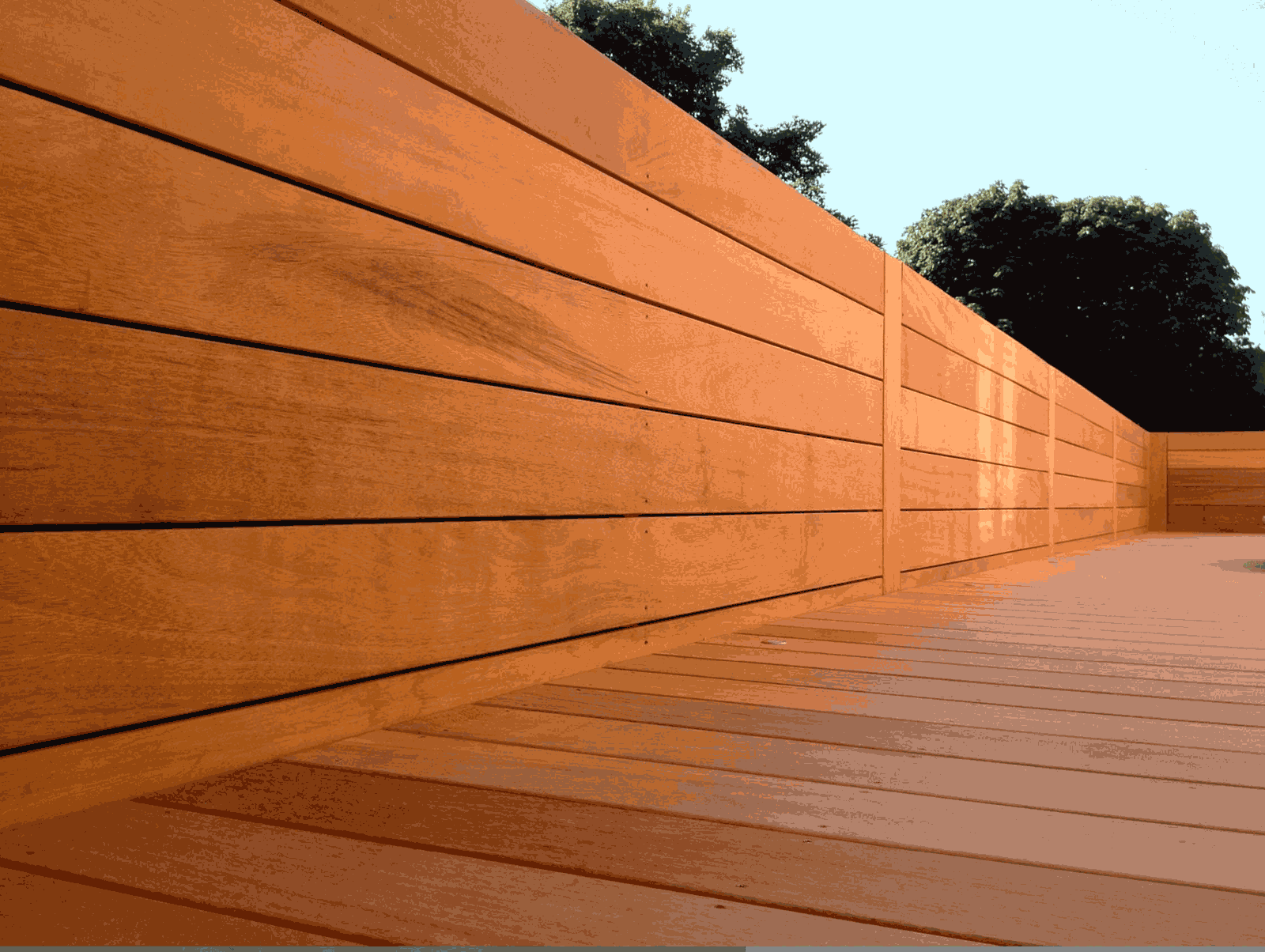
Iroko Hardwood Decking
-
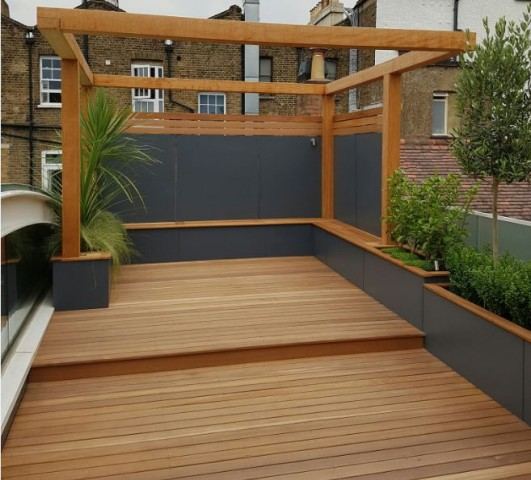
-
Yellow Balau Hardwood Decking ***FSC®*** & SVLK
-
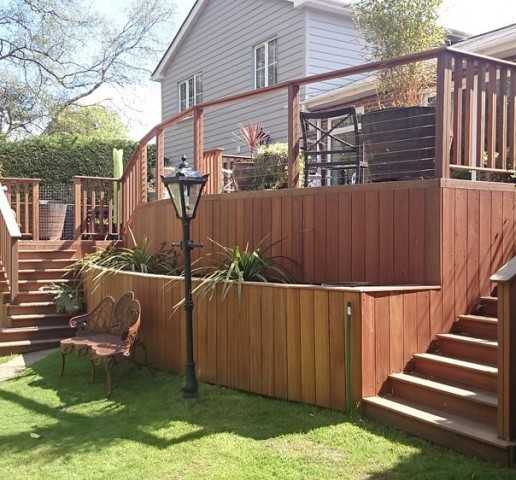
-
Yellow Balau Hardwood Components SVLK
-
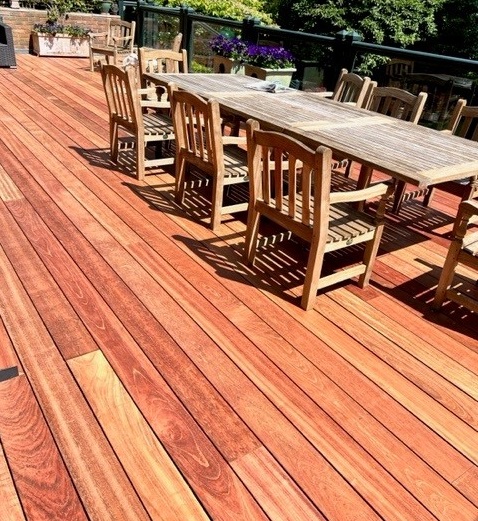
-
Jatoba Hardwood Decking ***FSC®***
-

-
Thermory Benchmark Thermo-Ash Decking
-
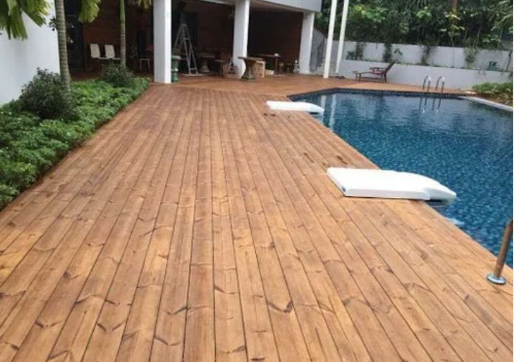
-
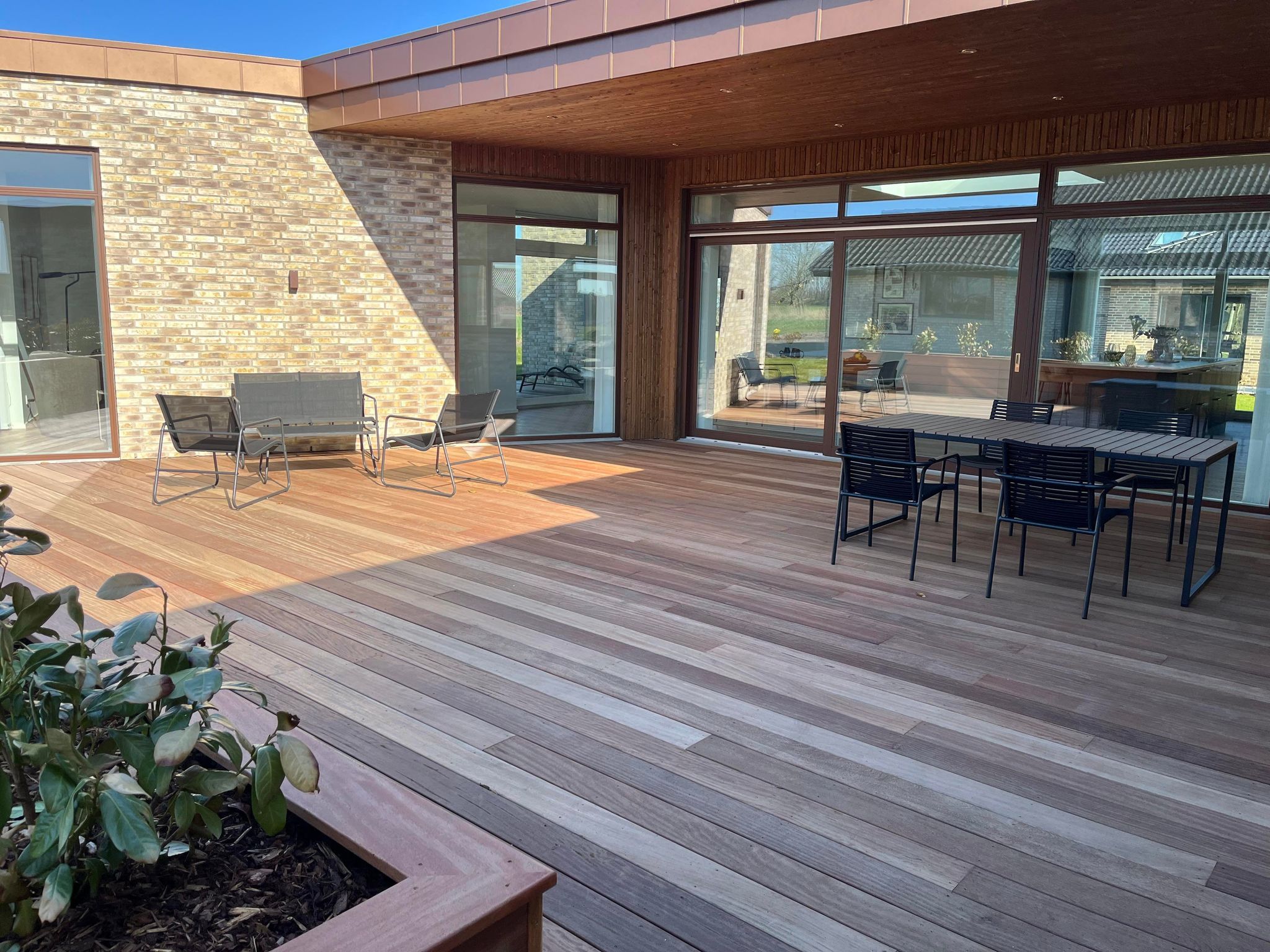
Thermowood Pine Decking PEFC
-
-
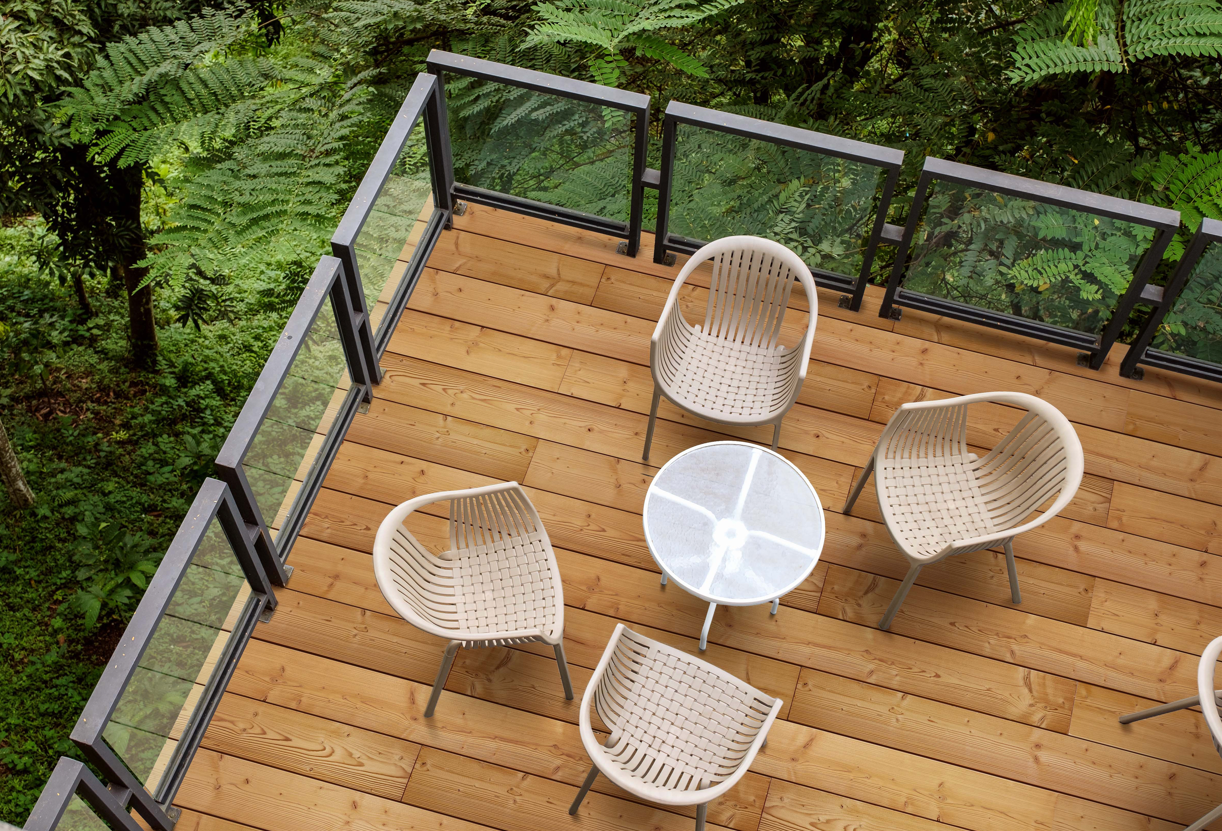
Tali Hardwood Decking ***FSC®***
-
-
Thermory Spruce Decking PEFC
-
-
-
-
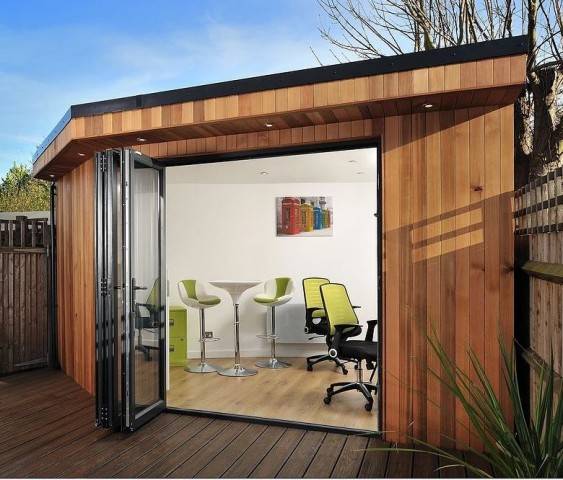
Western Red Cedar Cladding PEFC
-
-
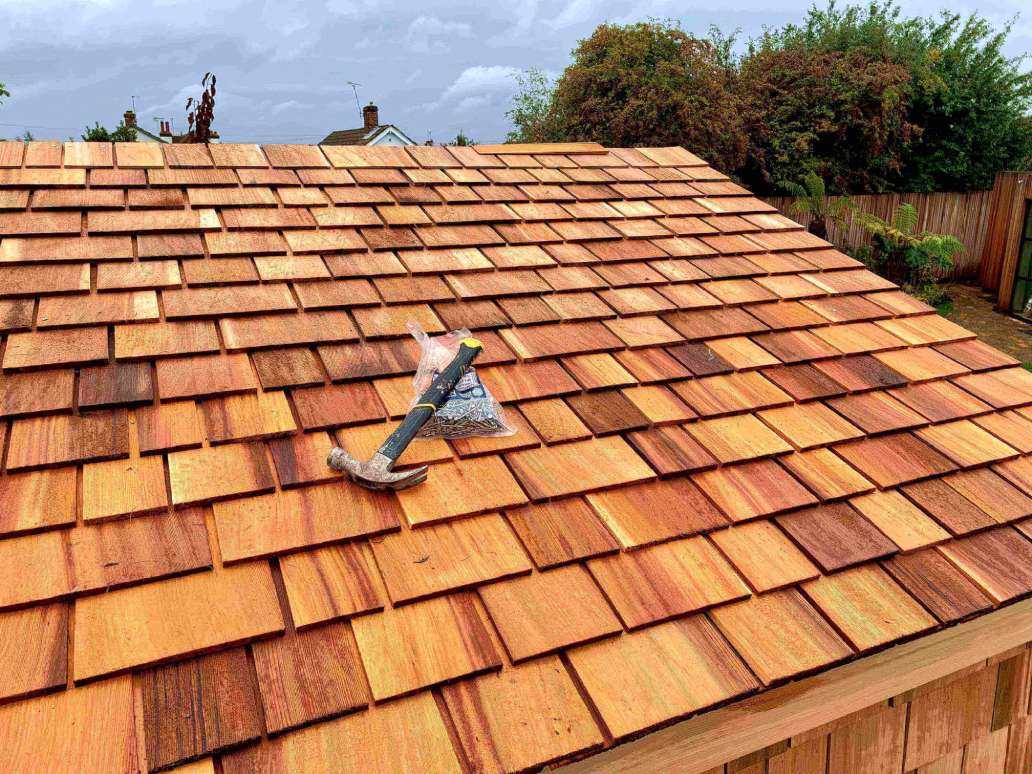
Cedar Shingles & Ridge Tiles PEFC
-
-
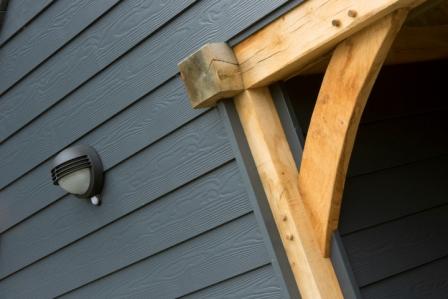
Cedral Cement Board Cladding
-
-
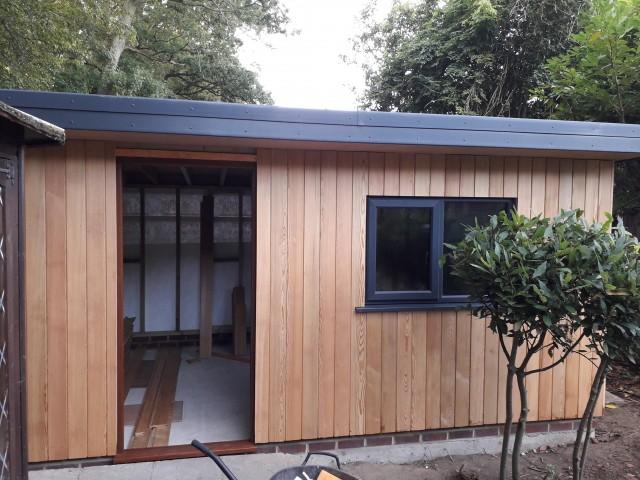
Larch Cladding ***FSC®*** & PEFC
-
-
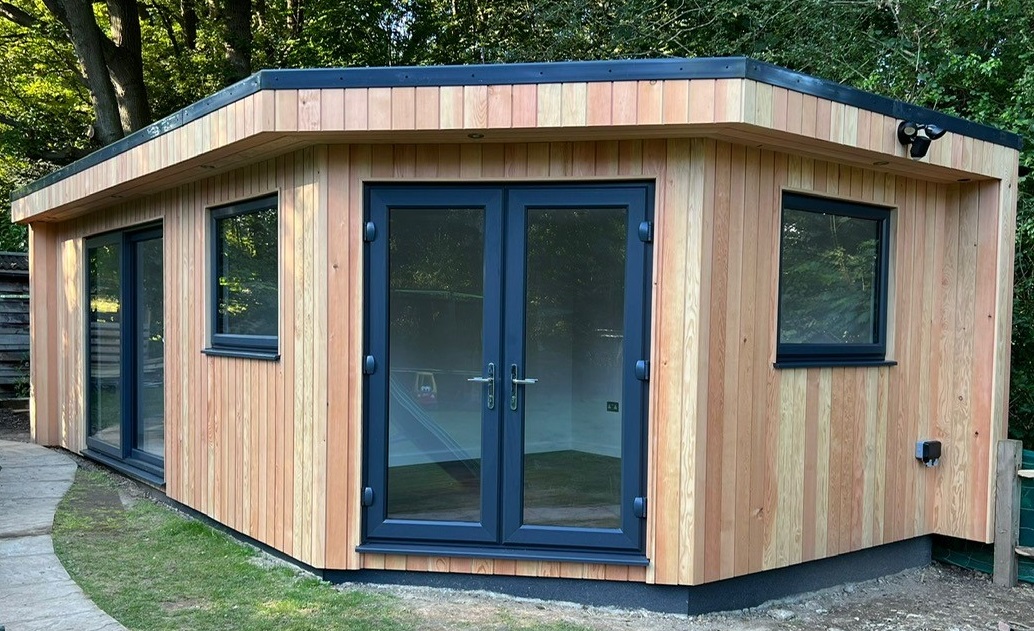
Douglas Fir Cladding PEFC
-
-
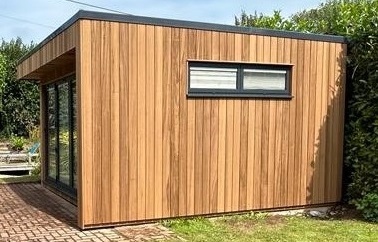
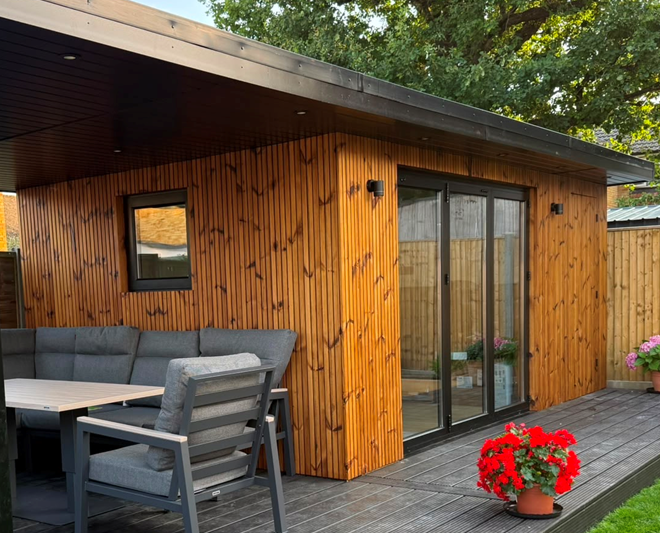
Thermo Ayous Cladding
-
-
Thermowood Pine Cladding PEFC
-

-
Black Cladding PEFC
-

-
Far Eastern Hardwood Cladding PEFC & SVLK
-

-
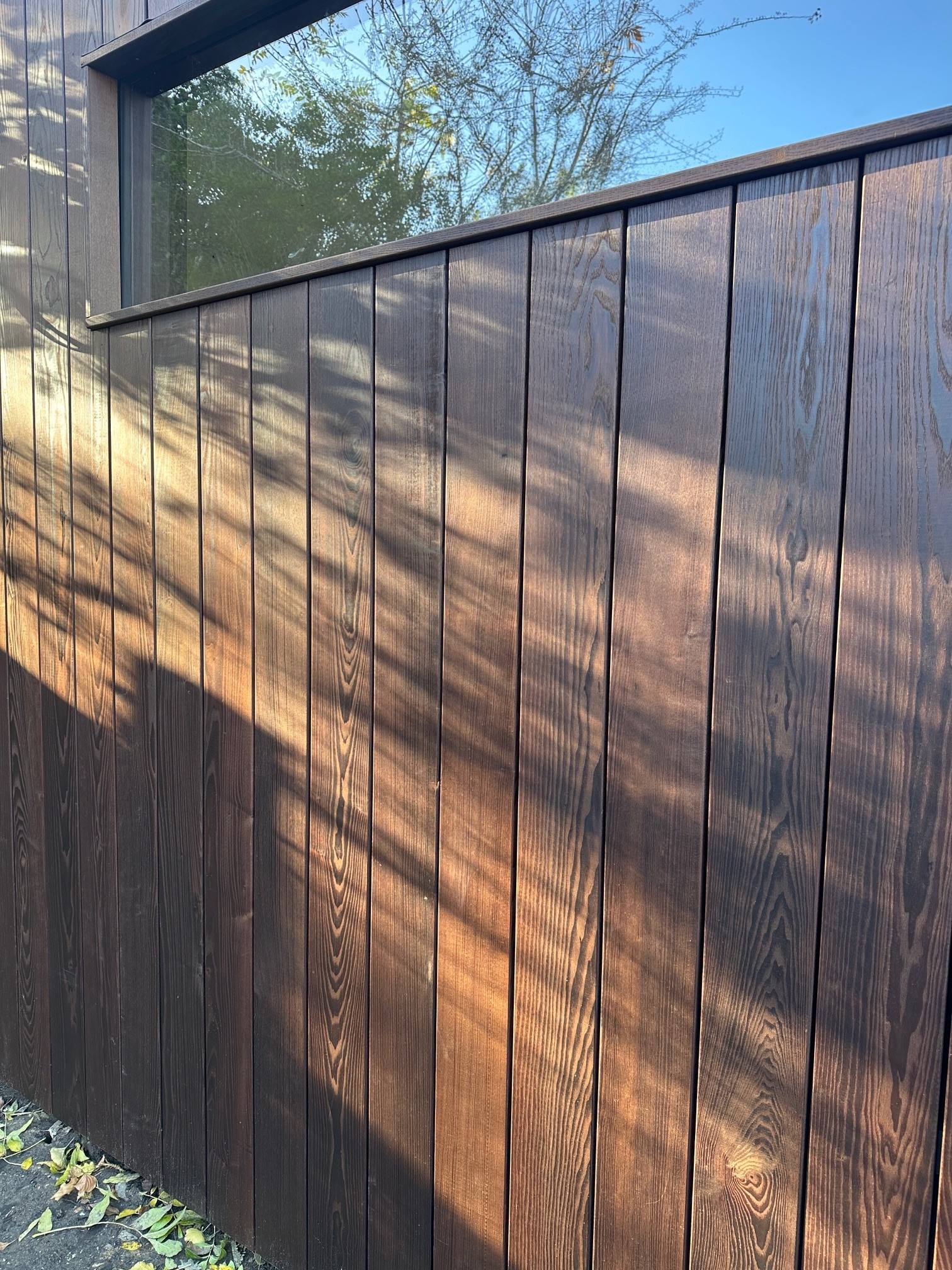
Thermory Radiata Pine Cladding ***FSC®***
-
-
Thermory Thermo-Ash Cladding
-

-
Thermory Thermo-Ash Decor Rhomb Tiles Internal
-
- SAUNA
- SLEEPERS
-
-
-
Osmo Treatment & Accessories
-
-
Owatrol Treatment & Accessories
-

-
Thermory Treatment & Fixings
-
-
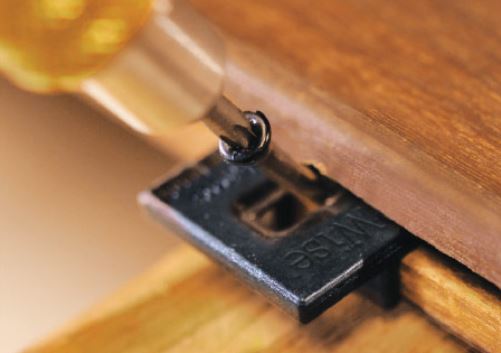
Deckwise Hidden Fixings & Accessories
-
-
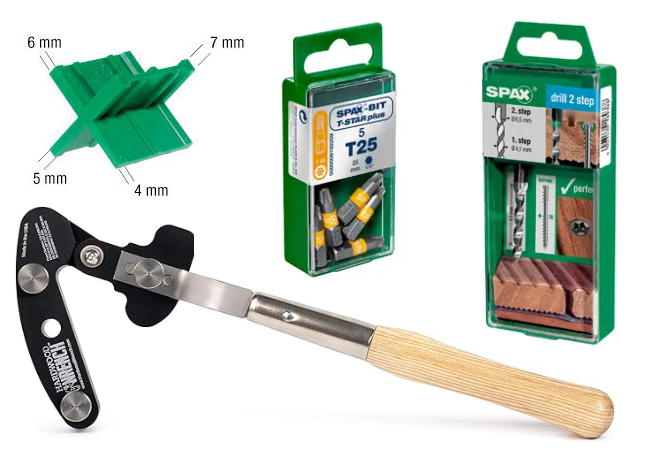
Decking Accessories
-
-
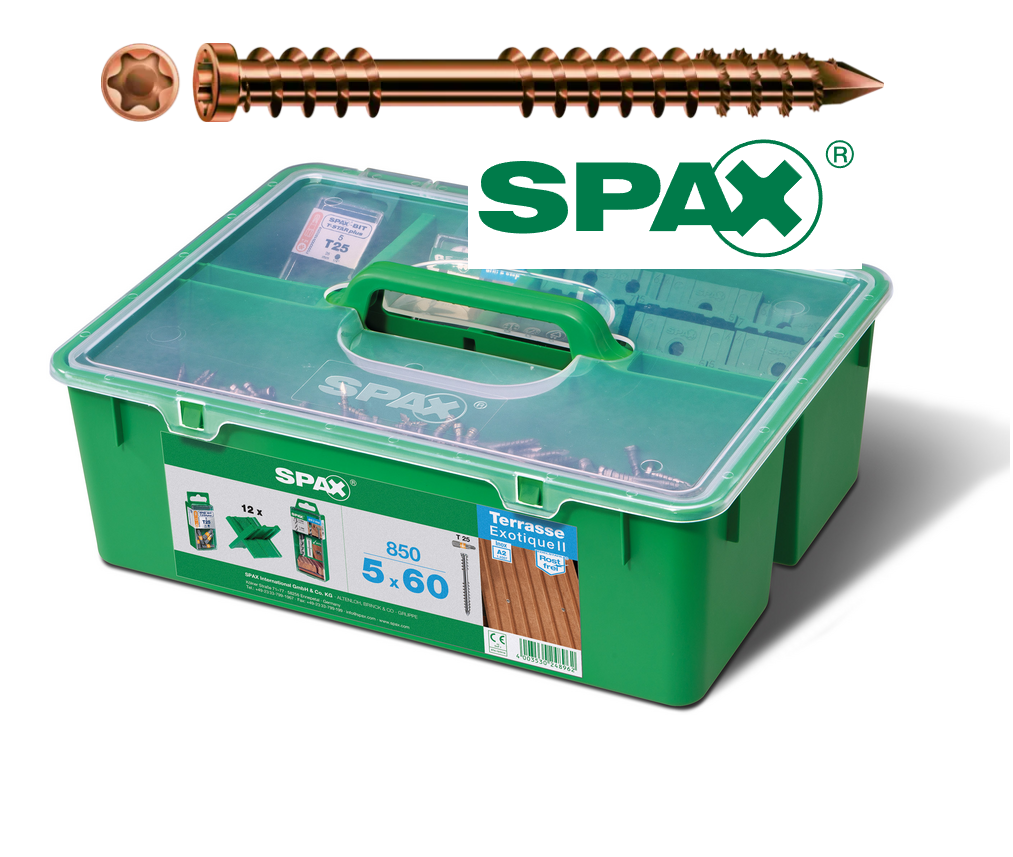
Spax Specialist Decking Screws
-
-
Spax Stainless Steel Facade Screws
-
-
Spax Construction Screws
-

-
Stainless Steel Nails
-
-
Paslode Stainless Steel Brads
-
-
Walther Strong Deck Tape
-
-
Treatment Samples
-
-
Brushes & Application Tools
-
-
Drive Bits Router Bits & Plug Cutters
-
-
Cedral Accessories
-
- SAMPLES

How Long Does Timber Fencing Last? (UK Guide 2026)

by
Southgate Timber
May 11, 2026


Timber fencing remains one of the most popular choices for UK gardens thanks to its natural appearance and versatility. One of the most common questions homeowners ask before investing in a new fence is how long timber fencing actually lasts. The answer depends on several factors, including the timber species used, installation quality, exposure to moisture, airflow and ongoing maintenance. Some timber fencing can last well over 20 years when the right materials and installation methods are used. In this guide, we’ll look at what affects the lifespan of timber fencing, which timber species tend to last the longest so you can maximise the lifespan of your fence.
What Affects the Lifespan of Timber Fencing?
There is no single lifespan for all timber fencing because different species perform differently outdoors. However, the biggest factors that influence longevity include:
- Timber species
- Exposure to moisture
- Ventilation and airflow
- Whether the timber touches the ground
- Installation quality
- Maintenance and treatment
- Sunlight and UV exposure
In many cases, fencing failures are caused more by poor installation and trapped moisture than by the timber itself. This is because slatted fencing systems that allow airflow around the boards often dry out more effectively after rainfall than solid closed-panel systems.
How Long Do Different Timber Fencing Materials Last?
Western Red Cedar Fencing
Western Red Cedar is one of the most durable and popular softwoods used for premium fencing projects. It contains natural oils that help resist moisture and decay, making it well suited to the UK climate. When installed correctly with good airflow and minimal ground contact, Western Red Cedar fencing can often last 20 years or more.
Douglas Fir Fencing
Douglas Fir has become increasingly popular for fencing and exterior timber projects due to its strength and attractive grain, whilst also being available at a more cost-effective price point compared to Cedar. Douglas Fir is generally classed as a moderately durable softwood, with typical outdoor lifespans often around 10 – 15 years untreated, although this can be significantly extended with correct installation, ventilation and ongoing maintenance. In above-ground applications with good airflow and regular treatment, Douglas Fir fencing can often last considerably longer.
Thermo Ayous Fencing
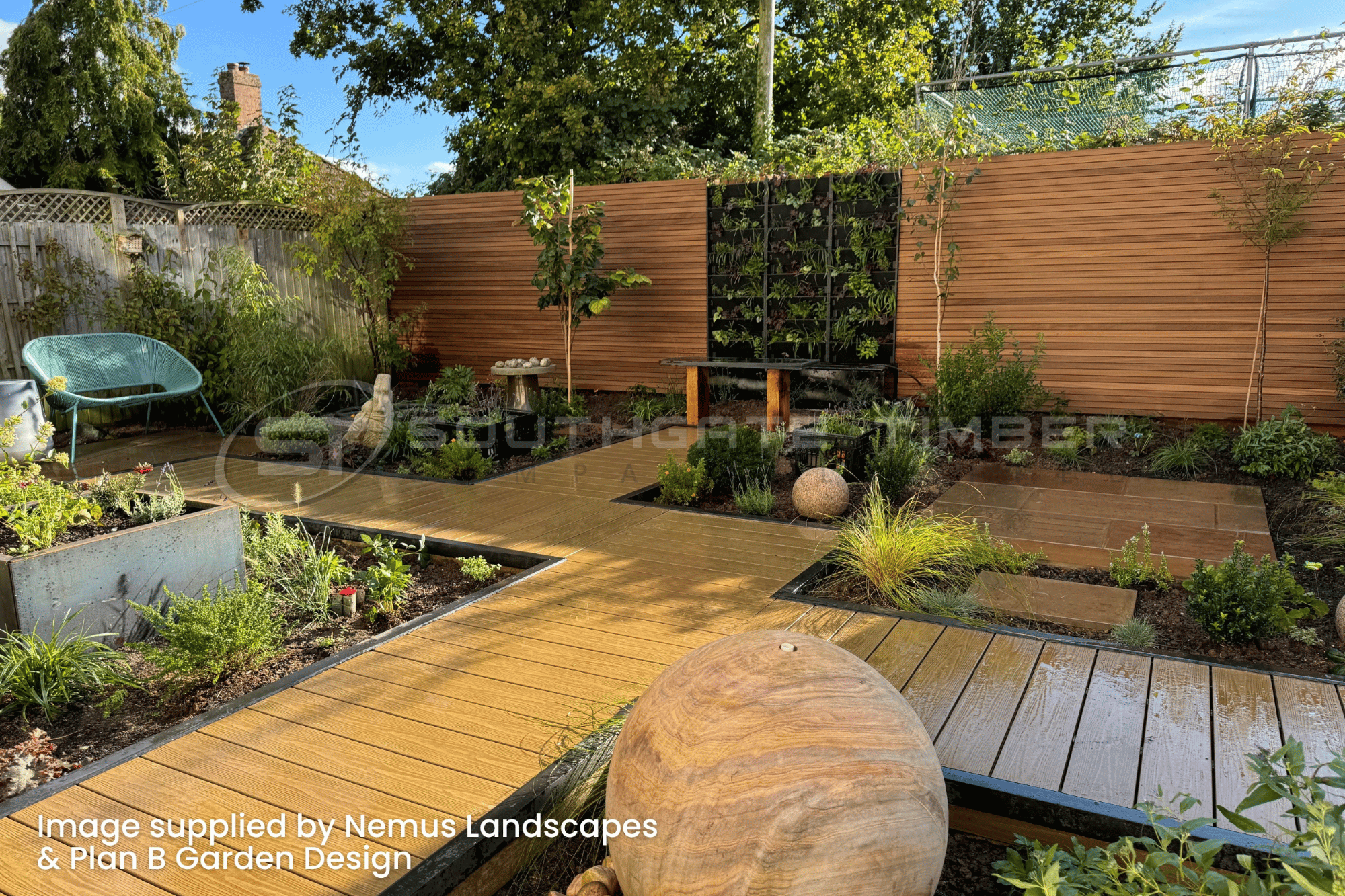
Thermo Ayous is becoming increasingly popular for modern fencing projects thanks to its smooth appearance, stability and golden-brown tones. Through the thermal modification process, the timber gains improved durability and resistance to movement without the use of chemicals.
One of the biggest advantages of Thermo Ayous fencing is its clean, knot-free appearance, making it a popular choice for contemporary garden designs. Its improved stability also helps reduce the risk of excessive warping or twisting compared to some traditional softwoods. When properly installed with good airflow and minimal ground contact, Thermo Ayous fencing can often last 20 years or more.
European Larch Fencing
European Larch is another durable, cost-effective softwood often used for fencing and cladding projects. It is known for its strength, attractive knots and natural resistance to outdoor conditions. When correctly installed with good airflow and limited ground contact, European Larch fencing can often last around 15 – 25 years or more in UK exterior conditions.
Thermowood Pine Fencing
Thermowood Pine is thermally modified softwood that has been heat-treated to improve stability and durability without using chemicals. The thermal modification process significantly improves the timber’s exterior performance, making it a popular option for modern fencing and exterior landscaping projects. When properly installed with good ventilation and minimal ground contact, Thermowood Pine fencing can often last 15 – 25 years or more in above-ground applications.
Yellow Balau Fencing
Yellow Balau is one of the most durable timber fencing options available and is often chosen as a more budget-friendly alternative to Western Red Cedar due to its similar appearance. Thanks to its dense hardwood structure and natural resistance to decay, it is particularly well suited to long-lasting exterior fencing projects where durability and strength are priorities. Compared to many softwood fencing materials, Yellow Balau offers exceptional hardness and weather resistance, making it particularly suitable for exposed gardens and long-term outdoor applications. When correctly installed and maintained, Yellow Balau fencing can often last 25 years or more.
Iroko Fencing
Iroko is another durable hardwood known for its rich golden-brown tones and excellent exterior performance. Often compared to Teak due to its durability and natural oils, Iroko fencing can often last 25 years or more when properly installed and maintained.
Far Eastern Hardwood Fencing
Far Eastern Hardwood fencing is valued for its strength, durability and long outdoor lifespan. Depending on the specific species used, Far Eastern Hardwood fencing can often last 20 – 30 years or more with correct installation and maintenance.
Thermory Radiata Pine Fencing
Thermory Radiata Pine is a thermally modified softwood designed for improved durability and stability in exterior applications. The thermal modification process helps reduce moisture absorption and movement, making it well suited to modern fencing and screening systems. When correctly installed with good airflow, Thermory Radiata Pine fencing can often last 15 – 25 years or more in above-ground exterior applications.
Does Timber Fencing Need Maintenance?
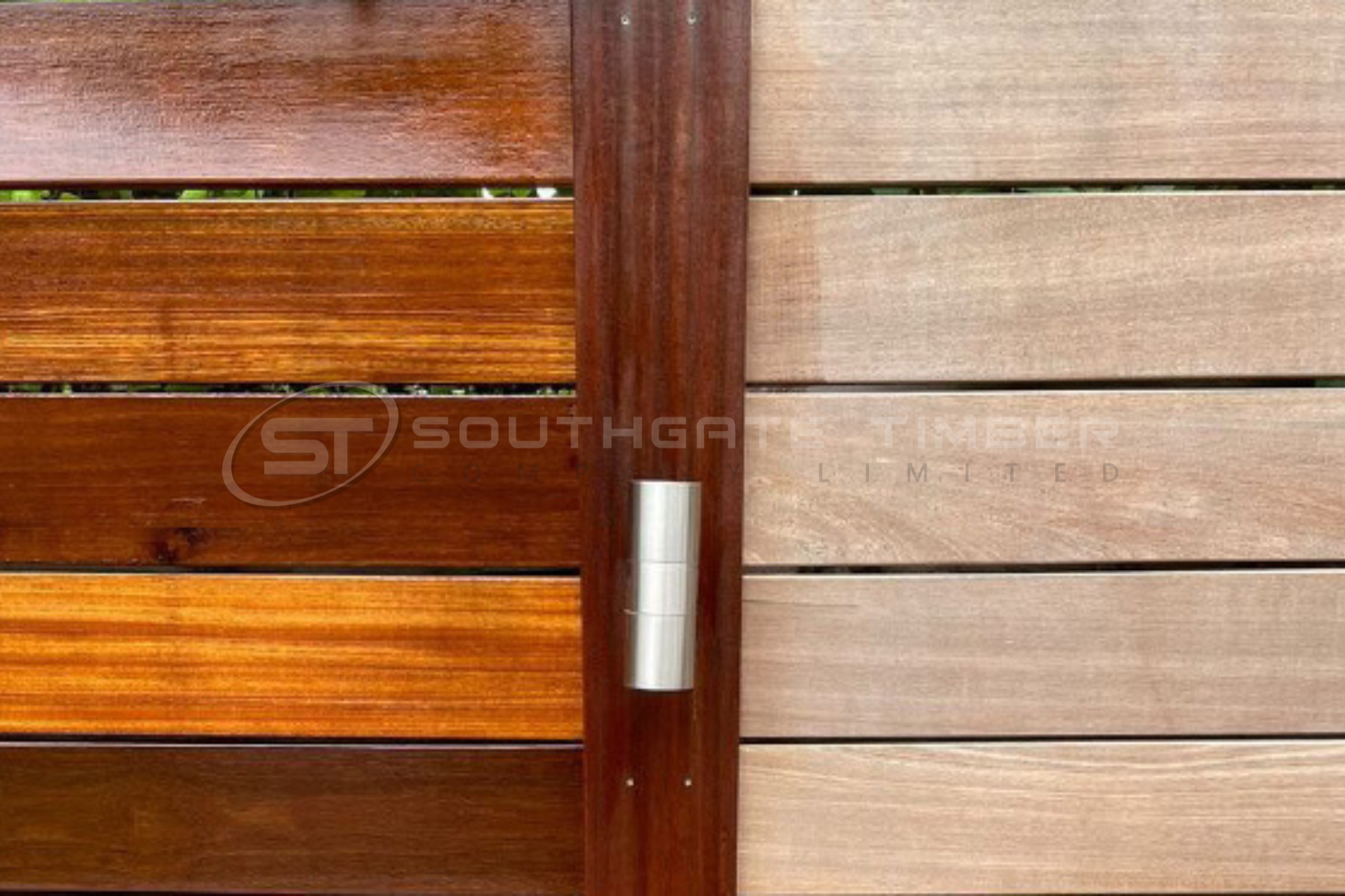
All exterior fencing materials require some level of maintenance, including timber, composite and metal systems. Timber fencing should be regularly cleaned to remove dirt, algae and organic build-up. Many customers also choose to apply a UV protection oil to help maintain the timber’s original colour.
It is important to note that oiling timber fencing is primarily about colour retention rather than structural longevity. Many timber fencing systems can still perform very well even if left to naturally silver over time. Popular treatment products used on fencing projects include:
Installation Makes a Huge Difference
Even high-quality timber can underperform if installed incorrectly. To maximise the lifespan of timber fencing, it is important to:
- Avoid direct ground contact where possible
- Allow airflow behind boards
- Use quality stainless steel fixings
- Maintain consistent spacing between battens
- Ensure posts and structural supports are suitable for exterior use
Many customers use P.A.R timber battens with small consistent gaps to improve airflow and create a cleaner modern appearance.
Is Timber Fencing Worth It?
For many homeowners, timber fencing offers a balance of natural appearance, longevity and versatility that is difficult to replicate with other materials. One of the biggest advantages of timber fencing is that it naturally ages and evolves over time. Whether you prefer the fresh warm tones of newly installed timber or the softer silver appearance that develops naturally, timber fencing offers a finish that many customers feel looks more natural in garden environments. With the right species and installation approach, timber fencing can provide decades of performance while maintaining a timeless appearance.
FAQs
How long does timber fencing last in the UK?
The lifespan depends on the timber species, installation and maintenance, but many quality timber fencing systems can last 15 – 25 years or more.
What is the longest lasting timber for fencing?
Dense hardwoods such as Yellow Balau, Iroko and certain Far Eastern Hardwoods are among the longest lasting timber fencing options, often capable of lasting 25 years or more when properly installed and maintained. Premium softwoods and thermally modified timbers such as Western Red Cedar and Thermo Ayous can also provide excellent long-term durability in exterior fencing applications.
Does timber fencing need to be treated every year?
Not necessarily. Treatment frequency depends on the product used, weather exposure and whether you want to preserve the original colour. Many UV oils last several years before reapplication is needed.
Is timber fencing better than composite fencing?
This depends on the project and personal preference. Many homeowners choose timber fencing for its natural appearance, versatility and ability to weather naturally over time.
Can timber fencing be left untreated?
Yes. Many timber fencing systems can be left untreated and allowed to naturally silver over time. Treatments are used more for colour preservation rather than structural necessity.

General

) (Instagram Post (45))_1765384318.png)
) (Instagram Post (45)) (1350 x 1080 px)_1769418731.png)