- TEL : 01277 890 783
- EMAIL : sales@southgatetimber.co.uk
- Collections Monday to Friday 9:00 - 16:00






 Profiles
 Fast and friendly delivery service
 Samples available
 Click & Collect



-
-
-
IPE Hardwood Decking ***FSC®***
-
-
Iroko Hardwood Decking
-
-
Yellow Balau Hardwood Decking ***FSC®*** & SVLK
-
-
Yellow Balau Hardwood Components SVLK
-
-
Jatoba Hardwood Decking ***FSC®***
-

-
Thermory Benchmark Thermo-Ash Decking
-
-
Thermowood Pine Decking PEFC
-
-
Tali Hardwood Decking ***FSC®***
-
-
Thermory Spruce Decking PEFC
-
-
-
-
Western Red Cedar Cladding PEFC
-
-
Cedar Shingles & Ridge Tiles PEFC
-
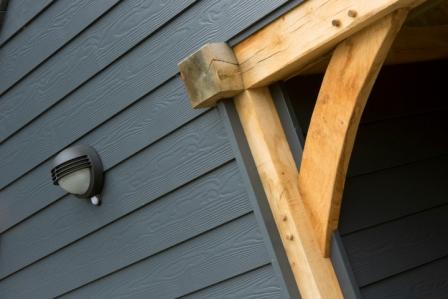
-
Cedral Cement Board Cladding
-
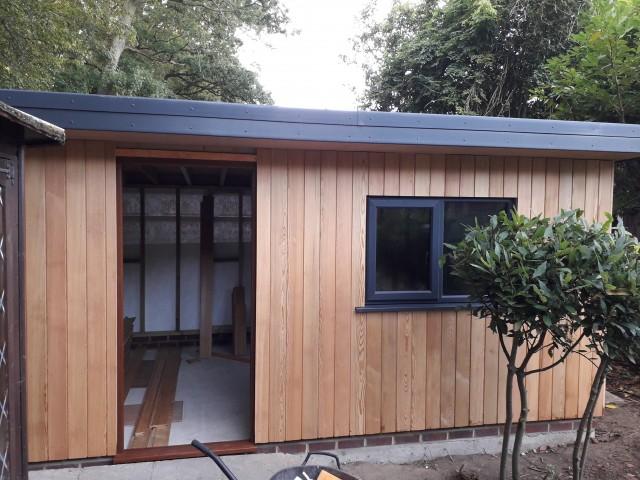
-
Larch Cladding ***FSC®*** & PEFC
-
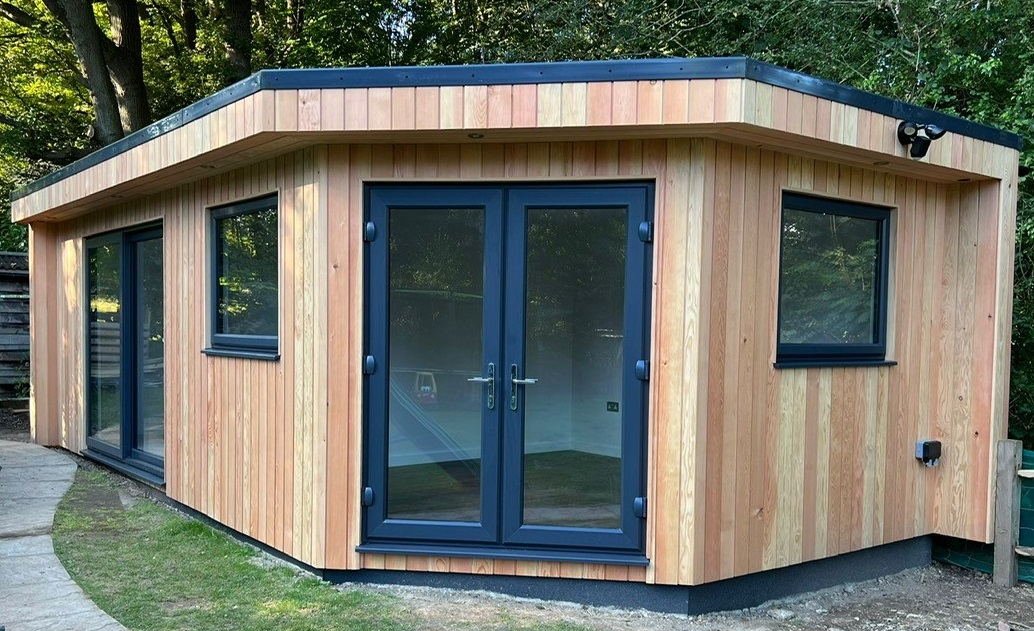
-
Douglas Fir Cladding PEFC
-
-
Thermo Ayous Cladding
-
-
Thermowood Pine Cladding PEFC
-
.jpg)
-
Black Cladding PEFC
-

-
Far Eastern Hardwood Cladding PEFC & SVLK
-

-
Thermory Radiata Pine Cladding ***FSC®***
-
-
Thermory Thermo-Ash Cladding
-

-
Thermory Thermo-Ash Decor Rhomb Tiles Internal
-
- SAUNA
- SLEEPERS
-
-
-
Osmo Treatment & Accessories
-
-
Owatrol Treatment & Accessories
-

-
Thermory Treatment & Fixings
-
-
Deckwise Hidden Fixings & Accessories
-
-
Decking Accessories
-
-
Spax Specialist Decking Screws
-
-
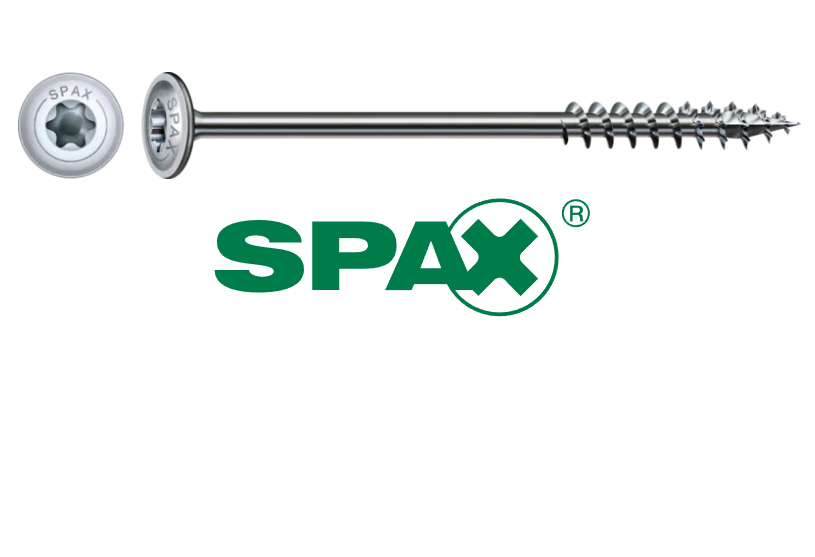
Spax Stainless Steel Facade Screws
-
-
Spax Construction Screws
-

-
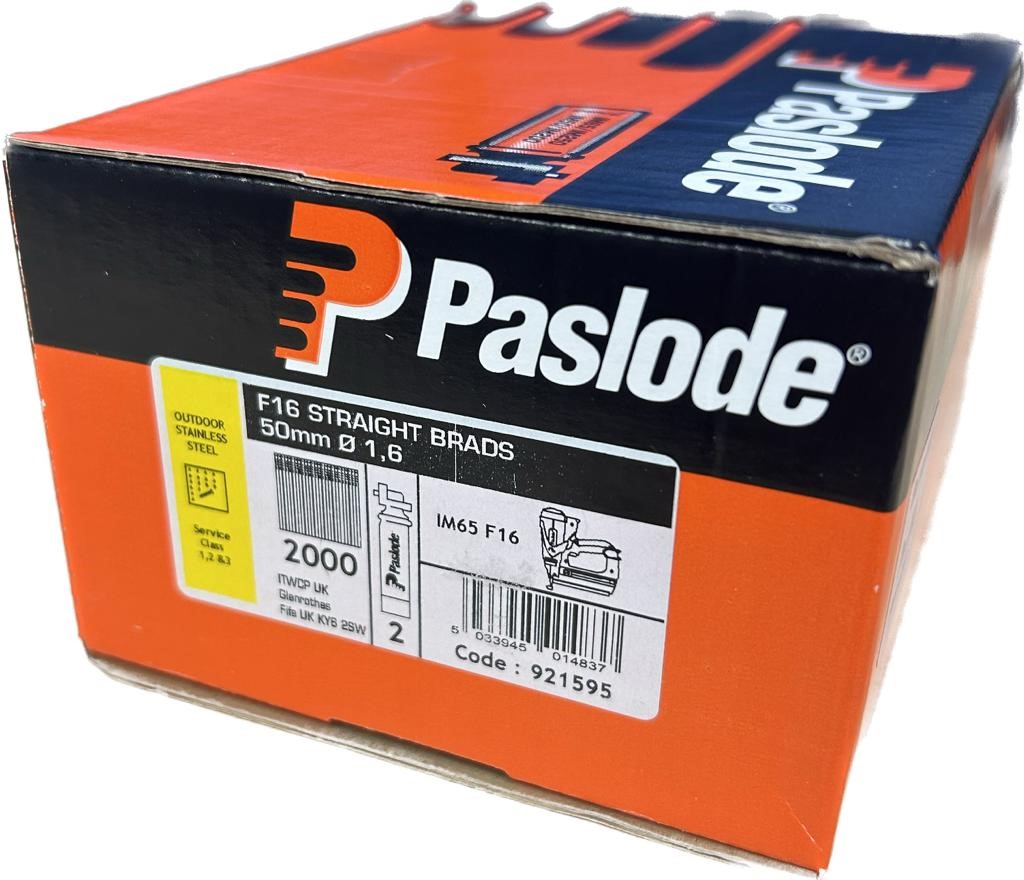
Stainless Steel Nails
-
-
Paslode Stainless Steel Brads
-
-
Walther Strong Deck Tape
-
-
Treatment Samples
-
-
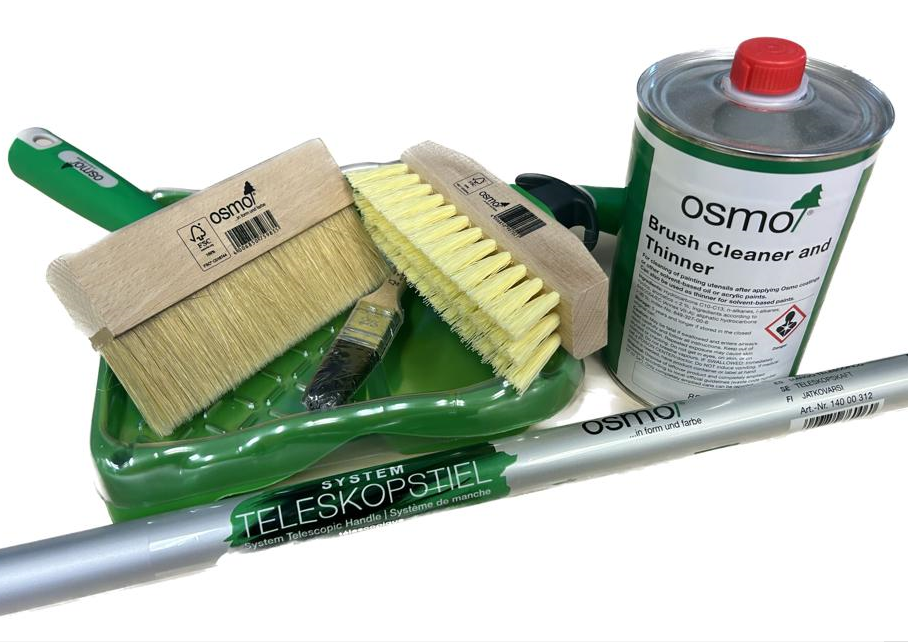
Brushes & Application Tools
-
-
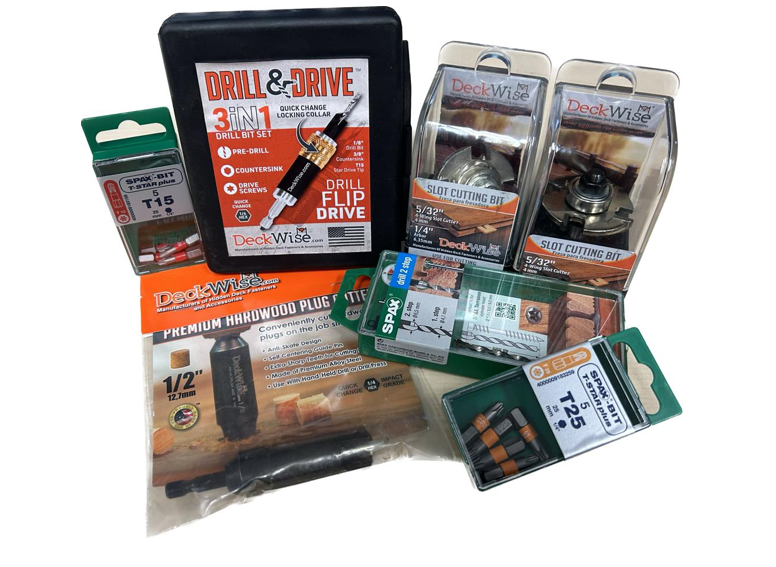
Drive Bits Router Bits & Plug Cutters
-
-
Cedral Accessories
-
- SAMPLES

Black Marks on Timber? Here’s Why Fixings Matter More Than Ever

by
Southgate Timber
December 10, 2025
) (Instagram Post (45))_1765384318.png)


At Southgate Timber, we speak to all types of people from homeowners to landscapers every day about timber performance, best practice and long-term maintenance. Recently, a customer reached out with a problem that’s more common than most people realise:
“My fencing battens have developed black streak marks where the nails were put in. What’s gone wrong?”
The answer was immediate and clear: The fixings were not stainless steel. It’s a reminder of an issue we highlighted before in our previous article from last year, “The Importance of Using the Correct Fixings for Your Timber Cladding and Fencing” And as we said back then (and we’ll happily say again): correct fixings are essential for any external timber installation! But in 2025, the message is more important than ever.
Why This Happens: The Real Cause of Black Stains
Those black marks are caused by a reaction between the timber’s natural tannins and the metal in non-stainless fixings. When iron or zinc-coated nails react with moisture and tannins, they create what’s known as “iron stain”. The results are unmistakable:
- Black streaks running down the boards
- Dark halos around the nail or screw heads
- Patchy discolouration
- A prematurely weathered appearance
Once these stains appear, they are extremely difficult, and in some cases impossible, to remove. Our recent customer’s photos showed the classic signs: perfect vertical lines of black streaking, all tracing back to the fixings. This is 100% preventable.
) (Instagram Post (45))_2.png)
Why Stainless Steel Fixings Matter in 2025
With timber installations growing more ambitious as we see wider cladding boards, taller fencing panels, mixed varieties of widths and sizes, the pressure on fixings is higher than ever.
Stainless steel is still the only material that guarantees:
- No staining
- No corrosion
- No chemical reaction with tannins or natural oils
- No weakening of the structure over time
- A consistent, even weathering of the timber
It protects both the look and the lifespan of your installation.
Decking: The Most Overlooked Fixing Issue
Last year’s blog focussed on cladding and fencing, but decking deserves its own spotlight because it's exposed to all sorts like foot traffic, stagnant water, extreme weather, and higher expansion and contraction. Using anything other than stainless screws will lead to:
- Black stains
- Rusted screws
- Boards lifting or snapping
- Safety concerns
- Costly replacements
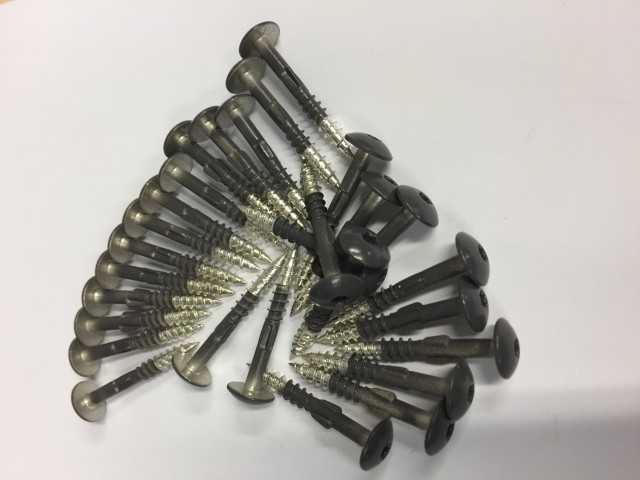
Hidden-fix systems for Ipe, Jatoba and Thermo-Ash also rely entirely on stainless-steel screws. Decking is where the wrong fixings cause the most damage fastest.
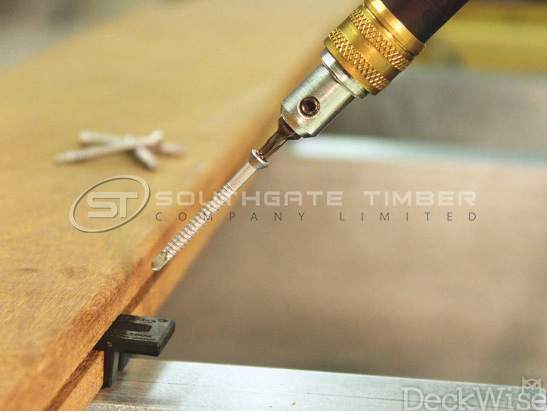
The Real Cost of Using the Wrong Fixings
Choosing the wrong screws or nails can lead to:
- Discolouration within months
- Structural instability over time
- Timber needing renovation or full replacement
For a small difference in cost, stainless steel saves money and frustrations in the long term.
We’ve Said It Before… And We’ll Say It Again
When it comes to cladding, fencing and decking, your fixings matter just as much as the timber you choose. The customer who recently contacted us experienced a preventable issue, and their story highlights why this message remains so important. We said this last year, and it’s worth repeating in 2025: use stainless steel fixings every single time. Your timber will thank you for it for years to come.

General

) (Instagram Post (45)) (1350 x 1080 px)_1769418731.png)