- TEL : 01277 890 783
- EMAIL : sales@southgatetimber.co.uk
- Collections Monday to Friday 9:00 - 16:00






 Profiles
 Fast and friendly delivery service
 Samples available
 Click & Collect



-
-
-
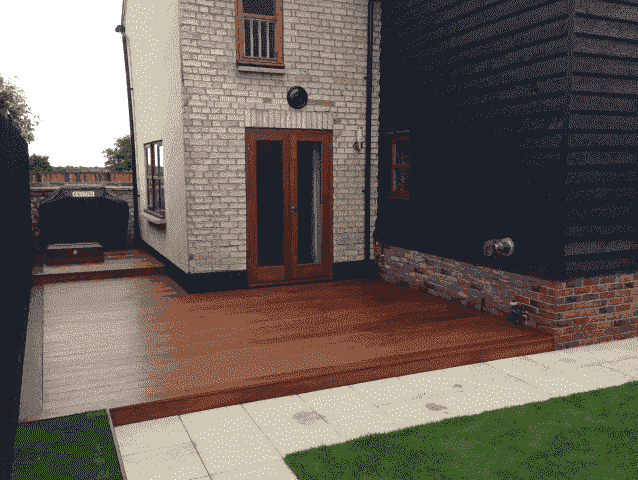
IPE Hardwood Decking ***FSC®***
-
-
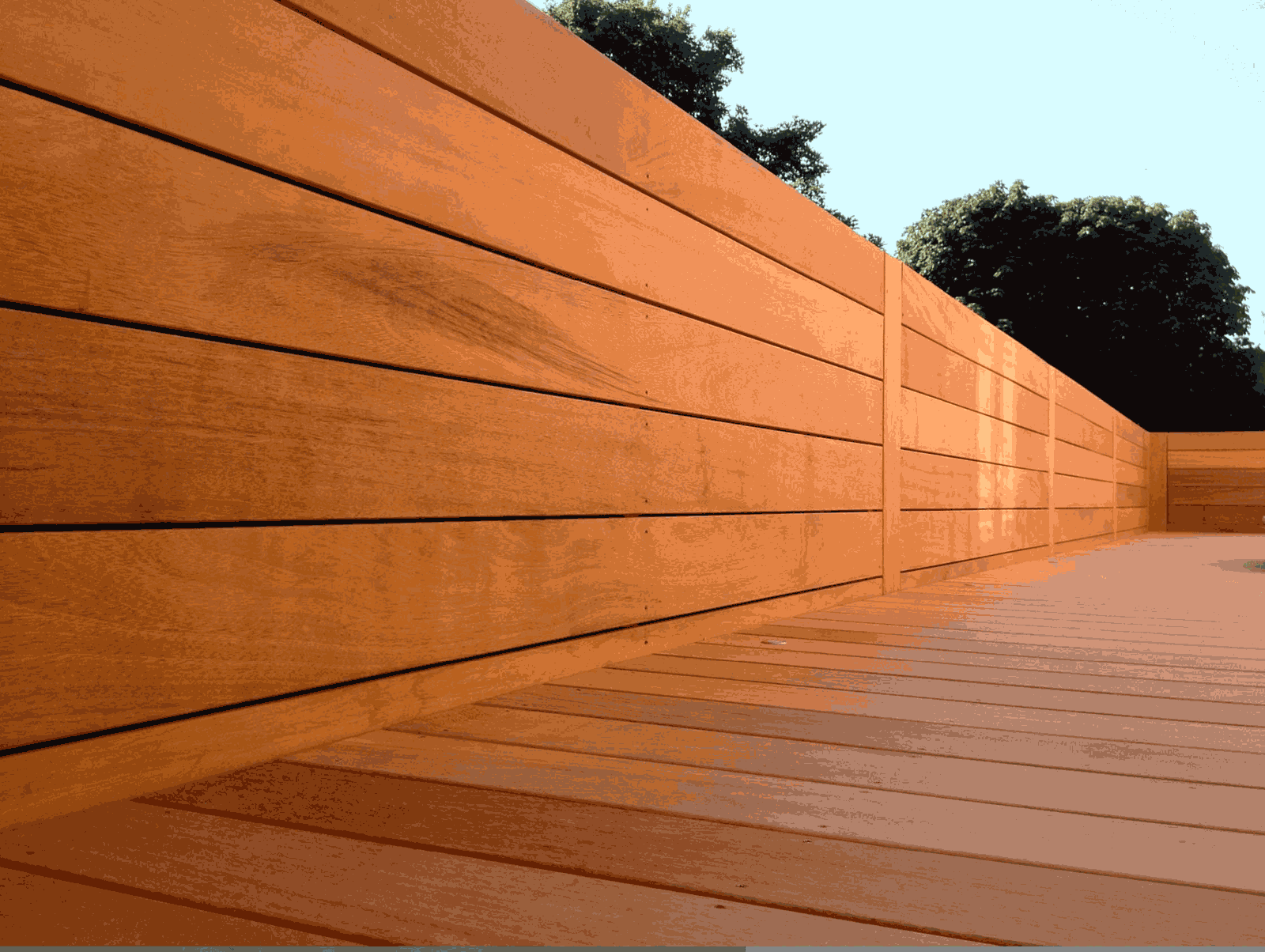
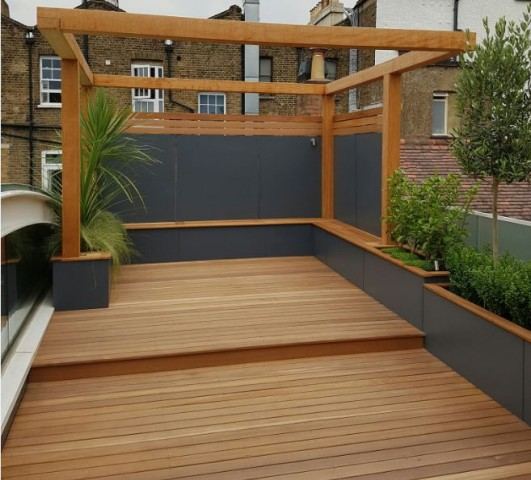
Iroko Hardwood Decking
-
-
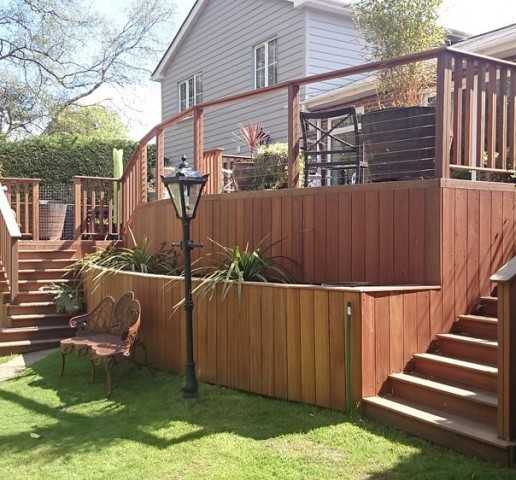
Yellow Balau Hardwood Decking ***FSC®*** & SVLK
-
-
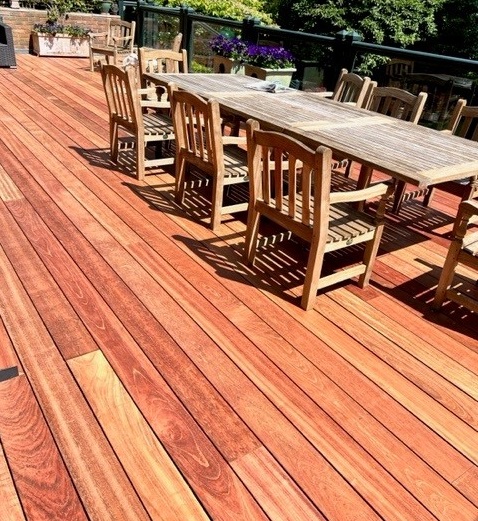
Yellow Balau Hardwood Components SVLK
-
-
Jatoba Hardwood Decking ***FSC®***
-

-
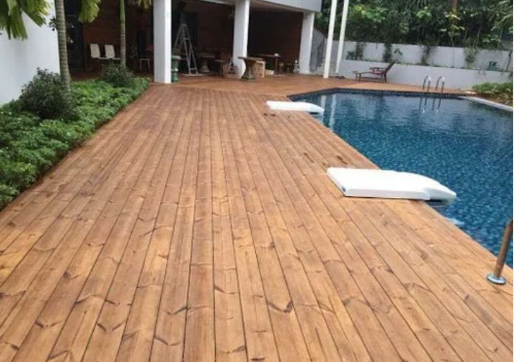
Thermory Benchmark Thermo-Ash Decking
-
-
Thermowood Pine Decking PEFC
-
-
Tali Hardwood Decking ***FSC®***
-
-
Thermory Spruce Decking PEFC
-
-
-
-
Western Red Cedar Cladding PEFC
-
-
Cedar Shingles & Ridge Tiles PEFC
-
-
Cedral Cement Board Cladding
-
-
Larch Cladding ***FSC®*** & PEFC
-
-
Douglas Fir Cladding PEFC
-
-
Thermo Ayous Cladding
-
-
Thermowood Pine Cladding PEFC
-

-
Black Cladding PEFC
-

-
Far Eastern Hardwood Cladding PEFC & SVLK
-

-
Thermory Radiata Pine Cladding ***FSC®***
-
-
Thermory Thermo-Ash Cladding
-

-
Thermory Thermo-Ash Decor Rhomb Tiles Internal
-
- SAUNA
- SLEEPERS
-
-
-
Osmo Treatment & Accessories
-
-
Owatrol Treatment & Accessories
-

-
Thermory Treatment & Fixings
-
-
Deckwise Hidden Fixings & Accessories
-
-
Decking Accessories
-
-
Spax Specialist Decking Screws
-
-
Spax Stainless Steel Facade Screws
-
-
Spax Construction Screws
-

-
Stainless Steel Nails
-
-
Paslode Stainless Steel Brads
-
-
Walther Strong Deck Tape
-
-
Treatment Samples
-
-
Brushes & Application Tools
-

-
Drive Bits Router Bits & Plug Cutters
-
-
Cedral Accessories
-
- SAMPLES

Hardwood vs Softwood Decking: Which is Best for UK Gardens?

by
Southgate Timber
March 13, 2026


Timber decking remains one of the most popular ways to transform outdoor spaces, creating a natural and stylish extension of the home. When planning a decking project, one of the most common questions is whether to choose hardwood decking or softwood decking, with both options offering distinct advantages depending on your budget, design preferences, and long-term maintenance expectations. In this guide, we compare hardwood and softwood decking to help you choose the best material for your garden.
What is Hardwood Decking?
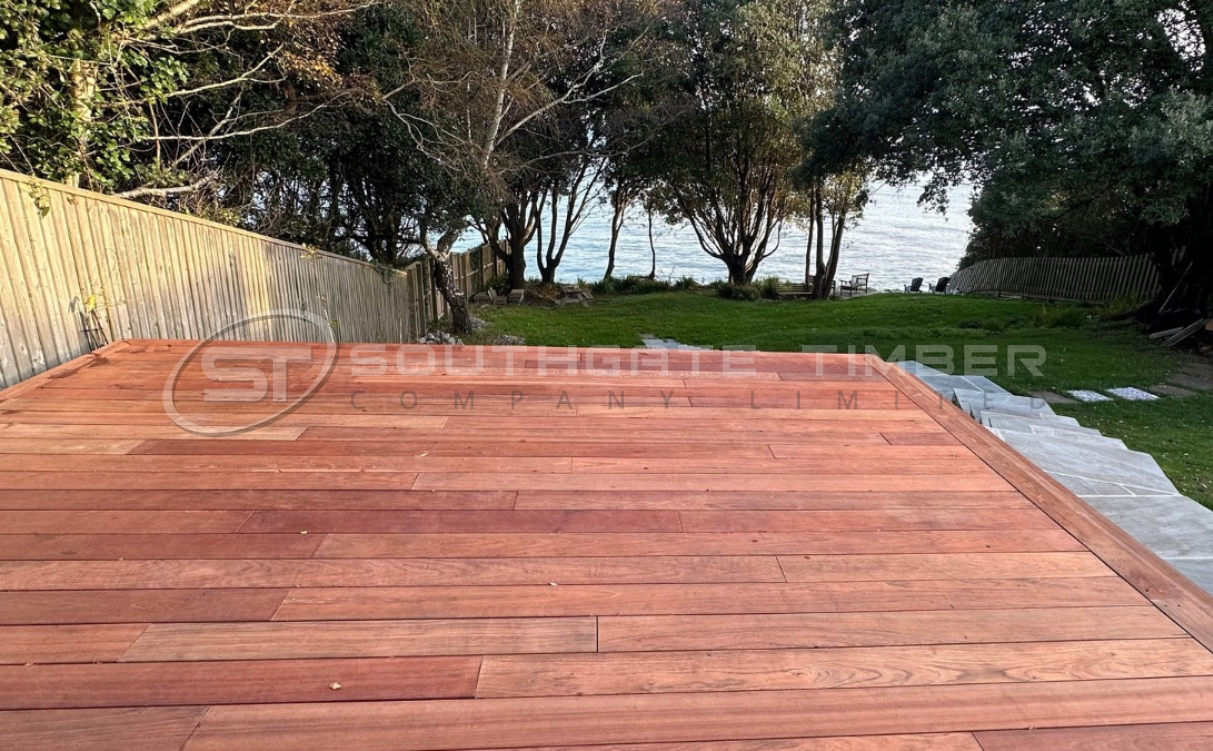
Hardwood decking comes from slow-growing hardwood trees, producing dense, durable timber that is highly resistant to wear and weather. Hardwood decking is often chosen for premium projects where longevity, strength and a refined appearance are priorities.
Common hardwood decking options include:
- Ipe decking
- Jatoba decking
- Yellow Balau decking
- Thermo-Ash (thermally modified) decking
- Iroko decking
These timbers are known for their strength and natural durability, making them well suited for outdoor environments.
What is Softwood Decking?
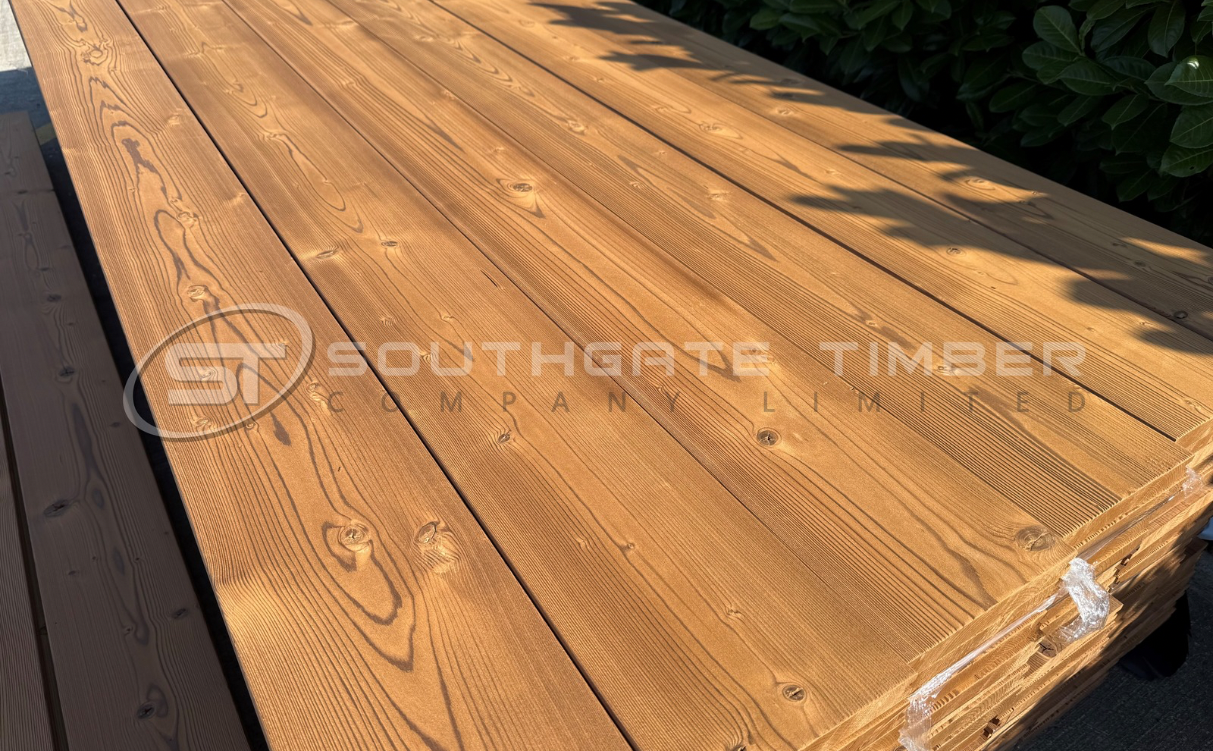
Softwood decking is produced from faster-growing softwood species and is often thermally modified to improve durability and stability for outdoor use. At Southgate Timber, softwood decking options include thermally modified timbers such as:
Thermal modification improves the timber’s resistance to moisture and movement, making it more suitable for outdoor decking applications compared to untreated softwood.
Hardwood vs Softwood Decking: Key Differences
Durability
Hardwood decking is naturally dense and resistant to moisture, insects and decay, making it one of the longest-lasting decking materials available.
Softwood decking can still perform well outdoors when treated or thermally modified. For this reason, at Southgate Timber we focus on supplying thermally modified softwood decking, such as Thermowood Pine and Spruce decking, which offer improved stability and durability for exterior use.
Sustainability
Sustainability is an important consideration when choosing timber for outdoor projects. Many decking products are supplied with recognised certification schemes such as FSC®, PEFC or SVLK, which help ensure the timber has been sourced from responsibly managed forests or legally verified supply chains. These certification systems promote sustainable forestry, protect biodiversity and support responsible timber harvesting practices.
At Southgate Timber, a large majority of our decking options across both our hardwood and softwood collections are available with these certifications, giving customers confidence that the timber used in their projects has been responsibly sourced.
Thermally modified timber can also offer environmental benefits. The modification process uses heat rather than chemical treatments, and the timber comes from faster-growing species, helping reduce pressure on slower-growing hardwood forests. In many cases, these timbers can travel shorter distances between forest, mill and end user compared with some slower-growing hardwoods, which can contribute to a more efficient and sustainable supply chain.
Appearance
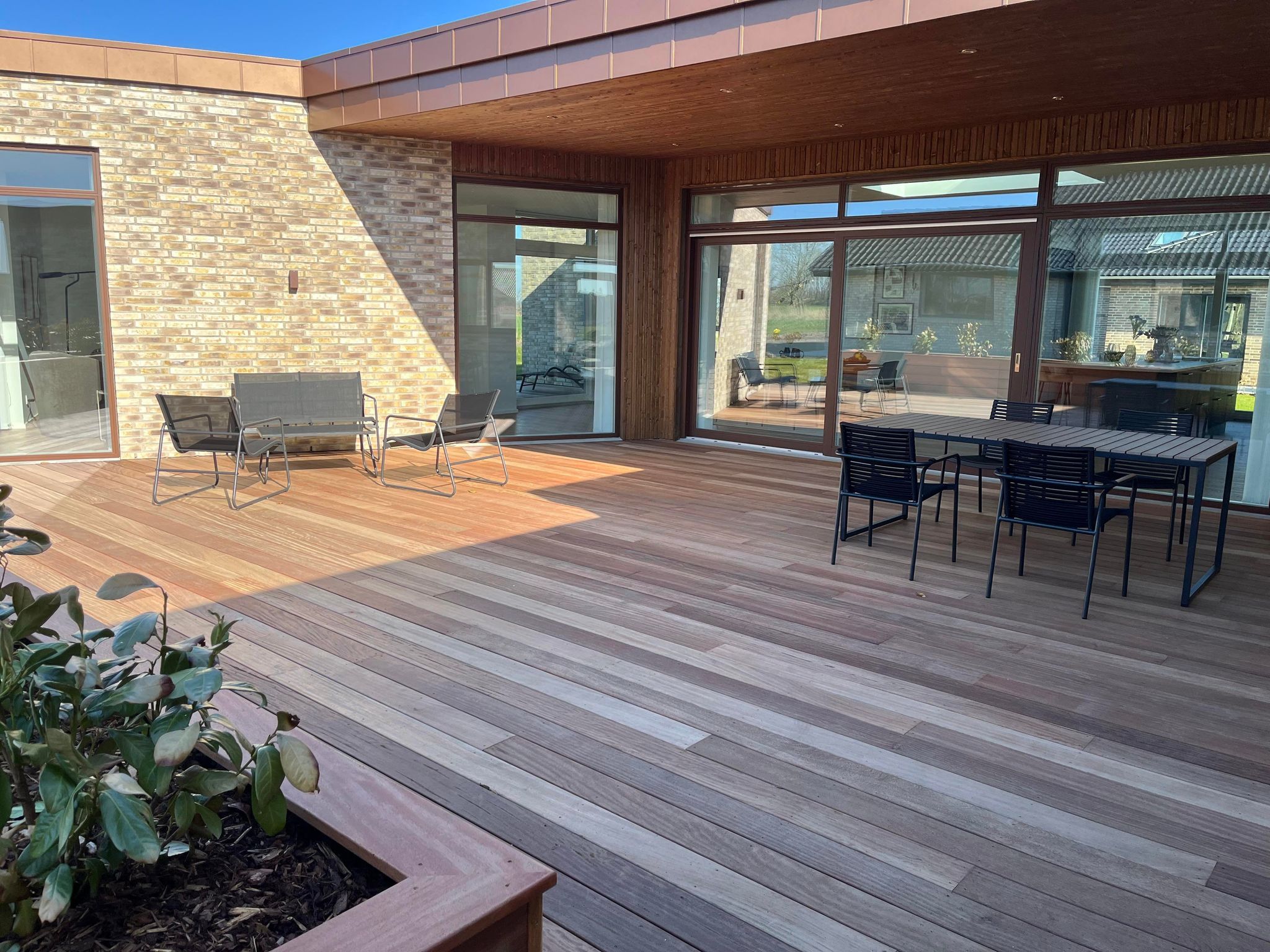
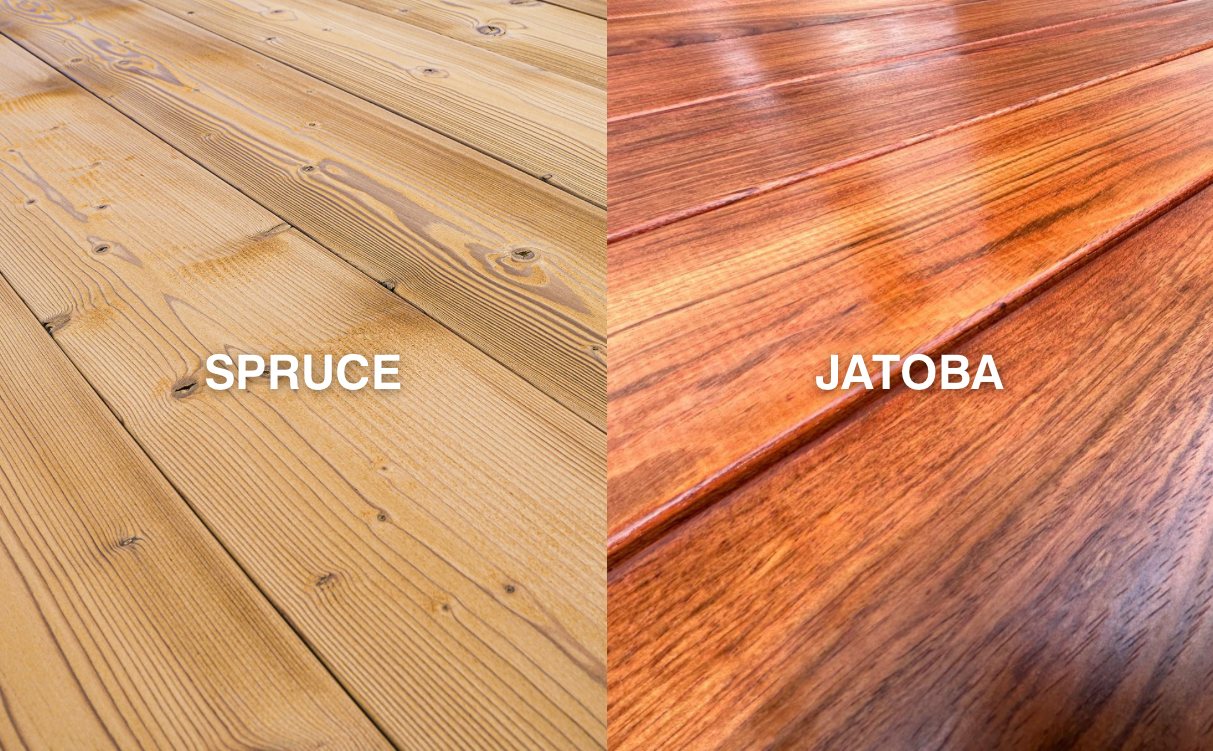
Hardwood decking typically features rich colour variations and striking grain patterns that create a premium, architectural look.
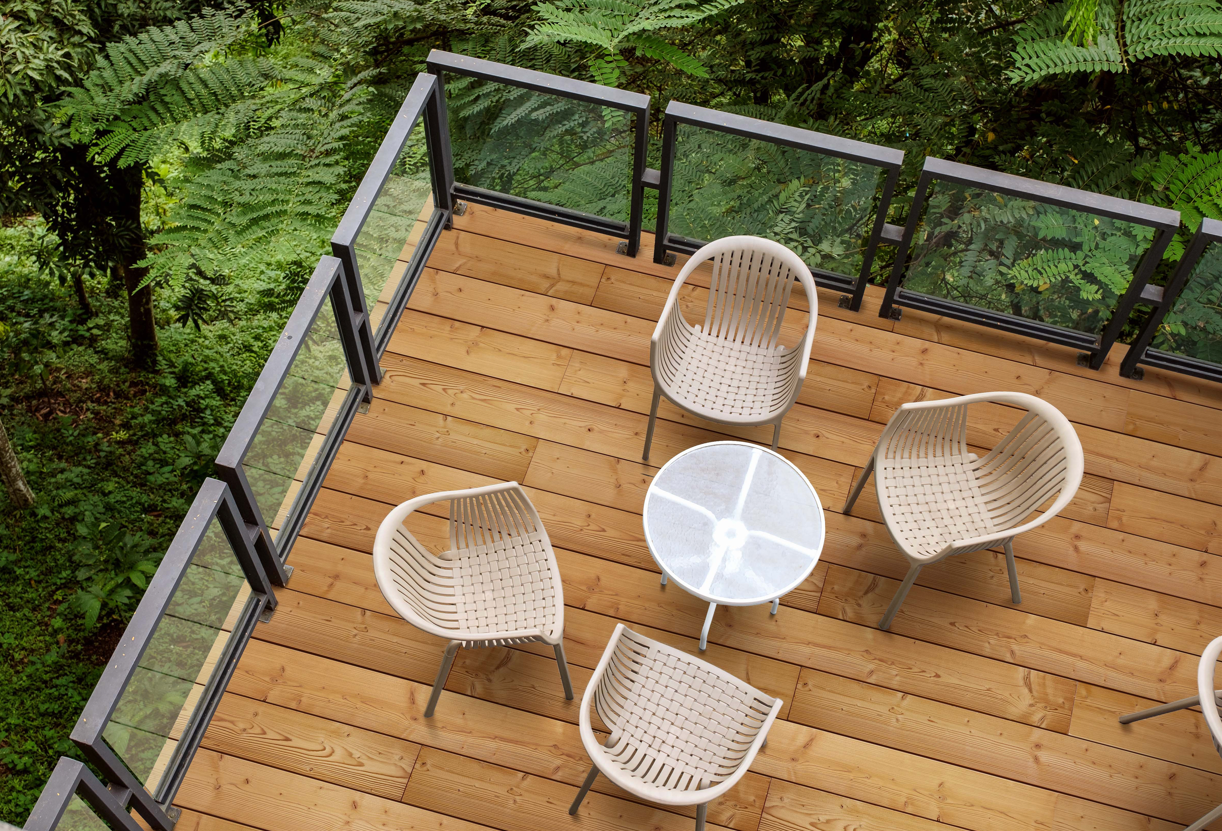
Softwood decking often has a lighter tone and more subtle grain, which can be ideal for natural garden designs. Both materials can weather to a silver-grey patina if left untreated.
Installation & Workability
Thermally modified timber, including thermally modified softwoods, tends to be straighter and more uniform in width, which can make installation easier. It is generally easier to cut and work with, which can be helpful for both professional installers and confident DIY projects.
Traditional hardwood decking boards are extremely dense and durable, which contributes to their long lifespan, but this density can also mean they require more specialised tools and experience to install.
Both options can produce excellent results, but the choice may depend on the level of experience involved in the project and the desired characteristics of the finished deck.
Maintenance
Hardwood decking generally requires less maintenance due to its natural durability, although applying oils can help maintain its original colour. Our Thermo-Ash decking is also supplied pre-oiled, helping to protect the timber and reduce the level of ongoing maintenance required while enhancing the natural appearance of the wood.
Softwood decking may require more regular treatment depending on the timber type and exposure to the elements.
Cost
Softwood decking is typically more affordable upfront, making it a popular choice for larger projects or budget-conscious installations. Thermowood Pine in particular is a very cost-effective decking option, offering improved durability and stability through thermal modification while still maintaining a competitive price point.
Hardwood decking is usually a higher initial investment but can offer greater longevity and durability over time. However, there are still more budget-friendly hardwood options available, such as Yellow Balau, which provides excellent strength and performance at a more accessible price level compared to some premium hardwood species.
Which Decking Option Should You Choose?
Choosing between hardwood and softwood decking ultimately depends on the priorities of your project. Hardwood decking is often chosen for its premium appearance, strength and long lifespan, making it well suited to high-end garden projects. Thermally modified softwood decking can be a more cost-effective option while still offering strong, long-lasting outdoor performance, and are also typically easier to work with during installation due to their more uniform structure.
Both hardwood and thermally modified softwood decking can provide durable, long-lasting results, so the right choice will depend on budget, desired appearance and installation preferences.
Explore Timber Decking Options
At Southgate Timber, we offer a wide range of decking options suitable for both residential and commercial projects. Our range includes premium hardwood decking such as:
As well as thermally modified softwood decking options such as Thermowood Pine and Spruce.
Frequently Asked Questions
Is hardwood decking better than softwood?
Hardwood decking is generally more durable and longer lasting, but thermally modified softwood decking can be an effective alternative. Thermally modified timbers offer improved stability and outdoor performance while often being easier to work with during installation.
How long does hardwood decking last?
Traditional high-quality hardwood decking can last several decades when installed and maintained correctly. For example:
- Ipe decking: approximately 40 – 75 years
- Iroko decking: around 25 – 40 years
- Jatoba decking: typically 25 – 50 years
- Yellow Balau decking: around 25 years or more
Thermally modified decking also offers strong durability, with typical life expectancy of around 25 – 30 years for Thermo-Ash (hardwood), 15 – 25 years for Thermowood Pine (softwood), and 25 years or more for Thermowood Spruce (softwood).
Does decking need treatment?
Many decking timbers can be left untreated to weather naturally, though oils can help maintain their original colour and appearance.

General


