- TEL : 01277 890 783
- EMAIL : sales@southgatetimber.co.uk
- Collections Monday to Friday 9:00 - 16:00






 Profiles
 Fast and friendly delivery service
 Samples available
 Click & Collect



-
-
-
IPE Hardwood Decking ***FSC®***
-
-
Iroko Hardwood Decking
-
-
Yellow Balau Hardwood Decking ***FSC®*** & SVLK
-
-
Yellow Balau Hardwood Components SVLK
-
-
Jatoba Hardwood Decking ***FSC®***
-

-
Thermory Benchmark Thermo-Ash Decking
-
-
Thermowood Pine Decking PEFC
-
-
Tali Hardwood Decking ***FSC®***
-
-
Thermory Spruce Decking PEFC
-
-
-
-
Western Red Cedar Cladding PEFC
-
-
Cedar Shingles & Ridge Tiles PEFC
-
-
Cedral Cement Board Cladding
-
-
Larch Cladding ***FSC®*** & PEFC
-
-
Douglas Fir Cladding PEFC
-
-
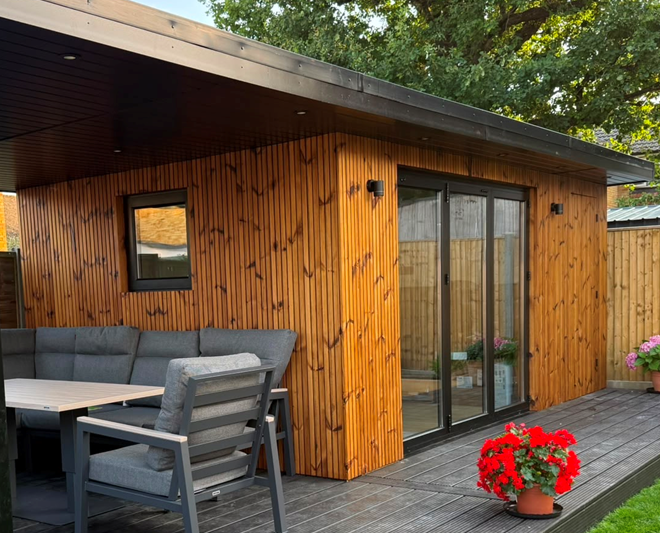
Thermo Ayous Cladding
-
-
Thermowood Pine Cladding PEFC
-

-
Black Cladding PEFC
-

-
Far Eastern Hardwood Cladding PEFC & SVLK
-

-
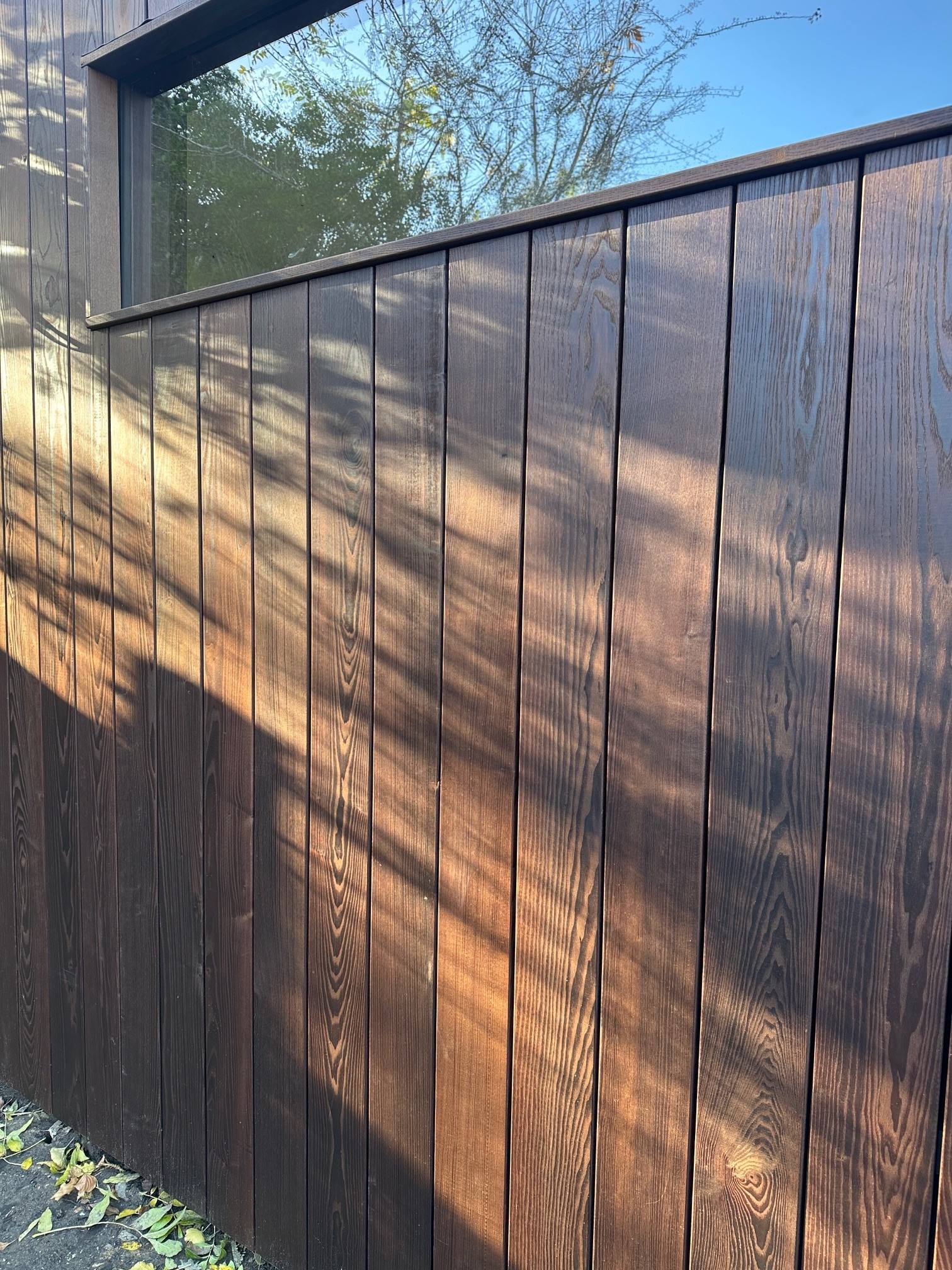
Thermory Radiata Pine Cladding ***FSC®***
-
-
Thermory Thermo-Ash Cladding
-

-
Thermory Thermo-Ash Decor Rhomb Tiles Internal
-
- SAUNA
- SLEEPERS
-
-
-
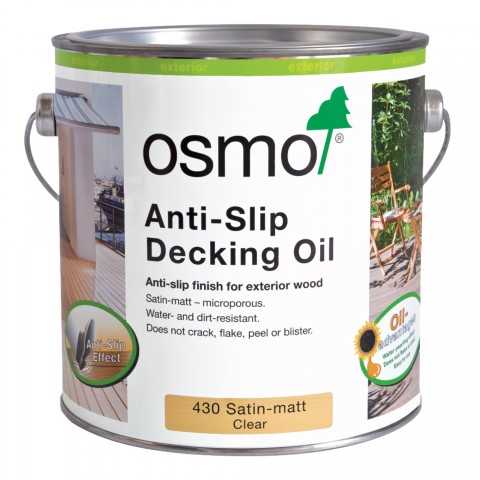
Osmo Treatment & Accessories
-
-
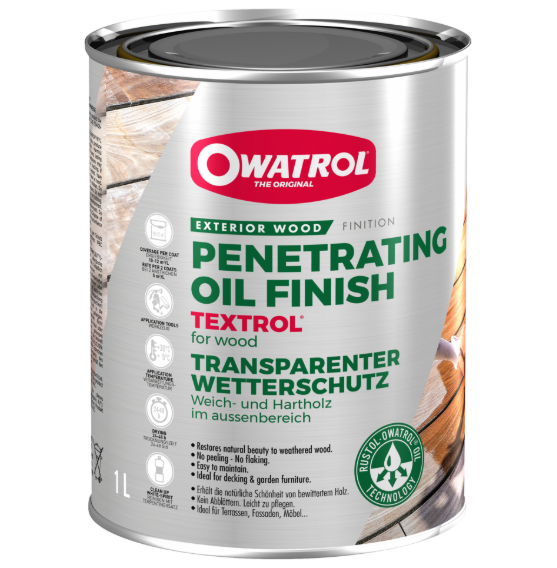
Owatrol Treatment & Accessories
-

-
Thermory Treatment & Fixings
-
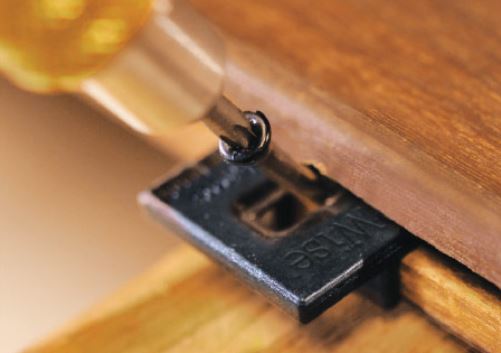
-
Deckwise Hidden Fixings & Accessories
-
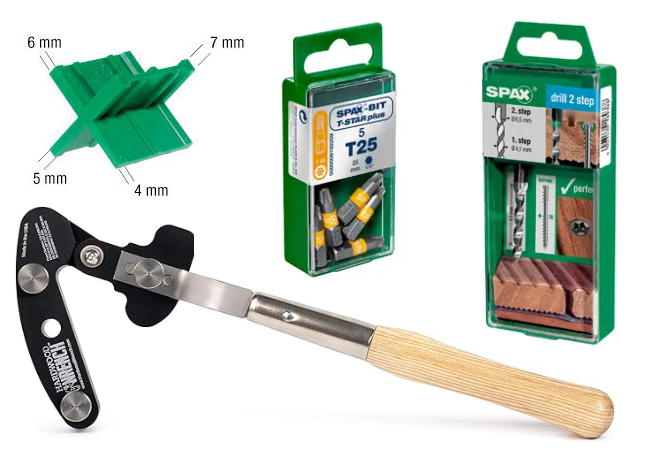
-
Decking Accessories
-
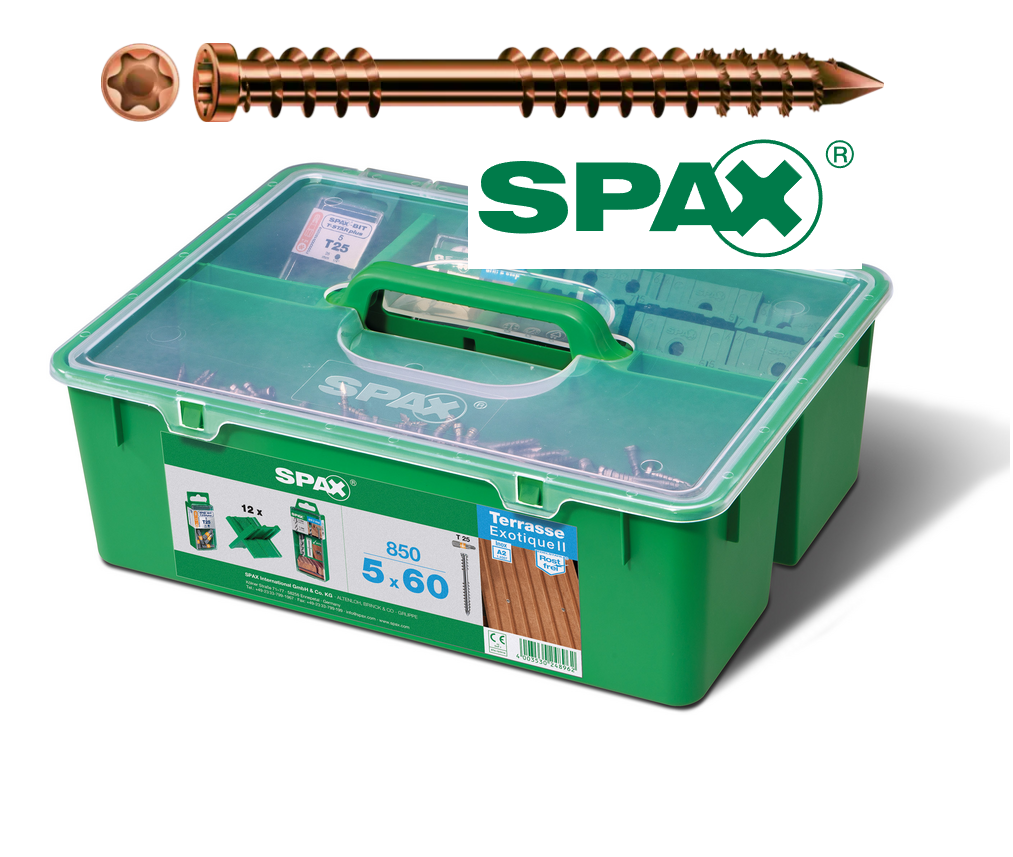
-
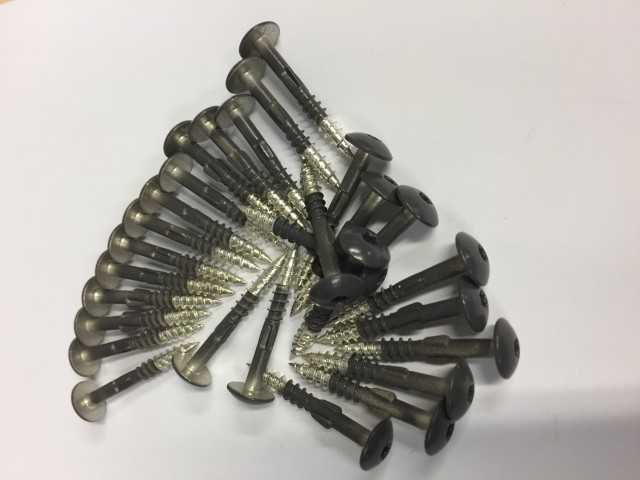
Spax Specialist Decking Screws
-

-
Spax Stainless Steel Facade Screws
-
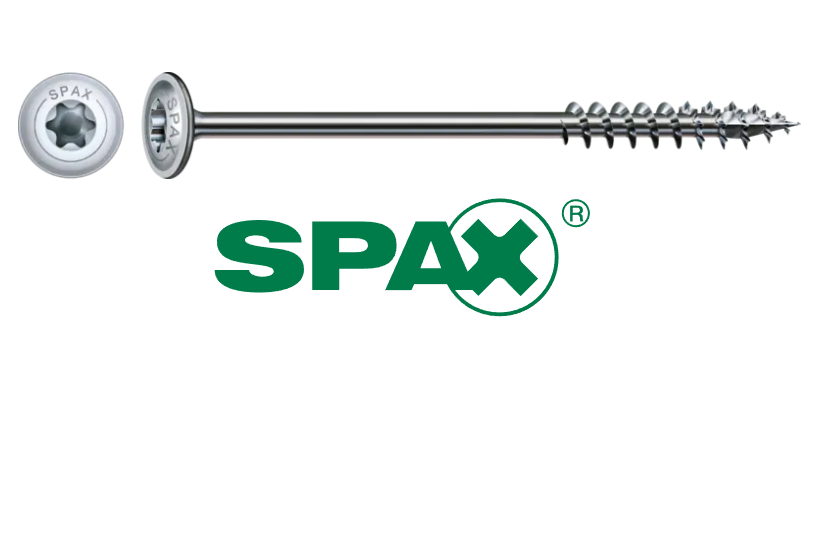
-
Spax Construction Screws
-

-
Stainless Steel Nails
-
-
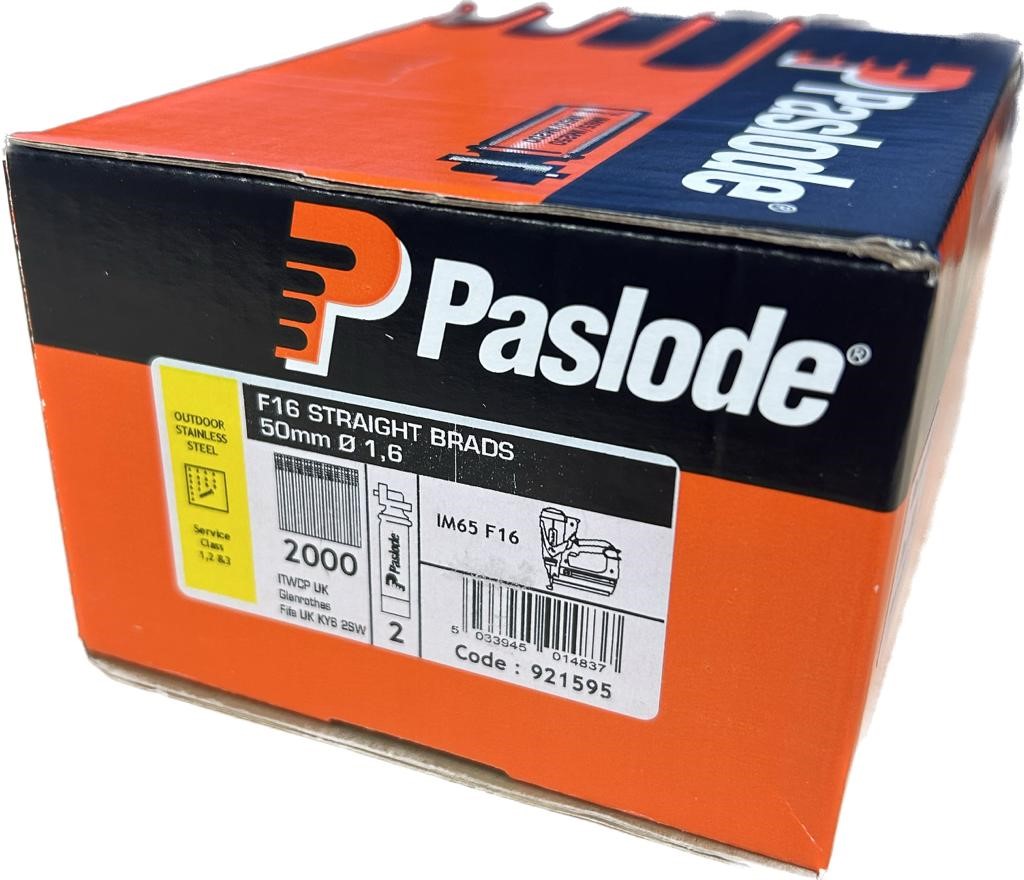
Paslode Stainless Steel Brads
-
-
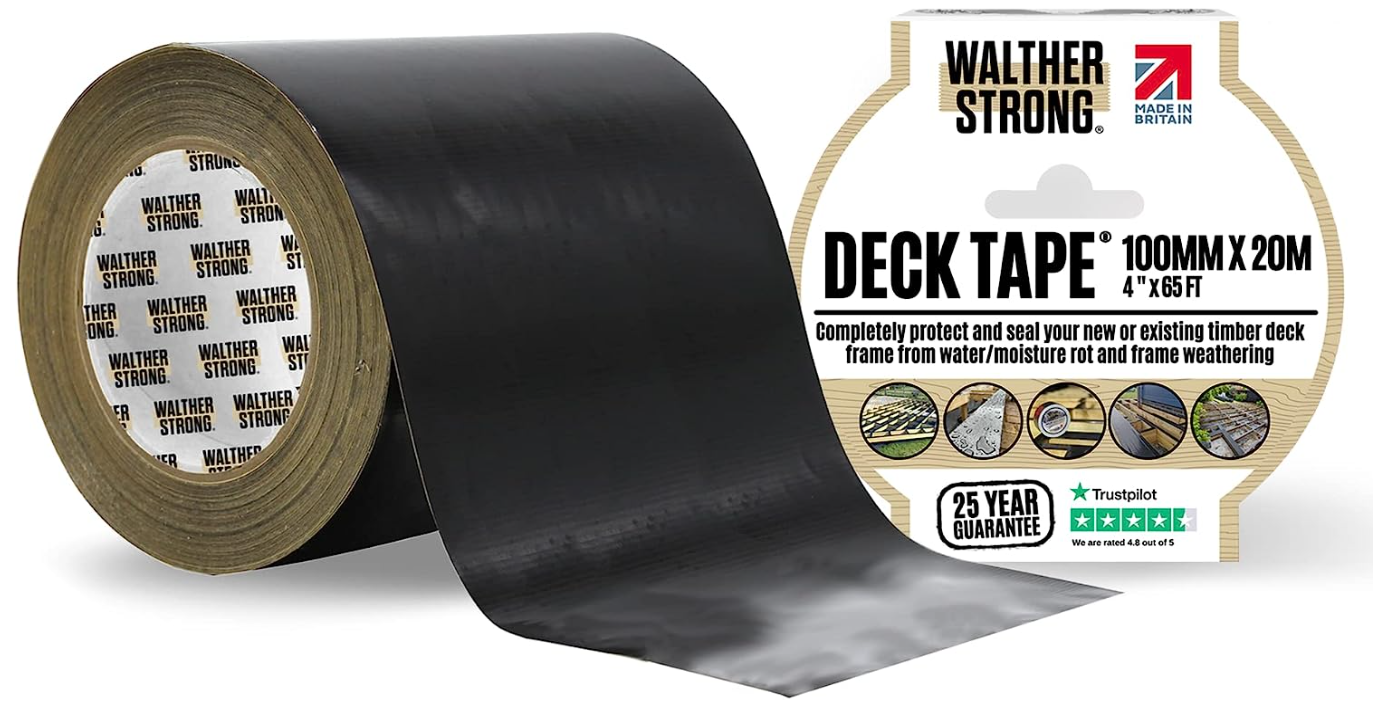
Walther Strong Deck Tape
-
-
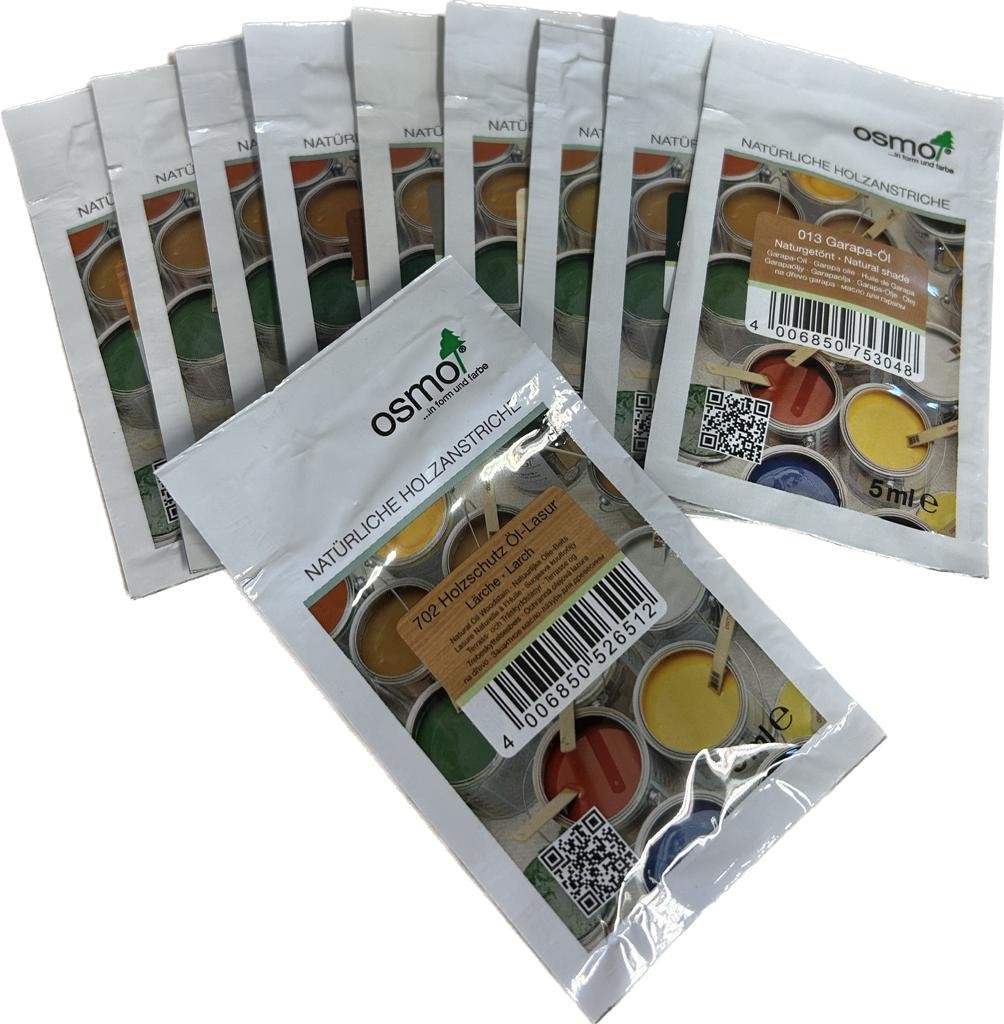
Treatment Samples
-
-
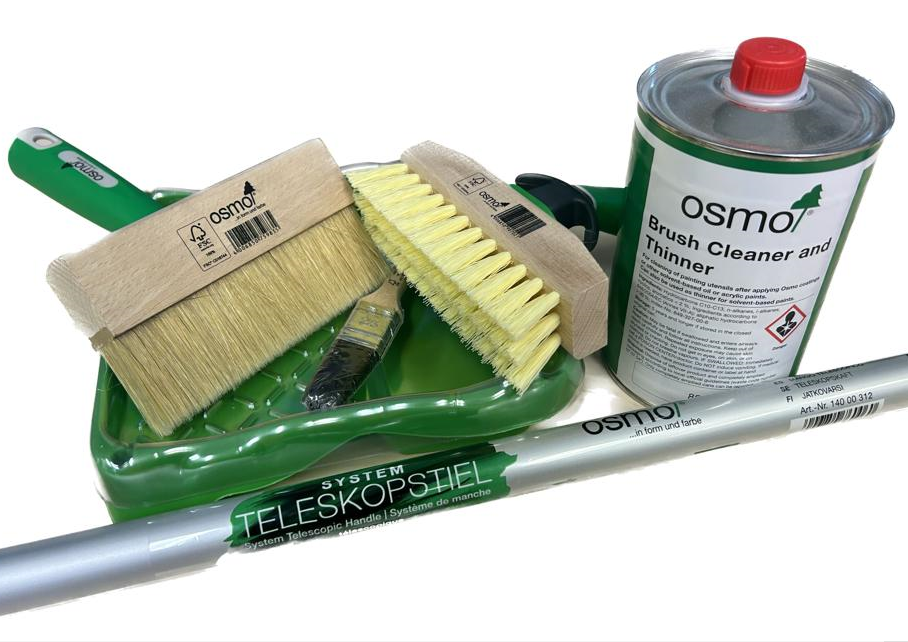
Brushes & Application Tools
-
-
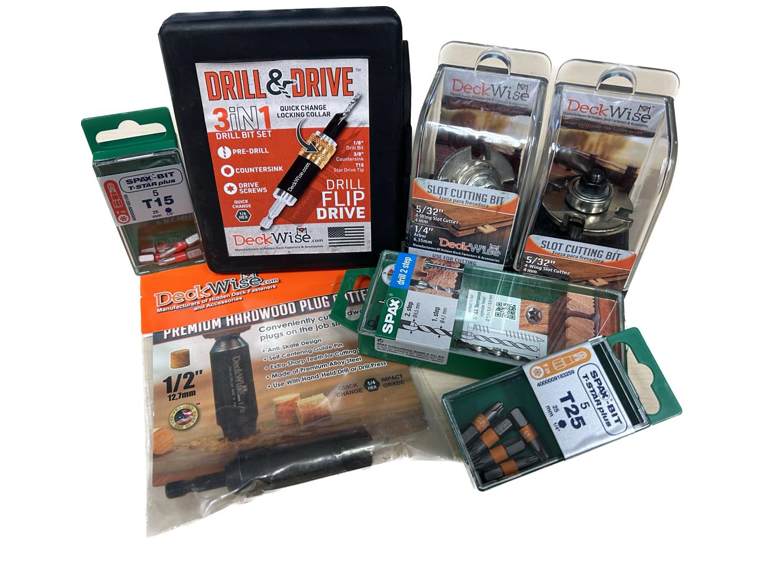
Drive Bits Router Bits & Plug Cutters
-
-
Cedral Accessories
-
- SAMPLES

Can You Install Timber Cladding in Winter? Why Thermo Ayous Makes It Easier

by
Southgate Timber
November 05, 2026
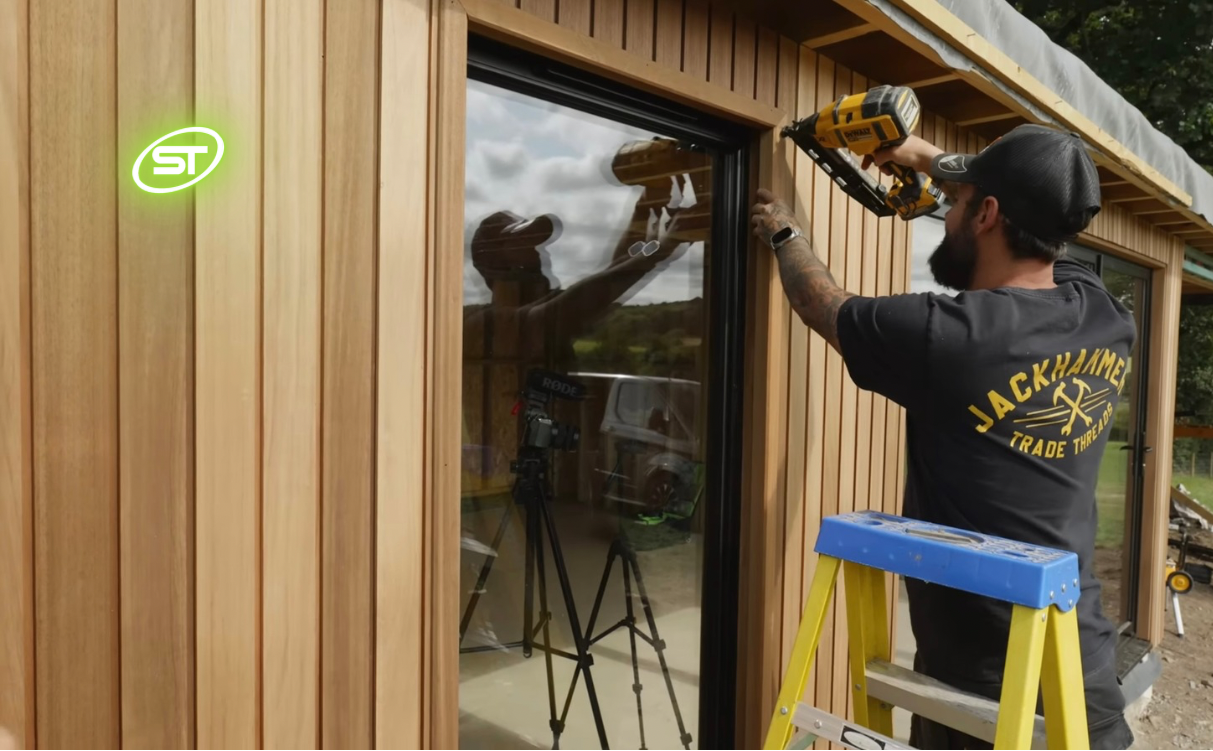


Yes, you can install timber cladding in winter. Cold weather doesn’t damage timber, and with the right preparation, a winter install can look and last just as well as one done in summer. What matters most is keeping the boards dry before they go up, fixing them in sensible conditions and choosing a timber that won’t move much as the seasons change, which is where Thermo Ayous cladding comes in. Below, we look at what changes when you clad in the colder months and how to plan around it.
Does cold or wet weather affect timber cladding?
Cold on its own isn’t a problem. Timber cladding is made to sit outside all year round, and low temperatures don’t weaken it or change the way it fixes. The thing to watch in winter is moisture. All timber takes on a little moisture in damp weather and gives it back in dry weather, swelling and shrinking slightly as it does. Boards that are fitted while they’re wet can shrink back once the weather warms up, and that’s how gaps open between boards and how boards start to cup or pull at their fixings.
So the season you fit in matters less than two other things: the condition of the boards on the day you fix them, and the type of timber you choose.
Why is Thermo Ayous a good choice for a winter install?
Thermo Ayous is ayous that has been heated in a controlled environment using heat and steam, with no chemicals. The process changes the structure of the wood so it takes on far less moisture than untreated timber. In practice, that means boards fitted on a damp November day move much less by the time summer arrives, so the joints stay tight and the face stays flat. If you’d like the detail on how it works, our guide to the thermal modification process explains it step by step.
It’s also one of the lightest cladding hardwoods available, which helps on short winter days. Boards are quick to carry, lift and hold in place, and they’re kind to timber-frame garden rooms and extensions. And because Thermo Ayous doesn’t need a preservative treatment to last, there’s no treatment step that has to wait for warmer weather.
How should you store cladding on site in winter?
How the boards are stored between delivery and fitting has a bigger effect on a winter install than the weather on the day itself. Keep the packs flat and off the ground on bearers, so they can’t sit in water or bow. Cover them from rain, but leave the sides open so air can still move around them, as a sheet wrapped tightly around a pack traps condensation. If you have a garage, a shed or a building that’s already weathertight, that’s the best place for them.
Because Thermo Ayous is thermally modified, it doesn’t need to acclimatise before fitting, so you can fix the boards as soon as they arrive. If they do get caught in the rain, let the surface dry before fixing rather than closing wet boards into the wall.
It’s different with fresh-sawn or air-dried timber. Those boards are better dried a little before fitting: bring them inside, stack them with thin strips of timber (stickers) between each layer so air can reach every face, and leave them in a warm, well-ventilated space for a few days.
What should you check before fixing boards in winter?
The basics of fitting Thermo Ayous don’t change with the seasons, and our step-by-step guide to installing Thermo Ayous cladding covers profiles, battens, fixings and coverage in full. In winter, a few things deserve a little extra attention.
The first is the ventilation gap. A gap of at least 25mm behind the boards lets air move and moisture escape, and in a wet season it does more work than ever, so make sure it isn’t blocked by offcuts, insulation or debris. The second is ground clearance. Rain splashes up and puddles sit for longer in winter, so keep the bottom edge of the cladding well clear of the ground and of any hard surface that water can bounce off.
The third is your fixings. Always use stainless steel, never galvanised or standard steel. Damp weather is exactly when the wrong fixing reacts with the timber and leaves dark streaks running down the boards, which we explain in more detail in our blog on why fixings matter. We stock stainless steel facade screws and stainless steel nails suited to cladding. Finally, check the battens and boards are dry and free of frost before you fix, and work in the drier part of the day where you can.
Should you oil Thermo Ayous in winter or wait until spring?
Thermo Ayous doesn’t need oiling to last. Left untreated, it gradually weathers to a soft silver-grey, and plenty of our customers choose that look. If you’d rather keep its original warm tone, a UV-protection oil such as Osmo 420 Clear UV Protection Oil is the way to do it, and our blog on treated vs untreated Thermo Ayous compares the two.
Winter is the one time of year when timing matters here. Oils need dry boards and a minimum air temperature to dry properly, so always check the tin before you start. That leaves two good options in the colder months. You can coat the boards indoors before fitting, including the tongues, grooves and cut ends, so they’re protected from day one. Or you can fit them bare and apply the oil in a dry spell in spring. Either works well. What doesn’t work is oiling damp boards on a cold day, as the finish won’t dry evenly.
When is it better to wait?
Most winter weather is fine for cladding, but a few conditions are worth pausing for: heavy rain that keeps the boards or battens wet for days, hard frost or ice on the frame, and strong winds, which make handling long boards at height unsafe. Shorter daylight hours also mean less working time, so allow a little longer for the job than you would in summer.
On the plus side, winter is often a quieter time of year for builders and installers, so it can be easier to get someone booked in, and a project finished over the winter is ready to enjoy as soon as spring arrives.
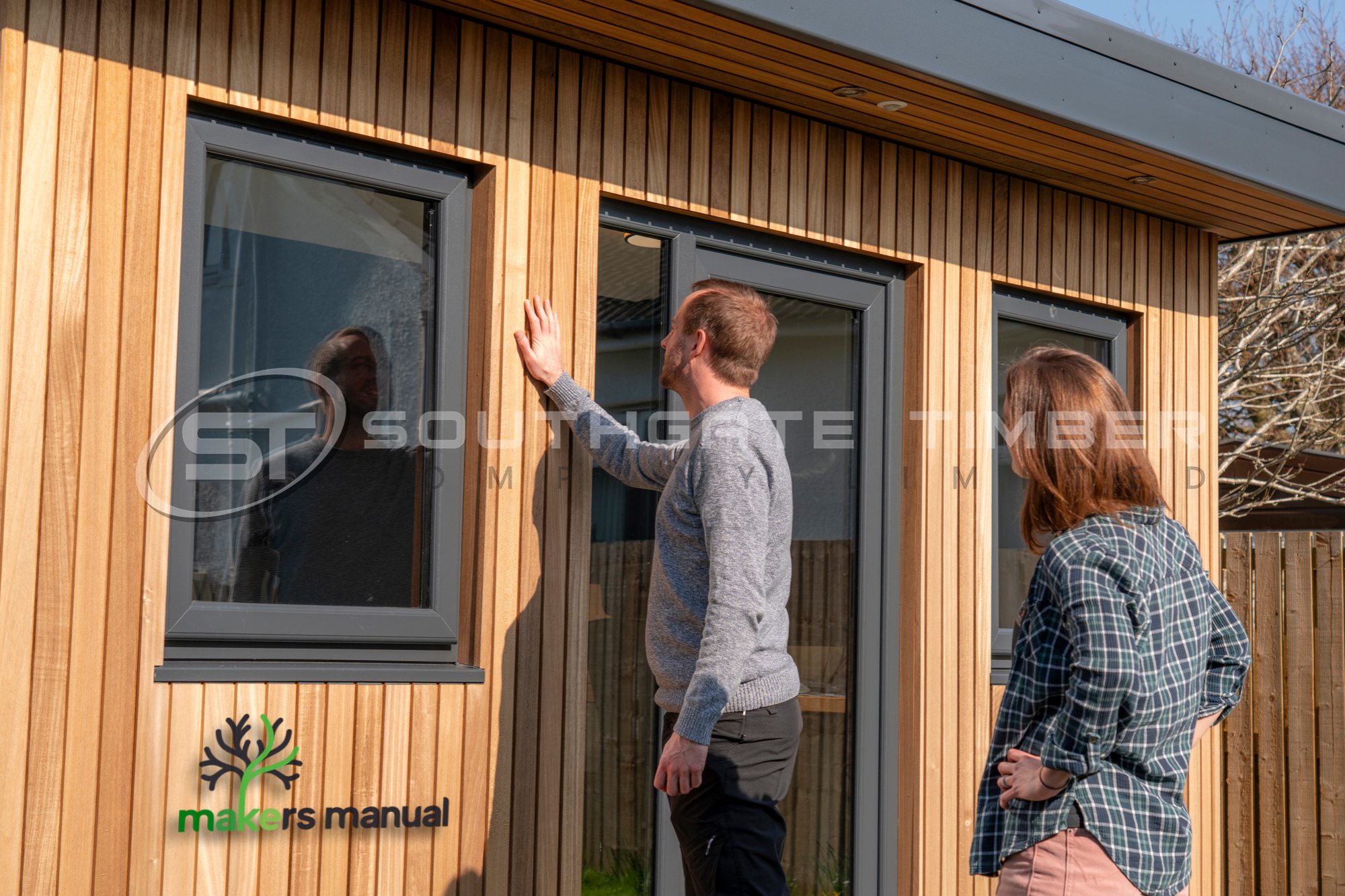
Watch a Thermo Ayous install from start to finish
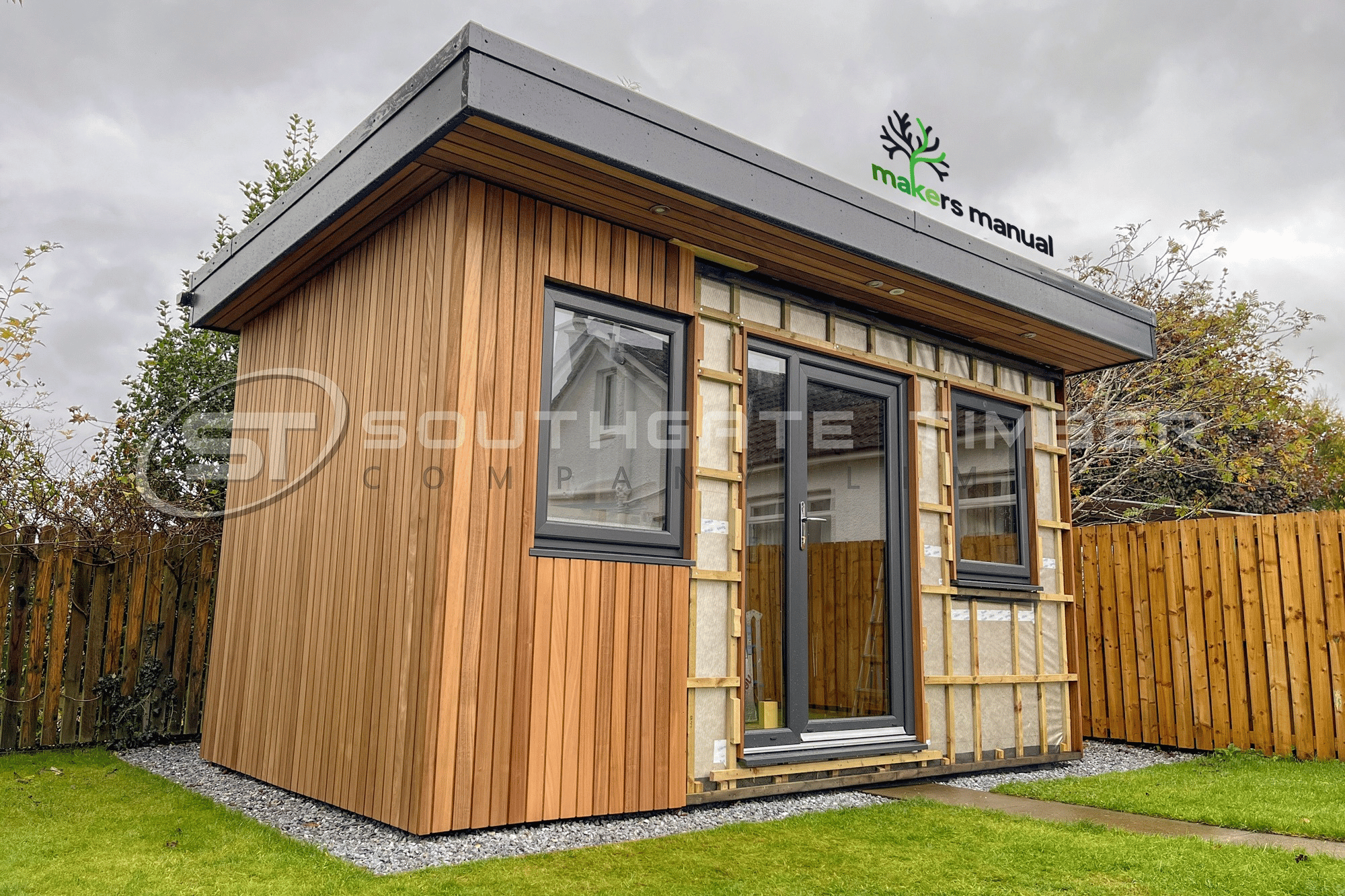
To see how it all comes together, watch our latest Youtube video here. It’s a time-lapse of the Makers Manual garden room being clad in Thermo Ayous 20 x 95mm Channel Groove ST65.TA, from the first board to the last, with a voiceover explaining each stage. You can also read how this build team found the right timber cladding supplier for their garden room in our earlier blog.
FAQs
Can you install timber cladding in the rain?
Light drizzle won’t harm the timber, but avoid fixing boards that are soaked through or closing them in over wet battens. Wait for a drier spell, let the surface dry off, and keep the packs you haven’t used yet covered.
Does Thermo Ayous need to acclimatise before fitting?
No. Thermally modified and kiln-dried timbers don’t need acclimatising, so Thermo Ayous can be fitted as soon as it arrives. Just keep the packs flat and covered until you use them.
Will cladding fitted in winter shrink in the summer?
All timber moves a little with the seasons. Thermo Ayous moves much less than untreated timber, and profiles such as tongue and groove and channel groove are designed so that small amounts of movement don’t open up visible gaps.
Can you install Thermo Ayous fencing in winter too?
Yes. The same stability makes Thermo Ayous fencing a good choice for a winter project, and our guide to installing timber fencing in winter covers posts and ground conditions.
Ready to start your project? Browse our full Thermo Ayous cladding range, order a sample to see the colour first, or contact our team here or call us on 01277 890783, and we’ll help you choose the right profile, fixings and quantities.

General


