- TEL : 01277 890 783
- EMAIL : sales@southgatetimber.co.uk
- Collections Monday to Friday 9:00 - 16:00






 Profiles
 Fast and friendly delivery service
 Samples available
 Click & Collect



-
-
-
IPE Hardwood Decking ***FSC®***
-
-
Iroko Hardwood Decking
-
-
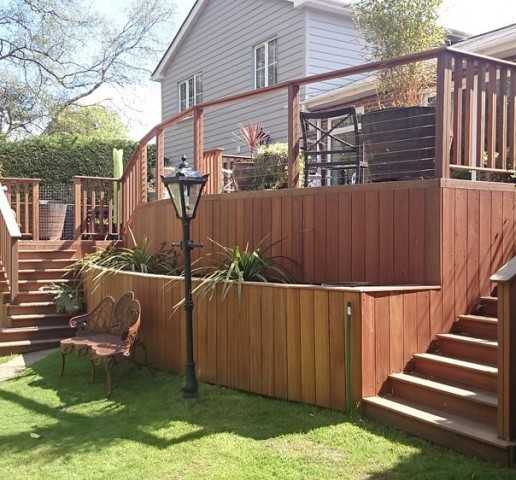
Yellow Balau Hardwood Decking ***FSC®*** & SVLK
-
-
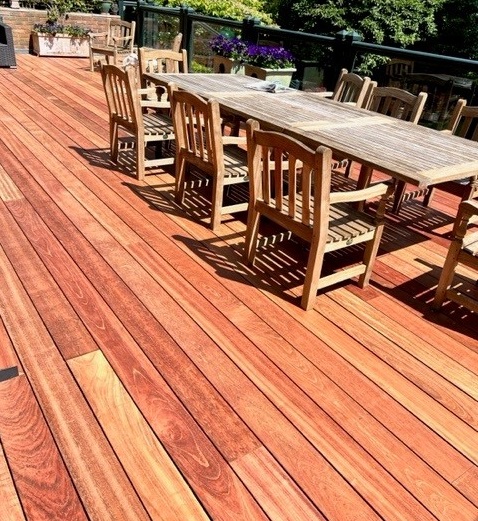
Yellow Balau Hardwood Components SVLK
-
-
Jatoba Hardwood Decking ***FSC®***
-

-
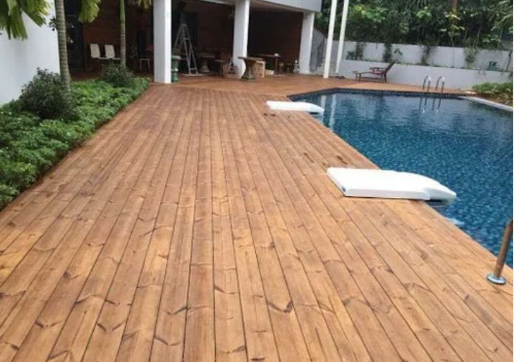
Thermory Benchmark Thermo-Ash Decking
-
-
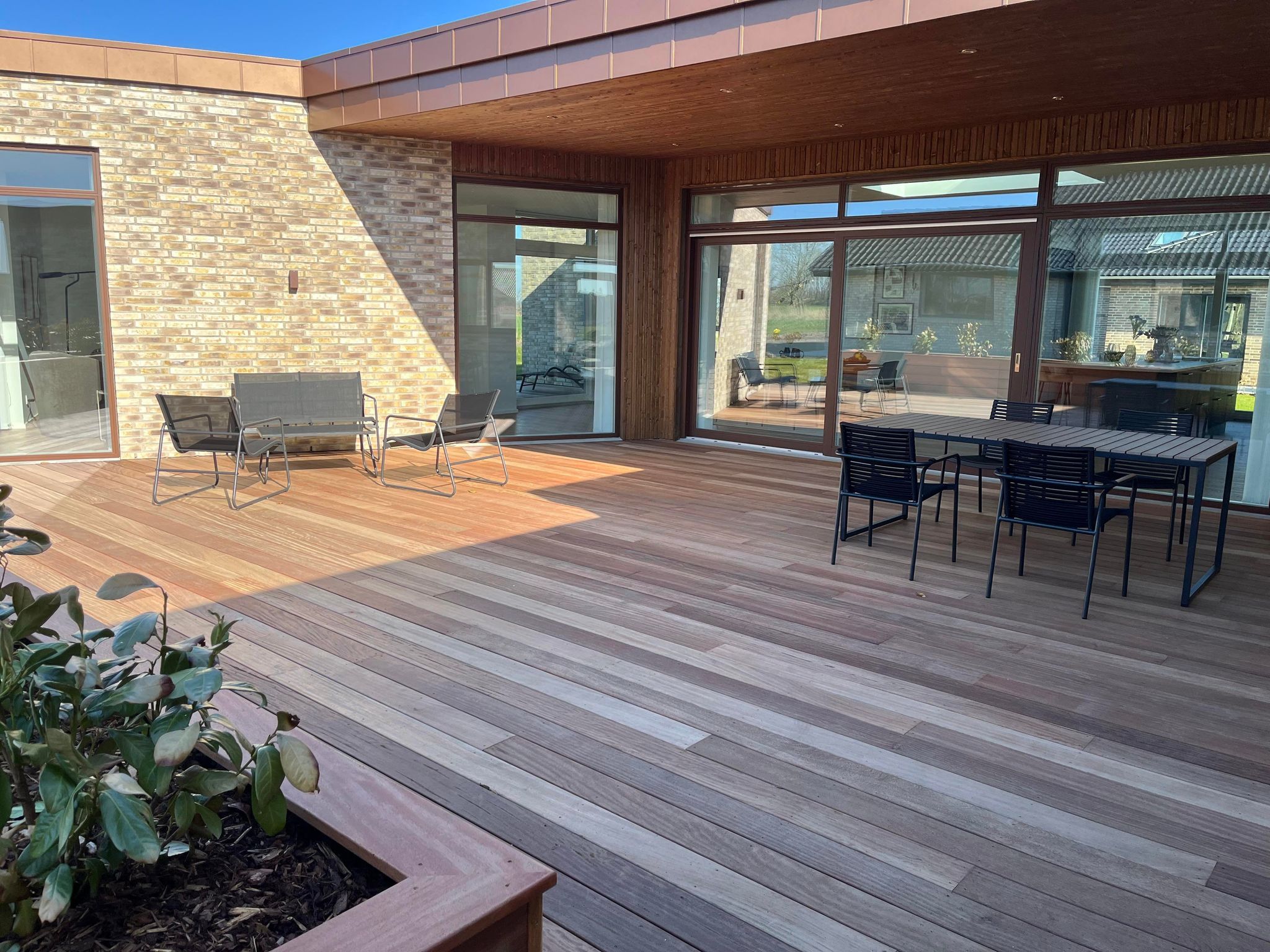
Thermowood Pine Decking PEFC
-
-
Tali Hardwood Decking ***FSC®***
-
-
Thermory Spruce Decking PEFC
-
-
-
-
Western Red Cedar Cladding PEFC
-
-
Cedar Shingles & Ridge Tiles PEFC
-
-
Cedral Cement Board Cladding
-
-
Larch Cladding ***FSC®*** & PEFC
-
-
Douglas Fir Cladding PEFC
-
-
Thermo Ayous Cladding
-
-
Thermowood Pine Cladding PEFC
-
-
Black Cladding PEFC
-

-
Far Eastern Hardwood Cladding PEFC & SVLK
-
-
Thermory Radiata Pine Cladding ***FSC®***
-
-
Thermory Thermo-Ash Cladding
-

-
Thermory Thermo-Ash Decor Rhomb Tiles Internal
-
- SAUNA
- SLEEPERS
-
-
-
Osmo Treatment & Accessories
-

-
Owatrol Treatment & Accessories
-

-
Thermory Treatment & Fixings
-
-
Deckwise Hidden Fixings & Accessories
-
-
Decking Accessories
-
-
Spax Specialist Decking Screws
-

-
Spax Stainless Steel Facade Screws
-
-
Spax Construction Screws
-

-
Stainless Steel Nails
-
-
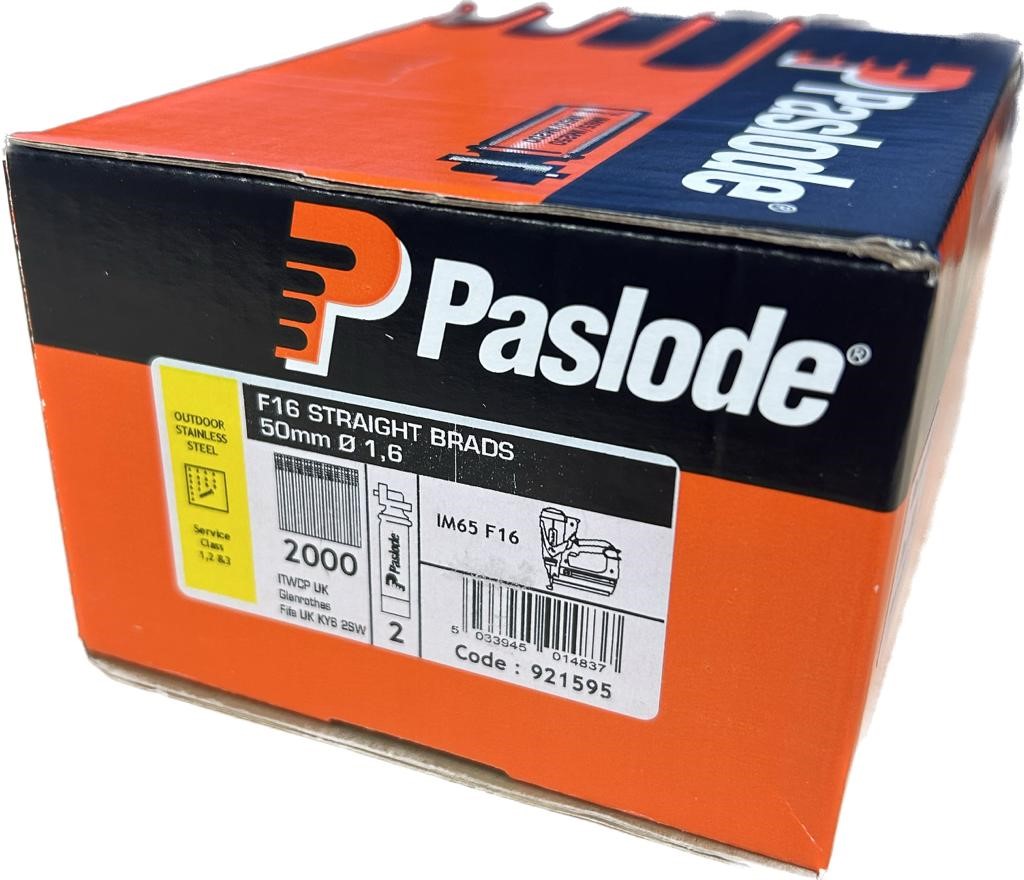
Paslode Stainless Steel Brads
-
-
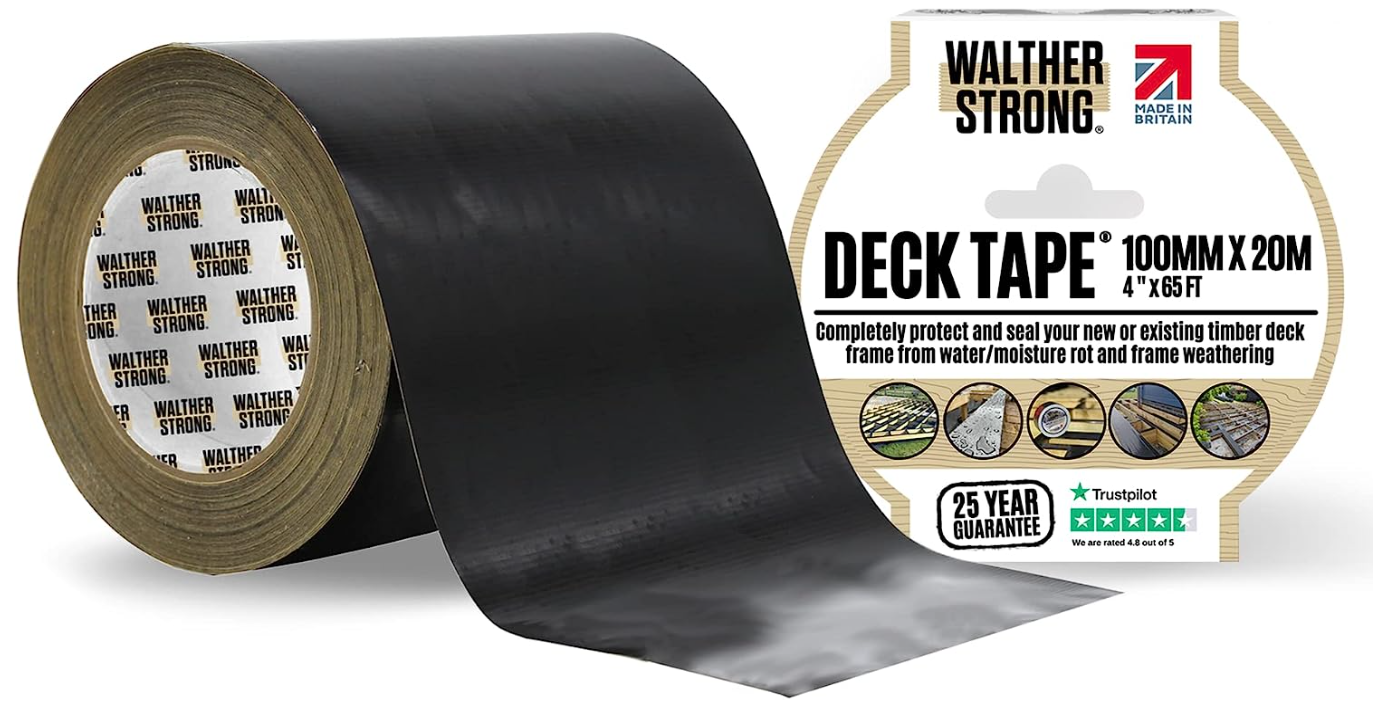
Walther Strong Deck Tape
-
-
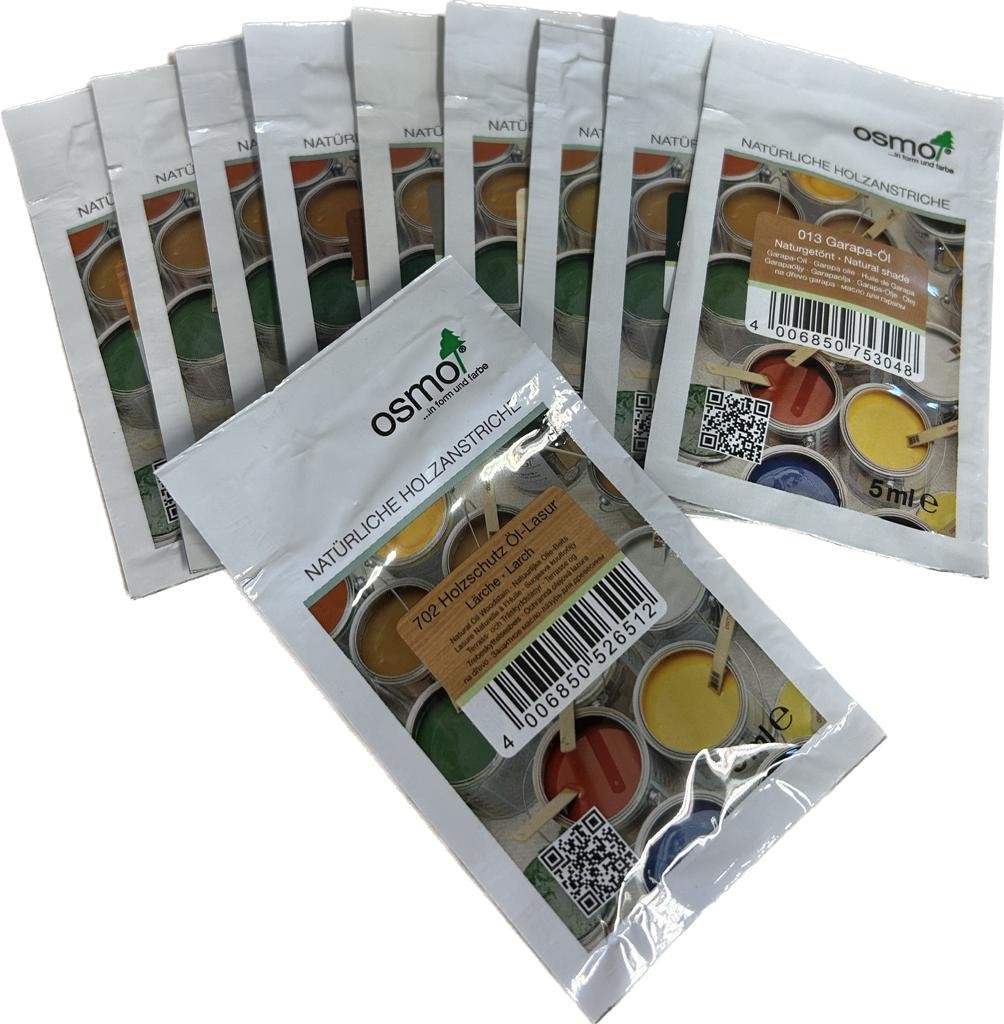
Treatment Samples
-
-
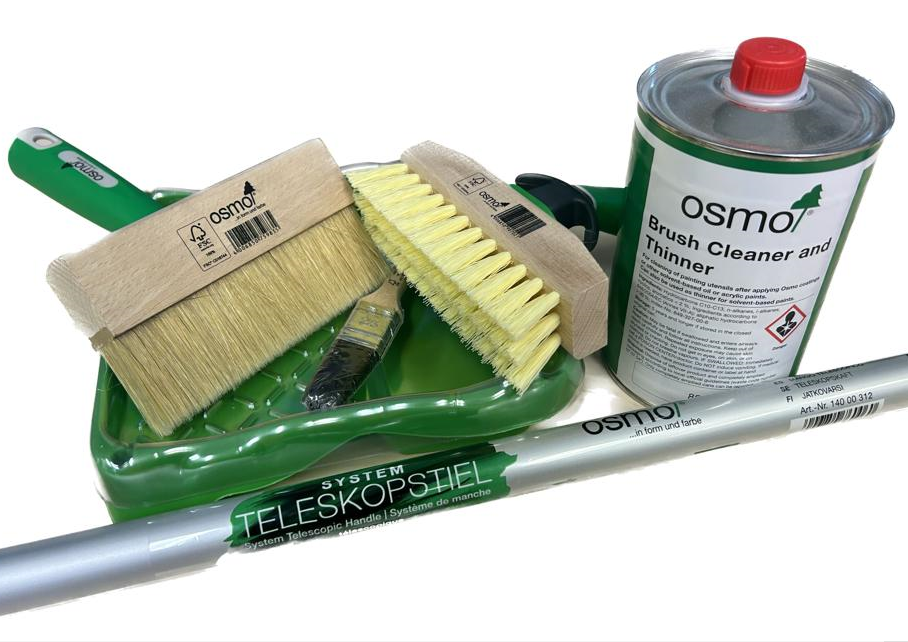
Brushes & Application Tools
-

-
Drive Bits Router Bits & Plug Cutters
-
-
Cedral Accessories
-
- SAMPLES

Which Width of Sauna Bench Slat Should I Choose?

by
Southgate Timber
November 26, 2026
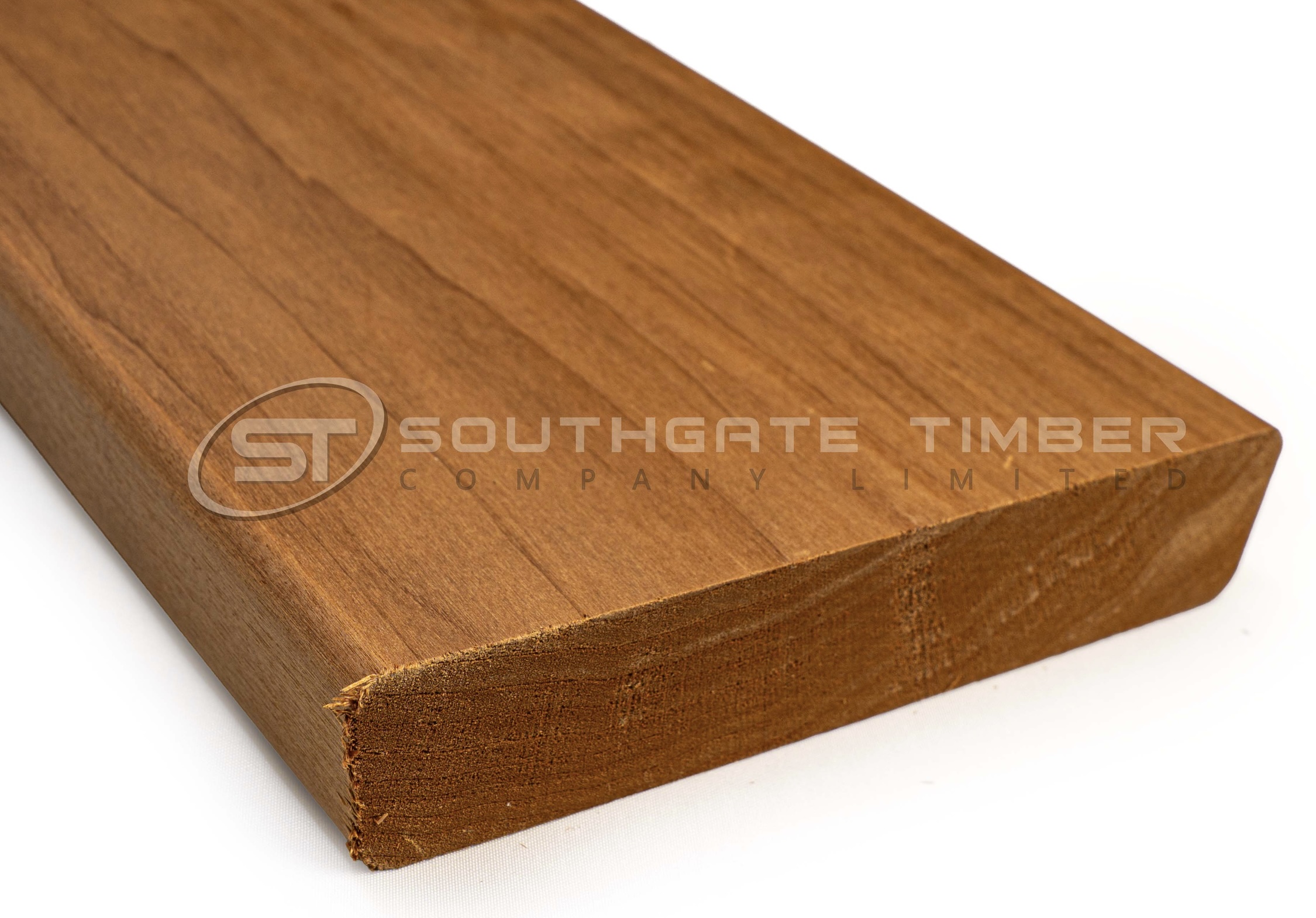


The short answer: 90mm, 120mm and 140mm all work, and the width you choose decides how many slats make up your bench and how the finished seat looks. Narrower slats give more gaps and a lighter, more traditional bench. Wider slats give fewer gaps, a cleaner look and a quicker fit. Our bench slats are 28mm thick with rounded edges in every width, so comfort and strength do not change with the width you pick.
What a bench slat actually is
A sauna bench slat is not just a plank. Ours are machined to 28mm thick and finished PAR with rounded edges, which is written on the product pages as PAR and Rounds.
The 28mm matters for strength. A bench carries the weight of people sitting and lying on it, usually spanning between two or three bearers, and a thinner board flexes. The rounded edges matter for comfort. A square edge under the back of your thigh becomes noticeable within a few minutes at sauna temperature, and the rounding also wears better where skin contacts timber session after session.
Those two things are the same in 90mm, 120mm and 140mm. So this is a decision about proportion and fitting time, not about whether the bench will be comfortable or hold up.
Which width suits which bench
Most domestic sauna benches end up somewhere between 500mm and 600mm deep for sitting, and 600mm or more if you want to lie down. We recommend a gap of 5mm to 10mm between slats for drainage and airflow. With a gap at either end of that range, the widths work out like this.
| Slat width | Slats across | Depth with 5mm gaps | Depth with 10mm gaps |
|---|---|---|---|
| 90mm | 6 slats | about 565mm | about 590mm |
| 90mm | 7 slats | about 660mm | about 690mm |
| 120mm | 5 slats | about 620mm | about 640mm |
| 140mm | 4 slats | about 575mm | about 590mm |
| 140mm | 5 slats | about 720mm | about 740mm |
So with 10mm gaps, a bench around 590mm deep can be built three different ways: with four wide slats, six narrow ones, or five of the middle width at a slightly greater depth. All three are correct. They simply look different. If you need to hit an exact depth, adjusting the gap within that 5mm to 10mm range is the easiest way to do it.
How the choice actually looks
- 90mm. The most traditional. Six or seven narrow slats across a bench gives a finely striped look that reads as a Scandinavian sauna, and the extra gaps help water run away quickly. It is the slowest to fit because there are more pieces and more fixings.
- 120mm. A middle ground that suits a bench around 600mm to 640mm neatly with five slats. Fewer gaps than the 90mm, more than the 140mm.
- 140mm. The cleanest and the quickest. Four slats cover a standard sitting bench, which means fewer fixings and a calmer looking seat with less visual interruption. In a small cabin it can make the bench feel more solid and substantial.
If you are matching an existing bench, measure the slats you already have rather than guessing from a photograph. The difference between 120mm and 140mm is hard to judge by eye once a bench is built.
A point worth knowing on the two timbers
Bench slats come in both Thermo Aspen and standard Aspen, but the widths available are not identical.
| Width | Thermo Aspen | Standard Aspen |
|---|---|---|
| 90mm | 28 x 90mm bench slat | 28 x 90mm bench slat |
| 120mm | 28 x 120mm bench slat | Not currently available |
| 140mm | 28 x 140mm bench slat | 28 x 140mm bench slat |
So if you have set your heart on the middle width, that currently means Thermo Aspen. If you want the lighter, more affordable standard Aspen, you are choosing between the narrow and the wide. It is worth asking us before you plan the bench around 120mm, because the range does change. For more on choosing between the two timbers, see our guide to the difference between Thermo Aspen and Aspen.
Spacing and fixing
Leave a consistent gap between slats. It lets water drain, lets air circulate underneath and gives each slat room to move very slightly as the sauna heats and cools. We recommend a gap of 5mm to 10mm, and the table above shows the depths at both ends of that range. Cut a spacer to the gap you have chosen as you work along the bench and the gaps will stay even.
Fix from underneath wherever you can, up through the bearer into the slat, so that no fixing head sits on a surface anyone touches. Where a fixing has to go in from above, it should be counterbored and plugged so the head sits below the surface. Use stainless steel fixings throughout. Ordinary steel will corrode in the humidity and will stain the timber around it. Our guide on how to fit sauna cladding covers fixings for the walls as well.
Cladding the room at the same time? Our guide to how much sauna cladding you need works through the quantities for each board width.
FAQs
How thick should a sauna bench slat be?
Ours are 28mm, which is the usual thickness for a sauna bench and gives enough strength to span between bearers without flexing. Thinner boards intended for cladding are not suitable for seating.
What gap should I leave between sauna bench slats?
We recommend 5mm to 10mm. Anywhere in that range gives water room to drain and air room to move, while the bench still feels solid to sit on.
Do I need to treat sauna bench slats?
No. Sauna timber is deliberately left uncoated so it can handle the heat and moisture, and that applies to benches as much as to walls. Wipe them down with a damp cloth and let the sauna dry out properly between sessions.
Can I use cladding boards for the bench instead?
No. Cladding is 15mm thick, grooved to slot together, and is neither strong enough nor shaped correctly for seating. The bench slat profile exists for a reason.
Are bench slats available in both Thermo Aspen and standard Aspen?
Yes, though not in every width. Thermo Aspen is available in 90mm, 120mm and 140mm. Standard Aspen is available in 90mm and 140mm.
How do I work out how much I need?
Multiply the length of the bench by the number of slats across, then add around 10 per cent for cutting. A bench 1.8m long with six slats needs a little under 12 metres of slat.

General