- TEL : 01277 890 783
- EMAIL : sales@southgatetimber.co.uk
- Collections Monday to Friday 9:00 - 16:00






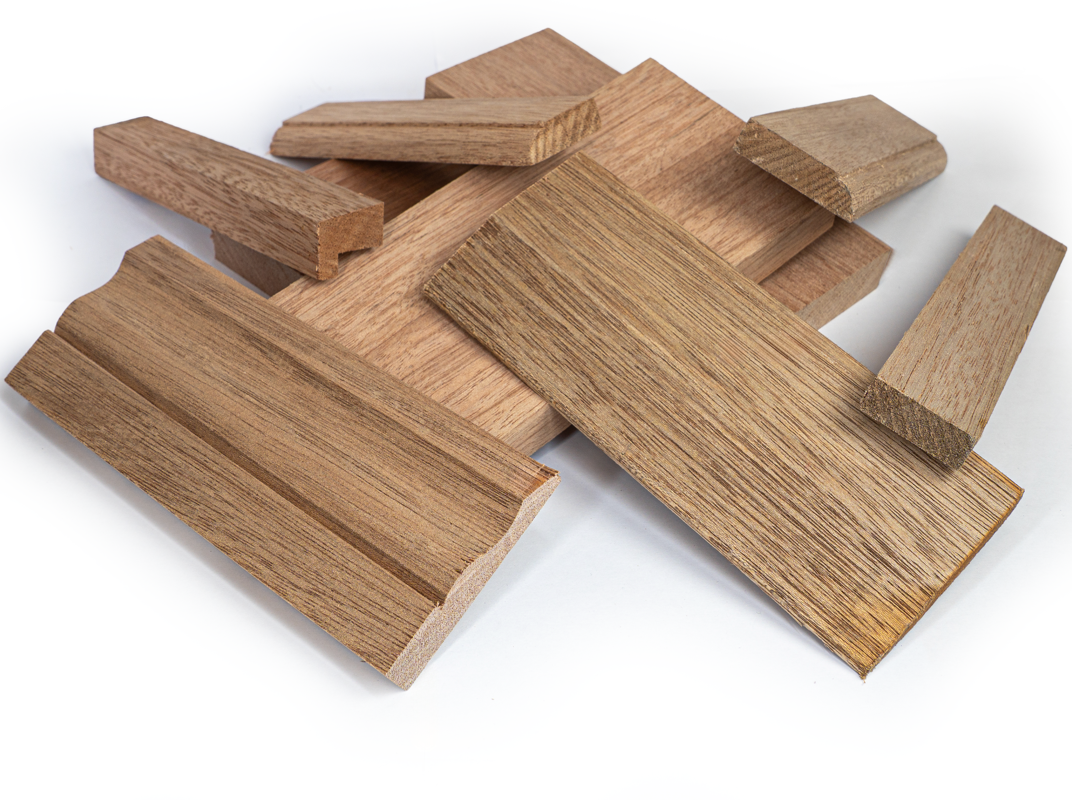
 Profiles
 Fast and friendly delivery service
 Samples available
 Click & Collect



-
-
-
IPE Hardwood Decking ***FSC®***
-
-
Iroko Hardwood Decking
-
-
Yellow Balau Hardwood Decking ***FSC®*** & SVLK
-
-
Yellow Balau Hardwood Components SVLK
-
-
Jatoba Hardwood Decking ***FSC®***
-

-
Thermory Benchmark Thermo-Ash Decking
-
-
Thermowood Pine Decking PEFC
-
-
Tali Hardwood Decking ***FSC®***
-
-
Thermory Spruce Decking PEFC
-
-
-
-
Western Red Cedar Cladding PEFC
-
-
Cedar Shingles & Ridge Tiles PEFC
-
-
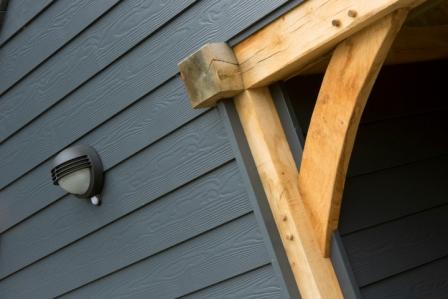
Cedral Cement Board Cladding
-
-
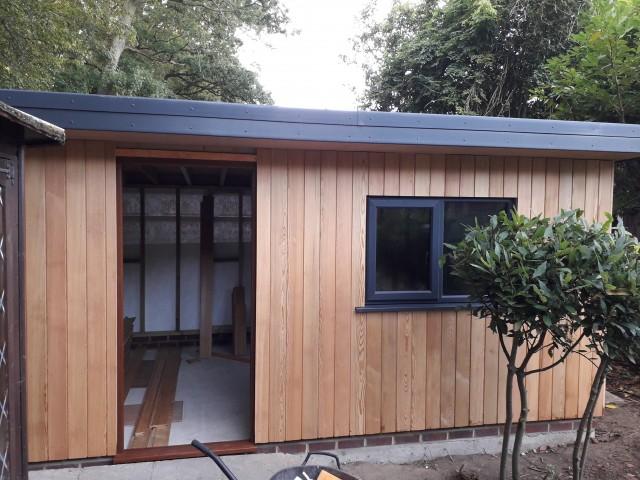
Larch Cladding ***FSC®*** & PEFC
-
-
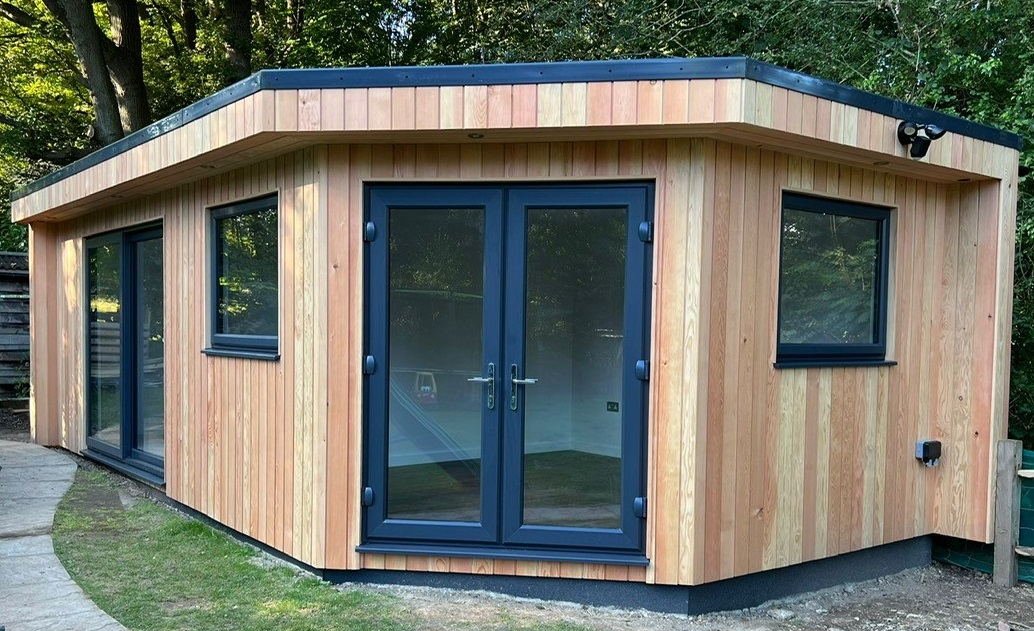
Douglas Fir Cladding PEFC
-
-
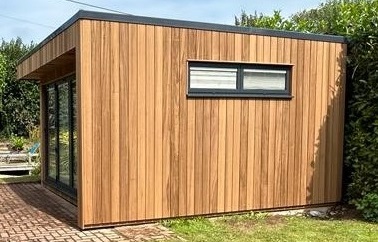
Thermo Ayous Cladding
-
-
Thermowood Pine Cladding PEFC
-
.jpg)
-
Black Cladding PEFC
-

-
Far Eastern Hardwood Cladding PEFC & SVLK
-

-
Thermory Radiata Pine Cladding ***FSC®***
-
-
Thermory Thermo-Ash Cladding
-

-
Thermory Thermo-Ash Decor Rhomb Tiles Internal
-
- SAUNA
- SLEEPERS
-
-
-
Osmo Treatment & Accessories
-
-
Owatrol Treatment & Accessories
-

-
Thermory Treatment & Fixings
-
-
Deckwise Hidden Fixings & Accessories
-
-
Decking Accessories
-
-
Spax Specialist Decking Screws
-
-
Spax Stainless Steel Facade Screws
-
-
Spax Construction Screws
-

-
Stainless Steel Nails
-
-
Paslode Stainless Steel Brads
-
-
Walther Strong Deck Tape
-
-
Treatment Samples
-
-
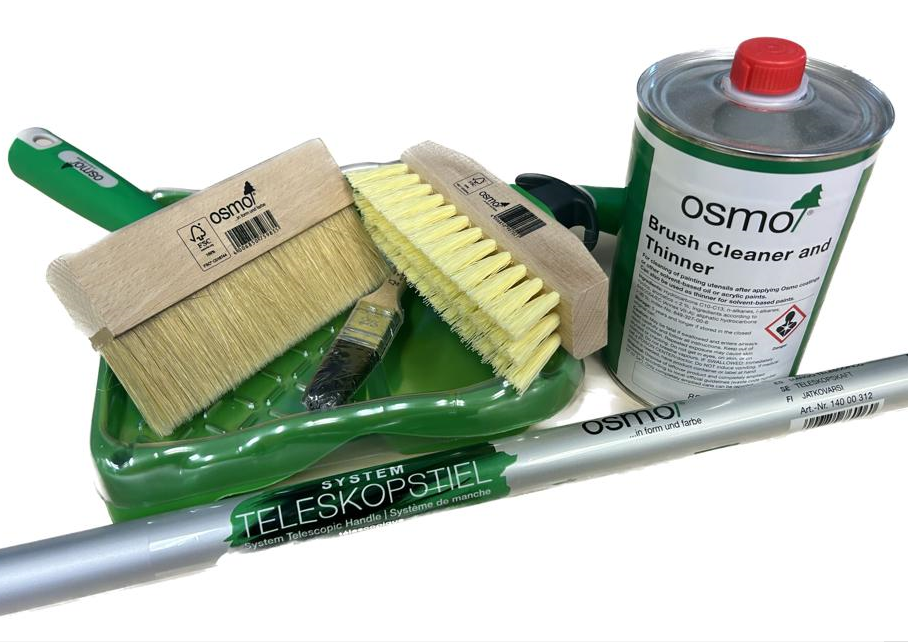
Brushes & Application Tools
-

-
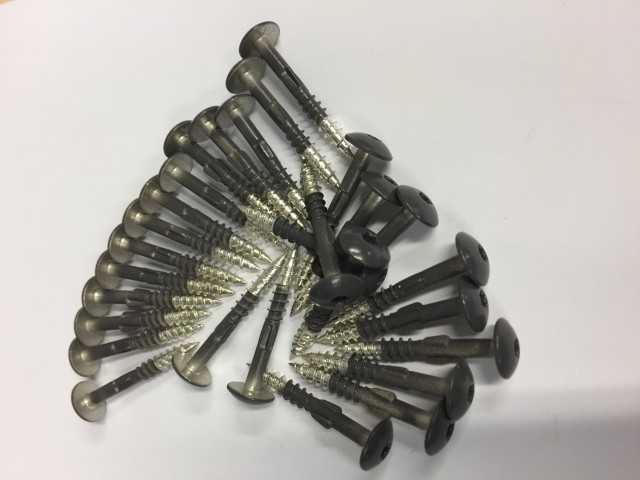
Drive Bits Router Bits & Plug Cutters
-
-
Cedral Accessories
-
- SAMPLES

Sauna Cladding & Bench Slats: The Complete UK Buying Guid

by
Southgate Timber
June 25, 2026
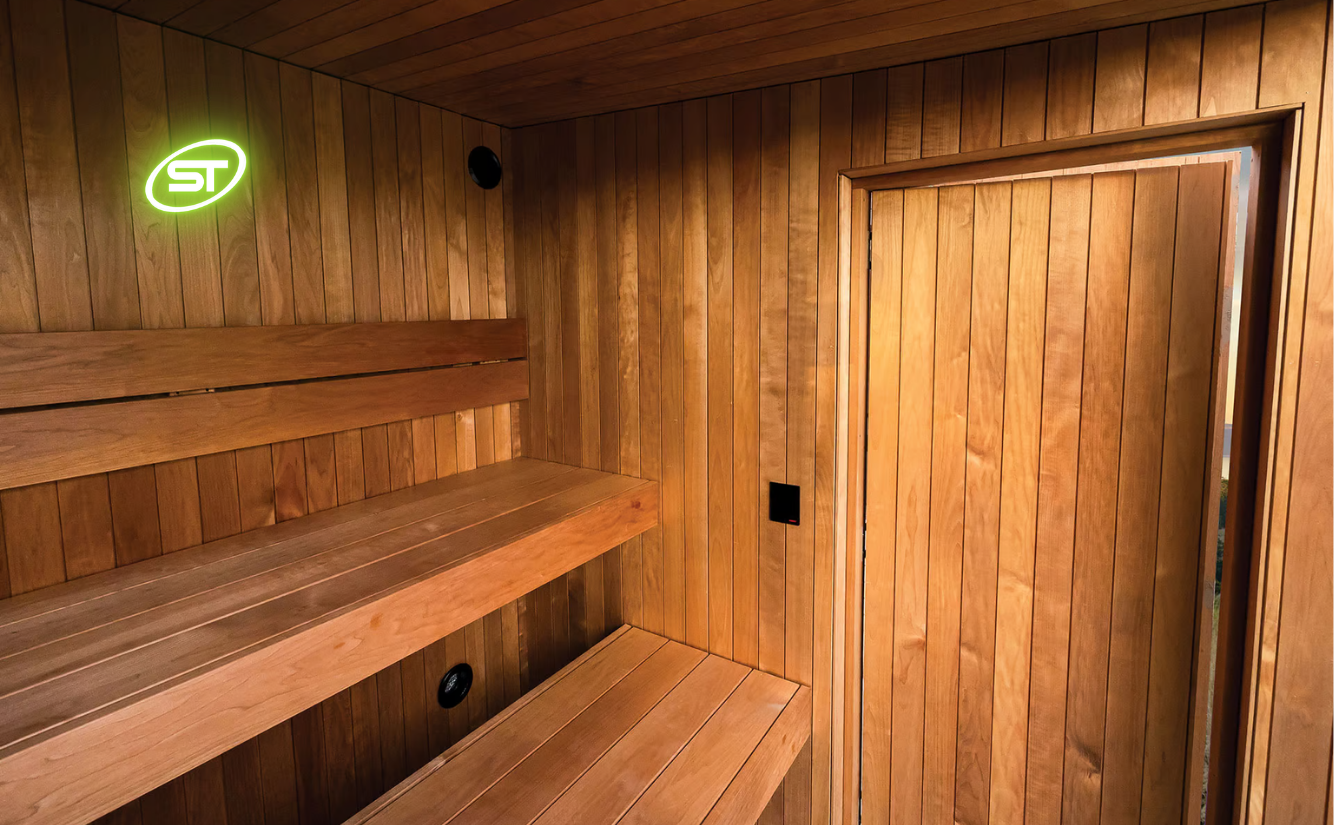


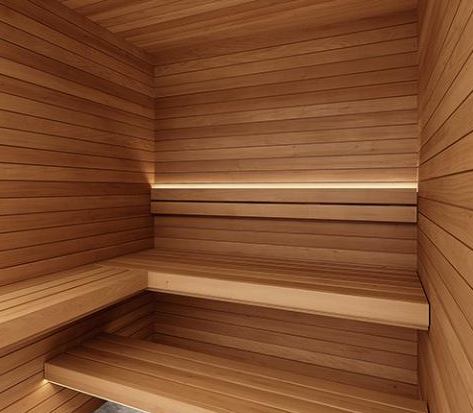
If you're building or fitting out a sauna — whether a full DIY build or working with a builder — the timber you choose for the walls, ceiling and benches matters more than almost any other material decision in the project. Sauna interiors face a genuinely unusual combination of heat, humidity and skin contact that most timber simply isn't suited to. Here's what's worth knowing before you order.
Why not just use any timber?
A sauna interior regularly reaches 70–110°C in high humidity, and the timber lining it is touched directly, often with bare skin, at those temperatures. Three things matter more here than in almost any other timber application:
- Low thermal conductivity - the timber needs to stay comfortable to touch even when the room is at full temperature. Dense, high-conductivity woods get uncomfortably hot on skin contact; sauna-suitable species are chosen specifically because they don't.
- Low resin content - a resinous timber will bleed sap when heated repeatedly, leaving sticky patches on walls, benches and eventually skin. This alone rules out most common construction softwoods.
-Stability under repeated heat-and-humidity cycling a sauna heats up and cools down, gets steamed and dries out, on a near-daily cycle for years. Timber prone to warping, cupping or splitting under that kind of repeated stress will fail faster than it would anywhere else in the house.
Aspen naturally suits all three — it's a genuinely low-resin species to begin with, which is why it's a traditional sauna timber across Scandinavia regardless of how it's processed afterward.
Two options: Thermo Aspen and standard Aspen
We stock Aspen in two forms, and it's worth understanding the real difference before choosing, since they're both genuinely good options for different reasons — this isn't a case of one being an upgrade and the other a compromise.
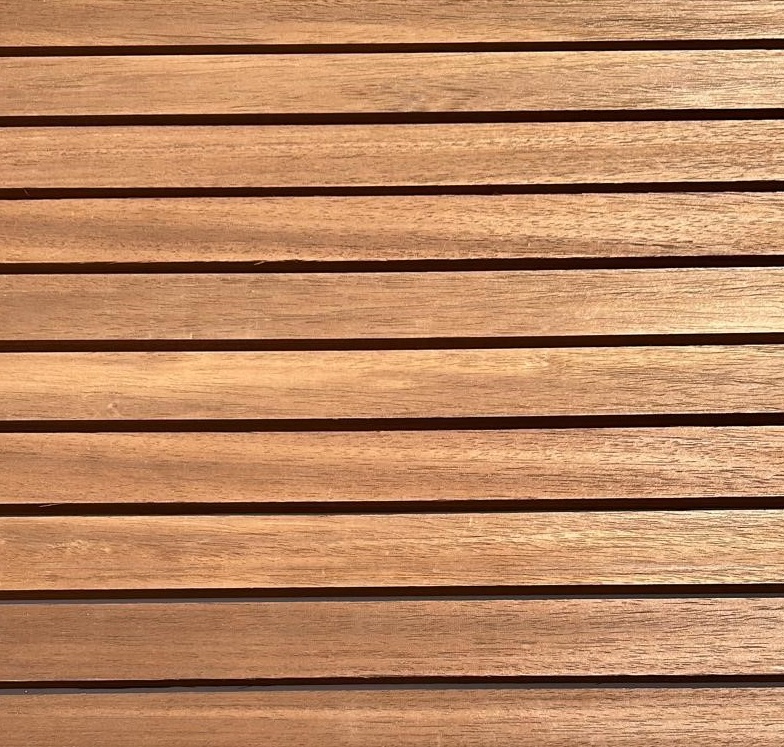
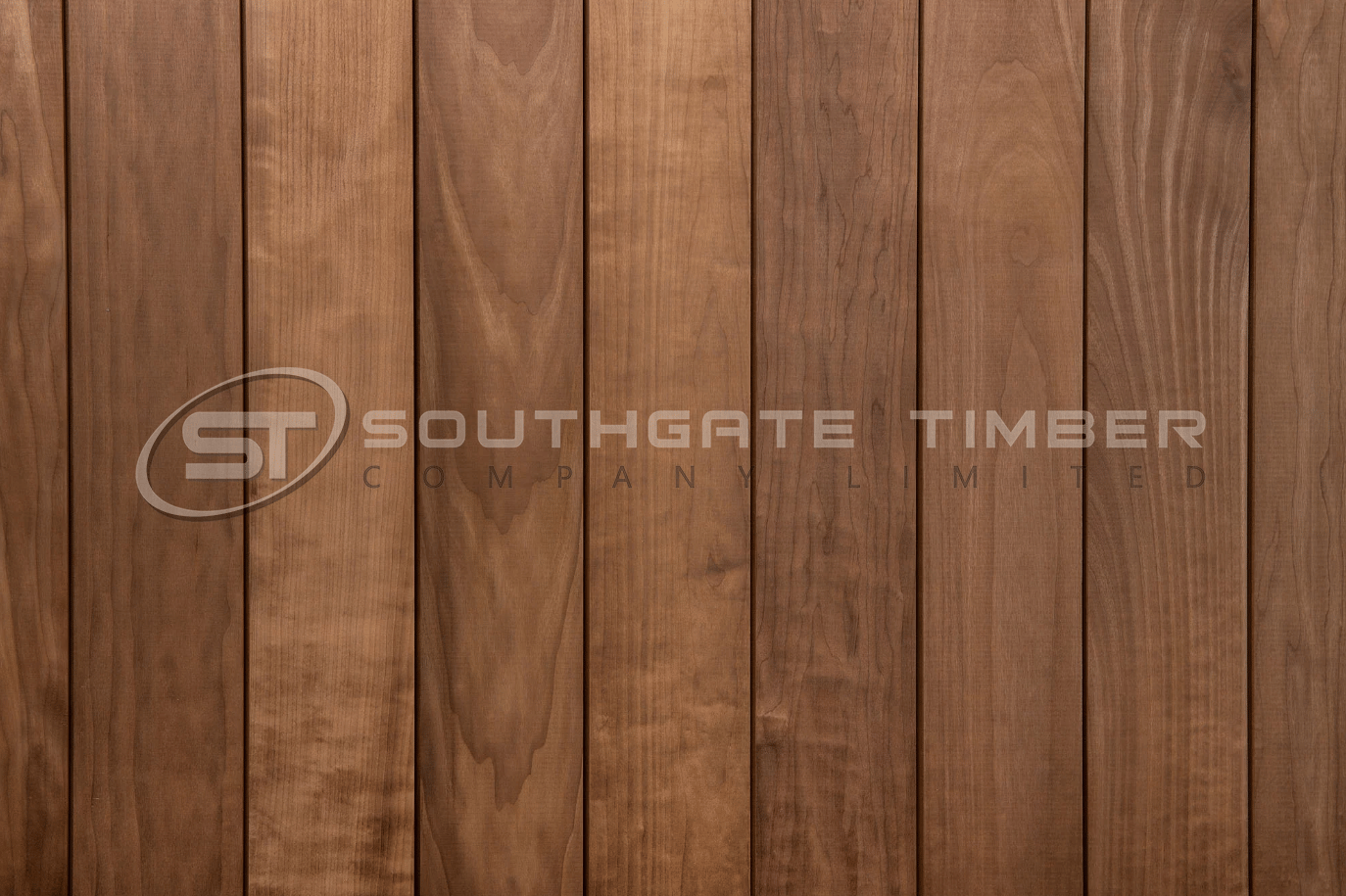
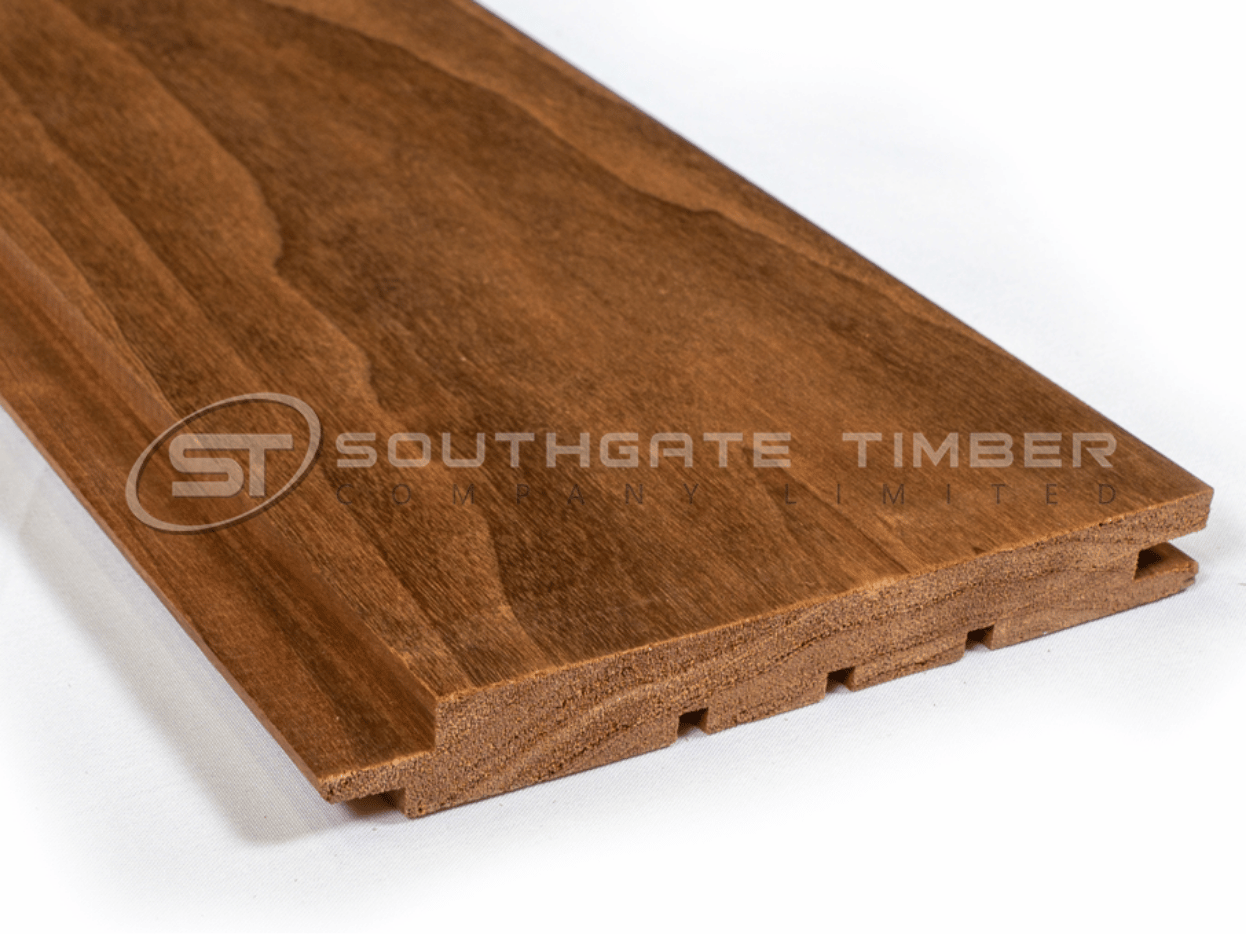
Thermo Aspen is thermally modified — heat-treated in a controlled process that alters the timber's cell structure. This further reduces the timber's already-low resin content to almost nothing and improves dimensional stability under repeated heat/humidity cycling. The result is a pale golden-brown timber.
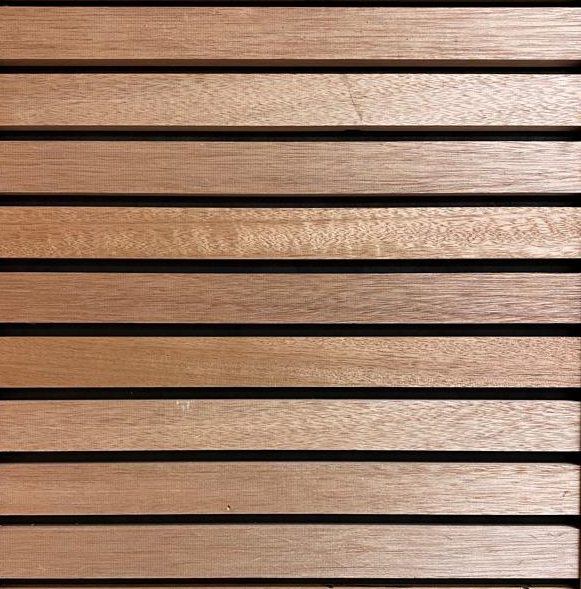
Standard Aspen achieves its sauna-suitability differently — it's kiln dried to low moisture levels specifically to prepare it for the sauna environment, rather than being thermally modified. It keeps Aspen's natural white, light colouring, giving a noticeably different look in the finished room compared to Thermo Aspen's warmer tone. Standard Aspen is also more affordable than the thermally modified version.
Which one to choose genuinely comes down to look and budget rather than one being objectively better:
- Want a warmer, golden-brown interior? Thermo Aspen.
- Want a brighter, whiter, more traditional Scandinavian sauna look, at a lower price? Standard Aspen.
Choosing a profile
Channel Groove (15 x 90mm and 15 x 120mm) — for walls and ceilings. A clean, modern profile with a shadow-gap line between boards.
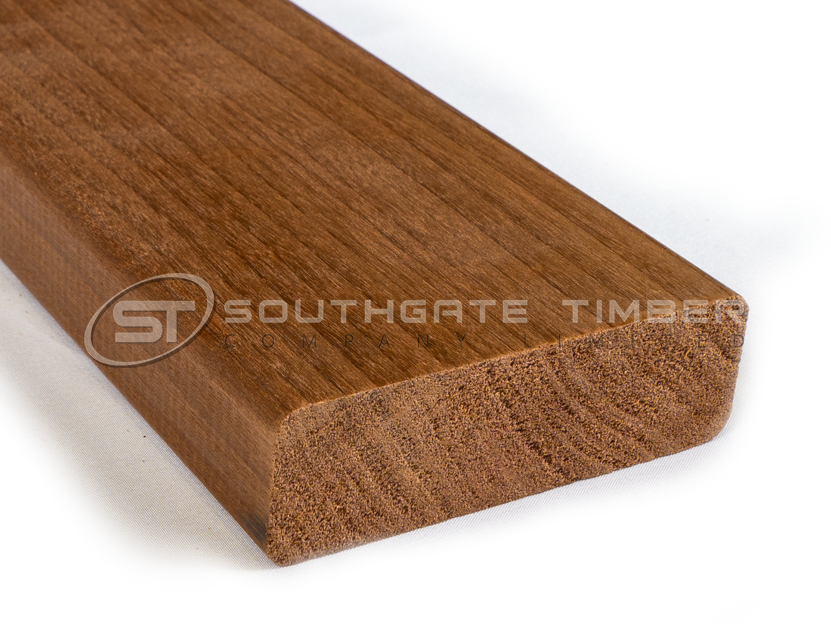
PAR + Rounds Bench Slats (28 x 90mm and 28 x 120mm) — specifically for seating and backrests. The rounded edge is a genuine comfort detail, not just cosmetic — a square-edged board is noticeably less comfortable to sit on for a full sauna session, and rounded edges also wear better with repeated contact over time.
Both profiles are available in either Thermo Aspen or standar d Aspen — the choice of finish and the choice of profile are independent decisions.
Certification and finish
All profiles, in both finishes, are FSC-certified and supplied low in knots. No additional coating or finish is needed or recommended on either — sauna timber is deliberately left uncoated to preserve its heat and moisture performance.
Estimating how much you need
Measure the total wall and ceiling area to be clad, plus bench surface area separately (bench slats are a different profile from wall/ceiling cladding, so these need calculating and ordering separately). As with any timber cladding project, allow roughly 10% extra over your measured requirement for cutting waste, particularly around door frames, heater cut-outs and corner details.
Is this a DIY-friendly project?
Fitting sauna cladding uses the same fixing principles as standard interior tongue-and-groove cladding, and is a realistic DIY project for anyone comfortable with general carpentry. The more specialist parts of a sauna build — ventilation, heater installation and electrical work — are worth having done or checked by a qualified professional regardless of who fits the cladding itself.

General
) (Instagram Post (45))_1764080068.png)