- TEL : 01277 890 783
- EMAIL : sales@southgatetimber.co.uk
- Collections Monday to Friday 9:00 - 16:00






 Profiles
 Fast and friendly delivery service
 Samples available
 Click & Collect



-
-
-
IPE Hardwood Decking ***FSC®***
-
-
Iroko Hardwood Decking
-
-
Yellow Balau Hardwood Decking ***FSC®*** & SVLK
-
-
Yellow Balau Hardwood Components SVLK
-
-
Jatoba Hardwood Decking ***FSC®***
-

-
Thermory Benchmark Thermo-Ash Decking
-
-
Thermowood Pine Decking PEFC
-
-
Tali Hardwood Decking ***FSC®***
-
-
Thermory Spruce Decking PEFC
-
-
-
-
Western Red Cedar Cladding PEFC
-
-
Cedar Shingles & Ridge Tiles PEFC
-
-
Cedral Cement Board Cladding
-
-
Larch Cladding ***FSC®*** & PEFC
-
-
Douglas Fir Cladding PEFC
-
-
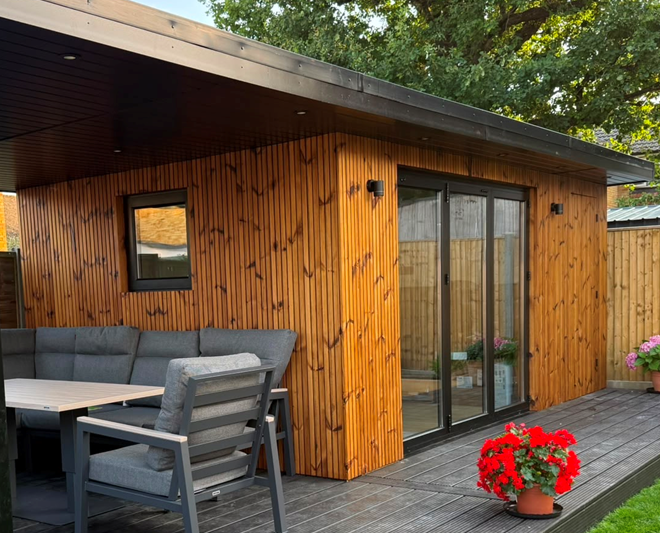
Thermo Ayous Cladding
-
-
Thermowood Pine Cladding PEFC
-

-
Black Cladding PEFC
-

-
Far Eastern Hardwood Cladding PEFC & SVLK
-

-
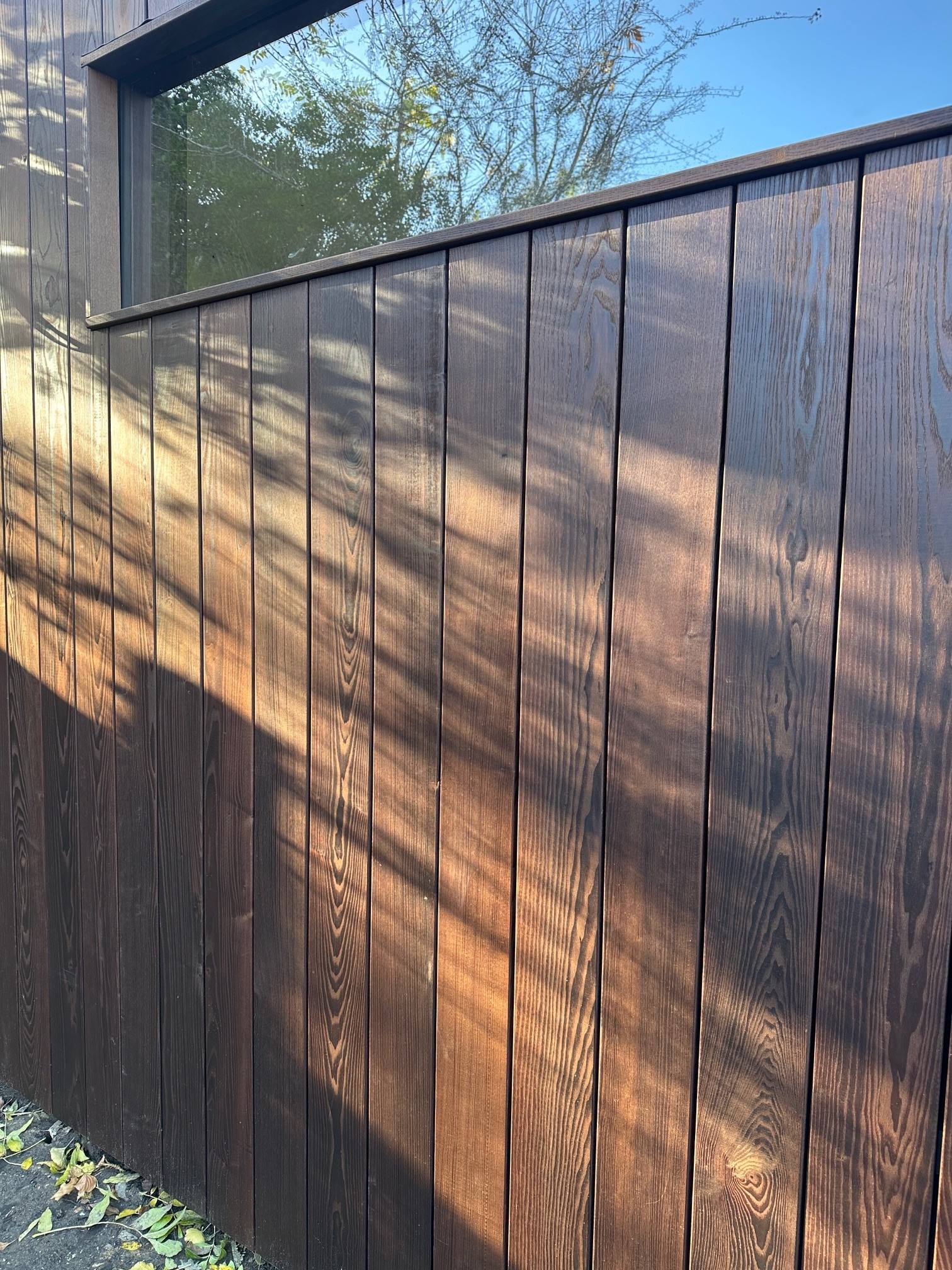
Thermory Radiata Pine Cladding ***FSC®***
-
-
Thermory Thermo-Ash Cladding
-

-
Thermory Thermo-Ash Decor Rhomb Tiles Internal
-
- SAUNA
- SLEEPERS
-
-
-
Osmo Treatment & Accessories
-
-
Owatrol Treatment & Accessories
-

-
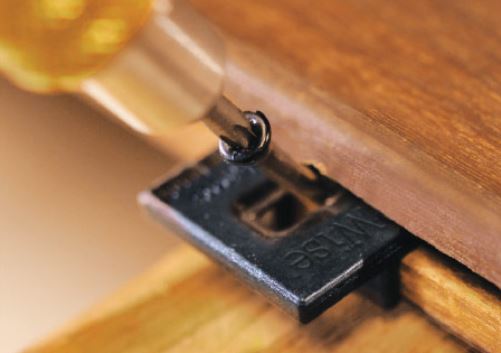
Thermory Treatment & Fixings
-
-
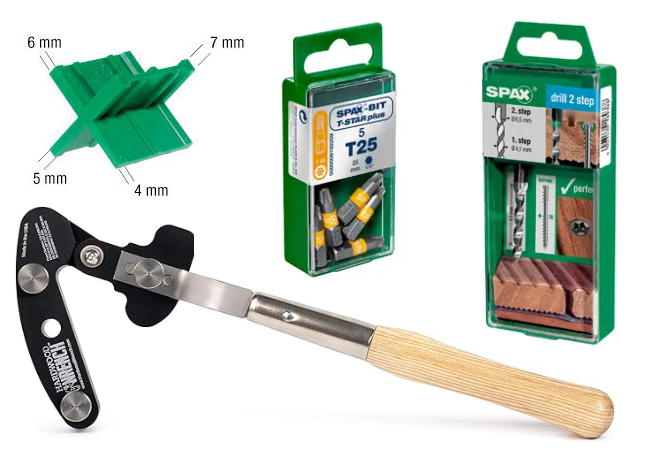
Deckwise Hidden Fixings & Accessories
-
-
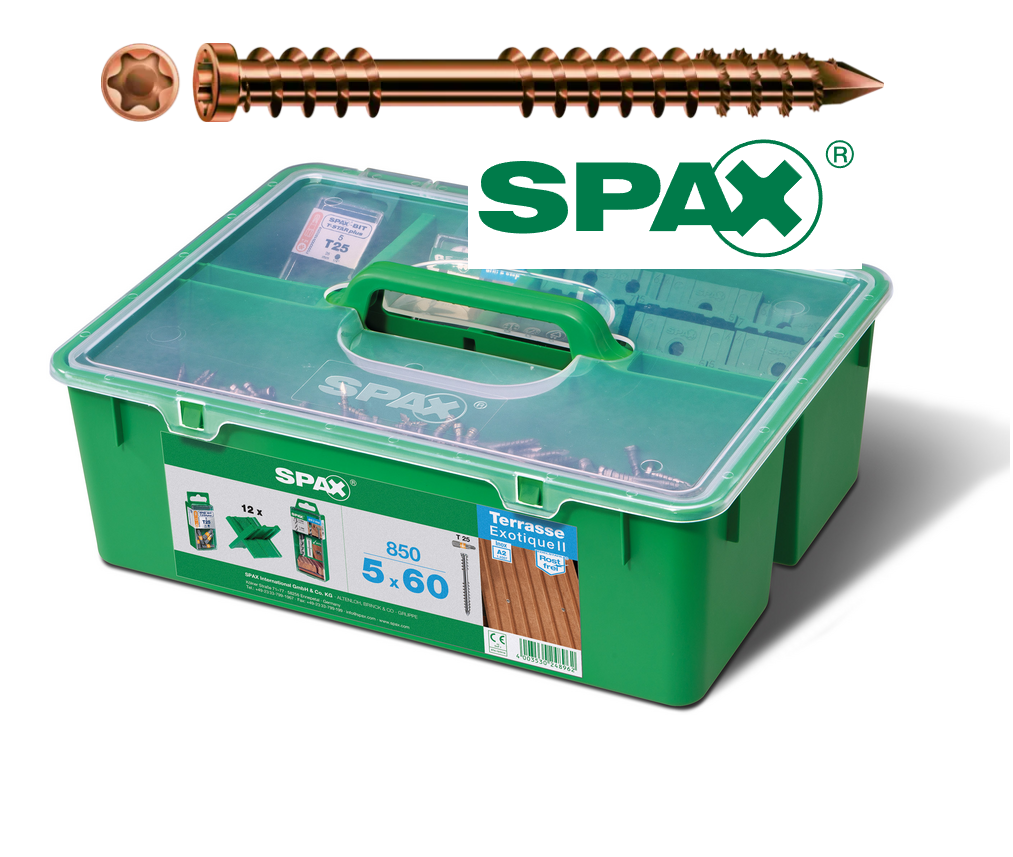
Decking Accessories
-
-
Spax Specialist Decking Screws
-
-
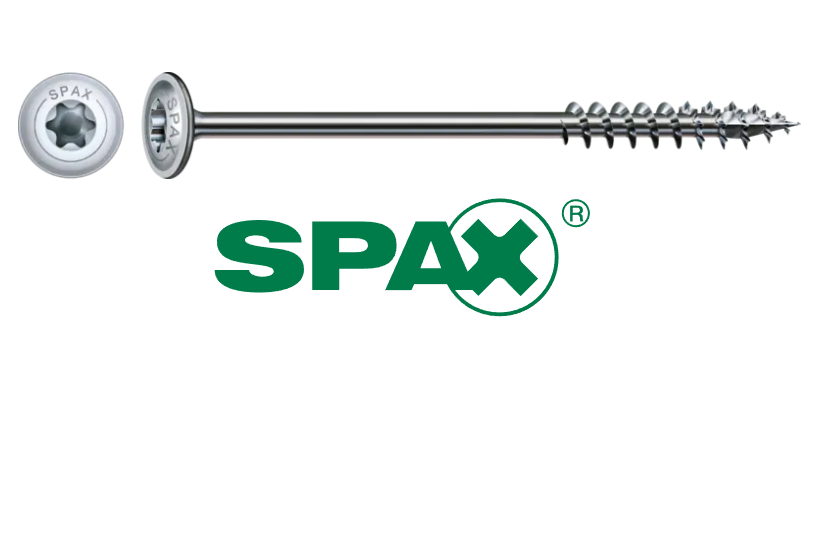
Spax Stainless Steel Facade Screws
-
-
Spax Construction Screws
-

-
Stainless Steel Nails
-
-
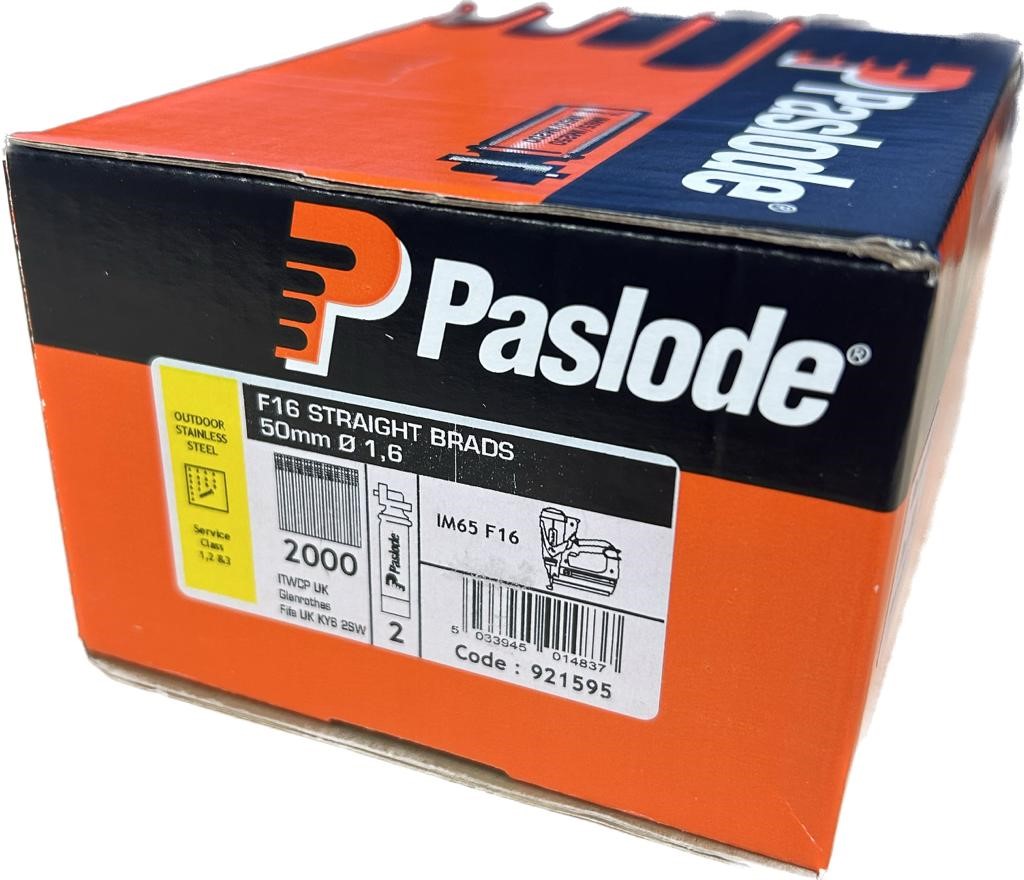
Paslode Stainless Steel Brads
-
-
Walther Strong Deck Tape
-
-
Treatment Samples
-
-
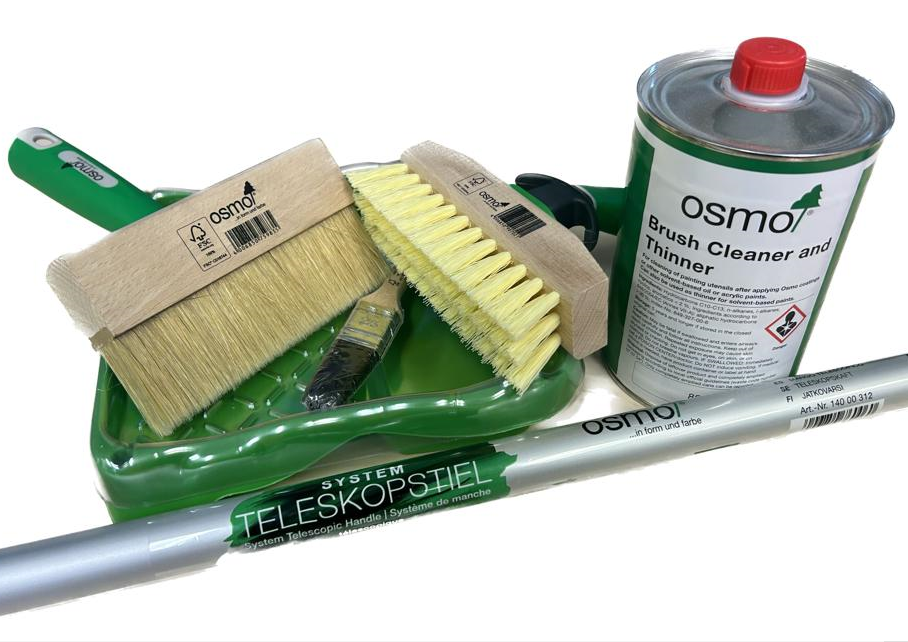
Brushes & Application Tools
-
-
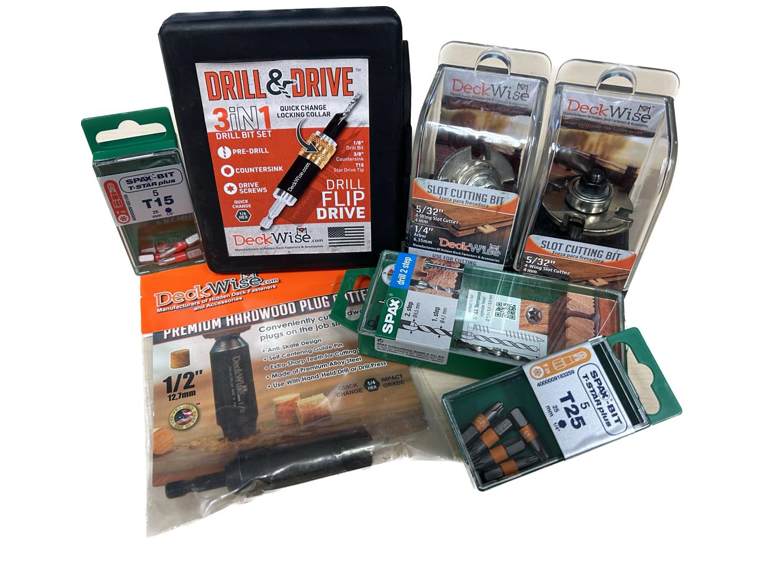
Drive Bits Router Bits & Plug Cutters
-
-
Cedral Accessories
-
- SAMPLES

Western Red Cedar vs Composite Cladding: Which Is Better for Your Project?

by
Southgate Timber
June 18, 2026


Composite cladding has grown significantly in popularity over the last decade, often being marketed as a low-maintenance alternative to natural timber. However, despite the rise of composite products, Western Red Cedar continues to be one of the most specified cladding materials for homes, garden rooms and commercial buildings thanks to its natural appearance, durability and proven track record. If you’re weighing up Western Red Cedar against composite cladding, understanding the differences in appearance, maintenance, lifespan and sustainability can help you make a more informed decision.
What Is Western Red Cedar Cladding?
Western Red Cedar is a naturally durable softwood sourced from North America and widely used across residential and commercial projects throughout the UK. Its natural oils and extractives help provide resistance against moisture, decay and insect attack, making it particularly well suited to exterior applications. Southgate Timber stocks PEFC-certified Western Red Cedar in a range of profiles, including:
- 17 x 94mm ST0 tongue and groove
- 18 x 144mm ST1 tongue and groove
- 18 x 144mm vertical ST6 channel groove
- 18 x 144mm horizontal ST10 channel groove
- P.A.R battens for slatted screening
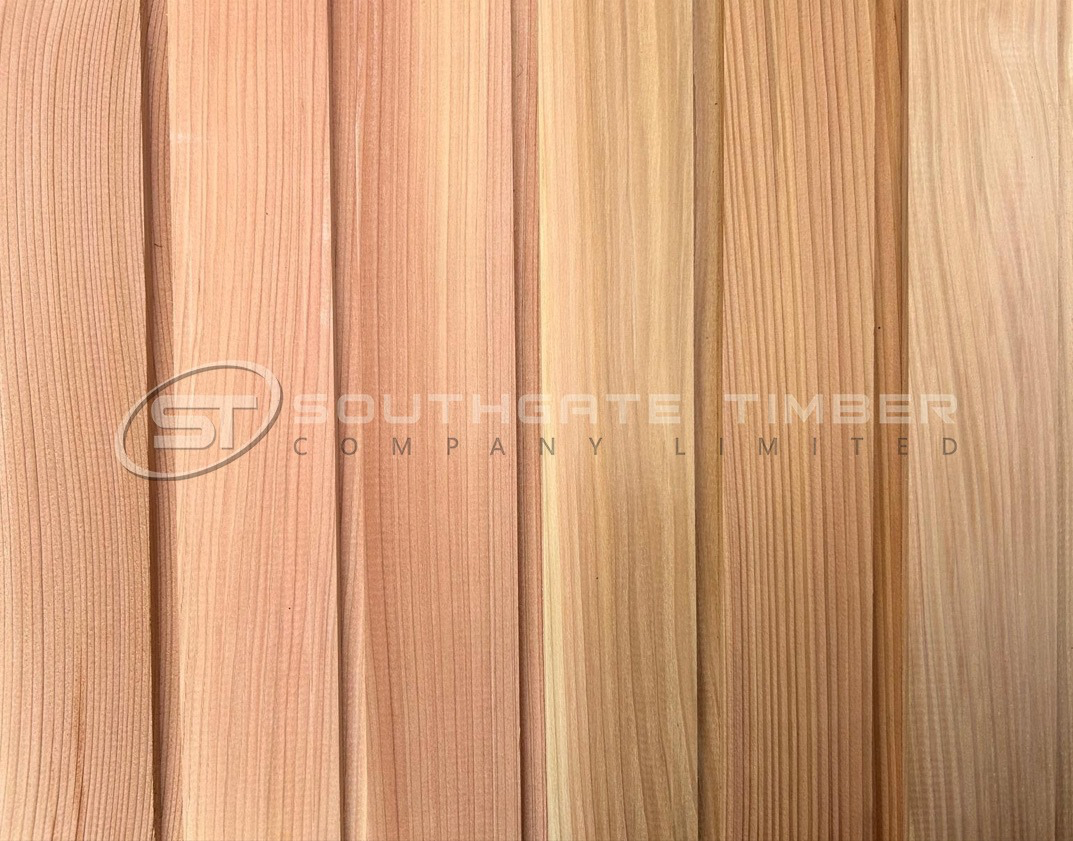
Western Red Cedar is valued for its warm tones, natural grain patterns and ability to weather beautifully over time.
What Is Composite Cladding?
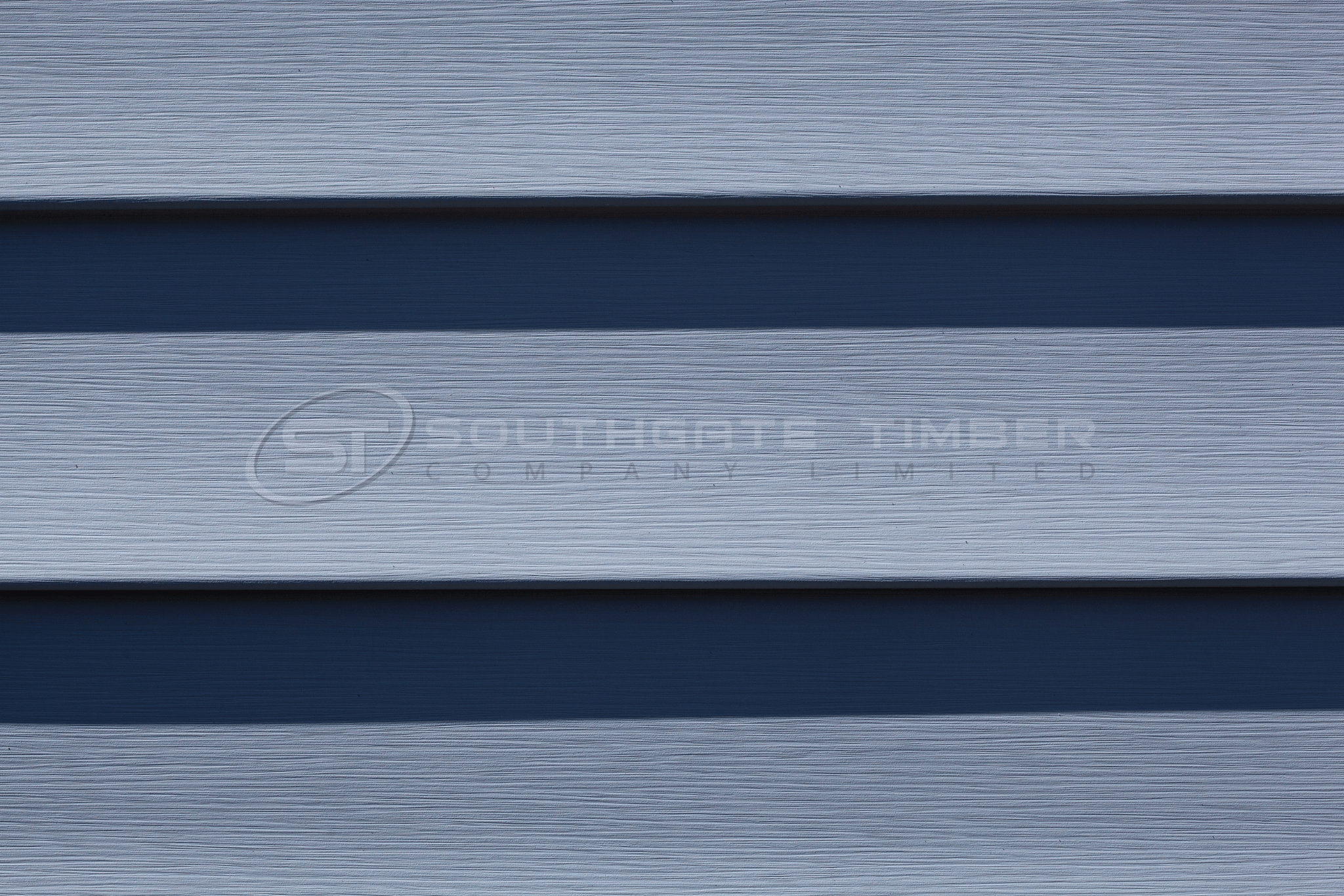
Composite cladding is a manufactured product typically made from a combination of recycled plastics, wood fibres and additives. It is designed to replicate the appearance of timber while offering a more uniform finish. Composite cladding is available in a wide range of colours and styles and is often marketed as a low-maintenance alternative to natural wood. While many composite products aim to recreate the appearance of timber, they remain a manufactured material and do not contain the same natural variation found in real wood.
Appearance
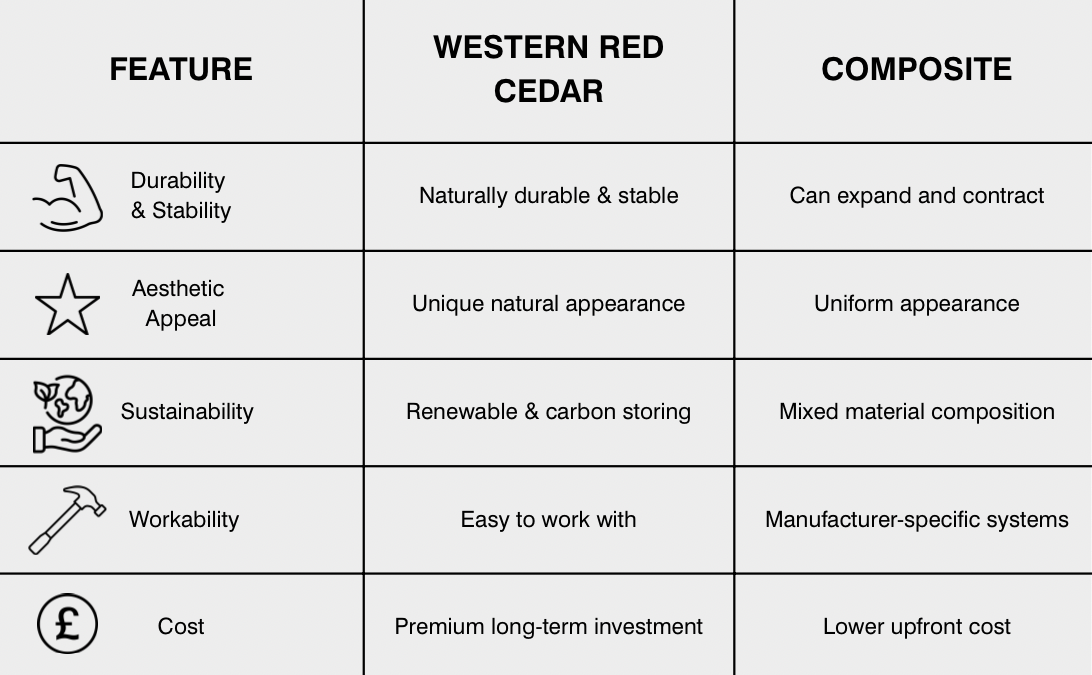
One of the biggest differences between Western Red Cedar and composite cladding is appearance. Western Red Cedar offers natural variation in colour, grain and texture. No two boards are exactly the same, helping create a façade that feels authentic and unique. Many architects and homeowners actively choose cedar because of this natural character.
Composite cladding provides a more uniform appearance. Colours and textures remain consistent from board to board, which some homeowners prefer for modern projects. However, even the most realistic composite products can struggle to fully replicate the depth, warmth and character of genuine timber.
For projects where natural beauty is a priority, Western Red Cedar often has the advantage.
Maintenance Requirements
Composite cladding is often promoted as a low-maintenance solution, but this does not mean maintenance-free. Like any exterior cladding, composite cladding still requires regular cleaning to remove dirt, algae and environmental build-up.
Western Red Cedar can be maintained to preserve its original colour, but this is largely a cosmetic choice rather than a requirement for durability. Many homeowners choose to leave cedar untreated, allowing it to gradually weather to an attractive silver-grey finish over time. For those wishing to retain the original colour, Southgate Timber stocks a wide range of both Owatrol and Osmo treatment products such as the popular Osmo UV Protection Oil 420 to help maintain the timber’s natural tones.
Durability & Stability
While both materials are designed for exterior use, they behave very differently over time. Western Red Cedar is naturally durable and has been used on exterior buildings for decades. Composite cladding offers good durability but can experience greater expansion and contraction due to temperature fluctuations, making correct installation particularly important. Western Red Cedar is also less prone to retaining heat, which can help reduce movement caused by thermal expansion.
Heat Retention
One factor that is often overlooked when comparing cladding materials is heat retention. Like composite decking, composite cladding can absorb and retain more heat when exposed to direct sunlight. This can result in warmer surface temperatures during hot weather.
Timber generally remains cooler to the touch and does not absorb heat in the same way as many composite products. While this may not be a deciding factor for every project, it can become more noticeable on south-facing elevations and outdoor living spaces.
Lifespan
Both materials are capable of delivering long service lives when correctly installed. Western Red Cedar is widely regarded as one of the longest-lasting timber cladding materials available and can often achieve a lifespan of 40 – 60 years or more when installed with appropriate ventilation and detailing.
Composite cladding manufacturers often quote expected lifespans ranging from 25 – 50 years, depending on the product, correct installation quality and environmental conditions. While both materials can provide decades of performance, Western Red Cedar has a proven track record spanning generations of use across residential and commercial buildings.
Sustainability
Sustainability is an area where Western Red Cedar often performs particularly well. As a natural timber product, cedar is a renewable resource that stores carbon throughout its life cycle. Southgate Timber’s Western Red Cedar stock is PEFC certified, supporting responsible forest management and sustainable sourcing practices.
Composite cladding often incorporates recycled materials, which can offer environmental benefits. However, it remains a manufactured product that typically relies on plastics and energy-intensive production processes.
Workability & Installation
Western Red Cedar is lightweight, easy to cut and simple to work with on site, making it a favourite among installers, contractors and self-builders alike. It can be cut, shaped and adapted using standard woodworking tools and is available in a range of profiles suitable for both traditional and contemporary projects.
Composite cladding often requires more manufacturer-specific installation methods and can be heavier depending on the product selected. Expansion gaps and thermal movement also need careful consideration during installation.
To support timber cladding installations, Southgate Timber stocks a range of specialist fixing solutions including stainless steel nails, Spax specialist façade screws and Paslode stainless steel brads, helping installers achieve a durable and professional finish across a variety of cladding profiles.
Cost Comparison
When comparing initial purchase costs, composite cladding is often positioned as a more affordable option than premium timber species such as Western Red Cedar. However, prices can vary significantly depending on the manufacturer, profile and finish selected.
Western Red Cedar is generally considered a premium cladding material, reflecting its natural durability, appearance and long-established performance in exterior applications. Looking purely at upfront cost, composite cladding may appear to offer an advantage. However, long-term value should also be considered. Western Red Cedar’s long lifespan, while also offering the natural character and sustainability benefits that many homeowners and architects prioritise. When comparing the two, it is important to consider:
- initial purchase price
- expected lifespan
- maintenance preferences
- sustainability
- appearance and design goals
Which Cladding Is Right for Your Project?
Final Thoughts
Both Western Red Cedar and composite cladding can create attractive, durable exterior finishes. However, they offer very different characteristics. Composite cladding delivers consistency and low-maintenance appeal, while Western Red Cedar provides the warmth, character and authenticity that only natural timber can offer. For homeowners, architects and designers seeking a premium natural cladding solution with proven longevity, Western Red Cedar continues to be one of the most highly regarded cladding materials available.
FAQs
Is Western Red Cedar better than composite cladding?
It depends on the priorities of the project. Western Red Cedar offers natural beauty, sustainability and a proven lifespan, while composite cladding provides a more uniform appearance and reduced maintenance requirements.
Does Western Red Cedar require treatment?
No. Western Red Cedar can be left untreated and will naturally weather to a silver-grey finish. Treatments are generally used to help preserve the original colour.
Which lasts longer, cedar or composite cladding?
Western Red Cedar can often last 40 – 60 years or more when correctly installed. Composite cladding products commonly quote lifespans between 25 and 50 years, depending on the manufacturer and product specification.
Is composite cladding maintenance-free?
No. Like all cladding materials, composite still requires regular cleaning to remove dirt, algae and environmental build-up.
Is Western Red Cedar sustainable?
Yes. Western Red Cedar is a renewable natural material, and Southgate Timber stocks PEFC-certified Western Red Cedar sourced from responsibly managed forests.

General


