- TEL : 01277 890 783
- EMAIL : sales@southgatetimber.co.uk
- Collections Monday to Friday 9:00 - 16:00






 Profiles
 Fast and friendly delivery service
 Samples available
 Click & Collect



-
-
-
IPE Hardwood Decking ***FSC®***
-
-
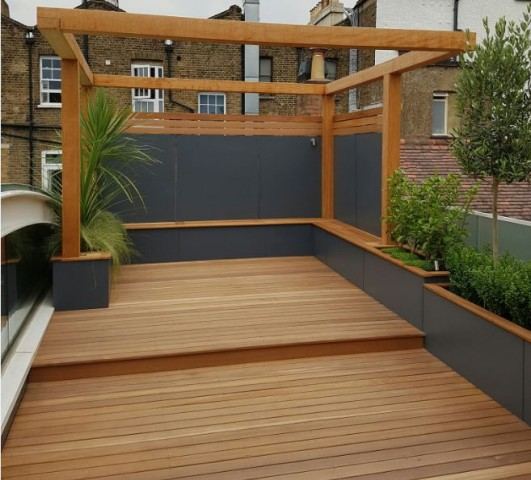
Iroko Hardwood Decking
-
-
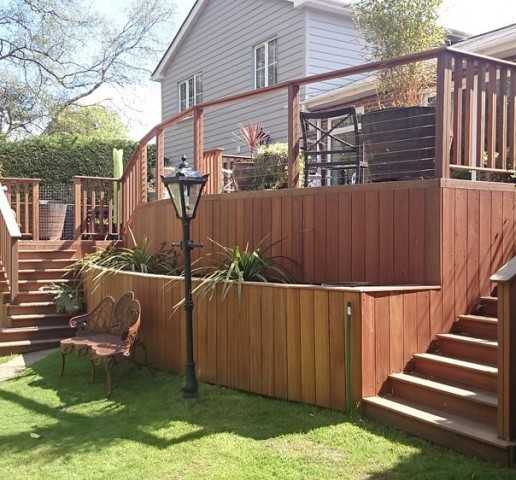
Yellow Balau Hardwood Decking ***FSC®*** & SVLK
-
-
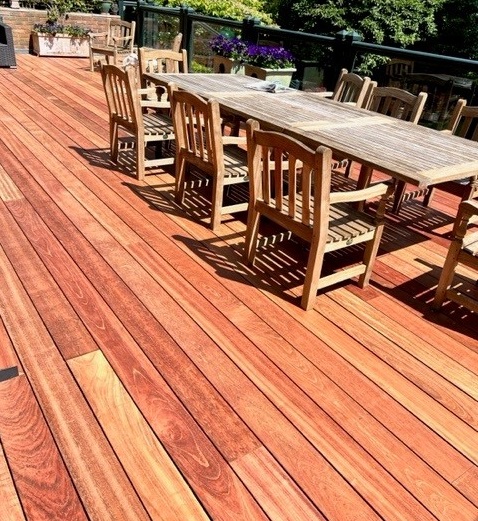
Yellow Balau Hardwood Components SVLK
-
-
Jatoba Hardwood Decking ***FSC®***
-

-
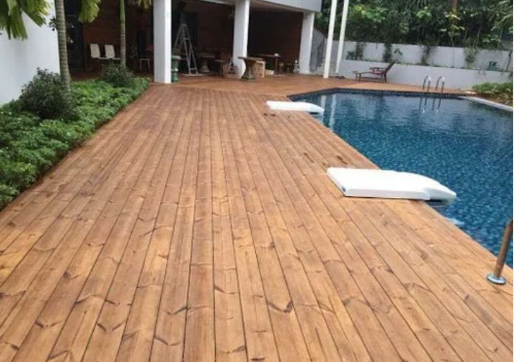
Thermory Benchmark Thermo-Ash Decking
-
-
Thermowood Pine Decking PEFC
-
-
Tali Hardwood Decking ***FSC®***
-
-
Thermory Spruce Decking PEFC
-
-
-
-
Western Red Cedar Cladding PEFC
-
-
Cedar Shingles & Ridge Tiles PEFC
-
-
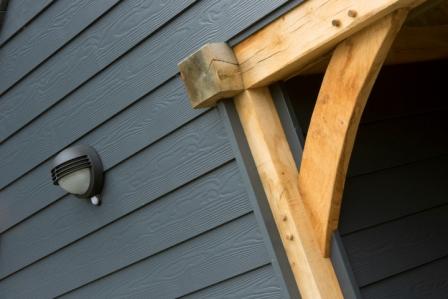
Cedral Cement Board Cladding
-
-
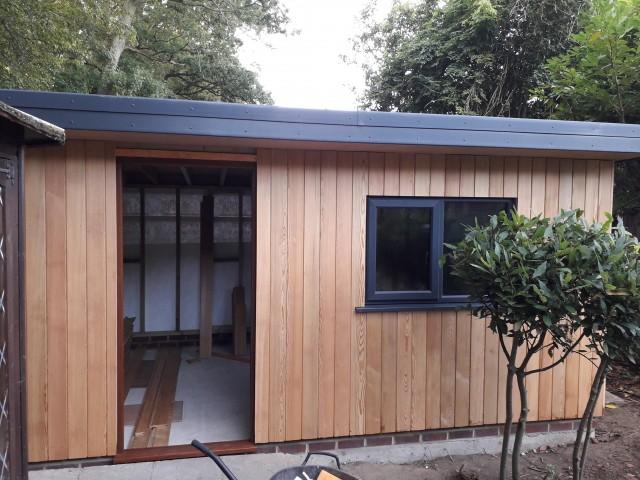
Larch Cladding ***FSC®*** & PEFC
-
-
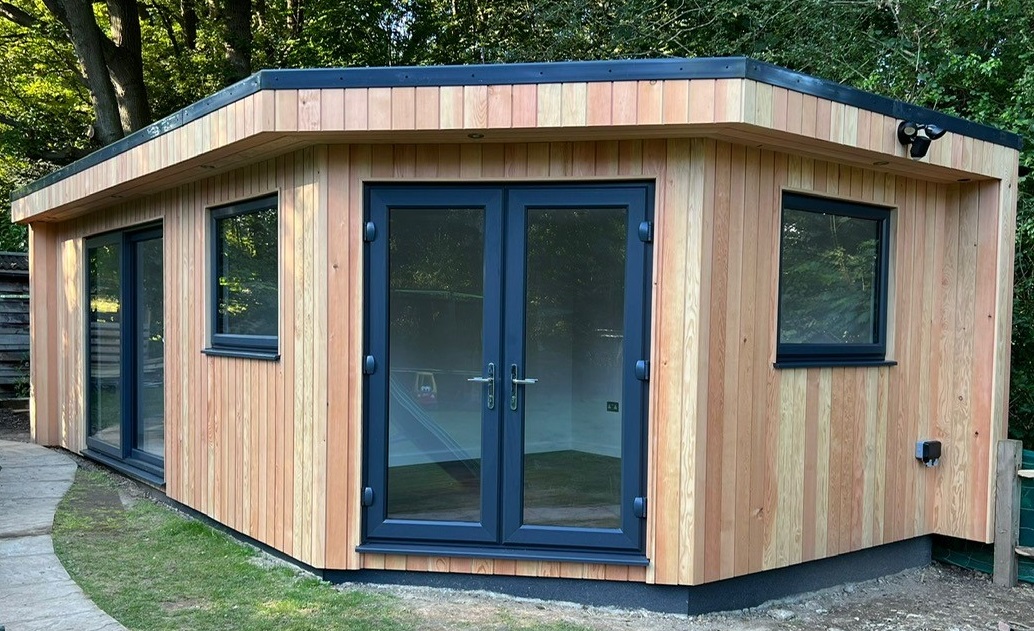
Douglas Fir Cladding PEFC
-
-
Thermo Ayous Cladding
-
-
Thermowood Pine Cladding PEFC
-

-
Black Cladding PEFC
-

-
Far Eastern Hardwood Cladding PEFC & SVLK
-

-
Thermory Radiata Pine Cladding ***FSC®***
-
-
Thermory Thermo-Ash Cladding
-

-
Thermory Thermo-Ash Decor Rhomb Tiles Internal
-
- SAUNA
- SLEEPERS
-
-
-
Osmo Treatment & Accessories
-

-
Owatrol Treatment & Accessories
-

-
Thermory Treatment & Fixings
-
-
Deckwise Hidden Fixings & Accessories
-
-
Decking Accessories
-
-
Spax Specialist Decking Screws
-
-
Spax Stainless Steel Facade Screws
-
-
Spax Construction Screws
-

-
Stainless Steel Nails
-
-
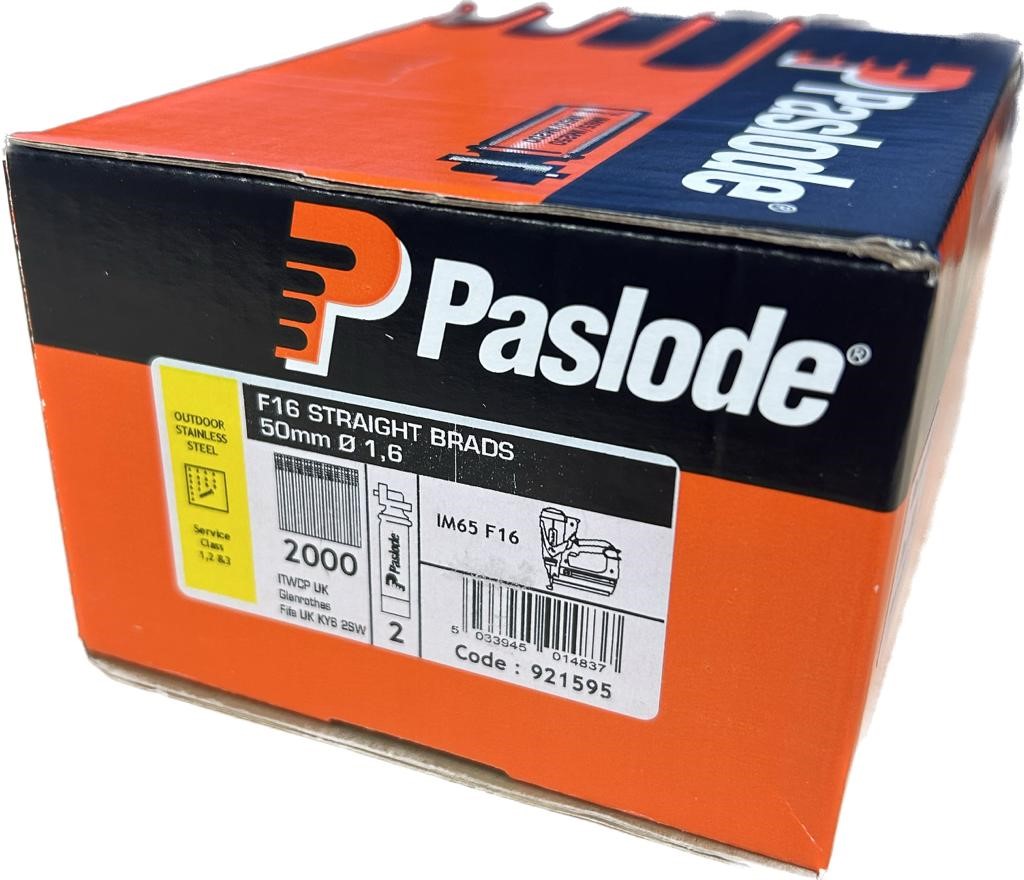
Paslode Stainless Steel Brads
-
-
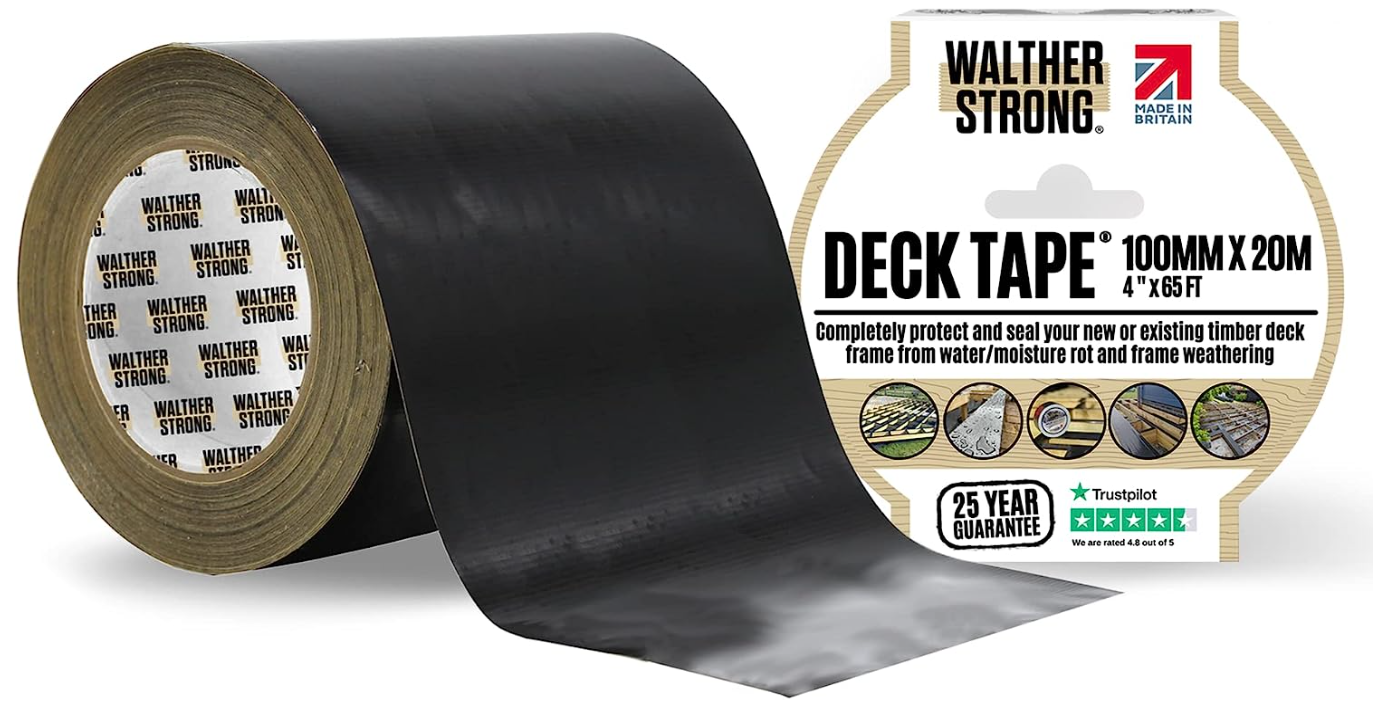
Walther Strong Deck Tape
-
-
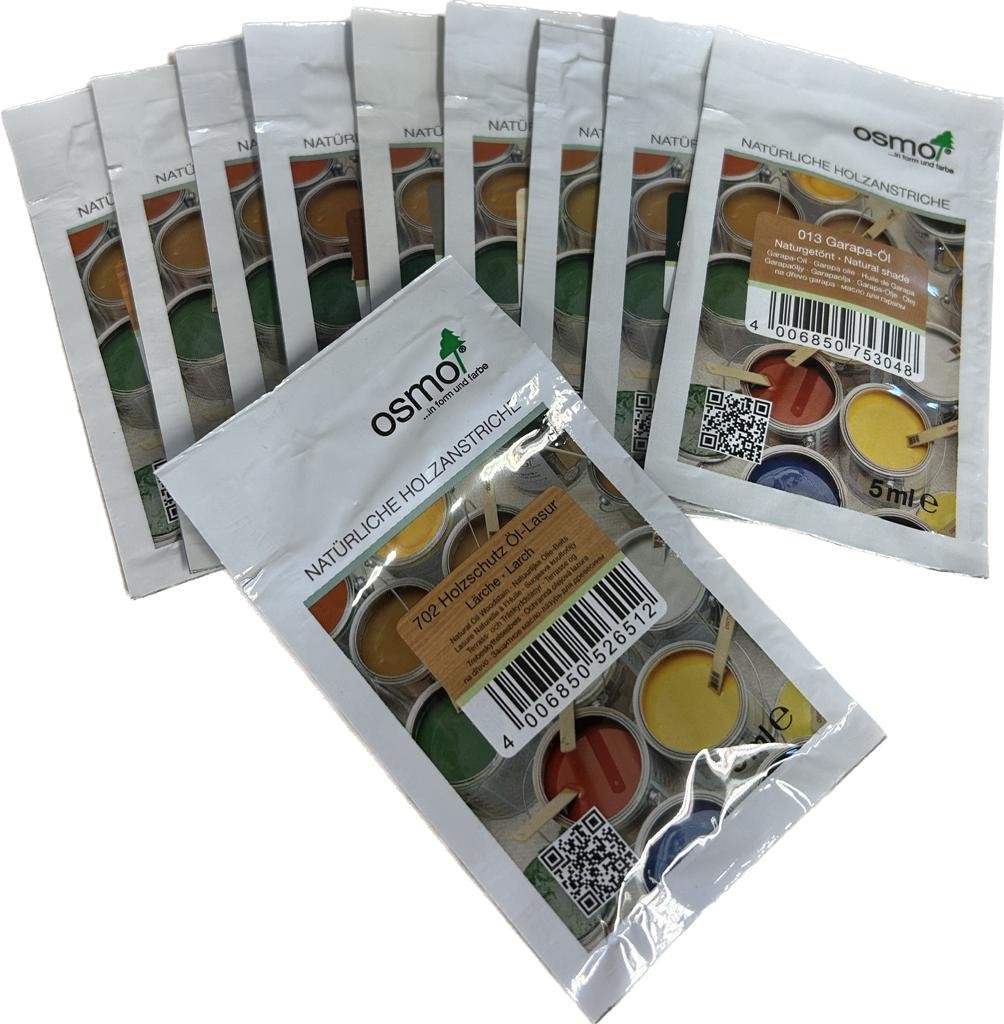
Treatment Samples
-
-
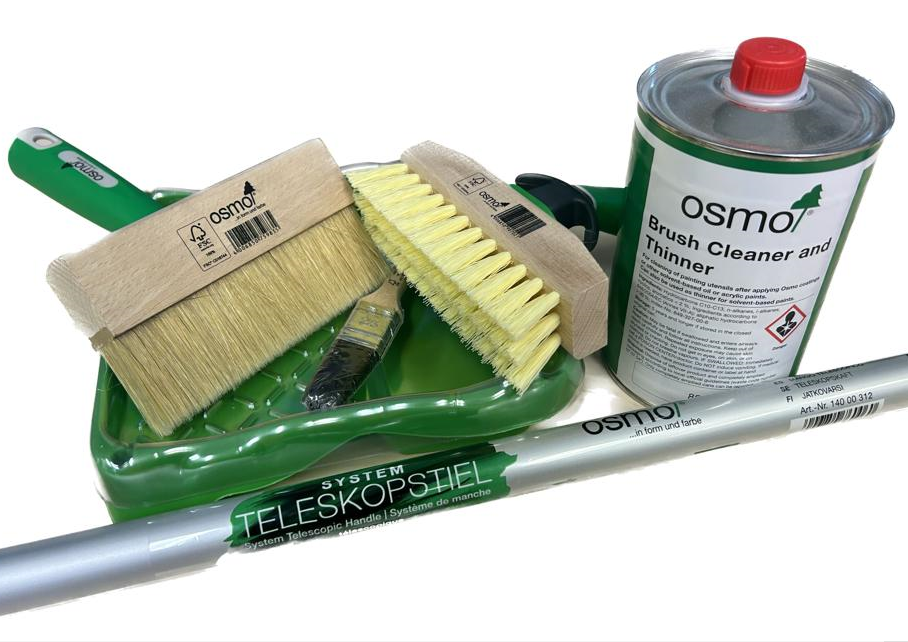
Brushes & Application Tools
-

-
Drive Bits Router Bits & Plug Cutters
-
-
Cedral Accessories
-
- SAMPLES

Slatted Timber Fencing Ideas for Modern Gardens (2026 Edition)

by
Southgate Timber
March 04, 2026


Slatted timber fencing has quickly become one of the most popular garden trends in the UK, and in 2026 it continues to lead the way in modern outdoor design. Combining clean lines with natural materials, slatted fencing offers a contemporary alternative to traditional fence panels, while also providing flexibility in privacy, airflow, and light. But whatever the project, choosing the right timber and batten size is key. In this guide, we’ll explore the best timber options, design, and practical considerations for creating a high-quality slatted fence.
What is Slatted Timber Fencing?
Slatted fencing is created using evenly spaced timber battens (often PAR – planed all round timber), installed either horizontally or vertically to create a modern, linear appearance.
It’s commonly used for:
- Garden boundaries
- Privacy screens
- Outdoor zoning (e.g. separating patio areas)
- Decorative feature walls
Choosing the right timber is essential for both appearance and long-term performance and here are the best timber options for slatted fencing:
Western Red Cedar (Premium Choice)
Western Red Cedar remains one of the most sought-after options for slatted fencing due to its natural durability and refined appearance.
Key benefits:
- Naturally resistant to decay and insects
- Lightweight and stable
- Warm, consistent colour tones
- Ideal for high-end garden designs
Common sizes:
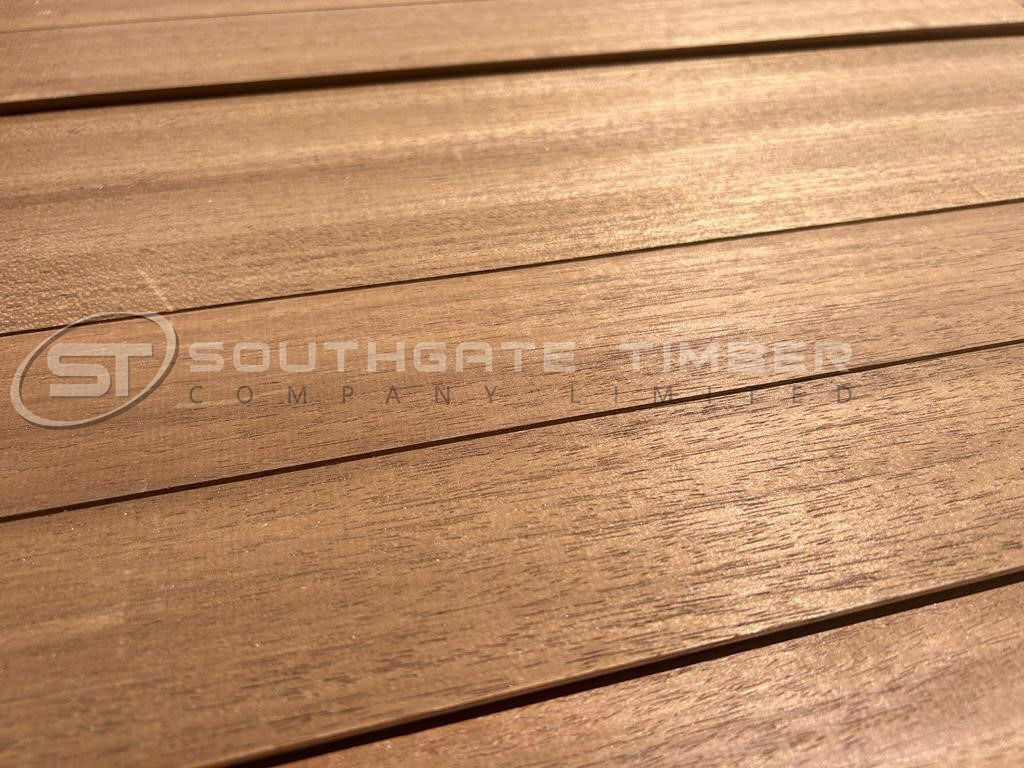
Thermo Ayous (Low Maintenance Alternative)
Thermo Ayous is becoming increasingly popular in modern landscaping due to its enhanced stability and resistance to movement.
Key benefits:
- Thermally modified for improved durability
- Minimal movement over time
- Smooth, uniform finish
- Great for contemporary projects
- Practically defect-free
Common sizes:
Larch (Cost-Effective Option)
Larch offers a more budget-friendly solution while still delivering a strong visual impact.
Key benefits:
- Durable softwood option
- Attractive natural grain
- Ideal for larger fencing projects
- Cost effective
Common sizes:
Horizontal vs Vertical Slatted Fencing
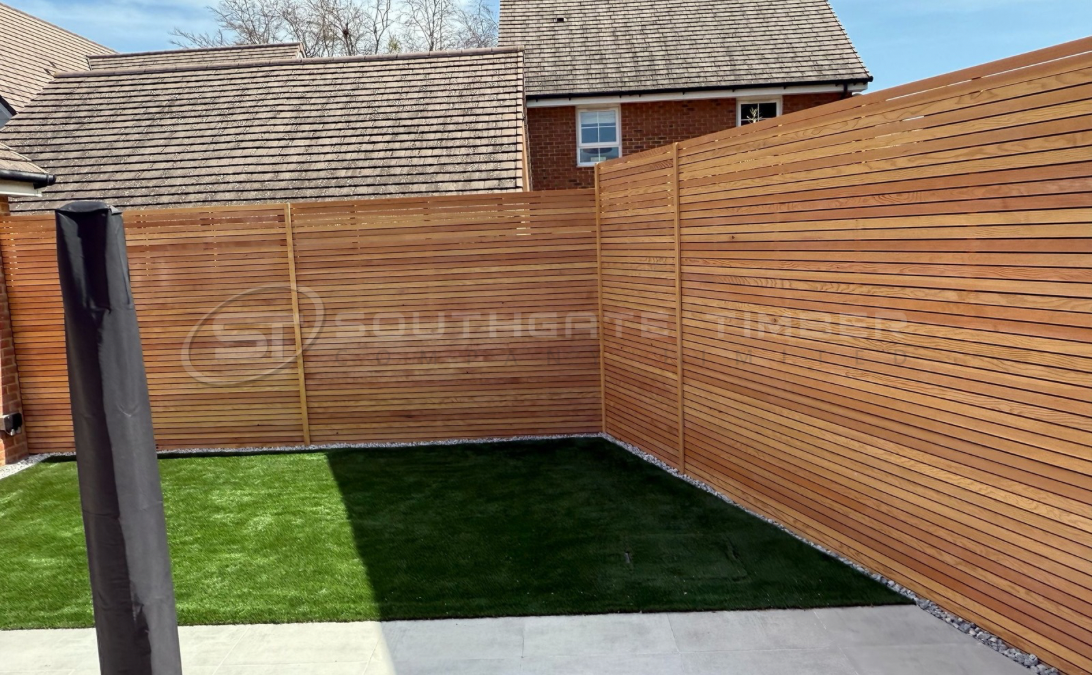
Horizontal Slats:
- Most popular modern style
- Creates a wider, more open feel
- Ideal for contemporary gardens
Vertical Slats:
- More traditional, structured appearance
- Can make spaces feel taller
- Often used for feature sections
Choosing the Right Batten Size
The size of your timber battens will impact both the look and performance of your fence.
Common choices:
- Slim profile battens (approx. 18 – 20mm thick, 42 – 45mm wide) create a sleek, modern look
- Narrower battens offer a lighter, more subtle design
Spacing tip:
- 5 – 10mm gap = more privacy
- 20mm+ gap = more light and airflow
Installation Considerations
To get the best results from your slatted fencing:
- Use stainless steel fixings to prevent staining
- Ensure proper spacing for airflow and drainage
- Install on a suitable subframe for stability
- Consider applying a treatment oil to maintain colour over time
Why Slatted Fencing is Already Trending in 2026
Modern garden design continues to favour:
- Clean, architectural lines
- Natural materials
- Low-maintenance solutions
Slatted timber fencing ticks all three, making it a go-to choice for both homeowners and landscapers alike.
Explore Timber for Your Slatted Fence
At Southgate Timber, we stock a wide range of timber suitable for slatted fencing, including:
- Western Red Cedar Fencing & PAR (PEFC)
- Larch Fencing & PAR (PEFC)
- Douglas Fir Fencing & PAR (PEFC)
- Thermo Ayous Fencing & PAR (OLB)
- Thermowood Pine Fencing (PEFC)
- Yellow Balau Hardwood Fencing (SVLK)
- Iroko Hardwood Fencing
- Far Eastern Hardwood Fencing (PEFC & SVLK)
- Radiata Pine Fencing (FSC)
Explore the full range to find the right material for your project.
Frequently Asked Questions
What timber is best for slatted fencing?
Western Red Cedar is a premium choice, while Thermo Ayous offers excellent stability and Larch provides a cost-effective alternative.
What gap should I leave between slats?
Typically, between 5 – 20mm depending on the level of privacy and light required.
Can slatted fencing be used for privacy?
Yes, by reducing the spacing between battens, you can create an effective privacy screen.

General

) (Instagram Post (45))_1765384318.png)
) (Instagram Post (45)) (1350 x 1080 px)_1769418731.png)