- TEL : 01277 890 783
- EMAIL : sales@southgatetimber.co.uk
- Collections Monday to Friday 9:00 - 16:00






 Profiles
 Fast and friendly delivery service
 Samples available
 Click & Collect



-
-
-
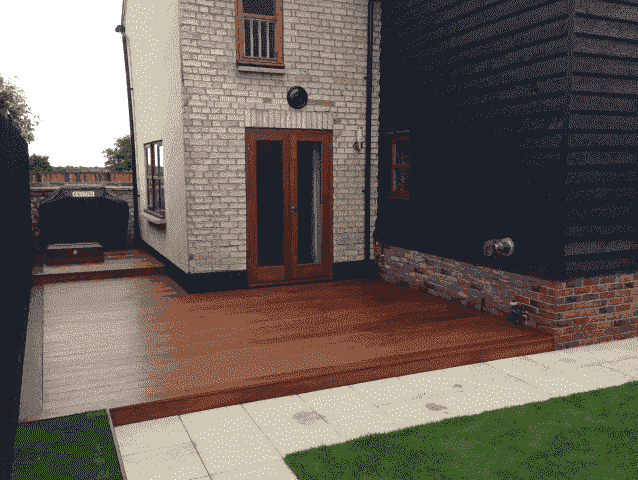
IPE Hardwood Decking ***FSC®***
-
-
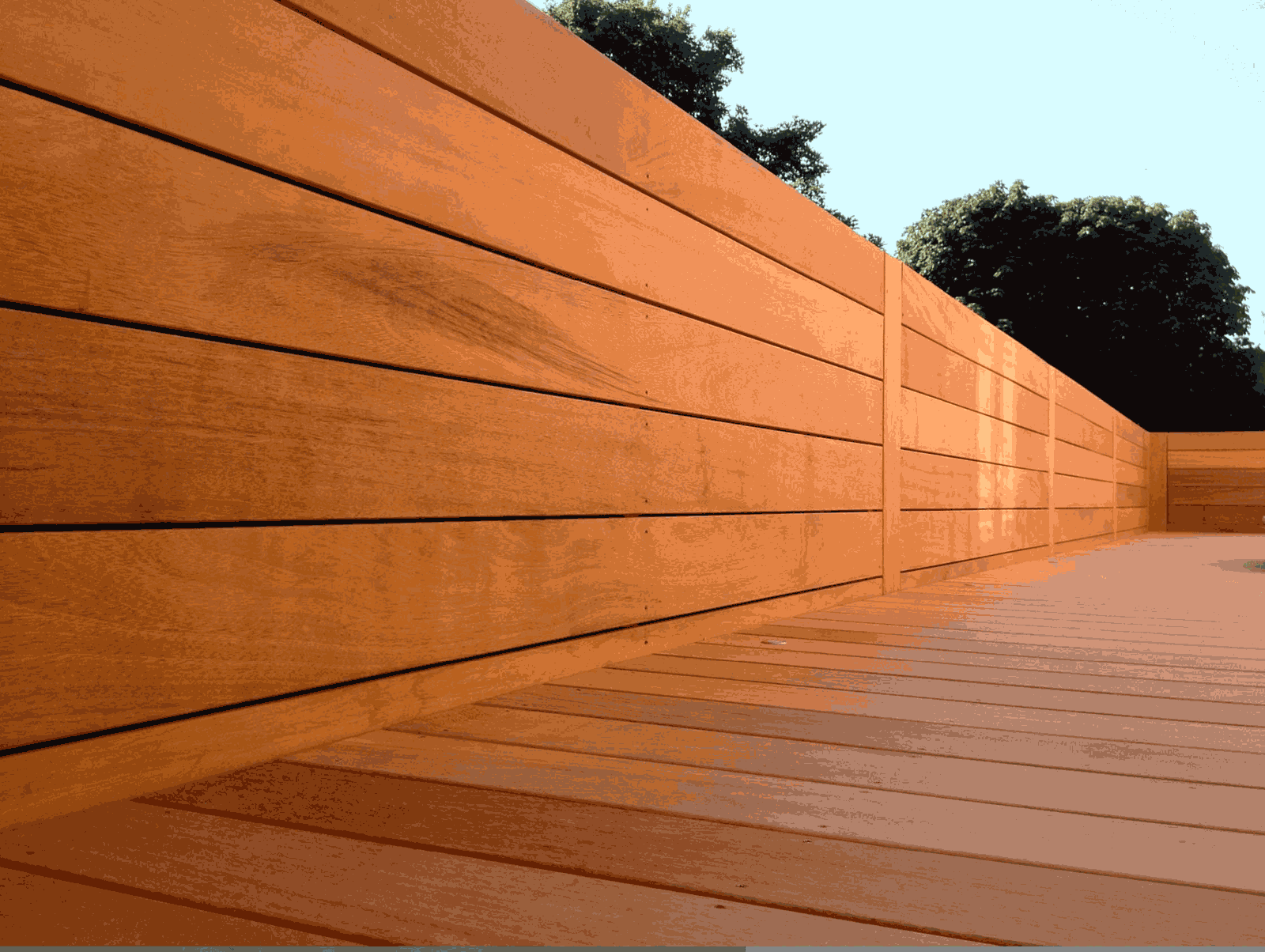
Iroko Hardwood Decking
-
-
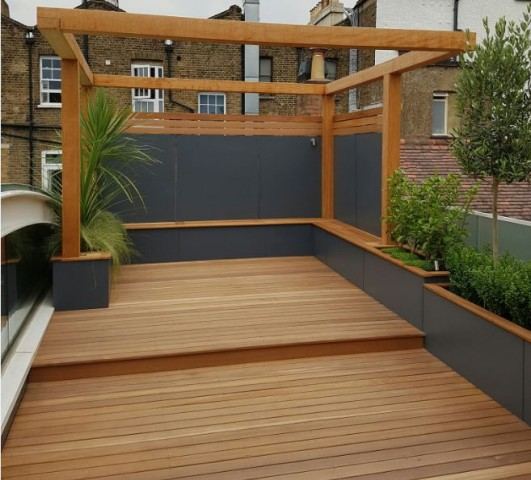
Yellow Balau Hardwood Decking ***FSC®*** & SVLK
-
-
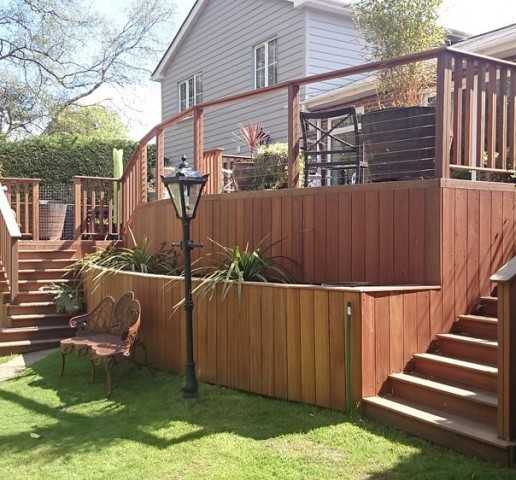
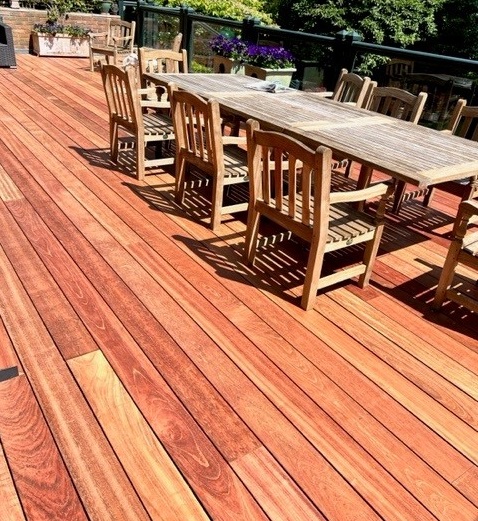
Yellow Balau Hardwood Components SVLK
-
-
Jatoba Hardwood Decking ***FSC®***
-

-
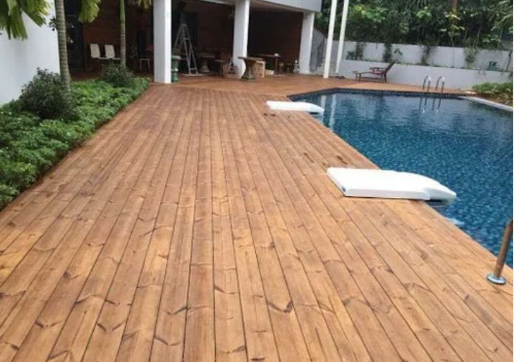
Thermory Benchmark Thermo-Ash Decking
-
-
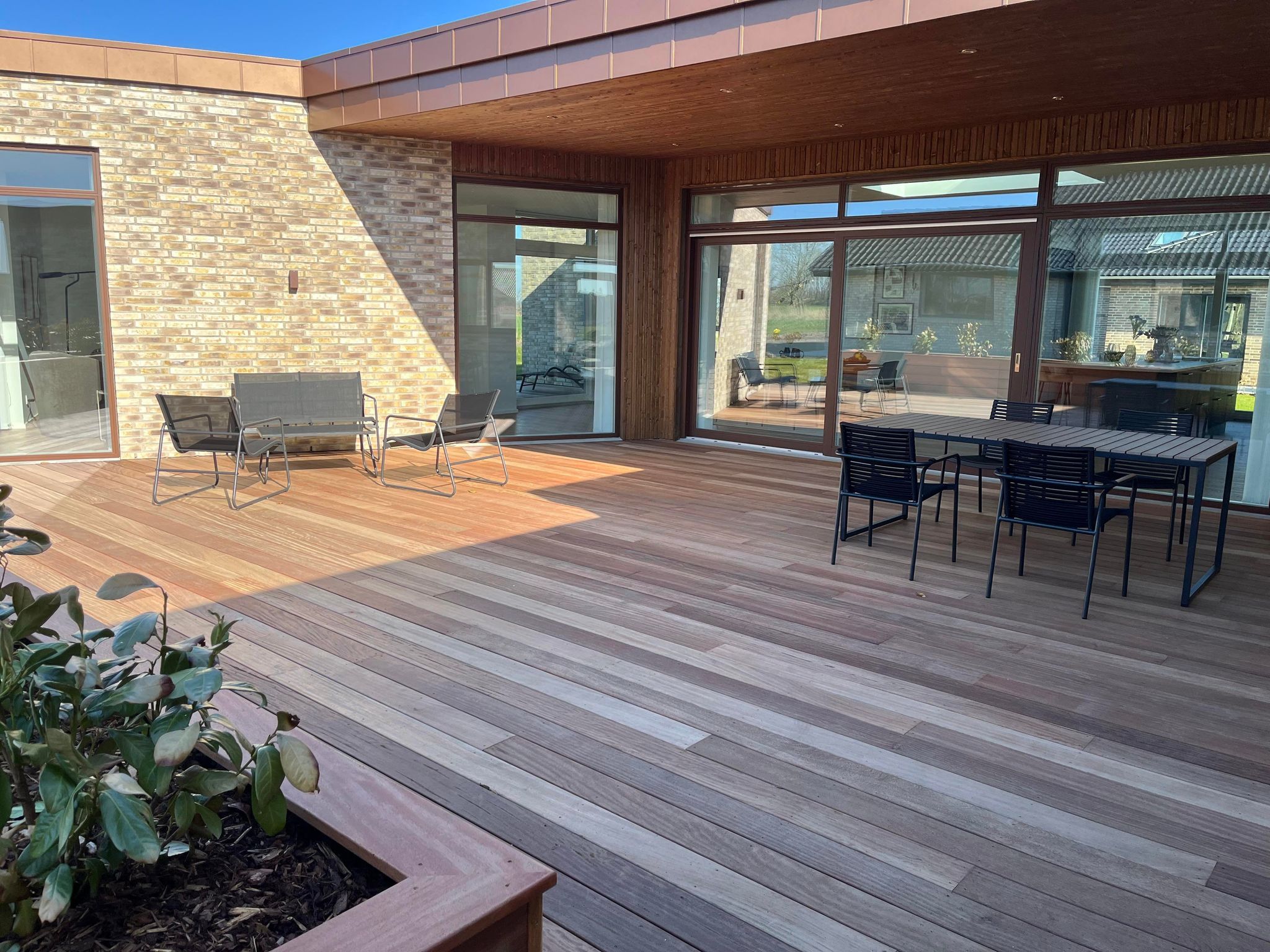
Thermowood Pine Decking PEFC
-
-
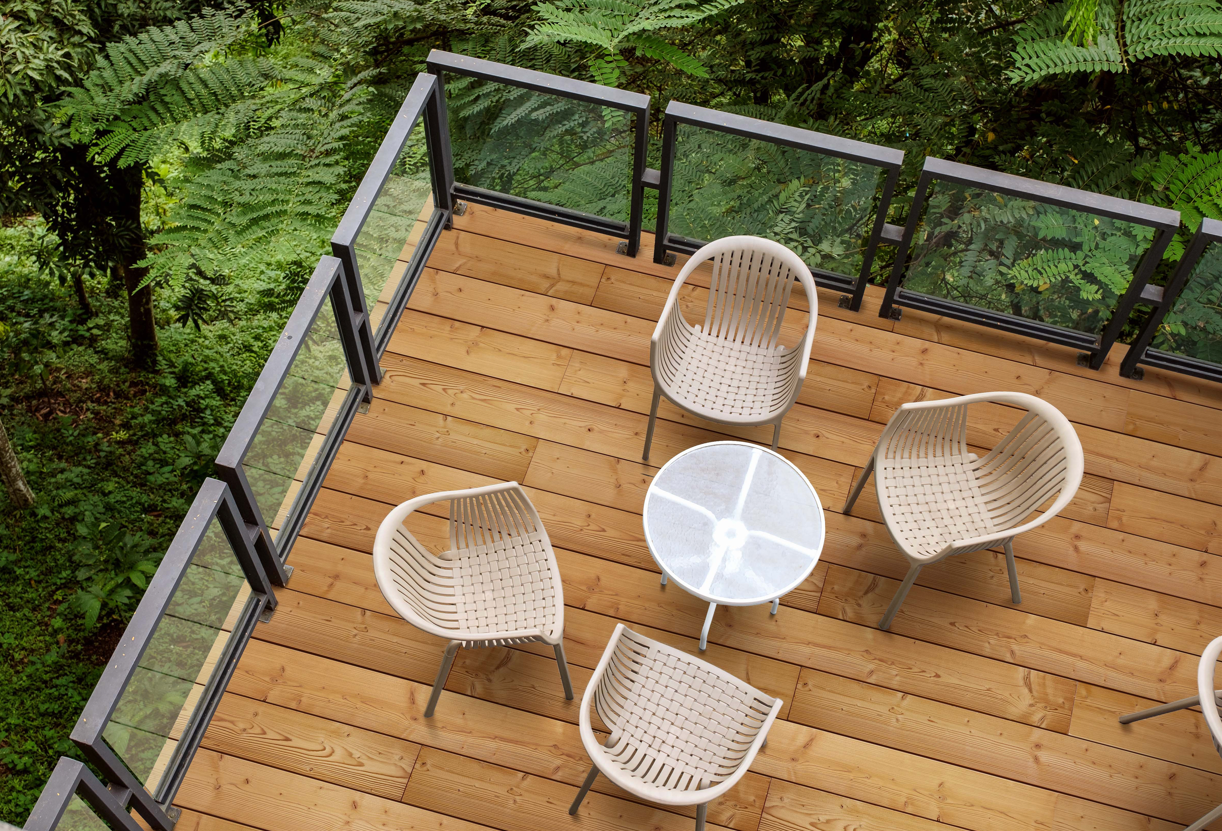
Tali Hardwood Decking ***FSC®***
-
-
Thermory Spruce Decking PEFC
-
-
-
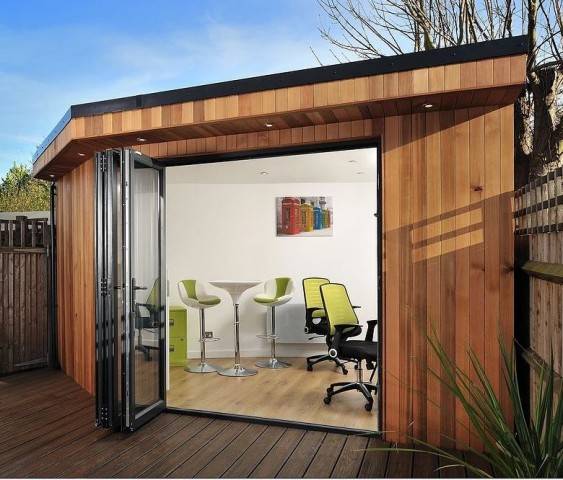
-
Western Red Cedar Cladding PEFC
-
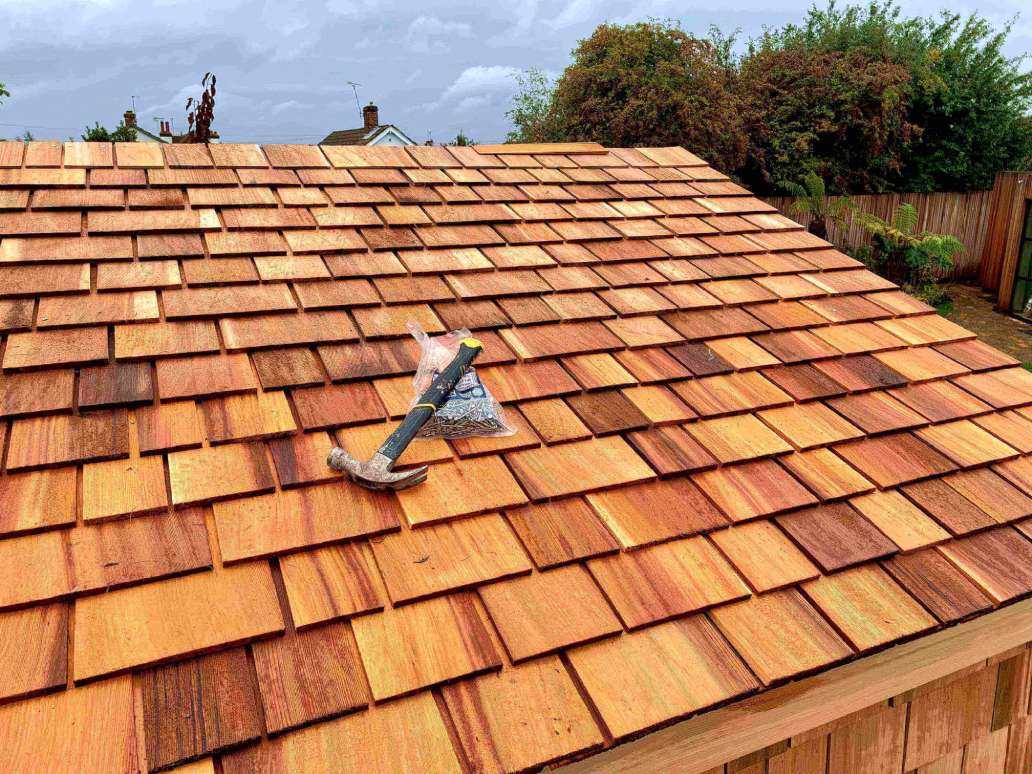
-
Cedar Shingles & Ridge Tiles PEFC
-
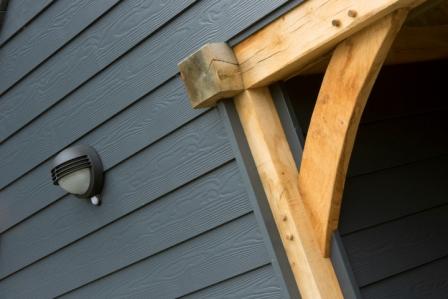
-
Cedral Cement Board Cladding
-
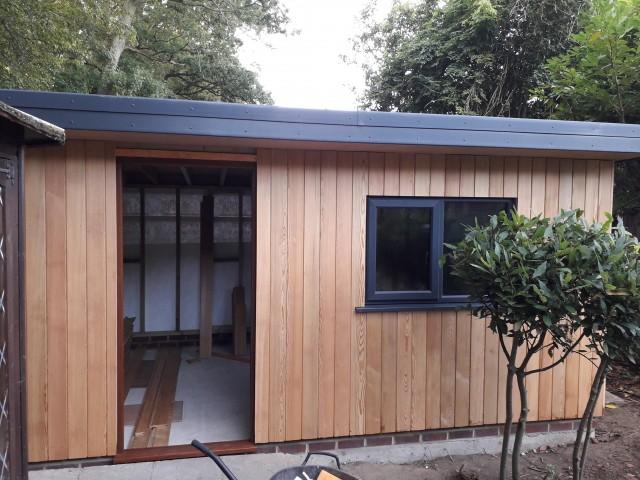
-
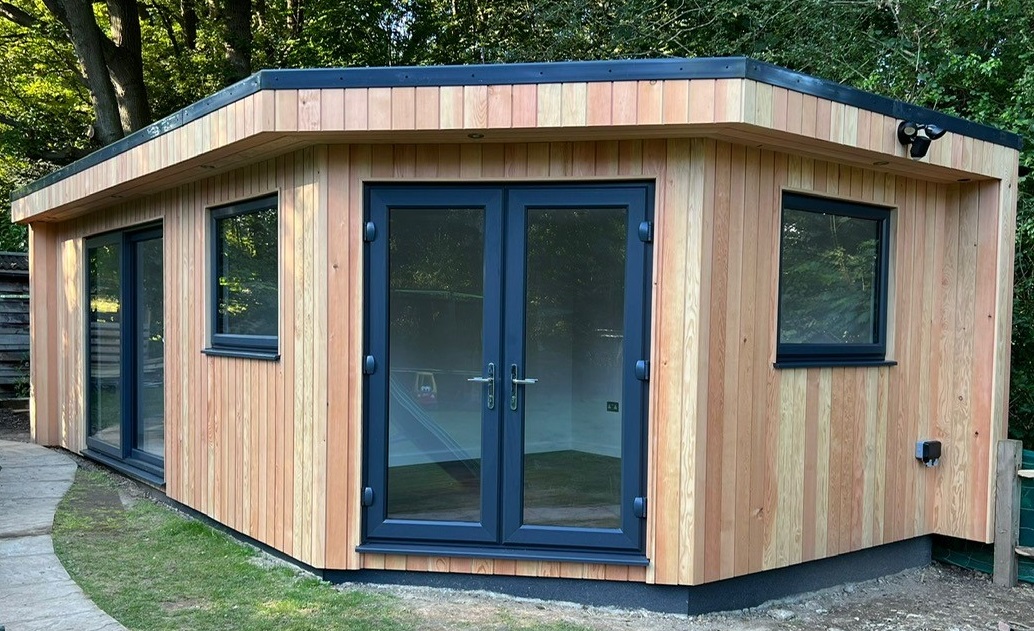
Larch Cladding ***FSC®*** & PEFC
-
-
Douglas Fir Cladding PEFC
-
-
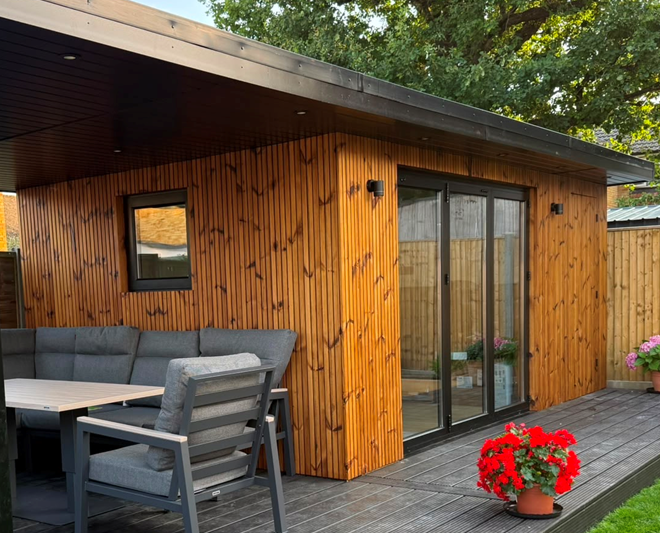
Thermo Ayous Cladding
-
-
Thermowood Pine Cladding PEFC
-

-
Black Cladding PEFC
-

-
Far Eastern Hardwood Cladding PEFC & SVLK
-

-
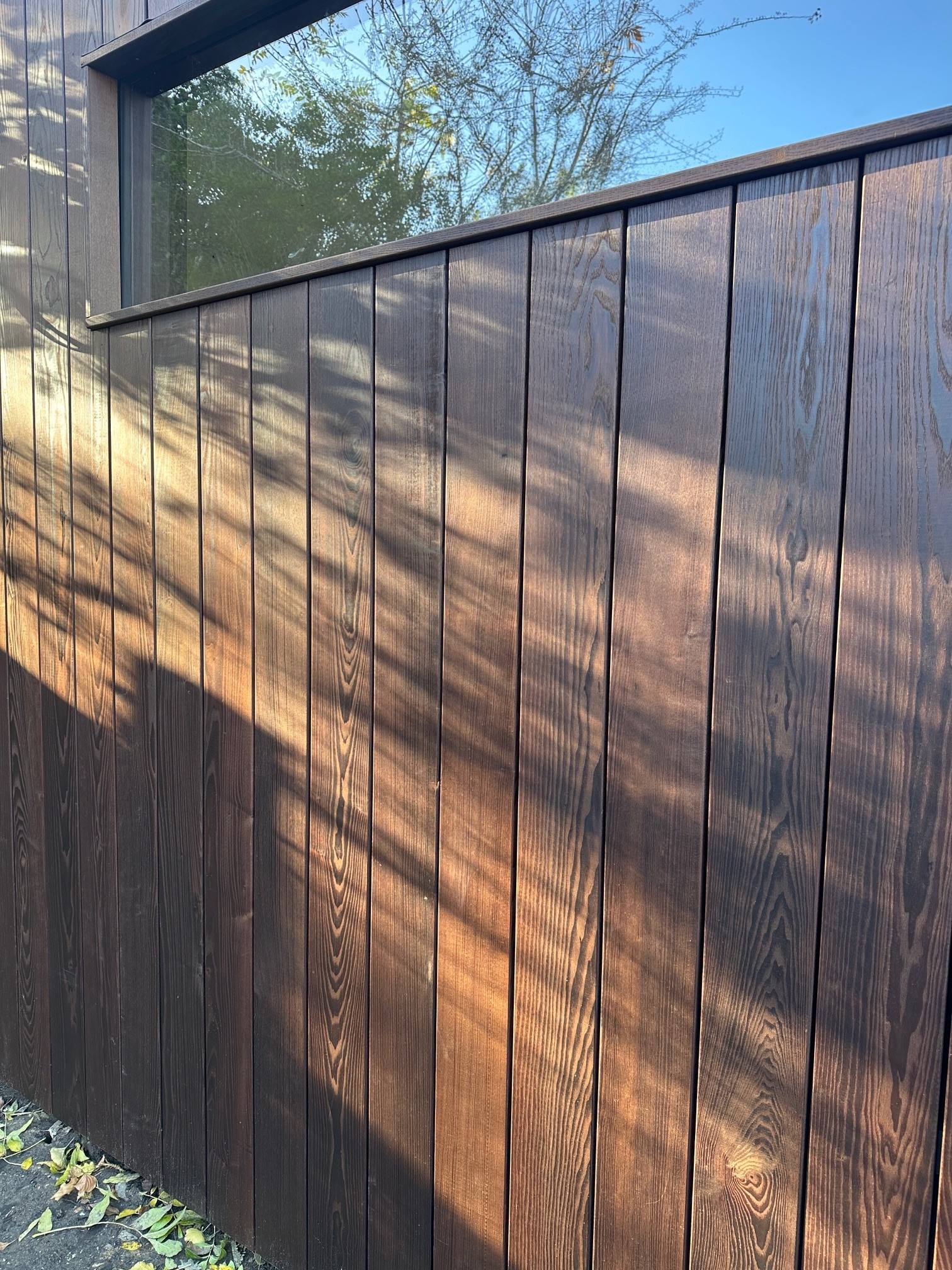
Thermory Radiata Pine Cladding ***FSC®***
-
-
Thermory Thermo-Ash Cladding
-

-
Thermory Thermo-Ash Decor Rhomb Tiles Internal
-
- SAUNA
- SLEEPERS
-
-
-
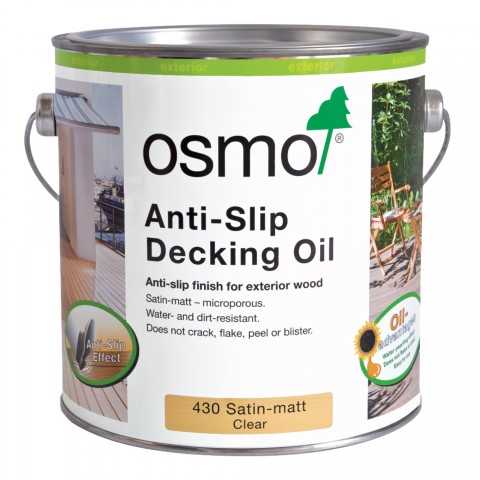
Osmo Treatment & Accessories
-
-
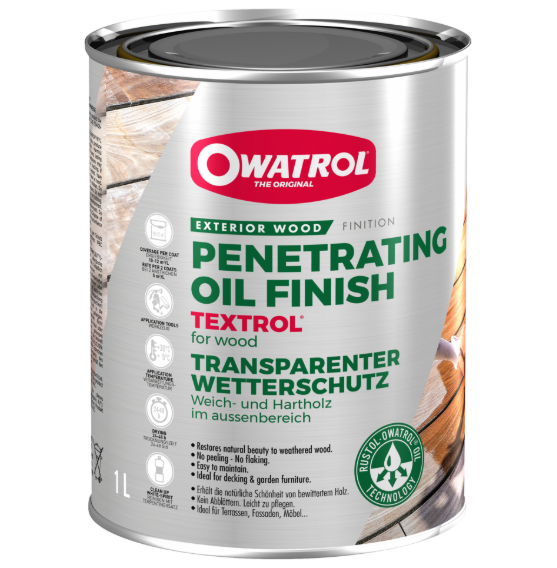
Owatrol Treatment & Accessories
-

-
Thermory Treatment & Fixings
-
-
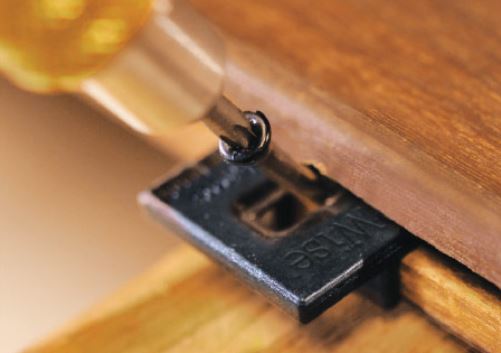
Deckwise Hidden Fixings & Accessories
-
-
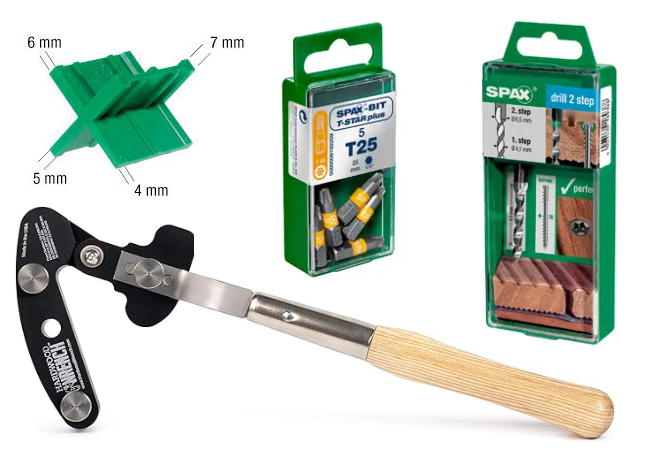
Decking Accessories
-
-
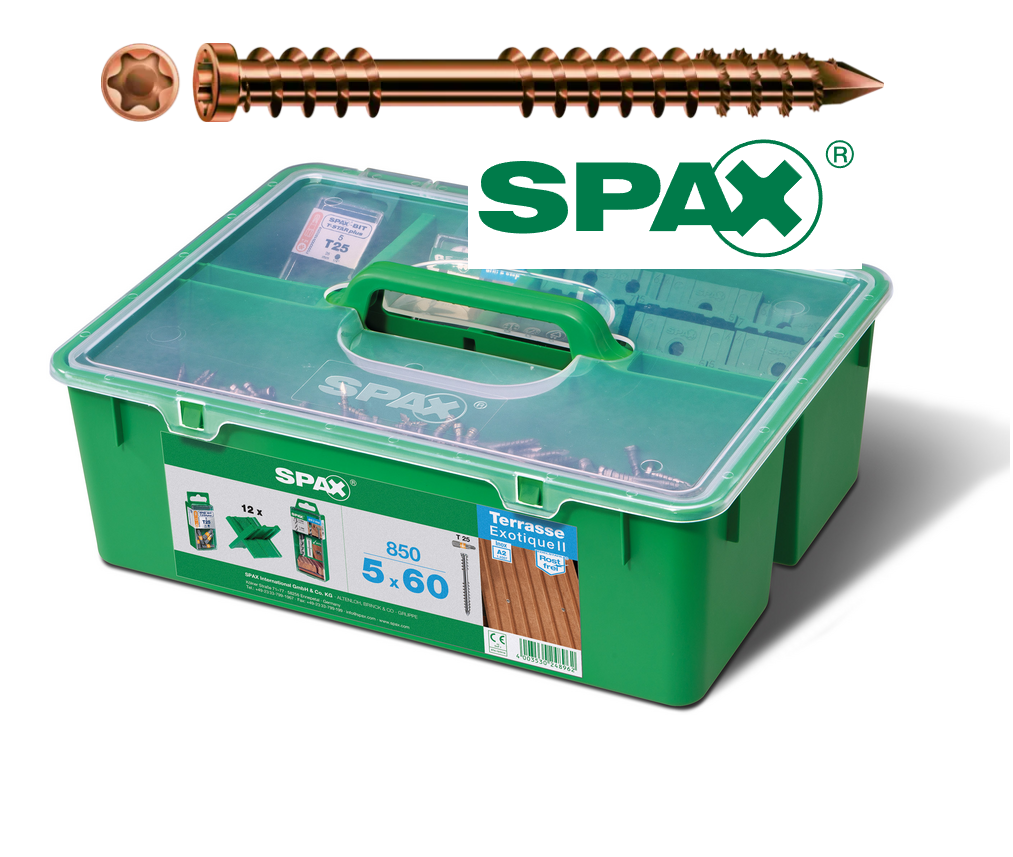
Spax Specialist Decking Screws
-
-
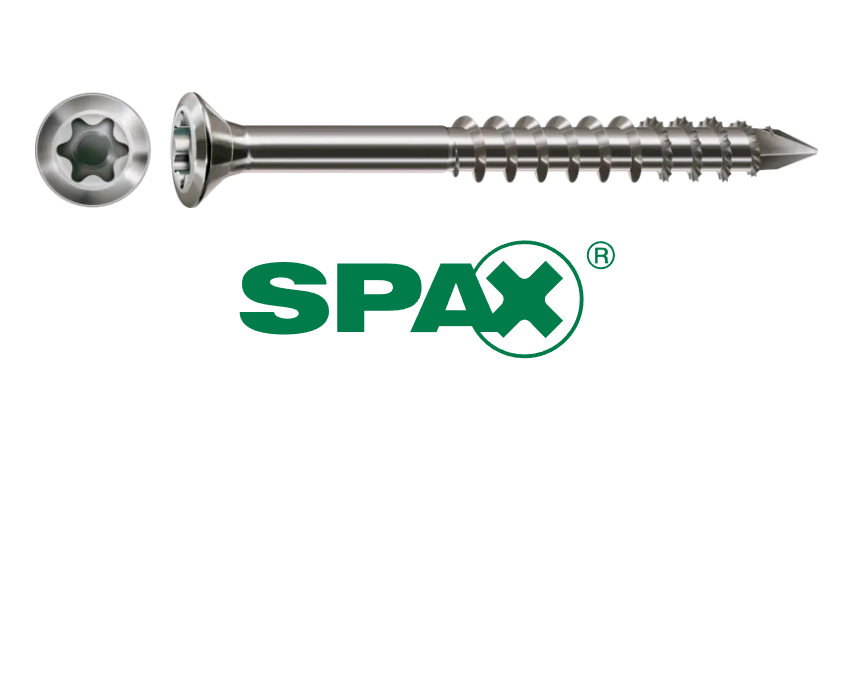
Spax Stainless Steel Facade Screws
-
-
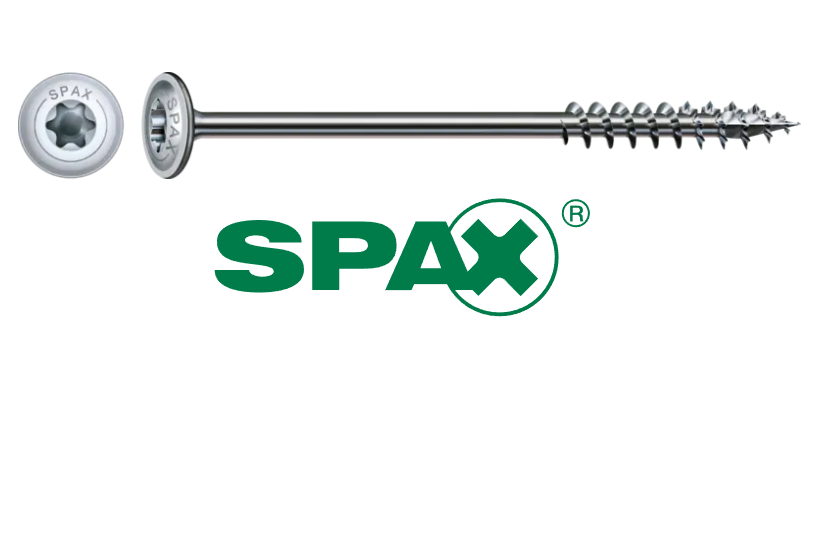
Spax Construction Screws
-

-
Stainless Steel Nails
-
-
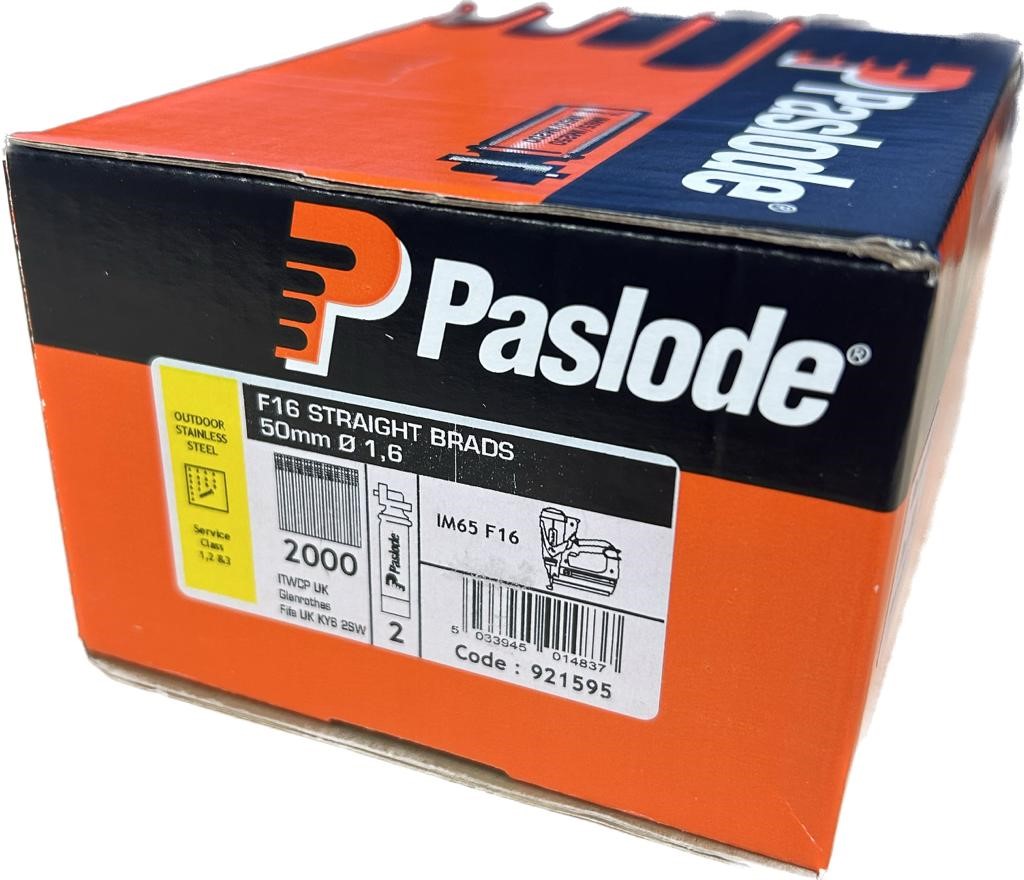
Paslode Stainless Steel Brads
-
-
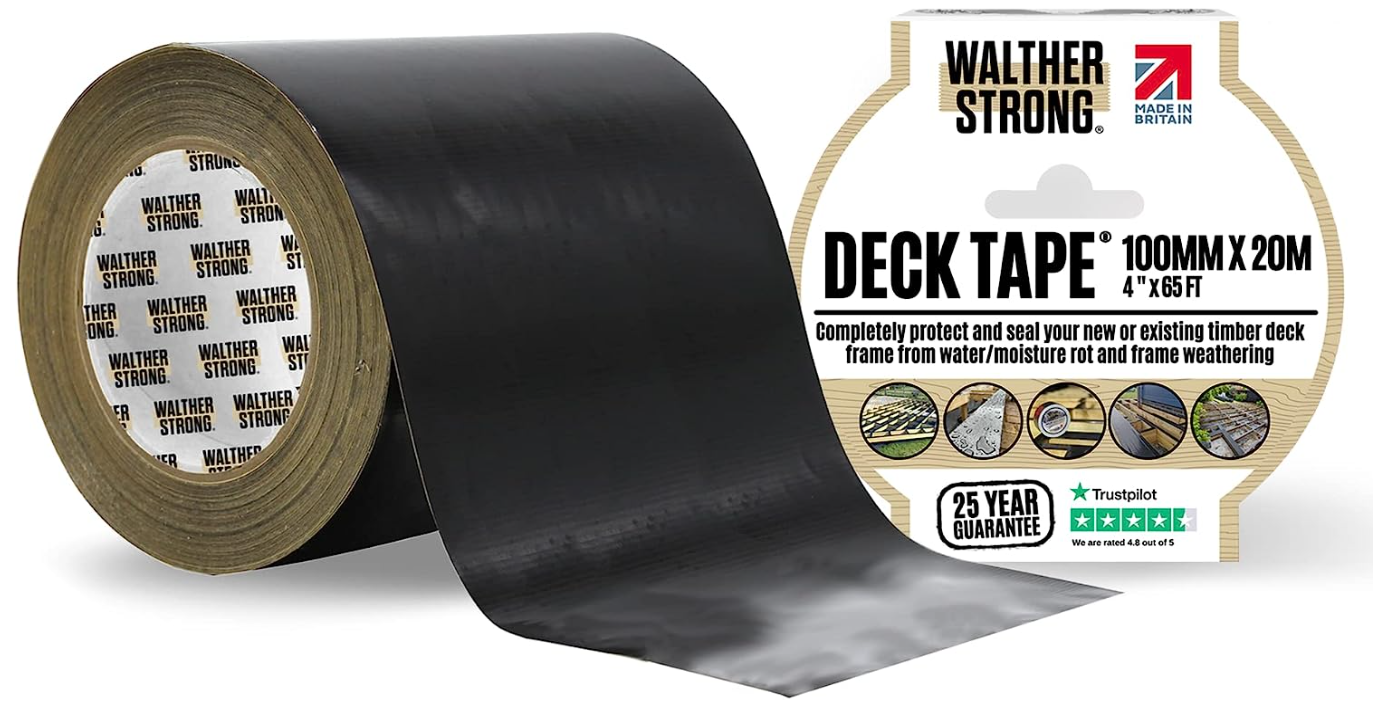
Walther Strong Deck Tape
-
-
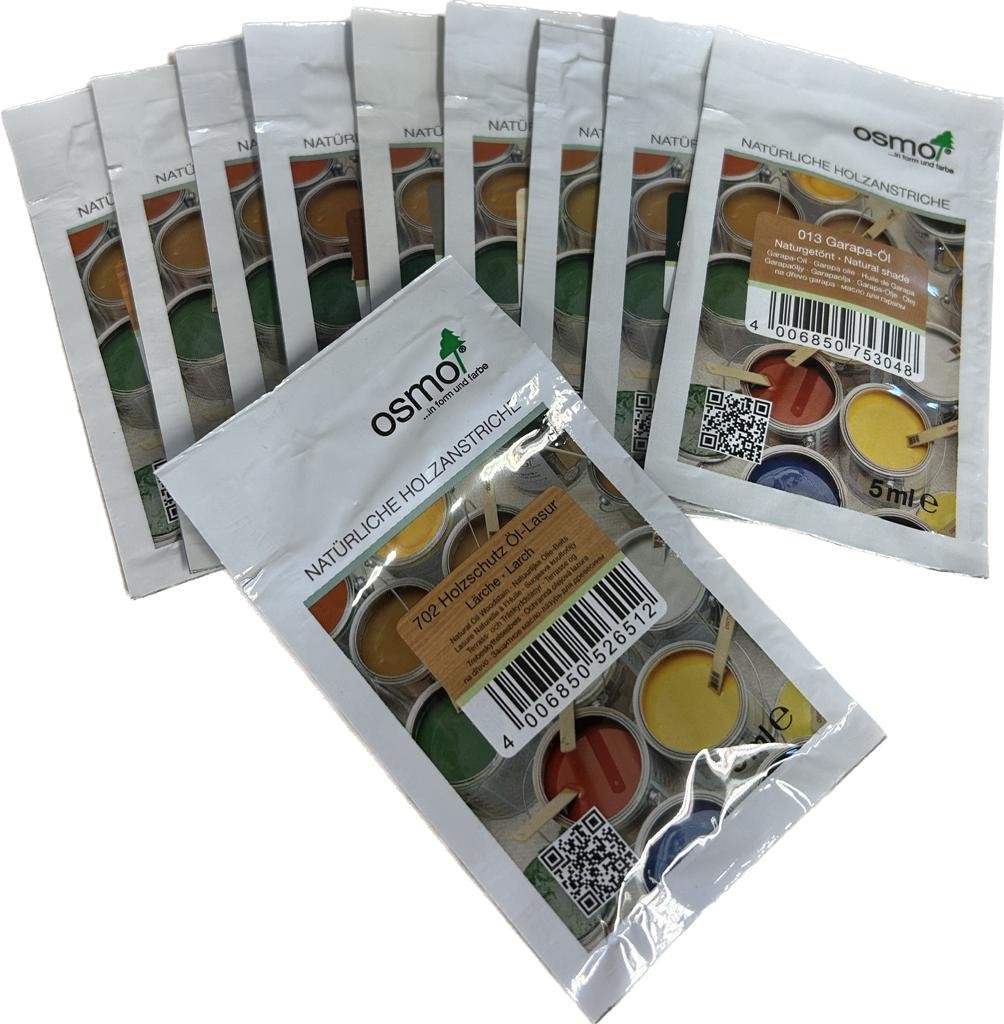
Treatment Samples
-
-
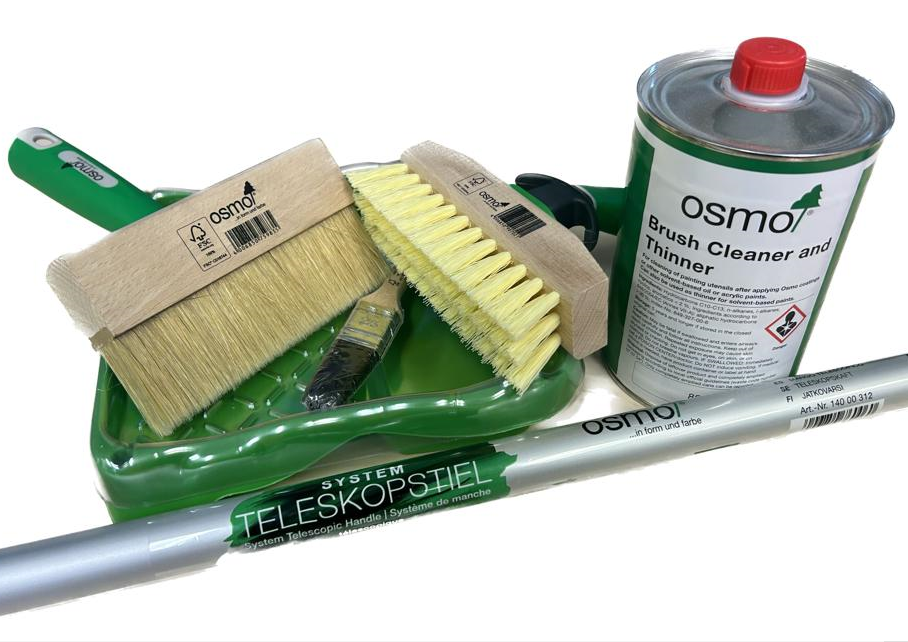
Brushes & Application Tools
-
-
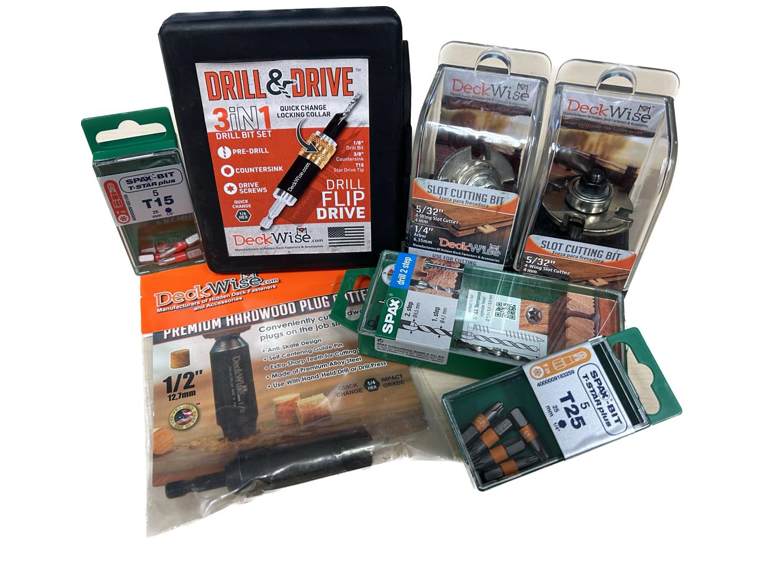
Drive Bits Router Bits & Plug Cutters
-
-
Cedral Accessories
-
- SAMPLES

Ipe Decking vs Composite Decking: What Most Suppliers Won’t Tell You

by
Southgate Timber
April 20, 2026


With composite decking becoming more visible online, many homeowners are now comparing it directly with traditional hardwood options like Ipe. At first glance, composite can seem like the easier choice. But when you look closer at performance, lifespan and long-term value, the decision becomes far more nuanced. This guide breaks down the real differences between Ipe decking and composite decking, so you can make an informed decision based on your project, not just marketing claims.
What Is Ipe Decking?
Ipe is a premium hardwood decking known for its exceptional density, durability and long lifespan. It has been used for decades in high-end outdoor spaces because of its ability to withstand heavy use and harsh weather conditions without compromising performance.
Key benefits of Ipe decking:
- Extremely durable hardwood
- Naturally resistant to rot, insects and decay
- Long lifespan, often 50 years or more
- Rich, natural appearance that improves outdoor spaces
What Is Composite Decking?
Composite decking is a manufactured product made from a mix of wood fibres and plastic. It is designed to offer a uniform appearance and reduce the need for ongoing treatment. While it has grown in popularity, it is important to understand how it compares in real-world conditions over time.
Ipe vs Composite Decking: The Key Differences
Durability and Lifespan
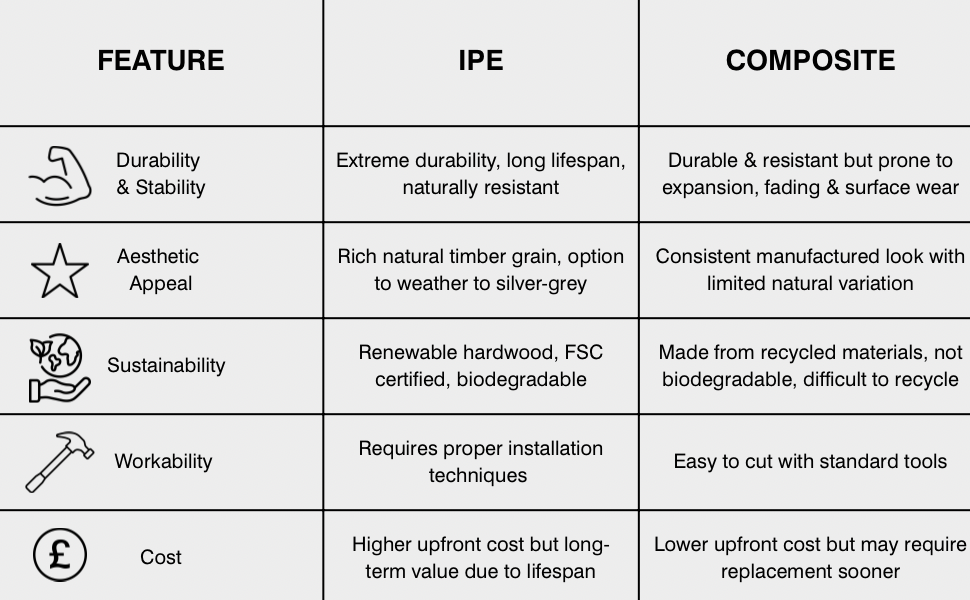
Ipe is widely regarded as one of the most durable decking materials available. Its density allows it to withstand decades of use with minimal structural change.
Composite decking can perform well, but over time it may be more susceptible to surface wear, fading or movement depending on the product quality and installation.
Appearance
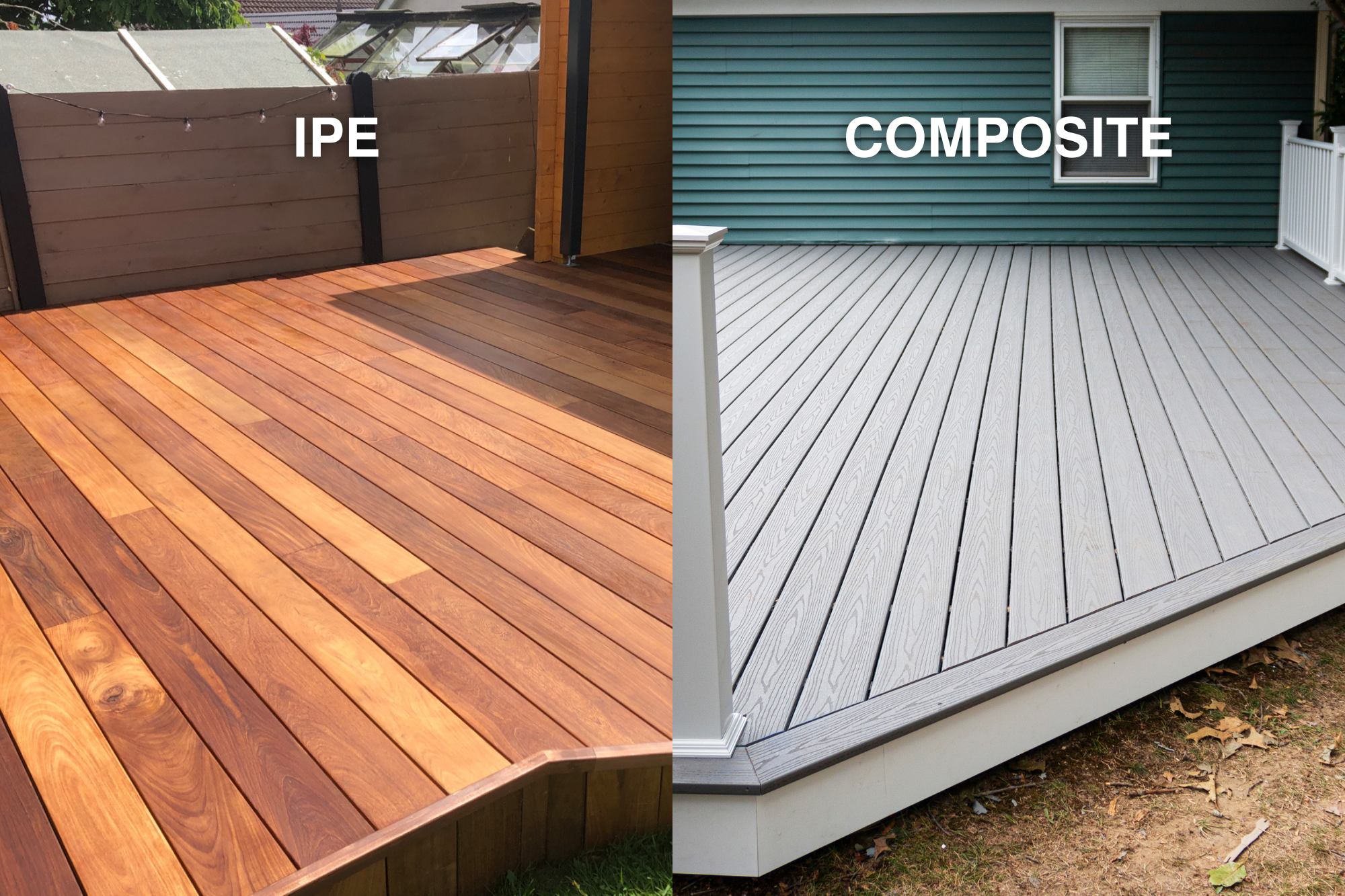
Ipe offers a natural timber finish with unique grain and depth of colour. It can be maintained to retain its rich tones or left to weather into a consistent silver-grey.
Composite decking provides a consistent manufactured finish, but this can sometimes appear less natural, particularly as boards age. The difference here is natural variation versus manufactured consistency.
Maintenance Reality
Both Ipe and composite decking require regular cleaning to prevent dirt, algae and organic build-up. Routine cleaning for both materials can be done with mild soap and a brush or low-pressure wash.
For Ipe, a deeper restoration can be achieved using the Owatrol Prepdeck to strip the surface, followed by Owatrol Net-Trol to neutralise and restore the timber’s natural colour. Tools like the Osmo Decking Cleaning Brush help apply these products effectively. Oiling is optional and purely for maintaining colour, not performance. If you choose to oil, popular options include Owatrol Textrol Clear, Owatrol Textrol HES Clear, and Owatrol Aquadecks Honey for added UV protection and enhanced appearance.
Heat and Outdoor Performance
One commonly overlooked factor is how materials behave in direct sunlight. Due to its density and natural properties, Ipe tends to perform well in outdoor conditions.
Some composite decking products can retain heat, which may make them less comfortable underfoot during warmer weather.
Long-Term Value
While composite decking can appear more affordable upfront, this does not always reflect long-term performance.
Ipe’s lifespan means it is often installed once and lasts for decades, whereas some composite installations may require replacement or significant upkeep over time. The real comparison is not just initial cost, but how the material performs over 10 to 20 years.
Sustainability and Environmental Impact
Ipe is a natural hardwood and, when responsibly sourced, is a renewable material. Many Ipe products are FSC-certified, meaning they come from sustainably managed forests that support long-term environmental balance. As a natural product, Ipe can also be reused or will biodegrade over time, making it a more traditional, low-waste material choice.
Composite decking is a manufactured material, typically made from a mix of wood fibres and recycled plastics. While this can reduce waste by reusing materials, the production process is more energy-intensive and the finished product is not biodegradable. Over time, this means composite decking is more difficult to recycle at the end of its lifespan.
Why Many Projects Still Choose Ipe Decking
Despite the increase in composite decking searches, Ipe continues to be chosen for projects where quality, durability and appearance matter.
It is particularly suited to:
- Garden projects designed to last
- High-end residential spaces
- Customers who value natural materials
- Projects where long-term performance is the priority
Popular Ipe Decking Profiles
Ipe decking is available in a range of profile options to suit different installation styles and design preferences. Some of the most popular choices include:
- 21 x 145mm Ipe decking (hidden fix) – ideal for a clean, modern finish with no visible fixings
- 21 x 145mm Ipe decking (standard fix) – a traditional installation method using screws
- 19 x 90mm Ipe decking (hidden fix) – a slimmer board often used for more detailed or contemporary layouts
- 19 x 90mm Ipe decking (standard fix) – suitable for tighter spaces or bespoke designs
These options give flexibility depending on the look you want to achieve, and the installation method preferred.
When choosing Ipe decking, one of the key decisions is whether to use hidden fixings or face fixing. Hidden fix systems are designed to secure boards without visible screws, creating a clean, uninterrupted surface. This is a popular choice for modern garden designs. Face fixing, on the other hand, involves screwing directly through the board and remains a reliable and widely used method, particularly for more traditional builds. Both options are suitable for Ipe decking, and the right choice often comes down to aesthetic preference and installation requirements.
Final Thoughts
Composite decking has gained visibility, particularly online, due to its low-maintenance positioning. However, Ipe remains one of the most proven and reliable decking materials available. If your priority is long-term durability, natural appearance and overall value, it continues to be one of the strongest choices for outdoor decking.
FAQ’s
Does Ipe decking require more maintenance than composite?
No. Both Ipe and composite decking require regular cleaning to remove dirt and algae. The difference is that Ipe can be oiled to maintain its colour, but this is optional and does not affect its lifespan.
Is Ipe decking more durable than composite decking?
Yes. Ipe is one of the hardest and most durable hardwoods available, with a lifespan often exceeding 25 years. Composite decking can perform well, but its longevity depends heavily on product quality and installation.
Does composite decking last as long as Ipe?
Composite decking can last for many years, but it typically does not match the lifespan of high-density hardwoods like Ipe. Ipe is widely recognised for its long-term durability and resistance to wear in outdoor environments.

General