- TEL : 01277 890 783
- EMAIL : sales@southgatetimber.co.uk
- Collections Monday to Friday 9:00 - 16:00






 Profiles
 Fast and friendly delivery service
 Samples available
 Click & Collect



-
-
-
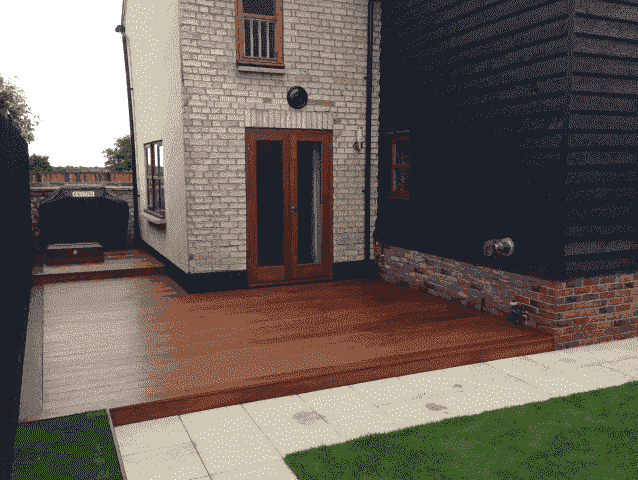
IPE Hardwood Decking ***FSC®***
-
-
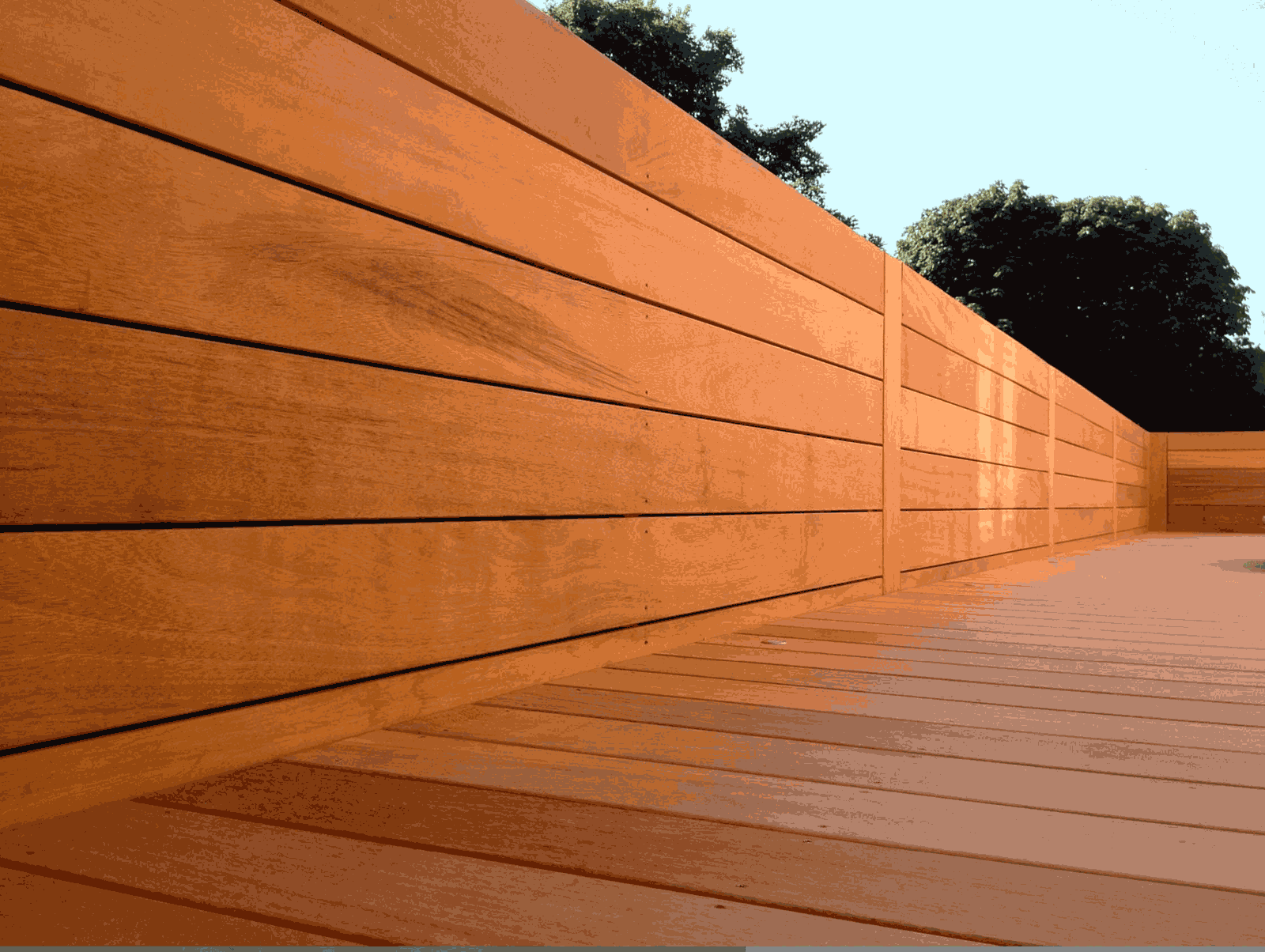
Iroko Hardwood Decking
-
-
Yellow Balau Hardwood Decking ***FSC®*** & SVLK
-
-
Yellow Balau Hardwood Components SVLK
-
-
Jatoba Hardwood Decking ***FSC®***
-

-
Thermory Benchmark Thermo-Ash Decking
-
-
Thermowood Pine Decking PEFC
-
-
Tali Hardwood Decking ***FSC®***
-
-
Thermory Spruce Decking PEFC
-
-
-
-
Western Red Cedar Cladding PEFC
-
-
Cedar Shingles & Ridge Tiles PEFC
-
-
Cedral Cement Board Cladding
-
-
Larch Cladding ***FSC®*** & PEFC
-
-
Douglas Fir Cladding PEFC
-
-
Thermo Ayous Cladding
-
-
Thermowood Pine Cladding PEFC
-

-
Black Cladding PEFC
-

-
Far Eastern Hardwood Cladding PEFC & SVLK
-

-
Thermory Radiata Pine Cladding ***FSC®***
-
-
Thermory Thermo-Ash Cladding
-

-
Thermory Thermo-Ash Decor Rhomb Tiles Internal
-
- SAUNA
- SLEEPERS
-
-
-
Osmo Treatment & Accessories
-

-
Owatrol Treatment & Accessories
-

-
Thermory Treatment & Fixings
-
-
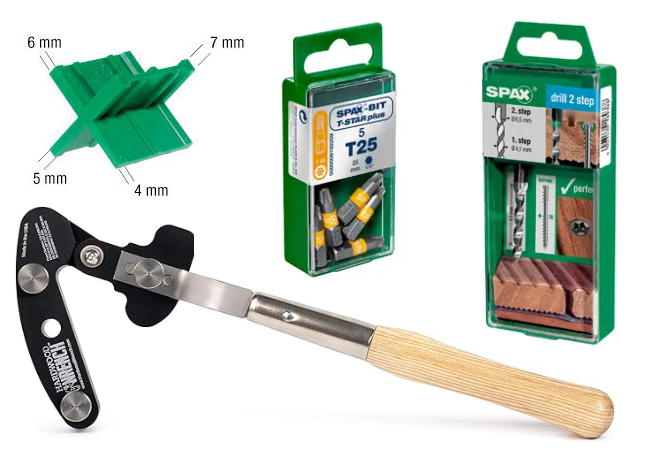
Deckwise Hidden Fixings & Accessories
-
-
Decking Accessories
-

-
Spax Specialist Decking Screws
-

-
Spax Stainless Steel Facade Screws
-

-
Spax Construction Screws
-

-
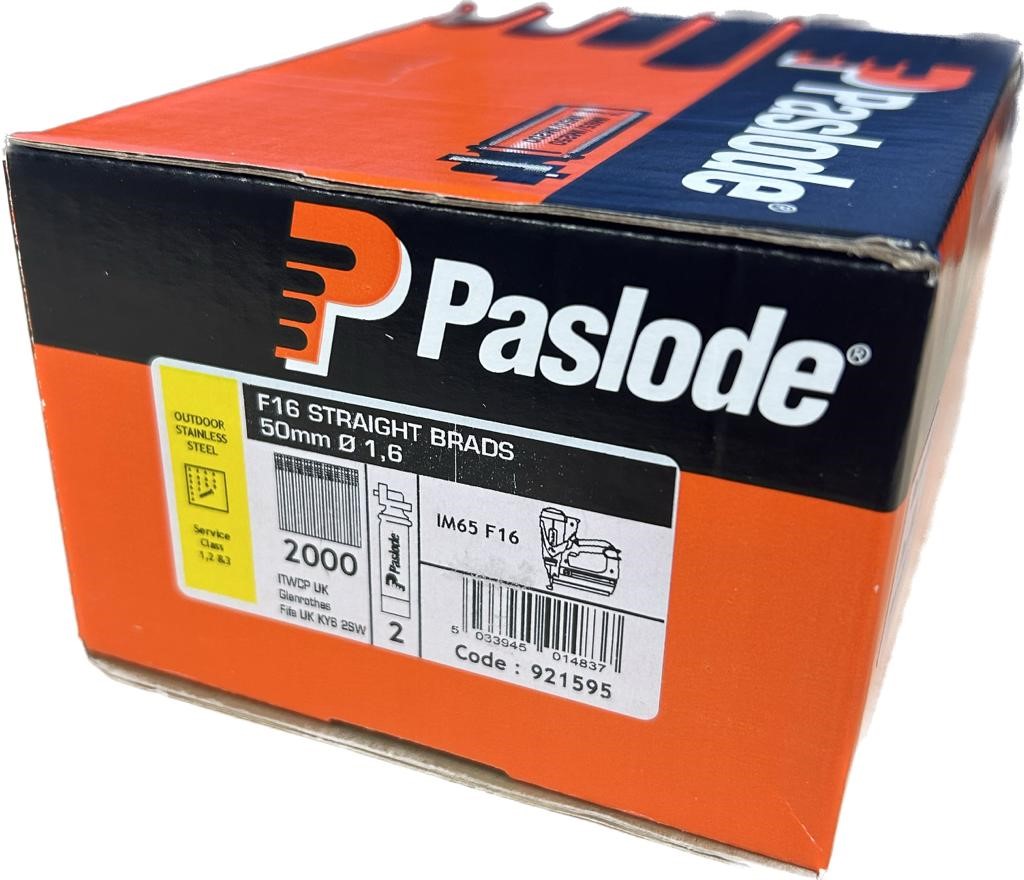
Stainless Steel Nails
-
-
Paslode Stainless Steel Brads
-
-
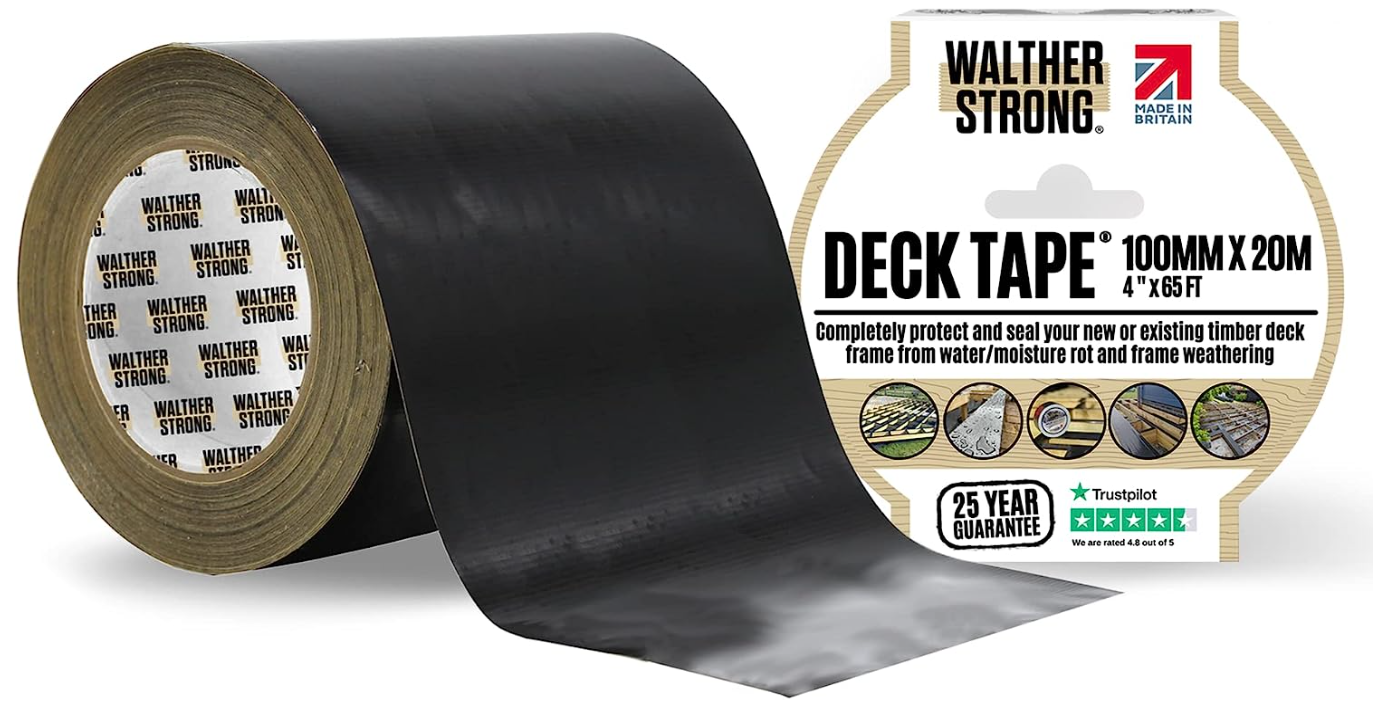
Walther Strong Deck Tape
-

-
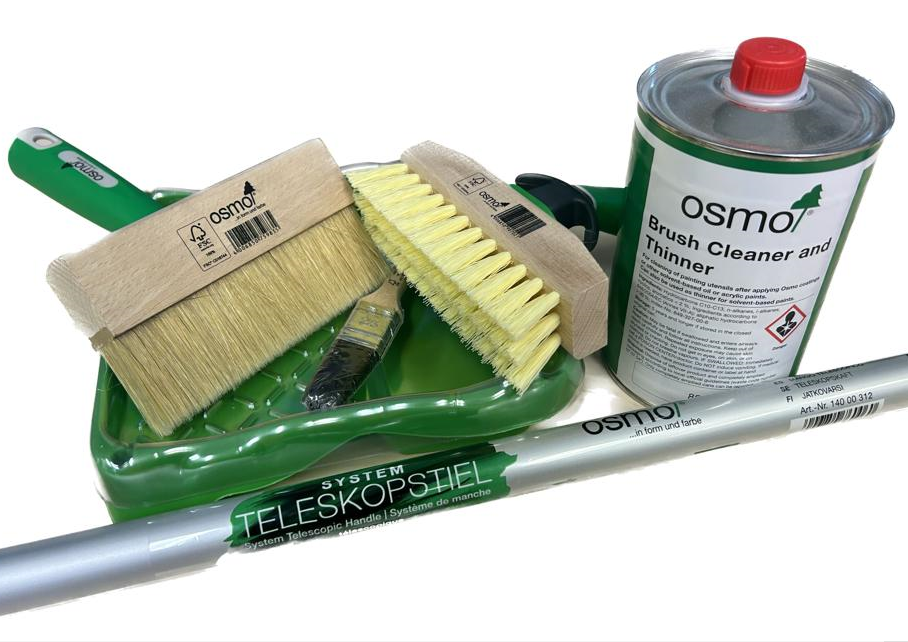
Treatment Samples
-
-
Brushes & Application Tools
-

-
Drive Bits Router Bits & Plug Cutters
-
-
Cedral Accessories
-
- SAMPLES

Does Timber Decking Need a Slope? Understanding Drainage, Raised Decking and Water Runoff

by
Southgate Timber
May 28, 2026


When building a timber decking project, especially a raised deck or seating area, one detail that often gets overlooked is water runoff. Some homeowners assume decking should always be perfectly level, while others recommend adding a slight fall to help rainwater drain away more effectively. The reality is that both approaches can work depending on the type of project, the decking material being used and how the structure is designed underneath.
For standard garden decking, a flat installation is often completely fine. But for raised decking, rooftop terraces or decks built above usable spaces, drainage and airflow can become far more important.
Does Timber Decking Always Need a Fall?
No, not every timber deck requires a noticeable slope. Traditional garden decking installed close to ground level is commonly built flat, especially when:
- airflow beneath the deck is good
- water can naturally drain away
- suitable board gaps are used
- the subframe is properly ventilated
In many cases, correct installation and drainage design are more important than adding a visible gradient. However, there are certain situations where a slight fall may be beneficial.
When a Slight Decking Slope Can Help
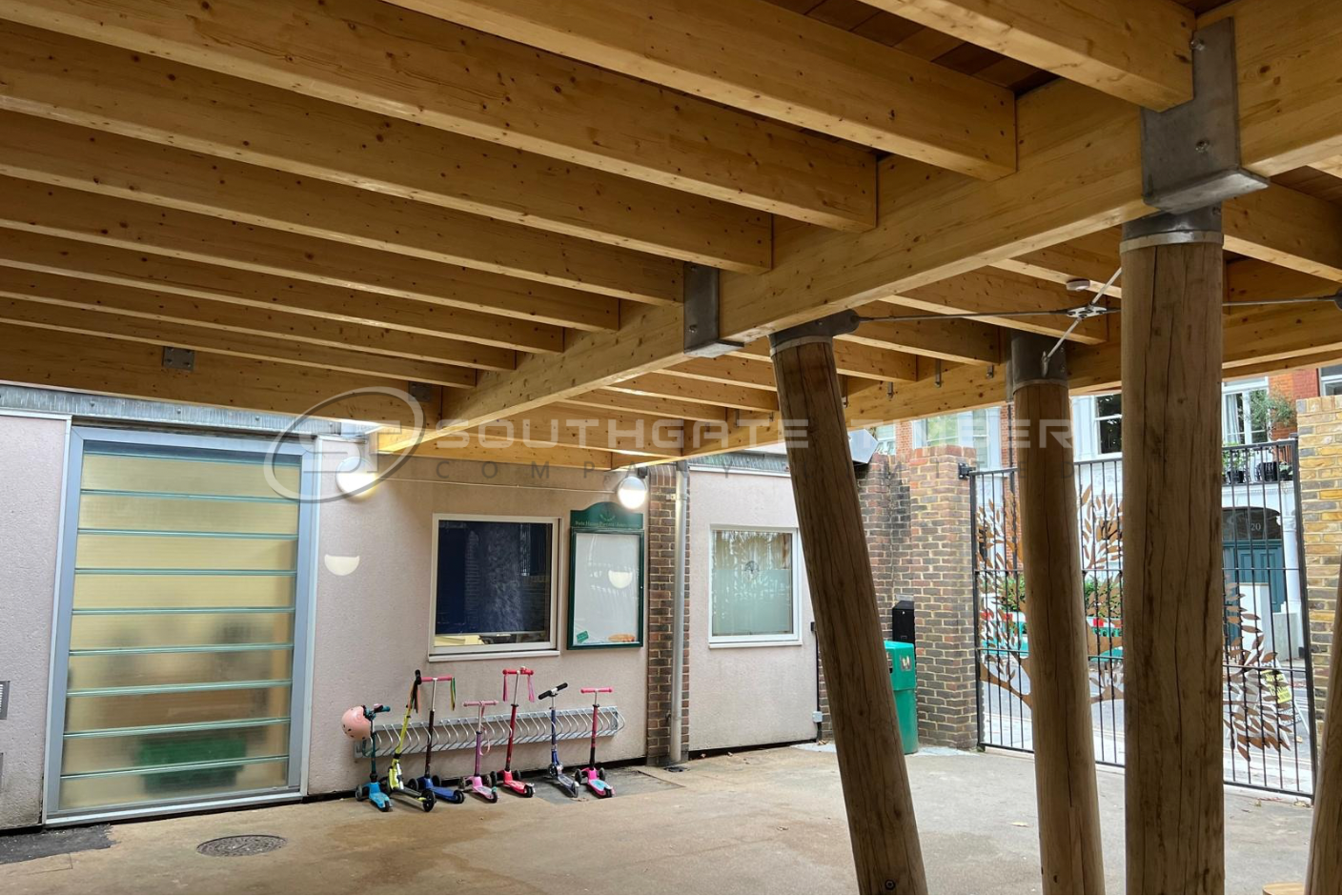
In these situations, water runoff becomes more important because rainwater is no longer simply draining onto open ground below the deck. Instead, water may drip onto seating areas, collect around enclosed subframes or increase moisture exposure in spaces underneath the structure.
A very slight fall can help encourage rainwater to move more consistently in one direction rather than lingering on the deck surface or around certain areas of the subframe. This can help reduce prolonged moisture exposure and improve overall drainage performance on more complex raised decking projects. This is especially relevant on:
- rooftop terraces
- enclosed subframes
- decks built above seating or storage areas
- balconies and commercial outdoor spaces
- projects with limited airflow underneath
The key is subtlety. Decking should never feel noticeably sloped underfoot.
Board Spacing Is Often More Important Than the Slope
One of the biggest mistakes in decking installation is focusing entirely on the gradient while overlooking board spacing. Proper spacing between decking boards allows rainwater to drain through, whilst also providing good airflow around the timber and faster drying after rainfall. This also gives space for natural expansion and contraction in the timber. Without suitable spacing, even a sloped deck can struggle with trapped moisture.
Southgate Timber supplies decking profiles suitable for both face fix or hidden fix installations, including:
Correct spacing recommendations can vary depending on timber species, board width and fixing method.
Hidden Fix Systems and Drainage
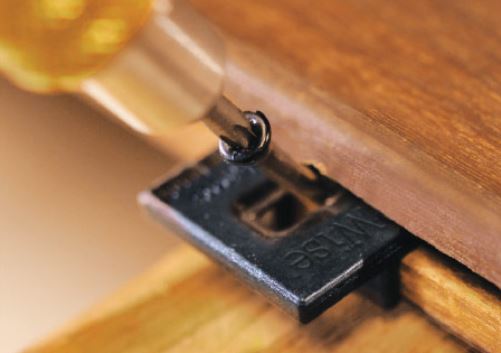
Hidden fix decking systems can also play a role in drainage and long-term decking performance. Systems such as DeckWise hidden fixings and Thermory clip systems may help to create consistent spacing for improved airflow and also result in reduced surface screw exposure Consistent board spacing helps water move more evenly across the deck while maintaining a cleaner contemporary finish.
Southgate Timber stocks hidden fix systems for a range of hardwood and thermally modified decking products including:
- Ipe using the Deckwise hidden fix clips
- Thermo-Ash using the Thermory T6 decking clip
- Spruce using the Thermory PC decking clip
Raised Decking and Subframe Ventilation
For raised decking projects, airflow beneath the structure becomes extremely important. Even if a slight slope is incorporated, poor ventilation underneath the deck can still lead to trapped moisture and ultimately mould growth. This will result in the timber weathering prematurely meaning the deck will require an increased level of maintenance.
Good decking design should always consider the airflow beneath the deck, drainage around support posts, suitable joist spacing, water runoff routes, weed membrane and ground preparation. Long-term decking performance is usually achieved through the full installation system working together rather than relying purely on slope alone.
Timber Movement and Water Exposure
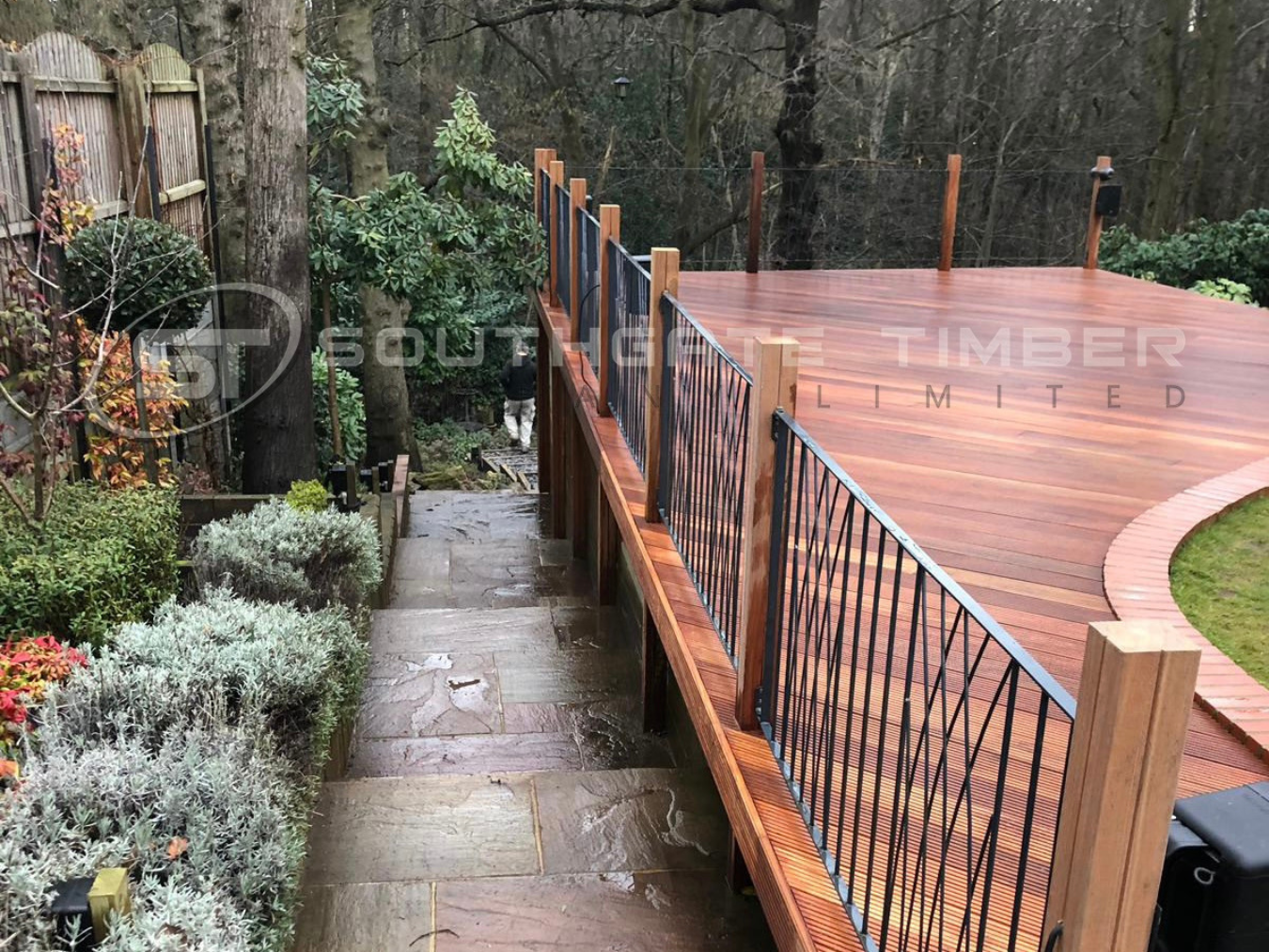
Different decking materials react differently to moisture exposure. Dense hardwood decking species naturally resist moisture extremely well due to their density and durability. Thermally modified decking products are also designed for improved stability and reduced moisture absorption. Choosing a stable decking material can help reduce movement, twisting and expansion over time, especially on exposed raised installations.
Decking Maintenance and Water Protection
Regardless of whether a deck is flat or installed with a slight fall, maintenance still plays an important role in long-term performance. To help maintain timber decking, Southgate Timber stocks:
- Owatrol treatments and cleaners
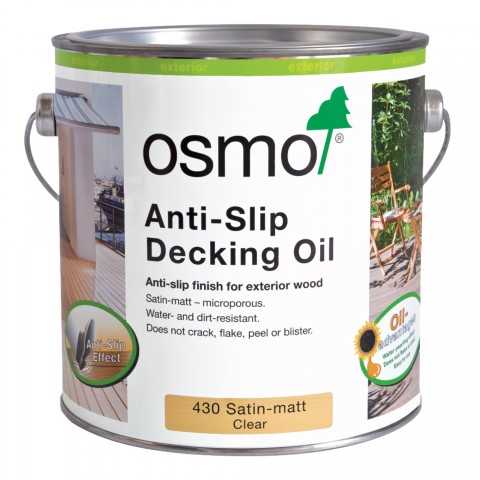
- Osmo exterior protection and cleaning products
- specialist decking fixings and accessories
Regular cleaning helps remove trapped debris, organic buildup and standing dirt which can hold moisture against the timber surface.
Final Thoughts
Timber decking doesn’t always need a slope. Many garden decks are successfully installed flat and perform extremely well for years with proper spacing, drainage and ventilation. However, on raised decking structures like roof terraces or installations above seating and enclosed areas, incorporating a subtle fall may help improve water runoff and long-term moisture management.
In most cases, the overall installation quality matters far more than whether the deck is perfectly level or slightly sloped. Correct spacing, airflow, suitable fixings and quality decking materials all play a major role in creating a durable low-maintenance outdoor space.
FAQs
Should decking boards be completely level?
Many timber decking projects are installed level, particularly standard garden decking with good airflow and drainage.
How much fall should raised decking have?
If a fall is incorporated, it is usually very slight and designed only to encourage water runoff rather than create a noticeable slope.
Is spacing between decking boards important?
Yes. Proper spacing helps improve drainage, airflow and timber movement while reducing trapped moisture.
Does hidden fix decking improve drainage?
Hidden fix systems help create more consistent spacing which can improve airflow and water runoff across the decking surface.
Which decking materials handle moisture best?
Dense hardwoods such as Ipe and thermally modified decking products like Thermory Thermo-Ash are all designed for excellent exterior performance and stability.

General


