- TEL : 01277 890 783
- EMAIL : sales@southgatetimber.co.uk
- Collections Monday to Friday 9:00 - 16:00







 Profiles
 Fast and friendly delivery service
 Samples available
 Click & Collect



-
-
-
IPE Hardwood Decking ***FSC®***
-
-
Iroko Hardwood Decking
-
-
Yellow Balau Hardwood Decking ***FSC®*** & SVLK
-
-
Yellow Balau Hardwood Components SVLK
-
-
Jatoba Hardwood Decking ***FSC®***
-

-
Thermory Benchmark Thermo-Ash Decking
-
-
Thermowood Pine Decking PEFC
-
-
Tali Hardwood Decking ***FSC®***
-
-
Thermory Spruce Decking PEFC
-
-
-
-
Western Red Cedar Cladding PEFC
-
-
Cedar Shingles & Ridge Tiles PEFC
-
-
Cedral Cement Board Cladding
-
-
Larch Cladding ***FSC®*** & PEFC
-
-
Douglas Fir Cladding PEFC
-
-
Thermo Ayous Cladding
-
-
Thermowood Pine Cladding PEFC
-

-
Black Cladding PEFC
-

-
Far Eastern Hardwood Cladding PEFC & SVLK
-

-
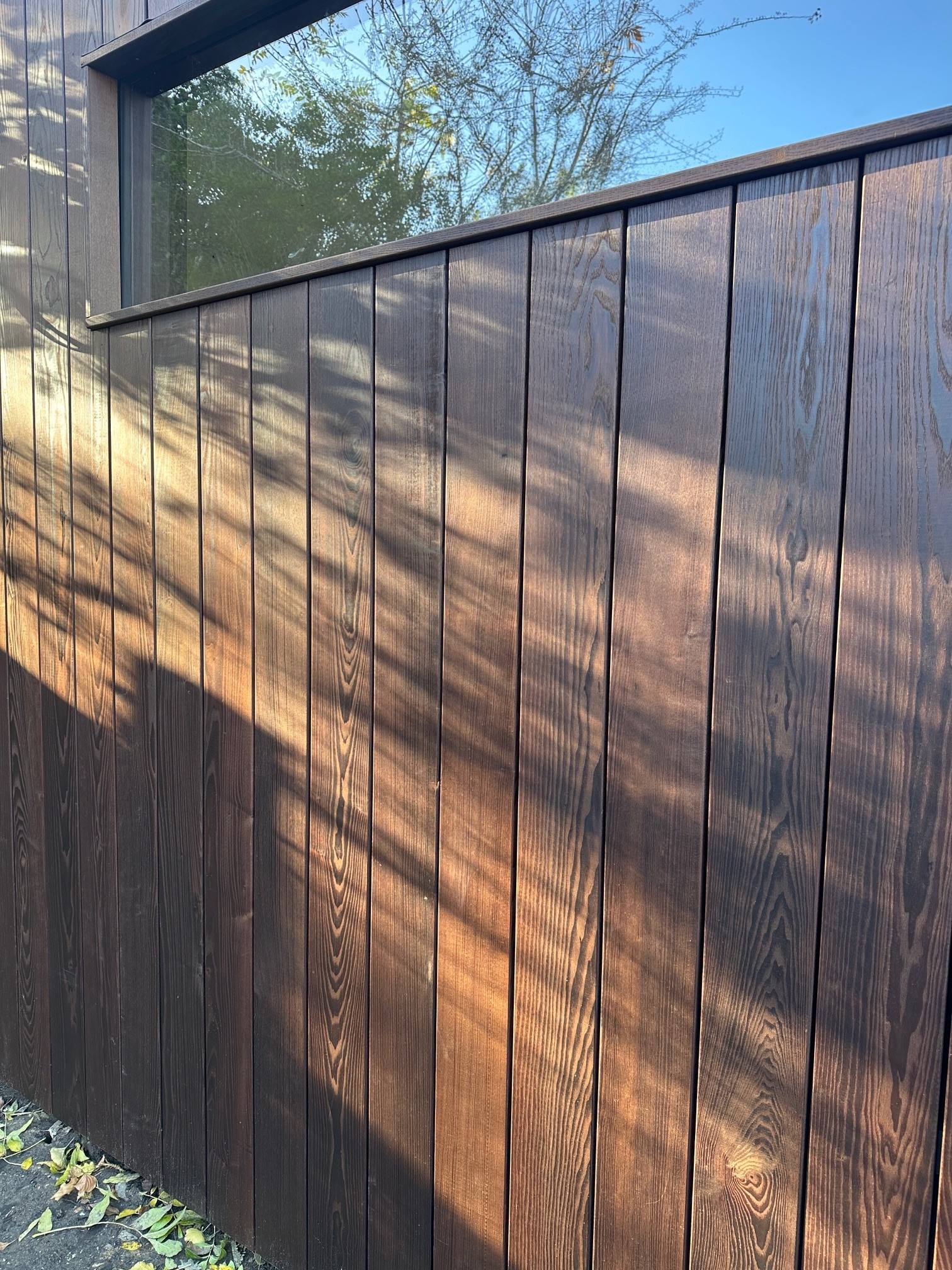
Thermory Radiata Pine Cladding ***FSC®***
-
-
Thermory Thermo-Ash Cladding
-

-
Thermory Thermo-Ash Decor Rhomb Tiles Internal
-
- SAUNA
- SLEEPERS
-
-
-
Osmo Treatment & Accessories
-
-
Owatrol Treatment & Accessories
-

-
Thermory Treatment & Fixings
-
-
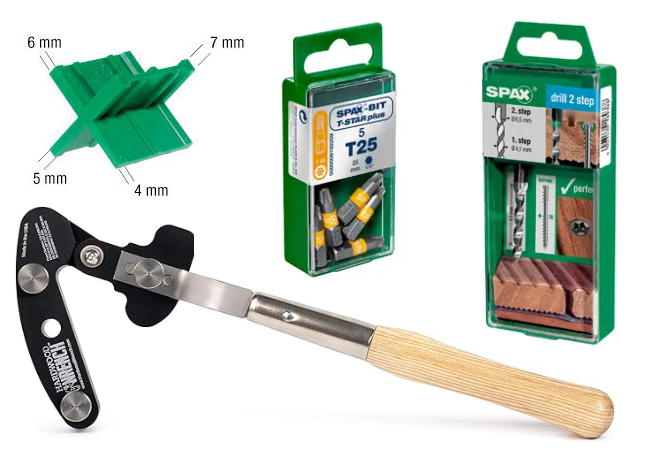
Deckwise Hidden Fixings & Accessories
-
-
Decking Accessories
-
-
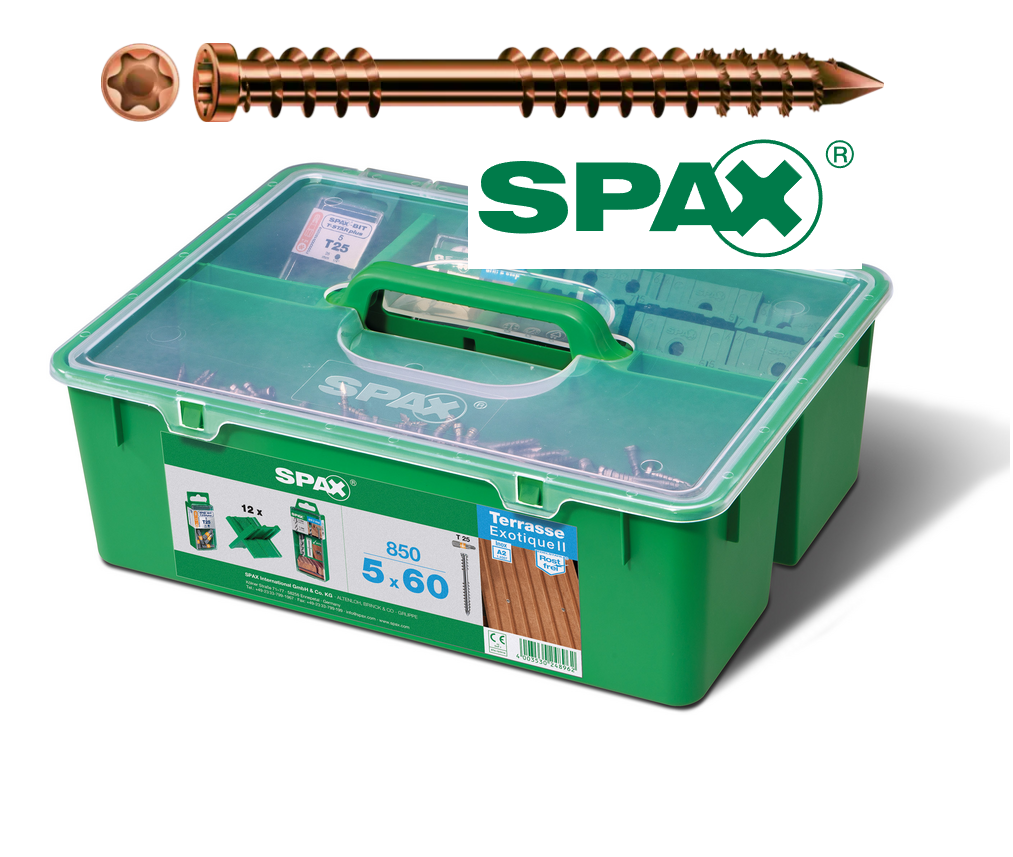
Spax Specialist Decking Screws
-
-
Spax Stainless Steel Facade Screws
-
-
Spax Construction Screws
-

-
Stainless Steel Nails
-
-
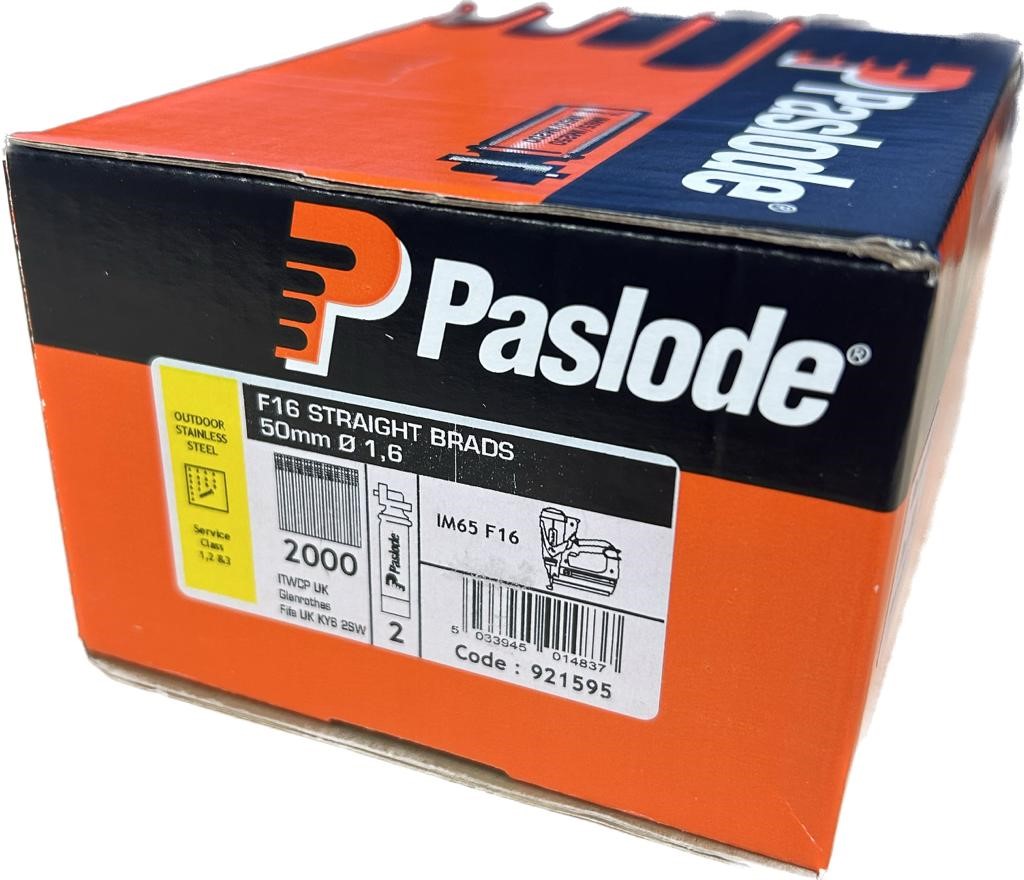
Paslode Stainless Steel Brads
-
-
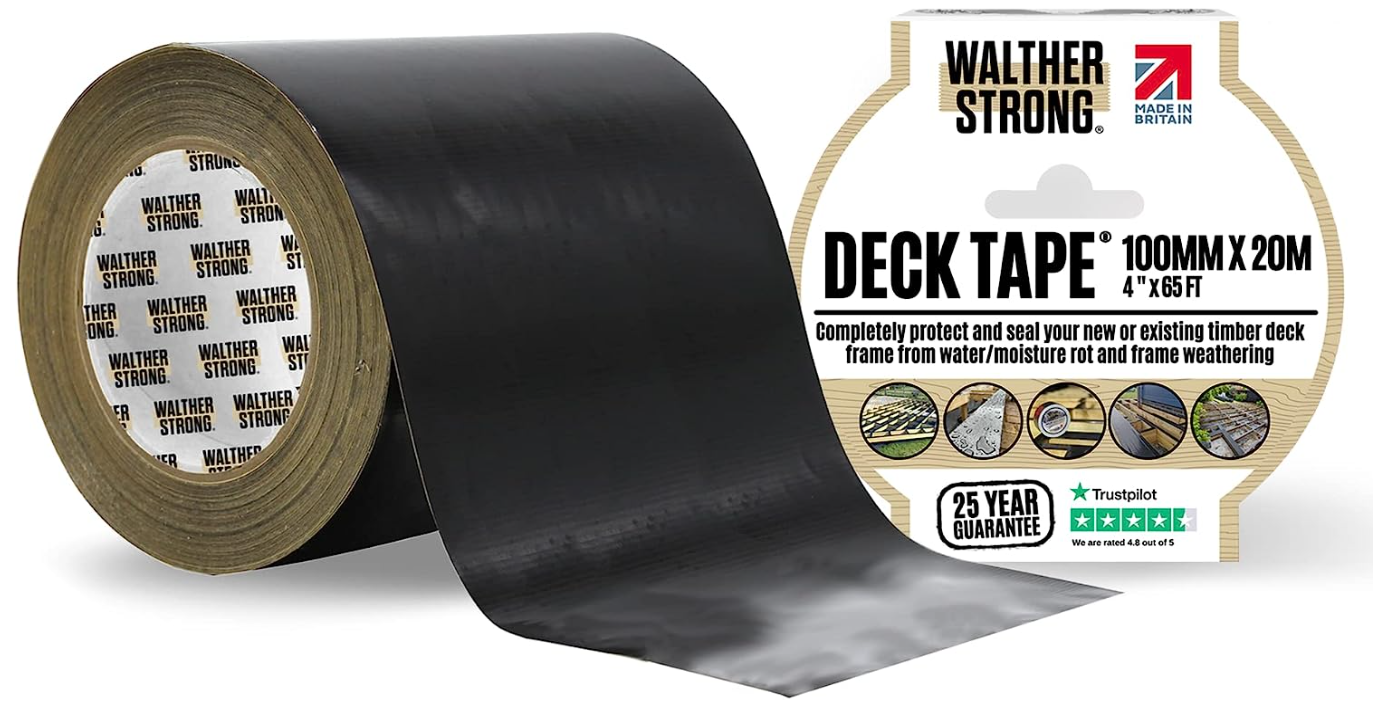
Walther Strong Deck Tape
-
-
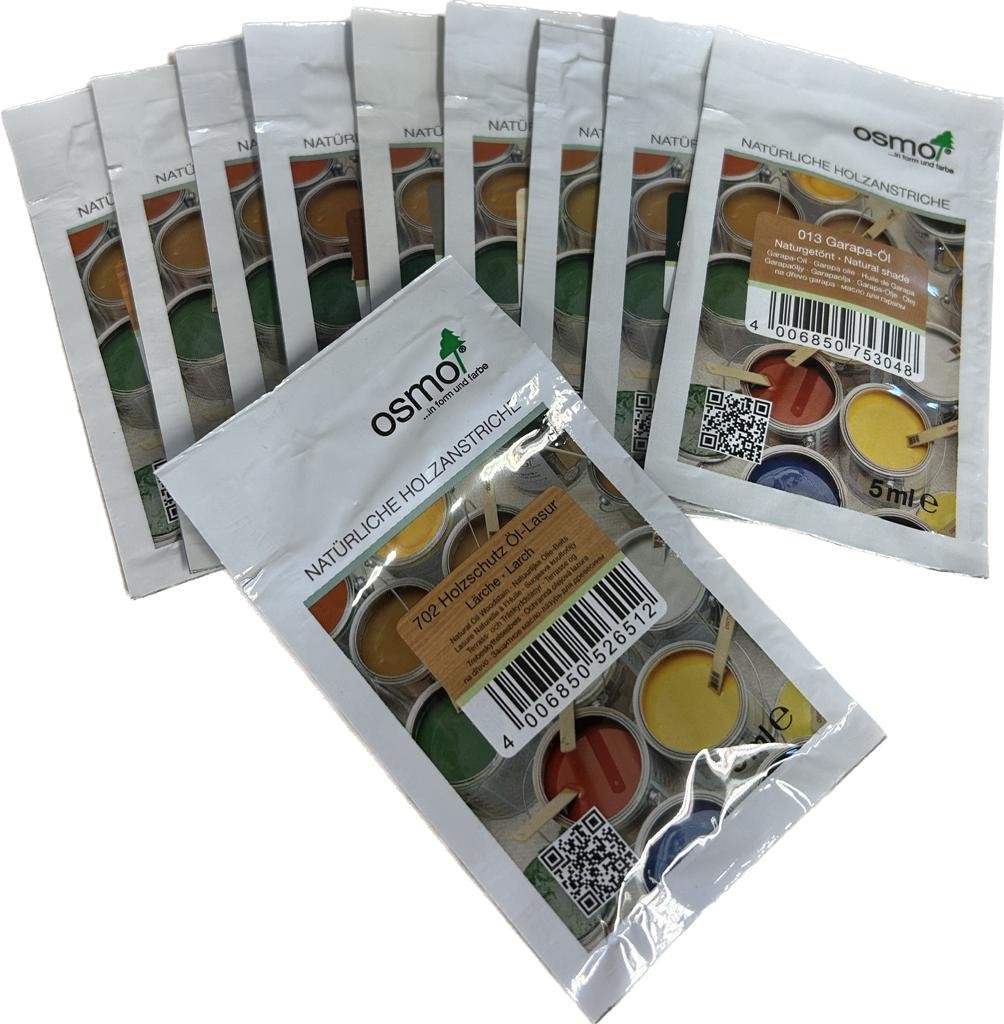
Treatment Samples
-
-
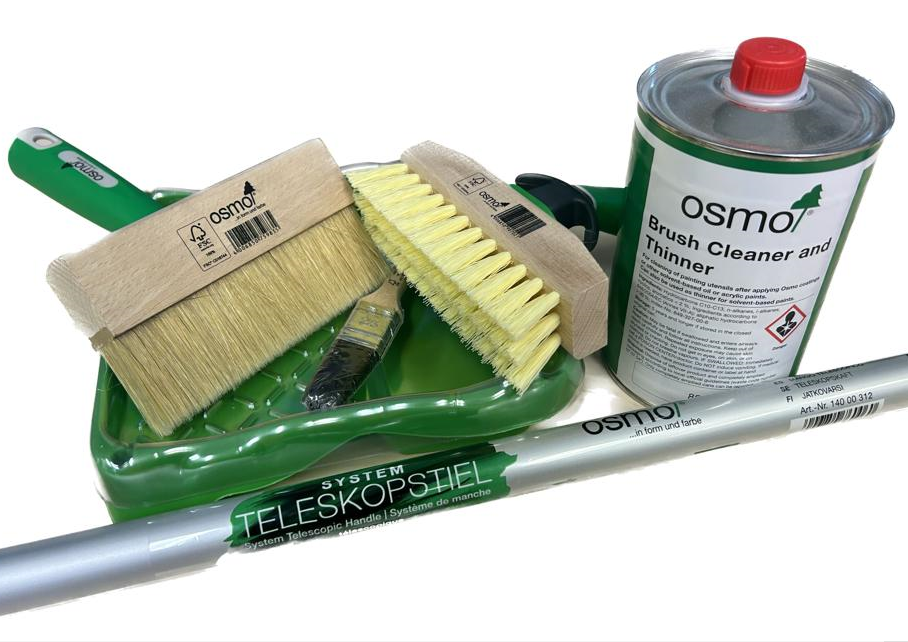
Brushes & Application Tools
-

-
Drive Bits Router Bits & Plug Cutters
-

-
Cedral Accessories
-
- SAMPLES

Do You Need Planning Permission for Timber Cladding in the UK? 2026 Rules Explained

by
Southgate Timber
April 29, 2026


Timber cladding is a popular way to improve the appearance of a property, garden room or outdoor building, adding warmth, texture and a natural finish, while also helping to create a more contemporary exterior. One of the most common questions before starting a project is whether timber cladding needs planning permission. The answer depends on the type of property, where it is located and how much the appearance of the building will change. This guide explains the key points to consider before installing timber cladding in the UK. Please note, planning rules can vary depending on your local authority and location, so it's always best to check with your local council before starting work.
Does Timber Cladding Usually Need Planning Permission?
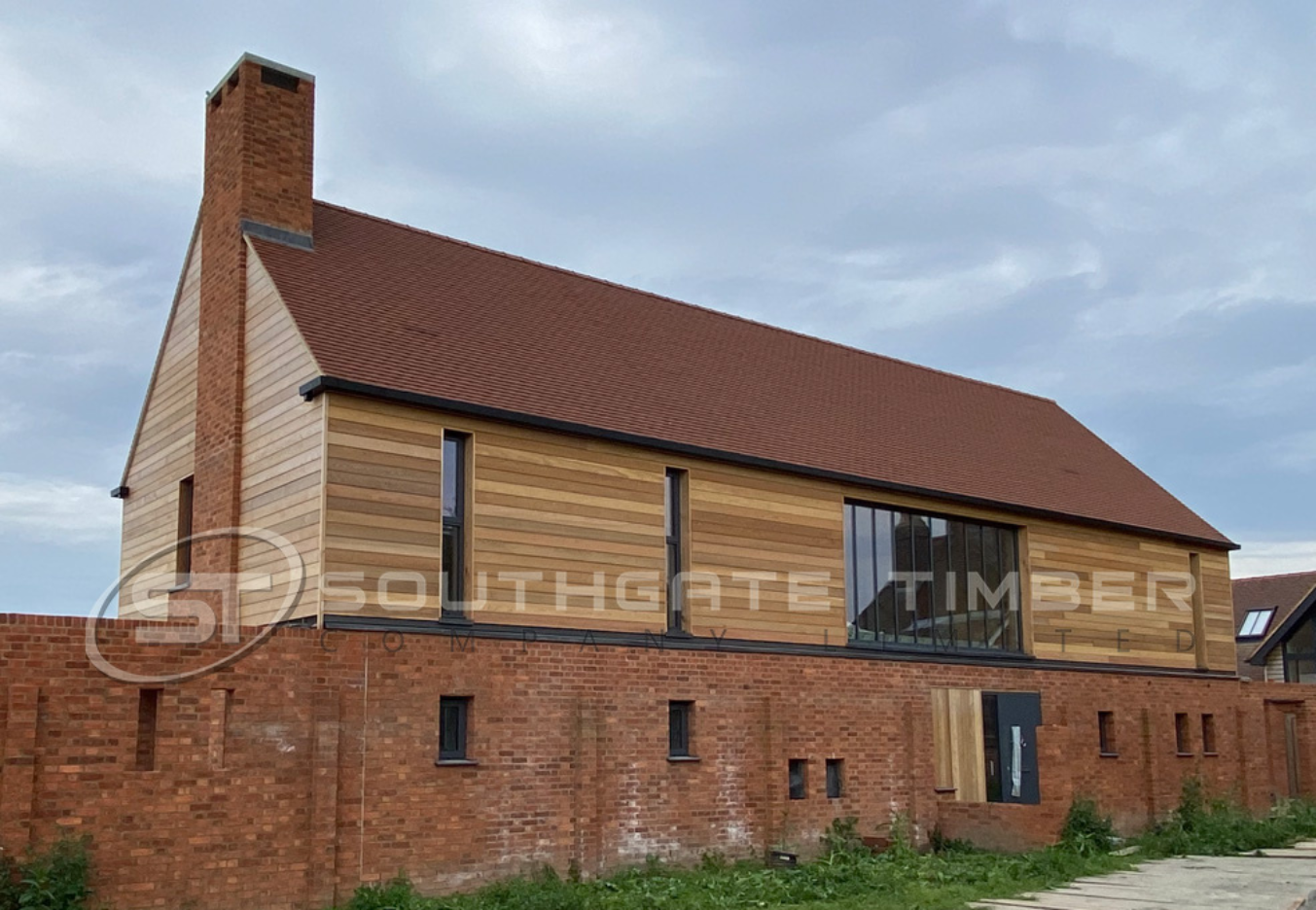
In many cases, timber cladding can be installed without the need for planning permission, as it often falls under permitted development rights. This is particularly true for properties outside of protected areas, where changes to external materials are considered acceptable provided the overall appearance remains in keeping with the existing building.
For example, replacing existing cladding with a similar timber finish is typically straightforward, and even adding timber cladding to certain properties may not require an application if it does not significantly alter the character of the building. While each project should be assessed individually, for most standard residential properties, timber cladding is unlikely to present major planning concerns.
When Might Planning Permission Be Required?
Planning permission is more likely to be required if the property is in a protected area or if the cladding significantly changes the external appearance of the building. You should check carefully if the property is:
- In a conservation area
- In a National Park
- In an Area of Outstanding Natural Beauty or National Landscape
- In the Broads
- A listed building
- A flat, maisonette or leasehold property
- Subject to an Article 4 Direction or other local restriction
Official guidance states that if you live in a Conservation Area, National Park, Area of Outstanding Natural Beauty or the Broads, you will need to apply for planning permission before cladding the outside of your house with timber or other materials. For listed buildings, listed building consent is also likely to be required for significant external works.
What About Garden Rooms and Outbuildings?
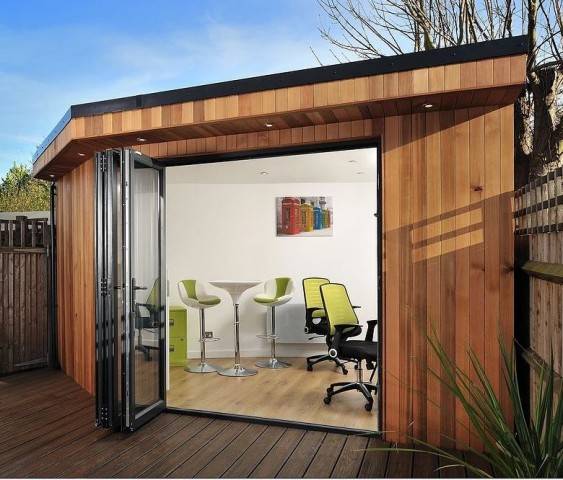
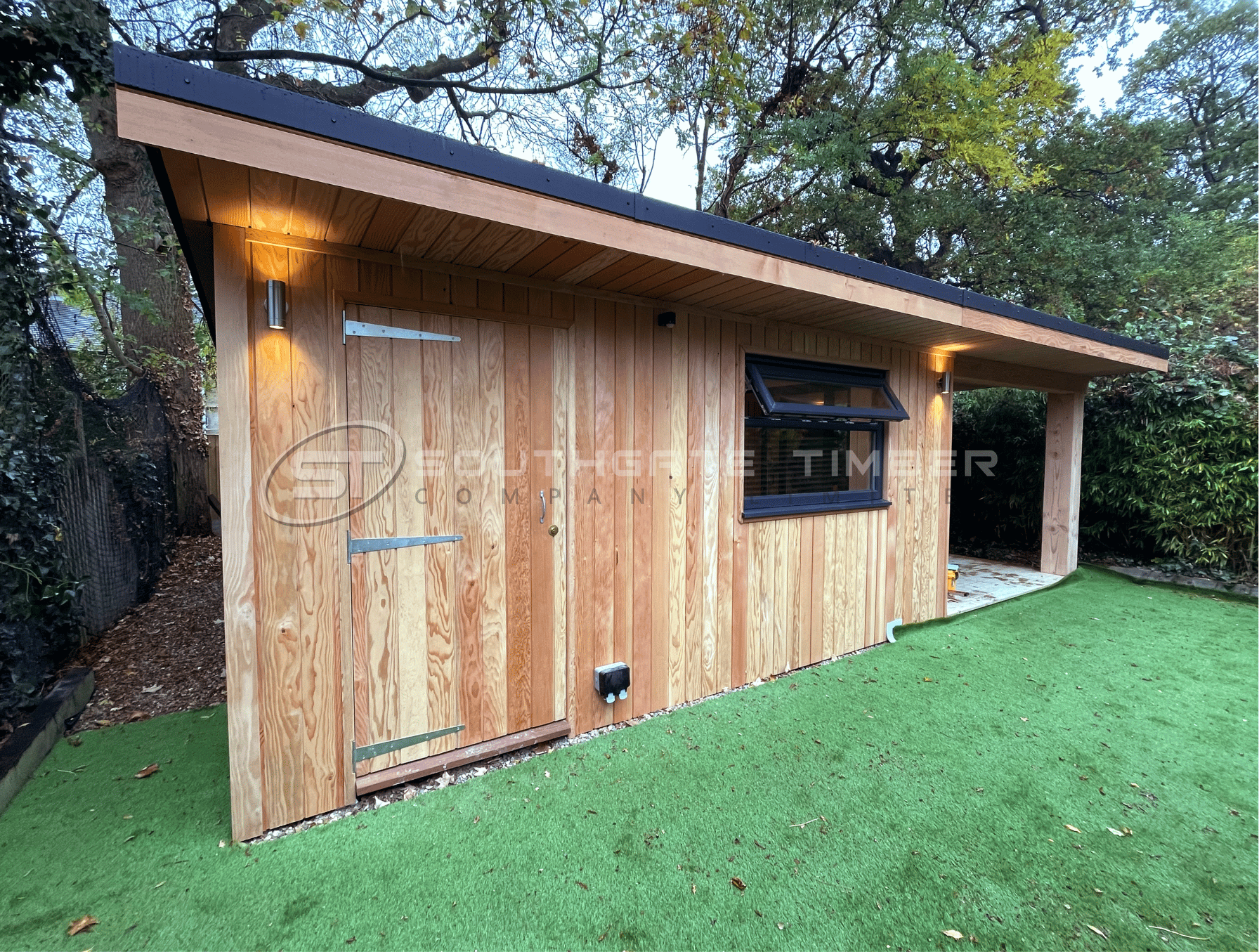
Garden rooms and outbuildings are often classed as permitted development, provided they meet the relevant limits and conditions. The Planning Portal confirms that outbuildings can be permitted development if all conditions are met. Factors such as height, location, size, distance from boundaries and intended use can all affect whether planning permission is needed. If the garden room is being used as normal living accommodation, is located in a restricted area or does not meet permitted development limits, planning permission may be required. However, the cladding itself does not typically require permission as long as the building itself meets all requirements.
For garden rooms and outbuildings, timber cladding is often chosen to create a clean, modern exterior. Popular options include Thermo Ayous cladding for its smooth, uniform finish, Thermo-Ash cladding for a more premium look, and Western Red Cedar cladding for a natural, lightweight alternative. But the planning position will depend on the building itself and location rather than the cladding.
Does the Type of Timber Matter?
In most cases, planning permission is less about the exact timber species and more about the overall appearance, location and status of the property. For example, the planning question is usually not whether you choose Western Red Cedar, Thermo Ayous or Thermo-Ash, more about whether the finished cladding changes the external appearance of the building and whether the property has any restrictions. That said, choosing a timber that suits the existing style of the building can help the project feel more in keeping with its surroundings.
Building Regulations Are Separate from Planning Permission
Planning permission and Building Regulations are not the same thing. Even if timber cladding does not need planning permission, Building Regulations may still apply depending on the scale and type of work. For example, if 25% or more of an external wall is re-clad, rerendered, re-plastered or re-lined internally, Building Regulations would normally apply and the thermal insulation would usually need to be improved. Fire safety can also be relevant, especially depending on the type of building, height and distance from boundaries. Approved Document B provides official guidance on fire safety requirements for buildings.
How to Check Before Installing Timber Cladding
Before starting a timber cladding project, it is sensible to check:
- Whether the property is in a conservation area or protected location
- Whether the building is listed
- Whether permitted development rights apply
- Whether the cladding will significantly change the appearance
- Whether Building Regulations apply
- Whether the project is close to a boundary
- Whether the timber and fixing system are suitable for the application
If you are unsure, contact your local planning authority before ordering materials. This can help avoid delays or problems later in the project.
Timber Cladding Options to Consider
Once you have confirmed the planning position, the next step is choosing the right timber for your project.
Popular timber cladding options include:
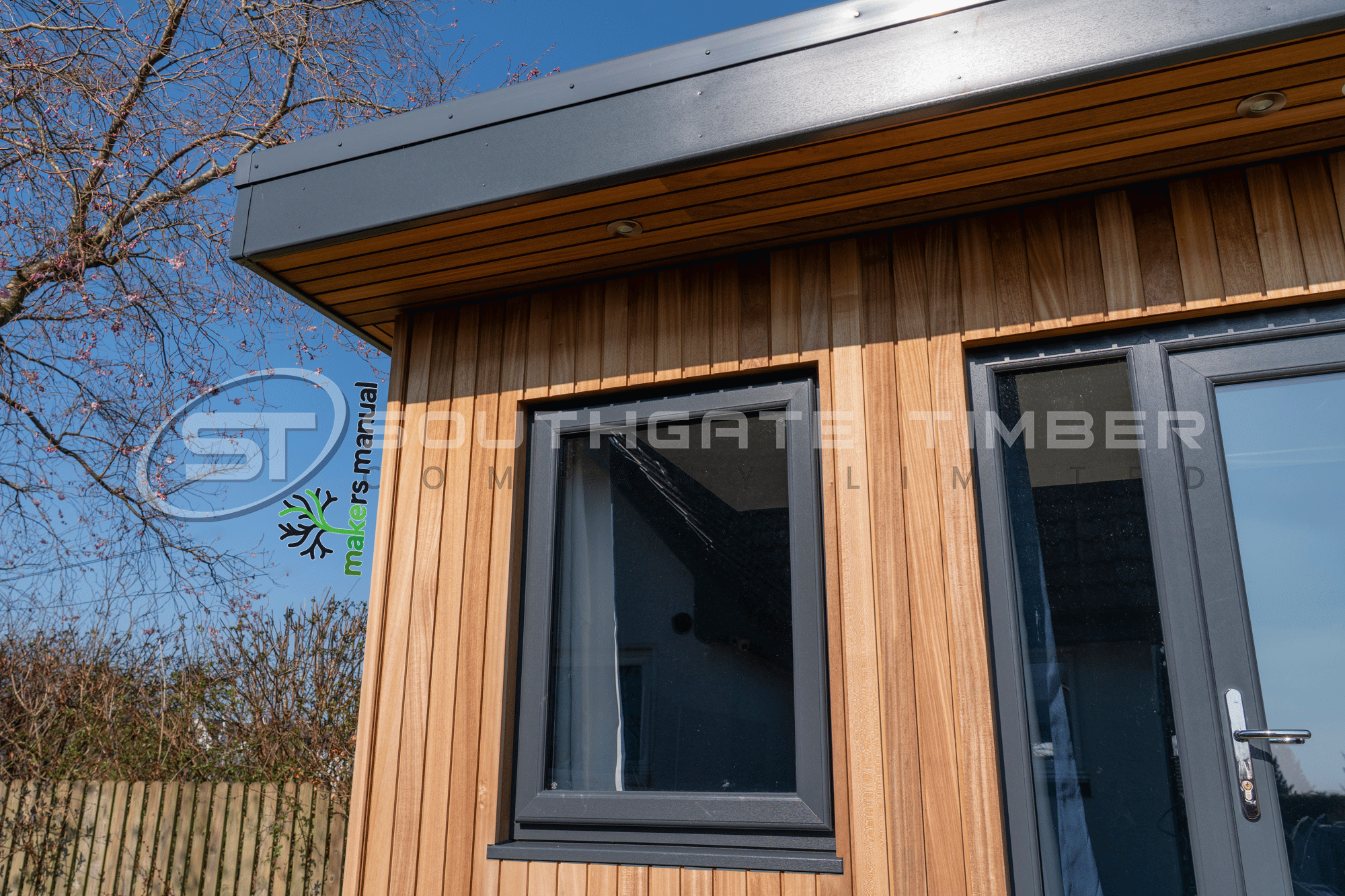
- Thermo Ayous cladding - A lightweight, stable timber often used for modern garden rooms and contemporary exterior designs.
- Thermo-Ash cladding - A thermally modified hardwood with rich tones, strong stability and a premium finish.
- Western Red Cedar cladding - A naturally durable, lightweight timber with warm tones that weathers beautifully over time.
- Thermowood Pine cladding - A cost-effective thermally modified softwood, offering improved stability compared to standard timber.
- European Larch cladding - A durable softwood with a more natural, knotty appearance, often chosen for a traditional or rustic look.
- Douglas Fir cladding - A versatile and budget-friendly option, ideal for projects where a clean softwood finish is preferred.
FAQs
Does timber cladding count as permitted development?
In many cases, timber cladding may fall under permitted development rights, provided the property is not in a restricted area and the materials are of a similar appearance to the existing building. Always check with your local planning authority before starting work.
Do you need planning permission for timber cladding in a conservation area?
Yes, planning permission is normally required before cladding the outside of a house in a conservation area.
Do garden rooms with timber cladding need planning permission?
Many garden rooms can fall under permitted development, but only if they meet the relevant conditions. Height, size, location, boundary distance and use can all affect whether permission is needed. The permission is mainly about the building itself rather than the timber cladding.
Are Building Regulations needed for timber cladding?
They may be. If 25% or more of an external wall is being re-clad, Building Regulations would normally apply and thermal insulation may need to be improved. Fire safety requirements may also apply depending on the building.
Choosing the Right Timber Cladding
Once you’ve confirmed whether planning permission is required, the next step is selecting the right timber for your project. The choice will depend on your design, budget and maintenance preference, but selecting a high-quality cladding product is key to achieving a long-lasting finish.
Conclusion
Timber cladding does not always need planning permission, but there are important exceptions. If the property is in a conservation area, protected landscape, listed building or subject to local restrictions, permission may be required. Before starting any timber cladding project, it is always worth checking with your local authority and confirming whether Building Regulations apply. Once the correct permissions are understood, timber cladding can be a beautiful, durable and practical choice for homes, garden rooms and exterior projects.

General


