- TEL : 01277 890 783
- EMAIL : sales@southgatetimber.co.uk
- Collections Monday to Friday 9:00 - 16:00






 Profiles
 Fast and friendly delivery service
 Samples available
 Click & Collect



-
-
-
IPE Hardwood Decking ***FSC®***
-
-
Iroko Hardwood Decking
-
-
Yellow Balau Hardwood Decking ***FSC®*** & SVLK
-
-
Yellow Balau Hardwood Components SVLK
-
-
Jatoba Hardwood Decking ***FSC®***
-

-
Thermory Benchmark Thermo-Ash Decking
-
-
Thermowood Pine Decking PEFC
-
-
Tali Hardwood Decking ***FSC®***
-
-
Thermory Spruce Decking PEFC
-
-
-
-
Western Red Cedar Cladding PEFC
-
-
Cedar Shingles & Ridge Tiles PEFC
-
-
Cedral Cement Board Cladding
-
-
Larch Cladding ***FSC®*** & PEFC
-
-
Douglas Fir Cladding PEFC
-
-
Thermo Ayous Cladding
-
-
Thermowood Pine Cladding PEFC
-

-
Black Cladding PEFC
-

-
Far Eastern Hardwood Cladding PEFC & SVLK
-

-
Thermory Radiata Pine Cladding ***FSC®***
-
-
Thermory Thermo-Ash Cladding
-

-
Thermory Thermo-Ash Decor Rhomb Tiles Internal
-
- SAUNA
- SLEEPERS
-
-
-
Osmo Treatment & Accessories
-
-
Owatrol Treatment & Accessories
-

-
Thermory Treatment & Fixings
-
-
Deckwise Hidden Fixings & Accessories
-
-
Decking Accessories
-
-
Spax Specialist Decking Screws
-
-
Spax Stainless Steel Facade Screws
-
-
Spax Construction Screws
-

-
Stainless Steel Nails
-
-
Paslode Stainless Steel Brads
-
-
Walther Strong Deck Tape
-
-
Treatment Samples
-
-
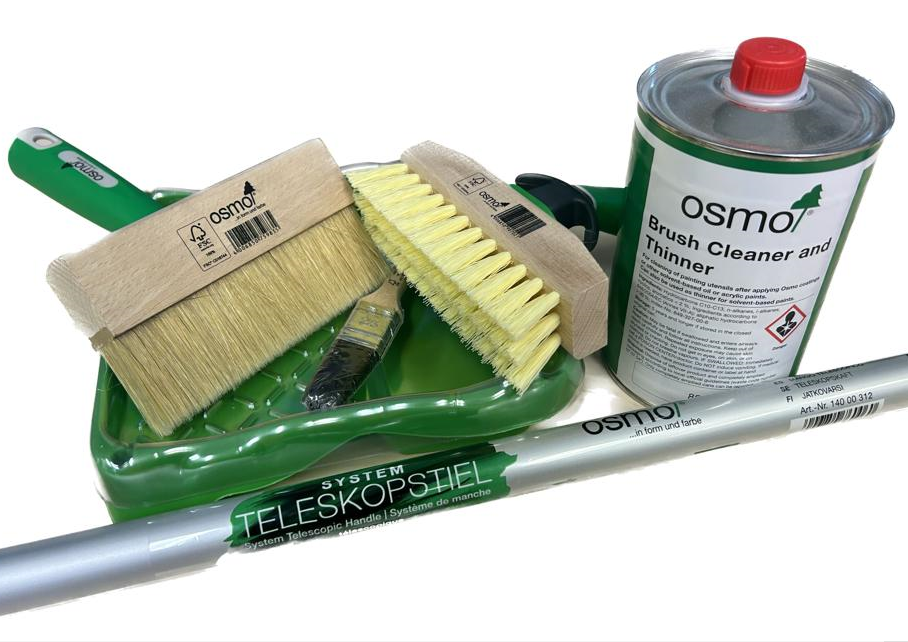
Brushes & Application Tools
-

-
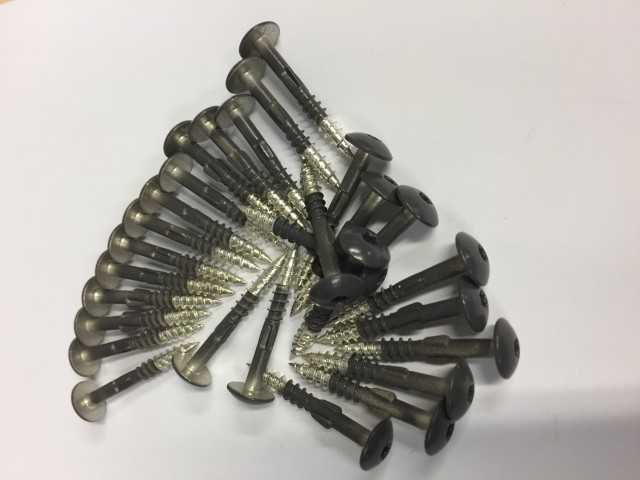
Drive Bits Router Bits & Plug Cutters
-
-
Cedral Accessories
-
- SAMPLES

Vertical vs. Horizontal Timber Cladding: Which is Right for Your Project?

by
Southgate Timber
September 14, 2024


Timber cladding has become a staple in modern architecture, offering a natural, sustainable, and aesthetically pleasing way to enhance the exterior of buildings. But one of the key decisions when choosing timber cladding is whether to install it vertically or horizontally. Each orientation brings its own set of advantages and considerations, and the best choice depends on a variety of factors including design goals, environmental conditions, and practical concerns. Today, we’ll explore the pros and cons of vertical and horizontal timber cladding to help you decide which is the best fit for your project.
Vertical Timber Cladding: The Modern Aesthetic
Contemporary Aesthetic
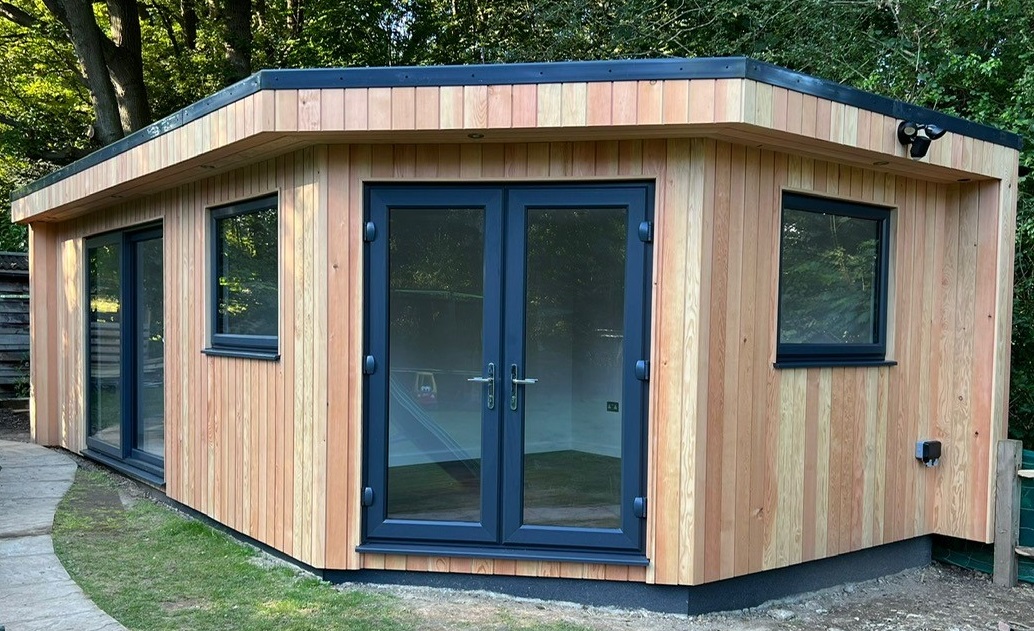
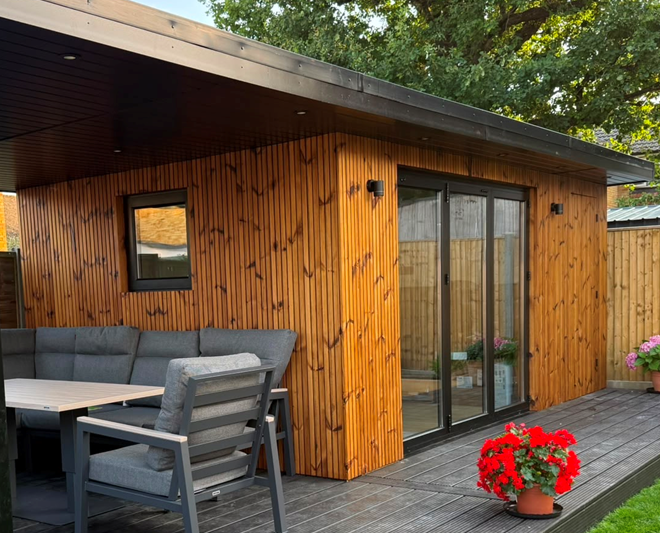
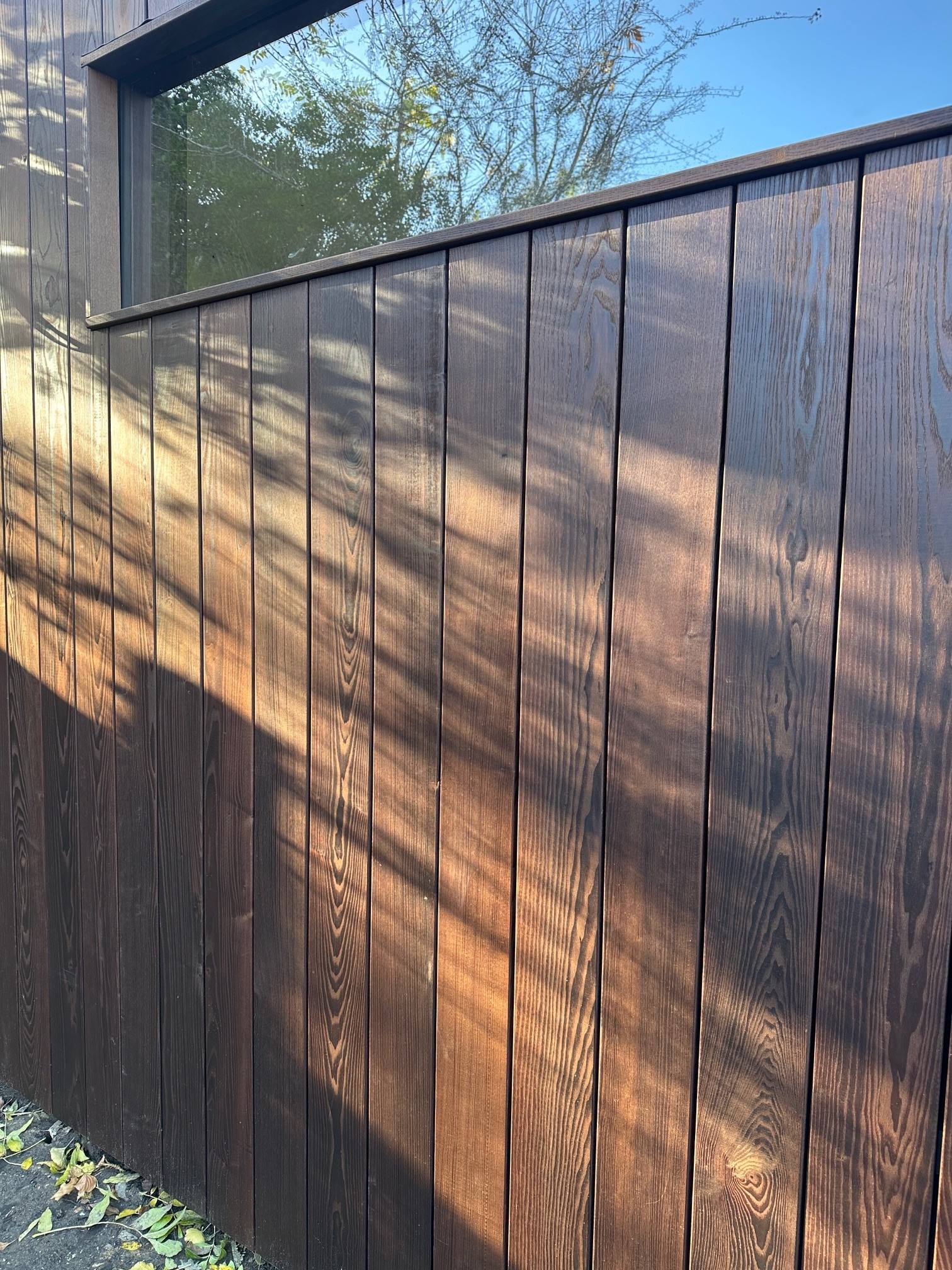
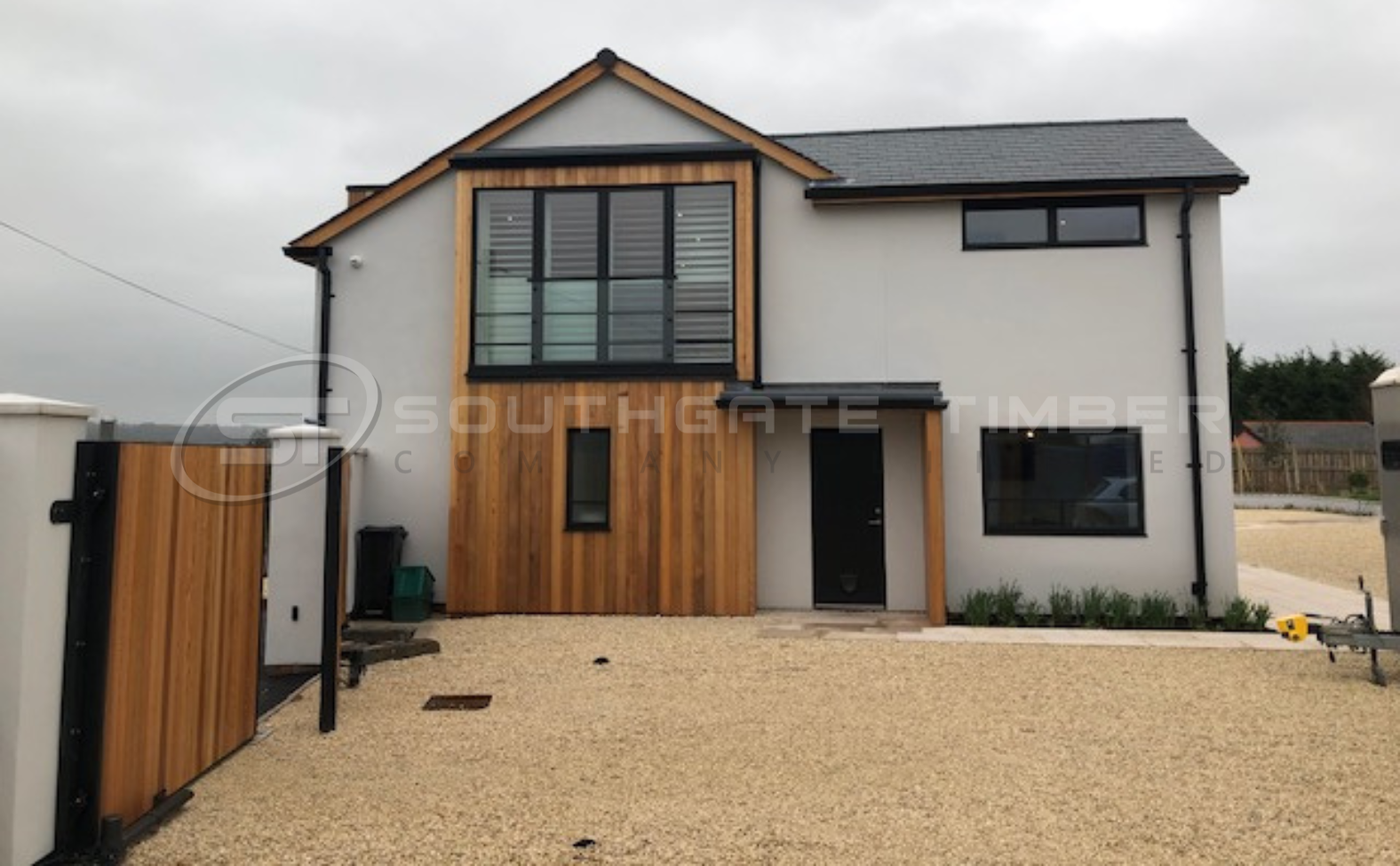
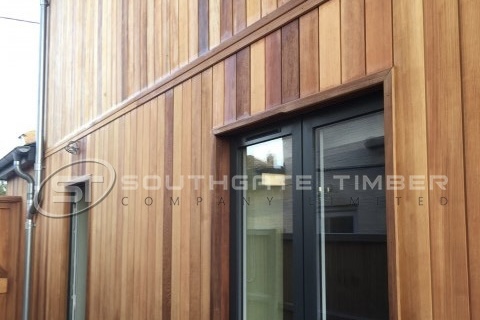
Contemporary appeal is one of the biggest reasons for choosing vertical cladding. The vertical lines can create a striking, modern look that emphasises the height of a building, making it appear taller and more imposing. This orientation is often used to draw attention and create a sense of grandeur.
Water Management
This is a key practical advantage of vertical cladding as rainwater naturally runs down the length of the boards, reducing the risk of water pooling and seepage. This is particularly beneficial in wet climates.
Installation
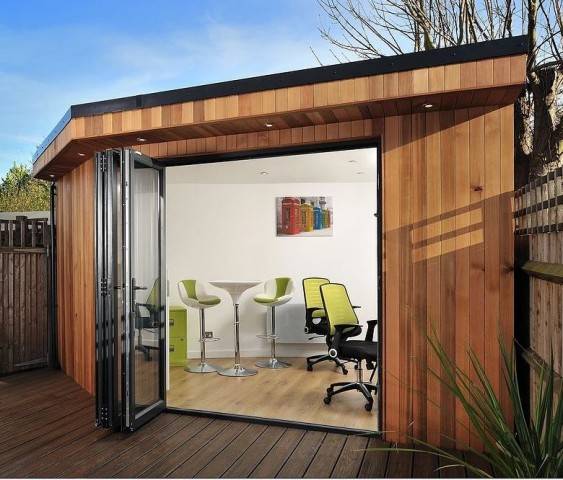
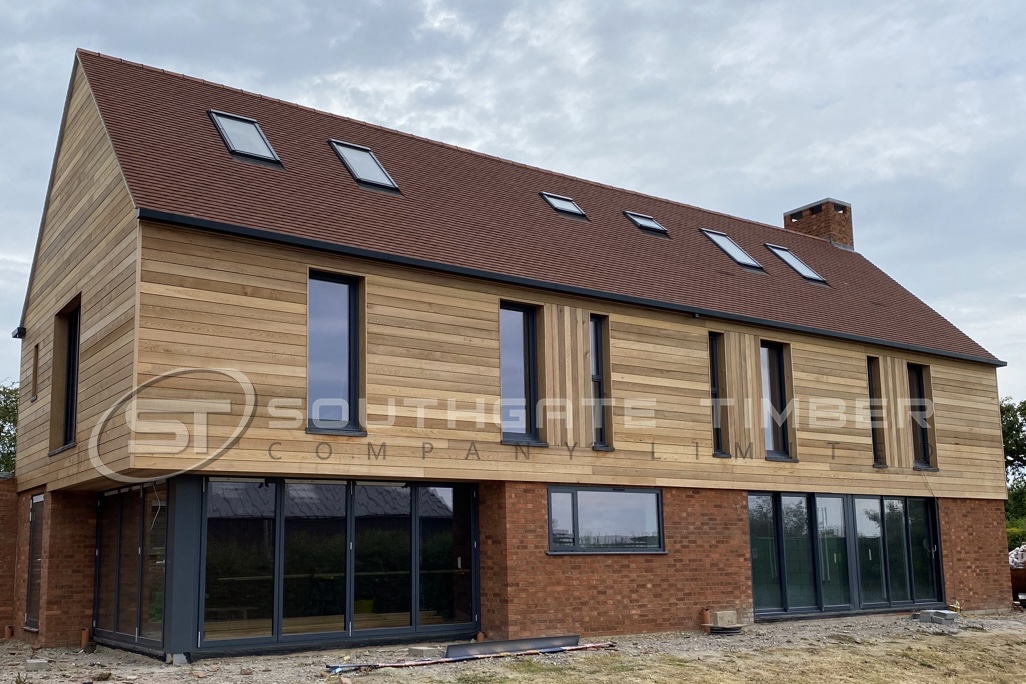
For one storey buildings like garden rooms, vertical cladding is often simple and fairly easy to install, but when it comes to the taller buildings, it can present slightly more of a challenge. If you’re trying to fit one long piece across the entire height of the building, a common issue people find is when pushing the top side in, the bottom can pop out and vice versa. Luckily, there are methods to work around this problem. With multiple people on the job, you can use scaffolding to have one person pushing the top of the board in at the same time the other is pushing the bottom in. However, you might find the scaffolding itself can get in the way causing a different problem entirely, so we generally recommend the best way to fit vertical cladding on a multi-story building is to use a dividing feature between the two floors, which can be achieved using our 45 x 45mm L Section pieces, and this way you don’t have to fit one long piece across the entire height of the building, starting fresh on the second story.
Horizontal Timber Cladding: The Classic Choice
Traditional Aesthetic
Horizontal cladding is the more traditional choice and is commonly found in many types of residential and commercial buildings. It offers a timeless look that is often associated with classic, rustic, or coastal designs. The horizontal lines can help a building blend more naturally into its surroundings. And while vertical cladding emphasises height, horizontal cladding emphasises length, making buildings appear wider and more grounded. This can be beneficial for creating a sense of stability and permanence, especially in low-rise buildings.
Installation
Generally, horizontal cladding is simpler to install once you get the first row level. The boards are often easier to handle, and installation can be straightforward, especially on single-story buildings like garden rooms. It can be challenging working with longer boards and trying to perfect the level around windows and doors, but ultimately installation is simple.
Choosing the Right Orientation for Your Project
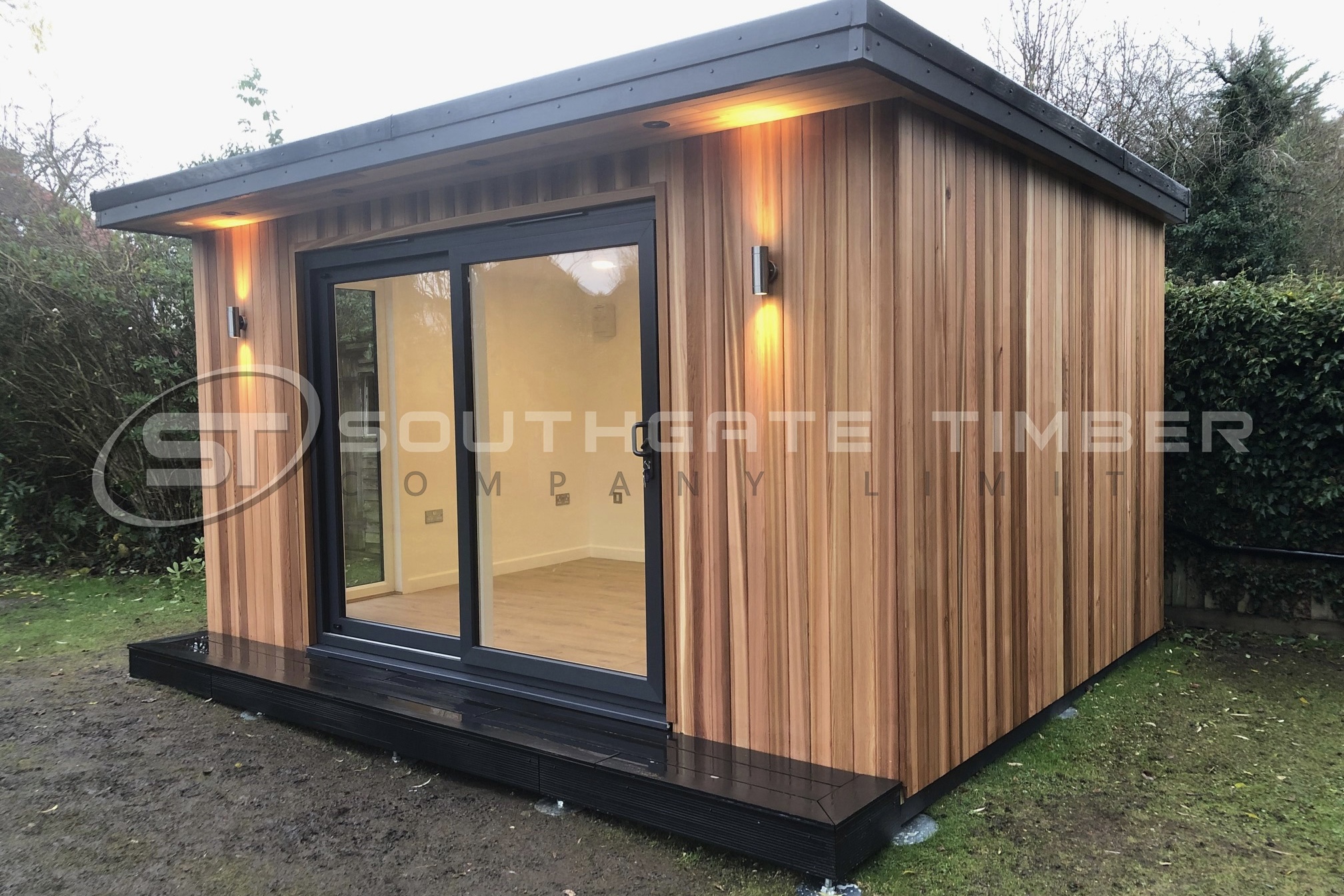
When deciding between vertical and horizontal timber cladding, both choices have their merits, and the choice ultimately depends on the specific needs and aesthetics of your project. Vertical cladding offers a sleek, modern look with better water management and durability, while horizontal cladding provides a classic, grounded appearance with easier installation and maintenance. By carefully considering the architectural style, environmental conditions, and practical requirements, you can select the timber cladding orientation that best enhances your building’s beauty and longevity.
Whether you’re aiming for a cutting-edge contemporary design or a timeless traditional look, timber cladding in either orientation can transform your building, adding both aesthetic value and functional benefits.

General


