- TEL : 01277 890 783
- EMAIL : sales@southgatetimber.co.uk
- Collections Monday to Friday 9:00 - 16:00






 Profiles
 Fast and friendly delivery service
 Samples available
 Click & Collect



-
-
-
IPE Hardwood Decking ***FSC®***
-
-
Iroko Hardwood Decking
-
-
Yellow Balau Hardwood Decking ***FSC®*** & SVLK
-
-
Yellow Balau Hardwood Components SVLK
-
-
Jatoba Hardwood Decking ***FSC®***
-

-
Thermory Benchmark Thermo-Ash Decking
-
-
Thermowood Pine Decking PEFC
-
-
Tali Hardwood Decking ***FSC®***
-
-
Thermory Spruce Decking PEFC
-
-
-
-
Western Red Cedar Cladding PEFC
-
-
Cedar Shingles & Ridge Tiles PEFC
-
-
Cedral Cement Board Cladding
-
-
Larch Cladding ***FSC®*** & PEFC
-
-
Douglas Fir Cladding PEFC
-
-
Thermo Ayous Cladding
-
-
Thermowood Pine Cladding PEFC
-

-
Black Cladding PEFC
-

-
Far Eastern Hardwood Cladding PEFC & SVLK
-

-
Thermory Radiata Pine Cladding ***FSC®***
-
-
Thermory Thermo-Ash Cladding
-

-
Thermory Thermo-Ash Decor Rhomb Tiles Internal
-
- SAUNA
- SLEEPERS
-
-
-
Osmo Treatment & Accessories
-
-
Owatrol Treatment & Accessories
-

-
Thermory Treatment & Fixings
-
-
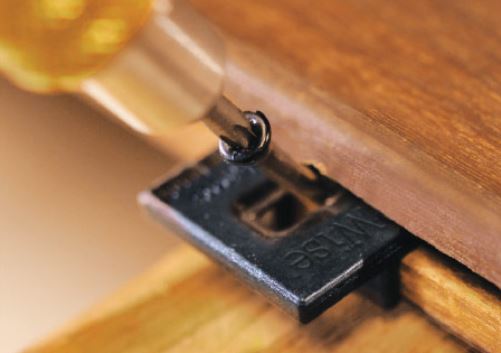
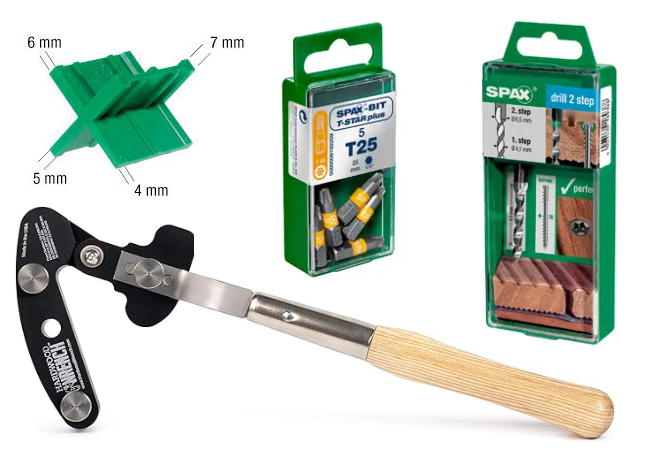
Deckwise Hidden Fixings & Accessories
-
-
Decking Accessories
-

-
Spax Specialist Decking Screws
-
-
Spax Stainless Steel Facade Screws
-
-
Spax Construction Screws
-

-
Stainless Steel Nails
-
-
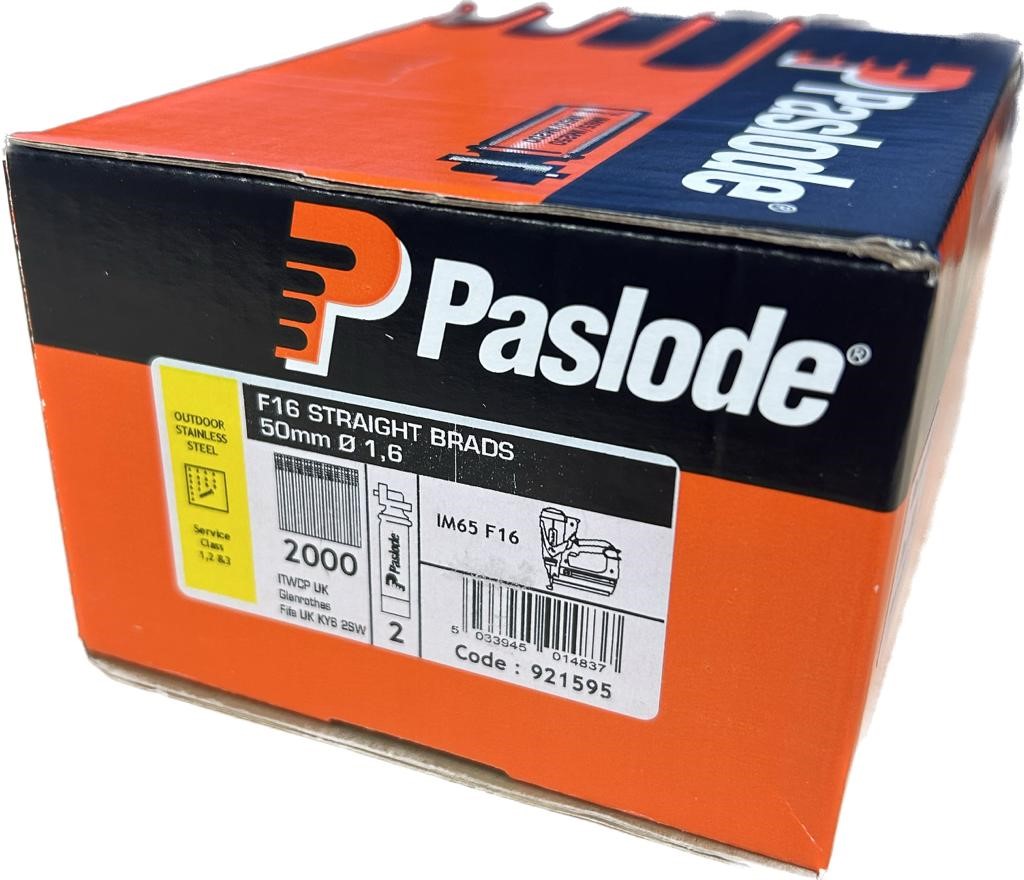
Paslode Stainless Steel Brads
-
-
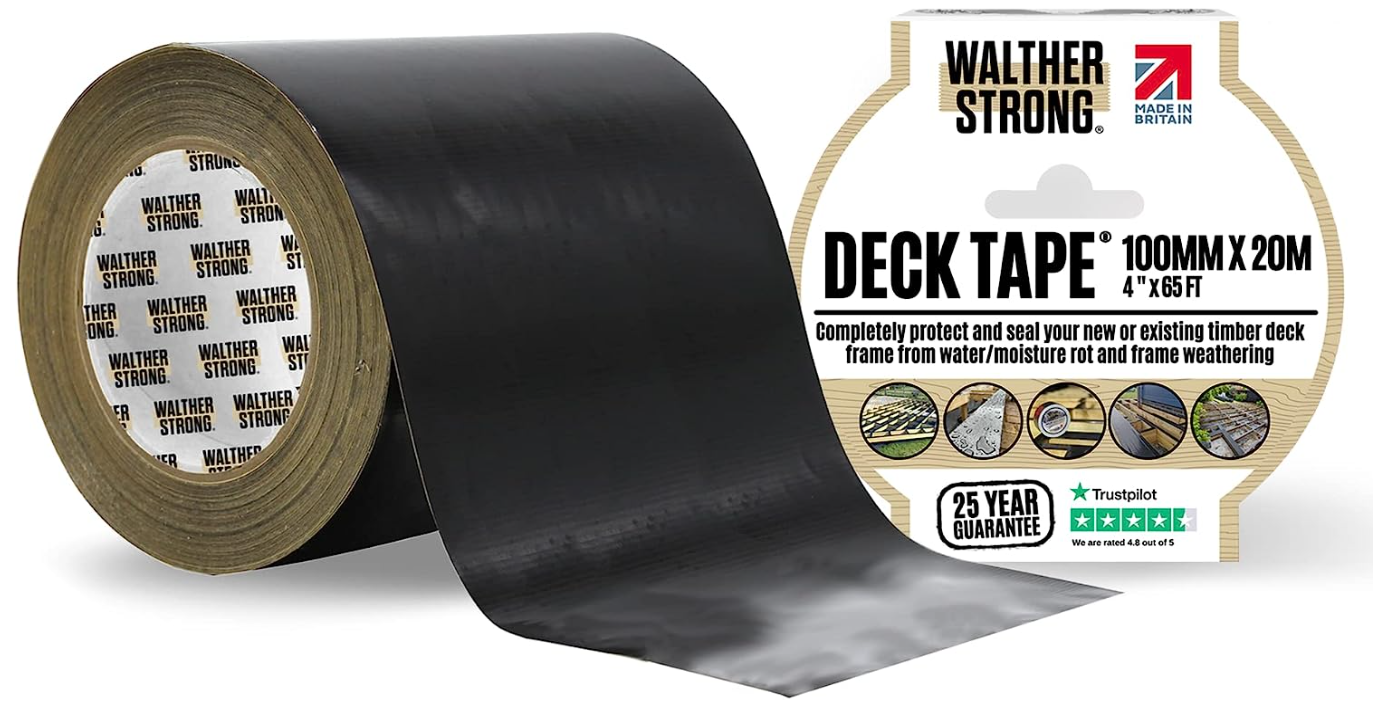
Walther Strong Deck Tape
-
-
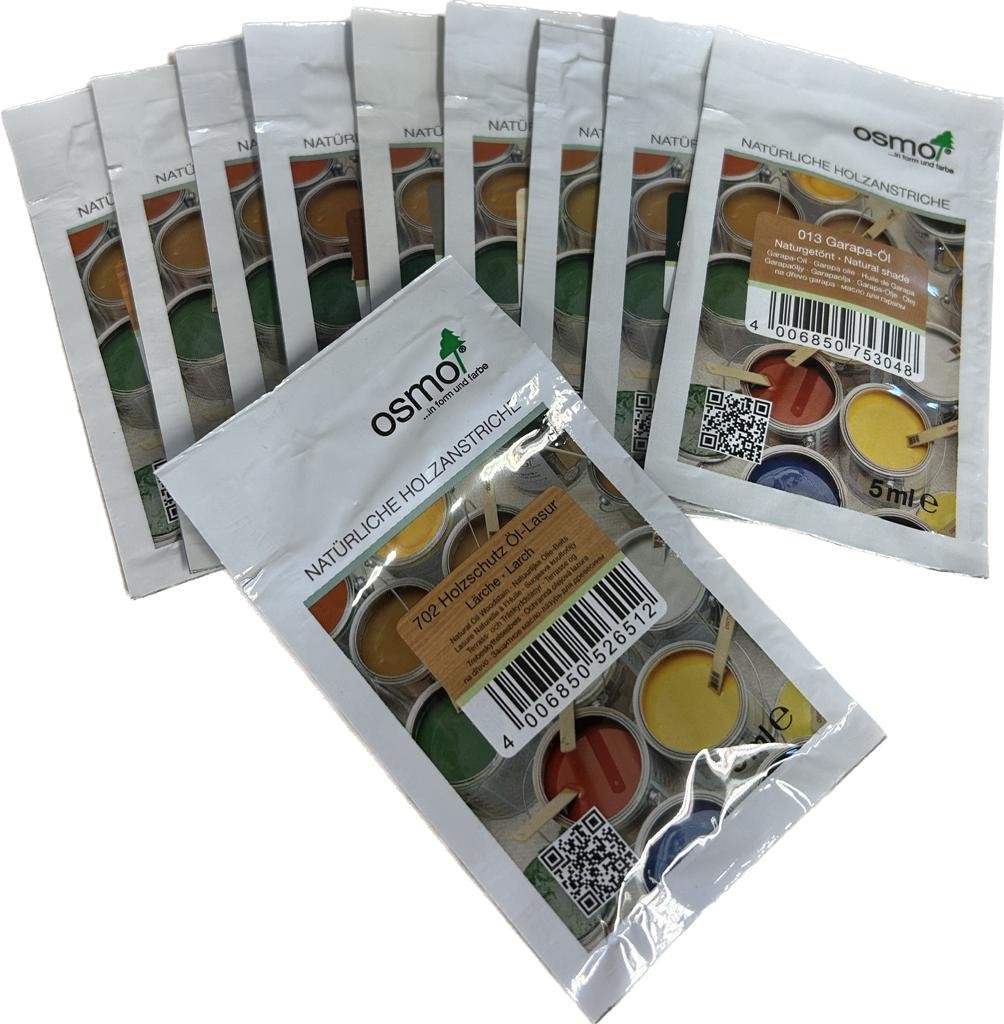
Treatment Samples
-
-
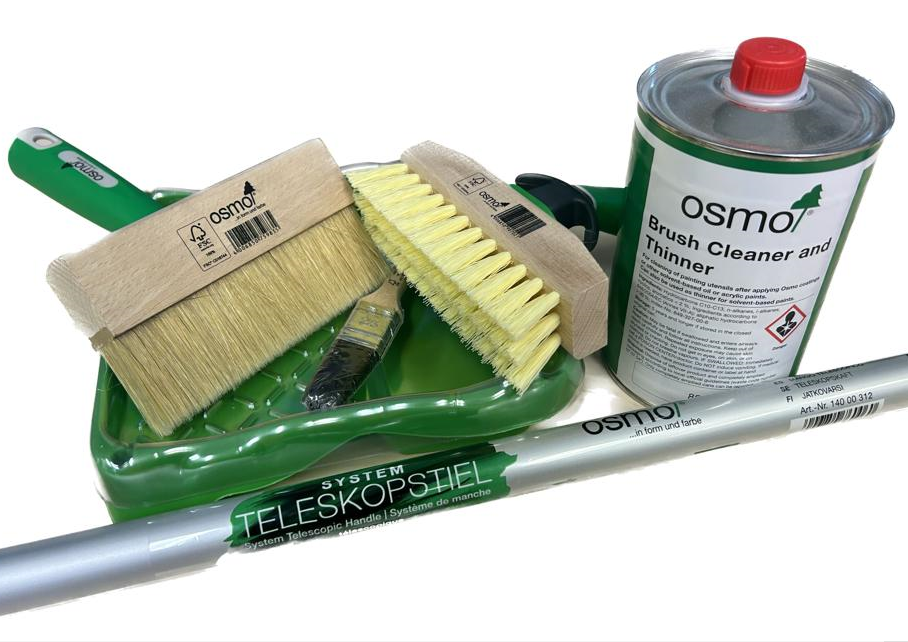
Brushes & Application Tools
-

-
Drive Bits Router Bits & Plug Cutters
-
-
Cedral Accessories
-
- SAMPLES

Thermo Ayous vs Thermowood Pine Cladding: Which Is Right for Your Project

by
Southgate Timber
January 19, 2026
) (Instagram Post (45)) (1350 x 1080 px)_1768843783.png)


Thermally modified timber has become a popular choice for external cladding, offering improved durability and stability compared to untreated wood. Two of the most commonly considered options are Thermo Ayous and Thermowood Pine. While both benefit from the thermal modification process, they differ in appearance, performance characteristics and suitability for different types of projects. Understanding these differences can help you choose the right cladding for your build.
What Does Thermally Modified Mean
Thermal modification is a process that uses high temperatures to change the structure of the timber. This reduces the wood’s ability to absorb moisture, improving its dimensional stability. Because no chemicals are used, thermally modified timber is an environmentally considered option and is well suited to external cladding applications in the UK climate.
Thermo Ayous Cladding Explained
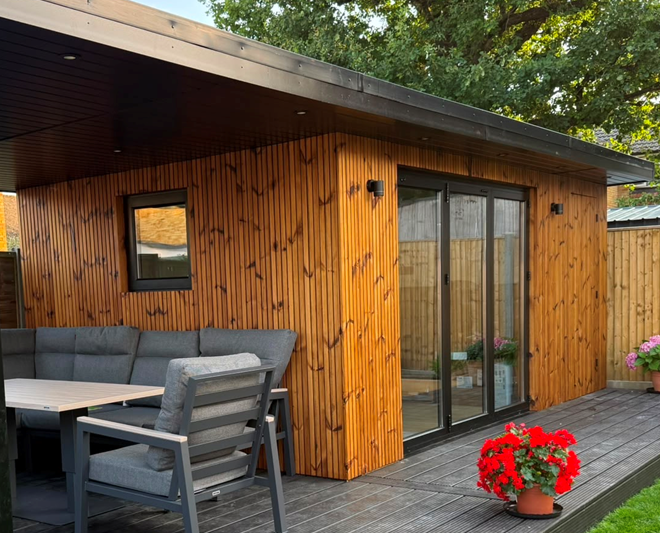
Thermo Ayous is a thermally modified hardwood cladding known for its smooth finish and consistent appearance. Thermo Ayous has a naturally low density, which allows the thermal modification process to enhance its stability without making it overly brittle. This results in cladding boards that are lightweight, easy to work with and visually refined.
Thermo Ayous is often chosen for contemporary architectural projects where clean lines and a uniform finish are important, as its practically defect-free. It performs particularly well in cladding applications and modern façades.
Thermowood Pine Cladding Explained
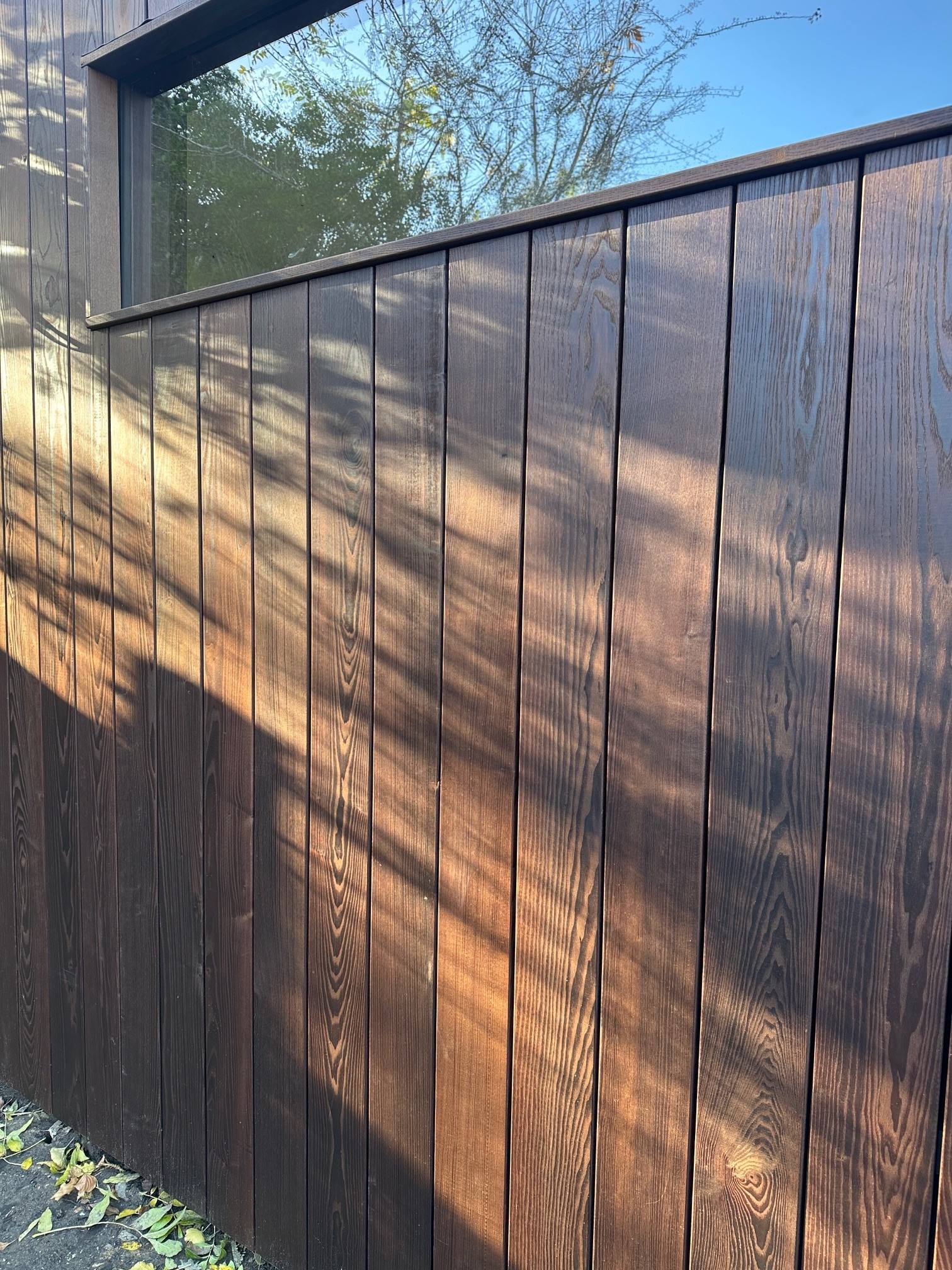
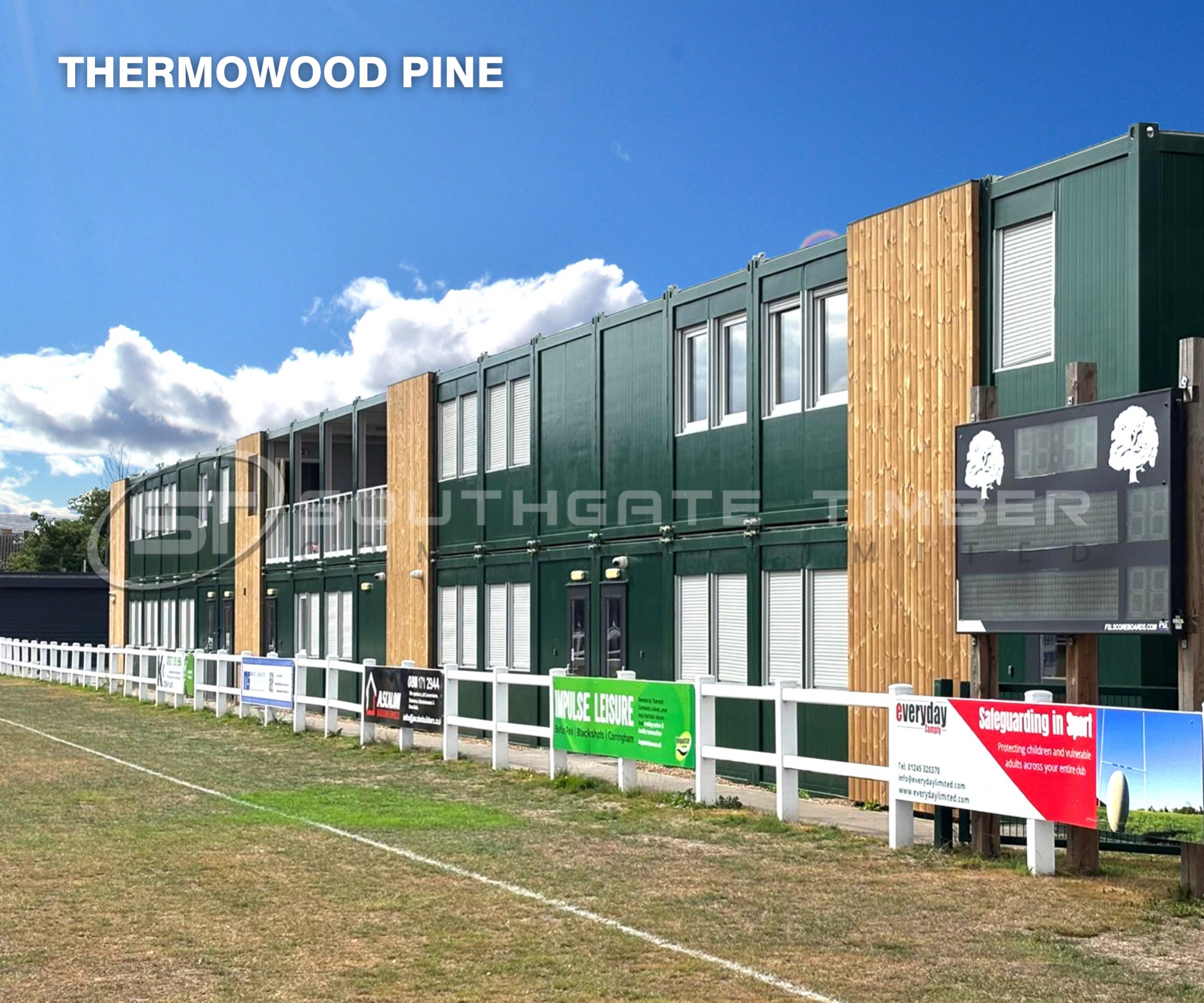
Thermowood Pine is produced from softwood Pine that has been thermally modified to improve stability and outdoor performance. Compared to Thermo Ayous, Pine has a more pronounced grain pattern and a slightly more rustic appearance. This makes it a popular choice for projects that aim for a natural or traditional aesthetic.
Thermowood Pine is also one of the more cost-effective cladding options, making it appealing for larger areas or budget conscious projects.
Appearance and Design Considerations
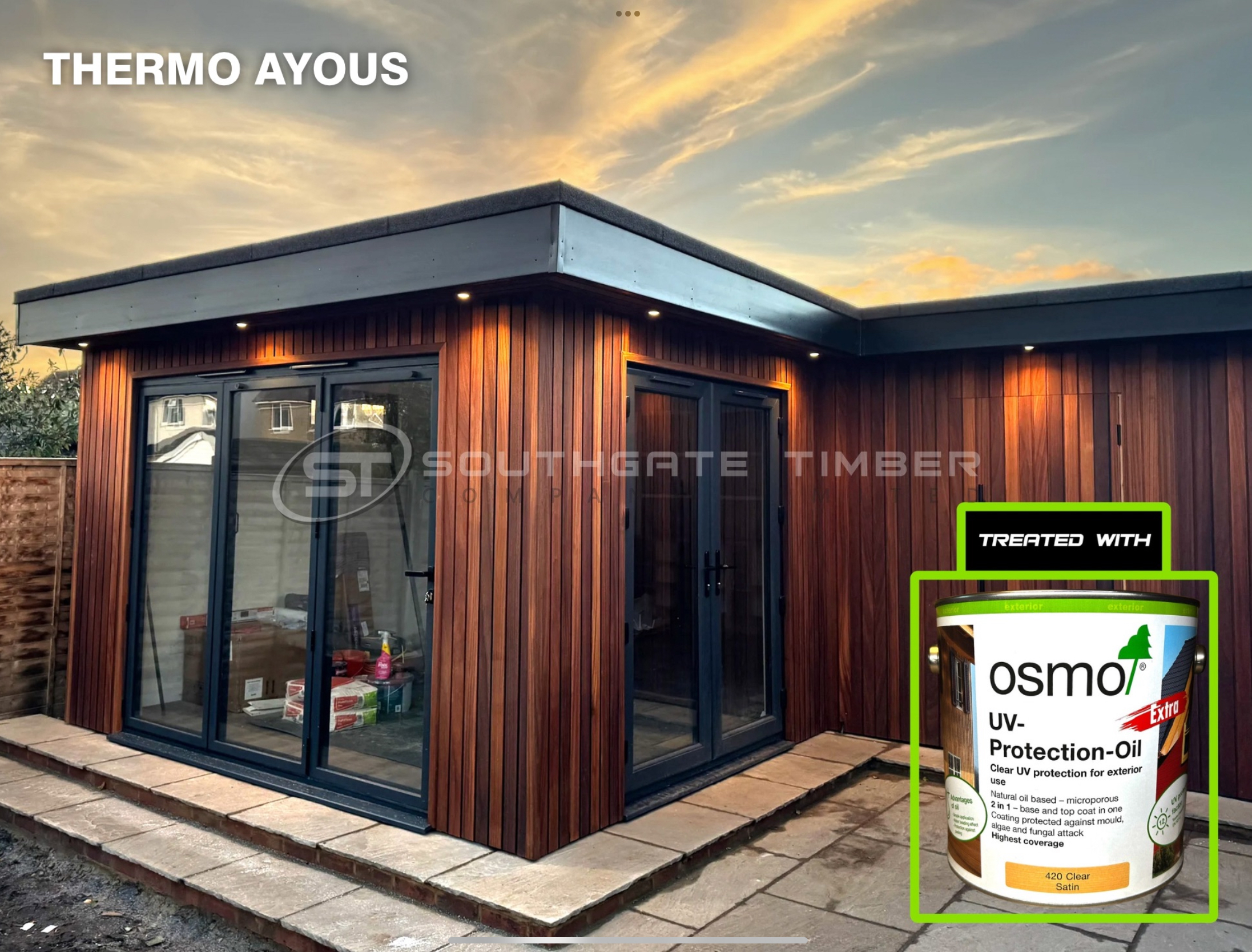
When comparing Thermo Ayous and Thermowood Pine cladding, appearance is often a deciding factor. Thermo Ayous offers a smooth, even finish with minimal defects, making it well suited to modern and architectural designs. Thermowood Pine, on the other hand, displays more natural character through visible grain and knots, which some customers prefer for a warmer, more traditional look.
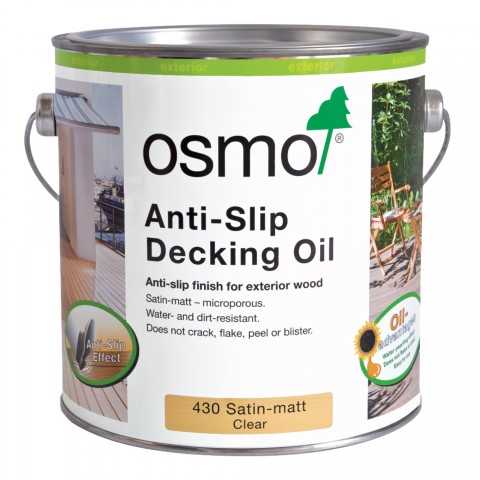
Both materials will weather naturally over time if left untreated, developing a silver-grey patina. Applying a suitable cladding oil can help maintain their original colour if desired. Most customers choose to treat the Thermo Ayous with the Osmo 420 Clear UV Protection Oil to enhance and preserve its original colour and grain, whereas the Aquadecks Honey has been a popular treatment choice with Thermowood Pine to really accentuate the amber hues of the timber.
Durability and Performance
Both Thermo Ayous and Thermowood Pine benefit from improved resistance to moisture and movement as a result of thermal modification. Thermo Ayous tends to offer excellent stability due to its low density and consistent structure, making it a strong choice for applications where precision and uniformity are important.
Thermowood Pine provides reliable performance at a more accessible price point, offering good durability when installed correctly with appropriate ventilation and fixings. In both cases, correct installation is critical to long term performance, regardless of the timber chosen.
Cost and Budget Considerations
Budget is often a key factor when choosing cladding materials. Thermowood Pine is the more budget friendly option, making it suitable for larger façades or projects where cost needs to be carefully managed.
Thermo Ayous sits at a higher price point but offers a more refined appearance that appeals to customers prioritising aesthetics and consistency.
Sustainability and Responsible Sourcing
Both Thermo Ayous and Thermowood Pine are produced using a chemical-free thermal modification process. Heat and steam are used to improve durability and stability, meaning no preservatives or additives are required. This makes thermally modified cladding a considered choice for external use.
In terms of certification, Thermowood Pine is PEFC certified, supporting responsible forest management and traceability through the supply chain. Thermo Ayous is OLB certified, providing assurance that the timber is sourced from responsibly managed forests.
For customers who are mindful of environmental impact, both options offer a combination of improved performance and responsible sourcing, with certification supporting transparency and sustainability credentials.
Which Should You Choose
) (Instagram Post (45)) (1350 x 1080 px) - 12.png)
Both are strong options, and the right choice depends on the look you want to achieve and the requirements of the project.
Thermally modified cladding offers a reliable, durable and visually appealing solution for external façades. Thermo Ayous and Thermowood Pine each have their own strengths, making them suitable for different applications and budgets.
If you are unsure which option is right for your project, the Southgate Timber team can help guide you through the differences and recommend the most suitable material.

General


