- TEL : 01277 890 783
- EMAIL : sales@southgatetimber.co.uk
- Collections Monday to Friday 9:00 - 16:00






 Profiles
 Fast and friendly delivery service
 Samples available
 Click & Collect



-
-
-
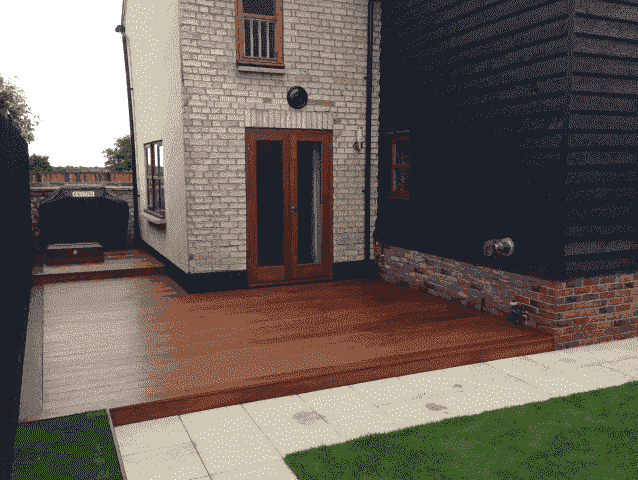
IPE Hardwood Decking ***FSC®***
-
-
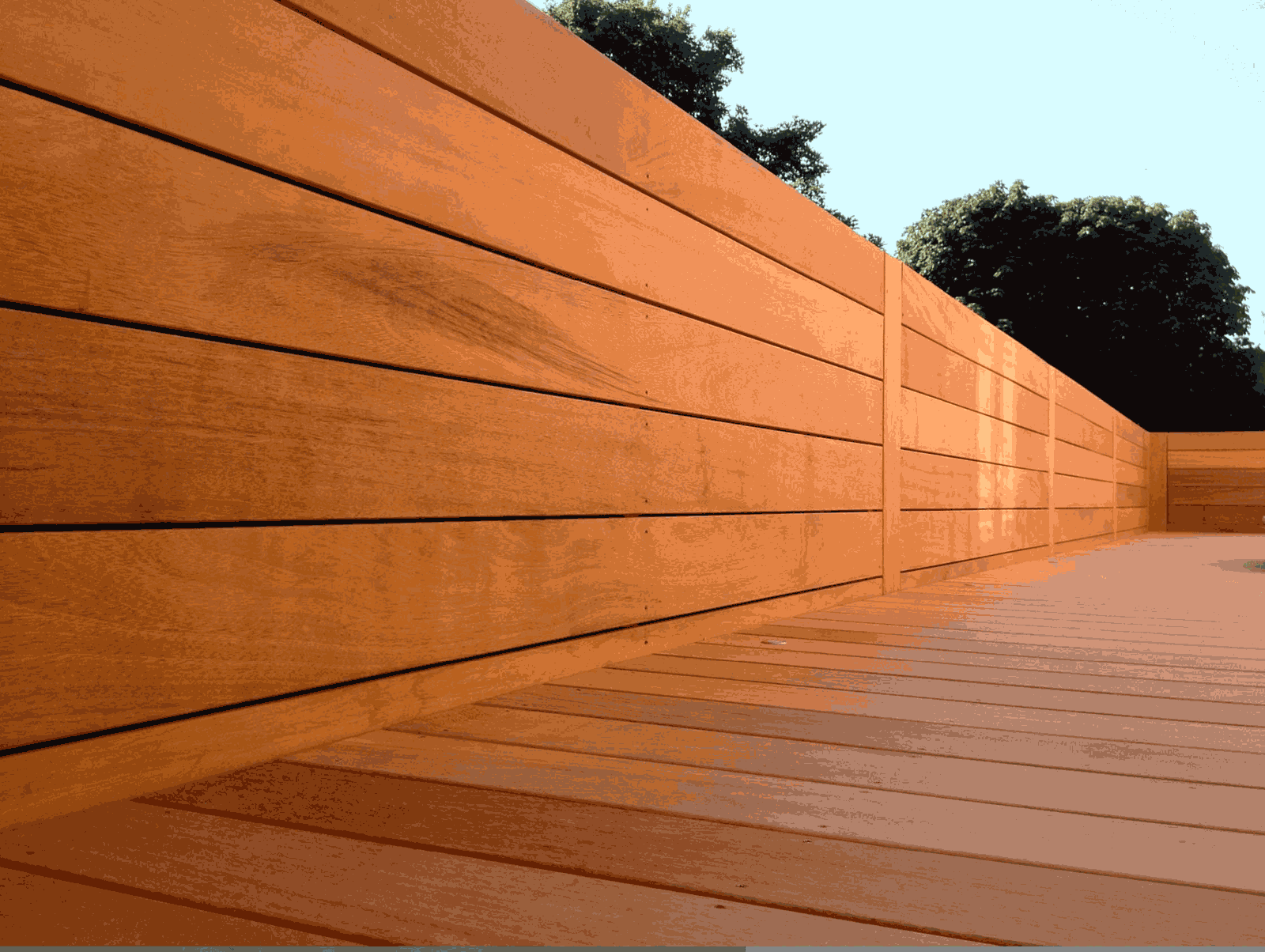
Iroko Hardwood Decking
-
-
Yellow Balau Hardwood Decking ***FSC®*** & SVLK
-
-
Yellow Balau Hardwood Components SVLK
-
-
Jatoba Hardwood Decking ***FSC®***
-

-
Thermory Benchmark Thermo-Ash Decking
-
-
Thermowood Pine Decking PEFC
-
-
Tali Hardwood Decking ***FSC®***
-
-
Thermory Spruce Decking PEFC
-
-
-
-
Western Red Cedar Cladding PEFC
-
-
Cedar Shingles & Ridge Tiles PEFC
-
-
Cedral Cement Board Cladding
-
-
Larch Cladding ***FSC®*** & PEFC
-
-
Douglas Fir Cladding PEFC
-
-
Thermo Ayous Cladding
-
-
Thermowood Pine Cladding PEFC
-

-
Black Cladding PEFC
-

-
Far Eastern Hardwood Cladding PEFC & SVLK
-

-
Thermory Radiata Pine Cladding ***FSC®***
-
-
Thermory Thermo-Ash Cladding
-

-
Thermory Thermo-Ash Decor Rhomb Tiles Internal
-
- SAUNA
- SLEEPERS
-
-
-
Osmo Treatment & Accessories
-
-
Owatrol Treatment & Accessories
-

-
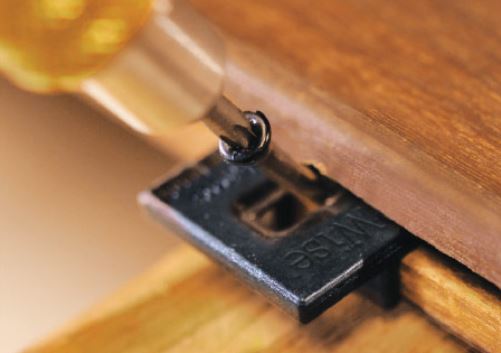
Thermory Treatment & Fixings
-
-
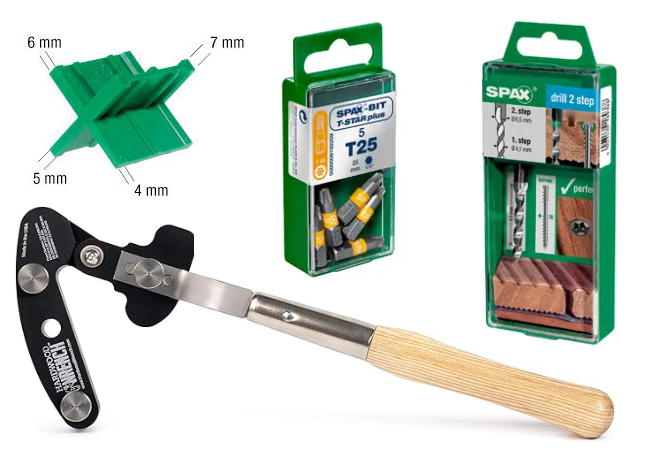
Deckwise Hidden Fixings & Accessories
-
-
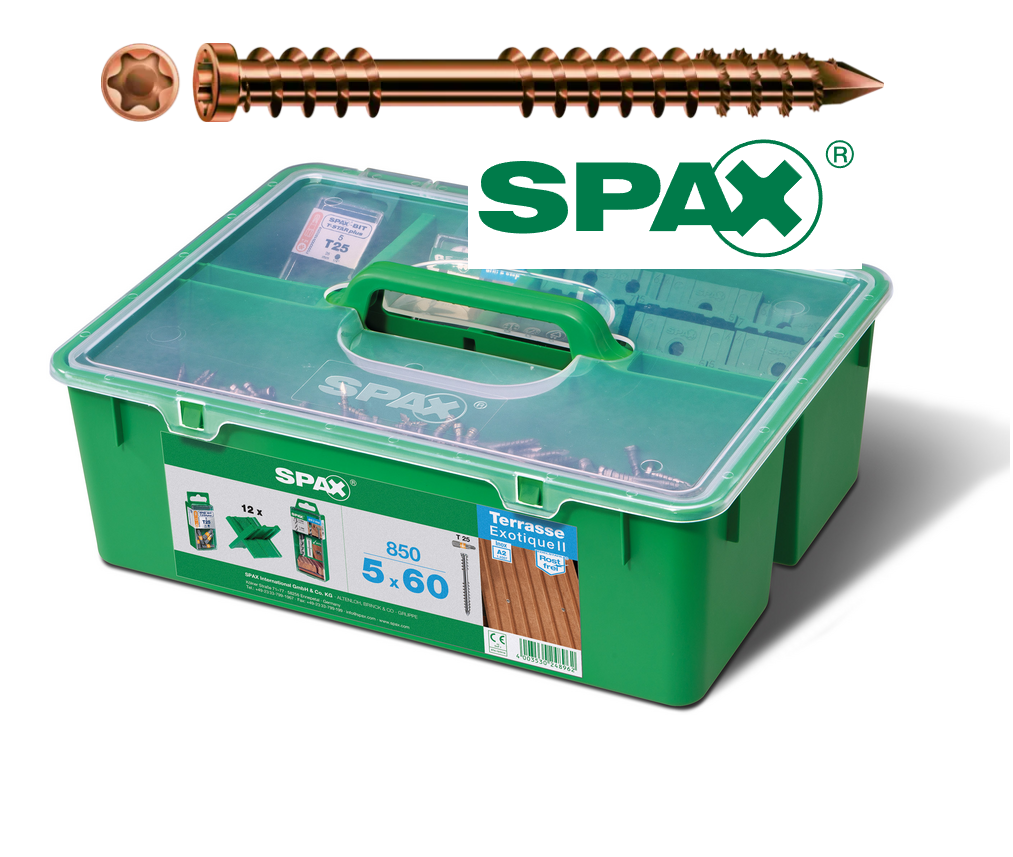
Decking Accessories
-
-
Spax Specialist Decking Screws
-
-
Spax Stainless Steel Facade Screws
-
-
Spax Construction Screws
-

-
Stainless Steel Nails
-
-
Paslode Stainless Steel Brads
-
-
Walther Strong Deck Tape
-
-
Treatment Samples
-
-
Brushes & Application Tools
-

-
Drive Bits Router Bits & Plug Cutters
-
-
Cedral Accessories
-
- SAMPLES

Thermo-Ash vs Radiata Pine Cladding: Which Is Right for Your Project?

by
Southgate Timber
July 16, 2026


Thermally modified timber cladding has become increasingly popular thanks to its improved stability, durability and natural appearance. Among the most popular options are Thermo-Ash and Thermory Radiata Pine. While both benefit from the same chemical-free thermal modification process, there are several important differences that may influence which is the best fit for your project. Whether you’re cladding a garden room, extension, contemporary home or commercial building, understanding how these two products compare can help you make a more informed decision.
What Is Thermo-Ash Cladding?
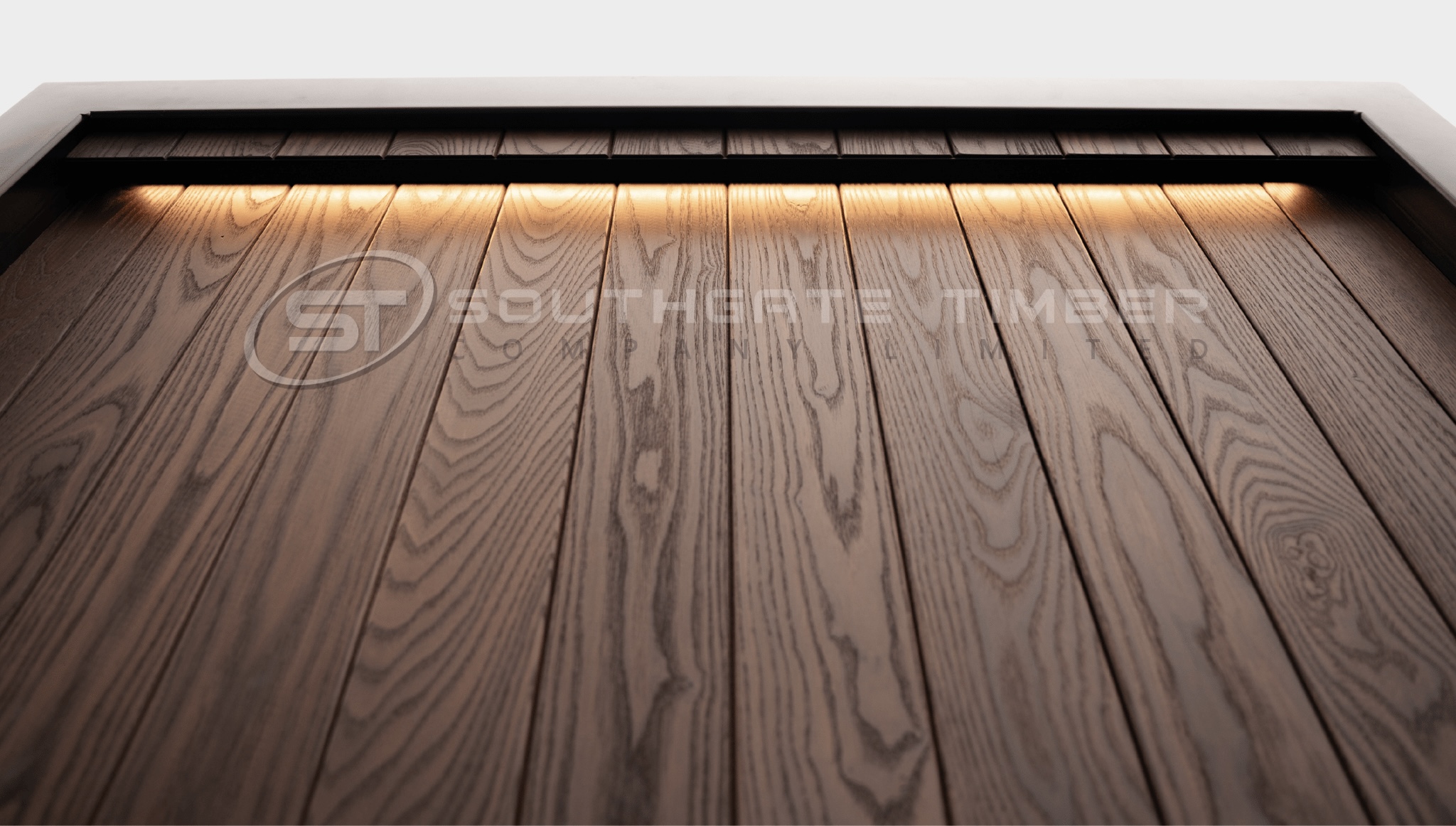
Thermo-Ash is a thermally modified hardwood cladding produced by heating ash timber to high temperatures using only heat and steam. This chemical-free process improves the timber’s stability and durability while creating the rich brown colour that Thermo-Ash is known for. The result is a premium cladding material with a refined appearance, excellent dimensional stability and strong long-term performance, making it a popular choice for contemporary architectural projects.
What Is Radiata Pine Cladding?
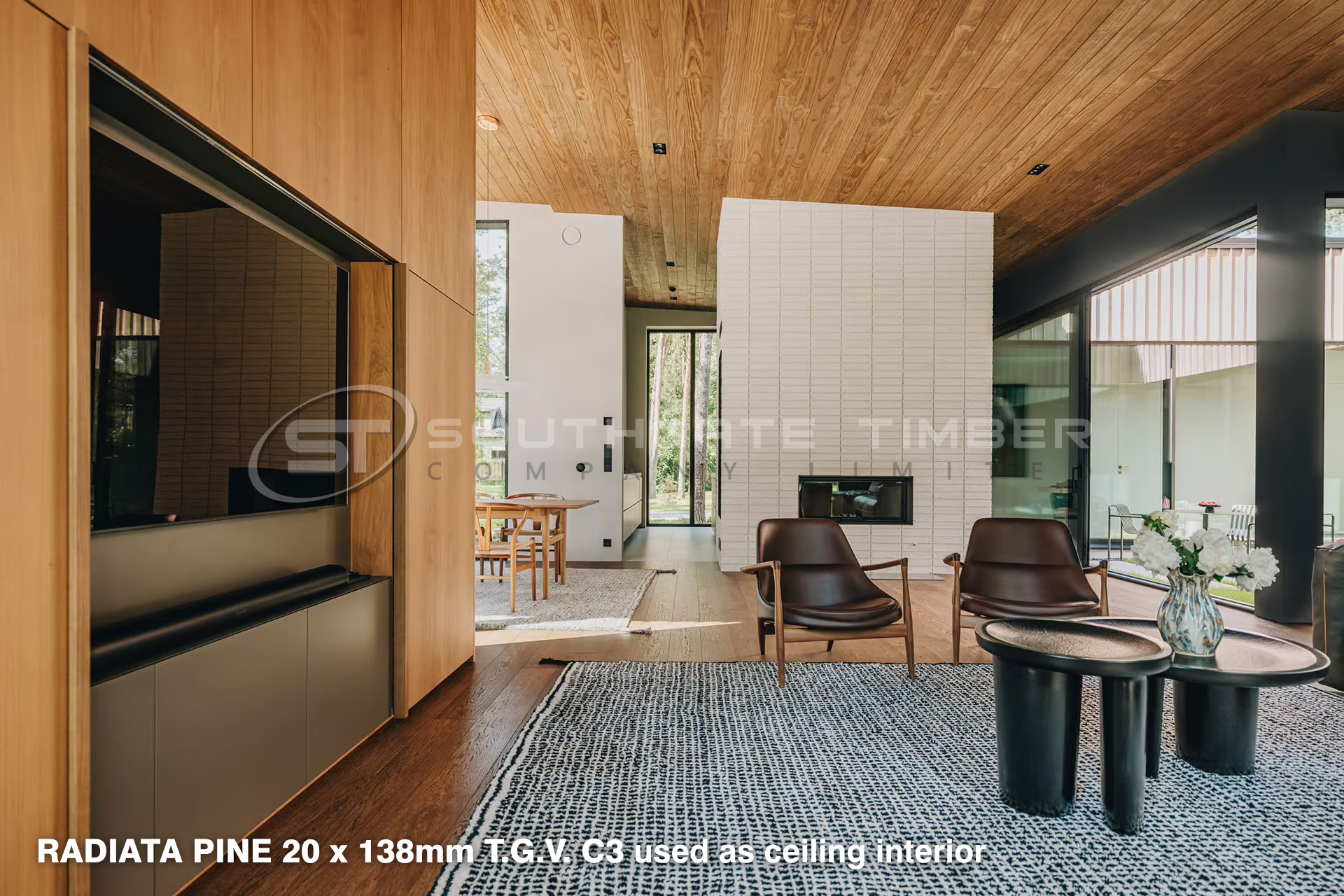
Radiata Pine is a thermally modified softwood cladding that undergoes the same heat treatment process. Thermal modification significantly improves the durability and stability of the timber while maintaining its natural character. Compared to Thermo-Ash, Radiata Pine offers a lighter appearance and a more visible grain pattern, making it an attractive option for projects seeking the benefits of thermally modified timber at a more accessible price point.
Appearance & Colour
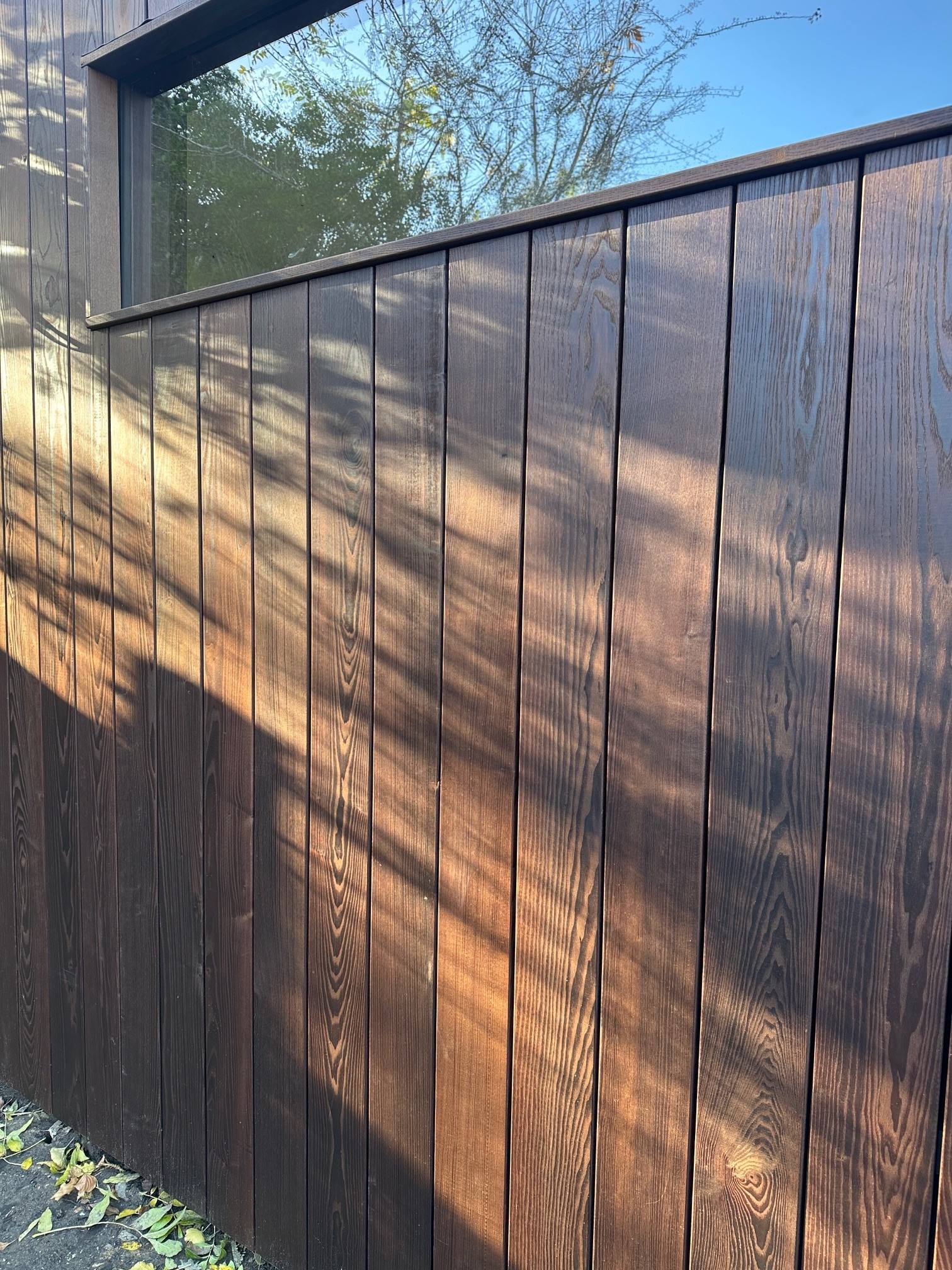
One of the biggest differences between the two products is their appearance. Thermo-Ash has a rich, dark brown colour and a fine, consistent grain that gives it a premium, contemporary look. Its appearance is often favoured for modern homes, architectural cladding projects and high-end garden rooms where a refined finish is a priority.
Radiata Pine has a lighter honey-brown tone and a more pronounced grain pattern, creating a warmer and more traditional timber aesthetic. It retains the natural character often associated with softwood while benefiting from the enhanced performance of thermal modification.
Maintenance
Both Thermo-Ash and Radiata Pine can be left untreated and allowed to weather naturally to a silver-grey finish. However, many homeowners choose to apply a suitable oil to help maintain the original colour of the timber.
One advantage of Southgate Timber’s Thermo-Ash cladding range is that it is supplied pre-oiled with Thermory Dark Oil, helping to preserve the rich brown appearance of the timber from the outset and saving time on site during installation. Southgate Timber also stocks Thermory Dark Oil for future maintenance coats, allowing homeowners to refresh and maintain the original finish over time if desired.
Radiata Pine can also be treated with a suitable oil if maintaining the original colour is desired. As with all external timber cladding, periodic maintenance may be required depending on the level of exposure and the appearance you wish to achieve.
Durability & Stability
Both Thermo-Ash and Radiata Pine benefit from the thermal modification process, which improves resistance to moisture-related movement and enhances durability compared to untreated timber.
As a thermally modified hardwood, Thermo-Ash sits towards the premium end of the market, offering exceptional stability and long-term performance. Its dense structure makes it particularly well suited to demanding external applications.
Radiata Pine, while softer by nature, performs significantly better than untreated softwood thanks to the thermal modification process. It offers excellent stability and durability for the vast majority of cladding projects and continues to be a popular choice for residential and commercial applications.
Cost
For many projects, budget will play an important role in the decision-making process. Radiata Pine is generally the more cost-effective option, making it particularly attractive for larger elevations where material costs can have a significant impact on the overall project budget.
Thermo-Ash sits at a higher price point, reflecting both its hardwood origins and premium appearance. For projects where aesthetics and maximum performance are key considerations, many homeowners and architects consider the additional investment worthwhile.
Workability & Installation
Both products can be installed successfully using standard cladding installation methods, although there are some differences between the two. Radiata Pine is generally easier to machine, cut and fix due to its softwood characteristics, which can help speed up installation on site.
Thermo-Ash is a denser material and may require slightly more attention during installation, particularly around cuts and fixings. However, this density contributes to the excellent durability and stability that make it such a popular cladding choice. Selected Thermo-Ash cladding profiles can also be installed using a hidden fixing system with the Thermory B1-1 Cladding Clip, creating a clean, uninterrupted finish with no visible fixings across the face of the boards.
Typical Applications
Both Thermo-Ash and Radiata Pine are commonly used on garden rooms, home extensions, contemporary residential properties and commercial developments. Thermo-Ash is often selected for premium architectural projects where appearance is a key consideration, while Radiata Pine is frequently chosen for larger cladding installations where achieving the benefits of thermally modified timber at a more accessible price point is important.
Sustainability
Both products are responsibly sourced and FSC® certified. They also undergo the same chemical-free thermal modification process, which uses only heat and steam to enhance the timber’s performance.
As a result, both Thermo-Ash and Radiata Pine offer strong environmental credentials, making them attractive choices for projects where sustainability is an important consideration.
Which Should You Choose?
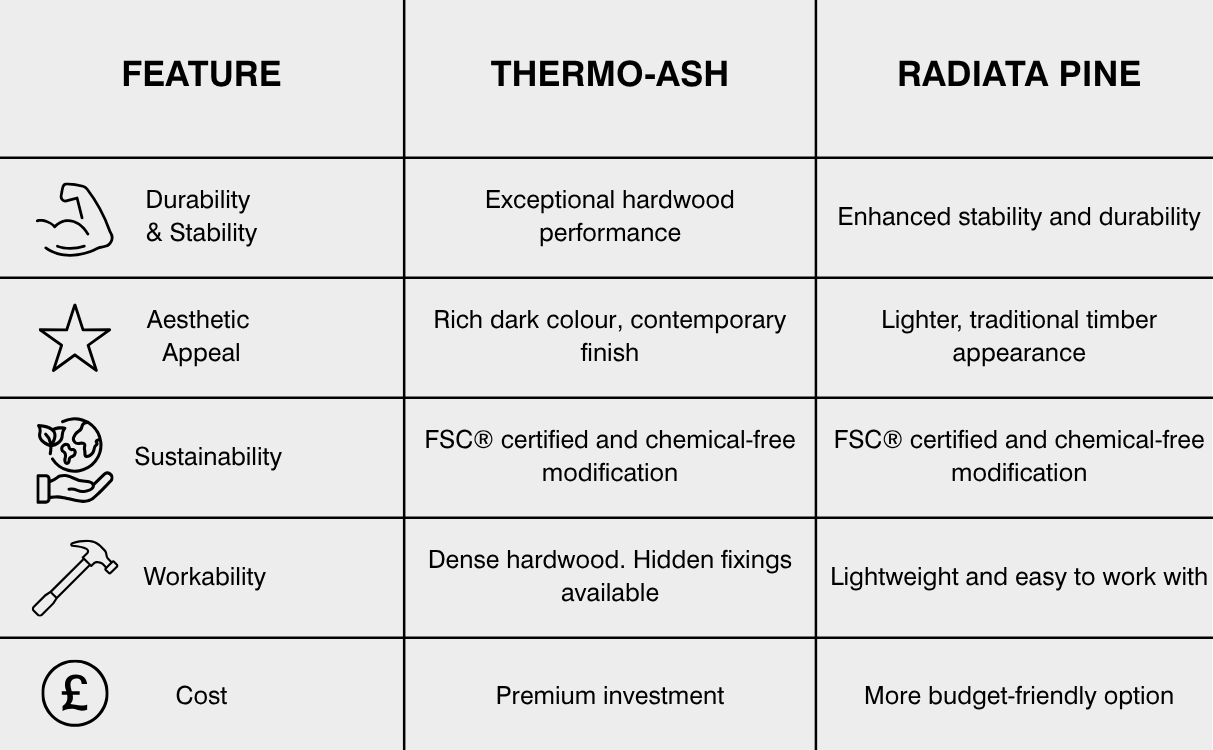
Thermo-Ash and Radiata Pine both offer the key benefits associated with thermally modified timber, including improved stability, enhanced durability and a natural timber appearance.
Thermo-Ash is typically the preferred choice for those seeking a premium hardwood finish, rich colour and maximum long-term performance. Radiata Pine provides many of the same benefits while offering a lighter appearance and a more budget-friendly route into thermally modified cladding. Ultimately, the right choice will depend on the style of project, budget requirements and the appearance you are looking to achieve.
FAQs
Is Thermo-Ash more durable than Radiata Pine cladding?
Generally, yes. As a thermally modified hardwood, Thermo-Ash offers greater density and sits slightly ahead in terms of long-term durability, although both products perform exceptionally well compared to untreated timber.
Which is cheaper, Thermo-Ash or Radiata Pine cladding?
Radiata Pine is typically the more affordable option, making it a popular choice for larger projects and cost-conscious budgets.
Do Thermo-Ash and Radiata Pine cladding need to be treated?
No. Both products can be left to weather naturally to a silver-grey colour. However, oils can be applied if you wish to maintain their original appearance.
Are Thermo-Ash and Radiata Pine cladding sustainable?
Yes. Both are FSC® certified and undergo a chemical-free thermal modification process using only heat and steam.
Ready to Choose Your Cladding?
Whether you’re looking for the premium appearance of Thermo-Ash or the value and versatility of Radiata Pine, both cladding products offer excellent performance and long-term durability.
Browse our Thermo-Ash Cladding and Thermory Radiata Pine Cladding ranges, or contact the Southgate Timber team for advice on selecting the right option for your project.

General


