- TEL : 01277 890 783
- EMAIL : sales@southgatetimber.co.uk
- Collections Monday to Friday 9:00 - 16:00






 Profiles
 Fast and friendly delivery service
 Samples available
 Click & Collect



-
-
-
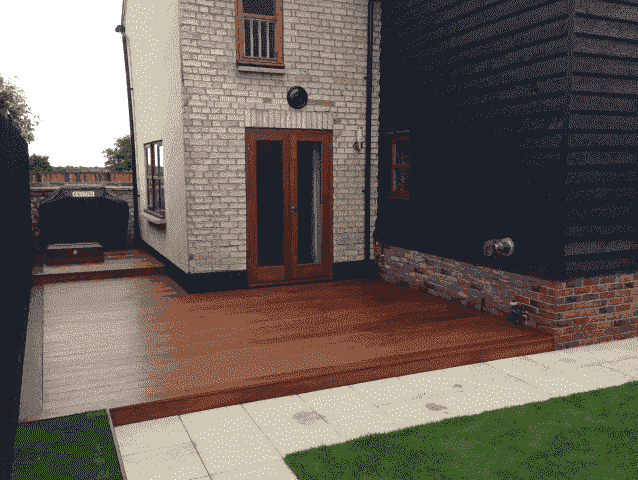
IPE Hardwood Decking ***FSC®***
-
-
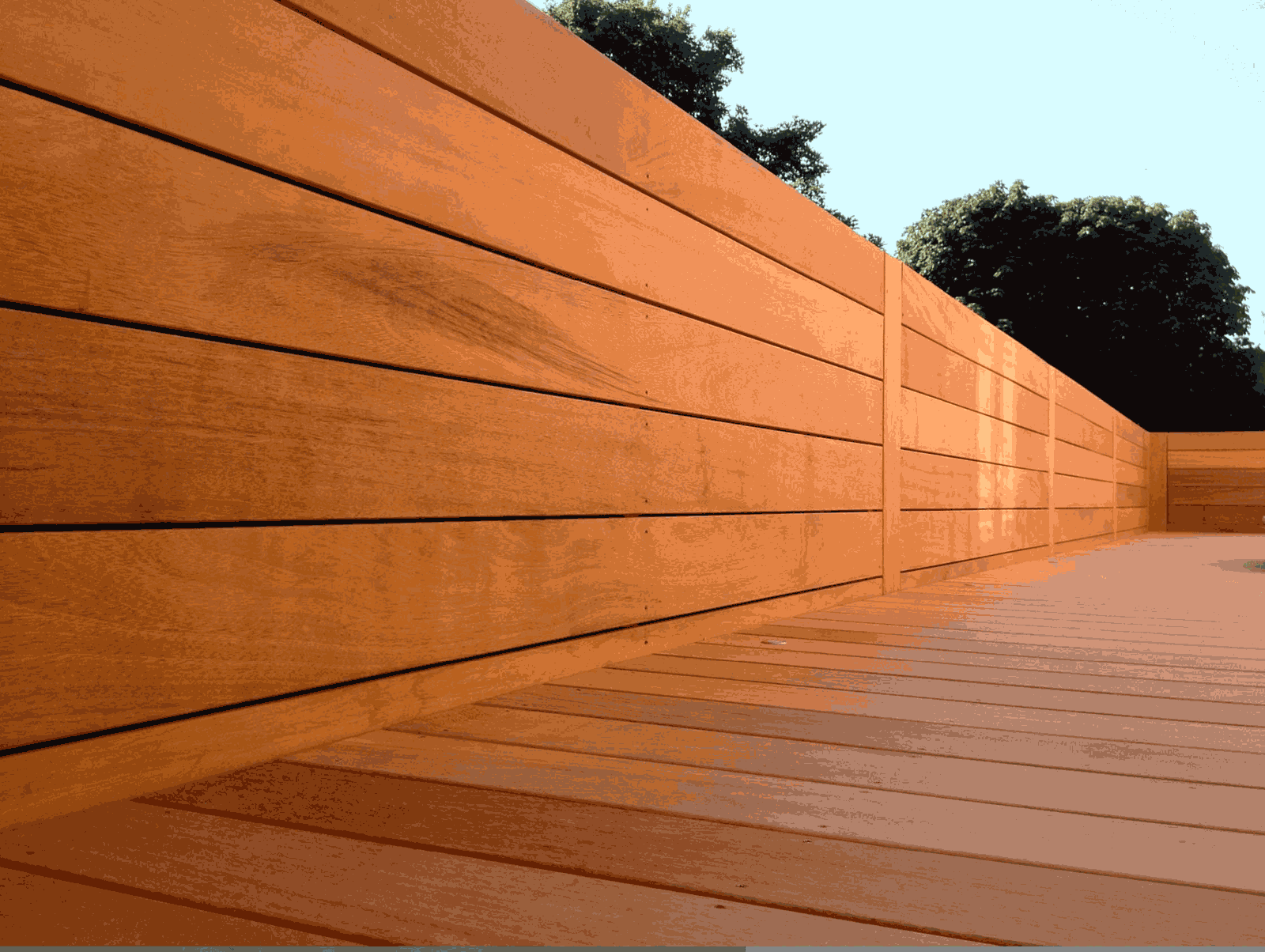
Iroko Hardwood Decking
-
-
Yellow Balau Hardwood Decking ***FSC®*** & SVLK
-
-
Yellow Balau Hardwood Components SVLK
-
-
Jatoba Hardwood Decking ***FSC®***
-

-
Thermory Benchmark Thermo-Ash Decking
-
-
Thermowood Pine Decking PEFC
-
-
Tali Hardwood Decking ***FSC®***
-
-
Thermory Spruce Decking PEFC
-
-
-
-
Western Red Cedar Cladding PEFC
-
-
Cedar Shingles & Ridge Tiles PEFC
-
-
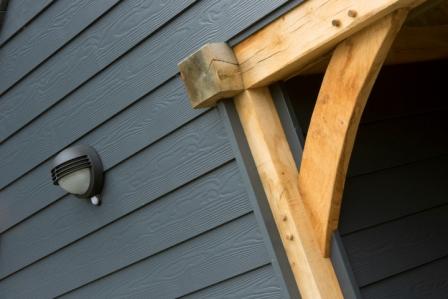
Cedral Cement Board Cladding
-
-
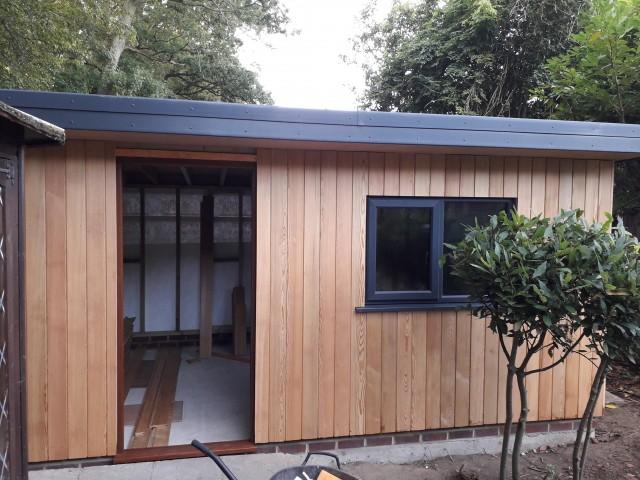
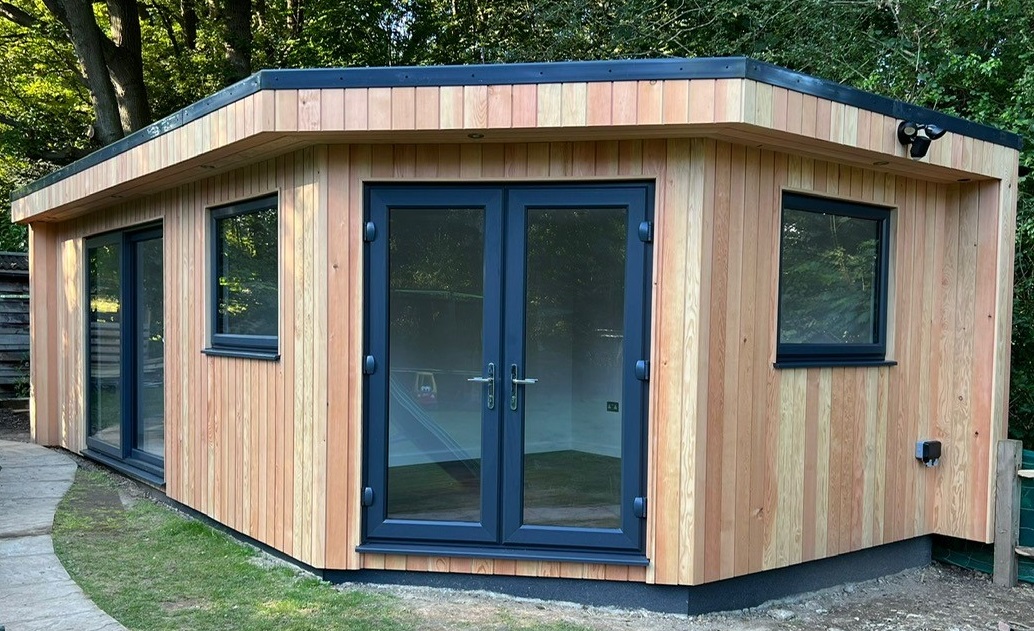
Larch Cladding ***FSC®*** & PEFC
-
-
Douglas Fir Cladding PEFC
-
-
Thermo Ayous Cladding
-
-
Thermowood Pine Cladding PEFC
-

-
Black Cladding PEFC
-

-
Far Eastern Hardwood Cladding PEFC & SVLK
-

-
Thermory Radiata Pine Cladding ***FSC®***
-
-
Thermory Thermo-Ash Cladding
-

-
Thermory Thermo-Ash Decor Rhomb Tiles Internal
-
- SAUNA
- SLEEPERS
-
-
-
Osmo Treatment & Accessories
-
-
Owatrol Treatment & Accessories
-

-
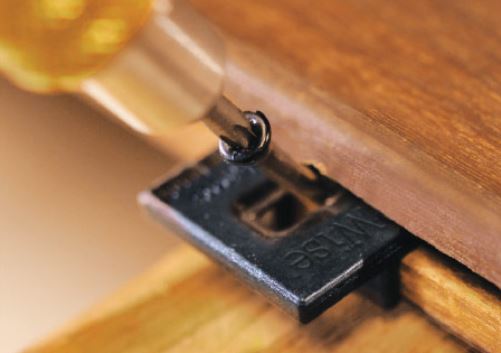
Thermory Treatment & Fixings
-
-
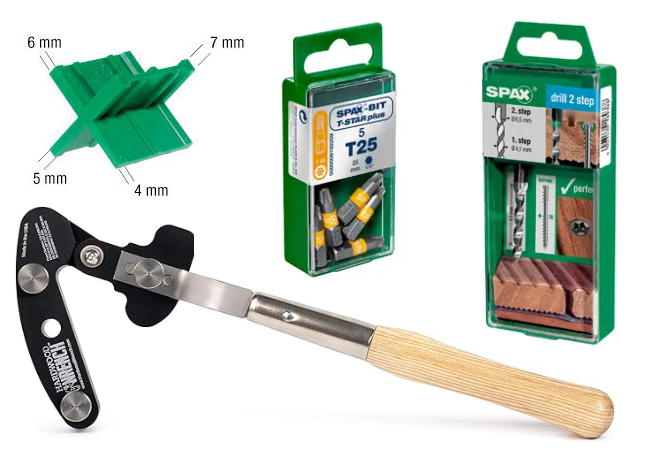
Deckwise Hidden Fixings & Accessories
-
-
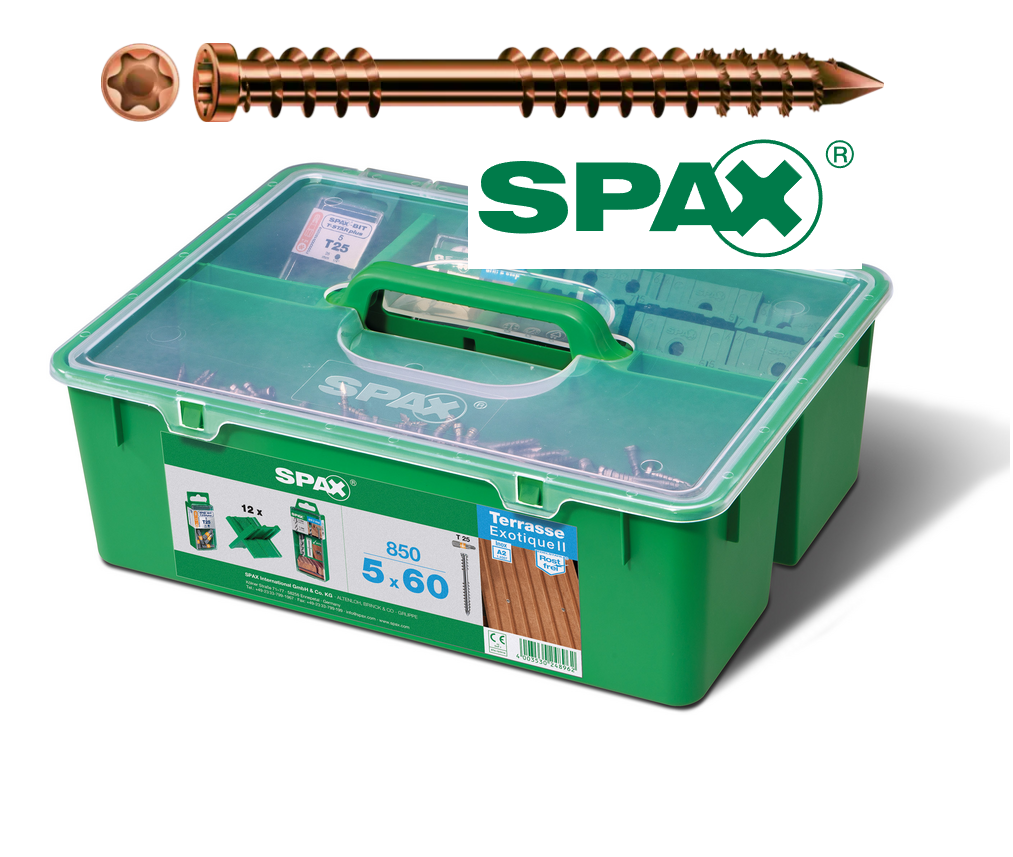
Decking Accessories
-
-
Spax Specialist Decking Screws
-
-
Spax Stainless Steel Facade Screws
-
-
Spax Construction Screws
-

-
Stainless Steel Nails
-
-
Paslode Stainless Steel Brads
-
-
Walther Strong Deck Tape
-
-
Treatment Samples
-
-
Brushes & Application Tools
-

-
Drive Bits Router Bits & Plug Cutters
-
-
Cedral Accessories
-
- SAMPLES

Thermally Modified Softwood vs Western Red Cedar: Which Cladding Should You Choose?

by
Southgate Timber
August 06, 2026
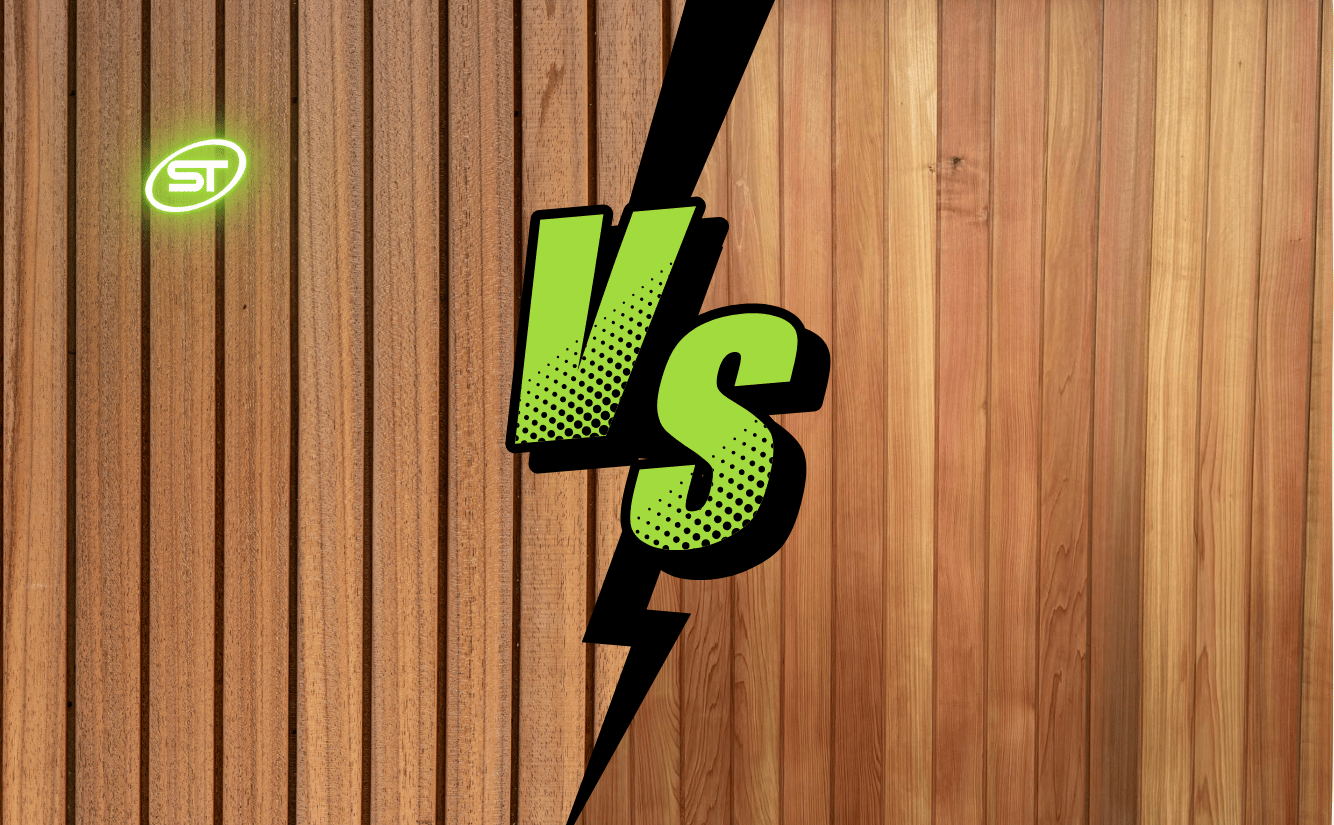


Western Red Cedar has been one of the most popular choices for timber cladding for many years. It’s well known for its natural durability, attractive appearance and long service life. However, thermal modification has given homeowners, architects and contractors another option that’s well worth considering. By using heat and steam to improve the performance of sustainably sourced softwoods, it’s now possible to achieve excellent durability and stability without paying premium timber prices. If you’re deciding between Western Red Cedar and thermally modified timber, here’s what you need to know.
If you’re looking for the quick answer
If your priority is achieving the best value for money, thermally modified timber offers many of the same benefits as Western Red Cedar, but at a considerably lower price. If you love the distinctive appearance of Western Red Cedar and your budget allows for it, it’s still one of the finest cladding materials available. If you’d like to understand exactly how thermal modification works before comparing the two, read our guide to the thermal modification process. The right choice comes down to your budget, the finish you’re looking for, and the overall style of your project.
Cost
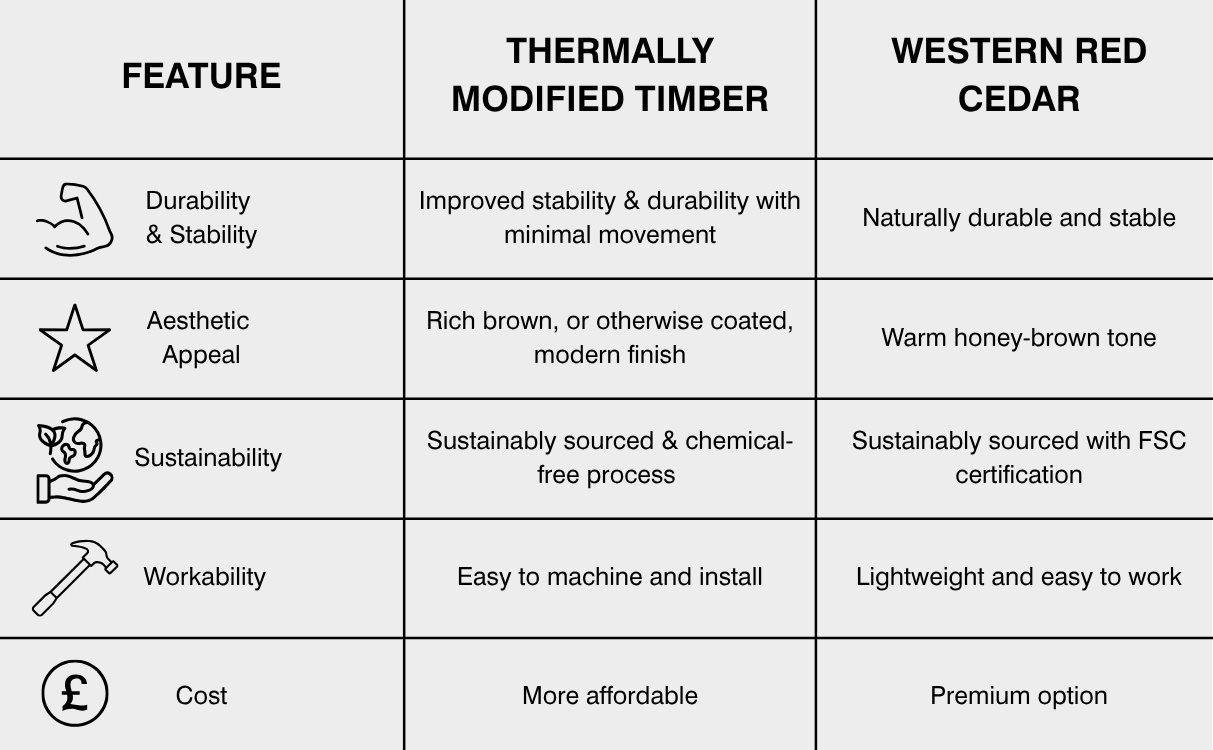
Western Red Cedar is generally considered a premium cladding timber, reflecting its natural durability, appearance and the fact that it’s imported. Thermally modified timber is typically a more cost-effective alternative, making it an attractive option for homeowners and trade customers looking to achieve excellent durability and stability while keeping project costs under control.
Although prices vary depending on the profile, size and product you choose, thermally modified timber is usually available at a lower price point than Western Red Cedar. If you’d like to compare the latest prices, you can browse our Western Red Cedar Cladding and Thermally Modified Cladding ranges, where you’ll always find our current pricing.
Durability and stability
One of the biggest reasons people choose Western Red Cedar is its natural durability. The timber contains natural oils that help it resist decay without requiring preservative treatment. Thermally modified timber achieves similar benefits in a different way. During the thermal modification process, the timber is heated to extremely high temperatures using heat and steam. This permanently changes the timber’s cell structure, reducing its moisture content and making it far more dimensionally stable. The result is timber that’s much less likely to expand, contract or twist as the seasons change.
It’s also worth remembering that thermally modified timber shouldn’t be confused with standard untreated softwood cladding. Untreated softwood can absorb moisture, leading to movement, twisting or cupping over time if it’s not suitable for external use. Thermally modified timber is a completely different product that’s specifically engineered to improve stability and long-term performance outdoors.
Appearance and finish
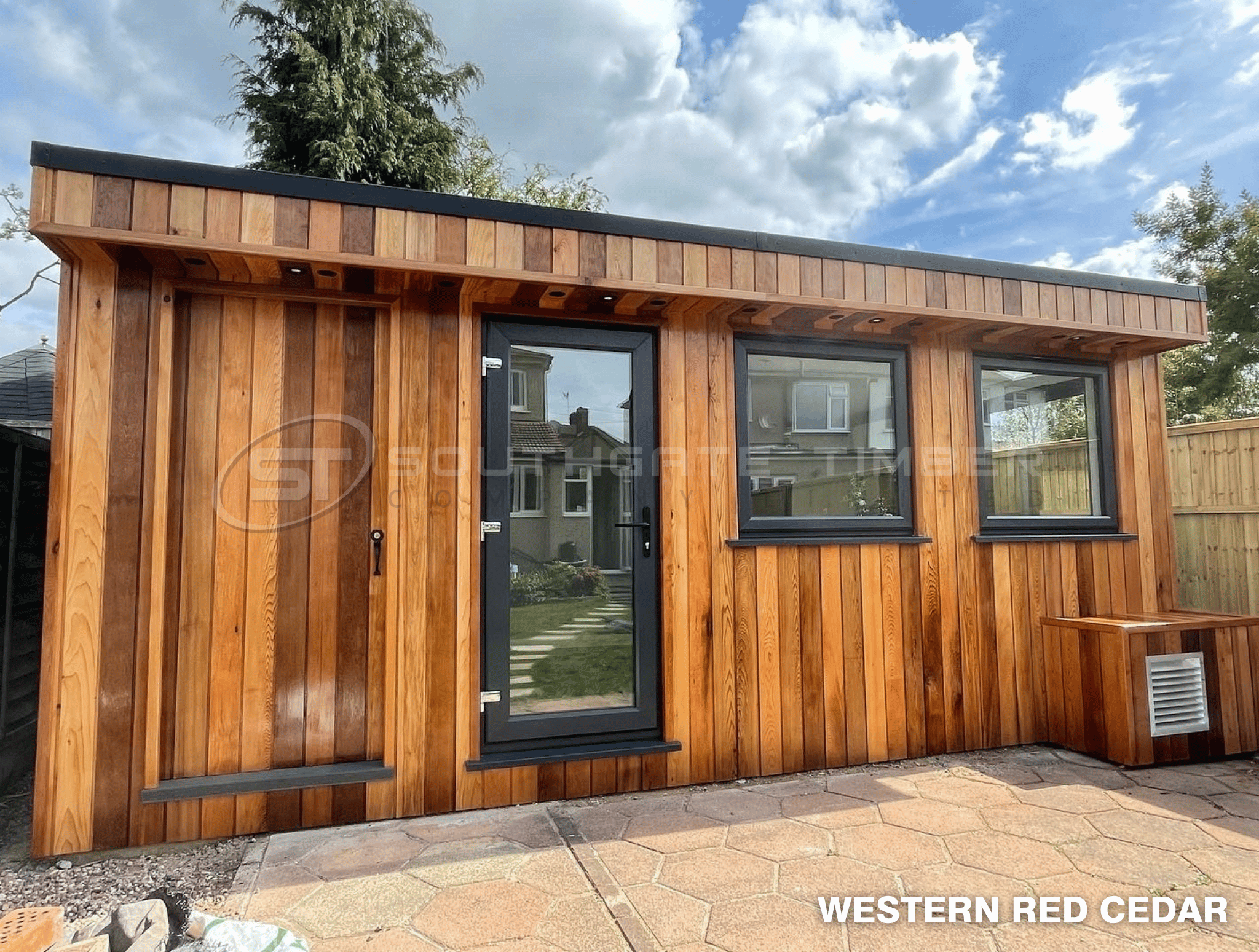
Western Red Cedar is loved for its warm honey-brown tones. Left untreated, it gradually weathers to an attractive silver-grey, which many homeowners deliberately choose. If you’d prefer to maintain its original colour, applying a UV protection oil like the Osmo 420 UV Protection Oil every few years will help slow the natural weathering process.
Thermally modified timber has its own distinctive appearance. The heat treatment gives the timber a rich brown colour throughout, creating a premium look that’s often compared with more expensive hardwoods. Some thermally modified products like Thermo-Ash are supplied pre-oiled, making them ideal for both traditional and contemporary projects. You can also preserve the original colour of thermally modified timber by applying a UV protection oil, or for Thermo-Ash cladding, you’d want to use Thermory’s Dark Oil to top up the pre-oiled finish.
Which thermally modified cladding options do we stock?
At Southgate Timber, we stock a range of thermally modified cladding products to suit different styles and budgets, including:
- Thermowood Pine Cladding – a popular choice that offers excellent durability, stability and value for money.
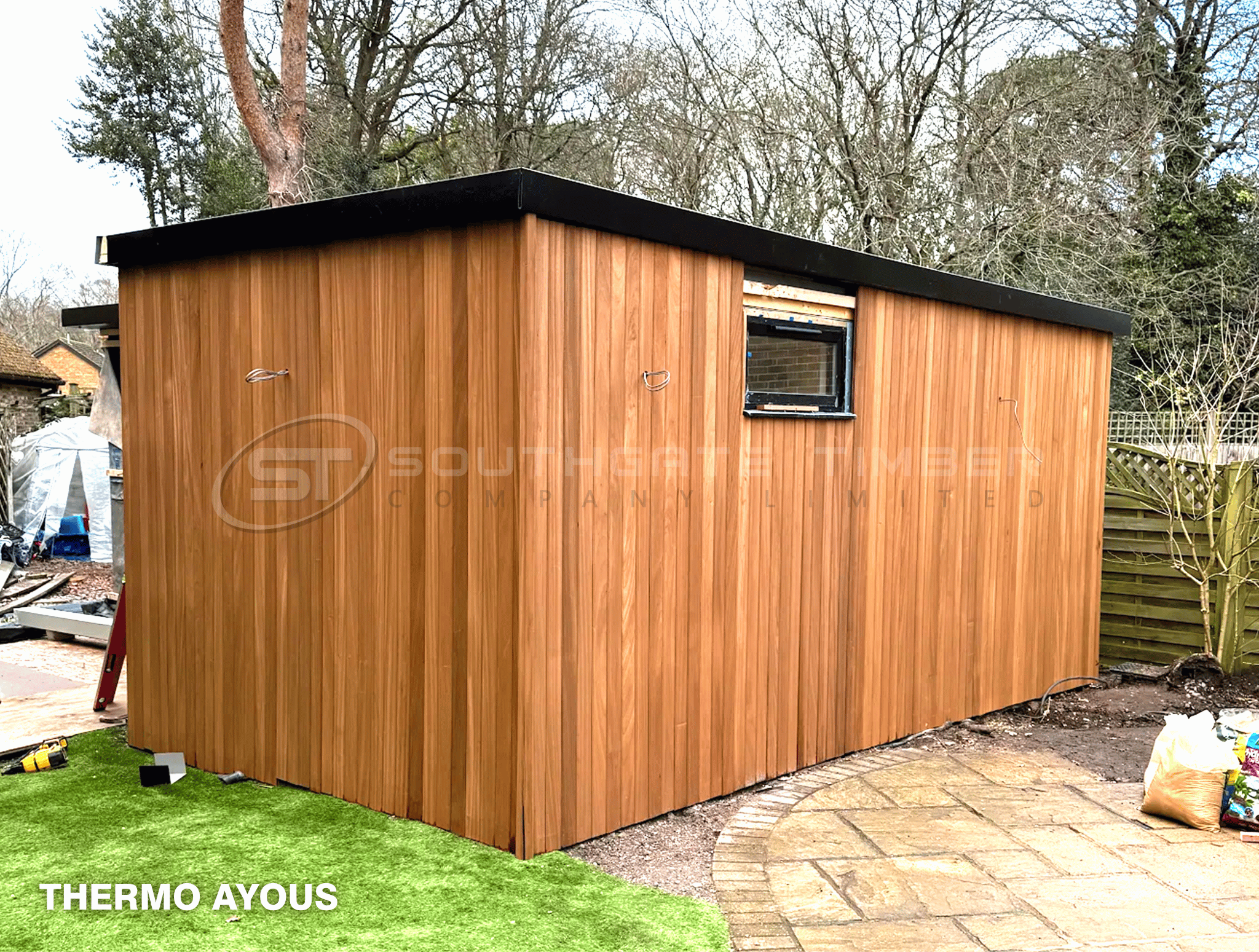
- Thermo Ayous Cladding – a lightweight, exceptionally stable timber with a smooth, knot-free appearance that’s ideal for contemporary projects.
- Thermory Radiata Pine Cladding – known for its smooth finish, rich colour and premium appearance.
- Thermo-Ash Cladding – one of the most durable thermally modified options, ideal for high-end residential and commercial projects.
- Thermo-Ash Rhombus Tiles – Create striking interior feature walls with the warmth, texture and stability of thermally modified ash.
- Thermory Spruce Black Cladding – offering a contemporary look with the benefits of thermal modification.
Whether you’re looking for a modern architectural finish or a more traditional timber appearance, thermally modified cladding gives you a wide range of options while delivering excellent long-term performance.
At a glance
Which should you choose?
There’s no right or wrong answer because both products are excellent choices. If you’re looking for the traditional character and appearance of Western Red Cedar, it’s easy to see why it remains such a popular cladding timber. If you’re looking for outstanding durability, excellent dimensional stability and better value for money, thermally modified timber is becoming an increasingly popular alternative. For many projects, it offers an excellent balance between performance, appearance and cost. If you’re still deciding which option is best for your project, our team is always happy to help you compare the available products and choose the most suitable solution. Browse our range of cladding materials here.
FAQs
Is thermally modified timber as durable as Western Red Cedar?
Both products are designed to provide many years of service outdoors. Western Red Cedar relies on its naturally durable oils, while thermally modified timber achieves its durability through the heat treatment process. In most cases, your decision will come down to budget and appearance rather than durability alone.
Does thermally modified timber need treating?
Like Western Red Cedar, thermally modified timber can be left to weather naturally or treated with a suitable exterior oil to help maintain its colour. It doesn’t require preservative treatment because the thermal modification process has already improved its natural durability.
Can thermally modified timber look like Western Red Cedar?
The two timbers aren’t identical, but the rich brown tones of thermally modified timber make it an attractive alternative for customers who like the warm appearance of cedar while working to a tighter budget.
Why is thermally modified timber more affordable?
The difference comes from the starting material rather than the performance. Western Red Cedar is a premium imported timber, whereas thermally modified timber begins as a more readily available softwood. The thermal modification process transforms its performance, making it a cost-effective alternative without compromising on quality.

General


