- TEL : 01277 890 783
- EMAIL : sales@southgatetimber.co.uk
- Collections Monday to Friday 9:00 - 16:00









 Profiles
 Fast and friendly delivery service
 Samples available
 Click & Collect



-
-
-
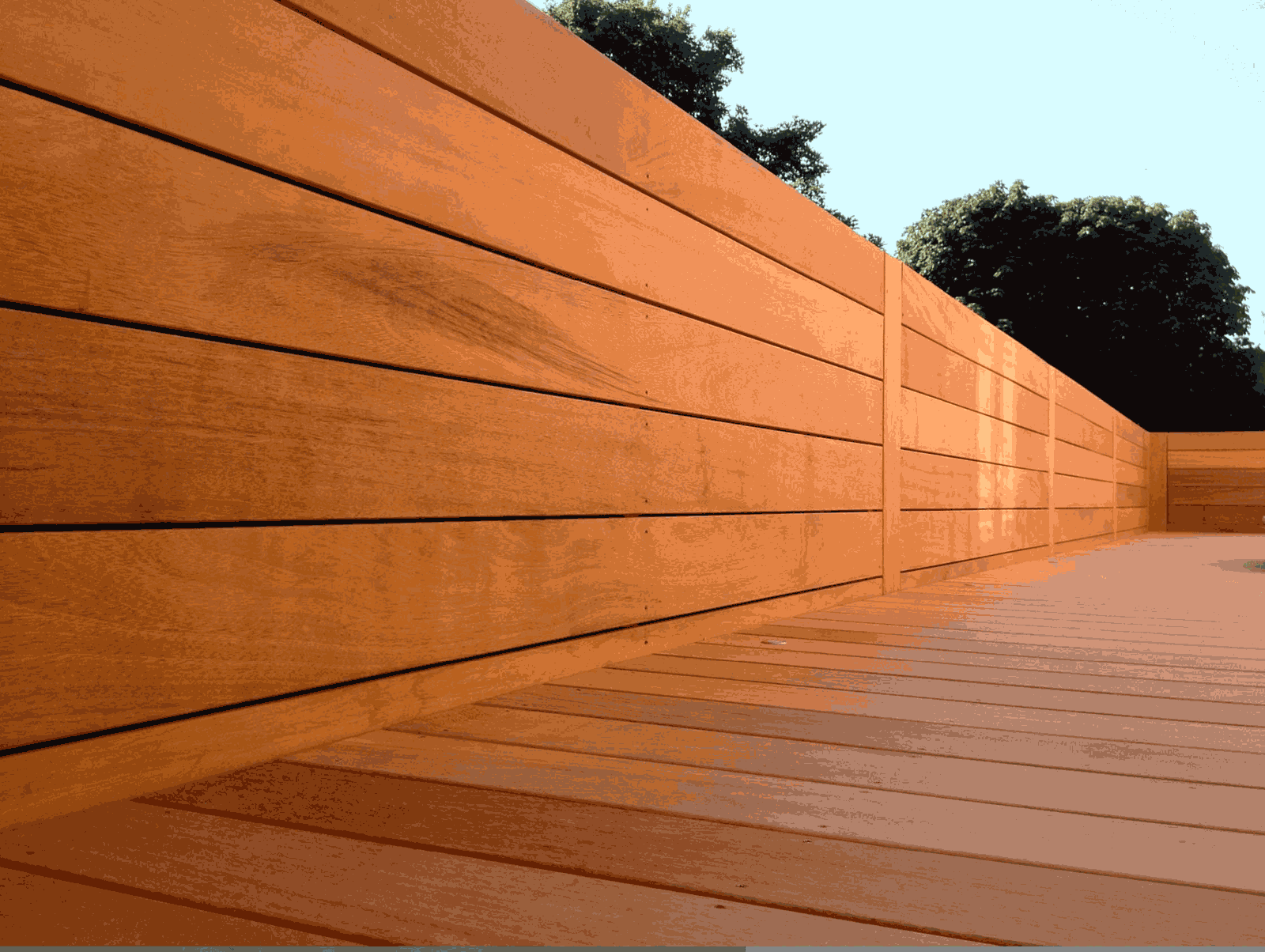
IPE Hardwood Decking ***FSC®***
-
-
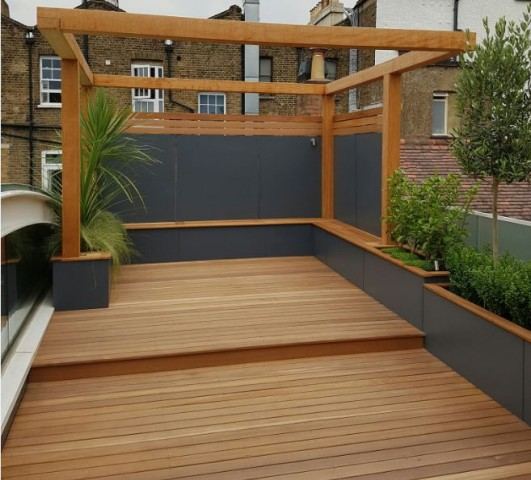
Iroko Hardwood Decking
-
-
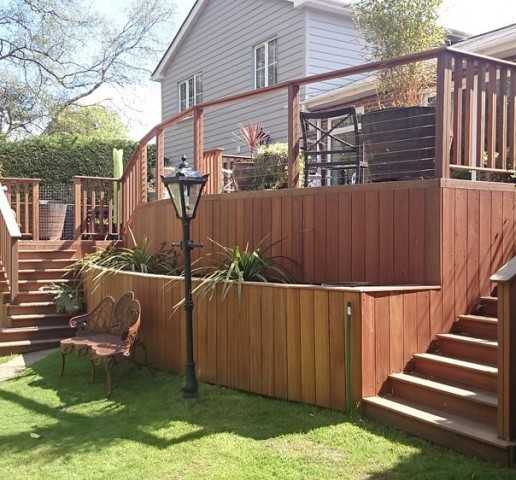
Yellow Balau Hardwood Decking ***FSC®*** & SVLK
-
-
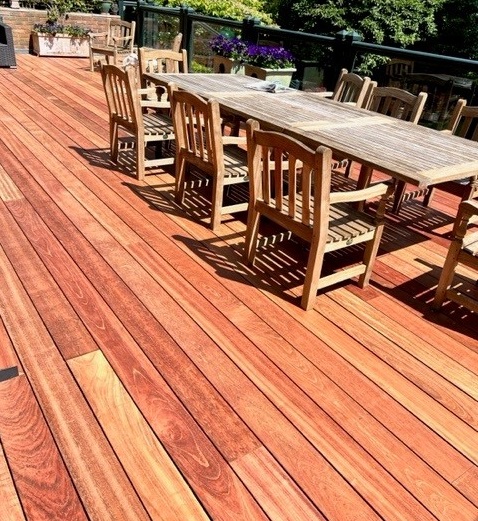
Yellow Balau Hardwood Components SVLK
-
-
Jatoba Hardwood Decking ***FSC®***
-

-
Thermory Benchmark Thermo-Ash Decking
-
-
Thermowood Pine Decking PEFC
-
-
Tali Hardwood Decking ***FSC®***
-
-
Thermory Spruce Decking PEFC
-
-
-
-
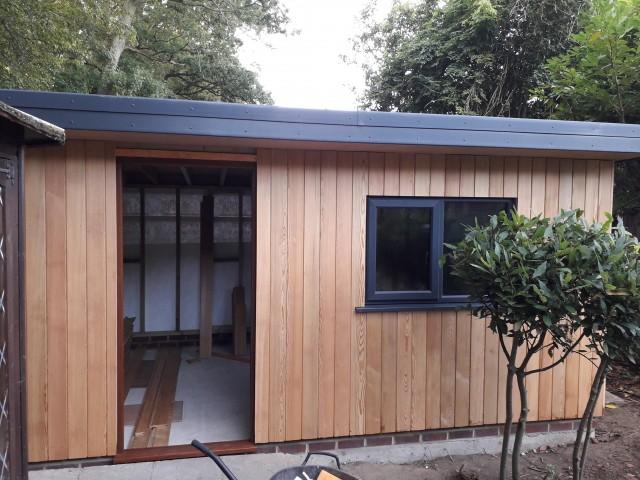
Western Red Cedar Cladding PEFC
-
-
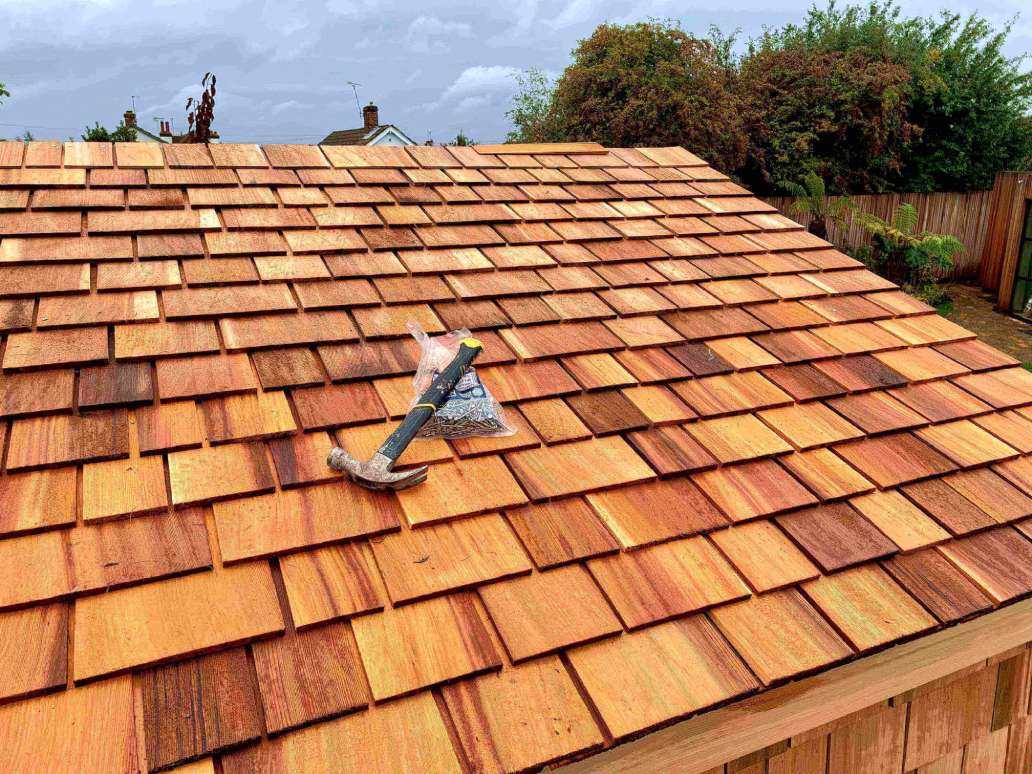
Cedar Shingles & Ridge Tiles PEFC
-
-
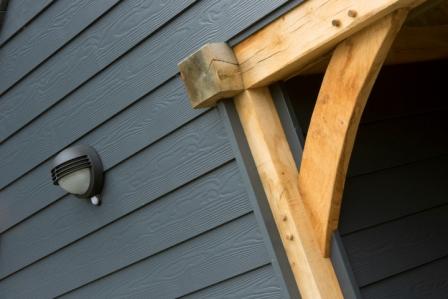
Cedral Cement Board Cladding
-
-
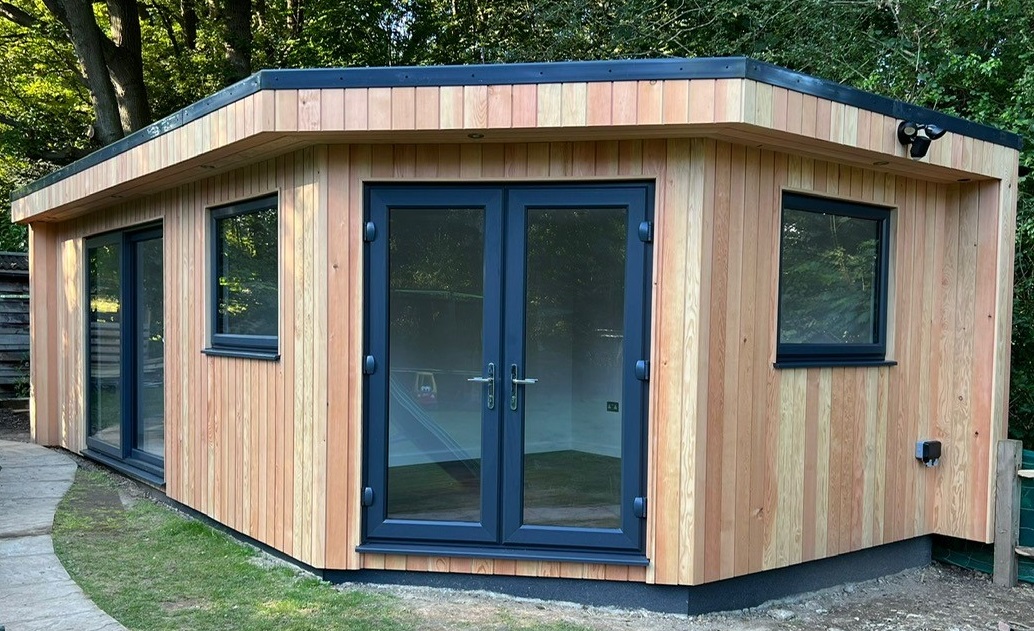
Larch Cladding ***FSC®*** & PEFC
-
-
Douglas Fir Cladding PEFC
-
-
Thermo Ayous Cladding
-
-
Thermowood Pine Cladding PEFC
-

-
Black Cladding PEFC
-

-
Far Eastern Hardwood Cladding PEFC & SVLK
-

-
Thermory Radiata Pine Cladding ***FSC®***
-
-
Thermory Thermo-Ash Cladding
-

-
Thermory Thermo-Ash Decor Rhomb Tiles Internal
-
- SAUNA
- SLEEPERS
-
-

-
Osmo Treatment & Accessories
-

-
Owatrol Treatment & Accessories
-

-
Thermory Treatment & Fixings
-
-
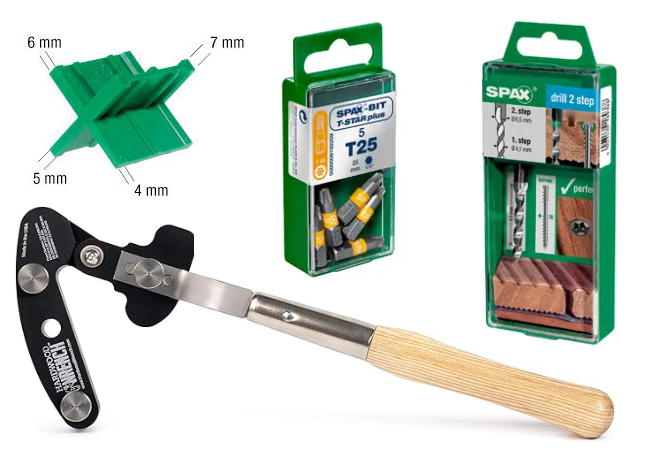
Deckwise Hidden Fixings & Accessories
-
-
Decking Accessories
-
-
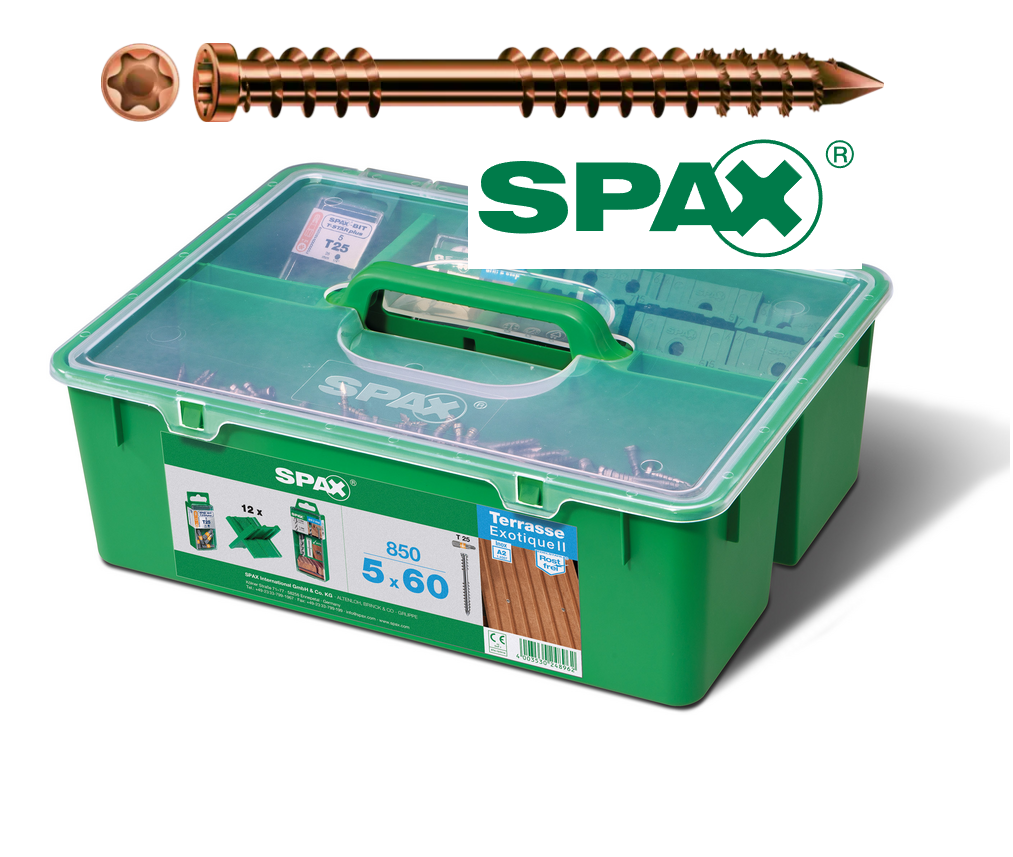
Spax Specialist Decking Screws
-

-
Spax Stainless Steel Facade Screws
-

-
Spax Construction Screws
-

-
Stainless Steel Nails
-
-
Paslode Stainless Steel Brads
-
-
Walther Strong Deck Tape
-

-
Treatment Samples
-

-
Brushes & Application Tools
-

-
Drive Bits Router Bits & Plug Cutters
-

-
Cedral Accessories
-
- SAMPLES

How to Calculate How Many Decking Boards You Need

by
Southgate Timber
April 28, 2026


Getting your decking quantities right from the start is one of the most important parts of any project. Order too little and you risk delays, order too much and you’re left with unnecessary cost. We recommend two reliable ways to calculate how many boards you’ll need.
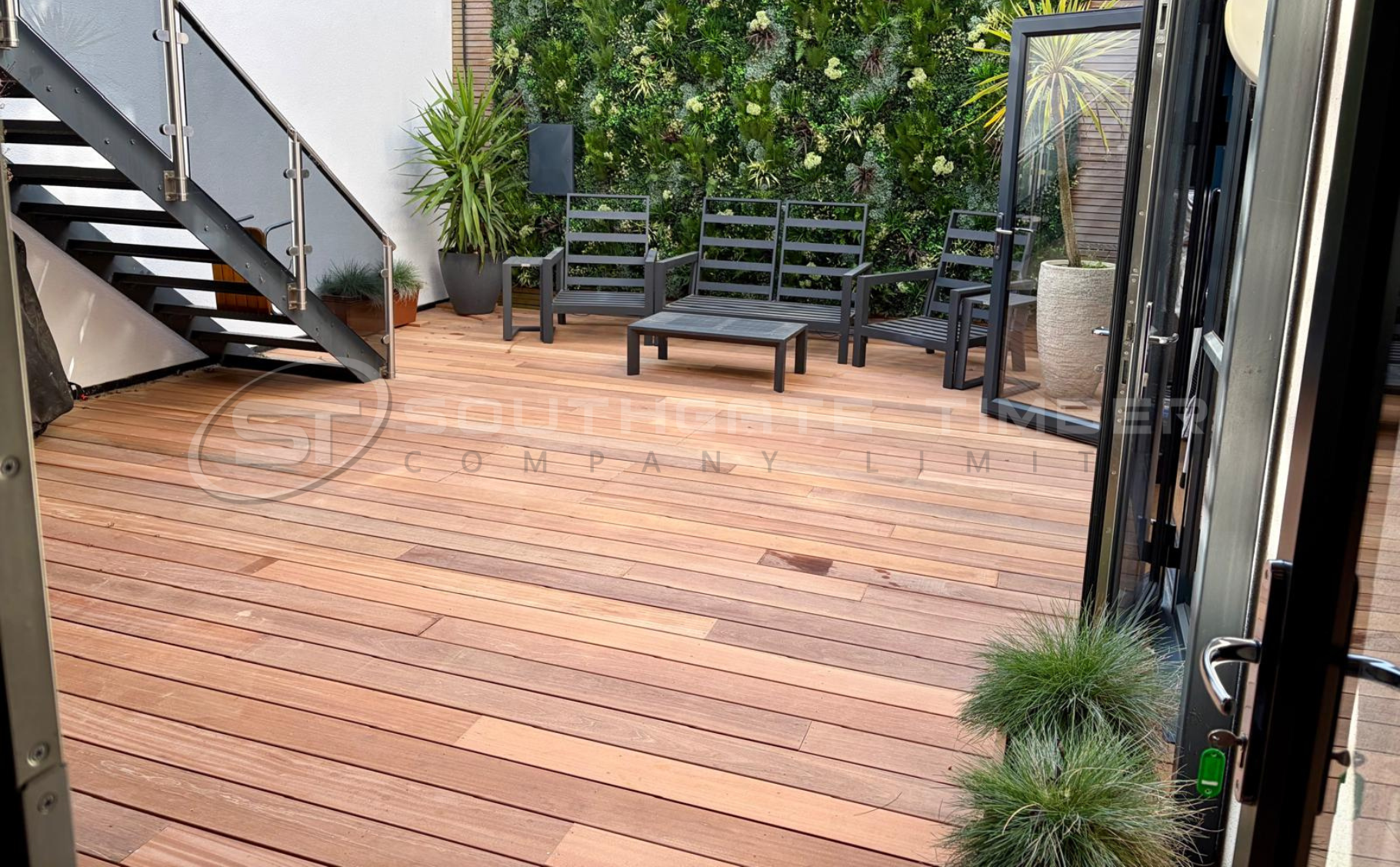
Method 1: The “Cake Method” (Best for Rectangular Decks)
This method treats your decking like layers of a cake, working row by row. It’s ideal for simple, rectangular areas where boards are laid in straight runs. To make things easier to follow, we’ll walk through a real example step by step. This will show you exactly how to apply the method to your own project.
Step 1: Gather Your Measurements
For example:
- Deck size: 9m x 5m (45m²)
- Board: Ipe 19 x 90mm
- Gap: 5mm (standard for face fix)
- Board length: 3.05m boards trimmed to 3m
Step 2: Work Out Boards Per Row
Your deck length is 9m, and each board is trimmed to 3m.
So: 9m ÷ 3m = 3 boards per row
These boards will be butted end-to-end to create a full run.
Step 3: Work Out Number of Rows
Each row consists of:
- Board width: 90mm (0.09m)
- Gap: 5mm (0.005m)
- Total coverage per row: 0.09m + 0.005m = 0.095m
Now divide the total width of the deck:
- 5m ÷ 0.095m = 52.6 rows
- Round up to 53 rows
Step 4: Total Boards Required
53 rows × 3 boards per row = 159 boards
Add 10% for wastage:
159 + 10% = 175 boards
Final Total: 175 boards
Method 2: The “Blanket Method” (Best for Complex Shapes)
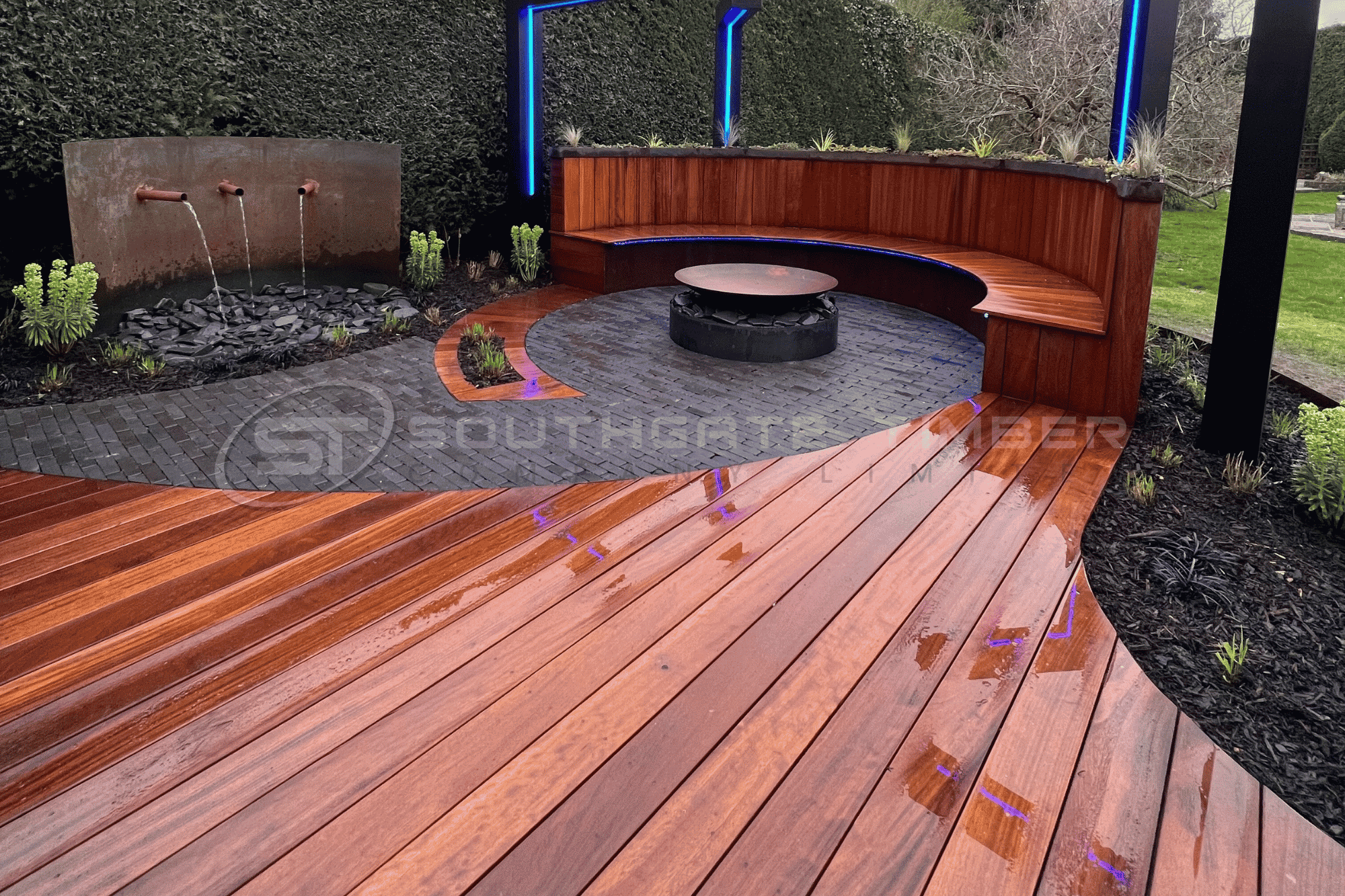
This is a more flexible approach that works well for irregular layouts, curves or multiple sections. Instead of working in rows, you calculate coverage based on total area. Again, we’ll use a simple example so you can see how the calculation works in practice
Step 1: Gather Your Measurements
For this example:
- Area: 25m²
- Board: Yellow Balau 21 x 145mm
- Gap: 5mm
- Board length: 2.44m trimmed to 2.4m
Step 2: Add Board Width + Gap
0.145m + 0.005m = 0.15m
Step 3: Calculate Coverage Per Board
Multiply width (including gap) by board length:
0.15m × 2.4m = 0.36m² per board
Step 4: Divide Total Area by Board Coverage
- 25m² ÷ 0.36m² = 69.4 boards
- Round up to 70 boards
Step 5: Add Wastage
70 + 10% = 77 boards
Final Total: 77 boards
Face Fix vs Hidden Fix: Does It Change Quantities?
In most cases, the number of boards required stays similar, but spacing and installation methods can have a small impact.
- Face fix decking typically uses a 5mm gap, making calculations straightforward
- Hidden fix systems may slightly adjust spacing depending on the clip system used
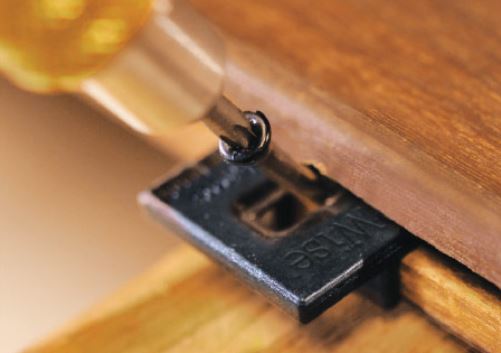
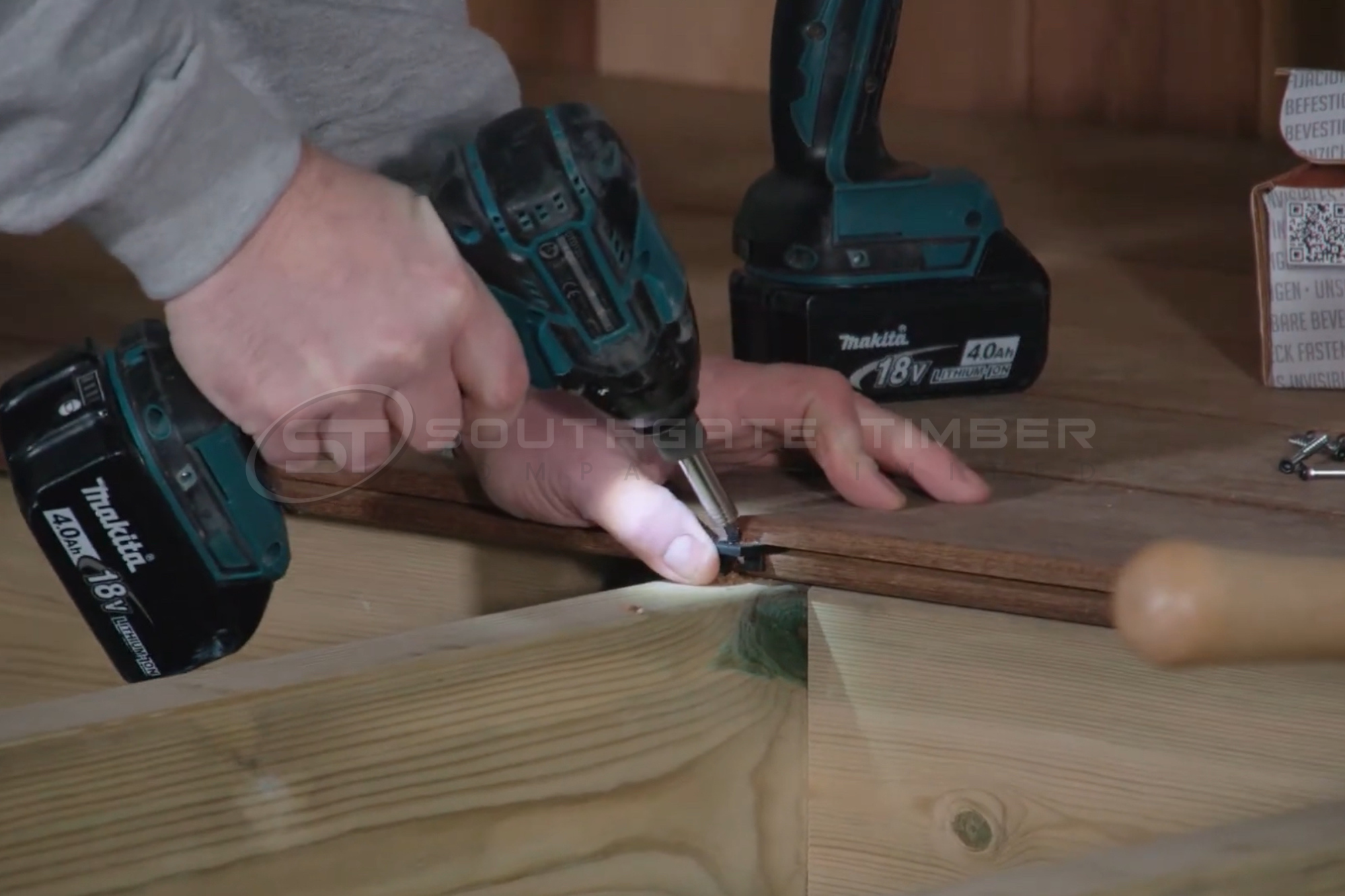
For premium hardwoods like Ipe, hidden fix systems are often chosen for a cleaner finish. Southgate Timber stocks the DeckWise Extreme hidden fixings, which offers options with both a 2.4mm gap or a 4mm gap, allowing you to choose the spacing that best suits your design and installation preference.
Decking Screw Calculator
As well as calculating how many boards you need, it’s just as important to get your fixings right. The number and type of screws required will depend on your board layout, fixing method and overall project size.
For face fix installations, high-quality screws are essential to ensure a secure and long-lasting finish. Southgate Timber stocks Spax Specialist Decking Screws, which are specifically designed for timber decking and help reduce splitting while providing a clean, professional result.
To make things easier, Southgate Timber also provides a decking screw calculator, which helps you estimate how many screws you’ll need based on your project size and board layout. You can find this tool at the bottom of our website in the footer, and it’s a useful way to ensure you have everything you need before starting your installation.
Allowing for Wastage (Don’t Skip This)
No matter which method you use, always allow for:
- Cuts and offcuts
- Board defects
- Layout adjustments
Recommended:
- 10% - 15% wastage for most projects
- Slightly more for complex layouts, diagonal installs or depending on the species of timber
Which Method Should You Use?
Use the Cake Method for straight, rectangular decks and clean, uniform layouts. Whereas the Blanket Method is best for decks with irregular shapes, multiple sections and curved or angled designs.
Need Help Calculating Your Decking?
If you’re unsure which method to use or want a second opinion, our team can help you calculate exactly what you need based on your layout, chosen timber and fixing method.
Final Thoughts
Getting your decking quantities right doesn’t have to be complicated. With the right approach, you can confidently plan your project, minimise waste and ensure a smooth installation from start to finish.
FAQs
How do I calculate how many decking boards I need?
You can calculate decking boards by either working row by row across your deck area or by dividing the total square metre area by the coverage of each board. The best method depends on the shape of your deck, with rectangular areas suited to row calculations and more complex layouts better suited to area-based calculations.
How much wastage should I allow for decking?
It is generally recommended to allow around 10% - 15% for wastage. This covers cuts, offcuts and any adjustments needed during installation. More complex layouts or diagonal designs may require a slightly higher allowance, and you should always check whats advised based on the species of timber you’re buying.
Does the gap between decking boards affect how many I need?
Yes, the gap between boards directly affects how many rows are required. A standard face fix gap is typically around 5mm, while hidden fixing systems may use different spacing depending on the clip system, such as 2.4mm or 4mm gaps.
Do hidden fix decking systems use more boards?
Not significantly. Hidden fix systems can slightly change spacing, but the overall number of boards required will usually remain similar. The main difference is the cleaner, screw-free finish they provide.

General


