- TEL : 01277 890 783
- EMAIL : sales@southgatetimber.co.uk
- Collections Monday to Friday 9:00 - 16:00






 Profiles
 Fast and friendly delivery service
 Samples available
 Click & Collect



-
-
-
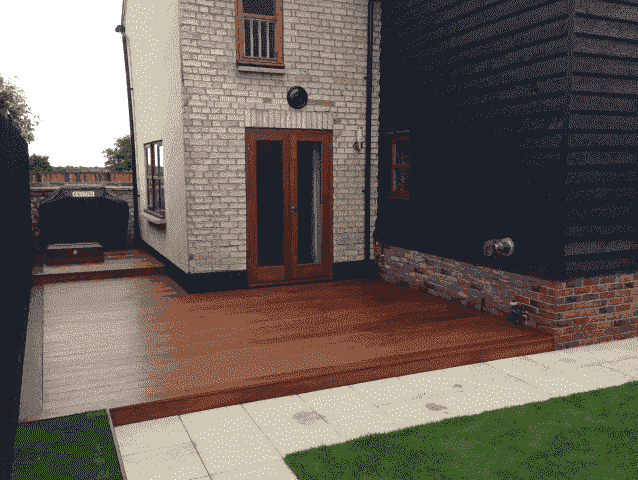
IPE Hardwood Decking ***FSC®***
-
-
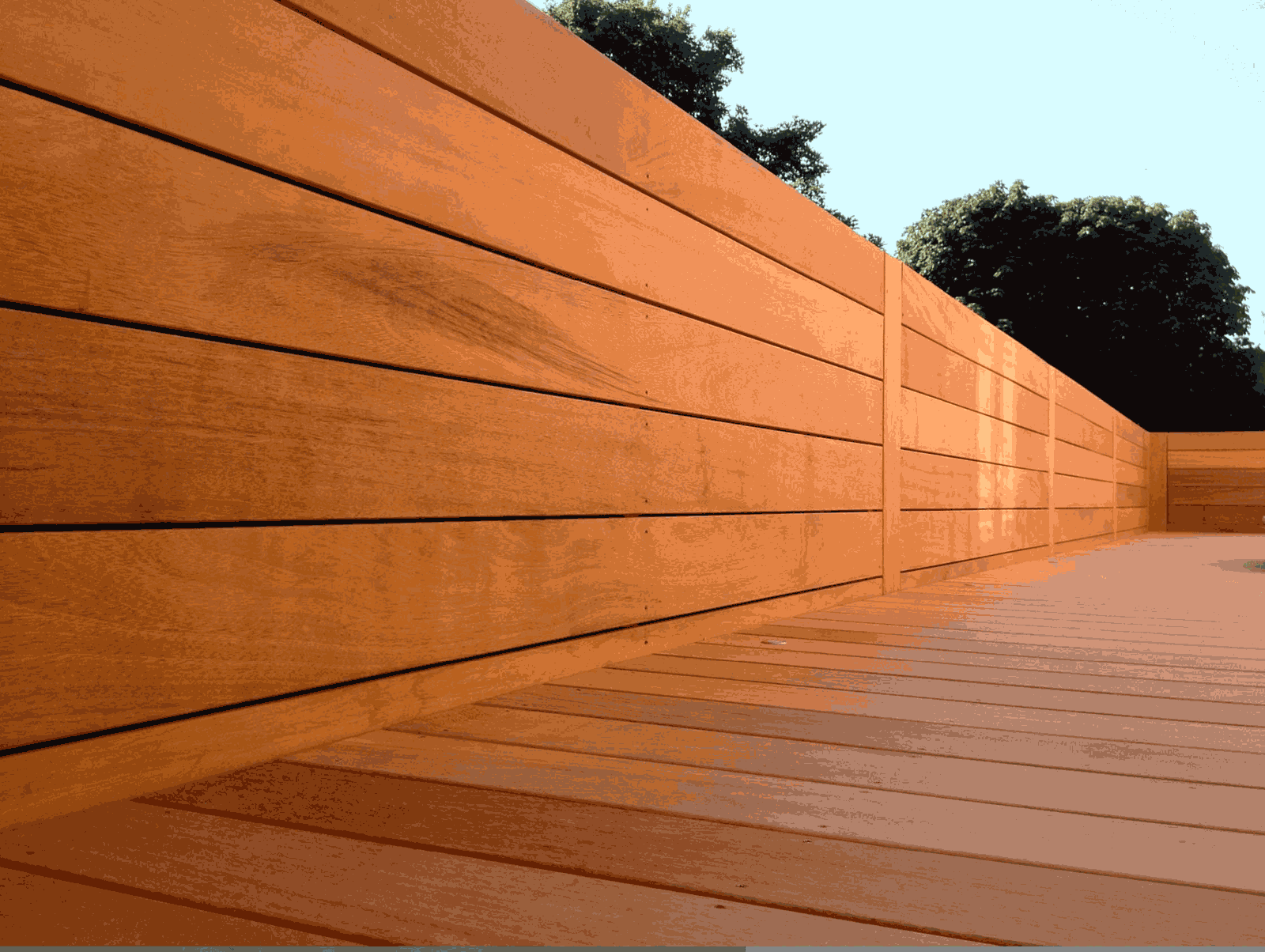
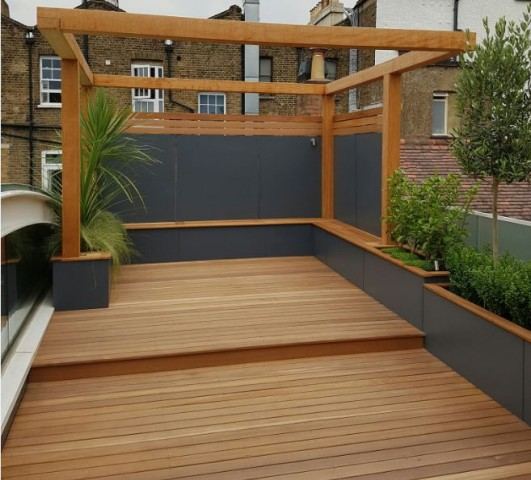
Iroko Hardwood Decking
-
-
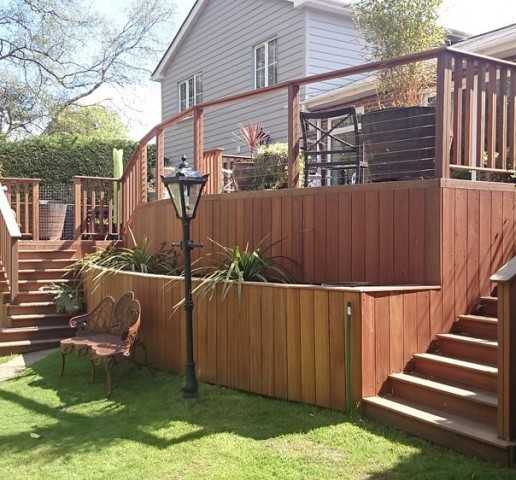
Yellow Balau Hardwood Decking ***FSC®*** & SVLK
-
-
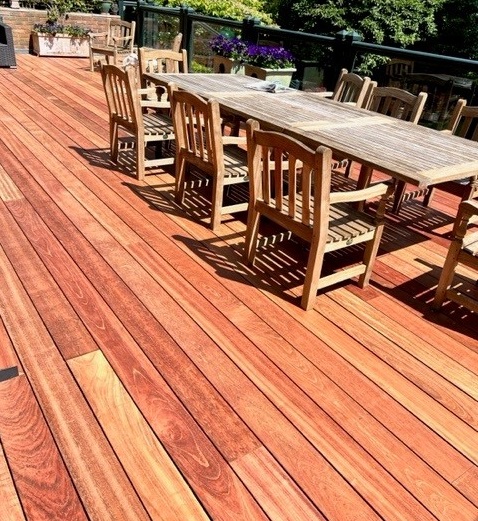
Yellow Balau Hardwood Components SVLK
-
-
Jatoba Hardwood Decking ***FSC®***
-

-
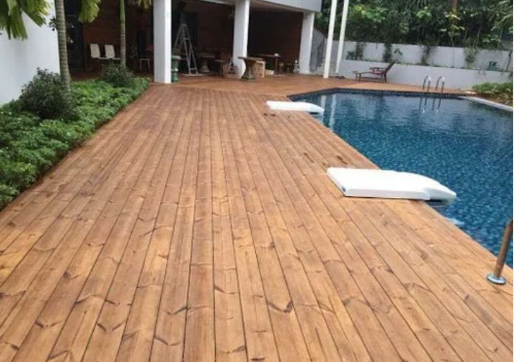
Thermory Benchmark Thermo-Ash Decking
-
-
Thermowood Pine Decking PEFC
-
-
Tali Hardwood Decking ***FSC®***
-
-
Thermory Spruce Decking PEFC
-
-
-
-
Western Red Cedar Cladding PEFC
-
-
Cedar Shingles & Ridge Tiles PEFC
-
-
Cedral Cement Board Cladding
-
-
Larch Cladding ***FSC®*** & PEFC
-
-
Douglas Fir Cladding PEFC
-
-
Thermo Ayous Cladding
-
-
Thermowood Pine Cladding PEFC
-

-
Black Cladding PEFC
-

-
Far Eastern Hardwood Cladding PEFC & SVLK
-

-
Thermory Radiata Pine Cladding ***FSC®***
-
-
Thermory Thermo-Ash Cladding
-

-
Thermory Thermo-Ash Decor Rhomb Tiles Internal
-
- SAUNA
- SLEEPERS
-
-
-
Osmo Treatment & Accessories
-
-
Owatrol Treatment & Accessories
-

-
Thermory Treatment & Fixings
-
-
Deckwise Hidden Fixings & Accessories
-
-
Decking Accessories
-
-
Spax Specialist Decking Screws
-

-
Spax Stainless Steel Facade Screws
-
-
Spax Construction Screws
-

-
Stainless Steel Nails
-
-
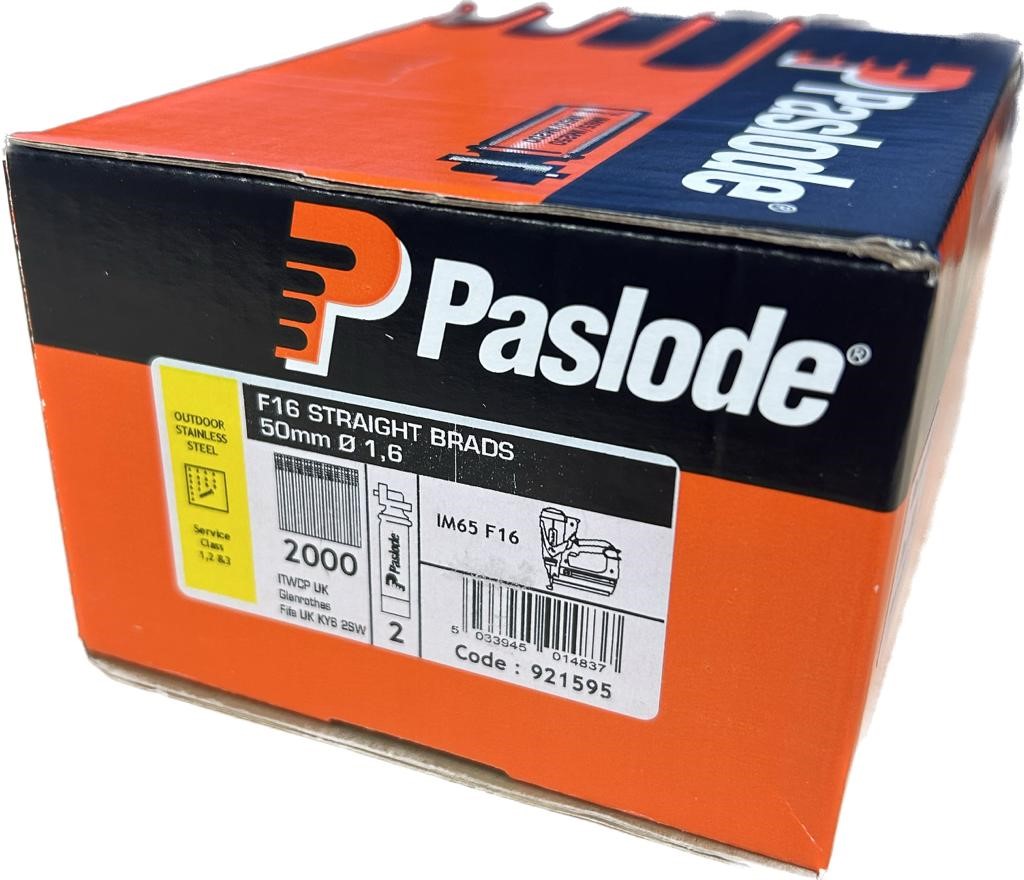
Paslode Stainless Steel Brads
-
-
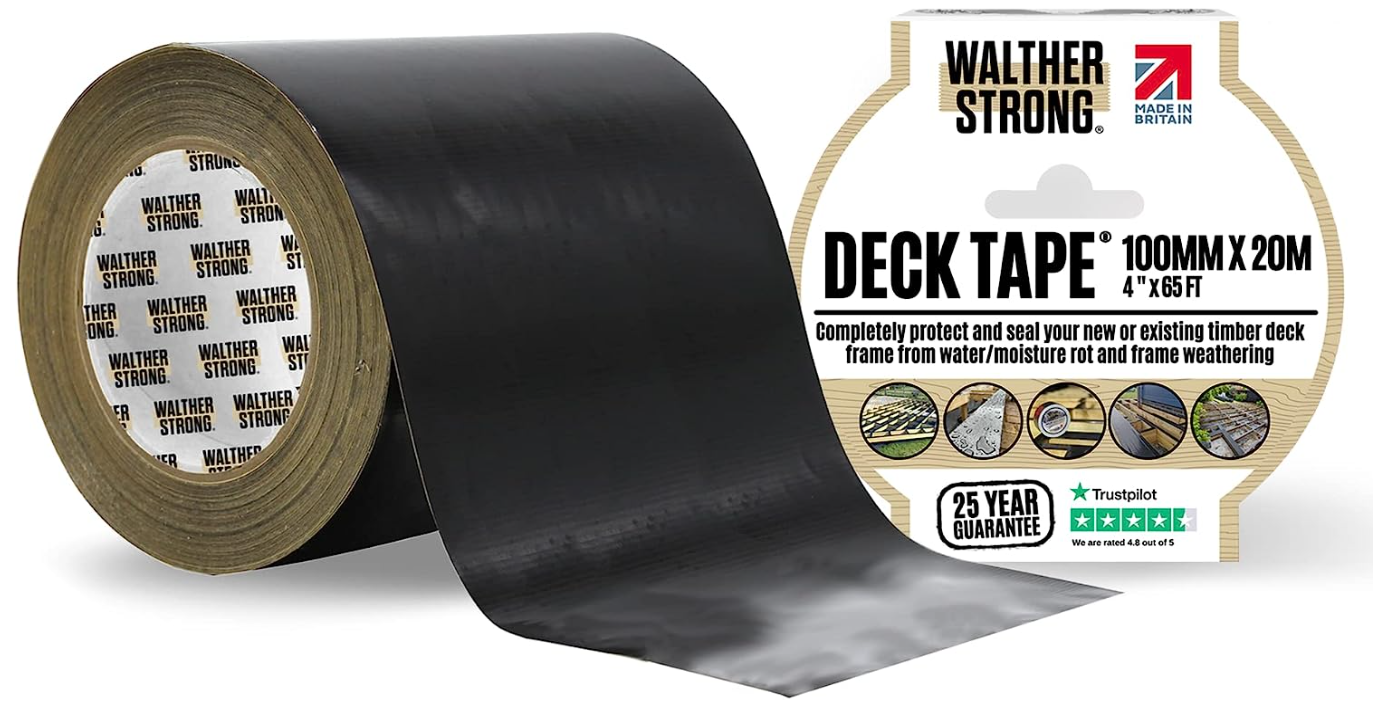
Walther Strong Deck Tape
-
-
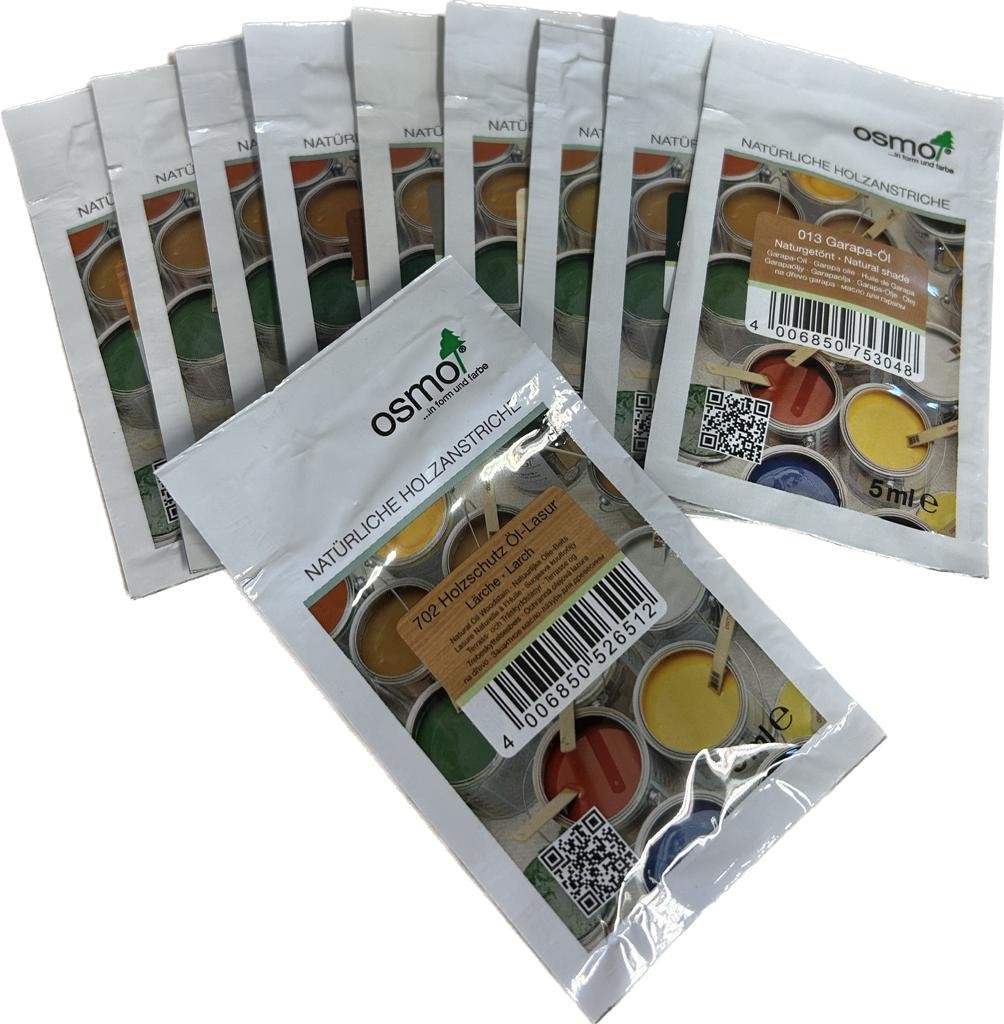
Treatment Samples
-
-
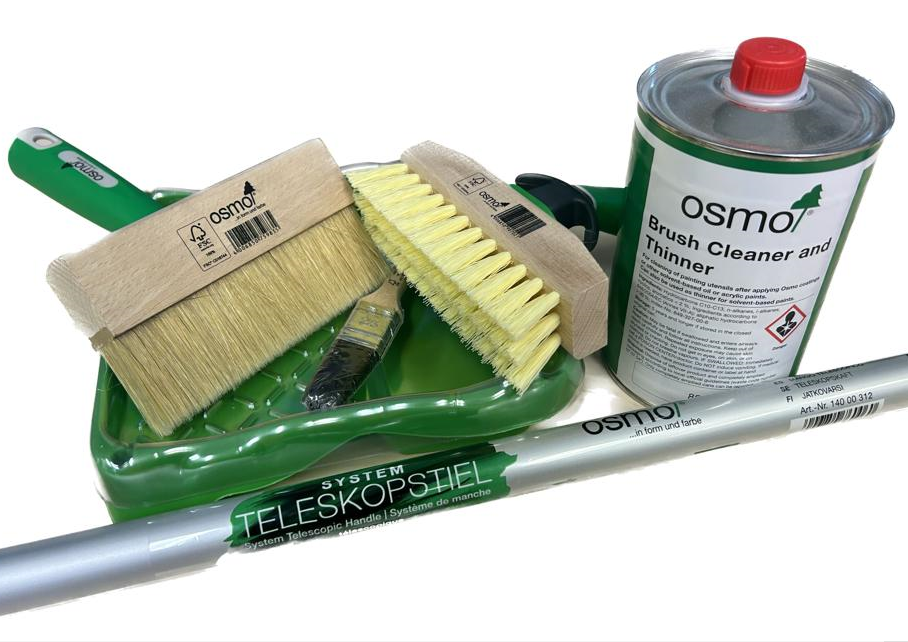
Brushes & Application Tools
-
-
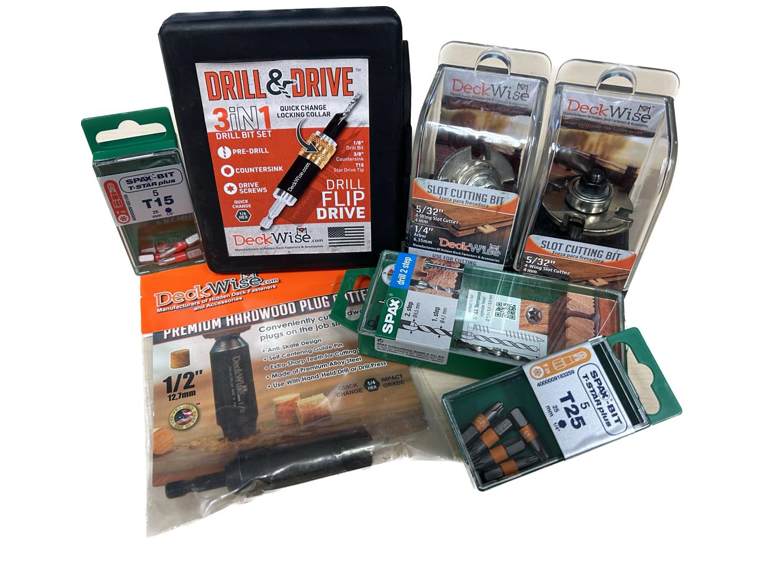
Drive Bits Router Bits & Plug Cutters
-
-
Cedral Accessories
-
- SAMPLES

How Long Does Cedar Fencing Last? We Asked Four Questions to Someone Who Works With It

by
Southgate Timber
September 05, 2026
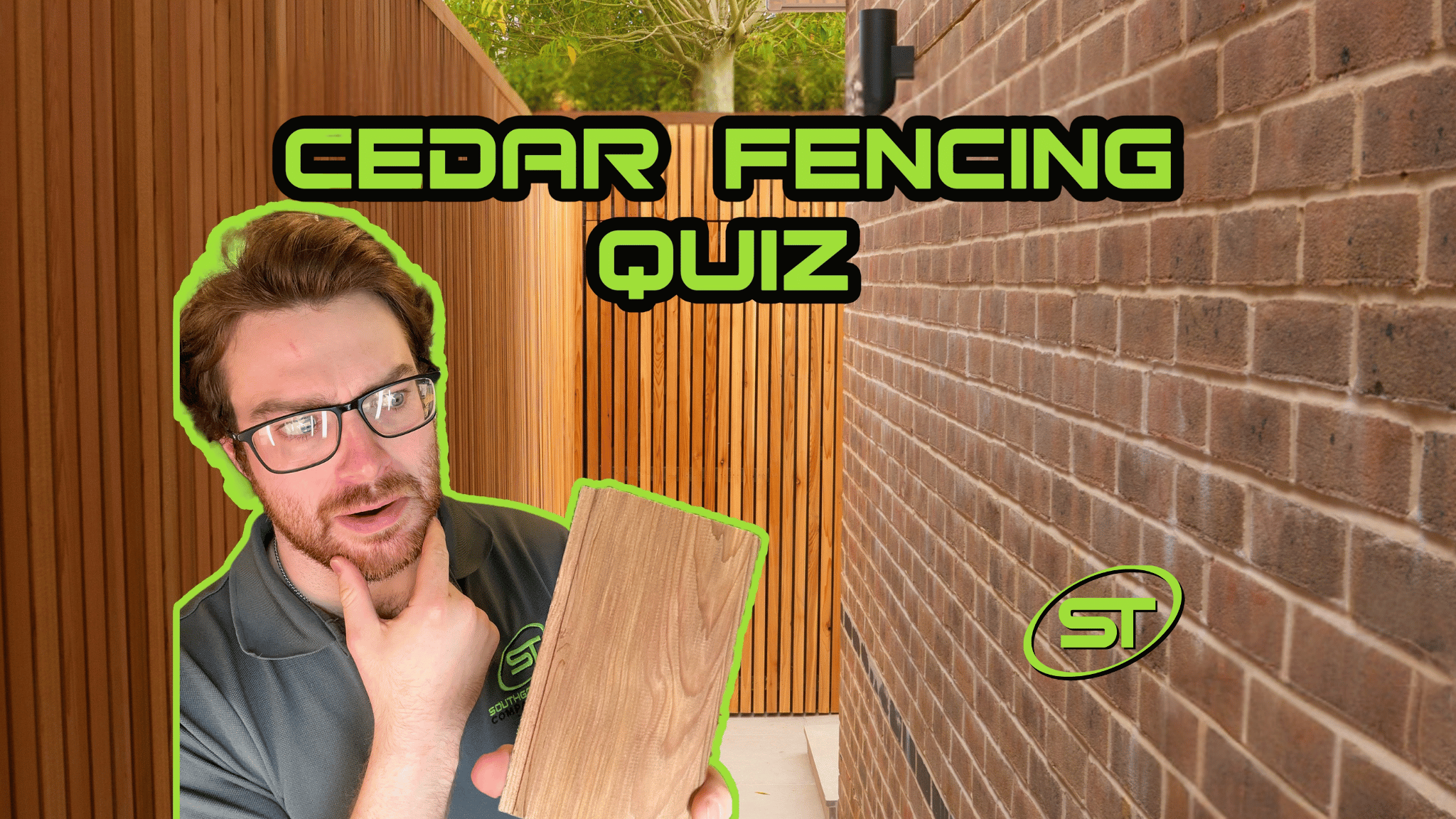


Western Red Cedar is a popular choice for premium fencing, but we still get plenty of questions about it. How long does cedar fencing actually last? Does it need treating? What should you use if you want to keep its natural colour? And is there an alternative if you want a more consistent finish? Rather than just giving you our answers, we put four questions to our customer Dan at DC Grounds & Gardens, who regularly works with our Western Red Cedar on landscaping projects. So, let’s take a look at what he had to say.
1. How long does Western Red Cedar fencing last?
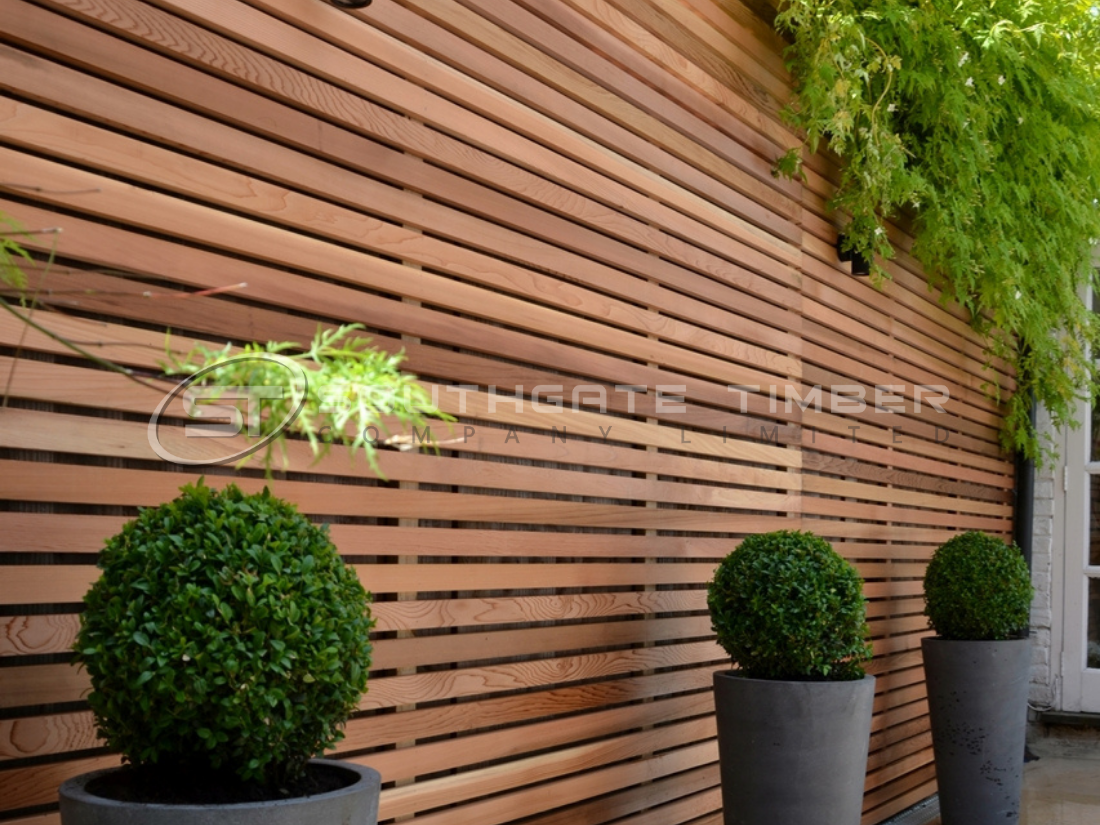
According to Dan, you can expect Western Red Cedar fencing to last 25 years or more, even without treatment. That might sound surprising for a softwood, but Western Red Cedar is naturally durable. Its heartwood contains natural oils and compounds that help it resist decay and insect attack without relying on chemical pressure treatment. That is one of the key differences between Western Red Cedar and standard pressure-treated softwood fencing. With pressure-treated timber, preservative is introduced into the wood to improve its durability. Western Red Cedar has that natural durability already.
So, does cedar fencing need treating?
Not necessarily. You don’t have to treat Western Red Cedar simply to make it last. Treatment is much more about maintaining the appearance you want.
What happens if you leave cedar fencing untreated?
If Western Red Cedar is left outside untreated, its warm red and brown tones will gradually weather to a silver-grey. That’s completely normal. It doesn’t mean the timber is failing or losing its durability. Some people actually choose Western Red Cedar because they like the natural silver-grey appearance it develops as it weathers. If you want to retain those warmer cedar tones, however, that’s where treatment becomes important.
2. What is the best treatment for cedar fencing?
When we asked Dan what he uses, his answer was Osmo 420 UV-Protection Oil, and it’s a product we regularly recommend for external timber too. Osmo 420 is a clear, satin, microporous finish designed to help protect exterior timber against the effects of UV and weathering. Because the finish is microporous, it allows the timber to breathe rather than creating a film over the surface. It also contains active ingredients designed to help protect the coating against mould, algae and fungal attack. It’s suitable for all exterior timber including fencing, cladding and joinery.
A couple of things to remember when treating cedar:
One of the biggest mistakes you can make is assuming that a new cedar fence needs to be oiled as soon as it has been installed. Freshly machined Western Red Cedar contains natural extractives which can make it difficult for a finish to properly penetrate the surface. Allowing the timber to weather first can help it accept the treatment more effectively.
You’ll also normally need two coats rather than one to achieve the intended finish. And remember: no clear treatment will permanently stop timber changing colour. If retaining the original appearance of your Western Red Cedar is important to you, expect some ongoing maintenance as the timber is exposed to sunlight and the weather.
Want to see the finish before treating the whole fence?
We stock Osmo 420 sample sachets along with timber samples, so you can test the product on an offcut first and see how it looks on your particular timber before committing to a larger quantity.
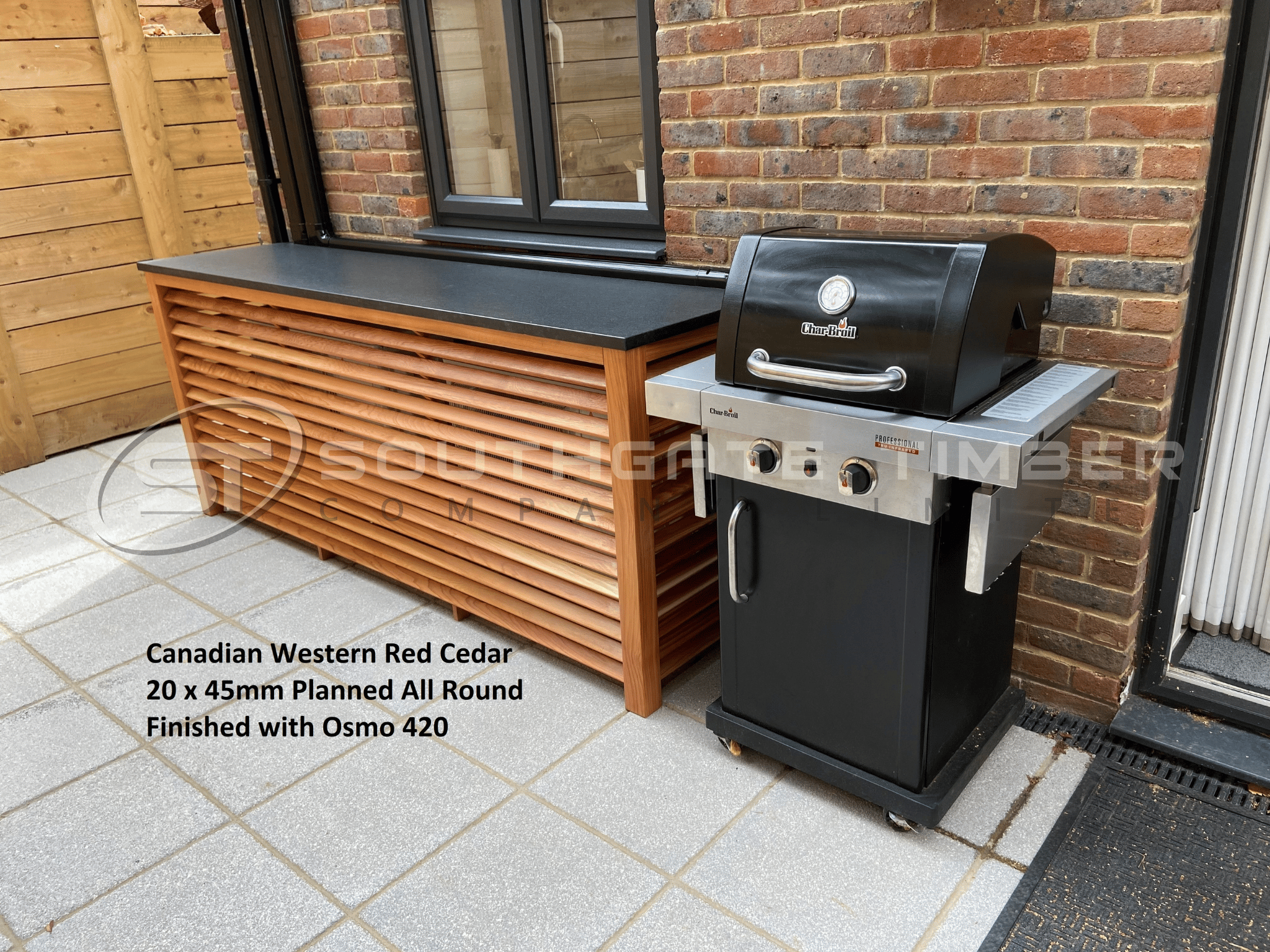
3. Is there an alternative to cedar with a more consistent colour?
Western Red Cedar is a natural timber, and variation is part of its appearance. One board might be relatively pale, while the next can have much deeper red and brown tones. For plenty of projects, that variation is exactly what makes Western Red Cedar so attractive. But it isn’t for everyone.
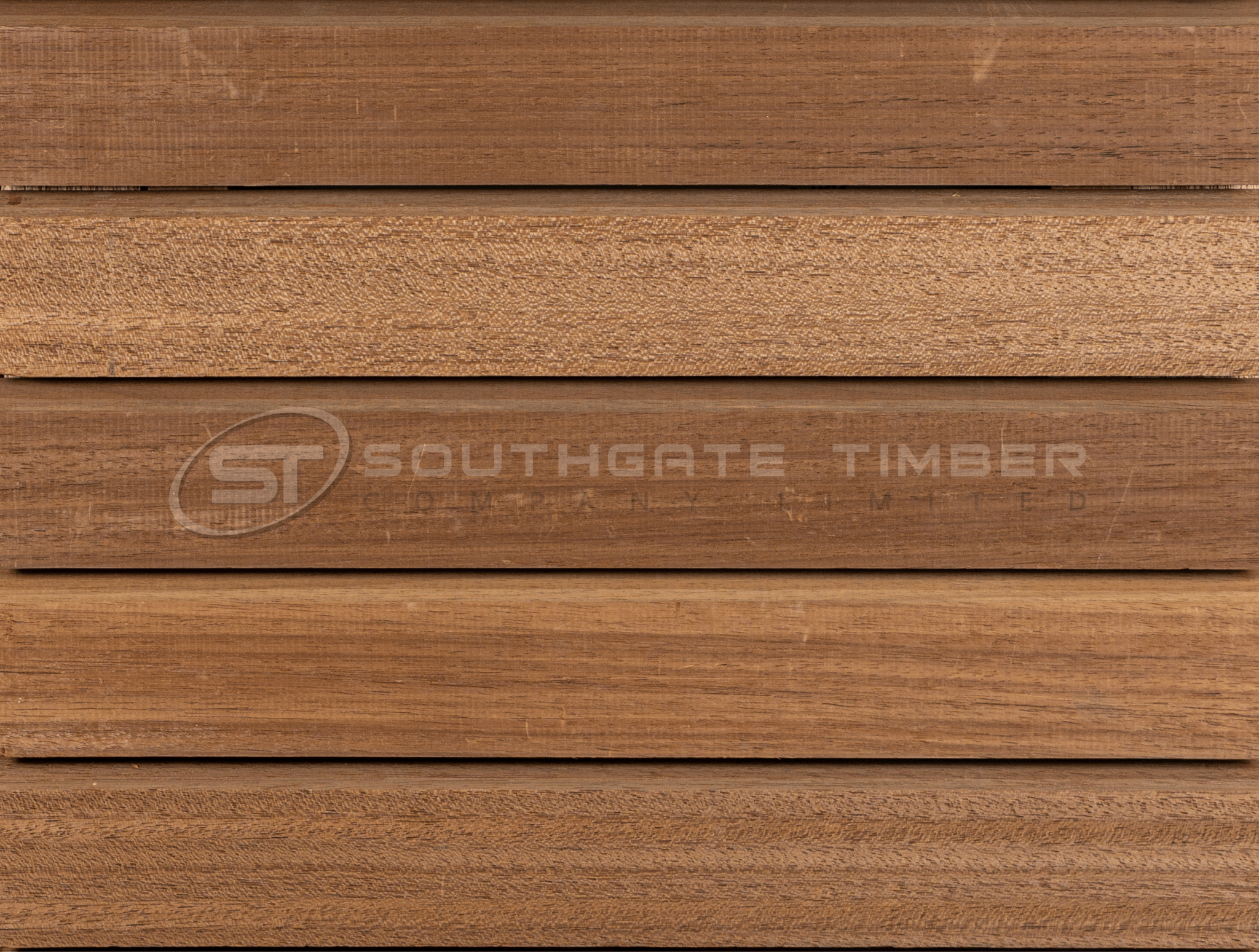
If you’re creating a long run of fencing or covering a large area and want a more uniform appearance from board to board, Thermo Ayous is another timber worth considering. Thermo Ayous is thermally modified using heat and steam rather than chemical preservatives. The thermal modification process changes the properties of the timber, improving its stability and durability while giving it a more consistent brown appearance. The process also reduces the timber’s tendency to absorb moisture, helping to reduce swelling and shrinking as conditions change throughout the year. That can be particularly useful across a large area where movement between individual boards is much easier to notice.
It’s important to remember that Thermo Ayous isn’t an imitation of Western Red Cedar. They’re different timbers with different appearances. And just like Cedar, Thermo Ayous will naturally weather and grey when exposed to UV if it is left uncoated.
So, if you love the natural colour variation of Cedar, Western Red Cedar may still be the obvious choice. If consistency across the project is more important, a thermally modified timber such as Thermo Ayous may be worth a look.
4. Where does Southgate Timber’s Western Red Cedar come from?
Our Western Red Cedar comes from the USA and Canada. Western Red Cedar grows naturally along the Pacific Northwest coast of North America and has long been used for exterior applications because of its combination of natural durability, stability and appearance. It’s also why it’s important to check exactly what you’re buying when you see timber described simply as “Cedar”. Our Western Red Cedar is PEFC certified stock, giving you traceability through the supply chain and confidence in where the timber has come from.
Want to see the full conversation? Watch our Western Red Cedar fencing quiz on YouTube, where we put all four questions to Dan from DC Grounds & Gardens.
Western Red Cedar or Thermo Ayous: which should you choose?
There isn’t one answer that’s right for every project. If you want the distinctive mix of warm reds, browns and natural variation associated with Western Red Cedar, it’s difficult to beat. If you’re happy for it to naturally weather to silver-grey, Western Red Cedar can also be a relatively low-maintenance option, you don’t need to continually treat it simply to maintain its durability. But if you want to retain those warmer tones, you’ll need to factor in treatment and ongoing maintenance.
And if your priority is a more consistent appearance from board to board, Thermo Ayous gives you another option to consider.
The best way to decide?
See the timbers for yourself. We hold a wide range of Western Red Cedar fencing and PAR in stock, with different profiles and lengths available to view in our showroom. If you’re deciding between Western Red Cedar and a thermally modified timber, you can also order samples on our website before committing to your project. Sometimes it’s much easier to make the decision once you’ve actually got the timber in your hands.
FAQ’s
Is Western Red Cedar good for garden fencing?
Yes. Western Red Cedar is naturally durable, stable and well suited to exterior use, making it a popular choice for garden fencing. It also has a distinctive natural appearance, with colours ranging from lighter honey tones through to deeper reds and browns.
Does Western Red Cedar fencing warp or shrink?
Western Red Cedar is known for its dimensional stability, which means it generally experiences less movement as moisture levels change than many other softwoods. As with any natural timber used outdoors, some movement can still occur, so correct storage and installation are important.
Can you paint or stain Western Red Cedar fencing?
Yes. Western Red Cedar can be finished with suitable exterior stains, oils and coatings if you want to change its appearance or help maintain a particular colour. Make sure the product is suitable for Western Red Cedar and follow the manufacturer’s preparation and application instructions.

General


