- TEL : 01277 890 783
- EMAIL : sales@southgatetimber.co.uk
- Collections Monday to Friday 9:00 - 16:00






 Profiles
 Fast and friendly delivery service
 Samples available
 Click & Collect



-
-
-
IPE Hardwood Decking ***FSC®***
-
-
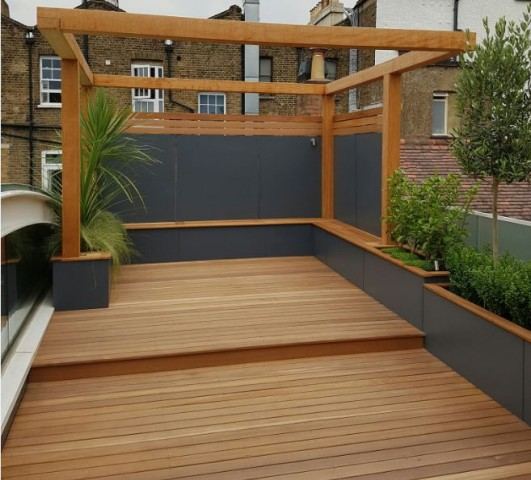
Iroko Hardwood Decking
-
-
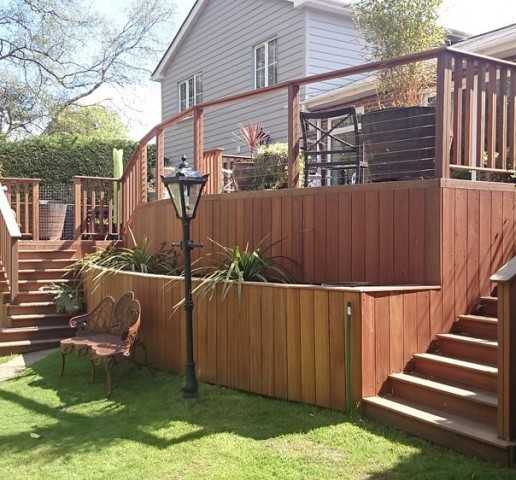
Yellow Balau Hardwood Decking ***FSC®*** & SVLK
-
-
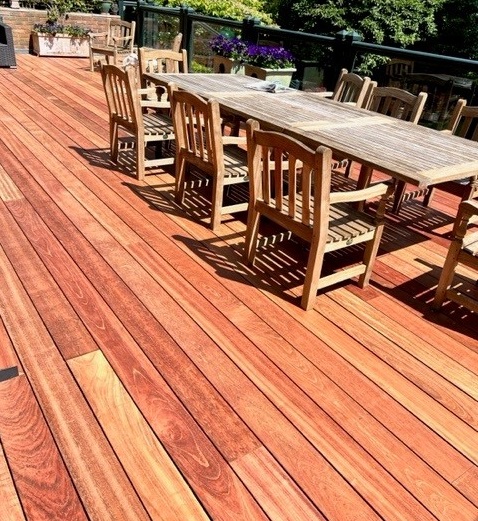
Yellow Balau Hardwood Components SVLK
-
-
Jatoba Hardwood Decking ***FSC®***
-

-
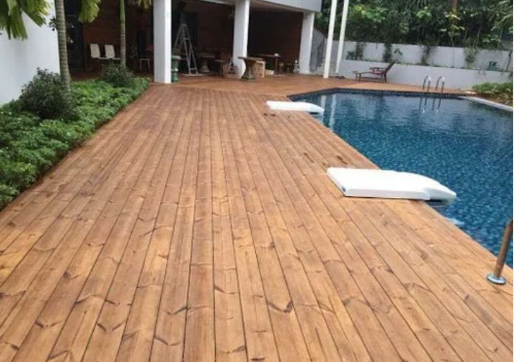
Thermory Benchmark Thermo-Ash Decking
-
-
Thermowood Pine Decking PEFC
-
-
Tali Hardwood Decking ***FSC®***
-
-
Thermory Spruce Decking PEFC
-
-
-
-
Western Red Cedar Cladding PEFC
-
-
Cedar Shingles & Ridge Tiles PEFC
-
-
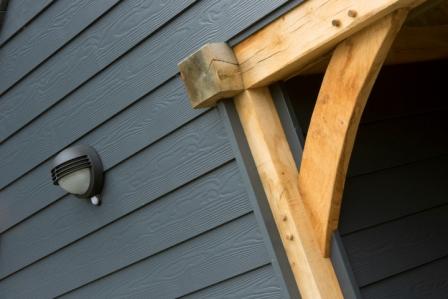
Cedral Cement Board Cladding
-
-
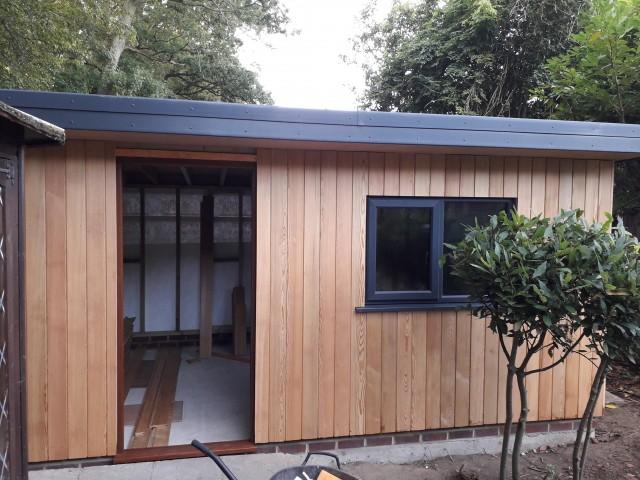
Larch Cladding ***FSC®*** & PEFC
-
-
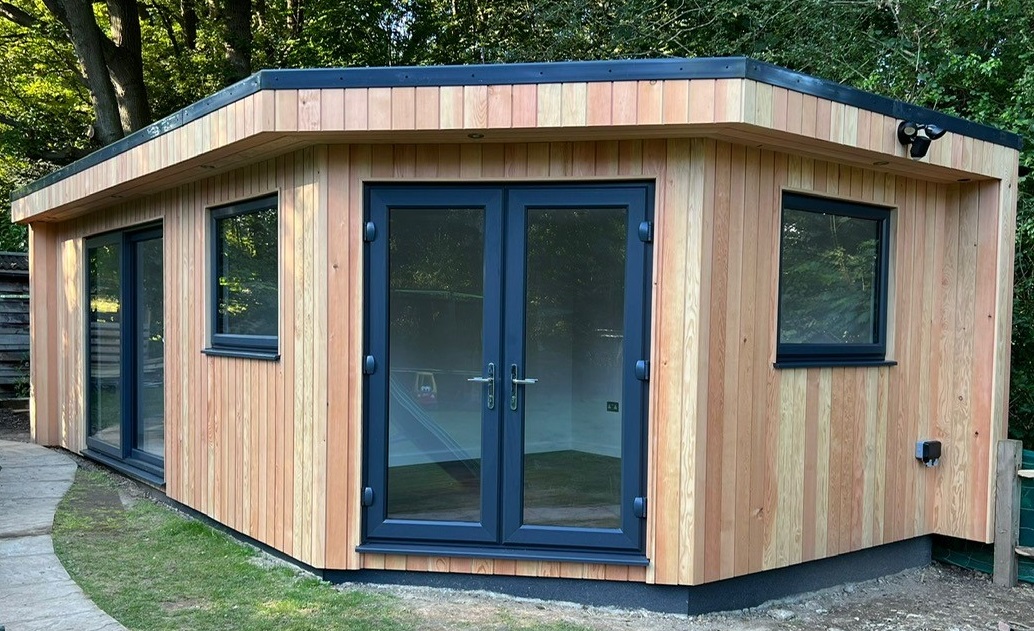
Douglas Fir Cladding PEFC
-
-
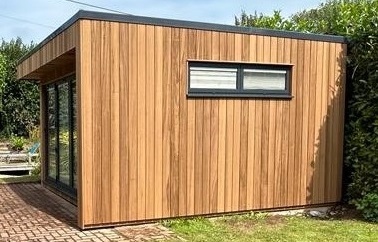
Thermo Ayous Cladding
-
-
Thermowood Pine Cladding PEFC
-

-
Black Cladding PEFC
-

-
Far Eastern Hardwood Cladding PEFC & SVLK
-

-
Thermory Radiata Pine Cladding ***FSC®***
-
-
Thermory Thermo-Ash Cladding
-

-
Thermory Thermo-Ash Decor Rhomb Tiles Internal
-
- SAUNA
- SLEEPERS
-
-
-
Osmo Treatment & Accessories
-
-
Owatrol Treatment & Accessories
-

-
Thermory Treatment & Fixings
-
-
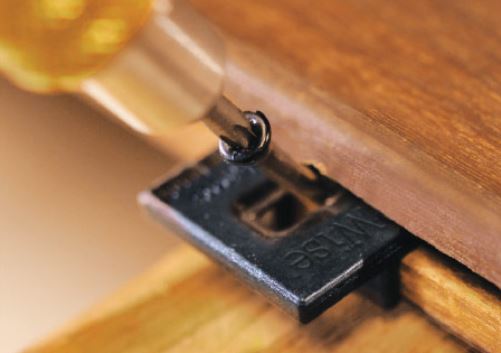
Deckwise Hidden Fixings & Accessories
-
-
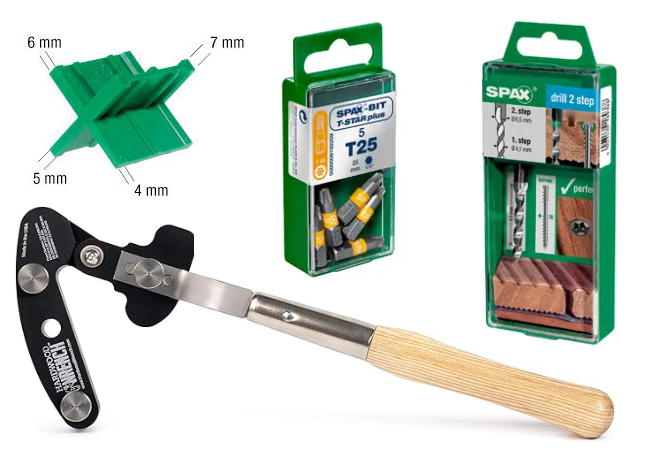
Decking Accessories
-
-
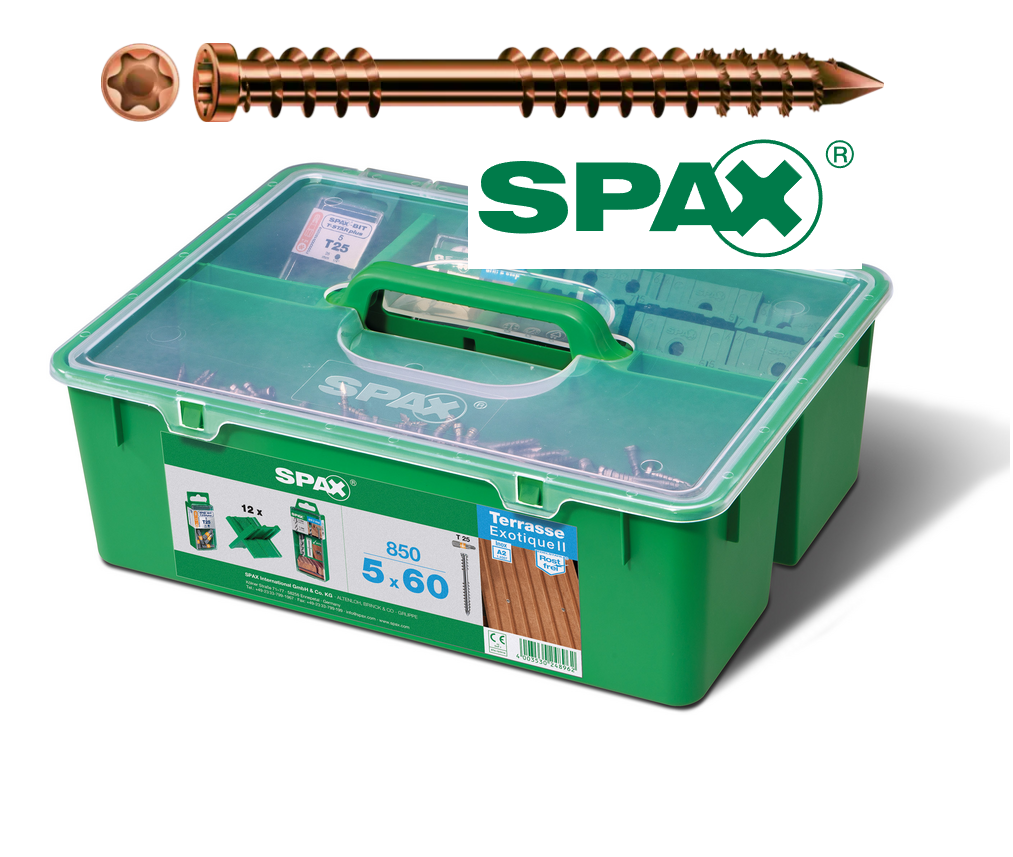
Spax Specialist Decking Screws
-
-
Spax Stainless Steel Facade Screws
-
-
Spax Construction Screws
-

-
Stainless Steel Nails
-
-
Paslode Stainless Steel Brads
-
-
Walther Strong Deck Tape
-
-
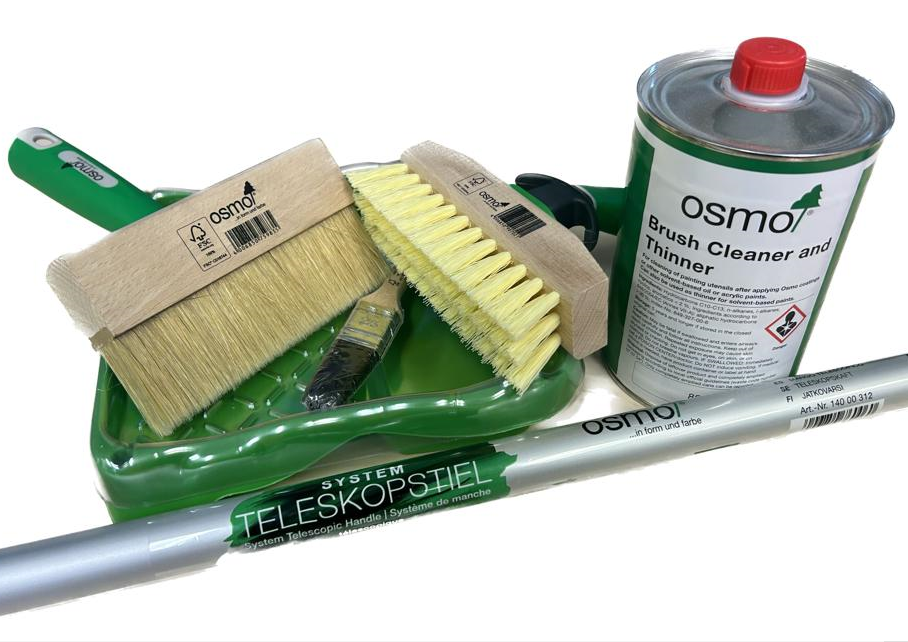
Treatment Samples
-
-
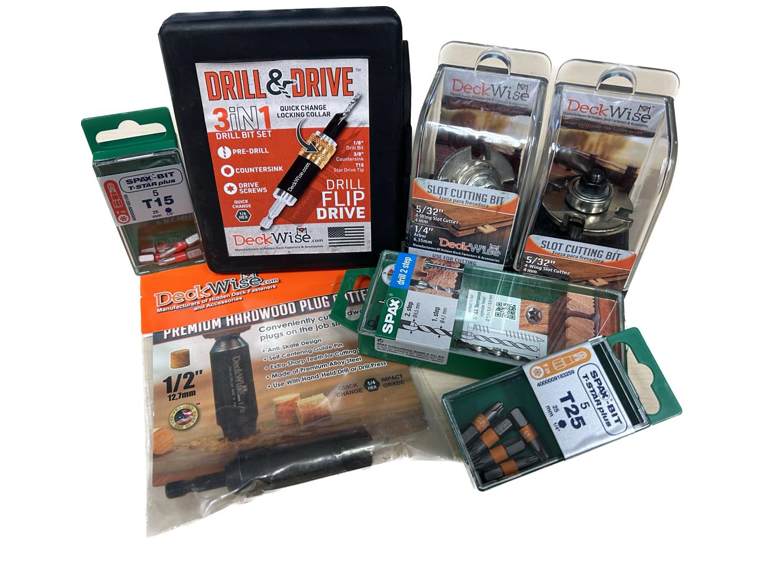
Brushes & Application Tools
-
-
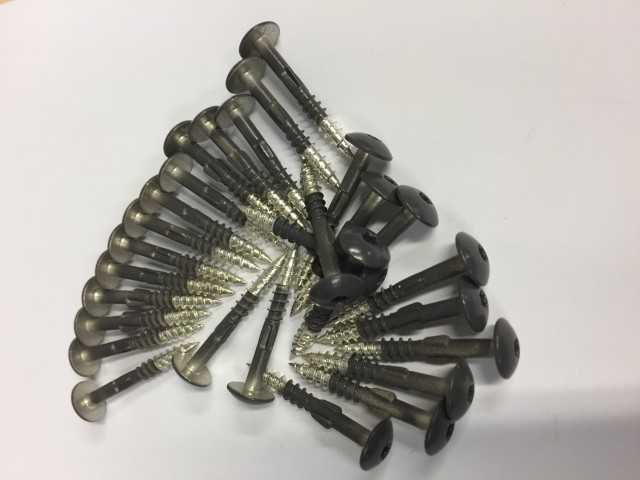
Drive Bits Router Bits & Plug Cutters
-
-
Cedral Accessories
-
- SAMPLES

Debunking 5 Common Myths About Douglas Fir Fencing

by
Southgate Timber
June 11, 2025


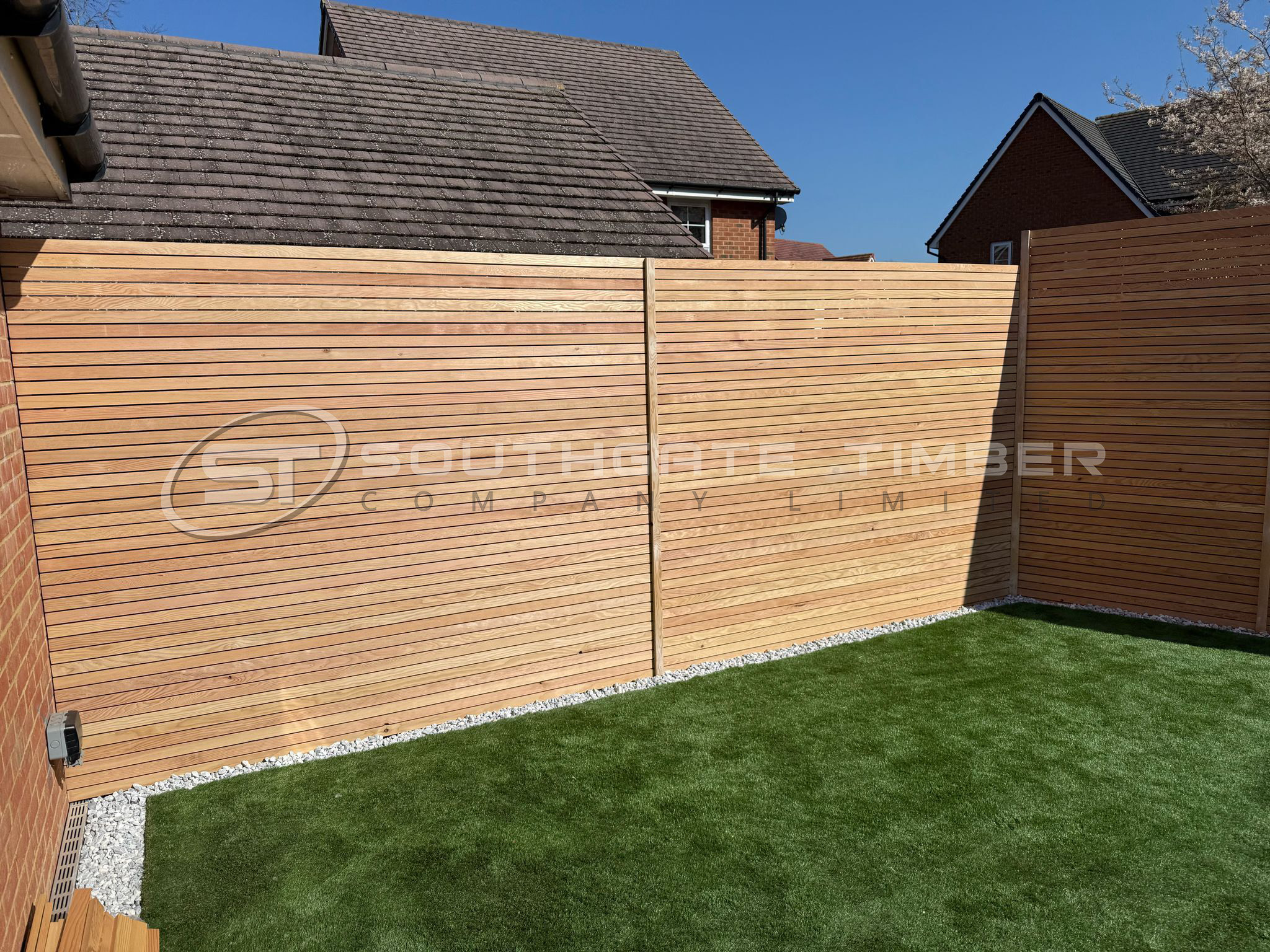
Douglas Fir is one of the most versatile and underrated softwoods used in UK fencing, but it’s also surrounded by a fair bit of confusion. At Southgate Timber, we’re here to set the record straight. Whether you’re considering Douglas Fir P.A.R battens for your next fencing project or simply want to understand your timber options better, this blog will debunk the most common myths we hear.
Myth 1: “Douglas Fir isn’t durable enough for outdoor fencing.”
Truth: Douglas Fir is naturally tough, stable, and long-lasting – especially when properly finished.
While it is a softwood, Douglas Fir is one of the strongest and most resilient in its class. It’s commonly used in structural applications in Europe and North America for a reason. With correct installation and a suitable exterior wood finish or UV-protective oil, it can easily withstand the British climate.
Myth 2: “It’ll warp or twist quickly in changing weather.”
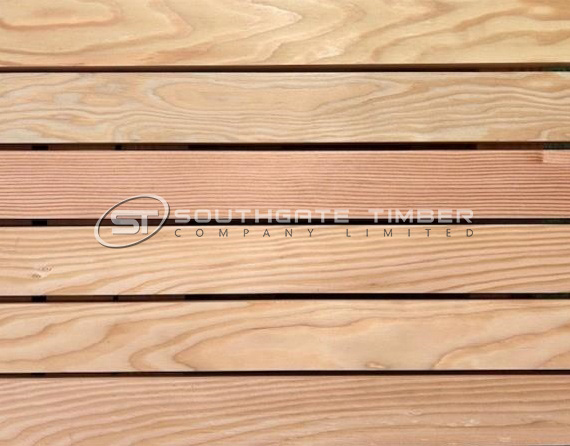
Truth: Douglas Fir has excellent dimensional stability.
Warping often happens due to poor installation or moisture imbalance. At Southgate Timber, our P.A.R (Planed All Round) Douglas Fir battens are kiln-dried for consistent performance. If you follow best practices (spaced battens, pre-drilling, stainless steel fixings), Douglas Fir fencing remains clean, straight, and stylish for years.
Myth 3: “It’s not as attractive as Cedar or Larch.”
Truth: Douglas Fir has a warm, character-rich grain that looks beautiful in modern gardens.
Its warm tones and tight grain structure give Douglas Fir a subtle charm that works brilliantly for horizontal or vertical slatted fencing. Over time, like other timbers, it will silver naturally – or you can preserve its colour with a quality treatment. It’s a fantastic balance of beauty and value.
Myth 4: “It needs constant maintenance to last.”
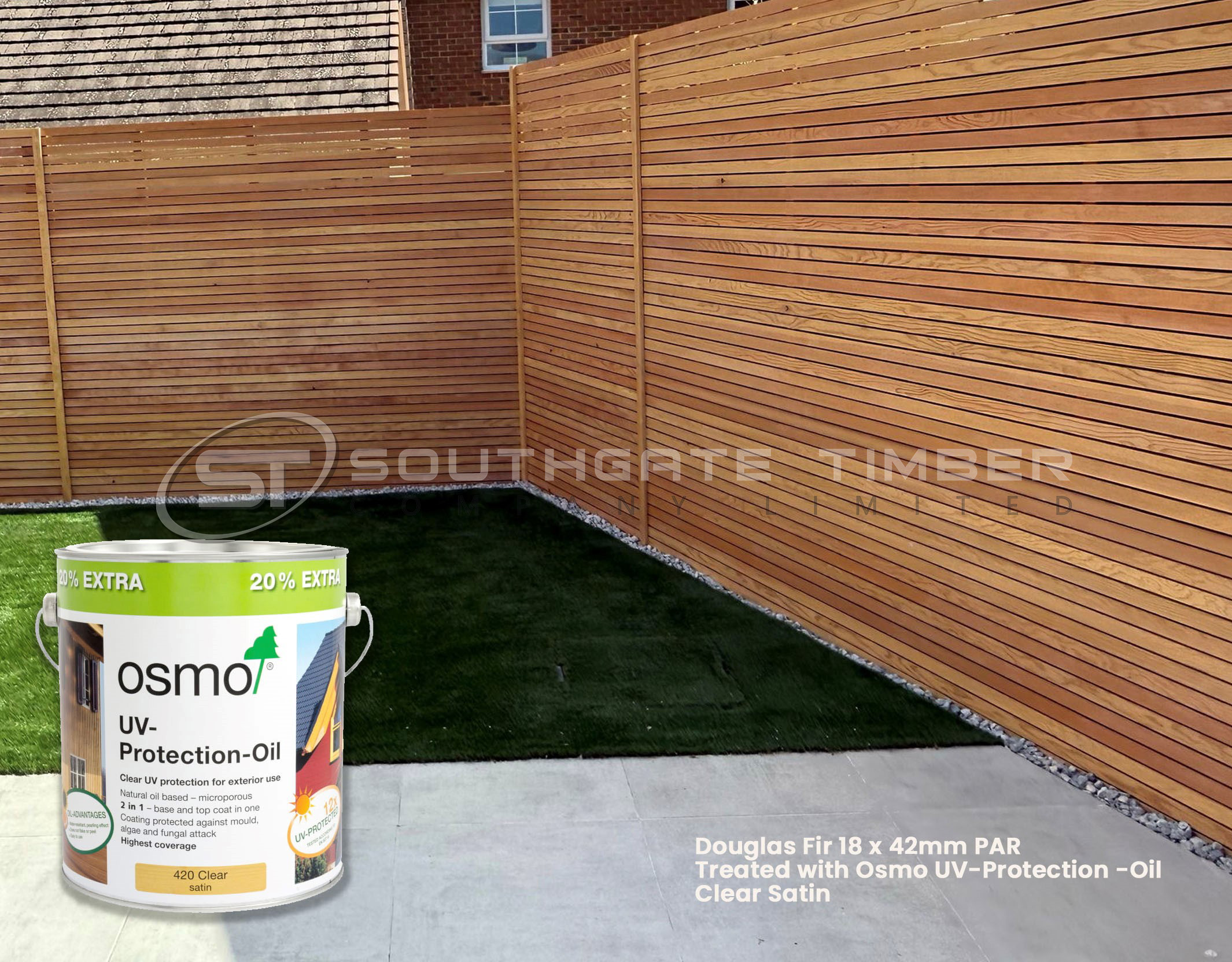
Truth: Douglas Fir is low maintenance, especially if you decide to treat from the start.
Like all exterior timbers, it's not a necessity to treat Douglas Fir and it will last for years to come without, but all timber benefits from an initial coat of UV protection oil. After that, occasional reapplication (every 1–2 years) is usually enough to maintain its appearance and longevity. No need for heavy upkeep.
Myth 5: “Cedar is always a better choice.”
Truth: Cedar is fantastic, but Douglas Fir offers better value for certain projects.
Western Red Cedar is premium and naturally rot-resistant — but Douglas Fir is a cost-effective alternative that still delivers strength, style, and longevity. If you’re working with a budget but still want a quality, high-performance timber, Douglas Fir is absolutely worth considering.
Why Choose Douglas Fir Fencing from Southgate Timber?
- Premium-quality P.A.R battens in a range of sizes
- Kiln-dried and ready to install
- Excellent stock levels and nationwide delivery
- Expert advice and support from our timber specialists
Don’t let outdated assumptions stop you from choosing the right timber for your project. Douglas Fir is a solid, stylish, and sustainable fencing option that delivers – and at Southgate Timber, we’re here to help you make the most of it.

General
Recommended for you
View all
Douglas Fir Fencing
The Rise in Popularity of Douglas Fir: Why It’s the Timber of the Moment
April 25, 2025
Douglas Fir Fencing
Debunking 5 Common Myths About Douglas Fir Fencing
June 11, 2025
Western Red Cedar Fencing & PAR
How Long Does Cedar Fencing Last? We Asked Four Questions to Someone Who Works With It
September 05, 2026