- TEL : 01277 890 783
- EMAIL : sales@southgatetimber.co.uk
- Collections Monday to Friday 9:00 - 16:00






 Profiles
 Fast and friendly delivery service
 Samples available
 Click & Collect



-
-
-
IPE Hardwood Decking ***FSC®***
-
-
Iroko Hardwood Decking
-
-
Yellow Balau Hardwood Decking ***FSC®*** & SVLK
-
-
Yellow Balau Hardwood Components SVLK
-
-
Jatoba Hardwood Decking ***FSC®***
-

-
Thermory Benchmark Thermo-Ash Decking
-
-
Thermowood Pine Decking PEFC
-
-
Tali Hardwood Decking ***FSC®***
-
-
Thermory Spruce Decking PEFC
-
-
-
-
Western Red Cedar Cladding PEFC
-
-
Cedar Shingles & Ridge Tiles PEFC
-
-
Cedral Cement Board Cladding
-
-
Larch Cladding ***FSC®*** & PEFC
-
-
Douglas Fir Cladding PEFC
-
-
Thermo Ayous Cladding
-
-
Thermowood Pine Cladding PEFC
-

-
Black Cladding PEFC
-

-
Far Eastern Hardwood Cladding PEFC & SVLK
-

-
Thermory Radiata Pine Cladding ***FSC®***
-
-
Thermory Thermo-Ash Cladding
-

-
Thermory Thermo-Ash Decor Rhomb Tiles Internal
-
- SAUNA
- SLEEPERS
-
-
-
Osmo Treatment & Accessories
-
-
Owatrol Treatment & Accessories
-

-
Thermory Treatment & Fixings
-
-
Deckwise Hidden Fixings & Accessories
-
-
Decking Accessories
-
-
Spax Specialist Decking Screws
-
-
Spax Stainless Steel Facade Screws
-
-
Spax Construction Screws
-

-
Stainless Steel Nails
-
-
Paslode Stainless Steel Brads
-
-
Walther Strong Deck Tape
-
-
Treatment Samples
-
-
Brushes & Application Tools
-
-
Drive Bits Router Bits & Plug Cutters
-
-
Cedral Accessories
-
- SAMPLES

Answering Ten Of Your Most Common Questions About Western Red Cedar

by
Southgate Timber
June 06, 2024


With popularity comes a boat load of questions, and since Western Red Cedar is famous for being the most desirable fencing and cladding material on the market, the questions are endless! Today, we’re going to answer some of the most common questions people ask about Western Red Cedar, so hopefully we can put some of your own confusions to rest.
Why is Western Red Cedar so desirable?
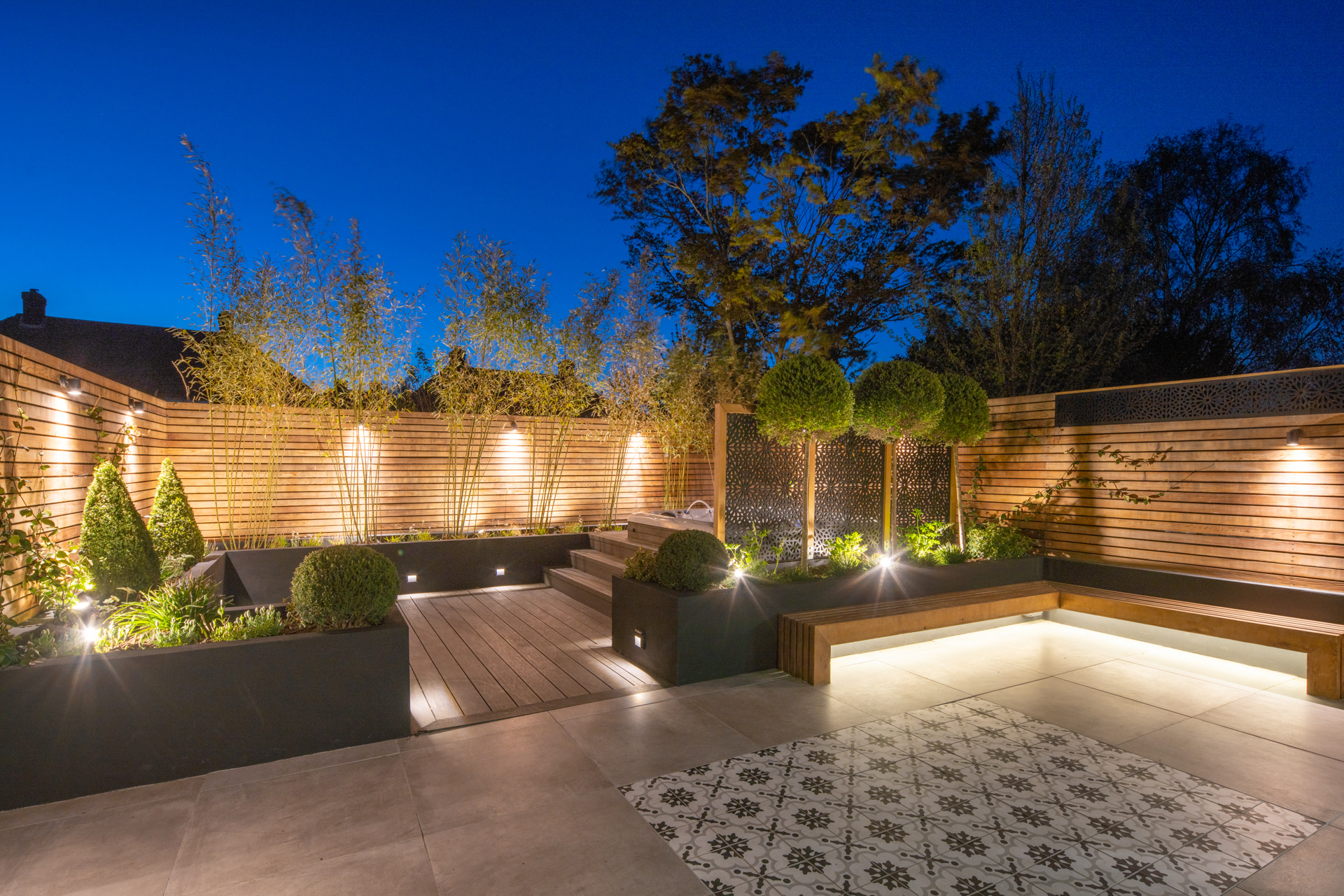
Of course, everyone wants to know what all the fuss is about when it comes to Western Red Cedar. And the answer is simple. It’s the superior durability and stability that make it an excellent choice for external applications in both residential and commercial projects. It’s naturally resistant to decay and insect damage, and furthermore, the aesthetic beauty of that Western Red Cedar glow is unmatched!
Is it expensive?
As you can probably guess, all of its amazing properties place Western Red Cedar at the more luxury end of the market, including its prices. It’s definitely worth the cost, but in terms of budget, it’s probably not the friendliest choice. So, if budgeting is a factor of concern for you, it might be worth considering cheaper alternatives.
How long does Western Red Cedar last?
As mentioned before, this is a highly durable timber. It has natural preservatives within the timber that act as a built-in resistance to all things harmful like termites, moisture change, and decay. This is what makes the timber capable of lasting 50 years or more! Even Western Red Cedar cladding that is not in contact with the ground will last in excess of 35 years.
Can you leave Cedar untreated?
While it’s recommended that you treat your timber, it’s definitely not a requirement. Like any other timber, it’s encouraged you treat your Cedar to preserve its lifespan and restore your wood’s natural colour. But you’re more than welcome to allow your Cedar to naturally weather overtime and just provide it with the occasional clean.
Does it turn grey?
If we’re talking about leaving your timber untreated, then you should know that it does grey overtime as it naturally weathers. But this particular trendy, silvered Western Red Cedar has a very unique appeal to it as it subtly blends into its surroundings, brining out the colours of your plants.
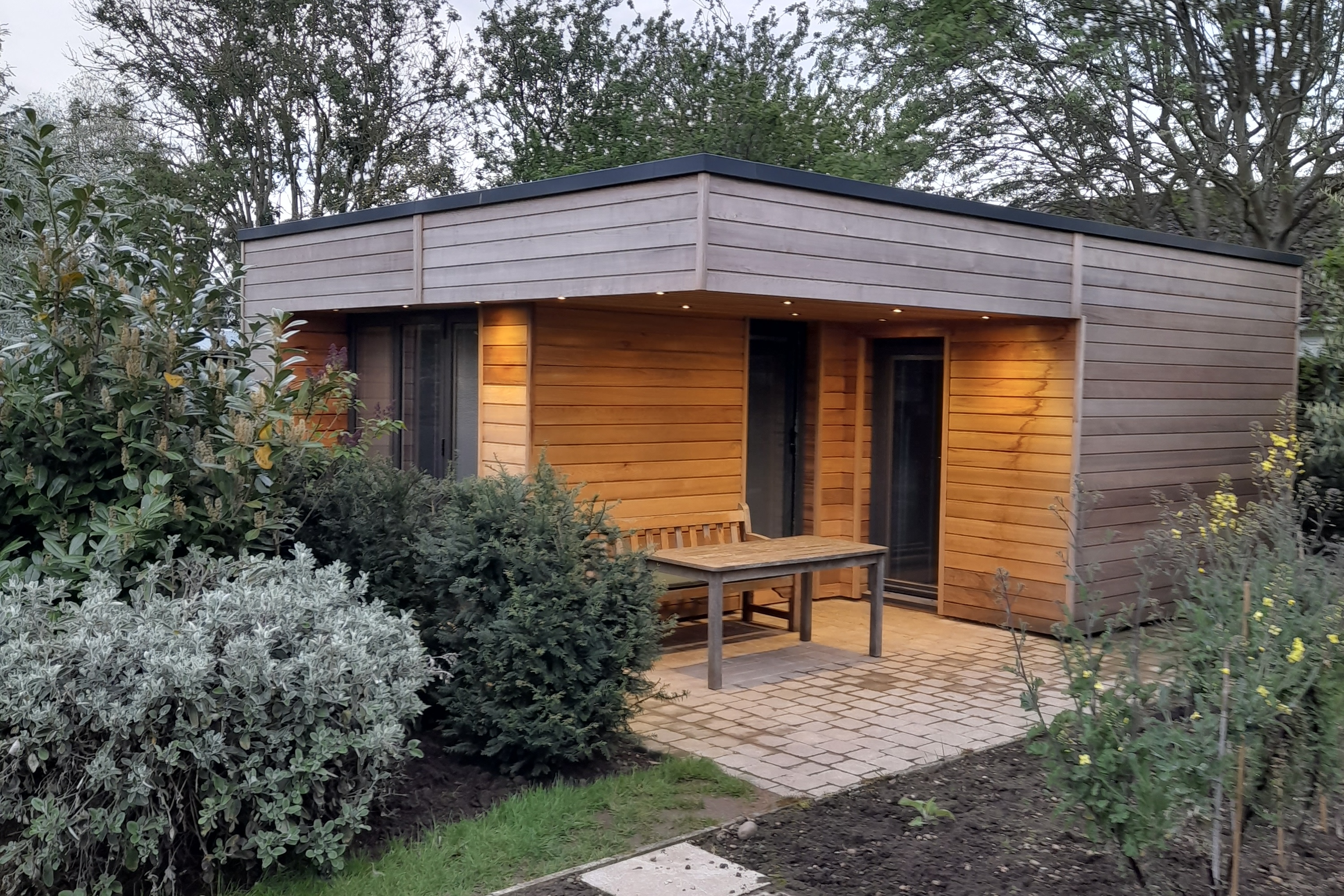
Is it easy to work with?
Being a softwood, Western Red Cedar is among the easiest timbers to work with. It machines well because of its straight grain and uniform texture, and its low density means it requires little energy to saw or use in construction.
Is Western Red Cedar waterproof?
As mentioned before, this timber contains natural oils working as preservatives within the timber that gives it rot-resistant properties. It actively protects it from water absorption and moisture damage.
Does Western Red Cedar warp?
Once the timber has been properly acclimatised, it’s well-known for its very low shrinkage factors and resistance to warping, renowned for its resilience and keeping out moisture to prevent it from bending or twisting. But depending on how the Cedar is shipped will determine what’s needed to acclimatise the wood when first purchased. Some stock can be kiln-dried, while some might be shipping dry. Should it be shipping dry, we recommend separating the boards with even support in a well-ventilated location for a couple of weeks to remove any initial moisture. After this, the boards will suffer little shrinkage or expansion.
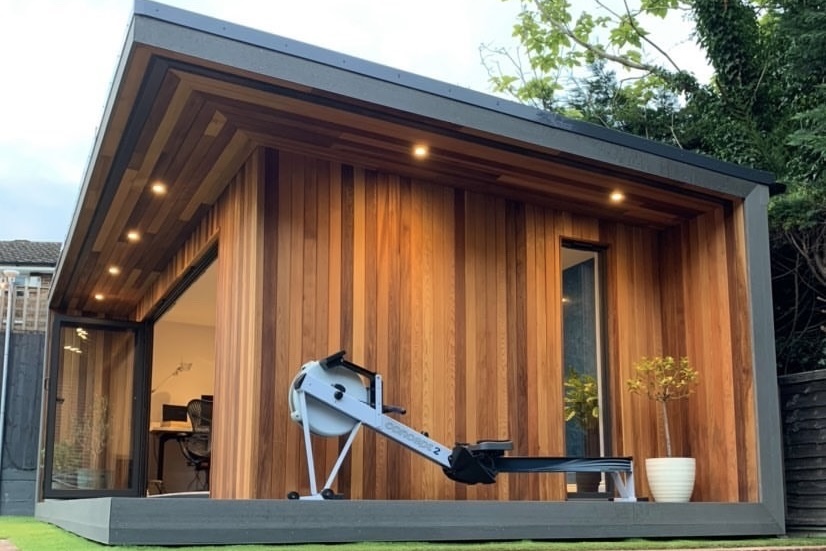
Is it fire-resistant?
Whilst all wood is susceptible to burning, Western Red Cedar actually has a very low flammability rate which means the possibility of flame spreading is limited, and this is the best we can ask for in a timber material.
What are the disadvantages of Western Red Cedar?
None! As a seller, we might be biased, but we believe the only possible disadvantage is the cost of the material. Other than that, it possesses all the necessary characteristics a timber building material should provide, so the only other potential disadvantage would be down to preference in colour.
Now these are just some of the most common questions that are asked, but if you find yourself still left with some unanswered, then please get in touch with us as we’re more than happy to help!

General

