- TEL : 01277 890 783
- EMAIL : sales@southgatetimber.co.uk
- Collections Monday to Friday 9:00 - 16:00







 Profiles
 Fast and friendly delivery service
 Samples available
 Click & Collect



-
-
-
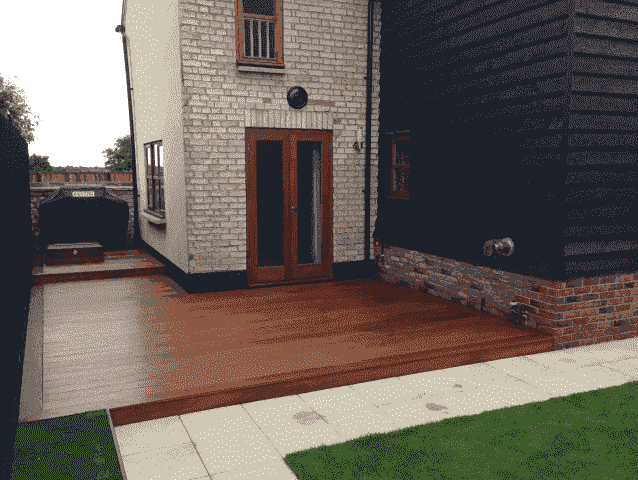
IPE Hardwood Decking ***FSC®***
-
-
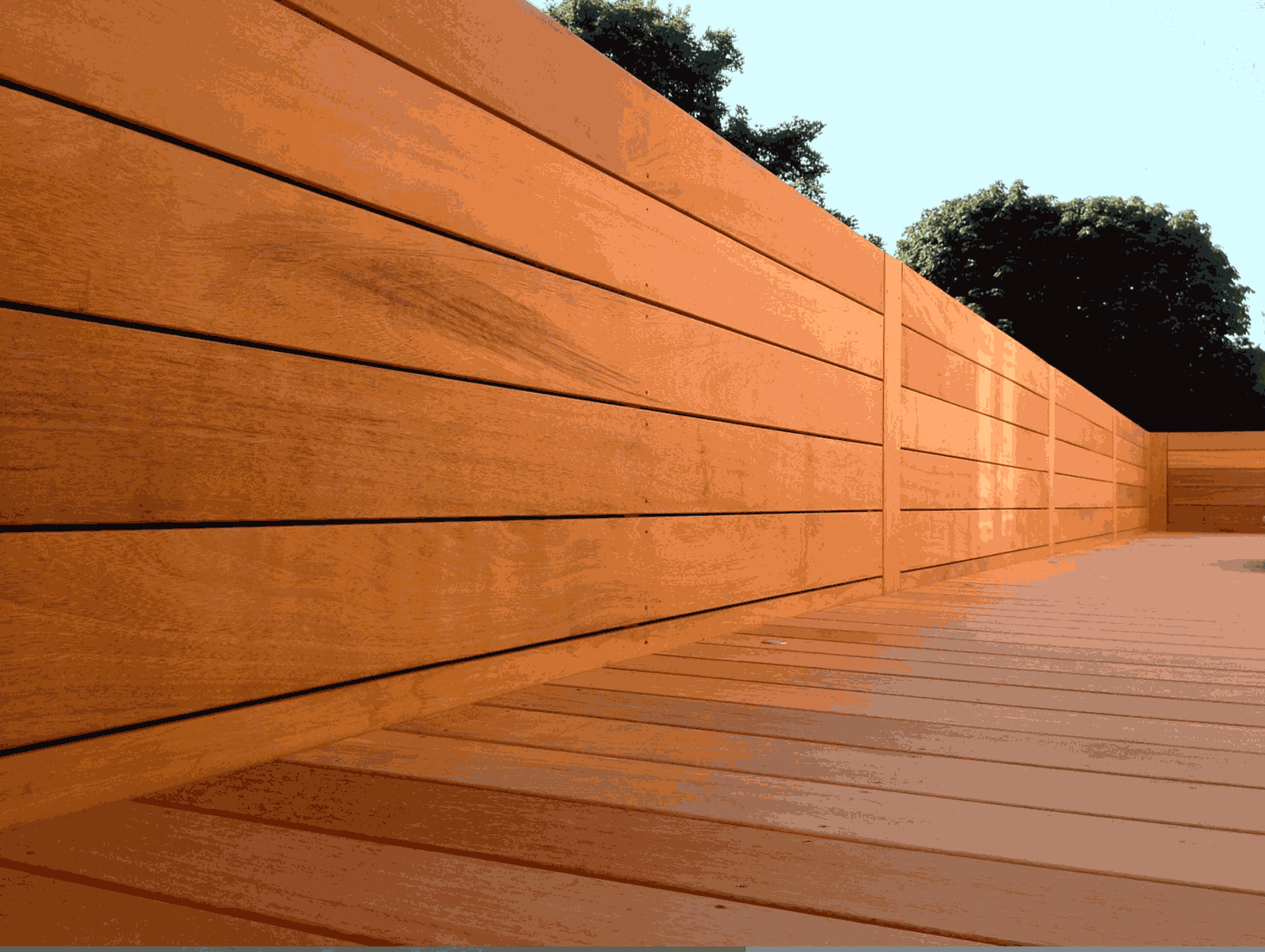
Iroko Hardwood Decking
-
-
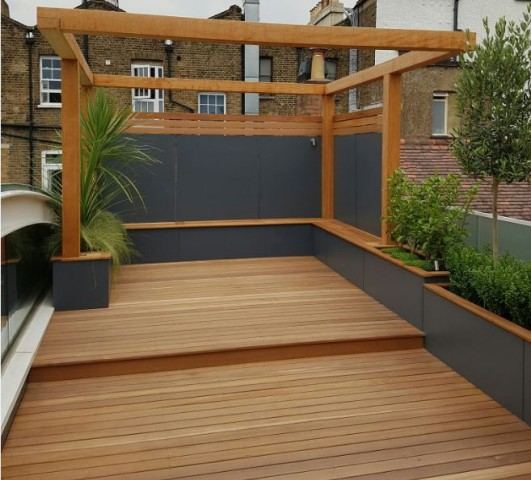
Yellow Balau Hardwood Decking ***FSC®*** & SVLK
-
-
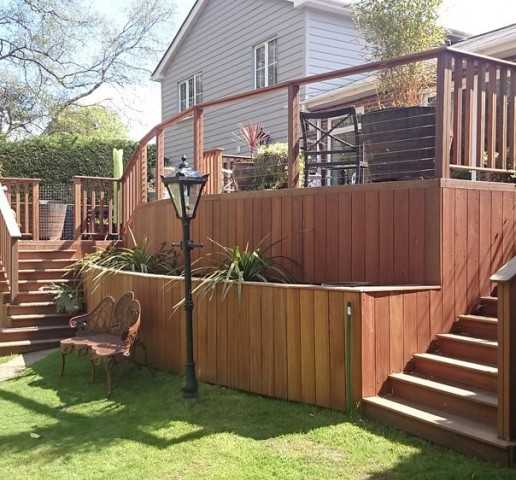
Yellow Balau Hardwood Components SVLK
-
-
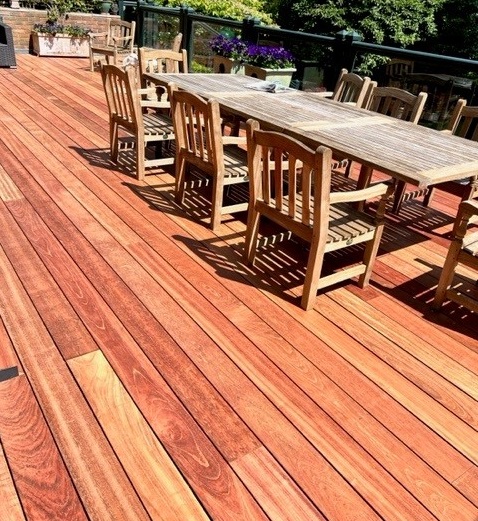
Jatoba Hardwood Decking ***FSC®***
-

-
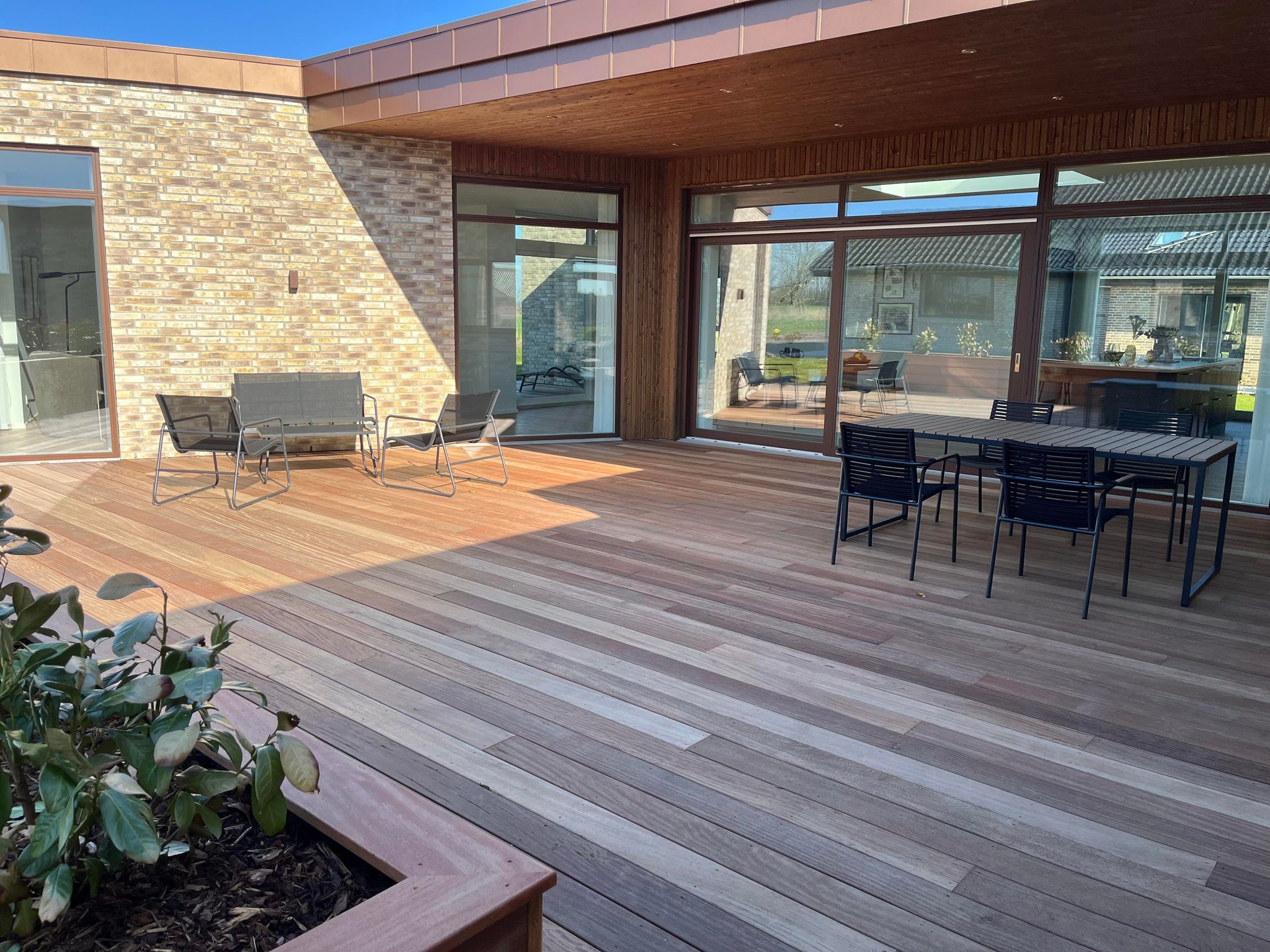
Thermory Benchmark Thermo-Ash Decking
-
-
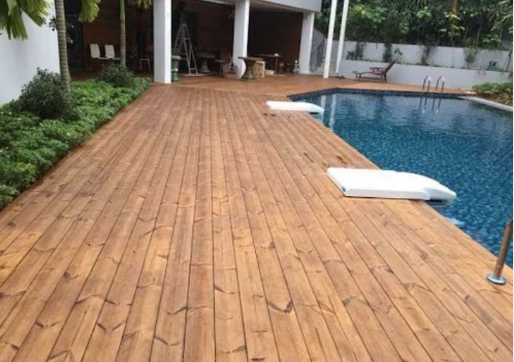
Thermowood Pine Decking PEFC
-
-
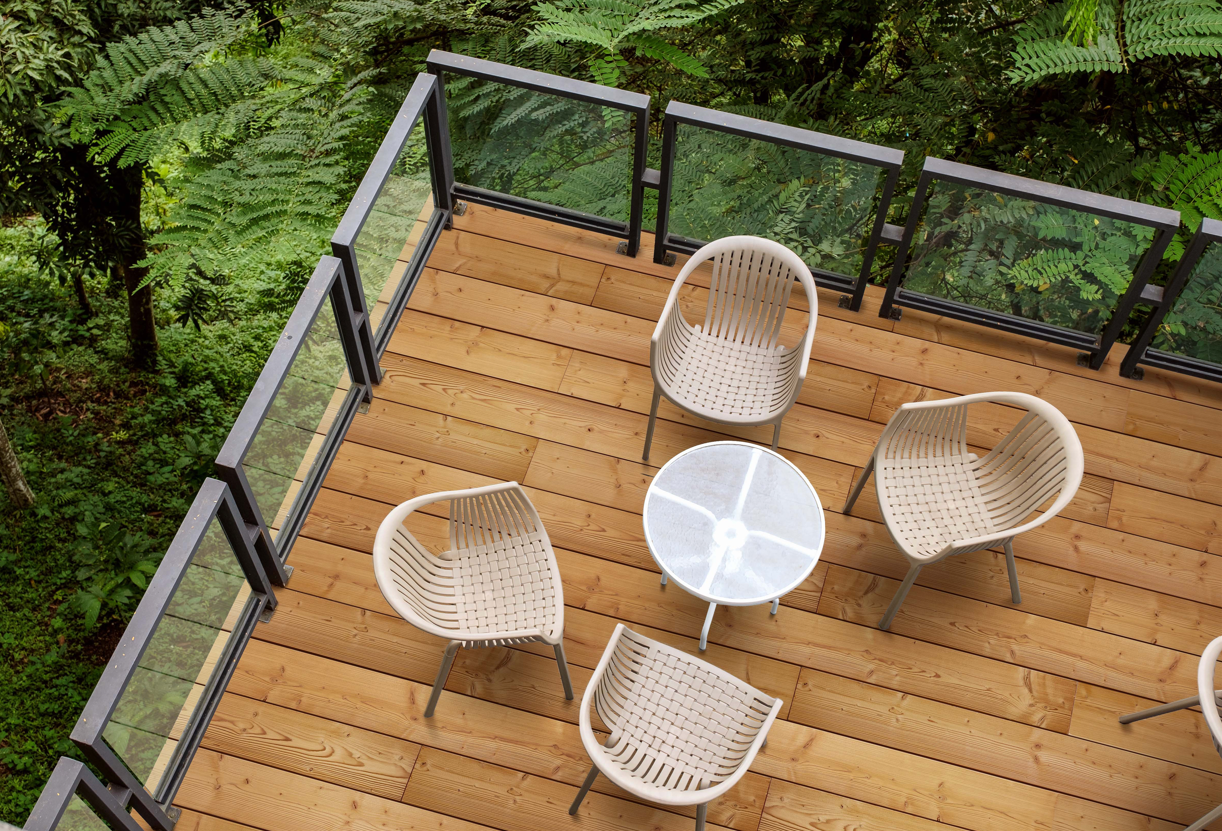
Tali Hardwood Decking ***FSC®*** COMING MAY 2026
-
-
Thermory Spruce Decking PEFC
-
-
-
-
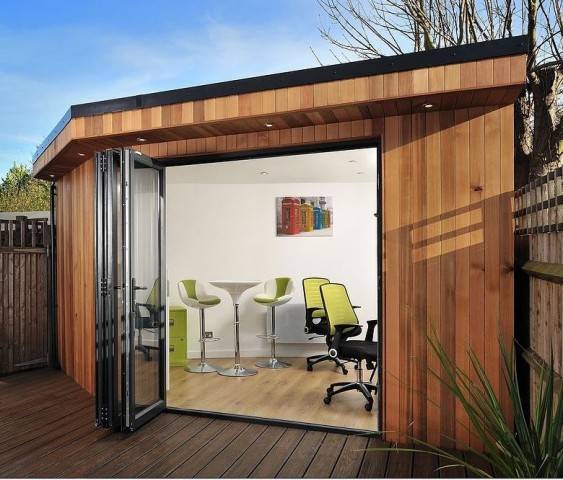
Western Red Cedar Cladding PEFC
-
-
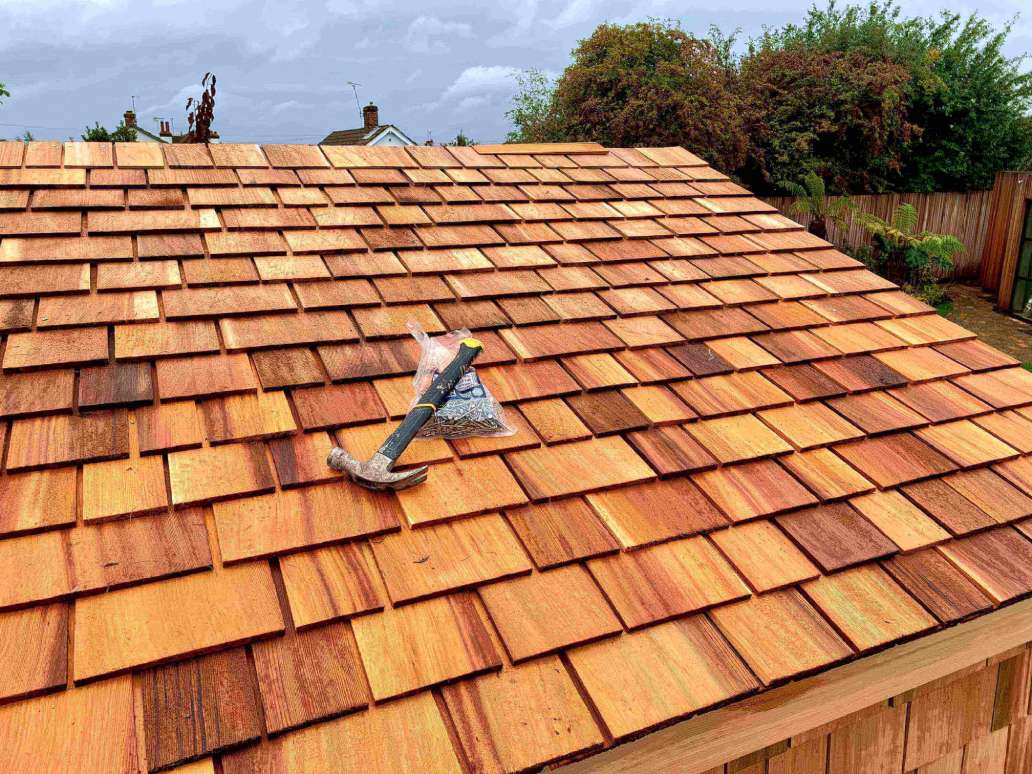
Cedar Shingles & Ridge Tiles PEFC
-
-
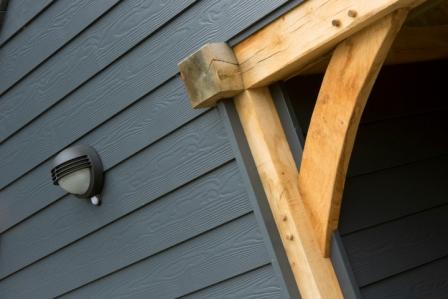
Cedral Cement Board Cladding
-
-
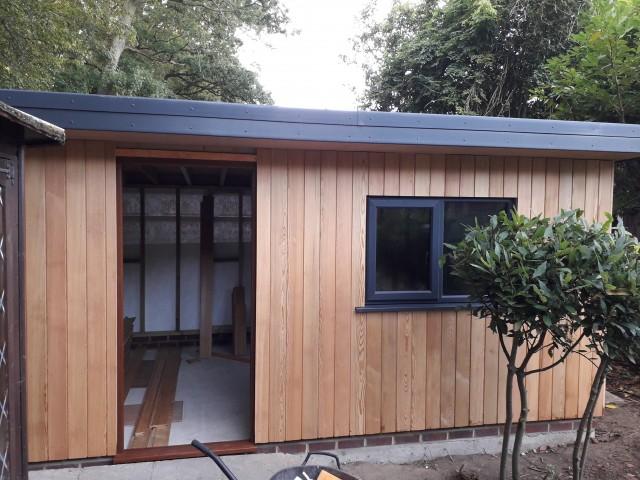
Larch Cladding ***FSC®*** & PEFC
-
-
Douglas Fir Cladding PEFC
-
-
Thermo Ayous Cladding
-

-
Thermowood Pine Cladding PEFC
-
-
Black Barn Cladding PEFC
-

-
Far Eastern Hardwood Cladding PEFC & SVLK
-

-
Thermory Radiata Pine Cladding ***FSC®***
-
-
Thermory Thermo-Ash Cladding
-

-
Thermory Thermo-Ash Decor Rhomb Tiles Internal
-
-
-
-
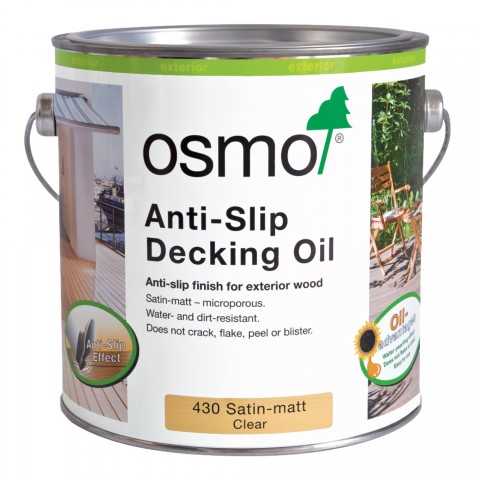
Osmo Treatment & Accessories
-
-
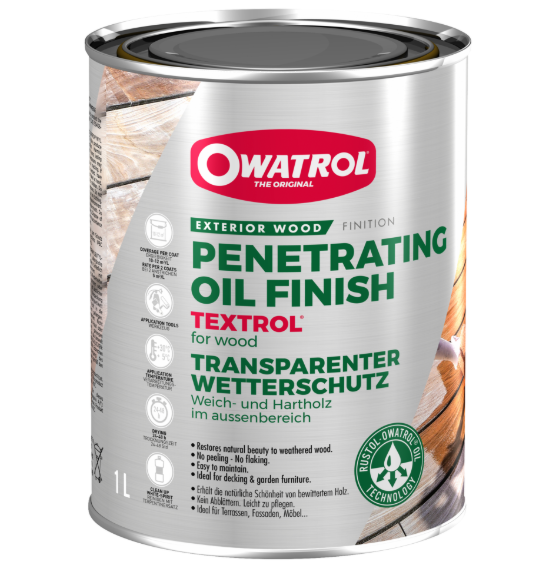
Owatrol Treatment & Accessories
-
-
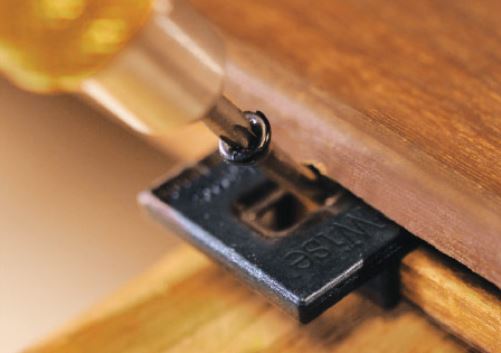
Deckwise Hidden Fixings & Accessories
-

-
Thermory Treatment & Fixings
-

-
Spax Specialist Decking Screws
-

-
Spax Stainless Steel Facade Screws
-

-
Spax Construction Screws
-
-
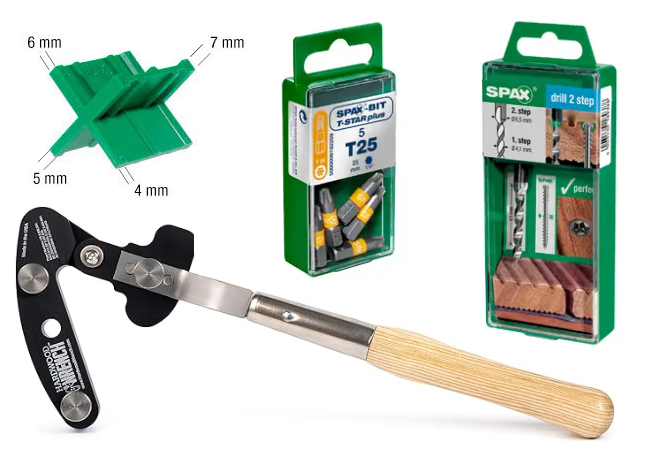
Decking Accessories
-

-
Stainless Steel Nails
-
-
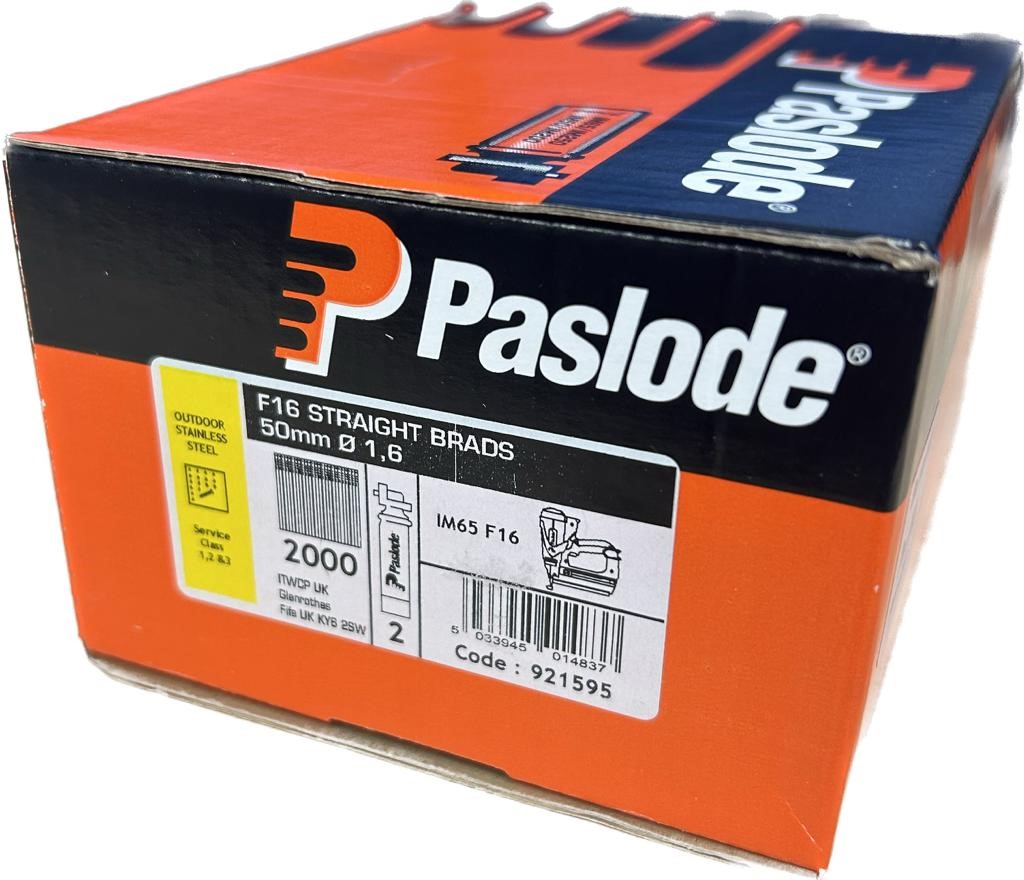
Paslode Stainless Steel Brads
-
-
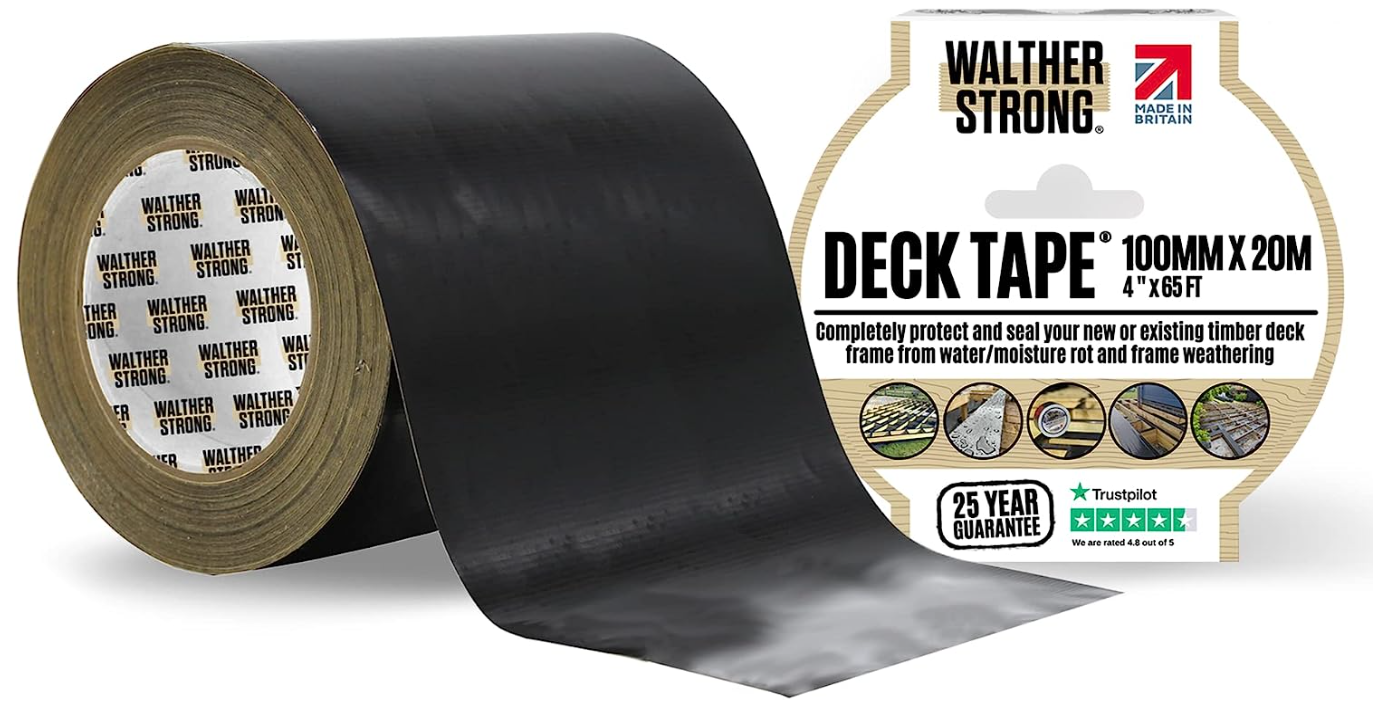
Walther Strong Deck Tape
-
-
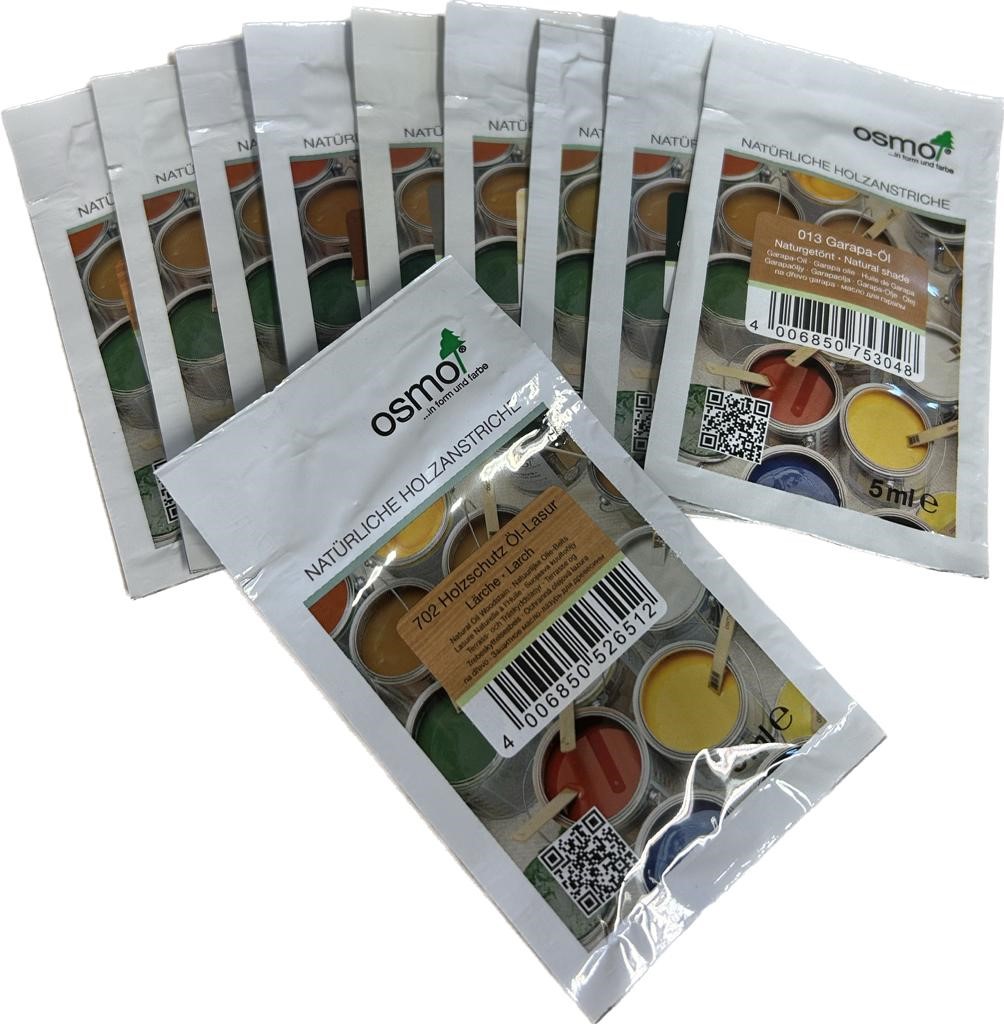
Treatment Samples
-
-
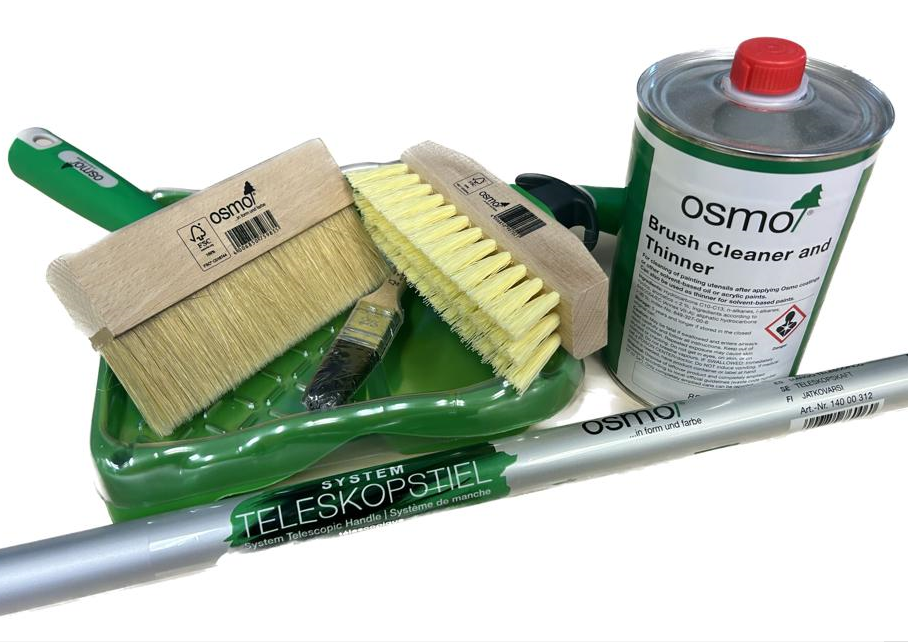
Brushes & Application Tools
-

-
Drive Bits Router Bits & Plug Cutters
-
-
Cedral Accessories
-

When Is The Right Time To Treat Your Timber

by
Southgate Timber
April 03, 2024
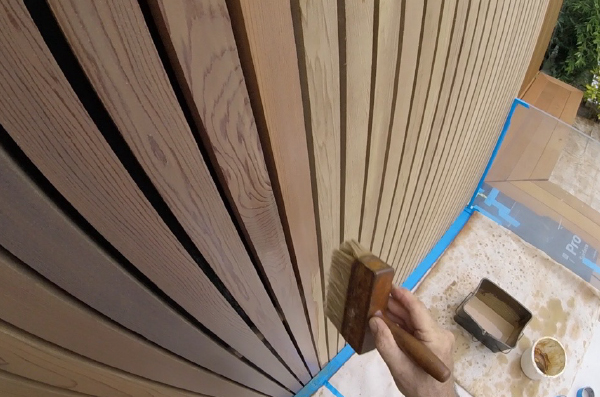


With Easter having just passed, it signified the beginning of a dry and sunny Spring. And what does that mean for all those timber owners out there? That’s right, it means it’s time to treat! Whether its in the form of oils and stains, or just cleaning the timber, now’s the time to get it done. Let’s dive deep into not only why its the right time of year for treatments, but how often maintenance should be done and the signs to look for in your timber that will tell you, its time.
Why is Spring the perfect time to treat your timber?
This may seem trivial, but its actually really important that the weather is perfect for treating. You’ve probably guessed that it has to be a dry day, but most oil and water-based treatments need the temperature to be consistently above 10 degrees, this includes during the night too. If the temperature drops below 10 degrees at night, it can encourage damp which will impact the result. Its also suggested to clean and treat during a dry season to ensure there’s a few dry days after maintenance so the wood can remain fully dry for best results. Something else you might not know is it can be too hot, so it's recommended to treat below 25 degrees. This is because in the heat, the treatment can evaporate before the timber has fully had a chance to properly absorb it, making your efforts almost pointless. Now you might be asking yourself, if I’m just using a pressure washer or cleaning products, then why not clean during the Summer? We still recommend cleaning at a cooler temperature because in the heat, the wood will require a constant mist of spray to remain wet and active. We generally recommend cleaning products over a pressure washer as if used incorrectly, you could damage the wood fibres. And it’s especially not suitable for softer timbers like Cedar.
For regular cleaning, we recommend:
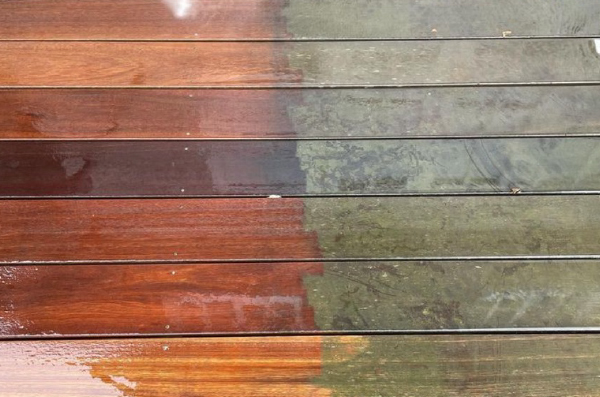
- Net-Trol or Wood Reviver Gel. These products work to remover greyed surfaces.
For severe cleaning when working with very greyed wood or to strip back previous coatings, we suggest:
- First, Prep-Deck which must be kept wet throughout.
- Then neutralise with Net-Trol, again remaining wet throughout.
For treatments to allow the timber to grey overtime:
- Osmo 4001 or Owatrol Seasonite, applied from new. These products help protect the timber when new and most vulnerable to moisture change
Spring isn’t the only time of year that’s good for treating, Autumn is also a time of similar weather conditions and temperatures. Nevertheless, we’ve found Spring to be the preferable time of year as most people want to get their garden looking fresh and ready for the summer rather than afterwards. For newly laid or newly fitted timber, you’ll want to wait at least six months to a year before treating so this may also play a factor in determining when you treat.
How often should you treat your timber?
This depends on what you’re treating, so let's break it down:
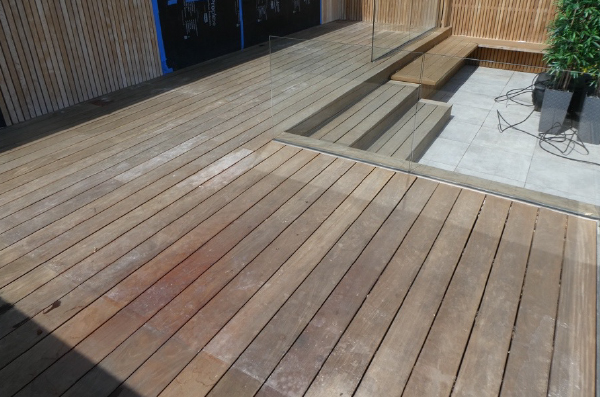
Decking – The most determining factor is exposure to direct sun. For long exposure, you might find more severe greying due to the UV rays. Whereas decking in constant shade may suffer a build up of mildew which can become slippery if left unchecked. Shaded decking may only need retreating every 5 or so years, while those in direct sunlight might be in need of a yearly retreat. The same goes if you’re just cleaning with a pressure washer (make sure you’re using the right accessories and light pressure settings) or a cleaner. Ultimately, every deck is different. So, to properly know when to treat or clean, you should routinely check for signs of wear and tear in your decking, discolouration and mildew.
Cladding/Fencing – The same factors apply here. If you have an overhang or sheltered walls, one round of treating or cleaning can last for many years. But for those projects with direct sun exposure, regular treating is optimal, for example, the Osmo 420 treatment recommends a single coat top up in both Spring and Autumn, which means you’ll never have to fully strip back the timber and start from scratch. But again, every project is different, some being exposed to the sun more than others, so when you start to see discolouring or any sings of damage, it’s time to treat/clean.
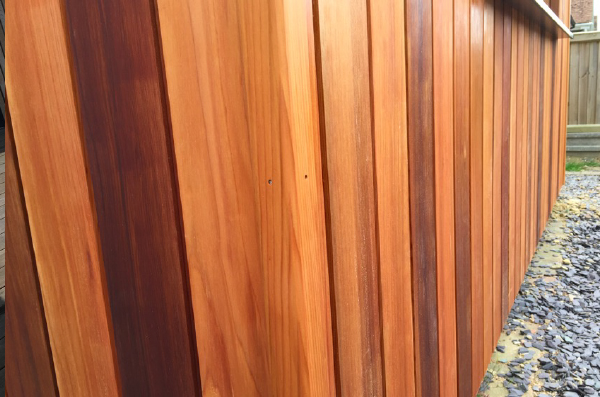
Now that we’ve covered it all, we must stress to you how important it is to read our How To Guides and the instructions on the tin when using any of our treatments or cleaning products. And a key tip to always keep in mind is to trial test any product your using on your timber with a small area of around 1m2 first. Never attempt large areas straight off, its important to test the result to begin with.
Keep your timber healthy, do the aftercare.

General
Recommended for you
View all
Owatrol Treatment & Accessories
The Benefits Of Treating Your Timber
February 22, 2024
Owatrol Treatment & Accessories
When Is The Right Time To Treat Your Timber
April 03, 2024

Western Red Cedar Cladding
Answering Ten Of Your Most Common Questions About Western Red Cedar
June 06, 2024